博客

  • DEA announces restructuring of personnel in the Dominican Republic

    DEA announces restructuring of personnel in the Dominican Republic

    ARLINGTON, Virginia – The U.S. Drug Enforcement Administration has initiated a significant operational reshuffle of its personnel stationed in the Dominican Republic following allegations of professional misconduct currently under federal investigation. This strategic repositioning emerges from an internal agency review aimed at preserving operational integrity while maintaining bilateral counter-narcotics cooperation.

    In an official communiqué, the DEA characterized the move as a precautionary administrative measure designed to strengthen supervisory protocols and accountability mechanisms. The agency explicitly clarified that this reorganization does not constitute a reduction of its operational footprint in the Caribbean nation, but rather represents a structural realignment under enhanced compliance standards.

    Personnel previously deployed to the Santo Domingo field office are being temporarily reassigned during the ongoing investigation. The DEA emphasized that this transitional phase will not impair collaborative anti-drug initiatives with Dominican authorities, noting that Administrator Anne Milgram has personally coordinated with the U.S. Ambassador to ensure an orderly transition process.

    The agency highlighted the Dominican Republic’s critical geopolitical significance as a Caribbean logistics hub and praised the longstanding partnership with the country’s National Directorate for Drug Control (DNCD). This collaboration has produced substantial results in recent years, including major cocaine seizures and the disruption of transnational criminal syndicates operating in the region.

    The DEA concluded its statement by affirming that the investigated conduct represents isolated incidents rather than institutional practice, reiterating its commitment to professional standards, transparency, and the rule of law in all international operations.

  • Residents propose development plan for Union Island

    Residents propose development plan for Union Island

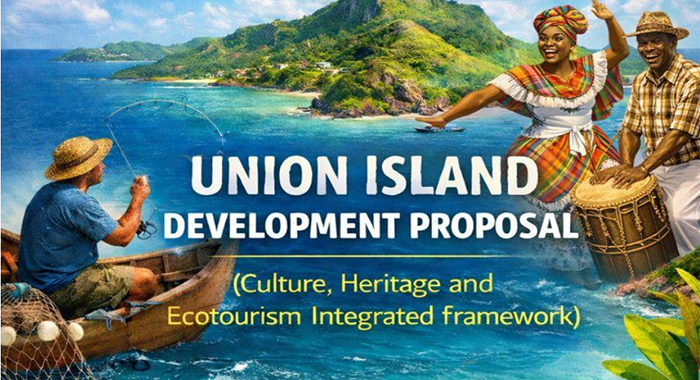
    In the aftermath of Hurricane Beryl’s catastrophic impact on July 1, 2024, the resilient community of Union Island has collaboratively developed a comprehensive development proposal for submission to the St. Vincent and the Grenadines government. This groundbreaking document, crafted through extensive community engagement, outlines a strategic framework for systematic reconstruction and holistic development following the near-total destruction of the island’s infrastructure.

    The Union Island Development Proposal represents a paradigm shift in disaster recovery planning, incorporating insights from over 100 local residents and diaspora members through an inclusive consultative process. This community-driven approach ensures that proposed interventions directly address local needs and priorities, effectively countering the shortcomings frequently observed in conventional development frameworks.

    Beyond immediate recovery efforts, the proposal highlights Union Island’s significant untapped potential in cultural, environmental, and marine assets. The document notes the island’s distinctive heritage, established festivals, and ecotourism sites remain substantially underdeveloped despite their considerable appeal. Particularly noteworthy are the Maroon dances, cultural expressions originating from Union Island that regularly feature at local, regional, and international events as representative of SVG’s traditional culture.

    The proposal acknowledges the island’s documented history of producing internationally recognized athletes, artists, and professionals, while emphasizing its strong cross-boundary relationships with southern islands including Grenada and Trinidad, rooted in shared history and tradition.

    Despite these assets, the document identifies current tourism as predominantly seasonal and concentrated within yachting and transit segments, resulting in limited and uneven economic benefits for local communities. Additionally, the proposal underscores Union Island’s geographical vulnerability to climate change impacts and historical neglect.

    The catastrophic damage from Hurricane Beryl, which destroyed approximately 95% of the island’s housing stock, presents both unprecedented challenges and a critical opportunity to implement a structured ‘build back better’ approach. This reconstruction philosophy would be grounded in Union Island’s unique cultural identity while aligning with national priorities for sustainable development, economic productivity, resilience, and long-term independence.

    The comprehensive proposal not only addresses Union Island’s specific needs but also provides a replicable model for other Grenadines islands and communities throughout St. Vincent and the Grenadines, potentially transforming disaster response methodology throughout the region.

  • Flow Champions Youth Digital Safety and Empowers Students with Necessary Online Skills

    Flow Champions Youth Digital Safety and Empowers Students with Necessary Online Skills

    In a significant move to promote digital citizenship, telecommunications leader Flow marked Safer Internet Day 2026 with an educational initiative across Caribbean schools. The program, aligned with the global theme ‘Smart tech, safe choices, exploring the safe and responsible use of AI,’ engaged students at Clare Hall Secondary School and All Saints Secondary School through interactive workshops.

    Flow Ambassador Lisa Abraham spearheaded the youth-focused presentations, facilitating dynamic discussions on critical digital age topics. The curriculum addressed pressing concerns including artificial intelligence ethics, cybersecurity protocols, combating misinformation, and personal data protection strategies. Using real-world scenarios and open dialogue, the sessions empowered students with practical knowledge for navigating online environments responsibly.

    The student-centered approach fostered critical thinking about digital decision-making, encouraging participants to reflect on their online behaviors. Educators and school administrators joined the conversations, creating a collaborative learning environment that emphasized collective responsibility for internet safety.

    This initiative forms part of Flow’s broader commitment to community engagement and digital literacy. As the Caribbean’s premier telecommunications provider, Flow delivers comprehensive mobile, broadband, television, and digital services to residential and commercial customers throughout the region.

    Parent company C&W Communications supports this mission with extensive technological infrastructure, including the Caribbean’s most advanced submarine fiber network. The organization provides cutting-edge solutions across more than twenty markets, offering consumer entertainment services and business-grade cloud technology, data hosting, and managed network solutions to government and corporate clients.

  • Speaker delays ruling as Leacock-Gonsalves ‘movie’ replays in Parliament

    Speaker delays ruling as Leacock-Gonsalves ‘movie’ replays in Parliament

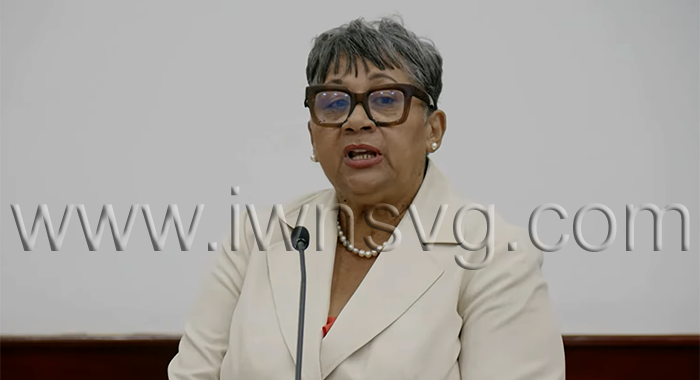
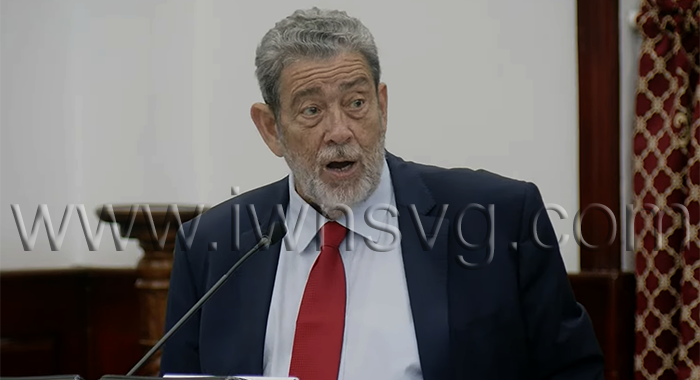
    A contentious atmosphere enveloped the parliamentary session on Thursday as Speaker Ronnia Durham-Balcombe deferred her ruling on a point of order raised by Opposition Leader Ralph Gonsalves. The dispute originated from a remark made by Deputy Prime Minister St. Clair Leacock during the 2026 Budget debate, which Gonsalves deemed unparliamentary and demanded retraction.

    Gonsalves asserted that upon entering the chamber, he overheard Leacock making a derogatory comment directed at him. He promptly raised a point of order, urging the Deputy Prime Minister to apologize. “I am sure in your reading that that is not Parliamentary language to refer to someone,” Gonsalves addressed the Speaker. “I think he would wish to do ‘mea culpa’ and say that I am sorry about that and move on.”

    While Speaker Durham-Balcombe acknowledged some merit in Gonsalves’ objection, characterizing the comment as an epithet, Leacock declined to apologize or retract his statement. Instead, he referenced previous parliamentary exchanges, stating, “The last time this movie played, my response was ‘the imps’ appear.” This defiance prompted Gonsalves to threaten leaving the session, declaring Parliament “a complete joke.”

    The tension was compounded by an earlier procedural conflict where Gonsalves raised another point of order against Minister Laverne Gibson-Velox for reading her speech verbatim, contrary to Standing Orders 33(9). The Speaker overruled this objection, revealing she had granted the minister special permission to read her presentation.

    Speaker Durham-Balcombe subsequently admonished Gonsalves for his conduct, stating his reactions were “above and beyond” and warning that his behavior breached parliamentary decorum. She indicated she would delay her ruling on the initial point of order, exercising her authority to deliberate further.

    Gonsalves defended his actions, emphasizing his commitment to maintaining parliamentary standards and expressing concern over perceived leniency toward government members. The session concluded with unresolved tensions, scheduled to resume Friday morning with Prime Minister Godwin Friday expected to conclude debate on the EC$1.9 million fiscal package.

  • SVG’s age of consent to increase

    SVG’s age of consent to increase

    The government of St. Vincent and the Grenadines has initiated a significant legal reform to increase the nation’s age of consent, addressing a longstanding disparity in its legislation. Currently, the law sets the age of consent at 15 for females but provides no defined legal age for males, a discrepancy now slated for modernization.

    The landmark announcement emerged during parliamentary debates on the 2026 national budget. Laverne Gibson-Velox, Minister of Family and Gender Affairs, Persons with Disabilities and Labour, publicly commended the government’s decision. Articulating the rationale behind the reform, Minister Gibson-Velox stated, ‘If you can’t vote and you can’t pay NIS (National Insurance Services), you’re not ready for adult activity or childbearing. Your education and your values are more important at this stage.’

    This legislative shift fulfills a call to action made nearly a year ago by Godwin Friday, who was then the Leader of the Opposition and is now the Prime Minister. During prior parliamentary sessions focused on amending penalties for sex crimes, Friday emphasized the urgent need for this change, describing the issue as a ‘blight’ and a ‘scourge on our society.’ He highlighted the prevalence of preventable tragedies affecting young girls and expressed hope that stricter penalties would catalyze a serious national discussion.

    While the exact new age has not yet been specified, the move signifies a proactive step toward aligning the country’s legal framework with contemporary standards of child protection and gender equality. The current statute imposes harsher penalties for sexual activity with females under the age of 13, but the absence of a male consent age has been a notable gap. The reform is positioned as the beginning of a broader effort to enhance societal well-being and safeguard the nation’s youth.

  • Gonsalves doubts VAT-free shopping generated $28m in sales

    Gonsalves doubts VAT-free shopping generated $28m in sales

    A significant political dispute has erupted in St. Vincent and the Grenadines regarding the economic impact of the nation’s inaugural VAT-Free Shopping Day. Opposition Leader Ralph Gonsalves has vehemently contested Prime Minister Godwin Friday’s declaration that the December 19, 2025 event generated EC$28 million in sales, dismissing the initiative as merely a political “gimmick” with minimal substantive benefits for working citizens.

    During Monday’s 2026 Budget Address before Parliament, Prime Minister Friday, who also serves as Finance Minister, announced that the Inland Revenue Department had documented substantial consumer activity totaling EC$28 million during the tax-free shopping event. The Prime Minister characterized the initiative as “successful and well-received” while emphasizing its “tangible benefits to consumers and the wider economy.”

    However, Gonsalves delivered a forceful rebuttal during his response to the Budget Speech on Tuesday, challenging the veracity of the reported figures. The Opposition Leader declared his intention to personally confront the Comptroller of Inland Revenue regarding the EC$28 million turnover claim, stating he would “contest it vehemently.” Gonsalves criticized the program’s restrictive framework, noting specific exemptions including vehicle purchases and restaurant/hotel dining that limited the initiative’s practical impact.

    Employing detailed fiscal analysis, Gonsalves presented alternative calculations based on historical VAT collection data. He referenced his party’s previous administration projections of EC$159 million in VAT revenue for 2025, with actual 2024 collections reaching EC$130.2 million. Through mathematical extrapolation, Gonsalves determined that average daily turnover would approximate EC$4 million under normal circumstances—far below the government’s reported EC$28 million figure.

    The Opposition Leader further questioned the methodology behind the revenue assessment, suggesting that consumer spending patterns likely shifted substantially in the days surrounding the VAT-free event rather than representing genuine economic stimulation. He cited Barbados’ experience with similar initiatives, noting that country reported losses of BDS$3 million despite having triple the population and fewer purchasing restrictions.

    This fiscal debate occurs within the broader context of the New Democratic Party’s first budget presentation since ending the Unity Labour Party’s 27-year governance period on November 27. Parliament continues deliberations on the proposed EC$1.9 billion budget amid these contentious economic claims.

  • Eighth edition of “Dominicans at the Capitol” concludes successfully in Washington

    Eighth edition of “Dominicans at the Capitol” concludes successfully in Washington

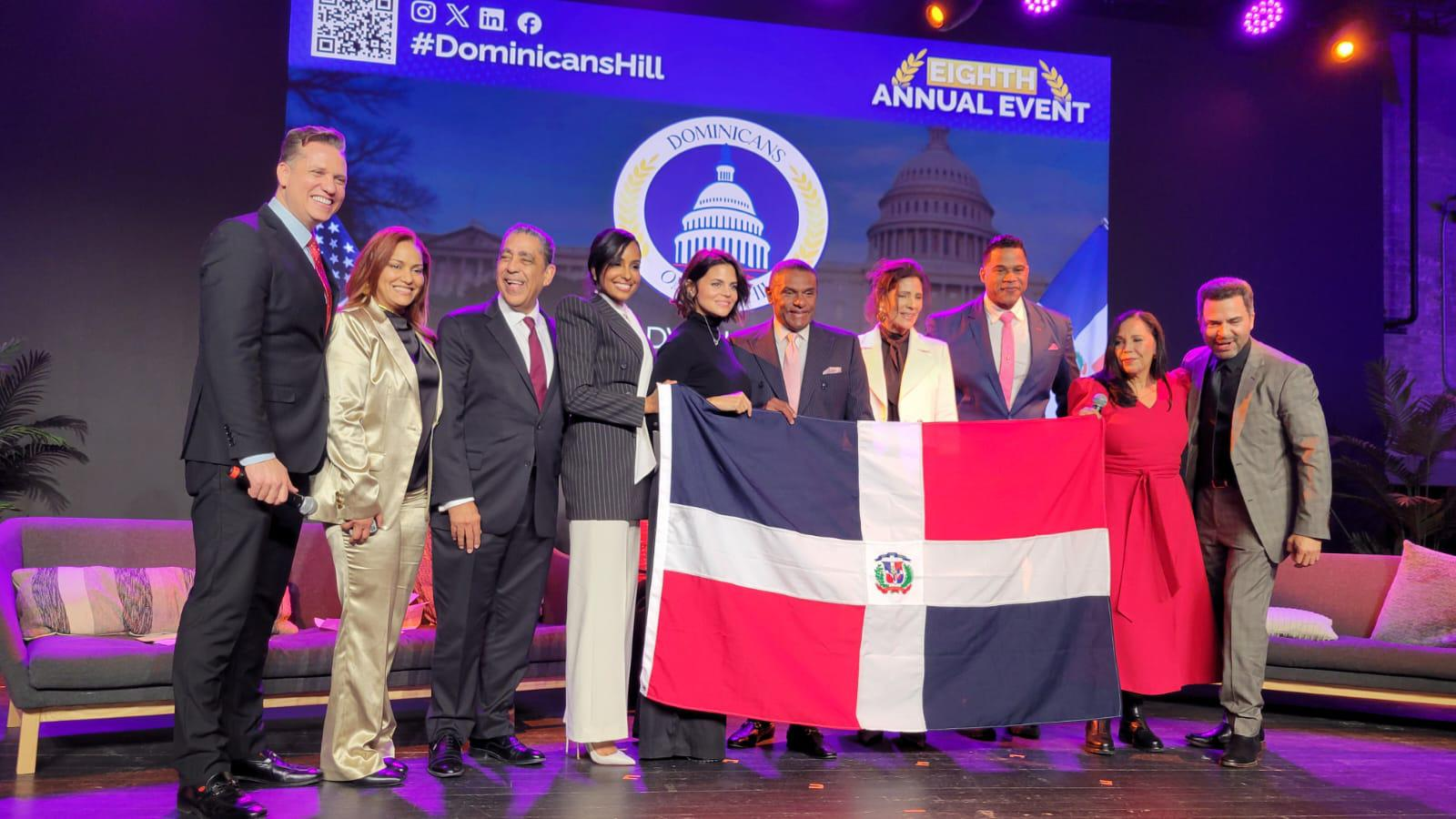
    WASHINGTON, D.C. – In a powerful demonstration of civic engagement, over 700 members of the Dominican American community converged at the U.S. Capitol and Capital Turnaround for the eighth annual Dominicans on the Hill conference. The gathering, orchestrated during Dominican Heritage Month, has emerged as a significant national platform for political dialogue and community advancement.

    Founded by Congressman Adriano Espaillat, the initiative has transformed into a cornerstone event that bridges lawmakers, academics, community leaders, and young professionals. This year’s conference, backed by businesses, public institutions, and academic research centers, adopted the thematic focus ‘Promoting Public Policies and Opportunities in Health.’

    The 2026 edition facilitated critical discussions on healthcare equity, innovation in medical services, and leadership development within the Dominican-American demographic. Participants examined pressing challenges including reproductive health services, aging with dignity, artificial intelligence’s impact on healthcare systems, and strategic biomedical supply chain considerations affecting both the United States and the Dominican Republic.

    Notably, the inclusion of digital influencers expanded the conference’s reach, fostering broader public engagement. The event simultaneously laid foundational work for developing a National Agenda for Dominicans in the United States, signaling a coordinated approach to addressing community needs through policy advocacy and strategic planning.

  • Regering staat achter hervorming rechterlijke macht; benadrukt constitutionele zorgvuldigheid

    Regering staat achter hervorming rechterlijke macht; benadrukt constitutionele zorgvuldigheid

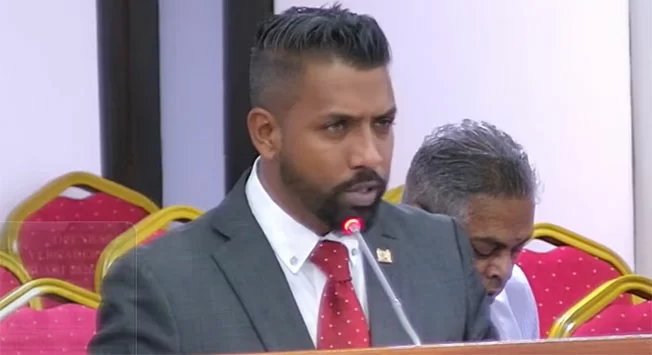
    Suriname’s government has expressed cautious support for proposed judicial reforms while emphasizing the need for constitutional alignment and practical implementation. Justice Minister Harish Monorath addressed the National Assembly on Thursday, outlining the administration’s careful approach to restructuring the judicial system.

    Minister Monorath characterized the proposed legislation as touching upon fundamental aspects of state governance rather than routine policy adjustments. “These reforms reach the core of our constitutional structure,” Monorath stated, emphasizing that any changes must be continuously evaluated against constitutional principles, separation of powers doctrine, and practical executability.

    Regarding the establishment of a third judicial instance, the minister acknowledged the importance of enhanced legal development and protection while highlighting critical considerations. “We must thoroughly examine personnel capacity, financial implications, and organizational structure,” Monorath explained, noting that new judicial bodies create permanent state burdens and require sufficient qualified personnel.

    The proposal to establish a college of prosecutors-general received similar scrutiny. Monorath stressed the necessity for clear demarcation of authority and responsibility within the Public Prosecutor’s Office, which occupies a unique position within the state apparatus. Structural changes must not create ambiguity regarding hierarchy, accountability, or command relationships.

    Monorath emphasized the crucial balance between reform and institutional stability, noting that judicial stability remains essential for legal certainty and citizen/investor confidence. The minister underscored that legislation must be both legally sound and administratively workable.

    The government consequently adopted a prudent approach: supporting judicial modernization and strengthening while prioritizing constitutional consistency, financial viability, and practical implementation. According to Monorath, all modifications should contribute to a stronger, more transparent, and independent legal system rather than responding to incidental events or temporary tensions.

    Following the minister’s address, VHP parliamentarians Krishna Mathoera and Mahinder Jogi criticized what they characterized as the government’s passive stance toward initiative laws. They emphasized shared responsibility that cannot be delegated, noting that the executive branch ultimately implements adopted legislation. The assembly adjourned after the minister’s responses, with sponsors expected to present amendments based on discussions during the second round.

  • Who is unfamiliar with cancer?

    Who is unfamiliar with cancer?

    In the pediatric oncology ward of Cuba’s National Institute of Oncology and Radiobiology (INOR), life unfolds with heartbreaking fragility and extraordinary resilience. Here, children play amidst their battles with cancer, while medical professionals wage a daily war against both disease and scarcity. Dr. Mariuska Forteza Sáez, head of INOR’s Pediatric Oncology Department, leads a team that consistently achieves survival rates comparable to developed nations despite severe medication shortages and equipment limitations.

    The Cuban healthcare system faces unprecedented challenges in cancer treatment due to the longstanding US economic blockade. With one cancer death occurring every 20 minutes and 50,000 new cases diagnosed annually, the nation’s medical professionals must constantly adapt treatment protocols when first-line chemotherapy drugs are unavailable. Doctors frequently modify regimens, sometimes using less effective or more toxic alternatives when essential medications remain inaccessible.

    Dr. Luis Martínez Rodríguez, INOR’s director, emphasizes that while 40% of cancers could be prevented through lifestyle changes, the current economic situation has significantly reduced clinical research capabilities. From over 30 clinical trials, the institution now maintains only the most critical studies due to reagent shortages.

    Remarkably, Cuba has developed significant biotechnological capabilities despite these constraints. Dr. Elías Gracia Medina notes that 40% of the country’s cancer drugs are manufactured domestically, building on pioneering work that began with Cuba’s first monoclonal antibody development in the 1980s. The Center for Molecular Immunology (CIM) has become a leader in therapeutic vaccines and antibodies.

    The human impact extends beyond medication shortages. Patients struggle with transportation to hospitals, nutritional challenges, and even power outages affecting medical equipment. Dr. Carlos Alberto Martínez Blanco condemns the sanctions as ‘inhumane and genocidal measures’ that attack fundamental rights to life and healthcare.

    Through telemedicine collaborations with leading centers in Canada, Spain, Mexico, Russia, Japan, and China, Cuban oncology maintains its international connections. The nation’s healthcare professionals continue their sovereign commitment to treat patients, demonstrating that human determination can overcome even the most severe material limitations in the fight against cancer.

  • Material aid sent by Mexico arrives in Havana

    Material aid sent by Mexico arrives in Havana

    In a significant demonstration of international solidarity, Mexican Navy vessels Papaloapan and Isla Holbox docked at Havana’s port on Thursday morning carrying substantial humanitarian aid for the Cuban people. The shipment, comprising essential food supplies, toiletries, and cleaning products, represents the Mexican government’s concrete response to Cuba’s ongoing economic challenges.

    Cuban President Miguel Díaz-Canal Bermúdez publicly acknowledged the gesture via social media, characterizing the assistance as emblematic of “the solidarity, friendship, and exemplary history of sovereignty and respect for the rights of others that distinguish Mexico.” His statement underscored the deep historical ties between the two nations.

    Betsy Díaz Velázquez, Cuba’s Minister of Domestic Trade, personally oversaw the reception of the aid and expressed profound gratitude to Mexican President Claudia Sheinbaum, the Mexican government, and its citizens. “We feel accompanied by Mexico, by its humanity, its solidarity, and its brotherhood,” she stated during the arrival ceremony.

    The minister specifically recognized the coordinated efforts of multiple Mexican institutions including the Ministry of the Navy, the Ministry of Foreign Affairs, the Embassy, and the Office of the Presidency in facilitating the complex logistical operation. She emphasized the particular importance of this assistance given the “intensified attempt to suffocate us” through tightened U.S. economic sanctions.

    This humanitarian delivery occurs against the backdrop of strengthened U.S. restrictions under the economic blockade, which Cuban officials describe as increasingly detrimental to civilian welfare. The Mexican government’s aid shipment not addresses immediate material needs but also serves as a diplomatic statement reinforcing Mexico’s independent foreign policy and commitment to South-South cooperation.

    The distribution mechanisms for the received supplies will be managed through Cuba’s domestic trade networks, ensuring the aid reaches populations most affected by current economic pressures.