博客

  • Minimum Wage, Pay For Established Non-Established and Pensioners To Increase

    Minimum Wage, Pay For Established Non-Established and Pensioners To Increase

    In a significant move aimed at enhancing the financial well-being of its workforce and retired citizens, the government has officially sanctioned a broad increase in remuneration and pension benefits. The new policy mandates an upward adjustment to the national minimum wage, alongside salary enhancements for both established and non-established public sector employees. Furthermore, pensioners are set to receive a corresponding boost to their benefits.

    The decision, emerging from extensive deliberations between government officials, labor unions, and economic advisors, is framed as a strategic response to prevailing economic pressures, including the rising cost of living and inflationary trends. The wage hikes are designed to bolster household incomes, stimulate consumer spending, and provide a more sustainable standard of living for a substantial segment of the population.

    For employees, the distinction between ‘established’—typically those with permanent, pensionable positions—and ‘non-established’ workers is a critical one in public sector compensation structures. This initiative ensures that both categories are included in the financial uplift, promoting greater equity within the civil service. The simultaneous increase in pension payments acknowledges the ongoing financial challenges faced by retirees, ensuring their benefits keep pace with the economic environment.

    Economic analysts are monitoring the potential macro-economic implications of this decision, which includes its effect on national expenditure, potential inflationary pressures, and broader economic vitality. The government has stated that these measures are a cornerstone of its commitment to social welfare and economic stability, with implementation schedules and exact percentage increases to be detailed in an upcoming official circular.

  • Fourth year of Mandarin programme begins for local police

    Fourth year of Mandarin programme begins for local police

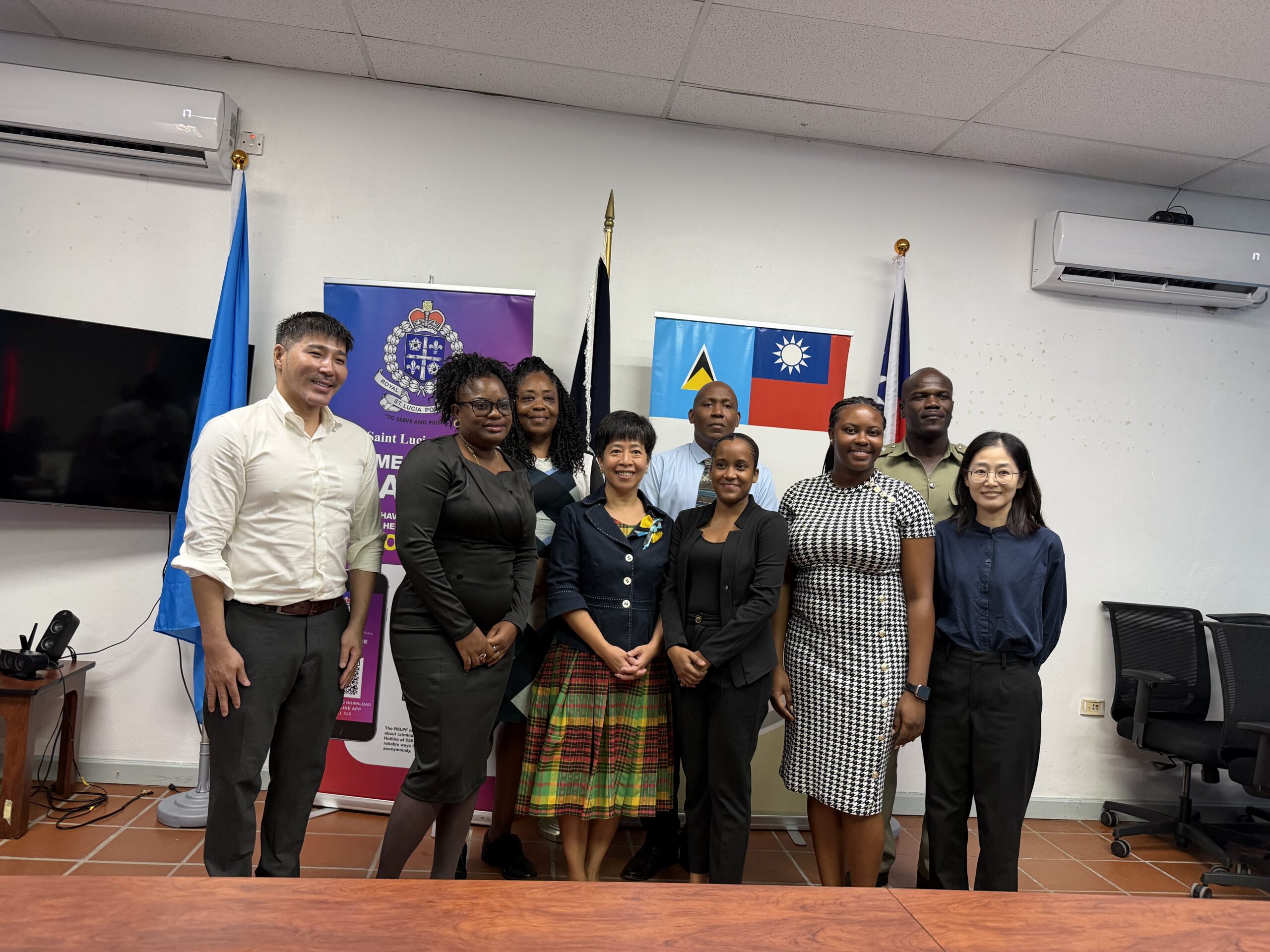
    Saint Lucia’s law enforcement personnel are expanding their linguistic capabilities through a specialized Mandarin training program, now entering its fourth consecutive year. The initiative, which simultaneously celebrated the graduation of one cohort while launching another, represents an ongoing collaboration between Saint Lucia and Taiwan.

    The ceremonial event highlighted the completion of an intensive eight-week course in Vieux Fort while announcing the forthcoming session scheduled to commence February 16 in Castries—marking the third iteration of the program in northern Saint Lucia’s capital city.

    Taiwan’s Ambassador to Saint Lucia, Nicole Su, commended the dedication of participating officers during her address. ‘I’m profoundly impressed by your commitment throughout these thirty-two hours of instruction last year,’ Ambassador Su remarked. ‘Balancing professional responsibilities with the acquisition of a completely new language demonstrates remarkable discipline.’

    The incoming cohort of twenty-five officers will undertake the same comprehensive curriculum that combines language immersion with cultural education. Ambassador Su emphasized the program’s broader significance: ‘This training transcends mere language acquisition—it creates new opportunities for professional development, enhances international cooperation, and strengthens the bilateral relationship between Taiwan and Saint Lucia.’

    Police officer Carlene Charles, a program participant, shared her transformative educational journey. She described the initial challenge of deciphering Chinese characters as ‘encountering abstract art with rules,’ noting how the experience reshaped her perception of language learning. ‘This experience demonstrated that our roles as police officers don’t limit our potential for growth,’ Charles reflected. ‘It taught us that effective law enforcement relies not only on authority but equally on cultural understanding.’

    Instructor Yu-Chin Peng praised participants’ enthusiasm and expressed hope that the program had provided officers with meaningful insights into Taiwanese culture and traditions. The initiative continues to bridge cultural divides while equipping Saint Lucian officers with valuable skills for international engagement and community policing in multilingual environments.

  • Matthew mounts firm defence of immigration Amnesty likely to commence in March

    Matthew mounts firm defence of immigration Amnesty likely to commence in March

    The Canadian federal government is preparing to initiate a sweeping immigration regularization program, with official sources indicating a targeted commencement date in March. This ambitious initiative, designed to grant permanent residency status to hundreds of thousands of undocumented migrants, represents one of the most significant immigration policy shifts in recent Canadian history.

    Immigration Minister Marc Miller has emerged as the program’s most vocal advocate, mounting a vigorous defense against growing political opposition. In recent parliamentary sessions and public appearances, Minister Miller has articulated a multifaceted justification for the amnesty, emphasizing both humanitarian imperatives and economic pragmatism.

    “Regularizing the status of undocumented individuals who contribute to our society and economy isn’t just morally sound—it’s economically prudent,” Minister Miller stated during a press conference. “These individuals already form an integral part of our communities, our labor force, and our social fabric. Providing them with permanent status will enhance their productivity, increase tax compliance, and strengthen social cohesion.”

    The program’s architecture reportedly includes stringent eligibility criteria requiring demonstrated economic contribution, clean criminal records, and established community ties. Implementation is expected to occur through a phased approach, prioritizing long-term residents with verifiable employment histories and family connections in Canada.

    This policy initiative has ignited intense debate across the political spectrum. While civil society organizations and immigration advocates have welcomed the announcement as a landmark victory for human rights, opposition critics have raised concerns about potential strain on public services, the message it sends regarding immigration enforcement, and procedural fairness to those pursuing conventional immigration pathways.

    The March implementation timeline suggests the government aims to establish the program’s operational framework before potentially entering a new election cycle, positioning immigration policy as a defining element of its political agenda.

  • Dainisha Eusebe of Grand Bay is Miss Dominica 2026

    Dainisha Eusebe of Grand Bay is Miss Dominica 2026

    In a dazzling ceremony at Windsor Park Sports Stadium, Dainisha Eusebe from Grand Bay emerged victorious as Miss Dominica 2026, sponsored by Kingdom Bank Corporation. The competition, themed ‘Bouyon Bloom’ in celebration of Dominica’s vibrant music culture, featured five exceptional contestants vying for the prestigious title.

    Eusebe distinguished herself by capturing an impressive five major awards: Best Response to Question, Best Platform Community Project Video, People’s Choice Award, Best Performing Talent, and Best in Swimwear. Her winning platform, ‘Animal Welfare: Advocating for humane treatment of animals,’ resonated strongly with both judges and audience members.

    The first runner-up position was secured by Sheraine Mills, representing Jimmit and St Joseph, while Sanchia Tyson from Crayfish River in the Kalinago Territory earned second runner-up honors. Tyson additionally received the Chairperson’s Award for Best National Spectacular Wear Creation and Best in National Spectacular Wear Creation.

    Other notable award recipients included Darna Eugene, also representing Grand Bay, who won both Best Evening Wear and Best in Evening Wear Awards. Daina Graneau from the Atkinson/Kalinago Territory received the Best Swimwear Award.

    The Bouyon Bloom theme provided a colorful backdrop to the evening, celebrating Dominica’s rich musical heritage and the artists who contribute to this dynamic genre. The pageant showcased not only beauty and poise but also intellectual depth and social awareness through its various competition segments.

  • New agro-producing facility may be coming to Dominica, says PM SKerrit

    New agro-producing facility may be coming to Dominica, says PM SKerrit

    The Dominican government has unveiled ambitious plans to construct a state-funded agro-processing facility specifically designed to support local beekeepers and pepper sauce producers. Prime Minister Roosevelt Skerrit made the significant announcement during a recent stakeholder engagement session, highlighting the administration’s commitment to addressing critical infrastructure challenges within the agricultural processing sector.

    Prime Minister Skerrit identified several persistent obstacles facing small-scale agro-processors, emphasizing that access to appropriate infrastructure remains a fundamental constraint. “The requirements for proper processing, bottling, storage, quality testing, and standards compliance demand facilities that individual small producers cannot reasonably develop independently,” Skerrit explained during his address.

    In a groundbreaking commitment, the government revealed plans to fully finance and equip a modern processing center that will serve the specialized needs of both honey and pepper sauce producers. The facility will provide comprehensive services including production space, bottling capabilities, packaging solutions, and quality assurance infrastructure.

    “We are prepared to invest substantial resources into establishing a national production facility that will be available to producers at no cost,” Skerrit declared, underscoring the government’s willingness to shoulder the entire financial burden of the project. This initiative represents a significant intervention in Dominica’s agricultural value chain development, potentially transforming the economic prospects for small-scale agro-processors across the nation.

    The proposed facility aims to enhance product quality, improve market competitiveness, and increase export potential for Dominican honey and pepper sauce products. By centralizing processing operations, the government expects to achieve economies of scale while maintaining stringent quality standards that meet international market requirements.

  • Residents Decry Late-Night Bar Noise in St John’s Rural South

    Residents Decry Late-Night Bar Noise in St John’s Rural South

    A mounting public outcry over nocturnal noise pollution is intensifying in the St. John’s Rural South community of Antigua, where residents are demanding rigorous enforcement of existing sound ordinances. The core of the grievance targets local bars and entertainment venues, accused of generating excessive noise levels that severely impair residential tranquility and quality of life.

    Community members voiced their frustrations during a recent town hall assembly, detailing the profound impact on their wellbeing. One attendee reported music audibly blaring as late as 2:30 a.m., highlighting the potential consequences of chronic sleep deprivation, including deteriorated mental health and diminished professional performance.

    Adding a deeply personal dimension to the issue, another resident shared her particular challenges. As an individual recuperating from a surgical procedure while simultaneously caring for two children with autism, she described an unbearable situation. Weekend noise disturbances, she noted, frequently commence as early as 5 p.m. and persist until 3 a.m., including Sunday evenings, critically disrupting essential rest before the weekly commencement of work and school.

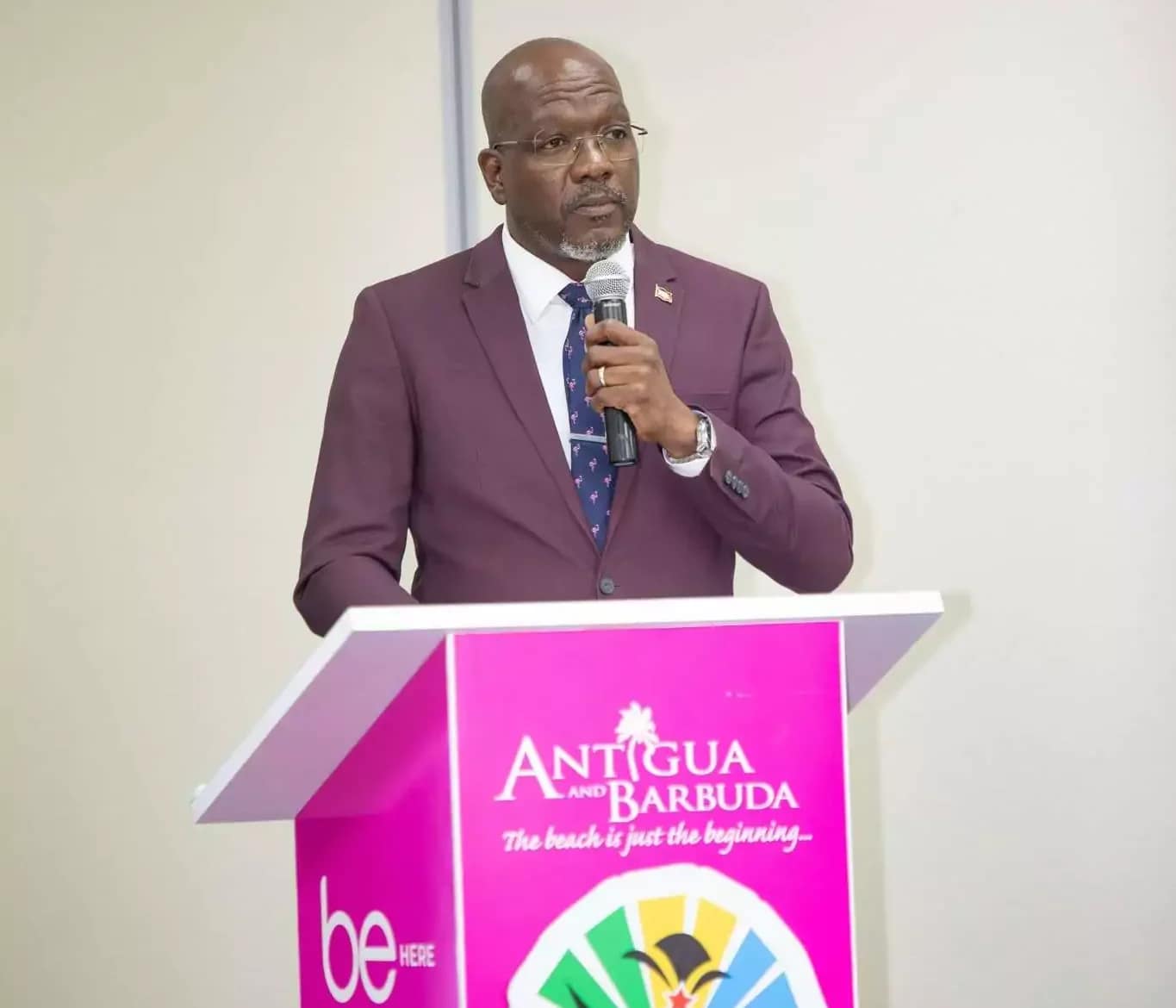
    In response to these escalating concerns, high-ranking government officials have committed to intervention. Attorney General Sir Steadroy Benjamin and Prime Minister Gaston Browne publicly pledged to engage law enforcement agencies. Their objective is to ensure strict adherence to the legal statute mandating a significant reduction in music volume after 11 p.m. PM Browne further issued a direct appeal to the business community, urging proprietors to exercise greater consideration and social responsibility towards their residential neighbors’ fundamental need for undisturbed rest.

  • Government to Address Travel Concerns of Dominican Permanent Residents

    Government to Address Travel Concerns of Dominican Permanent Residents

    The government of Antigua and Barbuda has committed to addressing significant immigration concerns raised by its Dominican community regarding re-entry difficulties despite holding valid permanent residency status. The issue came to light during a town hall meeting in the St. John’s Rural South constituency on Thursday evening, where residents revealed that individuals carrying official residency stamps were being subjected to additional visa requirements when returning from international travel.

    Attorney General Sir Steadroy Benjamin formally acknowledged the administrative and legislative shortcomings causing these disruptions. He characterized the situation as a ‘legislative flaw’ within the current system and confirmed that the Cabinet plans to establish a definitive policy to resolve the matter at its upcoming session.

    In a statement addressing community fears, Benjamin emphasized, ‘Many of our friends from the Dominican Republic are apprehensive about traveling abroad, as their hard-earned residency status currently provides no guaranteed re-entry. We are committed to rectifying this injustice. Once an individual has legally acquired residency, they must be afforded the right to both work and move freely.’

    The Attorney General confirmed that a considerable number of Dominican nationals have been adversely affected by these procedural inconsistencies. He provided assurances that the government would implement corrective measures to uphold the integrity of the residency system and ensure the protection of migrants’ rights, reinforcing the nation’s commitment to fair and transparent immigration practices.

  • PAHO/WHO and Antigua and Barbuda sign Multi Country Cooperation Strategy 2026–2031

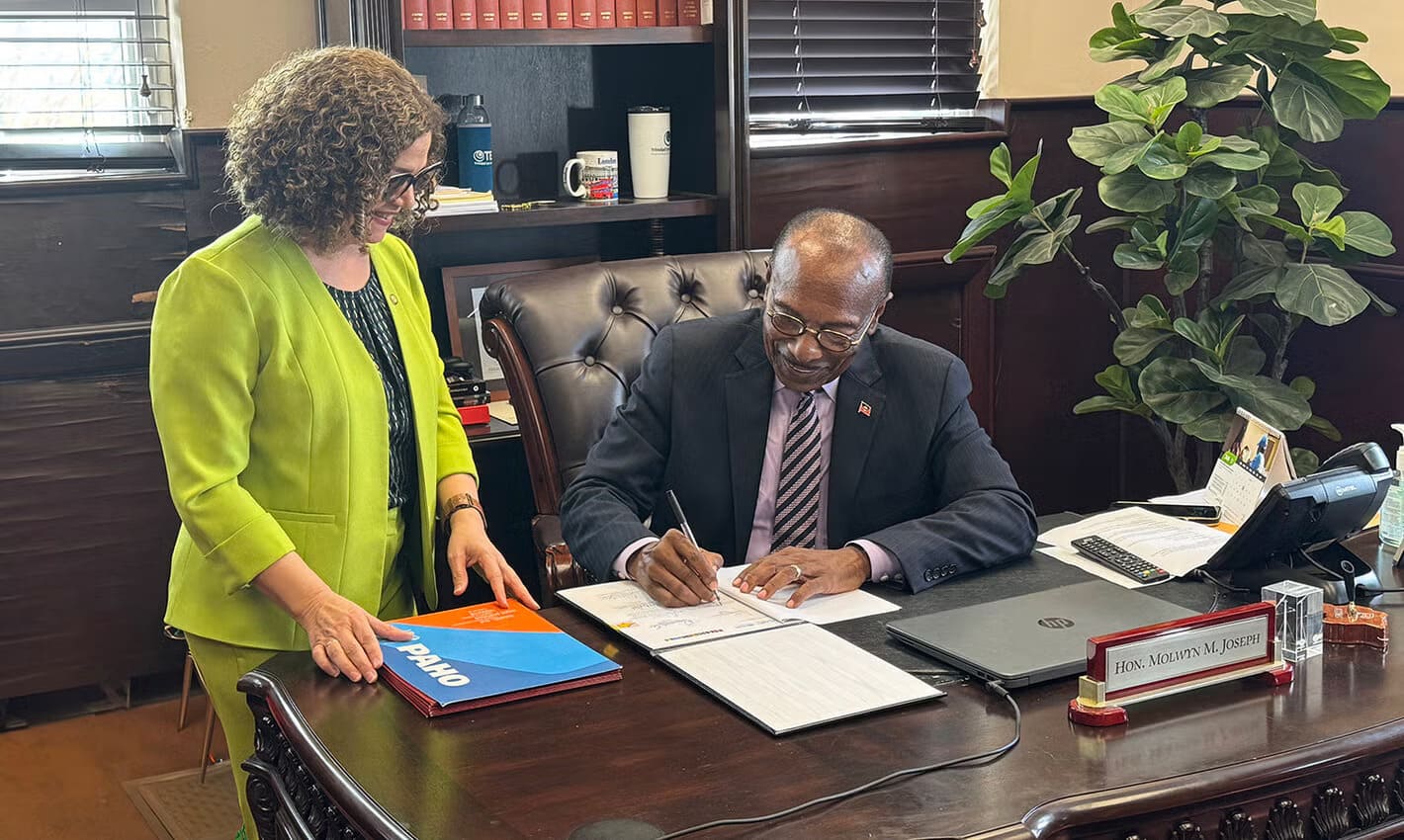
    PAHO/WHO and Antigua and Barbuda sign Multi Country Cooperation Strategy 2026–2031

    In a significant move for public health collaboration, Antigua and Barbuda has formally ratified the Pan American Health Organization/World Health Organization (PAHO/WHO) Multi-Country Cooperation Strategy (MCCS) for the period 2026–2031. The signing ceremony, held in St. John’s, marks a national commitment to a unified regional agenda designed to enhance health outcomes and tackle development challenges across Barbados and the Eastern Caribbean nations.

    The Hon. Sir Molwyn Joseph, Minister of Health, Wellness, Environment and Civil Service Affairs, executed the official endorsement on behalf of the Antiguan and Barbudan government. The event was witnessed by Dr. Amalia Del Riego, the PAHO/WHO Representative for Barbados and the Eastern Caribbean Countries, signaling a strengthened partnership between the nation and the international health body.

    This national ratification follows a broader regional launch event convened in Washington, D.C., in September 2025, where health ministers from across the Eastern Caribbean collectively pledged their support for the strategic framework.

    Forged through comprehensive dialogue between governmental authorities and PAHO technical experts, the MCCS 2026–2031 establishes a cooperative blueprint to confront pressing health issues. Its core objectives are structured around five pivotal pillars: reinforcing health governance and leadership; combating the spread of communicable diseases; mitigating the prevalence of non-communicable diseases (NCDs) and mental health conditions; driving the transformation of national health systems; and developing health infrastructures resilient to climate change impacts.

    The ceremony was attended by key national figures, including Sen. Michael Joseph, the Junior Minister of Health, Dr. Kamaria De Castro, Chief Medical Officer, Dr. Teri-Ann Joseph, Deputy Chief Medical Officer, and personnel from PAHO’s decentralized office in Antigua and Barbuda.

    Dr. Del Riego praised the nation’s proactive leadership, stating, “This formal endorsement by Antigua and Barbuda solidifies our mutual dedication to constructing more robust, equitable, and climate-resilient health systems. PAWHO anticipates ongoing cooperation to achieve tangible, sustainable improvements for the well-being of all citizens.”

  • LVV bespaart SRD 30 miljoen door werkzaamheden in eigen beheer

    LVV bespaart SRD 30 miljoen door werkzaamheden in eigen beheer

    The Ministry of Agriculture, Livestock, and Fisheries (LVV) in Suriname has achieved significant cost savings of at least SRD 30 million over the past six months by implementing an innovative in-house maintenance approach. Rather than outsourcing repair and maintenance projects, the ministry has strategically handled numerous operational tasks internally, including critical maintenance of irrigation channels and drainage ditches.

    Minister Mike Noersalim revealed that his department has successfully resolved between 30 to 40 emergency situations through this method. By utilizing ministry-owned machinery and coordinating fuel supplies, LVV has demonstrated substantial efficiency gains. This operational model, which has proven financially advantageous, will now be expanded across all districts nationwide.

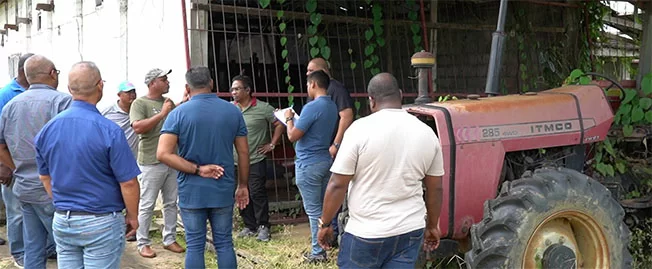
    During a recent inspection tour of Saramacca district, Minister Noersalim identified widespread deferred maintenance issues affecting both infrastructure and ministry facilities. Numerous agricultural machinery and equipment were found in poor condition, though many require only simple interventions to become operational again. A malfunctioning pumping station in La Poule was specifically noted for causing flooding in residential areas during rainfall.

    In response, LVV has established a collaborative framework involving district commissioners, private sector representatives, and local entrepreneurs. DNA member and business leader Jayant Lalbiharie has committed to restoring tractors to working condition, while District Commissioner Aniel Ramautar will facilitate the repair of thirteen bridges crucial for farmers accessing their agricultural lands. The ministry will provide necessary materials for these infrastructure projects.

    This cooperative approach not only addresses immediate operational challenges but also establishes a sustainable partnership model where government agencies, district authorities, and private entities share responsibility for agricultural infrastructure maintenance. Minister Noersalim emphasized that this strategy will continue for smaller-scale projects, while acknowledging that major complex initiatives will still require public tender processes.

  • Cabinet Reviews New Governance Structure for Festivals Commission

    Cabinet Reviews New Governance Structure for Festivals Commission

    In a significant move to transform its cultural governance framework, the national Cabinet convened a special session with key stakeholders to establish a new operational structure for the Festivals Commission and Ministry of Creative Industries. The high-level meeting brought together senior officials from the creative ministry, festival commission representatives, and Treasury delegates to deliberate on a comprehensive reorganization plan.

    The proposed architecture represents a strategic division of responsibilities, with the Festivals Commission being designated as the primary authority for planning and executing major national productions and flagship cultural events. Concurrently, the Ministry of Creative Industries will maintain administrative oversight of smaller-scale cultural activities, including national observances and community-based events.

    This structural reform emerges from the government’s broader initiative to enhance management transparency, professional execution of cultural events, and economic development within the creative sector. The reorganization specifically addresses persistent concerns regarding financial accountability, procurement practices, and bureaucratic efficiency that have historically plagued large-scale cultural productions.

    Officials emphasized that the new framework will implement strengthened financial controls, improved documentation protocols, and more transparent engagement mechanisms with service providers. These measures are designed to prevent budget overruns while ensuring technical and professional oversight commensurate with large-scale productions.

    The government’s commitment extends beyond administrative restructuring, encompassing substantial investments in modernizing performance venues and training facilities. A cornerstone of the new approach involves comprehensive training and professional development programs within the creative arts.

    Furthermore, the strategy emphasizes deepened collaboration between cultural institutions and the tourism industry, including the packaging of cultural experiences for visitors and hotel partnerships. This synergy aims to enhance visitor experiences while expanding economic opportunities for local entertainers, vendors, and service providers.

    The holistic framework ultimately seeks to position the cultural sector as a sustainable and meaningful contributor to national development through transparent, efficient, and professionally managed cultural productions.