
The United States military has intensified its maritime counter-narcotics operations in the Caribbean basin, with the latest lethal strike marking the 47th such engagement in the region. Conducted on March 25th under the authority of General Francis L. Donovan’s Joint Task Force Southern Spear, this operation resulted in the deaths of four individuals aboard a suspected trafficking vessel.
博客
-

Cross-border kidnap network dismantled
Trinidad and Tobago law enforcement authorities have successfully dismantled a sophisticated transnational criminal network specializing in cross-border abductions following the dramatic rescue of 73-year-old Tara Poliah. The elderly woman was violently seized from her San Juan residence on Wednesday evening in a brazen kidnapping operation that triggered a massive multi-agency response.
The incident unfolded approximately at 7:12 PM when Poliah, captured on security footage, was engaged in conversation with a tenant dressed in black clothing regarding rental payments. Without warning, two additional assailants rushed the elderly woman from behind, forcibly covering her mouth and dragging her into a waiting white Nissan AD Wagon despite her desperate screams for help.
Police Commissioner Allister Guevarro immediately activated an extensive inter-agency operation involving the Traffic and Highway Patrol, Emergency Response Patrol, Anti-Kidnapping Unit, North Eastern Division Task Force, Coastal and Air Support Unit, and the Trinidad and Tobago Coast Guard. Strategic road checks were established across the Maracas Bay, Tyrico Bay, and Las Cuevas Bay areas as authorities tracked the movement of the getaway vehicle.
In a critical breakthrough, Coast Guard personnel intercepted a small vessel approximately one nautical mile north-northwest of Corozal on Trinidad’s northern coast at 11:59 PM based on intelligence from the Radar Centre. Poliah was discovered aboard the craft alongside six Venezuelan nationals and two Trinidadian men. Authorities believe the kidnappers were attempting to transport their victim to Venezuela via Tyrico Bay. Subsequent operations resulted in the detention of three additional Venezuelan suspects—two men and one woman—bringing the total apprehended to eleven individuals.
Commissioner Guevarro characterized the operation as “a significant breakthrough in our ongoing efforts to dismantle organised criminal groups involved in cross-border kidnappings,” praising the “speed, precision, and professionalism” demonstrated by participating agencies. The rescue operation involved senior police officials including DCP Intelligence and Investigations Natasha George, DCP Operations Suzette Martin, ACP Criminal Division Richard Smith, and Senior Superintendent of the CID Anderson Parryman.
The successful intervention has prompted serious security concerns among San Juan residents, many of whom expressed profound relief tempered with heightened anxiety regarding community safety. Neighbors revealed that Poliah frequently rented portions of her two-story residence to Venezuelan nationals, highlighting how criminals exploited this familiarity. While grateful for the positive outcome, community members acknowledged the incident has fundamentally altered their perception of security and vulnerability within their own neighborhoods.
-
Analyst: Country risks regional ties
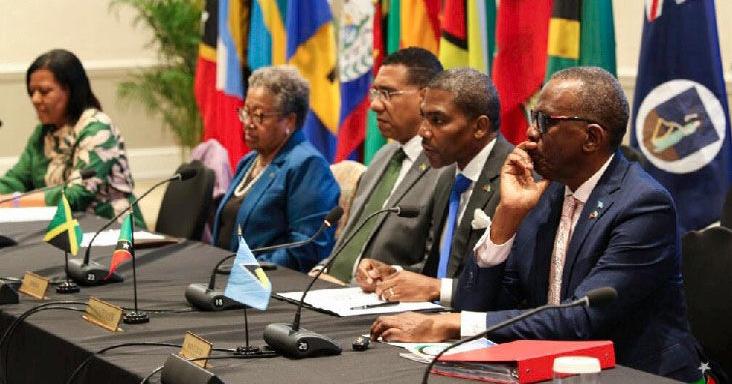
A prominent Caribbean political analyst has sharply criticized the Trinidad and Tobago government’s rationale for opposing the reappointment of CARICOM Secretary-General Dr. Carla Barnett, labeling its reasoning as fundamentally flawed and jurisdictionally misplaced.
Political scientist Peter Wickham asserted that the Trinidadian government’s justification falls entirely outside the mandate of the Caribbean Community (CARICOM). His comments follow the announcement by CARICOM Chairman and St. Kitts and Nevis Prime Minister Dr. Terrance Drew that a majority of heads of government had endorsed Dr. Barnett’s reappointment during last month’s regional summit.
Trinidadian Prime Minister Kamla Persad-Bissessar publicly declared her opposition to the reappointment, stating that “CARICOM has been failing for 52 years and will continue to fail for the next 52 years,” while threatening to reduce her country’s financial contributions to the regional body.
Wickham challenged the Prime Minister’s diplomatic approach, noting that her absence from the critical meeting where the decision was made undermined her authority to subsequently object to the outcome. He further argued that her treatment of regional partners demonstrated a concerning lack of respect for established CARICOM protocols.
The analyst specifically dismissed the Prime Minister’s cited justification—related to the extradition of firearms dealer Brent Thomas from Barbados—as entirely irrelevant to CARICOM’s Secretary-General appointment process. Wickham emphasized that such national security matters fall outside CARICOM’s jurisdiction and should not influence personnel decisions within the regional organization.
Warning of potential economic repercussions, Wickham highlighted Trinidad and Tobago’s dual role as both the largest contributor to and beneficiary of CARICOM arrangements. He cautioned that deteriorating relations could prompt other Caribbean nations to reconsider preferential trade agreements with Trinidad, potentially shifting their economic partnerships toward Latin American suppliers.
International relations expert Dr. Anthony Gonzales noted significant unanswered questions regarding the circumstances under which Prime Minister Persad-Bissessar departed the regional meeting, suggesting the public has received only partial information about the diplomatic incident.
-

Antigua and Barbuda Emergency Medical Services Employee of the Month is Tayshaun Charles
In a notable recognition of professional excellence, Tayshaun Charles has been distinguished as the Employee of the Month within Antigua and Barbuda’s Emergency Medical Services (EMS). This prestigious accolade celebrates Mr. Charles’s unwavering dedication, exceptional skill, and profound commitment to providing life-saving care within the community.
The award underscores the critical role of frontline medical personnel, particularly within the public health infrastructure of the twin-island nation. It serves not only as a personal achievement for Charles but also as a symbol of appreciation for all EMS workers who operate under demanding conditions. Their work is fundamental to national health security, responding to emergencies and ensuring the well-being of citizens and visitors alike.
Such recognition programs are instrumental in boosting morale and fostering a culture of excellence within essential services. By highlighting individual accomplishments, organizations aim to inspire entire teams, reinforcing the values of diligence, compassion, and expertise that are paramount in emergency medical response. The story of Tayshaun Charles exemplifies the positive impact that dedicated public servants have on society every day.
-

WATCH: Bowen Says Baltimore Eligibility Case Still to Be Decided by Court Despite Injunction Ruling
A significant constitutional challenge regarding the eligibility of newly elected MP Randy Baltimore continues to advance through the judicial system, despite the High Court’s recent refusal to block his parliamentary inauguration. Legal representative Sherfield Bowen clarified on Thursday that while the court denied an interim injunction to prevent the swearing-in ceremony, the core legal dispute remains unresolved and is scheduled for expedited trial proceedings.
The case hinges on whether Baltimore maintained his status as a public officer on Nomination Day (February 25, 2026), which would constitutionally disqualify him from parliamentary service. Court documents reveal Baltimore identified himself as a customs officer on his nomination paperwork, with this designation subsequently appearing on official ballots.
Bowen elaborated that the court’s injunction denial stemmed from conflicting evidence regarding the effective date of Baltimore’s separation from public service. Although Baltimore submitted a resignation letter dated February 18, 2026, public service regulations mandate a 90-day notice period. The Public Service Commission subsequently invalidated this resignation and instead terminated Baltimore’s employment on March 9, 2026.
Adding complexity to the matter, contradictory documentation from the Establishment Division suggested the termination took effect on February 19, creating evidentiary discrepancies that require thorough judicial examination. Bowen emphasized that eligibility determinations must be made based on the candidate’s status at the time of nomination, not subsequent events.
The substantive case will proceed on an accelerated timeline, with a final decision expected before April 27. Petitioners intend to demonstrate that Baltimore remained a public officer on the critical nomination date, thereby rendering his election constitutionally invalid despite his subsequent swearing-in as MP for St. Philip’s North.
-
Government new strategy aims to curb illegal trade and promote formal economy
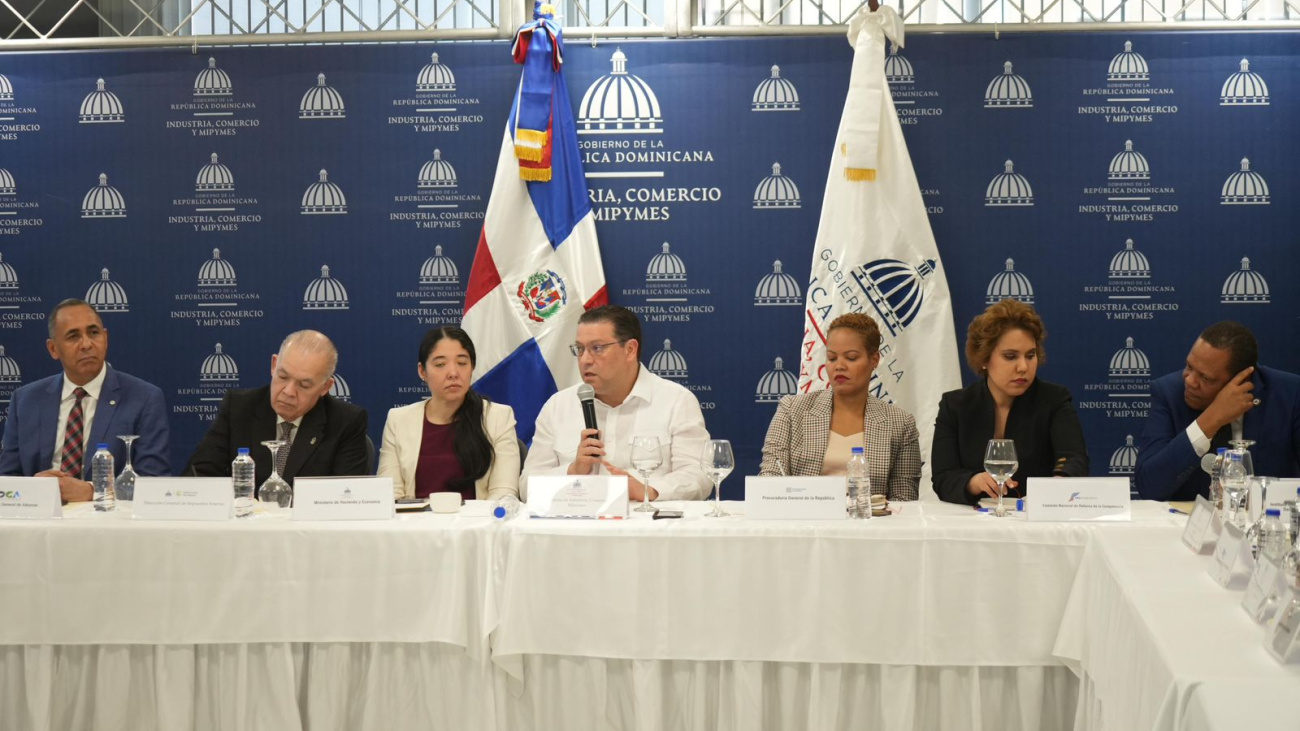
SANTO DOMINGO – The Dominican government is launching a reinforced nationwide offensive against illicit trade and unfair market competition, marking a significant escalation in its enforcement strategy. Industry, Commerce, and MSMEs Minister Yayo Sanz Lovatón unveiled the plan, signaling a new phase of highly coordinated and aggressive governmental action.
The strategic initiative, developed in close consultation with President Luis Abinader, will deploy integrated operational teams comprising inspectors from the Dirección General de Impuestos Internos (DGII) and Customs authorities. This multi-agency approach is designed to combat both physical contraband and fiscal fraud through synchronized enforcement operations, creating a more powerful deterrent effect.
A central pillar of the strategy involves deepening the collaboration between state institutions and private sector stakeholders. This public-private partnership aims to advance national economic formalization and cultivate a business environment grounded in fair competition. Officials pointed to the operational successes of the Coordination Committee against Illicit Trade (CECCOM) as evidence of the strategy’s potential, noting the seizure of millions of dollars worth of contraband—including cigarettes, pharmaceuticals, alcohol, and adulterated beverages—in early 2026.
Beyond economic protection, the government highlighted a major public health victory: the nation has recorded zero fatalities from adulterated alcohol consumption over the past five years, a stark contrast to a previous national crisis. The ongoing enhancement of investigative capabilities, institutional coordination, and specialized operational tools will proceed within the existing legal framework, ensuring continued progress without requiring legislative changes.
-

Government Moves to Preserve Seaview Farm Pottery Tradition
The government of Antigua and Barbuda has launched a comprehensive cultural preservation initiative focused on safeguarding the historic pottery traditions of Seaview Farm, recognized as one of the Caribbean’s oldest surviving craft traditions. Cabinet approval has been granted for multiple measures designed to protect this cultural heritage while simultaneously boosting cultural tourism.
Maurice Merchant, Director General for Communications, confirmed the government’s commitment following a detailed proposal emphasizing the craft’s significant cultural and economic value. The initiative specifically acknowledges Seaview Farm’s unique status, where pottery techniques and craftsmanship have been transmitted through generations for over a century.
A key component involves human capital development, with three individuals selected to undergo specialized training in traditional pottery methods, ensuring the craft’s technical continuation. Concurrently, the Ministry of Tourism will establish a formal collaboration with local artisans. This partnership will facilitate the production and supply of authentic pottery artifacts, which will be integrated into the national tourism offering and utilized as official government gifts.
This strategic move is projected to deliver dual benefits: providing sustainable economic support for local artisans and preserving a vital aspect of the nation’s cultural identity. Officials indicate this effort forms part of a broader national strategy to synergize heritage industries with tourism development, creating a viable future for traditional crafts.
-

North Sound Racetrack Set for Major Upgrade Under New Contract
The Cabinet of Antigua and Barbuda has sanctioned a significant redevelopment initiative for the North Sound drag racing facility, prioritizing enhanced safety measures and elevated recreational appeal. This strategic move involves a formal contractual agreement between the government and a Chinese construction enterprise tasked with executing comprehensive upgrades.
According to Director General for Communications Maurice Merchant, the cornerstone of this project is the complete repaving of the racetrack. The primary objective is to substantially improve safety protocols at the venue, which has evolved into a major hub for community gatherings and motorsport events. Situated in proximity to the Sir Vivian Richards Stadium, the facility consistently draws thousands of racing enthusiasts and families, establishing itself as a vital recreational space.
The scope of work extends beyond mere resurfacing to incorporate the installation of advanced safety mechanisms designed to offer superior protection for both participants and spectators. Government officials indicate that preliminary construction activities could commence within the next two to three weeks, pending final logistical coordination with key stakeholders in the racing community.
This infrastructure modernization effort reflects a broader governmental strategy to upgrade recreational facilities with dual focus on local entertainment value and tourism potential. The enhancements are expected to align the North Sound track with contemporary international standards, supporting its growing popularity and diversified usage.
-

Warri Champions Named Cultural Ambassadors to Preserve Heritage
In a significant move to preserve intangible cultural heritage, a distinguished group of Warri game champions has been formally designated as official cultural ambassadors. This initiative represents a strategic effort to safeguard and promote the traditional board game, recognized as an important element of cultural identity and historical continuity.
The appointment ceremony, attended by cultural preservationists and community leaders, highlighted the ambassadors’ crucial role in transmitting knowledge of Warri’s intricate rules and strategies to younger generations. The program will encompass educational workshops, intergenerational tournaments, and digital documentation projects aimed at creating comprehensive archival records of gameplay techniques and historical variations.
Cultural anthropologists emphasize that traditional games like Warri represent more than mere recreation—they serve as living repositories of mathematical concepts, social values, and philosophical frameworks unique to their cultures of origin. The ambassador program addresses concerns about the gradual erosion of such traditional pastimes in the face of digital entertainment alternatives.
Beyond preservation efforts, the initiative will explore contemporary applications of Warri’s strategic principles in cognitive development and educational settings. Research indicates that the game enhances mathematical reasoning, pattern recognition, and strategic thinking abilities among players of all ages.
The cultural ambassadors will collaborate with educational institutions, museums, and community centers to develop standardized curricula and certification programs for Warri instruction. This structured approach aims to ensure the game’s preservation while simultaneously adapting its teaching methodologies to modern educational paradigms.
-

Dominican Republic reports sharp drop in maternal and infant mortality
SANTO DOMINGO — The Dominican Republic’s National Health Service (SNS) has announced striking, data-backed reductions in maternal, infant, and neonatal mortality across the country’s public health system during the first quarter of 2026, when compared to figures from the same period in 2025. Health officials attribute the transformative progress to targeted investments in clinical care and expanded evidence-based preventive public health strategies.
According to official SNS data, just 17 maternal deaths were recorded across the nation’s public health network between January and March 2026, alongside 311 infant deaths and 279 neonatal deaths. These numbers translate to dramatic proportional declines: a 57.5% drop in maternal mortality, a 21% reduction in infant mortality, and an 18% fall in neonatal mortality. The downward trend observed by the SNS matches concurrent data released by the Dominican Ministry of Public Health, which has also confirmed steady improvement in maternal and child mortality outcomes through the early months of 2026.
Health authorities outline a clear set of policy and clinical interventions that have driven this progress. Core measures include the implementation of continuous, real-time monitoring of at-risk pregnancies and births, expanded protocols for early identification of high-risk pregnancies, and broader access to high-quality prenatal care for all patients accessing the public system. Additionally, the SNS has prioritized ongoing, hands-on training for clinical staff focused on managing obstetric and neonatal emergencies, upgraded postpartum care services, secured consistent distribution of life-saving essential medical supplies, and implemented more robust follow-up care protocols for critically ill maternal and newborn patients.
To address infant and neonatal mortality specifically, public health leaders have focused on upgrading infrastructure at neonatal intensive care units across the country, standardized evidence-based clinical protocols for newborn care, guaranteed consistent access to life-saving key treatments, and strengthened both infection control protocols and safe inter-facility transfer systems for vulnerable newborns.
In a statement following the release of the new mortality data, the SNS emphasized that cross-facility coordinated care and continuous systematic evaluation of underlying mortality causes have been foundational to sustaining these gains. The organization noted that these improvements mark major forward progress toward national public health goals for improving maternal and child health outcomes across all regions of the Dominican Republic.