博客

  • West Indies Sail Heritage Foundation Donates Second Upcycled Plastic Bench to Newfield Primary School

    West Indies Sail Heritage Foundation Donates Second Upcycled Plastic Bench to Newfield Primary School

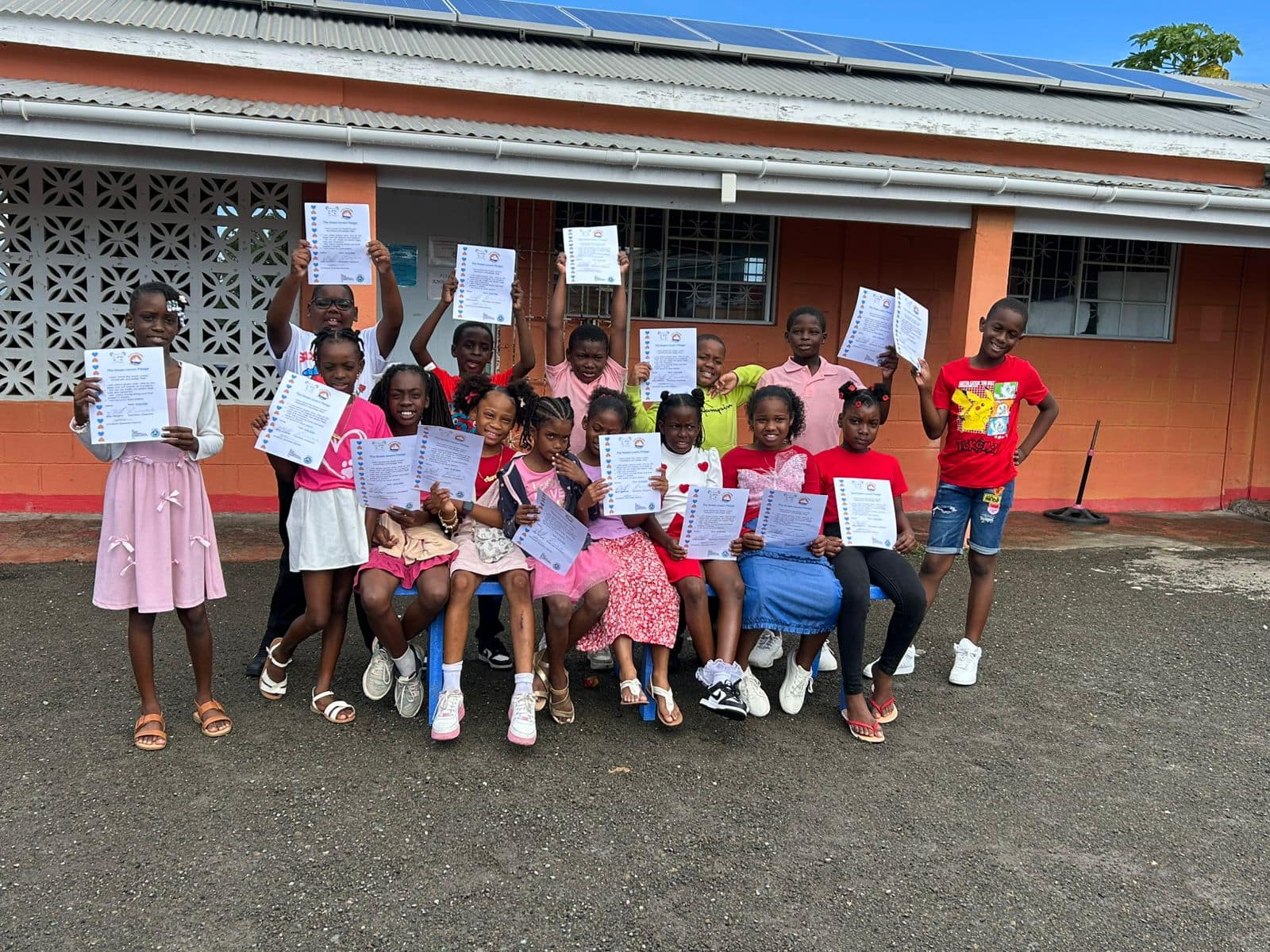
    In a significant environmental milestone, Newfield Primary School in Antigua and Barbuda has received its second bench constructed entirely from recycled plastic bottle caps. This donation forms part of the West Indies Sail Heritage Foundation’s expanding Ocean Love NO Plastic NO Waste School Program, launched in February 2026.

    The initiative represents a dual-purpose mission: combating plastic pollution across the Caribbean nation while simultaneously engaging young students through practical environmental education. The program transforms discarded plastic materials into functional school furniture, creating tangible symbols of sustainability for participating institutions.

    International collaboration has been instrumental in bringing this project to fruition. Financial backing from the SGP GEF Small Grants Programme established the necessary workshop infrastructure, while the French Embassy to the Eastern Caribbean States, Barbados, and the OECS, based in Saint Lucia, provided crucial support for the program’s 2026 season launch.

    The Antigua and Barbuda Waste Recycling Corporation (ABWREC) plays a vital role as the supplier of recycled plastic materials used in crafting these innovative benches and related products.

    Currently offered at no cost to chosen public schools throughout Antigua and Barbuda, the program incorporates a comprehensive environmental curriculum. Each participating institution completes an educational journey that culminates in the donation of a recycled bench, serving as a permanent reminder of their waste-reduction commitment.

    This latest donation follows the Foundation’s inaugural bench presentation to Sea View Farm Primary School on February 9th, marking continued expansion of their ecological efforts within the educational sector.

  • Gros Islet Youth advance, Monchy unbeaten in Bay Bay Cup

    Gros Islet Youth advance, Monchy unbeaten in Bay Bay Cup

    In a thrilling display of football prowess, Gros Islet Youth Lions clinched their place in the semifinals of the Kenson Casimir Bay Bay Cup tournament following a decisive 5-2 triumph over Dominators FC on Wednesday, February 11. The match, held at Francis Baba Lastic Grounds, saw the young Lions overcome a challenging first-half performance to secure qualification with an impressive second-half offensive surge.

    The victory carried significant stakes as Gros Islet Youth needed to win by at least three goals to eliminate GMC United from tournament contention. Despite leading just 2-1 at halftime through goals from Sanick Theodore (25th minute) and Devonte Howell (45th minute), the Lions faced intense pressure after Rahym Cenac’s equalizer for Dominators in the 37th minute.

    The second half witnessed a remarkable transformation as Kendrick Antoine broke through in the 52nd minute before youth international Shevon Byron delivered a spectacular brace within eleven minutes (56th and 67th). Byron’s fifth seasonal goal provided crucial breathing space, rendering Selwyn Boyce’s 72nd-minute consolation goal irrelevant to the final outcome.

    In parallel Group B action, Monchy United secured top position with a commanding 4-1 victory over Gros Islet Veterans. Jahlil Evans opened scoring in the 20th minute before Troy Greenidge doubled the advantage in the 37th. Despite Darlan Cenac pulling one back for the Veterans two minutes later, Evans struck again in the 76th minute before Raphael Joseph sealed the victory in the 79th minute.

    The tournament now advances to Sunday’s playoff matches at Baba Lastic Grounds, where Gros Islet Youth Lions will face Monchy United while defending champions Northern United take on guest team New Generation FC in what promises to be an electrifying semifinal showdown.

  • PM Browne Moves to Sue Croif Emmanuel, Joan and Crusader Radio for Defamation

    PM Browne Moves to Sue Croif Emmanuel, Joan and Crusader Radio for Defamation

    Prime Minister Gaston Browne of Antigua and Barbuda has formally engaged legal counsel to pursue substantial defamation claims against political adversaries and a broadcasting entity. The head of government disclosed through official channels that he has retained attorney Warren Cassell to file proceedings seeking $2.5 million in damages from multiple defendants associated with the opposition United Progressive Party (UPP) and an unspecified radio station.

    While the precise nature of the allegedly defamatory statements remains undisclosed, the Prime Minister’s social media communication indicated the legal action targets specific individuals within opposition circles and media personalities. The development marks a significant escalation in the nation’s political tensions, potentially setting precedent for high-stakes litigation involving public figures.

    In a characteristically vivid conclusion to his statement, Browne issued a stark warning to potential critics: “Don’t violate the Rasta Dreadman – Seen!!” This rhetorical flourish echoes his established political persona while underscoring the seriousness with which he views the purported defamation.

    The targeted parties have not yet issued public responses to the Prime Minister’s announcement. Legal observers note that such defamation proceedings involving sitting heads of government against opposition members represent increasingly common but legally complex phenomena in Caribbean politics, where media regulation and free speech boundaries continue to evolve.

  • Mia Mottley: ‘Onze missie is armoede bestrijden en onrecht aanpakken’

    Mia Mottley: ‘Onze missie is armoede bestrijden en onrecht aanpakken’

    Barbados Prime Minister Mia Mottley has achieved an unprecedented political triumph, securing her third consecutive term in office after her Barbados Labour Party (BLP) captured all 30 parliamentary seats in Thursday’s general elections. The comprehensive victory solidifies Mottley’s leadership position in the Caribbean nation and represents one of the most decisive electoral mandates in the country’s history.

    Addressing jubilant supporters clad in the party’s signature red colors, the 60-year-old leader articulated her administration’s core mission: “Our primary objective is to eradicate persistent poverty and combat global injustices, thereby creating equal opportunities for all citizens.” She reaffirmed her commitment to enhancing infrastructure, healthcare systems, and road safety measures, declaring, “We did not merely assume office—we came to transform Barbados and elevate living standards for every citizen.” The government has designated Friday as an official public holiday to commemorate this extraordinary electoral achievement.

    During her inauguration address, Mottley reflected on the significantly altered global landscape since her initial 2018 victory, emphasizing Barbados’s dedication to progress through unity and innovation. The Prime Minister has gained international recognition for her pioneering work in debt restructuring for climate-vulnerable nations, particularly through innovative debt-for-climate adaptation agreements. Under her stewardship, Barbados has successfully reduced its debt-to-GDP ratio to below 100% for the first time in over a decade, following the nation’s 2018 sovereign default.

    The Democratic Labour Party opposition gracefully conceded defeat, acknowledging the “clear electoral mandate” bestowed upon Mottley’s administration. Opposition leader Ralph Thorne was notably absent from the voting process due to registration complications in his constituent district.

    Election monitoring conducted by the Caribbean Community (CARICOM) identified concerns regarding electoral roll inaccuracies but ultimately validated the voting process as legitimate and transparent. With approximately 283,000 inhabitants, Barbados stands as the easternmost Caribbean nation, occupying roughly half the land area of Singapore.

    The United States extended formal congratulations through Secretary of State Marco Rubio, who emphasized continued bilateral cooperation in regional security matters, particularly combating transnational crime and narcotics trafficking. This diplomatic exchange occurs alongside expanded U.S. military presence throughout the Caribbean, including recent port access agreements with the Dominican Republic and Trinidad and Tobago.

    This electoral outcome empowers Mottley to advance her comprehensive agenda for Barbados’s social, economic, and international development, positioning the island nation as a emerging leader in climate finance and sustainable development initiatives.

  • New wage-sharing framework to improve long-term viability of STEP

    New wage-sharing framework to improve long-term viability of STEP

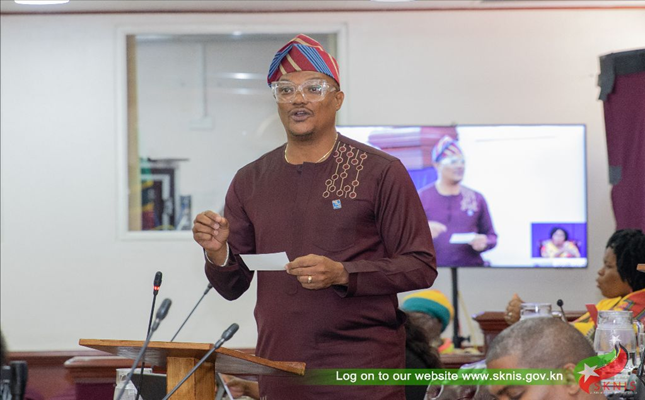
    The Government of Saint Kitts and Nevis has announced significant structural reforms to its Skills Training and Empowerment Programme (STEP) aimed at enhancing long-term viability while improving employment prospects for participants in the private sector. Deputy Prime Minister Honourable Dr. Geoffrey Hanley unveiled the new framework during a National Assembly sitting on February 12, 2026.

    The revised program introduces a wage-sharing model requiring businesses that continue to benefit from STEP participants’ services to assume 50 percent of salary obligations. This marks a substantial shift from the previous arrangement where the government fully funded all trainee compensation.

    Dr. Hanley explained that the program, originally launched in 2012 as the People Empowerment Programme (PEP), was designed as a short-term skills development initiative. The intended trajectory involved participants gaining valuable experience before transitioning to full-time employment either with their host organizations, other employers, or through entrepreneurial ventures.

    However, the Deputy Prime Minister revealed that some individuals have remained in the program for over a decade with the same businesses, creating unsustainable financial pressures. The government currently allocates approximately $1.5 million weekly to cover participant wages.

    Following extensive consultations with a specially formed review committee and stakeholder engagements with businesses, the administration developed the cost-sharing approach. Dr. Hanley reported positive reception from many private sector entities, with some immediately agreeing to the 50-50 arrangement while others proposed gradual implementation through 60-40 partnerships.

    The reforms specifically target businesses that have maintained STEP workers for extended periods, with the dual objectives of program sustainability and expanded beneficiary reach. Government officials emphasized that no current participants would be terminated from the program, though some may be reassigned within the public sector where appropriate.

    Dr. Hanley characterized the changes as fostering ‘stronger partnerships’ between government and industry while continuing to invest in national human resource development.

  • GPH eyes luxury disruption with Antigua leading the charge

    GPH eyes luxury disruption with Antigua leading the charge

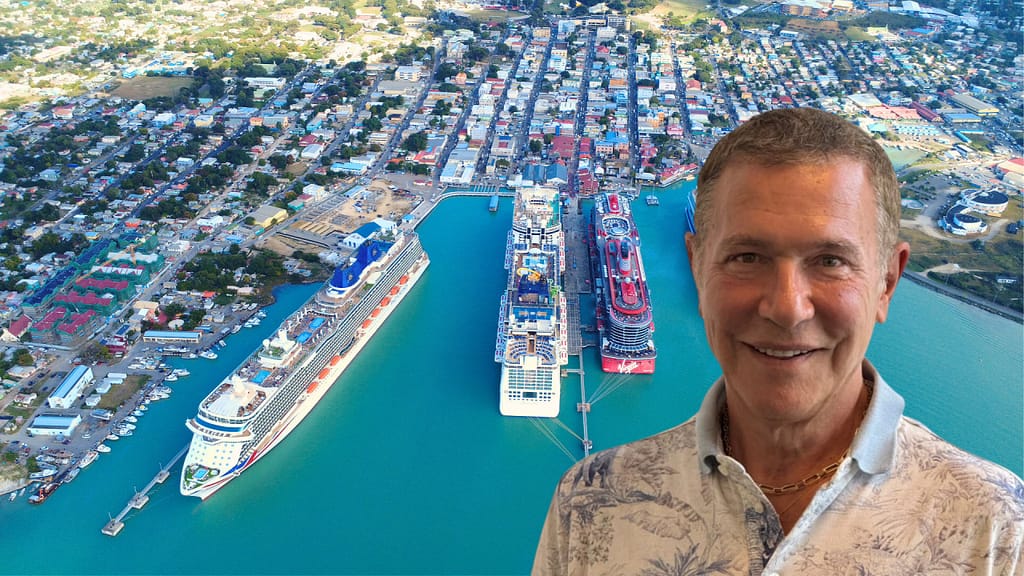
    Global Ports Holding (GPH), the world’s largest independent cruise port operator, is executing a multifaceted global expansion strategy under the leadership of Chairman and CEO Mehmet Kutman. The company’s ambitious vision encompasses geographic growth, luxury service innovation, and community-focused development.

    Caribbean Expansion: Establishing Home Porting Hubs
    GPH’s Caribbean strategy centers on developing major home porting facilities, with Antigua serving as the flagship transformation. Since acquiring the port in 2019, the company has revolutionized operations from zero home porting passengers to an anticipated 60,000-70,000 passengers this year. Kutman projects this will reach 250,000 within three years following the November completion of a dedicated home port terminal.

    The expansion extends beyond Antigua to St. Lucia, where construction is underway for completion by late 2024, and Puerto Rico, which already accommodates cruise vessels. This Caribbean network primarily targets European passengers, leveraging strong air connectivity particularly between Antigua and the United Kingdom.

    European Infrastructure Milestone
    In the Canary Islands, GPH is achieving a significant infrastructure milestone with Las Palmas set to become Europe’s largest single cruise terminal at 16,000 square meters. The facility will handle an estimated 1.5-1.7 million passengers annually with 50% home porting capacity. The development emphasizes environmental sustainability through solar panels, recycled materials, and eco-conscious construction methods.

    Latin American Frontier
    GPH is strategically targeting Latin America as the next growth frontier, with Colombia identified as the primary focus in Central America. The company’s carefully calibrated approach views Mexico’s ports as ‘very, very relevant,’ while Brazil, Honduras, and emerging markets represent promising new territories where innovative port management can transform local economies and passenger experiences.

    Luxury Market Innovation
    Recognizing the luxury cruise segment’s projected growth to 15-25 million passengers by 2028, Kutman is personally leading development of a white glove concierge service targeting ultra-high-end passengers. He notes that despite ships’ luxury amenities, passengers paying $15,000-30,000 for seven-day cruises currently receive inadequate port services.

    Community Integration Philosophy
    Central to GPH’s operational ethos is community integration. The company invests significantly in local scholarships, social programs, and training, preferentially working with local businesses over international chains. GPH maintains a globally diverse yet locally rooted workforce, drawing talent from 18-20 nationalities while prioritizing local leadership and limiting expatriate experts to initial transition periods.

    Technological Solutions
    Kutman’s technological vision focuses on intelligent solutions that enhance passenger experience while managing overtourism challenges. The company employs sophisticated software for real-time vessel tracking and AI-driven crowd management systems that include innovative approaches like replacing traditional tour group flags with discreet earphones to reduce visual pollution in destinations.

    Strategic Acquisition Approach
    GPH’s expansion strategy remains selective rather than ubiquitous. The Mediterranean represents their stronghold with 35-40% of cruise passengers, while Caribbean expansion continues with potential for two or three strategic acquisitions. The Far East and Mexican Riviera emerge as next strategic priorities, with Kutman emphasizing that the company’s success is measured by tangible community improvements rather than mere portfolio growth.

    Kutman’s investment philosophy is straightforward: ‘If we don’t bring value to the destination, there’s no need for us to be there.’ This reflects his worldview that successful port operations must balance operational efficiency, technological innovation, and genuine commitment to both passenger experience and local communities, creating symbiotic relationships where ‘their benefit is our benefit.’

  • NDP senator exposes untruths of Gonsalves’ reinstatement claim

    NDP senator exposes untruths of Gonsalves’ reinstatement claim

    In a spirited parliamentary address, Government Senator Jemarlie John systematically dismantled Opposition Leader Ralph Gonsalves’ assertion that the current New Democratic Party administration was merely continuing the Unity Labour Party’s policy regarding reinstatement of public sector workers terminated under the 2021 COVID-19 vaccine mandate.

    The senator, leveraging his legal expertise and position as deputy speaker, presented compelling evidence from media archives demonstrating the ULP government’s consistent opposition to worker reinstatement. John referenced an August 2022 iWitness News report where Gonsalves explicitly argued that reinstating unvaccinated employees would constitute an admission that the original mandate was unlawful.

    John emphasized the fundamental constitutional rights at stake, stating, ‘People have certain God-given rights, including religious liberty. And it is good to know that retribution still comes for those who trample underfoot our God-given rights and freedoms.’

    The historical context reveals hundreds of public sector workers were dismissed in November 2021 for non-compliance with the vaccine mandate. While the High Court initially ruled these terminations unconstitutional in March 2023, the Court of Appeal overturned this decision in February 2025. The matter now awaits hearing before the Privy Council, the nation’s highest court.

    John highlighted the stark policy contrast between the parties: ‘The ULP administration did not reinstate a single worker terminated under the vaccine mandate law. Not one!’ He attributed the NDP’s landslide electoral victory (14-1) partly to this distinction, noting the former administration’s refusal to acknowledge wrongdoing.

    The senator further critiqued the previous government’s exemption process, arguing that alternative arrangements that became possible post-COVID could have been implemented during the pandemic. ‘This law was never about public health in the first place,’ John concluded, characterizing the situation as a ‘manmade disaster’ entirely avoidable through different policy choices.

  • Lovell Congratulates Mottley on Third Term Victory in Barbados

    Lovell Congratulates Mottley on Third Term Victory in Barbados

    In a notable display of political civility, prominent opposition figure Harold Lovell has formally recognized Prime Minister Mia Amor Mottley’s resounding electoral triumph in Barbados, securing her unprecedented third consecutive term in office. The congratulatory message, disseminated through official channels, emphasized the democratic mandate overwhelmingly granted by the Barbadian populace.

    Lovell’s statement underscored how the electoral outcome represents both a clear expression of public will and a reaffirmation of confidence in Mottley’s governance approach. ‘The people of Barbados have spoken clearly, reaffirming their confidence in her visionary leadership and commitment to national development,’ he articulated in his public address.

    Revealing a previously unpublicized historical connection, Lovell highlighted their shared professional lineage, noting both legal professionals were called to the Bar at London’s prestigious Middle Temple, Inns of Court nearly four decades ago. ‘We share the unique honour of this distinction,’ Lovell remarked. ‘Since then, she has distinguished herself through a remarkable journey of leadership and service to her country and the wider Caribbean.’

    The opposition politician’s gesture signals cross-party acknowledgment of Mottley’s political achievements and the national development trajectory under her administration. Lovell concluded his message with aspirations for continued progress under her leadership, expressing hopes for her ‘continued success in advancing Barbados and the wider Caribbean region.’

  • Thousands of Trademarks, Almost No Patents: IP Filings Across CARICOM

    Thousands of Trademarks, Almost No Patents: IP Filings Across CARICOM

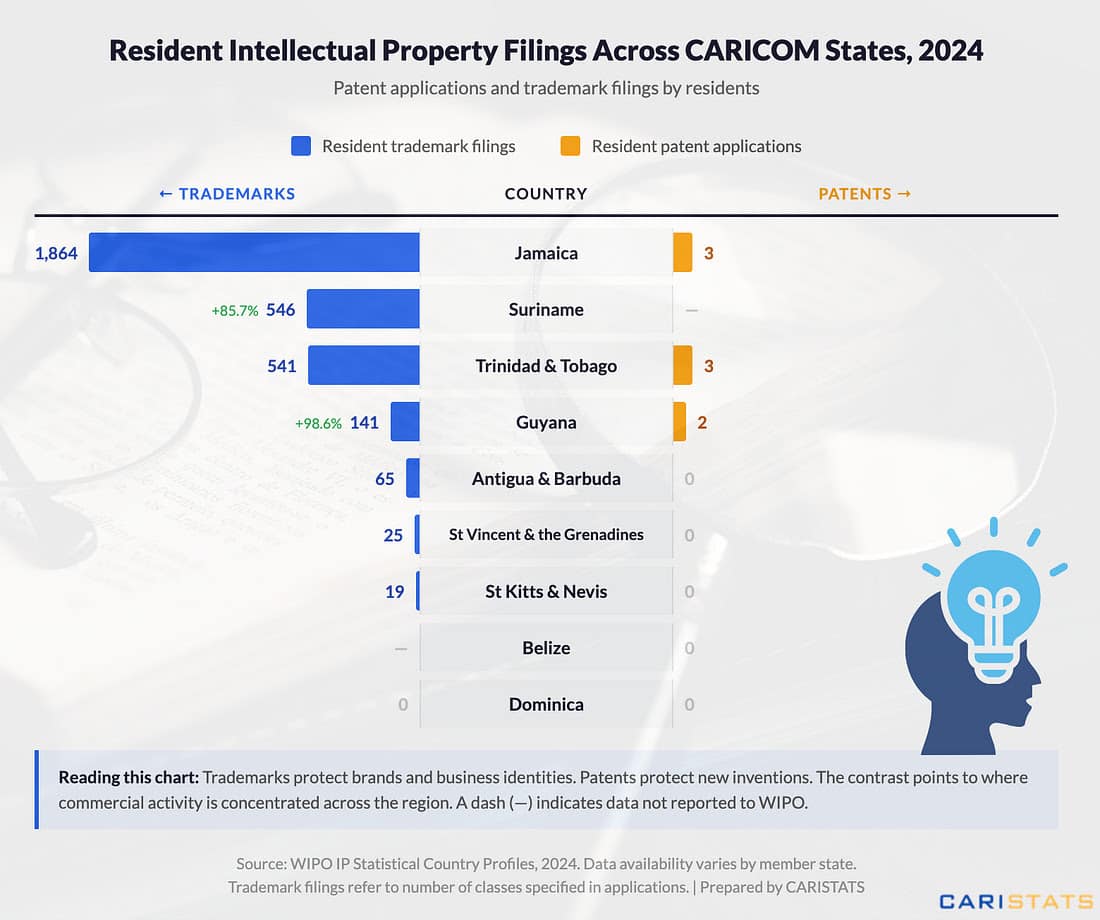
    A stark intellectual property (IP) imbalance is emerging across the Caribbean Community (CARICOM), revealing a regional economic strategy heavily skewed towards branding over foundational innovation. Recent analyses of regional IP filings indicate a marketplace bustling with trademark applications for goods and services, yet one that is critically deficient in the patents that signal technological advancement and homegrown research.

    Statistical data paints a concerning picture: while thousands of trademarks are registered annually by both local entrepreneurs and international corporations seeking market presence, the number of patents filed by CARICOM nationals remains exceptionally low. This trend suggests that the region’s economic players are prioritizing immediate commercial identity and consumer market protection over long-term investments in research and development (R&D) and complex technological invention.

    Experts point to multiple structural factors driving this disparity. The process of securing a patent is notoriously more arduous, expensive, and time-consuming than registering a trademark, posing a significant barrier for individual inventors and small and medium-sized enterprises (SMEs) within CARICOM member states. Furthermore, a comparative lack of robust national and regional infrastructure for scientific R&D, coupled with brain drain in STEM fields, creates an environment where groundbreaking inventions are less likely to originate.

    The implications of this IP dichotomy are profound for the future economic resilience of the Caribbean. A heavy reliance on trademarks indicates an economy focused on commerce and distribution, potentially leaving it vulnerable as a net consumer—rather than a producer—of high-value, patented technology. This pattern could hinder sustainable development, limit competitiveness in global knowledge-based industries, and perpetuate dependency on foreign innovation and imports.

    To counter this trend, policy analysts are urging CARICOM governments and regional bodies to implement decisive measures. Proposed solutions include enhancing financial and technical support for local inventors, reforming patent registration procedures to reduce bureaucratic hurdles, and forging stronger collaborations between academia and industry to stimulate a culture of homegrown technological creation and protectable invention.

  • Bramble rejects Gonsalves’ claim that SVG’s diplomats would become passport salespeople

    Bramble rejects Gonsalves’ claim that SVG’s diplomats would become passport salespeople

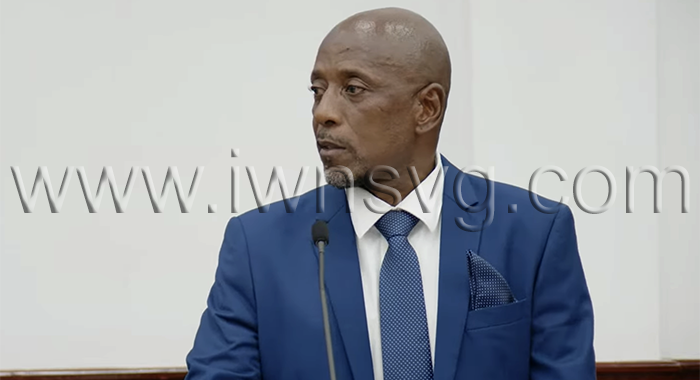
    A heated political debate has erupted in St. Vincent and the Grenadines following the newly elected government’s proposal to integrate economic diplomacy with its planned Citizenship by Investment (CBI) programme. The controversy began when Opposition Leader Ralph Gonsalves characterized the initiative as transforming diplomatic personnel into “roving passport salespersons” during Tuesday’s parliamentary budget debate.

    Foreign Minister Fitz Bramble issued a stern rebuke to his predecessor’s comments, expressing profound disappointment in the veteran politician’s characterization of the government’s foreign policy repositioning. The exchange represents the first major parliamentary confrontation since the New Democratic Party’s landslide victory in November’s general election, where they secured 14 of 15 parliamentary seats.

    Prime Minister Godwin Friday’s EC$1.9 billion budget, presented Monday, outlines a strategic shift from traditional diplomacy toward “economic statecraft” – using diplomatic channels to advance growth, investment, and fiscal resilience. The administration frames this approach as essential for addressing the economic vulnerabilities of a small island developing state, particularly the high costs of climate resilience and limitations of traditional debt financing.

    The government’s proposed CBI programme, scheduled for mid-2026 launch, explicitly distances itself from what Friday termed “revenue-at-all-costs” models. Instead, it positions itself as a “sovereign capital mobilisation strategy” with stringent integrity safeguards, including mandated investment floors, residency requirements, multi-layered background screening, and continuous due diligence throughout the citizenship lifecycle.

    All CBI proceeds would be channeled through the legislatively established St. Vincent and the Grenadines Investment Fund (SVGIF), with strict protocols directing resources toward climate-resilient infrastructure, social development, and debt reduction rather than recurrent spending.

    Gonsalves, however, maintained his longstanding opposition to CBI programmes, comparing their economic impact to “cocaine addiction” for nations that become dependent on this revenue stream. The former prime minister warned of impending regulatory crackdowns from major Western nations and potential balance of payments crises within the Eastern Caribbean Currency Union.

    The opposition leader advocated for regional collaboration with international financial institutions to develop adjustment packages anticipating what he believes is the inevitable decline of CBI programmes across the Caribbean.