博客

  • Student Named UK High Commissioner for a Day

    Student Named UK High Commissioner for a Day

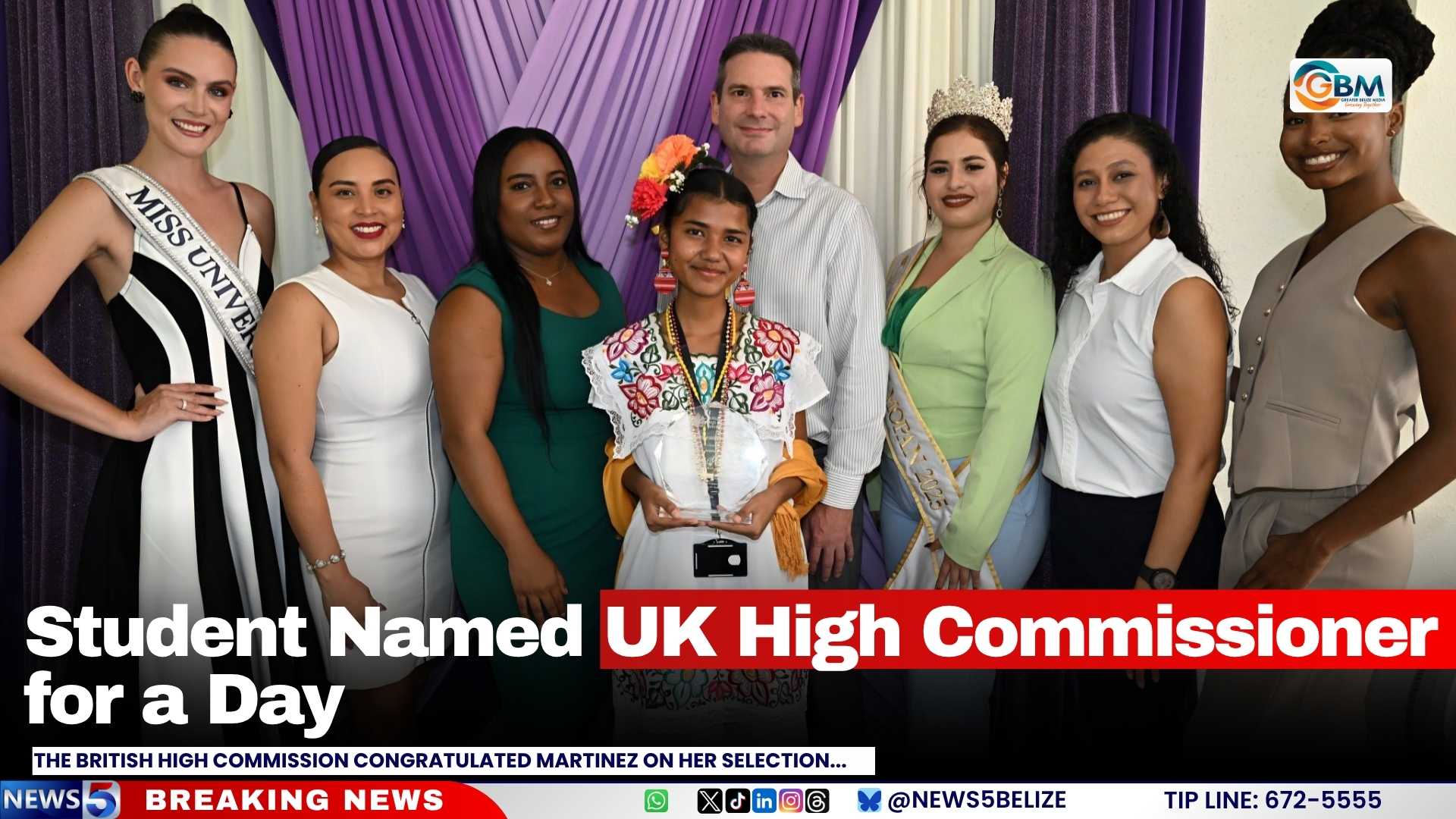
    In a unique opportunity that bridges youth leadership development and international diplomacy, a young Belizean student has gained unprecedented hands-on experience in diplomatic operations after being selected for a signature outreach programme run by the British High Commission based in Belize.

    Nineteen-year-old Chloé Martinez earned the title of High Commissioner for a Day 2026, beating dozens of other applicants in a rigorous competitive selection process. Judges ultimately selected Martinez for her clear, forward-thinking policy vision, long-standing track record of local community engagement, and unwavering dedication to building inclusive, accessible leadership structures that lift up marginalized groups.

    During her one-day appointment, Martinez shadowed incumbent UK High Commissioner to Belize Alistair White, taking a seat at closed-door official meetings, sitting in on bilateral coordination discussions, and gaining first-hand insight into the quiet, behind-the-scenes work that drives successful diplomatic relations between the United Kingdom and Belize. The experience let Martinez move beyond the textbook understandings of diplomacy she had learned in the classroom, and see how negotiation, relationship-building, and cultural awareness shape daily diplomatic work.

    The programme wrapped up with a public Women’s Networking Event, which drew cross-sector attendees from Belize’s national government, private business sector, local civil society organizations, and the wider diplomatic corps based in the country. The interactive gathering centered on three core goals: expanding access to mentorship opportunities for emerging women leaders, growing female representation in senior decision-making roles, and strengthening intergenerational support networks that connect established women leaders with young people just starting their careers.

    In comments following the event, High Commissioner White emphasized that immersive programmes like High Commissioner for a Day fill a critical gap in youth development. He noted that the initiative is intentionally designed to give young women the practical, on-the-ground experience and built confidence they need to pursue senior leadership and decision-making roles across all sectors, both within Belize and internationally.

    Following Martinez’s selection, the British High Commission issued an official statement congratulating her on the achievement, and extended gratitude to all local and institutional partners that made the 2026 iteration of the programme possible. The statement reaffirmed the British government’s long-term commitment to supporting and empowering the next generation of women leaders across Belize, through targeted development initiatives and leadership programming.

  • Belize Fund Awards $643K to Boost Fisheries and Coastal Livelihoods

    Belize Fund Awards $643K to Boost Fisheries and Coastal Livelihoods

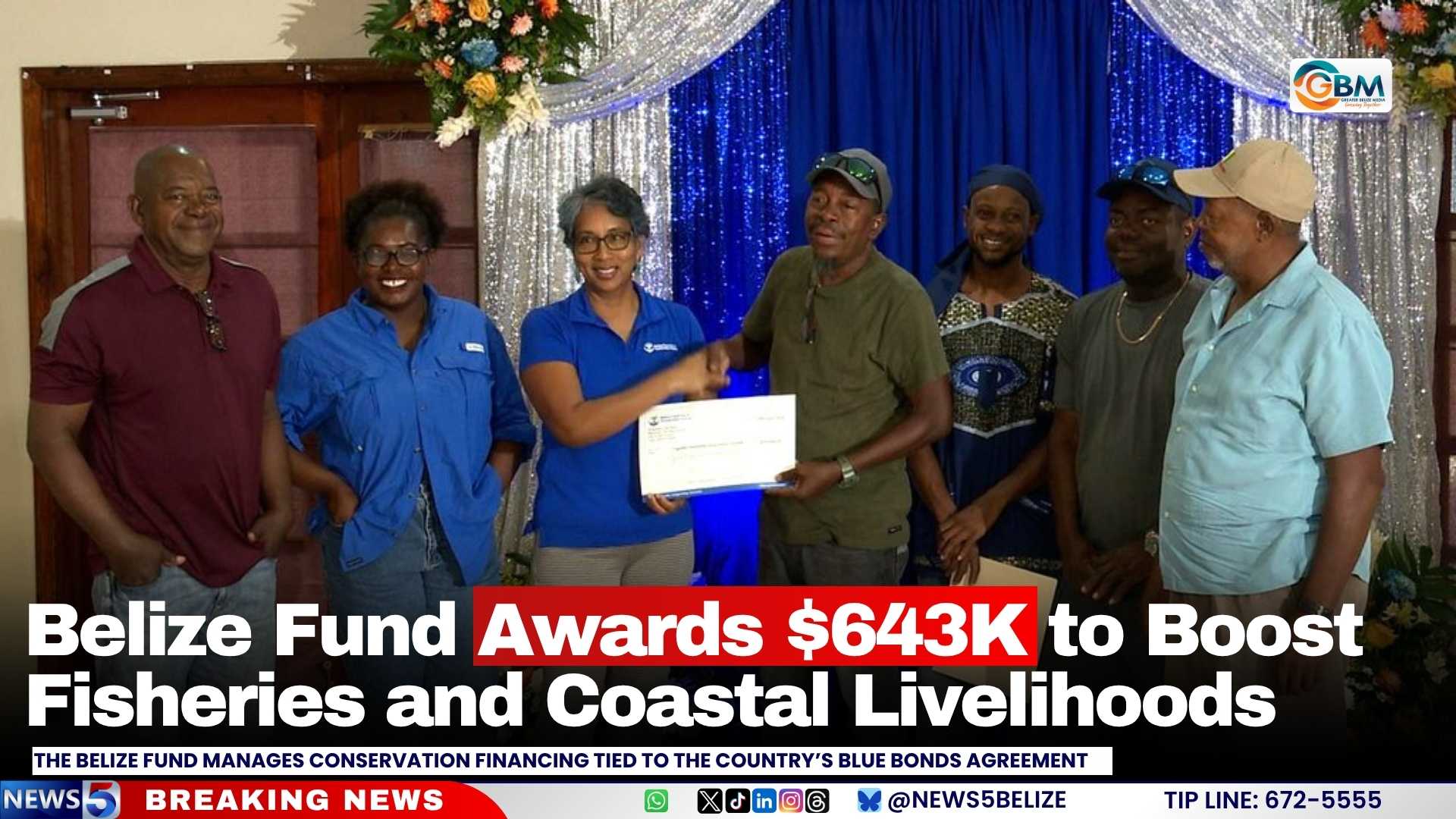
    Situated along Central America’s Caribbean coast, Belize has long built its identity and economic foundation around its rich marine ecosystems and vibrant coastal communities. In a major push to balance environmental stewardship with inclusive economic growth, the Belize Fund for a Sustainable Future has announced BZ$643,000 in grant funding for four local projects centered on strengthening sustainable fisheries, empowering coastal households, and expanding the nation’s growing blue economy.

    The single largest award, a BZ$500,000 grant, has been allocated to the Turneffe Atoll Sustainability Association. Turneffe Atoll, one of the most biologically significant coral atolls in the Caribbean, faces ongoing pressure from overfishing, unregulated activity, and climate change. The association will use the funding to upgrade fisheries management across the atoll through three core strategies: enhanced on-water enforcement of sustainable fishing rules, community-focused education for local fishers and stakeholders, and advanced data-driven planning that aligns catch limits with ecosystem health.

    Three smaller grants will direct support directly to community-led groups and local small enterprises, ensuring that benefits from conservation reach the people who rely on Belize’s marine resources most. Barranco Botanics, a local craft enterprise, will receive just over BZ$43,000 to scale up production of natural marine-based soaps crafted from locally harvested seaweed, creating new income streams that value sustainable marine extraction over industrial overexploitation.

    The Wabafu Fishermen Association will put its BZ$50,000 grant toward strengthening the organization’s internal governance and rolling out training programs to help members adopt verified sustainable fishing practices that qualify for premium market access. Meanwhile, Yugadan Fisherfolks Association Limited will use its nearly BZ$50,000 award to expand skills training and alternative livelihood opportunities for small-scale fishers based in the coastal community of Hopkins.

    Leandra Cho-Ricketts, executive director of the Belize Fund for a Sustainable Future, emphasized that targeted sustainable financing remains an indispensable tool for protecting Belize’s irreplaceable marine resources while lifting up the coastal communities that have stewarded these waters for generations. “Conservation cannot succeed if it leaves the people who depend on these oceans behind,” Cho-Ricketts noted. “These investments prove that environmental protection and economic opportunity can go hand in hand.”

    Founded in 2022, the Belize Fund operates as the national managing body for conservation financing tied to Belize’s landmark Blue Bonds agreement, a global model for debt-for-nature swaps that restructures national debt in exchange for binding commitments to marine protection and climate resilience. To date, the fund has directed hundreds of thousands of dollars to community-led projects that deliver both measurable environmental outcomes and long-term economic benefits for Belize’s coastal population, aligning with national goals to build a climate-resilient blue economy that works for all.

  • GOCA hosts ‘The Write Track’ Masterclass for Grenadian songwriters

    GOCA hosts ‘The Write Track’ Masterclass for Grenadian songwriters

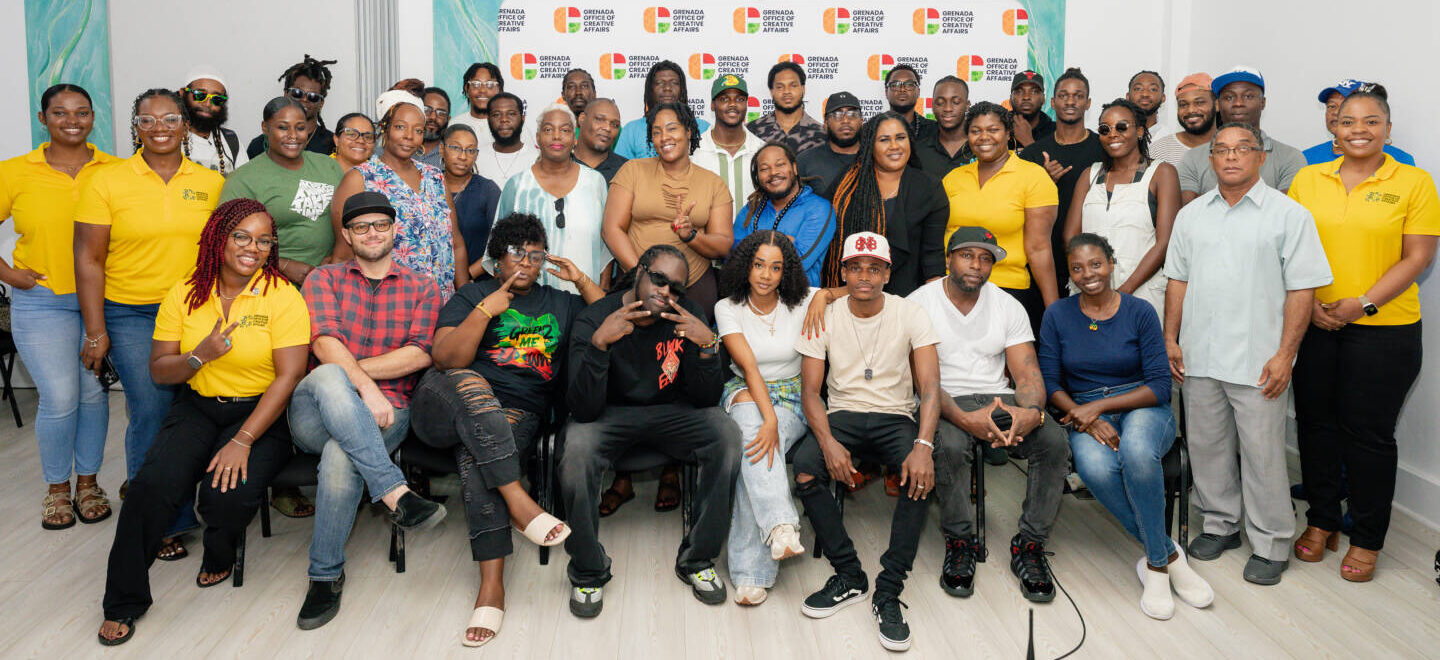
    Grenada’s growing music sector is receiving targeted support from local authorities, as the Grenada Office of Creative Affairs (GOCA)—a branch of the country’s Ministry of Tourism, Creative Economy and Culture—recently concluded a two-day immersive masterclass designed exclusively for the island nation’s songwriting community.

    Titled “The Write Track,” this new workshop forms part of a sustained, strategic series of development programs rolled out by GOCA. The overarching goal of these initiatives is to foster skills expansion, facilitate cross-industry knowledge exchange, and accelerate professional advancement for both emerging and veteran creative talents working in Grenada’s music ecosystem.

    Ananda Johnson, Assistant Operations Manager at GOCA, emphasized that the organization’s focus on music development is no random choice, but a deliberate, long-term strategy. “We recognize that music is already a powerful, high-impact industry in Grenada, with untapped potential for significant growth and global market expansion,” Johnson explained. She pointed to the success of GOCA’s April 2025 music producer workshop, “Bring the Beat,” which delivered measurable improvements in the quality of musical output for the annual Spicemas festival—an outcome that aligns perfectly with the office’s strategic goals. “After gathering feedback from Grenada’s creative community, we identified clear skill gaps for local songwriters, so we developed this masterclass to fill those gaps. Our aim is to provide creators with practical tools, insider industry perspectives, and guided mentorship to help them refine their craft,” Johnson added.

    Leading the “The Write Track” workshop was Haile Alexander, a UK-based singer-songwriter with Grenadian roots who boasts an impressive professional resume, including writing credits for Grammy Award-winning artists Chris Brown and Tyla. Over the two-day session, Alexander and participating songwriters dived into both the creative and practical dimensions of songcraft, with a particular focus on narrative storytelling, emotional authenticity, and turning real-life personal experiences into music that resonates deeply with global audiences.

    Following the conclusion of the workshop, Alexander shared that the exchange proved mutually beneficial. “The energy in the room was incredible from start to finish. I got to share lessons I’ve learned through my years of professional songwriting, but I walked away having learned just as much from the participants,” he said. “I hope these creators keep building on this experience, keep honing their craft, and stay open to continuous learning.”

    The workshop was open to songwriters of all skill levels, and even drew music producers seeking to strengthen their collaborative partnerships with songwriters. For Thamara “Songbird” St Bernard, a Grenadian recording artist, the session was a transformative experience. “These two days were absolutely phenomenal. It showed me that creators are far more alike in our process than we often realize. We learned that there’s no strict ‘right’ or ‘wrong’ way to write music, and picked up new techniques to get into the right creative headspace to do our best work, all demonstrated clearly by Haile,” St Bernard shared. “I’m so grateful for what I learned, and it also confirmed that I’m already on the right path with my work. That kind of validation means so much to creators. GOCA’s work with these workshops is so necessary—they help us understand how intentional, strong songwriting can advance our entire careers.”

    GOCA’s investment in Grenada’s music economy extends far beyond “The Write Track.” Alongside the earlier “Bring the Beat” producer workshop, the office also runs “Sing Grenada,” a targeted music development program for young creators. It also offers targeted funding through the Music Producers’ Project, which allows eligible producers to access financial support to upgrade their home and professional recording studios. For more information on GOCA’s full suite of programs for local creatives, interested parties can visit the official website at creativeaffairs.gov.gd.

    This report was published by NOW Grenada, which notes that it is not responsible for the opinions and statements shared by program contributors. Readers can report any concerning content via the platform’s official abuse reporting channel.

  • Antigua & Barbuda Announces Closed Season for Lobster and Parrotfish Starting May 1, 2026

    Antigua & Barbuda Announces Closed Season for Lobster and Parrotfish Starting May 1, 2026

    Antigua & Barbuda’s coastal ecosystems and fishing industry are set to receive a major conservation boost, as the Antigua & Barbuda Defence Force (ABDF) in partnership with the national Fisheries Division has officially announced the 2026 annual closed fishing season for two ecologically and economically critical marine species: spiny lobster and chub (commonly known as parrotfish). Scheduled to go into full effect starting May 1, 2026, this regulatory measure is a longstanding requirement under the country’s national fisheries laws, designed to shield vulnerable populations of these species during their critical breeding cycles and secure the long-term sustainability of local marine resources.

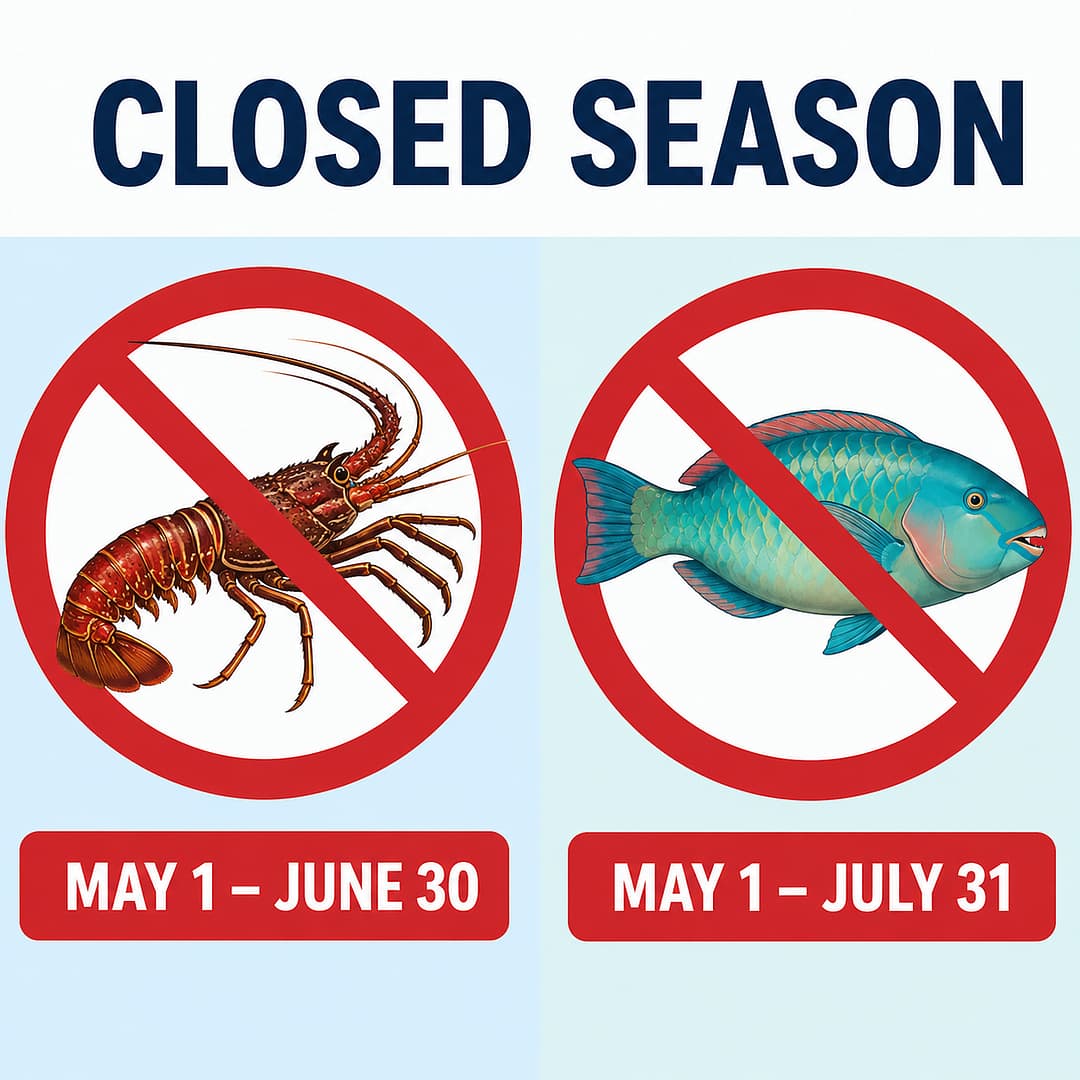
    The closed season follows different timelines tailored to the biological needs of each species. For spiny lobster, the harvest and trade ban will run for two full months, from May 1 through June 30, 2026. For chub and parrotfish, the protection period is extended by an additional month, concluding on July 31, 2026. Across the entire duration of the closed season, a full set of restrictions applies to every person and entity operating within Antigua & Barbuda’s jurisdiction, including independent fishermen, commercial restaurants, seafood vendors, and seafood export businesses. All activities related to the targeted species are prohibited: this includes catching, selling, purchasing, and even possessing the regulated species during the ban.

    To ensure full compliance with the new regulations, joint enforcement teams from the ABDF and the Fisheries Division will carry out routine and targeted compliance checks across key locations nationwide, including commercial fishing ports, retail seafood markets, food service establishments, and coastal fishing access points. Authorities have confirmed that violations of the closed season rules will result in strict penalties, in line with national fisheries legislation. Penalties for non-compliance include fines reaching up to $50,000 XCD, the mandatory confiscation of any illegal catch, and potential criminal prosecution for repeat or severe offenders.

    Beyond meeting regulatory requirements, the closed season initiative delivers clear long-term benefits for both the environment and local communities that rely on fishing for their livelihoods. Protecting spiny lobster during their breeding period directly supports the maintenance of healthy, harvestable populations for future fishing seasons, which is critical given that lobster is a key export commodity and a core part of the local fishing economy. For parrotfish, the protection addresses the species’ outsize role in maintaining coral reef health: parrotfish graze on algae that would otherwise overgrow and kill coral reefs, making them essential to preserving the ecological balance of Antigua & Barbuda’s coastal reef systems, which in turn support tourism, protect shorelines, and sustain fish populations across the region.

    Overall, the annual closed season is a core part of Antigua & Barbuda’s broader strategy to conserve marine biodiversity and ensure that fishing remains a viable livelihood for current and future generations of coastal communities. In the public advisory accompanying the announcement, the ABDF has urged all stakeholders — from local residents and small-scale fishermen to large commercial vendors and hospitality businesses — to comply fully with the regulations. Authorities emphasize that coordinated public cooperation is essential to safeguarding the country’s valuable marine natural resources for generations to come.

  • DAIC calls for member participation in upcoming 2026 Annual General Meeting

    DAIC calls for member participation in upcoming 2026 Annual General Meeting

    The Dominica Association of Industry and Commerce (DAIC) has officially thrown open invitations for a diverse cross-section of the island’s business and policy community to join its 2026 Annual General Meeting, a landmark event centered on unpacking economic opportunities from the nation’s biggest infrastructure project. Scheduled to take place on Thursday, May 14, 2026, at the Prevo Cinemall Ballroom, the full day of discussions will kick off promptly at 1:00 PM.

    This year’s gathering centers on a forward-looking open forum themed “Beyond the Runway: Unlocking Private Sector Growth Through Dominica’s International Airport.” As the flagship centerpiece of the open session, Samuel Johnson, Chief Executive Officer of the International Airport Development Company (IADC), will deliver a keynote address breaking down the wide-ranging private sector opportunities tied to the $X billion infrastructure project, widely cited as the most transformative national development initiative in Dominica’s modern history.

    Johnson’s presentation is expected to map out actionable pathways for local and regional businesses to position themselves to capitalize on the expected surge in cross-sector economic activity once the airport becomes operational. Key sectors set to see outsized gains include hospitality, tourism, logistics, construction, professional business services, agriculture, international trade, transport, retail, and micro, small and medium enterprise (MSME) development. Following the keynote, attendees will have the opportunity to participate in an interactive question-and-answer session, allowing them to raise specific concerns and clarify details about upcoming opportunities directly with the IADC leader.

    The event’s schedule has been structured to separate open dialogue with the wider business community from internal DAIC governance business. The open session, which welcomes both DAIC members and non-member stakeholders, will run from 1:00 PM to 2:30 PM, followed by a 15-minute networking break designed to help attendees build professional connections. At 2:45 PM, the meeting will move into a closed session restricted exclusively to voting DAIC members, where the organization will conduct required statutory business, including annual performance and financial reports, discussions of governance updates, feedback on membership priorities, and the election of new DAIC Board Members.

    Pricing for the open session is scaled to ensure broad accessibility, with DAIC members able to register for Eastern Caribbean $125, and non-members paying a fee of Eastern Caribbean $200. Event organizers have noted that capacity at the venue is limited, and have urged interested participants to secure their spots as early as possible by confirming attendance in advance. For registration details, additional logistical information, or inquiries about the event, interested parties can reach the DAIC Secretariat via phone at 235-1962 or by email at the dedicated address [email protected].

  • Antigua and Barbuda Groups Invited to Apply for Grants to Tackle Plastic Pollution

    Antigua and Barbuda Groups Invited to Apply for Grants to Tackle Plastic Pollution

    On April 30, 2026, the International Union for Conservation of Nature (IUCN) announced the launch of a landmark grant initiative from its Regional Office for Mexico, Central America and the Caribbean (ORMACC) based in San José, Costa Rica, aimed at tackling the Caribbean’s growing plastic pollution crisis through community-led circular economy action. Titled the Sustainable Small Grants Programme (SSGP) and operating under the broader “Closing the Caribbean Plastic Tap” umbrella, the initiative opens applications for eligible groups across five Eastern Caribbean nations: Antigua and Barbuda, Grenada, Saint Lucia, St. Kitts and Nevis, and St. Vincent and the Grenadines.

    Backed by funding from the Italian Agency for Development Cooperation (AICS) and the Italian Ministry of Foreign Affairs and International Cooperation (MAECI), the SSGP carries a total program budget of €400,000, or approximately $430,000. Funding is split evenly across the five participating countries, with a maximum €80,000 allocated per nation. Individual grants to successful applicants will range from €30,000 to €80,000, designed to support the full implementation of locally tailored projects.

    Unlike top-down environmental interventions, the SSGP centers local leadership by extending eligibility to a wide range of community-rooted entities: micro, small, and medium-sized enterprises (MSMEs), community-based organizations (CBOs), non-governmental organizations, cooperatives, community associations, local schools, and even informal community groups, so long as they can prove a track record of meaningful local engagement. Funded projects will prioritize two key approaches to plastic waste management: upstream prevention, which cuts plastic production and consumption at the source, and midstream circularity, which reimagines plastic materials as reusable resources rather than disposable waste.

    The program is a core component of a wider regional strategy to eliminate plastic pollution at its origin by scaling up systems for waste reduction, product reuse, material recycling, and the adoption of sustainable alternative materials. All funded projects will be required to track and deliver measurable outcomes, both for environmental health and local socio-economic development. These outcomes will align with participating nations’ national climate and environmental priorities, as well as global sustainability commitments including the United Nations Sustainable Development Goals (SDGs) and the Global Biodiversity Framework (GBF).

    Applications for the first round of grants are open now, and interested eligible organizations have until 11:59 p.m. Atlantic Standard Time on May 31, 2026 to submit full proposals. Full application guidelines and submission details are available via the IUCN’s official engagement portal at https://engage.iucn.org/topic/sustainable-small-grants-programme-closing-caribbean-plastic-tap.

  • Antigua and Barbuda delegation participates in Transforming Global Education Summit at the United Nations

    Antigua and Barbuda delegation participates in Transforming Global Education Summit at the United Nations

    This week, a five-person cross-generational delegation from Antigua and Barbuda will travel to United Nations Headquarters in New York to join world leaders for the landmark Transforming Global Education Summit, a high-profile initiative aimed at modernizing education frameworks across small island developing states (SIDS).

    Convened on May 1 by the PVBLIC Foundation in partnership with the governments of Antigua and Barbuda, the Kingdom of Tonga, and the Learning Economy Foundation, the one-day gathering brings together a diverse cohort of stakeholders: heads of state, cabinet ministers, leaders of multilateral organizations, tech pioneers, veteran educators, private sector innovators, and youth advocates. Centered on the transformative theme “Redefining Education as Global Infrastructure,” the summit seeks to advance a cohesive, forward-thinking new model for national education systems that unifies policy design, technological integration, sustainable funding, and cross-border multilateral collaboration under one shared framework.

    Leading the Antigua and Barbuda contingent is Clare Browne, the nation’s Director of Education, alongside Dr. Jrucilla Samuel, Director of the country’s Youth Department. Three young leaders round out the delegation: Pia Nicholas, President of the National Youth Volunteer Corps and former CARICOM Youth Ambassador; Janet Simon, the incumbent CARICOM Youth Ambassador; and Chevaughn Burton, Assistant to the Safe Schools Focal Point. This mix of senior government officials and emerging youth voices underscores Antigua and Barbuda’s deep commitment to inclusive, youth-centered education reform – a priority that ensures young people have an active seat at the table when shaping the future of learning across the region.

    Antigua and Barbuda’s Permanent Mission to the United Nations has overseen all coordination for the delegation’s participation, working to guarantee the small island nation’s unique perspective on education development is centered in global discussions. “For countries like ours, education is not simply a social service, it is a matter of national resilience and sovereignty,” stated Ambassador Walton Webson, Permanent Representative of Antigua and Barbuda to the UN. “Small Island Developing States understand that our ability to adapt, innovate, and compete globally depends on how we invest in the knowledge and skills of our people,” he added.

    The delegation will play an active role across the summit’s official program. Browne will deliver opening remarks on Antigua and Barbuda’s behalf before joining the panel discussion focused specifically on challenges and opportunities for Small Island Developing States. Simon, the sitting CARICOM Youth Ambassador, is scheduled to address attendees during a separate panel titled “Scaling the Model: From Youth to National Development.” Dr. Samuel will take on moderation duties for a third high-profile panel, “Redefining Education Systems for the Future: Integrating Mental Health, Nutrition, and Holistic Youth Development as Global Priorities,” which will also feature input from the delegation’s youth members. Outside of plenary and panel sessions, the Antigua and Barbuda team is also set to hold targeted bilateral talks with representatives from the PVBLIC Foundation and other partner governments aligned with the nation’s development goals.

  • Olieprijzen pieken tot hoogste niveau in vier jaar, maar dalen daarna

    Olieprijzen pieken tot hoogste niveau in vier jaar, maar dalen daarna

    On Thursday, global oil prices surged to a four-year peak above $126 per barrel, driven by mounting fears that escalating military conflict between the United States and Iran could trigger prolonged disruptions to critical energy supplies from the Middle East. The sharp intraday rally later gave way to an unexpected retreat, capping a session marked by historic levels of volatility that shook global commodity and financial markets.

    The upward momentum gained traction after Axios reported Wednesday that U.S. President Donald Trump was set to receive a briefing Thursday on potential military strikes targeting Iran, with the stated goal of forcing Tehran back to negotiations over its nuclear program. Attendees expected at the briefing included Defense Secretary Pete Hegseth and Joint Chiefs of Staff Chair General Dan Caine.

    Since the start of joint U.S. and Israeli military strikes against Iran on February 28, Brent crude prices have already doubled, while U.S. West Texas Intermediate (WTI) has climbed nearly 90%. The massive gains stem primarily from the effective closure of the Strait of Hormuz, the strategic maritime chokepoint that handles roughly one-fifth of the world’s daily oil and liquefied natural gas exports.

    Sustained elevated oil prices carry severe risks for the global economy, threatening to ignite a new inflationary spiral and push up fuel prices across the United States. The timing is particularly sensitive for the U.S., as it heads into midterm elections later this year. Oil, natural gas, and their refined products are foundational inputs for global transportation, energy distribution, and manufacturing sectors ranging from plastics to agricultural fertilizers.

    John Evans, an analyst at leading oil trading firm PVM, warned that market participants unprepared for even steeper gains should prepare for further shocks. “Anyone who does not believe Brent can reach $150 per barrel would be wise to look away now,” he said.

    During Thursday’s trading session, June-delivery Brent futures hit an intraday peak of $126.41 per barrel, the highest level recorded since March 9, 2022. By the closing bell, however, the benchmark had erased all intraday gains and more, settling $4.14, or 3.5%, lower at $113.89 per barrel. More actively traded July contracts fell 1.6%. WTI futures also pulled back from an early high of $110.93 per barrel – the strongest since early April – to close 2.1% lower at $104.60.

    Even with Thursday’s retreat, both major crude benchmarks remain on track to post their fourth consecutive monthly gain, reflecting widespread market anxiety that the ongoing conflict around Iran will disrupt global energy supplies for an extended period.

    Market analysts have not identified a clear fundamental trigger for the late-day price pullback from the session’s highs. Instead, they attribute the sharp reversal to the extreme volatility that has gripped energy markets since the conflict began. Two large sell orders executed during morning trading coincided with approaching futures contract expiration dates, a period that typically amplifies price swings.

    Ole Hvalbye, a senior analyst at SEB Research, described the day’s price movements as unprecedented. “We are seeing massive intraday swings that are comparable to what we normally see over entire months,” he said, adding that current market conditions amount to “chaos” that make it extremely difficult to build a coherent fundamental market outlook.

    Beyond commodity markets, the volatility spilled over into foreign exchange: the Japanese yen rose 3% on Thursday, its strongest single-day gain in more than three years, after Japanese officials issued warnings about potential currency intervention to support the yen, even in energy-related markets.

    While President Trump announced a ceasefire in the conflict earlier this month, he simultaneously imposed a full blockade on Iranian ports. Negotiations to resolve the standoff have since stalled: the U.S. demands Iran open its nuclear program for new negotiations, while Iran demands concessions on control of the Strait of Hormuz and war reparations. Tony Sycamore, a market analyst at IG Markets, said there is little reason to expect a quick resolution or a near-term reopening of the strait.

    Shipping data confirms that traffic through the critical waterway remains at a fraction of normal levels. Over a 24-hour period this week, only seven vessels passed through the strait, compared to a typical daily volume of 125 to 140 ships. Of the seven vessels that transited, three were bulk carriers, one was a container ship, and two were bitumen tankers, according to data from Kpler and satellite analysis from SynMax.

    The effective closure of Hormuz has overshadowed another recent development in global oil markets: the United Arab Emirates’ announcement earlier this week that it will leave OPEC after nearly 60 years of membership. Analysts note the departure will allow the UAE to ramp up its own production once global export channels normalize, but they expect little immediate impact on current market conditions.

    High prices have already begun to erode global oil demand, a dynamic that analysts say is the only factor currently easing some of the extreme tightness in supply. Analysts at ING estimate that global demand has fallen by roughly 1.6 million barrels per day, as consumers and end-users cut back on oil product consumption amid elevated costs. Even this demand destruction, however, has not been large enough to offset the massive gap left by disrupted supplies from the Middle East.
  • COMMENTARY: A Pin, a Principle, and the Integrity of the Caribbean

    COMMENTARY: A Pin, a Principle, and the Integrity of the Caribbean

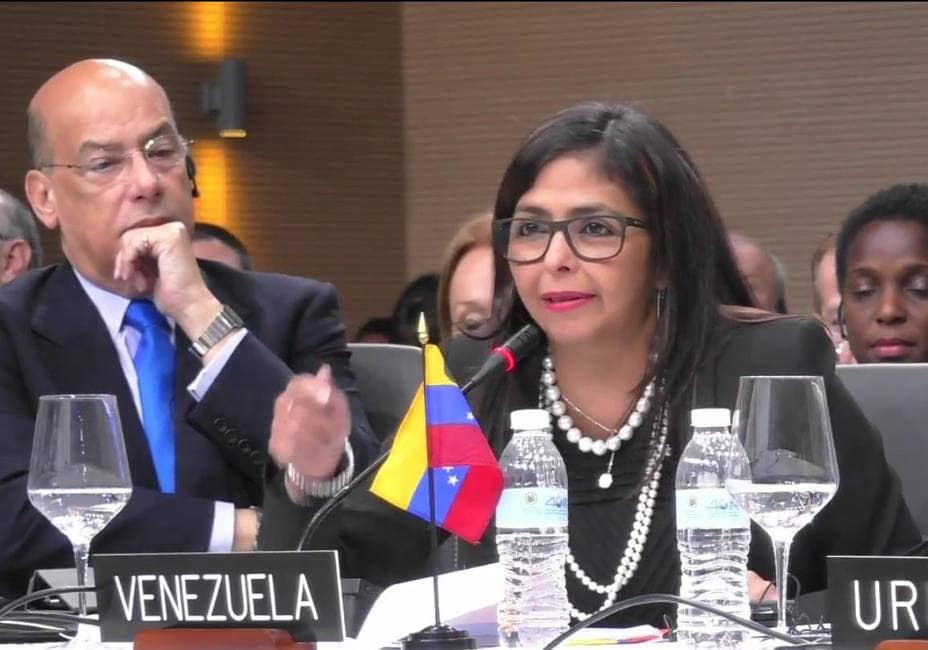
    In the delicate landscape of global diplomacy, even minor symbolic gestures can expose deep divides over core international principles. The recent uproar over an official Caribbean diplomatic engagement, where a Venezuelan official wore a lapel brooch depicting Guyana’s Essequibo region as Venezuelan territory, stands as a perfect example of this dynamic.

    Critics who brush off this incident as an overblown reaction to a trivial piece of personal clothing miss the point entirely. Dismissing the controversy as mere hypersensitivity to personal attire is not just inaccurate—it deliberately misframes what is at stake here. This is not a debate over fashion; it is a debate over official state conduct.

    When a sitting senior government official wears a territorial claim symbol during an official diplomatic meeting with a third party in a dispute over that land, the act stops being personal expression and becomes an explicit tool of state policy. The gesture is deliberately crafted to communicate, entrench, and normalize a disputed territorial position that is currently the subject of formal international legal proceedings.

    This border dispute between Venezuela and Guyana is far from a theoretical disagreement. Guyana has already brought the case to the International Court of Justice (ICJ), seeking a final, legally binding ruling on the validity of the 1899 Arbitral Award that established the current international border between the two nations.

    Venezuela has framed its claim as rooted in international law and the 1966 Geneva Agreement, but this narrative demands closer inspection. The Geneva Agreement never settled the question of sovereignty over Essequibo, nor did it invalidate the 1899 border award. What it did do was create a framework for peaceful negotiation of the dispute, which ultimately led to the case being referred to the ICJ for adjudication. There is no legal basis for Venezuela to claim the agreement justifies unilateral assertions of territorial ownership while the court is actively considering the matter.

    This contradiction is impossible to ignore: Venezuela claims it upholds international law, yet its actions are clearly designed to shape global public opinion on a case that is currently sub judice—meaning under judicial consideration. No state can credibly claim to submit a dispute to binding international adjudication while simultaneously working outside the courtroom through symbols, legislation, and administrative moves to lock in the outcome it favors.

    The lapel brooch incident is far from an isolated misstep. It fits into a broader pattern of Venezuelan actions: national legislation that purports to annex the Essequibo region, the appointment of unofficial administrative officials to the territory, and a sustained public campaign asserting Venezuelan sovereign ownership. Taken together, these moves show no willingness to exercise restraint while the court rules. Instead, they represent a parallel political campaign to consolidate Venezuela’s claim through non-legal means.

    Against this backdrop, the recent statement from the Caribbean Community (CARICOM) carries outsized importance. Released on April 28, 2026, the CARICOM statement was measured in tone but unmistakeable in its message. It reaffirmed that CARICOM member states retain the right to conduct their own bilateral relations with outside nations, but framed that right within the boundaries of collective obligations laid out in the Revised Treaty of Chaguaramas. Most critically, it emphasized that CARICOM regional platforms cannot be used, either directly or indirectly, to advance or legitimize territorial claims that are currently before the ICJ.

    This position is a quiet but firm assertion of regional rules-based discipline, even at a time when critics point to growing disunity within the Caribbean integration movement. The CARICOM statement accomplishes three key goals: it protects the integrity of the international judicial process, preserves the overall unity of the regional bloc, and makes clear that while CARICOM will not interfere in individual member states’ bilateral ties, it will not allow its own forums to be used to advance a territorial claim against one of its own members. That last principle is far more significant than many observers have acknowledged.

    Guyanese President Irfaan Ali’s formal written response to the CARICOM chair was therefore both fully justified and necessary. It was not an overreaction, nor was it empty political rhetoric. It was a principled defense of international law at a moment when ambiguity could have easily damaged that principle.

    For context, this article’s author worked closely with Venezuelan Vice President Delcy Rodríguez between 2015 and 2017, when he opposed efforts by some Organization of American States member states to impose unilateral sanctions on the Venezuelan government that violated the OAS’s own rules. That stance grew out of a core commitment to due process, international law, and fair treatment of all nations, and the author still recognizes Rodríguez as a formidable defender of her government’s interests during a period of intense geopolitical pressure. But this current controversy has nothing to do with personal relationships, political alignments, or pieces of clothing. It is entirely a matter of principle, legal process, and respect for the ICJ’s ongoing adjudication.

    The larger question raised by this incident goes far beyond the Essequibo border: it asks whether all parties will actually back their public commitments to international law with conduct that aligns with those commitments. For this dispute to end in a peaceful, final resolution consistent with international rules, the ICJ’s process must be allowed to move forward without external actions that prejudge or politicize its outcome. That requires deliberate restraint, not provocative symbolism; it demands disciplined adherence to process, not political theater.

    A small lapel brooch cannot redraw an international boundary. But the conduct it represents can either strengthen or undermine the very principles that are supposed to guide the peaceful resolution of this dispute. In this case, the Caribbean community has made its position clear: quietly but unflinchingly, it stands on the side of international law.

  • Volunteers Remove Hundreds of Pounds of Debris from Wreck off Barbuda

    Volunteers Remove Hundreds of Pounds of Debris from Wreck off Barbuda

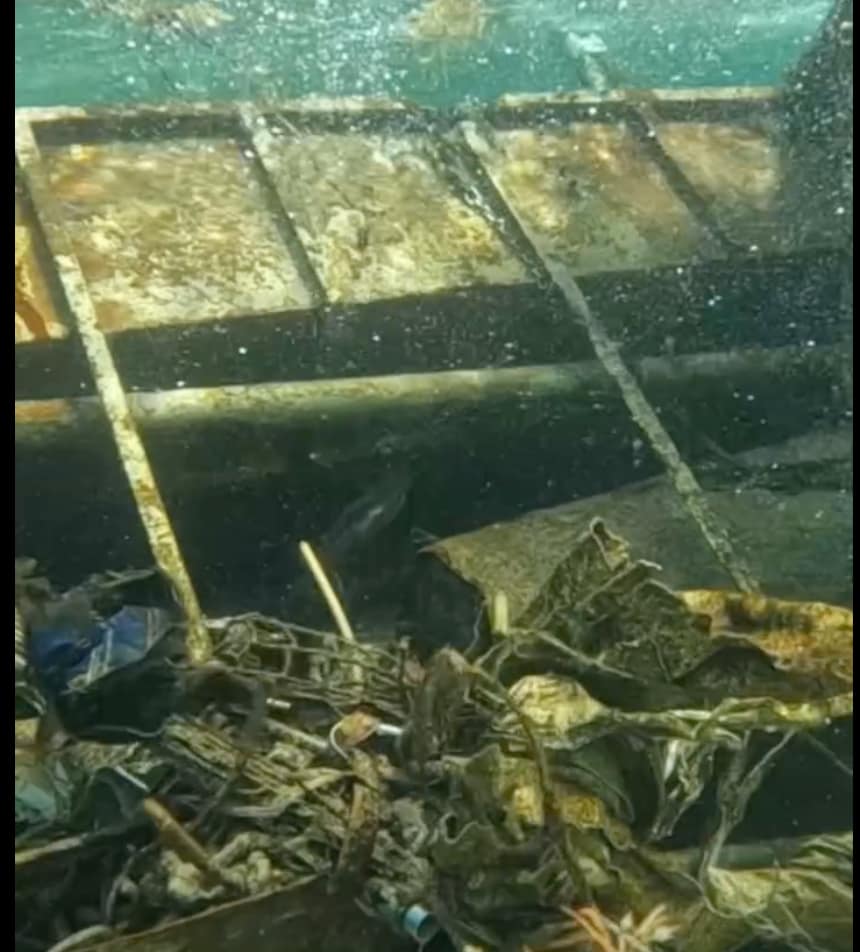
    Off the quiet shoreline of Barbuda, a coalition of volunteer divers has completed a targeted marine cleanup that pulled nearly 300 pounds of discarded debris from the sunken wreck of the yacht *Jonah*, in a critical push to safeguard the fragile coral reef system surrounding the site. For months, the wreck had accumulated all manner of waste, most dangerously abandoned fishing gear known as “ghost nets” – a pervasive marine pollutant that continues to entangle, injure, and kill fish, sea turtles, and other marine organisms long after they are discarded by fishing operations. These tangled nets had already wrapped around large sections of the nearby reef, putting additional stress on a ecosystem already grappling with global threats like rising ocean temperatures and acidification.

    The cleanup effort brought together 16 experienced free divers and snorkelers, who spent multiple hours navigating the wreck site to extract trapped waste. Divers ferried each bag of collected debris from the seabed up to waiting support boats on the surface, working carefully to avoid damaging living coral during the process. What made the initiative particularly notable was the heavy involvement of emerging local conservation leaders: nine young eco-divers from Antigua joined the expedition, alongside professional boat crew, rounding out the total 18-person team. Organizers have publicly highlighted the dedication and hard work of these young participants, noting that their presence signals a growing shift toward youth leadership in global marine conservation.

    The project was a community-led collaboration, with in-kind support from local tourism and marine conservation groups including Adventure Antigua and the Barbuda Ocean Club. Financial backing for the cleanup came from the Global Environment Facility Small Grants Programme (GEF SGP) operating in Antigua and Barbuda, which funds grassroots environmental initiatives across the region.

    Coral reefs, often called the “rainforests of the sea,” support more than 25% of all known marine biodiversity despite covering less than 1% of the ocean floor. Today, these critical ecosystems face unprecedented pressure from a range of threats: plastic and chemical pollution, manmade climate change that drives ocean warming and coral bleaching, and destructive overfishing practices. Local, small-scale cleanup projects like this one do not solve the systemic challenges facing coral reefs, but they do address immediate, localized hazards that prevent reef recovery, while building community momentum for larger, long-term restoration efforts. Video footage of the cleanup was provided by the Antigua Barbuda Ocean Trust.