This week, a five-person cross-generational delegation from Antigua and Barbuda will travel to United Nations Headquarters in New York to join world leaders for the landmark Transforming Global Education Summit, a high-profile initiative aimed at modernizing education frameworks across small island developing states (SIDS).
Convened on May 1 by the PVBLIC Foundation in partnership with the governments of Antigua and Barbuda, the Kingdom of Tonga, and the Learning Economy Foundation, the one-day gathering brings together a diverse cohort of stakeholders: heads of state, cabinet ministers, leaders of multilateral organizations, tech pioneers, veteran educators, private sector innovators, and youth advocates. Centered on the transformative theme “Redefining Education as Global Infrastructure,” the summit seeks to advance a cohesive, forward-thinking new model for national education systems that unifies policy design, technological integration, sustainable funding, and cross-border multilateral collaboration under one shared framework.
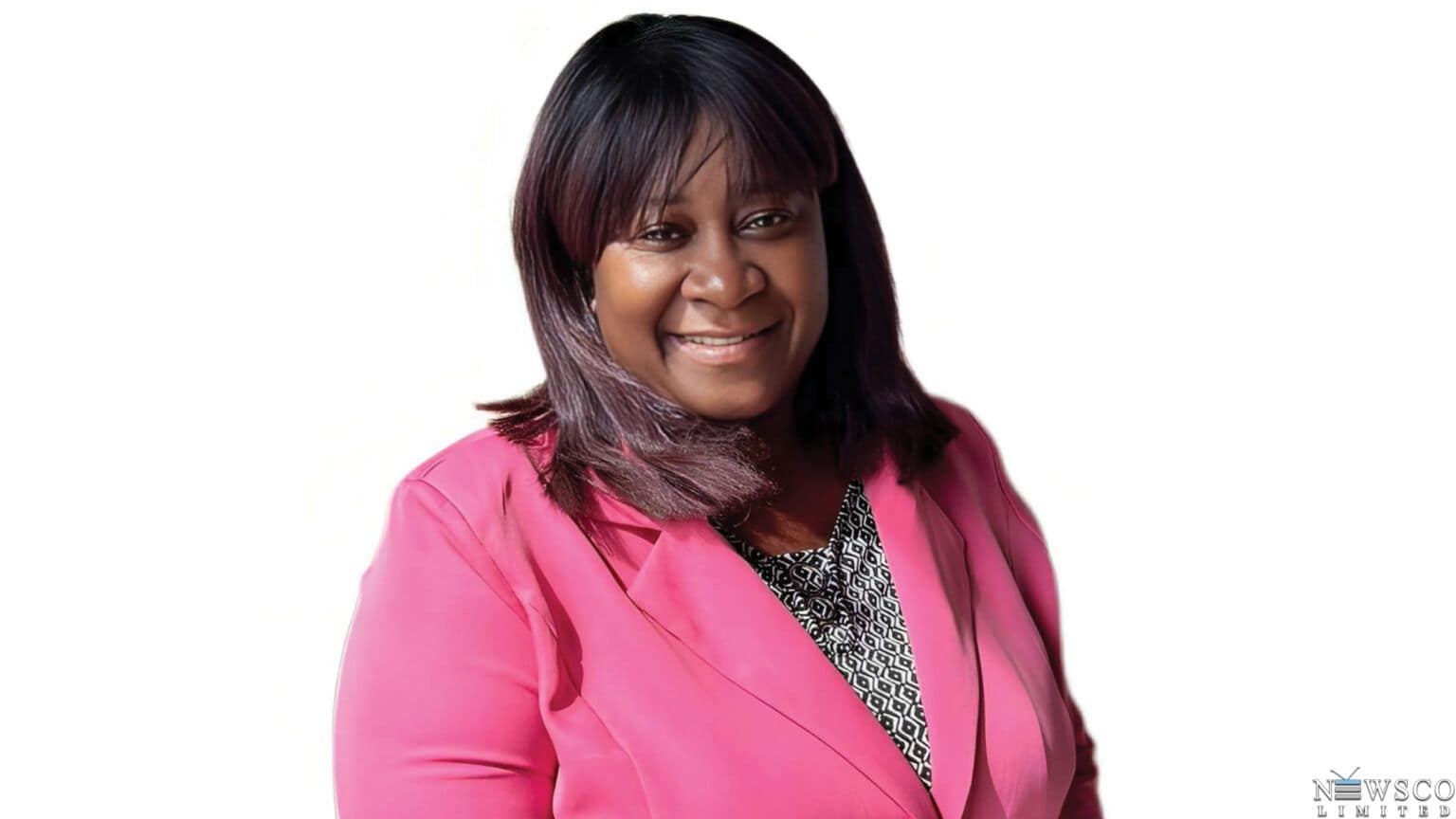
Leading the Antigua and Barbuda contingent is Clare Browne, the nation’s Director of Education, alongside Dr. Jrucilla Samuel, Director of the country’s Youth Department. Three young leaders round out the delegation: Pia Nicholas, President of the National Youth Volunteer Corps and former CARICOM Youth Ambassador; Janet Simon, the incumbent CARICOM Youth Ambassador; and Chevaughn Burton, Assistant to the Safe Schools Focal Point. This mix of senior government officials and emerging youth voices underscores Antigua and Barbuda’s deep commitment to inclusive, youth-centered education reform – a priority that ensures young people have an active seat at the table when shaping the future of learning across the region.
Antigua and Barbuda’s Permanent Mission to the United Nations has overseen all coordination for the delegation’s participation, working to guarantee the small island nation’s unique perspective on education development is centered in global discussions. “For countries like ours, education is not simply a social service, it is a matter of national resilience and sovereignty,” stated Ambassador Walton Webson, Permanent Representative of Antigua and Barbuda to the UN. “Small Island Developing States understand that our ability to adapt, innovate, and compete globally depends on how we invest in the knowledge and skills of our people,” he added.
The delegation will play an active role across the summit’s official program. Browne will deliver opening remarks on Antigua and Barbuda’s behalf before joining the panel discussion focused specifically on challenges and opportunities for Small Island Developing States. Simon, the sitting CARICOM Youth Ambassador, is scheduled to address attendees during a separate panel titled “Scaling the Model: From Youth to National Development.” Dr. Samuel will take on moderation duties for a third high-profile panel, “Redefining Education Systems for the Future: Integrating Mental Health, Nutrition, and Holistic Youth Development as Global Priorities,” which will also feature input from the delegation’s youth members. Outside of plenary and panel sessions, the Antigua and Barbuda team is also set to hold targeted bilateral talks with representatives from the PVBLIC Foundation and other partner governments aligned with the nation’s development goals.