博客

  • Viral Dr Congo fan to miss World Cup playoff against Jamaica due to visa issues

    Viral Dr Congo fan to miss World Cup playoff against Jamaica due to visa issues

    One of the most recognizable faces in Democratic Republic of the Congo football, legendary superfan Michel Kuka Mboladinga — widely known by his fan alias Lumumba Vea — has confirmed he will miss his national team’s critical World Cup qualifying playoff against Jamaica this Tuesday in Guadalajara, Mexico. The fan favorite, who has built a global reputation for his unique gameday ritual of holding a motionless pose mirroring that of iconic former DR Congo Prime Minister Patrice Lumumba for the full duration of matches, shared the disappointing update via a post on X (formerly Twitter) Monday.

    In his public statement, Lumumba Vea expressed profound regret that unforeseen visa hurdles derailed his plans to travel with the Leopards, DR Congo’s national men’s football team. At the time he submitted his application, the superfan was already in Kenya for prior engagements, and even direct intervention from DR Congo’s Minister of Sports, Didier Budimbu, could not overcome the administrative barriers to securing travel documentation in time.

    In an attempt to beat the tight deadline, Lumumba Vea traveled to Ethiopia to apply for an expedited Mexican visa. However, he explained that even emergency express visa processing requires a minimum of one full business day to complete, under strict specific conditions that could not be aligned with his schedule. Factoring in the extensive travel time from East Africa to western Mexico — a journey that takes between 18 and 22 hours with a single stopover, and up to 30 hours when including two connecting flights — the superfan concluded there was no feasible path to reach Guadalajara in time for kickoff.

    With no way to make the trip work, Lumumba Vea has made the decision to return to DR Congo’s capital city of Kinshasa, where he will continue to support the national team from home, cheering on the Leopards in his new base as they compete for a spot in the upcoming World Cup.

  • Caricom chairman says mechanism to extend aid to Cuba ‘fully on the way’

    Caricom chairman says mechanism to extend aid to Cuba ‘fully on the way’

    In a press briefing held in Basseterre, the capital of St Kitts and Nevis on Monday, current Caribbean Community (Caricom) chairman and St Kitts and Nevis Prime Minister Dr Terrance Drew confirmed that the 15-nation regional bloc has completed the groundwork to deliver promised humanitarian assistance to crisis-hit Cuba, keeping a pledge made just one month prior.

    The urgent push for coordinated aid comes amid prolonged hardship for Cuba, where widespread, repeated power outages have become a daily reality as a result of long-running United States sanctions targeting the island nation’s oil imports. For decades, Washington has enforced a full trade and economic embargo against Cuba, with the explicit goal of pressuring Havana to adopt a pro-Western capitalist political and economic framework.

    Drew reminded reporters that regional leaders gathered in Basseterre at the end of February for Caricom’s 50th summit, where they made a formal commitment to launch a functional aid delivery mechanism within 30 days. With the announcement coming at the end of March, the bloc is well on track to meet that self-imposed deadline, he said.

    “We have already mapped out the full pathway and operational structure to get this humanitarian help to the Cuban people, with critical support from the Mexican government,” Drew stated, adding that the planning process is already fully underway.

    Last week, the Guyana-headquartered Caricom Secretariat first announced the regional aid initiative, noting that Mexico has stepped in as a key partner. The Mexican government has already identified domestic suppliers for requested aid items and will cover all costs of shipping the cargo from Mexican departure ports to Cuba, removing a major logistical and financial barrier to the effort.

    Drew announced that his own government, St Kitts and Nevis, has pledged a total contribution of US$500,000, with the first tranche of US$100,000 already transferred to the Caricom Secretariat to advance preparations. Member states have flexibility to select which types of aid they contribute, with St Kitts and Nevis prioritizing critically needed baby food from the official list of aid requirements, Drew said. He also expressed gratitude to other Caricom member nations that have already made substantial contributions to the effort, noting that the bloc will release a full public update on the initiative’s progress in the coming days.

    In remarks on the broader importance of the initiative, Drew emphasized that the effort demonstrates the region’s proactive approach to diplomatic action. “In today’s interconnected world, opportunities to support our neighbors and advance our shared goals have to be pursued, negotiated and secured—no one will hand them to us on a platter,” he said. “We have to be innovative, we have to be proactive, and we have to build intentional partnerships that let us meet our shared objectives. That is why we are moving forward with such intentional, aggressive diplomatic outreach on this issue.”

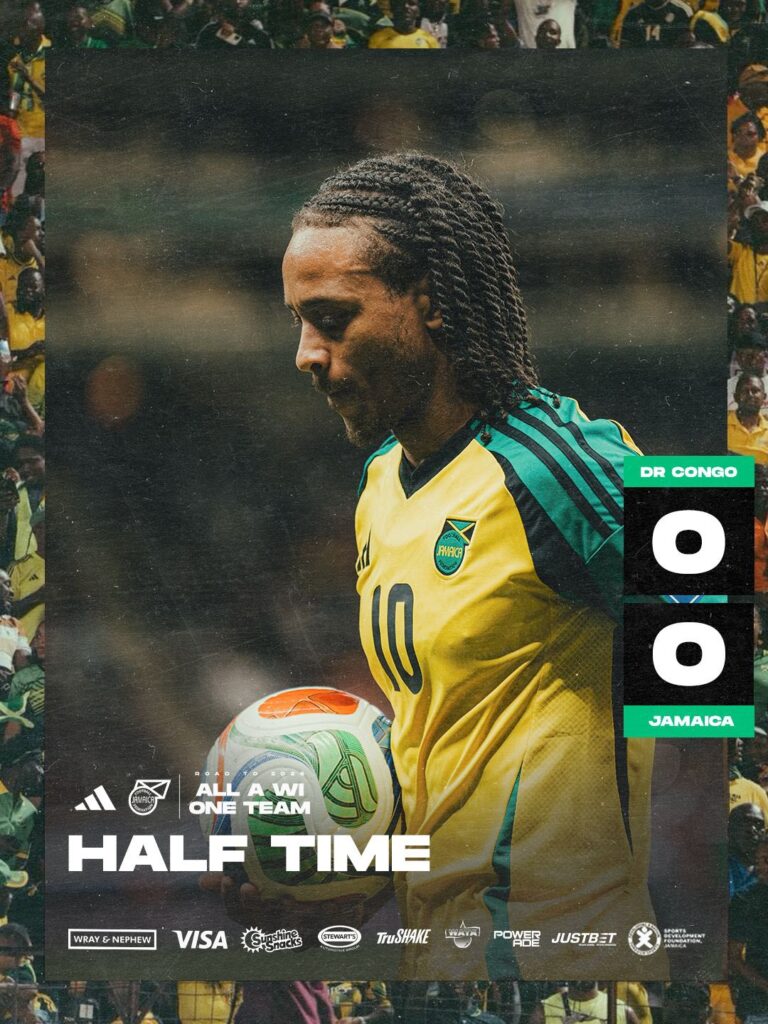
  • Reggae Boyz, DR Congo locked 0-0 at halftime

    Reggae Boyz, DR Congo locked 0-0 at halftime

    GUADALAJARA, Mexico — The high-stakes fight for one of the final spots in the 2026 FIFA World Cup reached a tense opening standoff on Tuesday, as Jamaica and the Democratic Republic of Congo went into halftime deadlocked at 0-0 at Estadio Akron. With only one qualification spot up for grabs, the winner of this inter-continental play-off final will become the 47th nation to secure a place in this year’s co-hosted tournament held across the United States, Canada, and Mexico, leaving just one final qualification slot remaining after the decider.

    Both sides entered the match hungry to end decades of waiting for a World Cup return, setting the tone for a tightly contested, cautious first 45 minutes. Neither team was willing to cede ground or take unnecessary risks that could open the door for a costly opponent break, creating a cagey back-and-forth battle where scoring chances were hard to come by.

    The first major moment of the game came early, when the Democratic Republic of Congo found the back of the net, only for the goal to be immediately ruled out for an offside infringement. As the half progressed, Jamaica’s star winger Leon Bailey created the Reggae Boyz’ best chance, unleashing a powerful long-range strike that sailed just wide of the goalkeeper’s left post, falling inches short of opening the scoring.

    With the two sides still level after regulation 90 minutes, the match will proceed to two 15-minute extra time periods to determine a winner. If the score remains tied after extra time, a penalty shootout will decide which nation books its place at the 2026 World Cup. The entire second half, and any additional time, will see both sides throw caution to the wind as they push for the goal that will secure their spot in football’s biggest global tournament. (Reporting by Paul A Reid)

  • Cleaning of South Gully in Montego Bay underway

    Cleaning of South Gully in Montego Bay underway

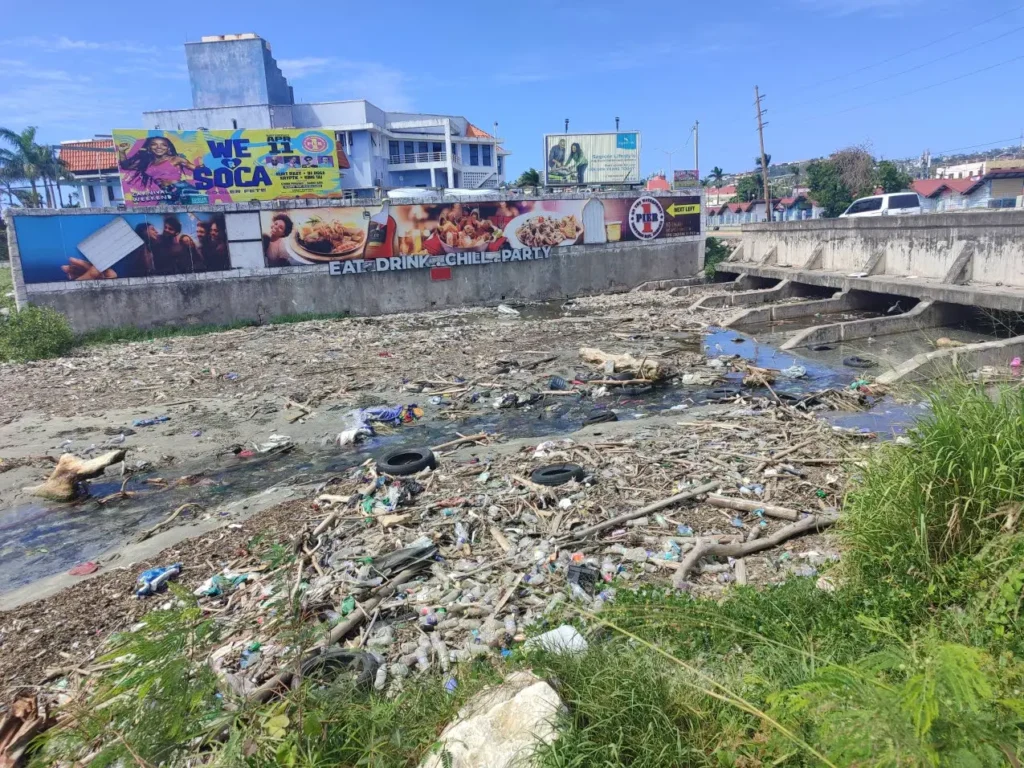
    In the coastal Jamaican parish of St James, a targeted cleanup operation is now underway in Montego Bay to clear a stubborn waste backup that has plagued the outlet of South Gully for months. A specialized team from the island’s National Solid Waste Management Authority (NSWMA) has mobilized heavy construction equipment to the site, including a powerful excavator and multiple tipper trucks, to tackle the accumulated debris that has built up at the waterway’s opening. The waste clogging the gully ranges from deposited silt and single-use plastic products to a range of other discarded materials that have collected over years, with a large portion of the buildup dating back to a recent major storm.

    Audley Gordon, the top executive director of NSWMA, was on site at the cleanup location this week to directly oversee the progress of the work, which is aimed at eliminating one of the most visible environmental blights on the popular western Jamaican city. This intervention is being carried out as part of the authority’s formal Debris Management Programme, a long-running initiative designed to address storm-related waste accumulation across the island.

    The entire cleanup effort traces its urgency back to Hurricane Melissa, which made landfall on Jamaica on October 28, 2025. The storm left a path of widespread destruction across much of the island’s western region, washing large volumes of sediment, discarded waste, and structural debris into natural waterways including South Gully. While smaller cleanup efforts addressed the most immediate flood risks after the storm, the large-scale clearance of the gully’s outlet has been scheduled as a one-time targeted operation to resolve the long-standing backup. Project organizers estimate that the operation will remove more than 10 full truckloads of accumulated debris from the site by the time work is completed, clearing the waterway outlet and restoring better drainage for the surrounding area.

  • Creators leave influencer conference with lingering monetisation questions

    Creators leave influencer conference with lingering monetisation questions

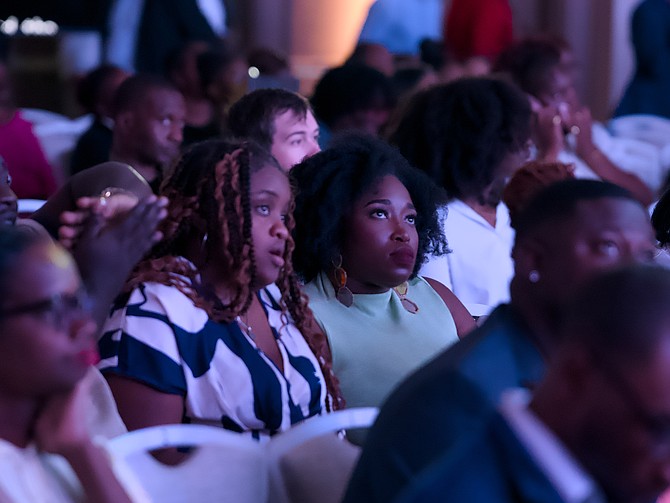
    Held this past Sunday at the iconic Baha Mar resort, the Bahamian government’s 242 Influencers and Creative Conference brought together hundreds of emerging content creators and established industry voices, including several creators with follower counts topping 100,000. Conceived to address longstanding barriers that have locked Bahamian creators out of sustainable earnings on major global platforms including TikTok, Instagram and Facebook, the event has instead sparked sharp division over whether it delivered actionable solutions — or merely raised unfulfilled expectations.

    For years, Bahamian digital creators have faced systemic obstacles to monetizing their work. Most major social media platforms are headquartered in the United States, and their algorithmic frameworks are inherently designed to prioritize US-based content, leaving local creators largely restricted to small domestic audiences and locked out of the monetization programs available to creators based in larger markets. Beyond platform-level barriers, many creators also face cultural stigma: local society often dismisses content creation as an unserious hobby, pushing creators to pursue traditional “real jobs” instead of building sustainable creative careers.

    Prime Minister Philip Davis used his keynote address at the conference to announce two core policy commitments. First, he will issue a directive to all government agencies to prioritize hiring Bahamian influencers for public information campaigns, with dedicated budget allocated for these partnerships. Second, he confirmed that the Bahamian government has begun formal engagement with major social media platforms to negotiate improved access to monetization tools for local creators.

    Despite these announcements, many attendees left the event frustrated by the lack of a clear, structured roadmap to help Bahamian creators compete on equal footing with their US counterparts. Patrick Robinson II, a photographer, artist and content creator active in the space since 2013, described the conference as little more than a “pep rally.” Speakers reused generic, widely circulated advice about the importance of authenticity, consistency and audience engagement, he said, with no space for the interactive question-and-answer dialogue that creators had hoped would allow them to raise their specific concerns directly to government organizers. “Many of us left feeling the event simply did not match what we were promised,” Robinson added.

    Another prominent local creator, Rukcus Mann, offered an even more critical take, dubbing the gathering a “Bahamian Content Creator Pacifier” — a symbolic gesture that smoothed over frustrations without addressing core problems. While he acknowledged that the event raised important conversations about industry gatekeeping and shared some useful baseline information, he argued that key questions around long-term monetization were deliberately glossed over. Echoing a common sentiment among local creators, Mann noted that “In general, Bahamian creators are not really respected for our craft and contributions to Bahamian culture. Many of us have been told to go and get a ‘real job’ and our respective crafts and disciplines are generally seen as a frivolous waste of time.”

    Mann also questioned the timing and motivation behind the conference, which comes just months ahead of the Bahamas’ next general election. He suggested the event was a political tactic designed to court support from young voters, noting that “Mr Prime Minister wasn’t shy about it” and the entire initiative felt conditional on political support. He also acknowledged that the creative community shares some responsibility for the industry’s slow growth, noting that while many creators take the business side of the industry seriously, too many prioritize performance over sustainable business development, holding the entire sector back.

    Not all feedback was negative, however. Several attendees praised panels that featured successful Bahamian creators including Baha Yogi, Vocab, Das Quay, Bodine and Zhane’o, who shared personal insights into how they built profitable creative careers. Twitch streamer and content creator Magaso242 also noted that the post-conference mixer offered valuable networking opportunities, and that a follow-up conversation with Ambassador-at-Large for Technology and Artificial Intelligence Greg Michelier offered some reassurance that ongoing work to address creator concerns is underway. “It wasn’t a total loss,” he said.

    Even so, Magaso242 echoed the widespread criticism that core questions about how the majority of local creators will access stable monetization remain unanswered. He also criticized a high-profile panel featuring Deputy Prime Minister Chester Cooper, noting that its narrow focus on tourism-related content — while expected — was ultimately disappointing for creators working outside that niche. For many in the Bahamian creative community, the conference represented a small step forward, but the path to sustainable, equitable earnings in the digital economy remains unclear.

  • ‘Ask them’: DPM deflects as Grand Lucayan update deadline passes

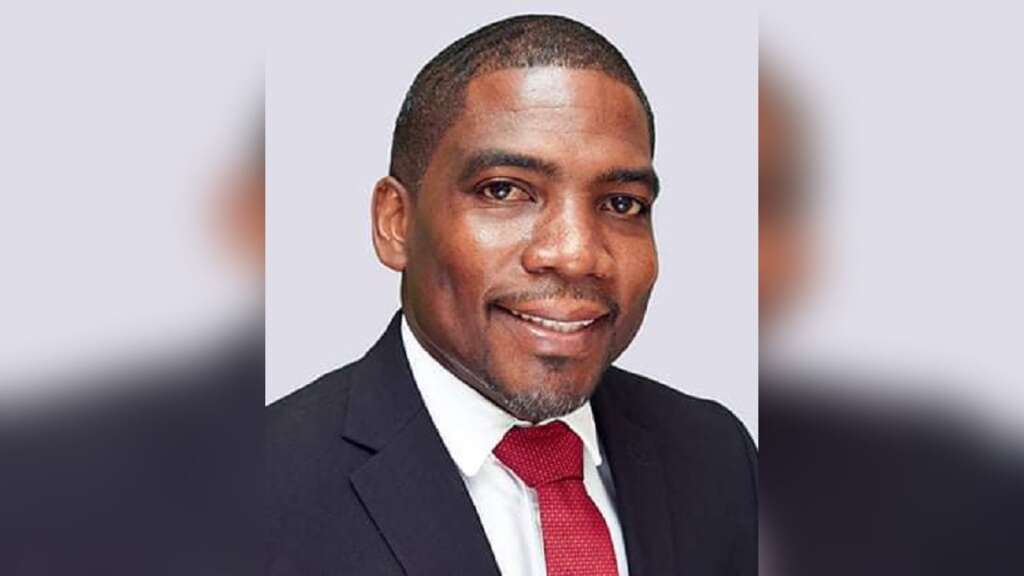
    ‘Ask them’: DPM deflects as Grand Lucayan update deadline passes

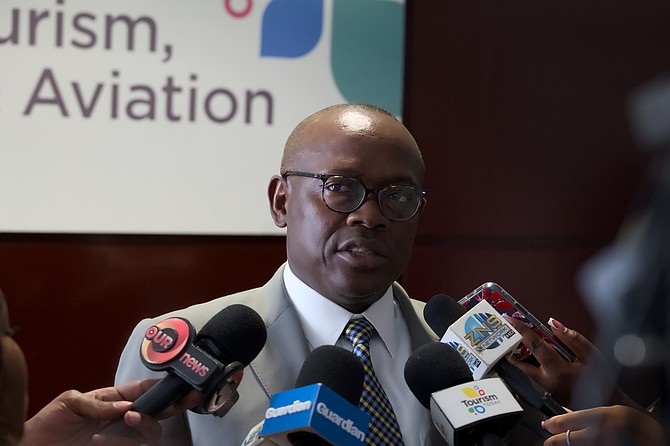
    The Bahamas government is facing increased scrutiny over the stalled redevelopment of the Grand Lucayan resort, with Deputy Prime Minister Chester Cooper declining to address the missed deadline for a crucial project update and redirecting inquiries to the developer, Concord Wilshire. The evasion occurred on the sidelines of a public event, where Cooper advised journalists to contact the developer directly for statements, asserting he had “no more comments on it.

    This development follows a February 23rd statement from the U.S.-based developer, which pledged to announce key project milestones “within the next two weeks,” setting an implicit deadline around March 9th. That announcement, which vehemently denied reports of a collapsed $120 million acquisition deal with the government, promised to reveal formal commencement dates for development, construction activities, and two major cruise line destination resorts, alongside the start of demolition and preparatory works.

    No such update has materialized, making the February statement the sole public communication from Concord Wilshire since it inked a Heads of Agreement with the Davis administration in May 2025. The government has consistently supported the developer’s position, with Prime Minister Philip Davis recently urging public patience and affirming that progress was being made for the benefit of Grand Bahamians.

    The landmark project, envisioned to revitalize the resort shuttered since Hurricane Matthew in 2016 with only a section operational, carries significant economic promises. Official projections anticipate the creation of 1,300 construction jobs and over 1,700 permanent positions upon completion, highlighting the high stakes of the current silence and missed communications.

  • Upgraded $2m National Reference Lab expected to expand disease surveillance

    Upgraded $2m National Reference Lab expected to expand disease surveillance

    The Bahamas is poised to significantly enhance its public health capabilities with the scheduled relocation of its National Reference Laboratory to a state-of-the-art facility at Oaks Field by the end of May. Health and Wellness Minister Dr. Michael Darville confirmed the move, which transitions operations from a historic structure dating to the 1870s to a modern, purpose-built center funded with support from the Inter-American Development Bank (IDB).

    Constructed at a cost of just under $2 million, the new laboratory represents a critical component of a broader, multi-million dollar health systems strengthening program financed by the IDB. Dr. Indira Martin, the laboratory’s director, emphasized that the upgrade will dramatically improve working conditions for staff and substantially expand the lab’s diagnostic and surveillance capacities.

    A key advancement is the newly acquired genetic sequencing capability, made possible through equipment donations from the U.S. Centers for Disease Control and Prevention (CDC) and the Pan American Health Organisation (PAHO). This technology, absent during the initial stages of the COVID-19 pandemic, is now actively being used to monitor COVID-19 and influenza variants. Dr. Martin announced plans to soon extend sequencing efforts to dengue virus strains, enabling health officials to map the movement of viruses across the Bahamian archipelago. This data will provide invaluable epidemiological intelligence, allowing for more proactive public health interventions and policy decisions.

    Minister Darville highlighted the laboratory’s vital role in supporting the nation’s massive tourism industry, which hosts over 12 million visitors annually and requires robust surveillance for airborne and waterborne diseases. The transition to the new facility will be conducted in a phased manner to ensure the lab remains fully operational and does not disrupt critical public health services throughout the move.

    Shirley Gayle, the IDB’s country representative for The Bahamas, expressed satisfaction with the project’s progress, stating the bank is proud to support the Bahamian people in strengthening their health infrastructure and building a more resilient public health system for the future.

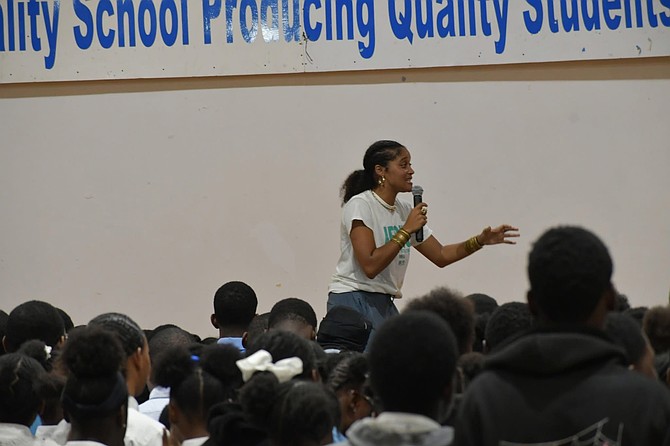
  • School tour reveals hundreds of students battling suicidal thoughts

    School tour reveals hundreds of students battling suicidal thoughts

    A recent week-long evangelical school initiative in New Providence has uncovered alarming levels of psychological distress among Bahamian high school students, with organizers reporting widespread experiences of suicidal ideation, domestic abuse, and dysfunctional home environments. Beijing Rodgers, founder of faith-based organization It’s Our Turn, conducted the Hope Tour across five public schools from March 23-27, revealing what she describes as a profound youth crisis requiring immediate intervention. During the program, over 1,200 students came forward with personal struggles, with approximately 50 explicitly reporting active suicidal thoughts during one session alone. Rodgers characterized many students as living in ‘survival mode’ due to absent parenting, with children frequently assuming caregiver roles for younger siblings while facing severe trauma including sexual abuse, physical violence, and household instability. The emotional sessions saw students embracing, crying, and sharing experiences, with one 15-year-old revealing she had planned to take her own life on the day of the visit had the intervention not occurred. Notably, the program resulted in hundreds of students committing to Christianity, including groups of male students providing mutual support. The initiative collaborated with multiple organizations including Men of Today, Men of Tomorrow, Second Chances, the Student Christian Movement, and the Ministry of Education. Participating schools included Anatol Rodgers Junior High School, CR Walker Senior High School, Doris Johnson Senior High School, RM Bailey Senior High School and CV Bethel Senior High School. Rodgers has announced plans to expand the program to the Family Islands, citing the urgent need to address what she perceives as both a social and spiritual crisis affecting Bahamian youth.

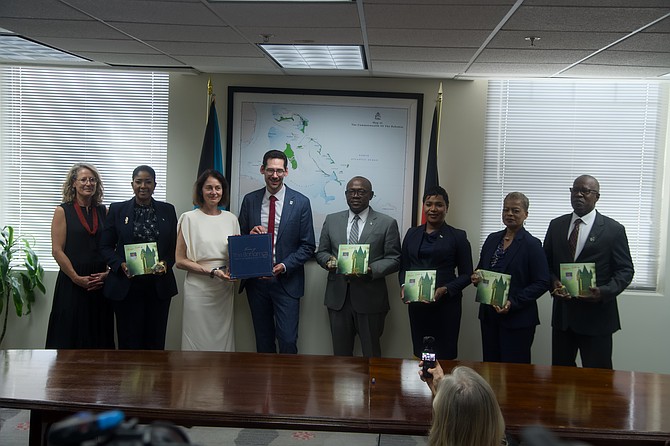
  • Historic agreement links Nassau with German namesake

    Historic agreement links Nassau with German namesake

    In a significant diplomatic move, The Bahamas and Germany have formally established a sister city relationship between their respective municipalities named Nassau, revitalizing a historical connection dating back to the 17th century. The agreement, signed by government officials from both nations, establishes a comprehensive framework for bilateral cooperation across multiple sectors including cultural exchange, economic development, educational initiatives, and environmental sustainability.

    Deputy Prime Minister Chester Cooper emphasized the pragmatic nature of the partnership, stating that the arrangement must yield measurable outcomes including enhanced tourism flows, increased commercial activity, and substantive knowledge transfer rather than serving as merely symbolic. The collaboration is expected to generate tangible economic benefits through expanded trade opportunities and strengthened tourism connections between the regions.

    Minister for Grand Bahama Ginger Moxey characterized the agreement as part of a broader strategy to develop people-centered international relationships. The visiting German delegation participated in cultural immersion activities designed to foster deeper connections with Bahamian communities, underscoring the agreement’s focus on genuine cultural exchange.

    The historical significance of the partnership was highlighted by Mayor Manuel Liguori, who noted that the Bahamian capital received its name in 1694 in honor of King William III of England, who belonged to the German House of Nassau. This historical connection has been maintained through intermittent engagement over centuries, including official visits, cultural exchanges, and symbolic recognitions such as German landmarks named after the Caribbean nation.

    Director General Latia Duncombe revealed that the concept of formalizing this relationship was initially proposed in the 1960s but never implemented until now. The current agreement has been carefully structured to align with national development priorities and is designed to deliver practical, long-term benefits for both communities. Officials anticipate the partnership will encourage increased travel between the destinations, deepen mutual cultural understanding, and create new avenues for cooperation in entrepreneurship, education, and sustainable development.

  • Baby shot and killed during home invasion in Trinidad

    Baby shot and killed during home invasion in Trinidad

    PORT OF SPAIN, Trinidad — A horrific act of violence has shaken the community of St. James, following a deadly home invasion in the early hours of Tuesday morning. The Trinidad and Tobago Police Service has launched a full-scale investigation into the murders of 25-year-old Joseph Sutton and his 11-month-old son, Jaden.

    According to official reports, armed assailants forced their way into the family residence while the occupants were asleep. The gunmen opened fire indiscriminately throughout the home. In a final, desperate act to shield his infant son from the barrage of bullets, Sutton used his own body as protection. Despite his efforts, both father and child sustained fatal gunshot wounds.

    Emergency services transported the victims to the Port of Spain General Hospital, where medical personnel pronounced both deceased upon arrival. Authorities have stated that the motive for this brutal attack remains undetermined, with no immediate suspects in custody.

    This tragedy underscores a severe public safety crisis in the twin-island nation. The government had previously declared a state of emergency to combat soaring crime rates. Official statistics reveal that as of March 16, the country has recorded at least 75 homicides since the beginning of the year. Firearm-related violence is the predominant method, accounting for the overwhelming majority of these deaths. Disturbingly, at least 60 victims died from gunshot wounds, a figure that includes nine women.