博客

  • Haiti’s Prime Minister’s address to the UN General Assembly (video speech)

    Haiti’s Prime Minister’s address to the UN General Assembly (video speech)

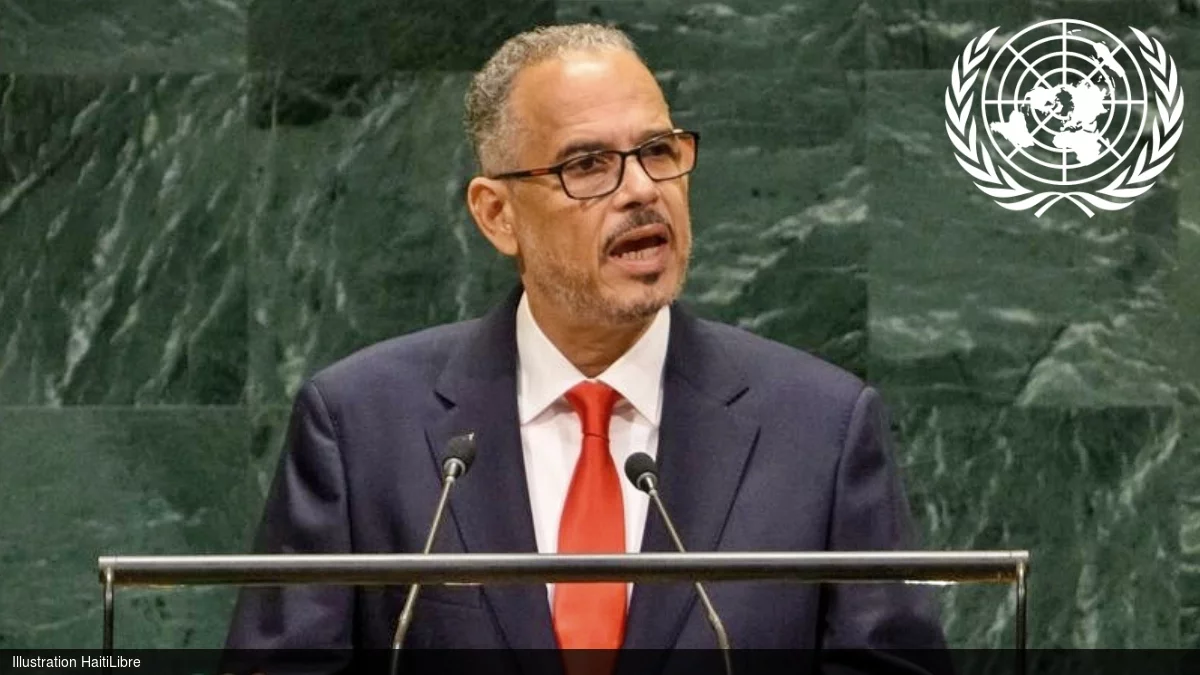
    In a pre-recorded address delivered to the 81st United Nations General Assembly on September 25, 2026, Haitian Prime Minister Alix Didier Fils-Aimé laid out a balanced, two-pronged strategy to lift his crisis-battered nation out of ongoing instability, stressing that Haiti does not demand global rescue — it requests international support to help Haitians save themselves.

    Opening his speech, Fils-Aimé extended formal gratitude to the country’s global and regional partners, including the United Nations, United States, Canada, France, Mexico, the Caribbean Community (CARICOM), Organization of American States (OAS), and European Union for their existing assistance. He then pressed the international community to accelerate the full deployment of the UN-backed Gang Suppression Force (GSF), a multinational security mission authorized by the Security Council in September 2025 that was designed to replace the underperforming Kenya-led multinational mission that never reached its targeted troop strength.

    The prime minister’s vision of Haiti taking full control of its own destiny stands in stark contrast to the grim on-the-ground reality currently facing the Caribbean nation. Gangs currently hold sway over the vast majority of the capital Port-au-Prince and its critical transport routes, and violence that was once concentrated in the capital is now spreading to previously peaceful regions across the country. While limited security operations in Port-au-Prince have yielded minor incremental gains, they have failed to break the pervasive hold criminal groups have on the capital. Instead, increased pressure in the capital has pushed many gang factions into remote areas where state presence is even weaker, shifting the center of violence rather than eliminating it.

    For Fils-Aimé, the long-term path to stability hinges on building up Haiti’s domestic security forces to allow the country to eventually take full ownership of its security. To date, more than 2,000 new Haitian police officers have completed training, a number the prime minister says he aims to double in the near term. The Haitian national army has also added 1,500 new recruits, and the government has unveiled plans to train an additional 15,000 soldiers over the next three years. “Haiti’s long-term security must rely on the capabilities of the Haitian state,” Fils-Aimé emphasized. Alongside building domestic capacity, the prime minister called for a renewal of the GSF’s mandate, noting that the mission remains drastically understaffed, far from its authorized maximum strength of 5,500 police and military personnel. “A mandate is not enough. We need personnel. We need resources. We need the determination to see this through,” he told the assembly.

    Beyond domestic security efforts, Fils-Aimé also targeted the transnational networks that fuel gang violence, noting that nearly all weapons used by criminal groups are smuggled into Haiti despite an existing international arms embargo. “The weapons that kill Haitians […] are not produced in Haiti,” he reminded delegates, urging global partners to coordinate to dismantle the illicit supply networks that arm criminal factions.

    Security gains are intended to clear the way for a return to constitutional democratic rule, the prime minister added. Haiti has not held national elections since 2016, and the first round of presidential and legislative elections is currently scheduled for December 13 this year, contingent on sufficient improvements to the security situation. Fils-Aimé confirmed that the current transitional administration will end with a democratic vote at the ballot box. To strengthen the rule of law alongside elections, the government has already established two specialized judicial centers, and new penal and criminal procedure codes are set to take effect on January 1, 2027. Security, judicial reform, and democratic elections form the three core pillars of the government’s plan to rebuild functional state institutions, he explained.

    On the economic and humanitarian front, Fils-Aimé outlined a goal to shift Haiti’s economic model from reliance on international aid to sustainable foreign investment and equitable partnership. Even as the government pursues this long-term goal, the country faces an immediate acute humanitarian crisis: an estimated 6.4 million Haitians — more than half the country’s population — require life-saving humanitarian assistance, and nearly 1.5 million people have been displaced by gang violence.

    Closing his address, Fils-Aimé framed the current moment as a defining test for Haiti more than two centuries after it gained independence. “We have proven to the world that freedom is possible,” he said. “Haiti must now demonstrate its capacity to reclaim its own territory.” The core of the challenge, as presented to the UN General Assembly, is building a self-sufficient Haitian state even as the country relies on immediate international support to survive.

  • KM Morgan Men’s Collection Broken Into

    KM Morgan Men’s Collection Broken Into

    A local men’s apparel retailer has become the latest target of criminal activity, after an overnight break-in at KM Morgan Men’s Collection left the small business with property damage and stolen inventory, according to the brand’s founder.

    In a public statement posted following the incident, owner Kevin M. Morgan directly addressed the perpetrators responsible for the break-in, delivering a firm message that criminal acts will never yield long-term gain. “To those who broke into KM Morgan Men’s Collection: crime doesn’t pay,” Morgan wrote. He acknowledged that the stolen merchandise can be reordered and replaced to restock the store, but emphasized that the break-in left tangible harm to an enterprise that he spent decades of relentless effort to build from the ground up.

    Rather than lashing out with harsh demands for retribution, Morgan extended a challenge to the people behind the theft: instead of expending energy stealing from the hard work of other people, he urged them to channel that effort into creating their own meaningful venture that they can call their own.

    The small business owner also made clear that this criminal act will not stop his company from operating or achieving its future goals. Morgan confirmed that KM Morgan Men’s Collection will remain fully committed to serving its loyal customer base, and will continue moving forward with its regular operations without interruption.

    As of the owner’s initial public post, no additional details have been released about what specific items were stolen, the total monetary value of the lost or damaged property, or whether local law enforcement has identified any suspects or made arrests connected to the break-in.

  • OAS calls for the full deployment of the Gang Repression Force in Haiti

    OAS calls for the full deployment of the Gang Repression Force in Haiti

    In a coordinated show of regional solidarity, all 32 active member states of the Organization of American States (OAS) have released a unified joint statement calling on the United Nations Security Council to extend the operating mandate of the Gang Suppression Force (GSF) deployed in Haiti, while pressing the global community to deliver the full suite of resources needed to make the deployment fully functional and sustainable. The statement, issued on September 25, 2026, reiterates member states’ unwavering solidarity with the Haitian people, formal respect for Haiti’s sovereignty, independence and territorial integrity, and a shared commitment to advancing solutions led by Haitian national stakeholders. It also underlines the obligation to implement OAS General Assembly Resolution AG/RES. 3051 (LVI-O/26), a measure adopted in June 2026 that structures OAS support to Haiti while centering Haitian leadership and aligning assistance with coordination frameworks involving the United Nations, the Caribbean Community (CARICOM), and other key regional and international partners.

    The full list of signatory states includes Antigua and Barbuda, Argentina, The Bahamas, Barbados, Belize, Bolivia, Brazil, Canada, Chile, Colombia, Costa Rica, Dominica, the Dominican Republic, Ecuador, El Salvador, Grenada, Guatemala, Guyana, Haiti, Honduras, Jamaica, Mexico, Panama, Paraguay, Peru, Saint Kitts and Nevis, Saint Lucia, Saint-Vincent and the Grenadines, Suriname, Trinidad and Tobago, the United States of America, and Uruguay.

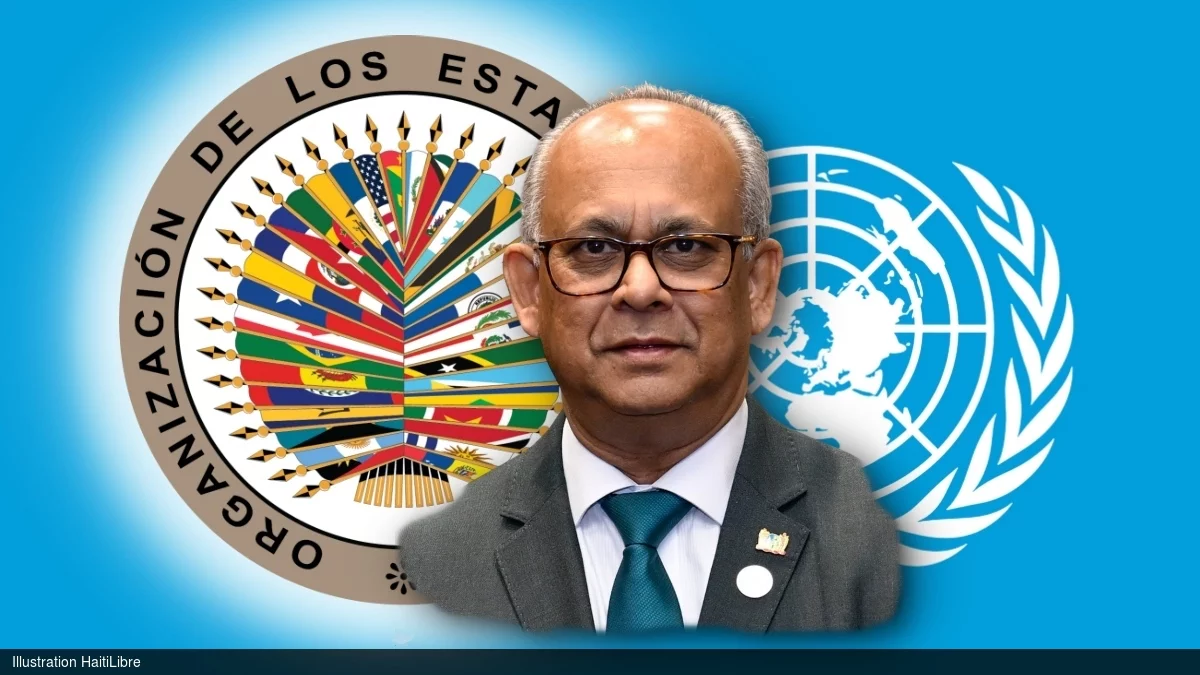
    OAS Secretary General Albert R. Ramdin, who led a high-level fact-finding mission to Haiti from August 16 to 19, 2026, publicly endorsed the joint statement, emphasizing that the international community must deliver on the Haitian people’s demand for stability by backing both the GSF and an urgent mandate renewal. “The Force is on the ground playing an essential role in helping Haitian authorities regain territorial control, restore access to critical infrastructure, improve public safety, and create the security environment necessary for institutions to function and for elections to take place,” Ramdin noted. He added that a renewed mandate alone is insufficient to deliver tangible change: “A mandate, by itself, does not produce results. We must also ensure that the results Haitians need in terms of security are properly sourced. Results require personnel, financing, equipment, logistics and of course sustained political support.” Following his August mission, Ramdin presented a report to the OAS Permanent Council identifying security and electoral progress as interconnected urgent priorities for the country.

    Haiti’s Permanent Representative to the OAS, Jean Josué Pierre, emphasized that the declaration sends an unambiguous message to the international community: “renew the mandate of the Gang Suppression Force, ensure its full deployment, strengthen Haiti’s security institutions, protect the population, and create the conditions for Haiti to advance toward credible elections and lasting stability.”

    Steve Ferrol, Chair of the OAS Permanent Council and Permanent Representative of Dominica to the organization, highlighted that the unified statement demonstrates regional commitment beyond internal political divides. “By speaking together, we as OAS member states are demonstrating that support for Haiti transcends political differences and reflects a common commitment to peace, democracy, human rights, and human dignity for Haiti, and for the region as a whole,” Ferrol said.

    The joint statement outlines core operational priorities for the GSF, which is mandated to support the Haitian National Police and Haiti’s Armed Forces in line with their respective institutional mandates. Key priorities include reestablishing legitimate state control over gang-held territories, securing critical entry points including the country’s main airport and seaports, reopening blocked major transportation routes, protecting civilian populations, and enabling sustained permanent presence of the Haitian National Police at strategic infrastructure sites and in territories reclaimed from armed gangs.

    Signatory states also called for expanded disarmament, demobilization and reintegration programs for former gang members, alongside targeted measures to restore unimpeded humanitarian access to vulnerable populations, rebuild core public services, and expand socioeconomic opportunities – particularly for Haitian youth. The statement explicitly requires all operations carried out by the GSF and supported Haitian security institutions to adhere to international law and established international human rights standards.

    To address the root drivers of gang violence, the declaration calls for coordinated national, regional and global action to crack down on the illicit trafficking of arms and ammunition into Haiti, disrupt the transnational financial and supply networks that sustain armed criminal groups, and hold accountable all actors that provide financing or material support to gang activity.

    On the path to restoring democratic and constitutional order, member states emphasized that electoral preparations should proceed in lockstep with improving security conditions. They encouraged international support for core electoral processes including civil identification updates, voter registration, and electoral logistics, as well as the deployment of a formal OAS Electoral Observation Mission to oversee upcoming polls.

    Finally, the statement reiterates the need for close coordinated action among Haiti’s national government, the OAS, the United Nations, CARICOM, and all other international partners. The Haitian-Led Roadmap for Stability and Peace, facilitated by Ramdin’s office, serves as the overarching framework to align international assistance with priorities set by Haitian authorities and national stakeholders, and to monitor progress on fulfillment of all international commitments. The full text of the joint declaration is available for download via the OAS document portal.

  • More Than 2,500 Students Screened as School Vision Programme Identifies Children Needing Follow-Up

    More Than 2,500 Students Screened as School Vision Programme Identifies Children Needing Follow-Up

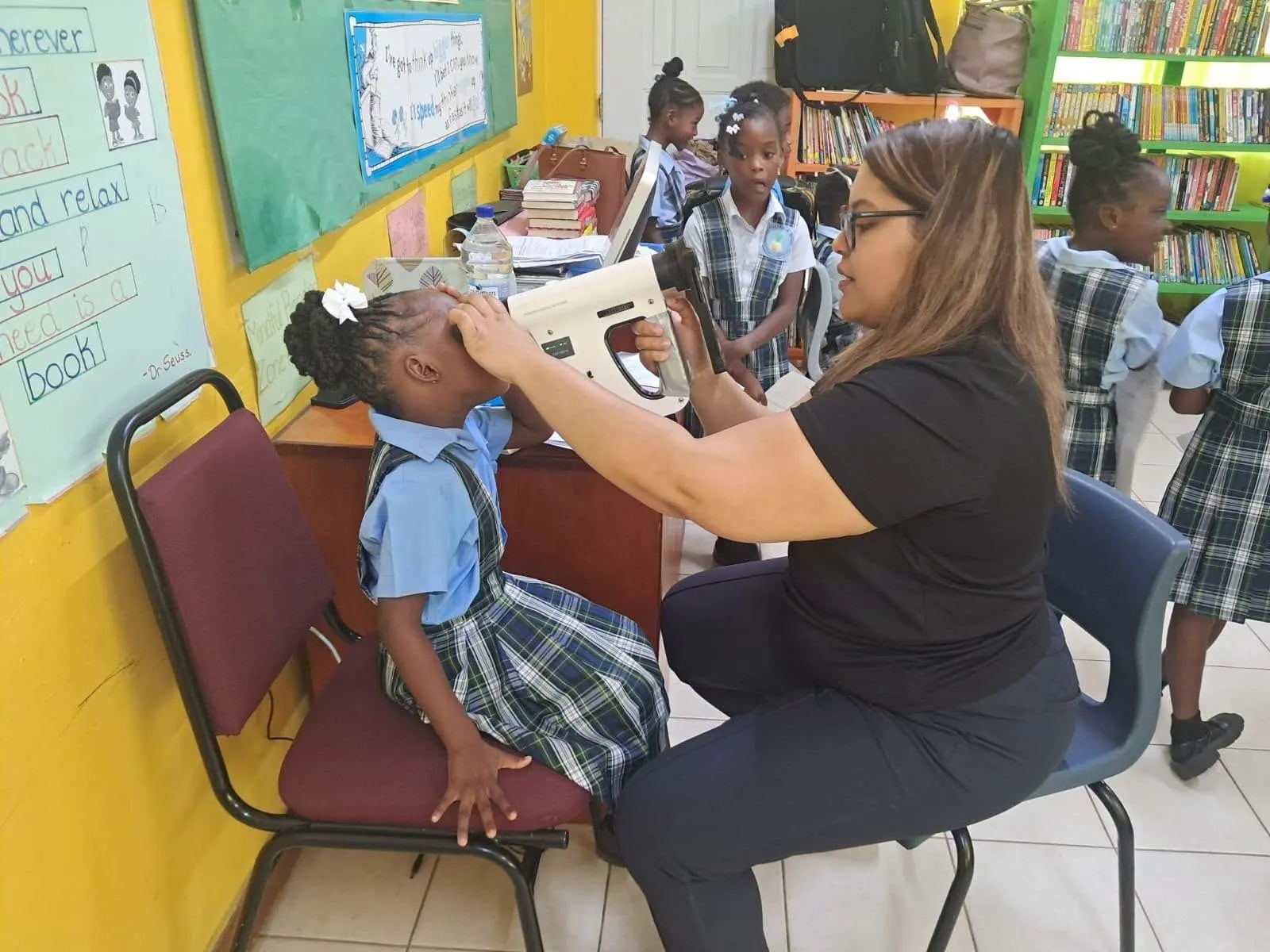
    A public health initiative focused on early intervention for pediatric vision issues has already reached more than 2,500 students at 24 educational institutions across the country, launched and overseen by the local Ministry of Health in partnership with the Trinidad Eye Hospital. As of the September 23 data cutoff, the program had completed comprehensive preliminary vision screenings for exactly 2,567 school-aged children. Of this group, approximately 11 percent of participants were flagged as requiring further specialized evaluation from optometry professionals or additional refraction testing to clarify potential vision irregularities.

    During the initial screenings, clinical teams detected a range of common and more complex ocular conditions. The most frequent findings included myopia (nearsightedness), astigmatism, strabismus (eye misalignment), and chronic dry eye. A small subset of participating children were also referred for advanced testing to evaluate suspected abnormalities impacting the optic disc or macula, including a small number of cases of suspected pediatric glaucoma, a rare but serious condition that can cause permanent vision loss if left untreated.

    Ministry of Health officials have emphasized that the preliminary screenings are not intended to serve as formal medical diagnoses. All children who have been identified as needing follow-up care will be guided through a structured process of in-depth assessment to confirm whether long-term management or clinical treatment is required for their detected eye health concerns.

    Health Minister Michael Joseph highlighted the critical public health value of the program, noting that early detection of vision problems in childhood allows clinicians and care providers to address issues before they disrupt students’ ability to learn, engage with peers, and fully participate in daily school activities. Untreated vision impairment is closely linked to poorer academic outcomes and reduced social development in school-aged children, making proactive screening a cost-effective investment in both public health and education.

    The initiative will continue to offer free preliminary screenings at additional participating schools through the end of September, with program organizers urging parents and legal guardians to support their children’s participation and to follow through on any recommended follow-up assessments to protect their child’s long-term eye health.

  • COMMENTARY: Dear Trevor – Africa is calling – On sovereignty, state failure and the civilisation we risk losing (Part I)

    COMMENTARY: Dear Trevor – Africa is calling – On sovereignty, state failure and the civilisation we risk losing (Part I)

    Every generation faces at least one defining, unavoidable question that shapes its legacy. Some generations have been called to defend freedom against tyranny. Others have been challenged to dismantle systems of racial oppression, root out systemic corruption, or push back against authoritarian rule. For our generation, the author argues, the question that may define our collective legacy is both simpler and far more unsettling: when African people are targeted for violence by their fellow Africans, who will stand up for the core principles of civilization?

    The columnist clarifies a critical distinction upfront: this is not a debate about defending illegal immigration, nor is it a defense of governments that fail to enforce their own national laws. Instead, the core question centers on upholding one fundamental principle: no grievance, no matter how legitimate it may be, gives ordinary citizens the right to appoint themselves as police, prosecutors, judges, and executioners. This distinction, he emphasizes, is a matter of survival for functional societies. Societies do not typically collapse because they cannot tell right from wrong; they collapse when they lose the ability to distinguish between different degrees and types of wrong. Today, South Africa finds itself at exactly this dangerous crossroads.

    Across multiple regions of the country, organized groups have taken it upon themselves to target, intimidate, attack, and displace migrants from other African nations. Local migrant-owned businesses have been looted, hundreds of migrant families have fled their homes, and a pervasive culture of fear has settled into communities that once stood as a global symbol of reconciliation overcoming deep-seated racial hatred. As expected, public discourse around the crisis has split sharply into two polarized camps.

    On one side, activists and commentators argue that unregulated illegal immigration has reached an intolerable level, outlining a long list of social and economic harms linked to unmanaged migration and highlighting the South African government’s long-standing failure to address the issue. On the opposing side, critics of the violence condemn the attacks and call for expanded legal protections for all migrants, grounding their arguments in shared humanity and the lessons of South Africa’s painful history of exclusion. The author notes that both sides hold partial truth, but neither offers a complete, nuanced picture of the crisis. A mature, functional society must be capable of holding two separate, equally important truths at the same time.

    The first truth is that every sovereign nation holds both the right and the inherent responsibility to control its own borders. No functional democracy can operate without clear, enforced immigration laws. One of the core attributes of national sovereignty is the ability of a state to decide who may enter its territory, who may work within its borders, and who is eligible for legal residence. South Africa holds this right, just as Nigeria, Ghana, Kenya, the United Kingdom, and the United States all exercise this right routinely. The author points out a key hypocrisy: those who loudly defend strict border enforcement in Europe and North America cannot suddenly claim that borders are inherently unethical when the nation enforcing them is an African country. Regulating entry and residence is not xenophobia or extreme nationalism. It is the basic work of governance.

    But there is a second truth that demands equal recognition: no democracy worthy of the name can allow armed mobs to take over the core functions of the state. The moment immigration enforcement shifts from formal public institutions to self-appointed vigilante groups, society crosses a critical, dangerous threshold. When this shift happens, the rule of law gives way to personal vengeance, national citizenship gives way to tribal identity, and open, impartial justice gives way to widespread suspicion. At that point, the foundational project of civilization begins to unravel.

    This is why the current crisis in South Africa is not, at its core, an immigration crisis. It is a crisis of governance. Illegal immigration did not organize the violent mobs. It did not grant them legal or moral authority to attack other people. That failure stems from a different source: the collapse of core state responsibilities. One of the oldest, most fundamental duties of any government is to maintain a legal monopoly on the legitimate use of force within its borders. The state exists specifically to prevent private citizens from taking public law into their own hands. When a government abandons this core responsibility, an power vacuum emerges, and bad actors inevitably step in to fill it. That vacuum can be filled by organized crime, by unofficial militias, or by vigilante groups that cloak their violence in patriotic language.

    History offers a clear warning: the slide from vigilantism to outright barbarism is remarkably short. Every lynch mob in history has claimed it was carrying out justice. Every pogrom against a marginalized group has justified itself as a necessary measure to protect the broader community. Every campaign of collective violence has found language to frame its actions as righteous. As the Nobel Prize-winning Nigerian writer Wole Soyinka has observed, the words used to justify violence change over time, but the dangerous logic behind it almost never does.

    Of all nations, South Africa should understand this reality better than most. Its own history makes clear that the dehumanization of a group does not begin with mass murder. It begins with classification: neighbors are rebranded as “foreigners,” individual human beings are reduced to a collective “problem,” and once empathy is stripped away, violence becomes far easier to justify. This is why the stakes of the current moment extend far beyond immigration policy. The real question facing South Africa today is whether the rule of law still matters.

    One of civilization’s greatest achievements was the gradual shift from resolving disputes through mob violence to resolving them through formal, impartial institutions. That ancient shift replaced vengeance with formal courts, private armies with professional police forces, tribal retaliation with constitutional law, and mob rule with democratic governance. It is easy to underestimate how profound that change was: it was not merely an administrative adjustment, but a moral revolution that took centuries to achieve.

    Every time a society allows organized groups of private citizens to take the law into their own hands, it chips away at that centuries-long progress. Many argue that desperate people turn to vigilantism because the government has failed to deliver on its promises. That observation is understandable, but it is also deeply dangerous. If we accept that government failure is sufficient justification for private violence, no democracy anywhere in the world can remain safe. The solution to weak, ineffective government cannot be the total elimination of government. The only legitimate path forward is to demand better, more accountable governance.

    Nothing should worry South Africans more than the growing public perception that organized violence can proceed with impunity, while the officials entrusted with maintaining public order appear hesitant, overwhelmed, or entirely absent. Another critical point is often overlooked: the authority of a democratic state does not disappear in one sudden, dramatic event. It erodes slowly, through a consistent, undramatic sequence. First, citizens lose trust in state institutions. Then, they stop waiting for institutions to act. Finally, they replace those institutions with informal, unaccountable groups of their own. That is the real danger facing South Africa today.

    The danger is not only that thousands of migrant people now live in fear for their lives. It is also that ordinary South African citizens may gradually come to believe that political legitimacy comes not from the rule of law, but from the size of a crowd; that order and justice come not from a national constitution, but from mob power. History has shown us again and again where that path leads. It never leads to a good outcome.

    Thousands of kilometers away from South Africa, one of Africa’s most globally recognizable and influential figures is watching these events unfold from a distance, shaped by his own experiences growing up in South Africa’s struggle against apartheid. His greatest contribution to the world has never been wealth or political office. It has been a far more powerful gift: the rare ability to help millions of people see difficult, uncomfortable truths with clarity, wisdom, wit, and shared humanity.

    In the upcoming continuation of this column, the author will address this figure directly. This is not because one single person can solve South Africa’s deep-rooted crisis. It is because moments of crisis like this remind us that public influence is not merely a personal privilege. It is a profound responsibility. And there are times when remaining silent makes you part of the problem. This column will be continued in a subsequent publication.

  • BFA boosts youth football coaching

    BFA boosts youth football coaching

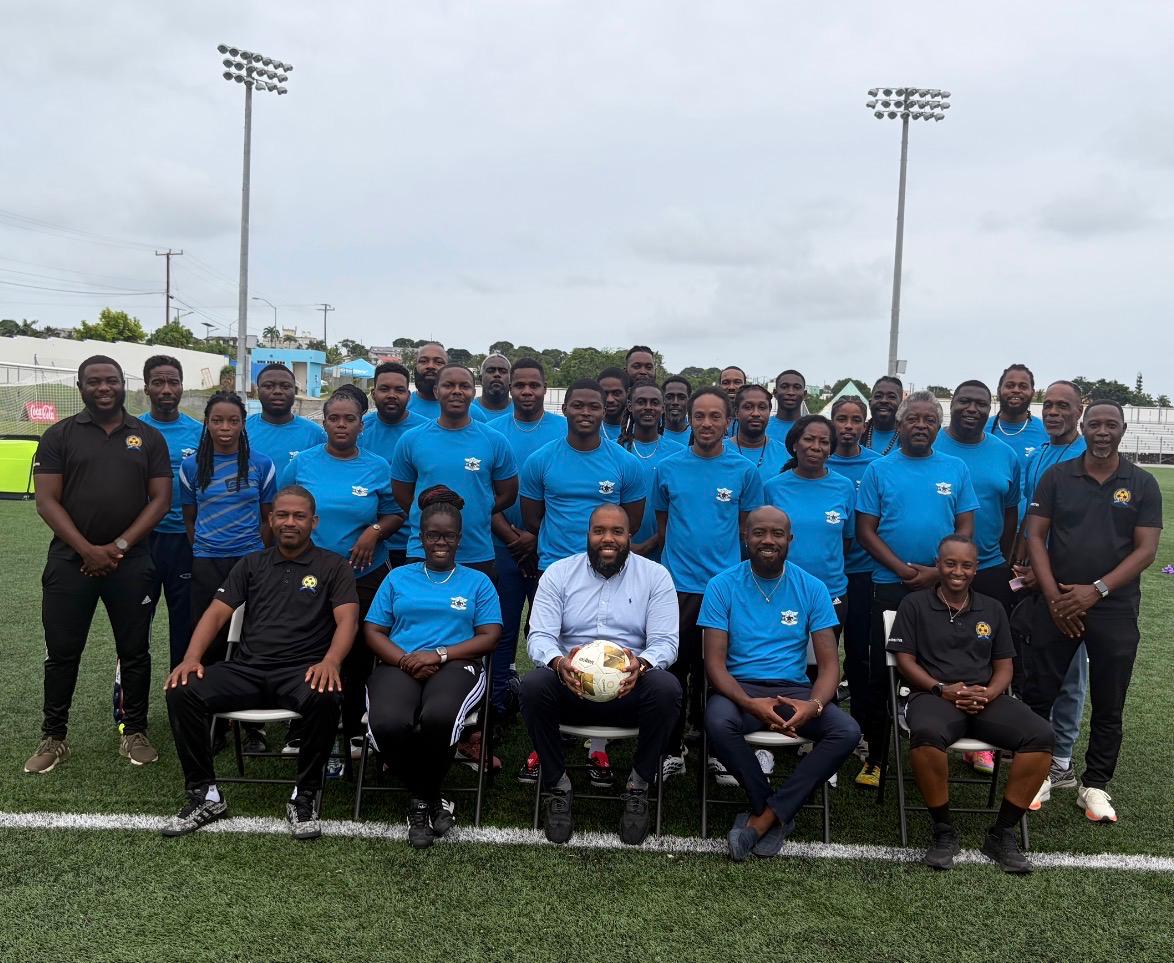
    Barbados’ push to elevate youth football at the community and school level has reached a key milestone, with 28 local teachers and coaches successfully finishing the opening segment of the Barbados Football Association (BFA) D Diploma coaching certification. Targeted specifically at raising the quality of instruction for young aspiring footballers, this four-day intensive program ran from September 21 to 24, and was developed in partnership with the Barbados Schools Football League. The curriculum centered on building a foundational understanding of how to design and deliver organized, age-appropriate training sessions for youth players between the ages of six and 12.

  • National Bus Association: Travel notice for commuters

    National Bus Association: Travel notice for commuters

    Commuters across Grenada are being advised to adjust their travel plans drastically for Monday, September 28, 2026, as the National Bus Association has announced widespread service reductions starting at 7 p.m. to accommodate an emergency gathering of local bus operators.

    The emergency meeting has been called to address a series of deepening challenges that have threatened both the personal livelihoods of working bus operators and the long-term viability of the country’s wider public transportation network. Industry leaders have not yet specified the full nature of the challenges, but confirm the gathering will provide a space for operators to lay out their pressing concerns and collectively negotiate a clear path forward to stabilize the sector.

    In a public advisory released this week, the association has strongly urged all regular passengers to rearrange their daily schedules to arrive at their destinations early, prioritizing safe travel home before the 7 p.m. service cut-off goes into effect. Very limited bus services will be available after the cut-off time, meaning last-minute travel plans will almost certainly be disrupted. Transport officials are reminding commuters to plan their routes and departure times well in advance, rather than waiting until the day of the meeting to make arrangements.

    The National Bus Association has issued a formal apology for the unavoidable inconvenience this temporary service reduction will cause for residents and visitors alike. It also expressed sincere gratitude to the travelling public for their ongoing patience, understanding, and cooperation as operators work to resolve the systemic issues facing the industry.

    This advisory comes via content contributed to NOW Grenada, which notes that it does not take responsibility for the opinions, statements, and third-party content shared by contributors to its platform. Users who encounter abusive content related to this announcement are invited to use the platform’s built-in reporting tool to flag violations.

  • Annual creole exhibition held to promote Dominica’s locally made creole products and accessories

    Annual creole exhibition held to promote Dominica’s locally made creole products and accessories

    The highly anticipated annual Creole Attire & Accessories Exhibition and Sales, organized by the Ministry of Labour, Public Service Reform, Social Partnership and Small Business Development, kicked off its 2026 season on Friday, September 25, at the Ground Floor of Government Headquarters. This seasonal event, which celebrates the rich cultural heritage of Creole communities through handcrafted fashion and accessories, will run for three consecutive Fridays this year, welcoming visitors again on October 2 and October 9 from 9 a.m. to 5 p.m.

    Thirty pre-registered micro and small businesses, independent designers, and local artisans have gathered at the venue to showcase and sell their one-of-a-kind Creole-themed creations. The diverse range of products on display spans every category of personal adornment, from formal ties, flowing dresses and tailored blouses to delicate handcrafted brooches, embroidered handbags, sleek clutches, artisanal footwear, and bespoke jewelry. Visitors have the opportunity to browse unique pieces that blend traditional Creole design motifs with modern craftsmanship, taking home cultural creations that support local creative economies.

    Beyond the curated exhibition of fashion and accessories, the event has been designed to offer a full immersive cultural experience for all attendees. Local Creole food vendors have set up stalls on-site, serving a variety of traditional savory dishes, refreshing beverages, and homemade sweet confectioneries to keep visitors fueled as they browse. Complementing the retail and culinary offerings is live cultural entertainment, including performances of jing ping, a traditional folk music genre central to Creole cultural identity, alongside other regional folk performances that bring Creole heritage to life.

    Hosted within a government facility, the event reflects official support for small creative enterprises and the preservation of intangible cultural heritage, creating a accessible public space for residents and visitors alike to engage with local Creole culture and directly support the creators that keep these traditions alive.

  • Traffic arrangements: Woodlands, St George

    Traffic arrangements: Woodlands, St George

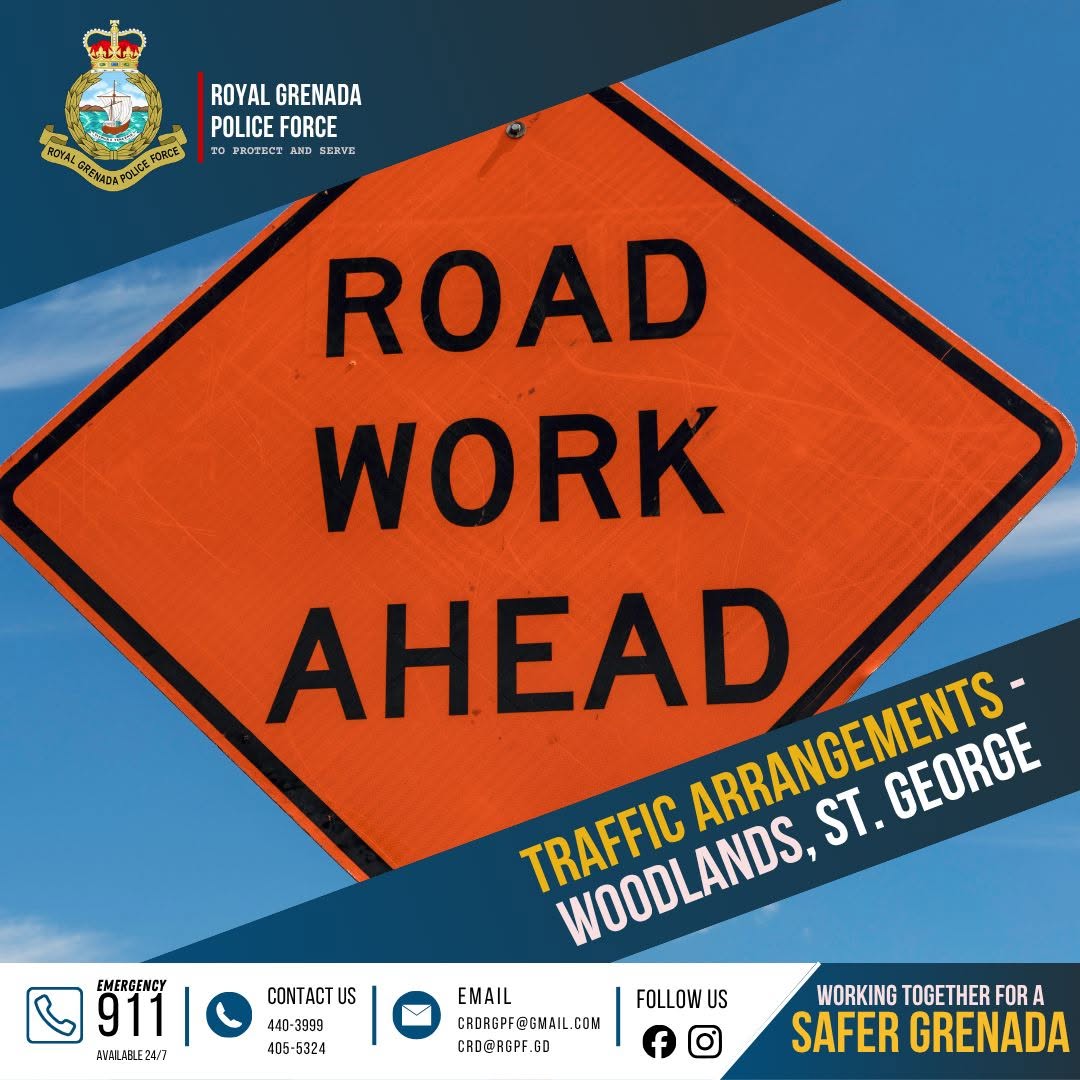
    Drivers across Grenada are adjusting their travel plans after the Royal Grenada Police Force (RGPF) announced major traffic adjustments along a busy stretch of Woodlands Public Road, set to roll out next year to accommodate critical pipeline upgrades by the National Water and Sewerage Authority (NAWASA). The changes, which will go into effect starting Monday, September 28, 2026, will remain in place for an estimated three months as crews work to replace and expand water infrastructure from Woodlands Public Road toward Sugar Mill. Under the new traffic scheme, only one direction of travel will be open through the work zone: all vehicles will be permitted to move only from Grand Anse Valley toward the Woodlands and Springs areas. Motorists heading from Springs toward the work zone will face full access restrictions and will be required to take an alternate designated route to reach their destinations. To prevent illegal entry into the restricted corridor, a permanent “No Entry” sign will be installed at the Woodlands Junction, barring all vehicles from entering the work area from that access point. The daily operating hours of the traffic restrictions vary by day of the week to balance construction progress with community travel needs: from Monday through Thursday, the one-way system will be in effect between 9 a.m. and 9 p.m., while on Fridays restrictions will end earlier at 3 p.m. Weekend restrictions will run from 9 a.m. to 5 p.m. on both Saturdays and Sundays. RGPF officials note that the schedule is not rigid: as construction phases shift, the affected roadway may see temporary full closures or intermittent reopenings to accommodate work milestones. The department is urging all motorists to remain alert when traveling near the project site, follow all posted signage and instructions from on-site traffic officers, and build extra travel time into their routines or plan alternative routes well in advance of any trips through the area. In a statement released via the Office of Community Relations, the RGPF issued an apology to residents, commuters, and businesses for any disruptions or inconvenience the traffic changes may cause over the three-month project period, and added that the force counts on the full cooperation and understanding of the Grenadian public as the critical infrastructure work moves forward. This public advisory was published by NOW Grenada, which notes that it is not liable for the content of statements released by contributing government agencies, and invites users to report any abusive content via the platform’s official reporting channel.

  • Murdered businessman’s son among 4 gunned down in Green Hill

    Murdered businessman’s son among 4 gunned down in Green Hill

    A devastating mass shooting in the Central Kingstown village of Green Hill on the night of September 25 left four people dead and four others wounded, marking the latest in a string of deadly gun violence that has rocked St. Vincent and the Grenadines in recent years.

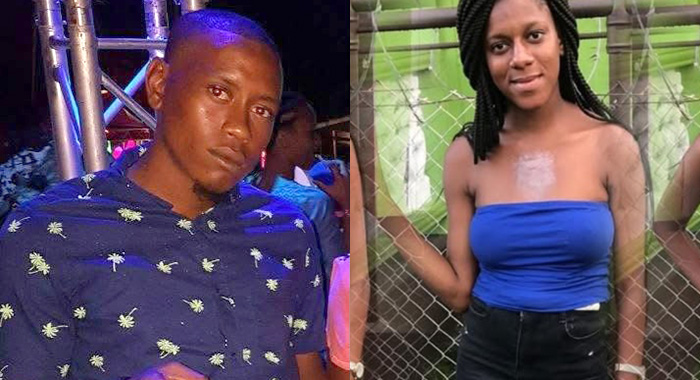
    Among the four fatalities is 22-year-old Steve King, the son of 76-year-old businessman Stephen King who was fatally shot on the patio of his own Green Hill home in May 2025. The other deceased victims have been identified by multiple independent and reliable sources as 30-year-old local villager Antonio Samuel, 26-year-old Shaqueil Peters, also a Green Hill resident, and 23-year-old Shevon Chandler from Paul’s Avenue. Police have not officially released the identities of the victims as of the initial investigation, and law enforcement has cited limited preliminary details available to share publicly.

    The four injured victims, all currently reported to be in stable condition at local hospitals, include a 20-year-old Green Hill woman with a gunshot wound to her right hand, a 17-year-old male student hit in the right arm, right leg and left hand, a 28-year-old man with a wound to the right arm, and a 16-year-old mechanic who suffered gunshot injuries to the left thigh, right forearm and left hand.

    Brenton Smith, acting Assistant Commissioner of Police in charge of crime-fighting operations, confirmed the deaths and injuries to local outlet SVGTV while at the crime scene just after midnight Friday. He told reporters that law enforcement first received the alert about the shooting at approximately 10:30 p.m., adding that the violence unfolded a short distance from the community’s outdoor hard court. At the time of his statement, members of the national Crime Investigation Unit were already processing the scene to collect forensic evidence, with the full investigation still in its early active stages. Smith added that a woman was among the total victims, and that limited available information was being disclosed at this early phase of the probe. Senior law enforcement official Trevor “Buju” Bailey, the acting Commissioner of Police and predecessor to the current crime-fighting lead, also responded to the scene alongside other officers.

    Scene footage and on-site accounts indicate that Chandler was killed inside a vehicle, while two of the male victims died on a nearby street, and the fourth fatality was found along an adjacent dirt track. This shooting brings the total number of homicides in St. Vincent and the Grenadines for the current year to 36, following 40 killings in 2025, 54 in 2024, and a record high of 55 homicides in 2023.

    This latest incident is the third mass shooting resulting in multiple fatalities in the country in recent months, and the second multiple-death shooting in the Kingstown area this year. The violence has quickly revived public memories of a string of deadly mass shootings that have plagued the island nation over the past three years.

    In April of this year, the first multiple-fatality shooting in Kingstown took the lives of 29-year-old Enrique John aka Shoubu of Layou and 22-year-old Raheem Guy in the Stony Ground neighborhood. John, who had been out on bail for two pending attempted murder charges even after a curfew breach, was killed just two days after a court ruled his bail could remain in place. He was also a co-defendant in a high-profile 2024 credit union robbery case in South Rivers that saw five people hit with multiple charges. Just days after John’s killing, his mother was one of two people charged with the murder of a Layou resident rumored to be linked to John’s death.

    In July 2023, the deadliest documented mass shooting in St. Vincent and the Grenadines’ recent history left five people dead in the Harbour Club area of Upper Kingstown. D’ondre Hillock, Jamall Bobb, Lamont “Dutchy” Hector, Ricky Taylor, and 14-year-old student Kashie Primus were killed when gunshots were fired from a passing vehicle around 8:30 p.m. Despite a EC$50,000 reward offered for information leading to arrests, police have never gathered enough evidence to file charges in the case. Exactly one year after that mass shooting, six people were shot and injured during a social gathering in Kingstown’s Paul Avenue community.

    That same July 2023, three men were gunned down in downtown Kingstown’s Chinatown district, located across the street from the Central Police Station between the Solidarity Carpark and the capital’s fish market. The victims were Claude John of Redemption Sharpes, and 35-year-old Karon Bowens aka Twin and 24-year-old Giovannie Grant, both residents of Ottley Hall. Reports indicate two masked gunmen approached the area from the seaside behind a public washroom before opening fire, killing all three at the scene. Police have not released any official motive for the attack, but local sources with knowledge of organized criminal activity on the island suspect Claude John was not an intended target, pointing to the established criminal history of Bowens and Grant.

    In May 2025, three people, including 68-year-old businesswoman Lesline Davis, and her customers Joel Browne and Demeon Cumberbatch, were killed in a mass shooting at a shop in Belmont. Police have charged two men—one reported to have a history of mental illness—with murder in connection to that attack.

    Less than a month after that 2025 shooting, three more people were killed in a shooting in Paul’s Avenue that has drawn little public attention: 56-year-old pushcart operator Laurence Warren aka Bolo, a lifelong Paul’s Avenue resident; 44-year-old Don Ashton, a labourer from Ottley Hall; and Alston “Red Ants” Henry of Diamond.