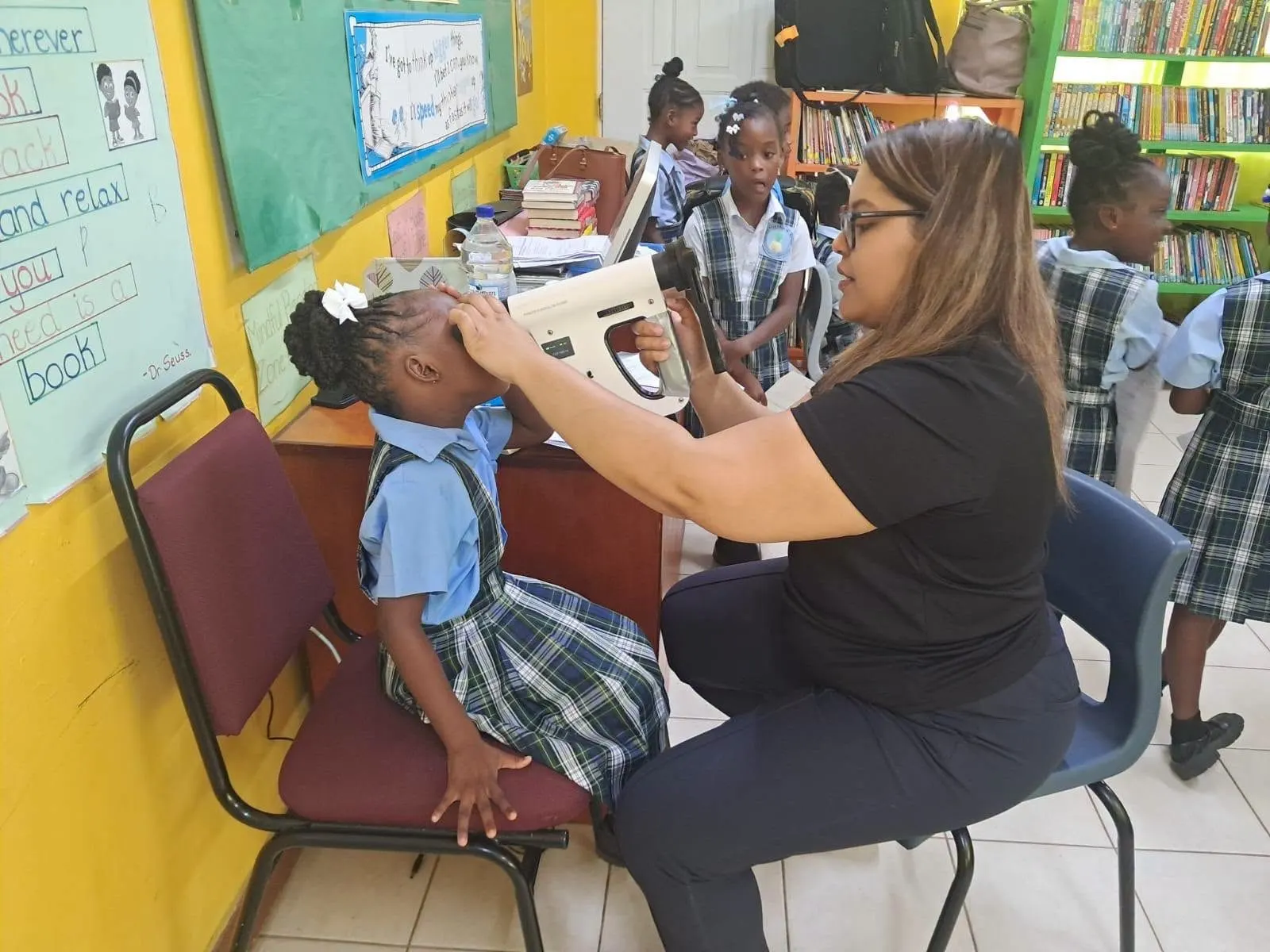
A public health initiative focused on early intervention for pediatric vision issues has already reached more than 2,500 students at 24 educational institutions across the country, launched and overseen by the local Ministry of Health in partnership with the Trinidad Eye Hospital. As of the September 23 data cutoff, the program had completed comprehensive preliminary vision screenings for exactly 2,567 school-aged children. Of this group, approximately 11 percent of participants were flagged as requiring further specialized evaluation from optometry professionals or additional refraction testing to clarify potential vision irregularities.
During the initial screenings, clinical teams detected a range of common and more complex ocular conditions. The most frequent findings included myopia (nearsightedness), astigmatism, strabismus (eye misalignment), and chronic dry eye. A small subset of participating children were also referred for advanced testing to evaluate suspected abnormalities impacting the optic disc or macula, including a small number of cases of suspected pediatric glaucoma, a rare but serious condition that can cause permanent vision loss if left untreated.
Ministry of Health officials have emphasized that the preliminary screenings are not intended to serve as formal medical diagnoses. All children who have been identified as needing follow-up care will be guided through a structured process of in-depth assessment to confirm whether long-term management or clinical treatment is required for their detected eye health concerns.
Health Minister Michael Joseph highlighted the critical public health value of the program, noting that early detection of vision problems in childhood allows clinicians and care providers to address issues before they disrupt students’ ability to learn, engage with peers, and fully participate in daily school activities. Untreated vision impairment is closely linked to poorer academic outcomes and reduced social development in school-aged children, making proactive screening a cost-effective investment in both public health and education.
The initiative will continue to offer free preliminary screenings at additional participating schools through the end of September, with program organizers urging parents and legal guardians to support their children’s participation and to follow through on any recommended follow-up assessments to protect their child’s long-term eye health.