A fatal shooting in Keys Village overnight has claimed the life of a well-loved young St. Kitts and Nevis entertainer, prompting an official statement of mourning from the National Secretariat for Human Security and Wellbeing that also calls for collective action to curb violent crime across the federation. The victim, Jermaine “Chubby” Clarke, leaves behind family and a lasting legacy of cultural contribution that has left the entire nation reeling from his senseless death. In the statement released Sunday evening, 5 April 2026, the Secretariat extended its deepest condolences to Clarke’s family, friends, and loved ones, noting that his passing is not only a devastating blow to those close to him but a profound loss for the entire St. Kitts and Nevis cultural and entertainment community. The Secretariat emphasized that Clarke’s high-profile death within the creative sector serves as a stark reminder: every life cut short by gun violence and violent crime is an irreplaceable tragedy that ripples far beyond the immediate loss of an individual. Each shooting fractures families, destabilizes local communities, and erodes the core social fabric that holds the nation together. As the Easter holiday weekend continues, the agency issued a public call for all citizens and residents of St. Kitts and Nevis to prioritize responsible behavior, practice emotional restraint, and commit to resolving interpersonal conflicts through peaceful means. Even heated disagreements do not require escalation to violence, the statement noted, stressing that split-second choices during moments of tension carry permanent, life-altering consequences for all involved. To support communities navigating conflict and grief, the Secretariat reminded the public that it remains fully operational to provide targeted support and connect residents to critical resources, including professional counselling referrals and de-escalation intervention services. Individuals and families in need of support can reach the agency through multiple channels: calling 869-665-1067, sending a message via call or WhatsApp to 869-667-7257, or emailing directly at humansecurity@gov.kn. The agency also appealed to community members with information relevant to the ongoing investigation into Clarke’s killing to come forward. Those with details that can assist the Royal St. Christopher and Nevis Police Force can contact their nearest local police station, or submit anonymous tips via the Crime Stoppers hotline at 707. The statement guaranteed that all information shared with either law enforcement or the Secretariat will be treated with the strictest confidentiality and discretion. Against the backdrop of this latest tragedy, the Secretariat highlighted the substantial progress St. Kitts and Nevis has made in recent years to reduce violent crime and restore a widespread sense of public safety. The federation has recorded notable drops in homicide rates and other violent offenses, progress the agency attributes to a collaborative approach that combines robust law enforcement work with a public health framework for crime prevention that addresses both immediate safety threats and the root causes of violence. This progress is the product of collective national effort, the statement stressed, and it must be actively protected and expanded by all segments of society. “This is our home,” the statement read. “It requires each of us – as individuals, as neighbours, and as communities – working in partnership with law enforcement and national institutions, including the National Secretariat for Human Security and Wellbeing, to ensure that it remains safe and secure. Together, we can continue to build and sustain a more peaceful future for ourselves and for the generations to come.” This report is based on an official statement distributed to SKNVibes.com, which published the release unedited without correcting potential spelling or grammatical errors. The views expressed in the original statement do not necessarily reflect the positions of SKNVibes.com, its sponsors, or its advertisers.
博客
-
Vermiste Amerikaanse piloot gered in Iran na hevige vuurgevechten
On April 5, 2026, U.S. President Donald Trump announced a landmark military achievement: the second pilot of an American F-15E Strike Eagle shot down over southern Iran just three days prior had been successfully recovered by U.S. rescue forces after 48 hours of searching. Trump hailed the operation as one of the boldest rescue missions in modern U.S. military history, marking a high-stakes success amid a rapidly escalating regional conflict that has gripped the Middle East for nearly six weeks.
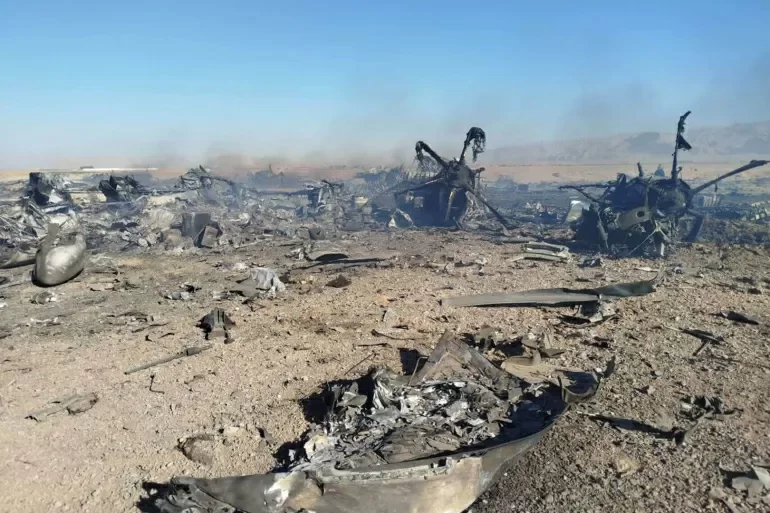
The F-15E was downed by Iranian air defense systems on a Friday, contradicting earlier U.S. military claims that Iran’s integrated air defense network had already been fully destroyed in prior strikes. The first crew member of the jet was evacuated shortly after the crash, but the second pilot remained missing for two full days, triggering an urgent search-and-rescue operation deep inside Iranian territory. During the extraction mission, U.S. Black Hawk rescue helicopters came under hostile fire, yet all U.S. aircraft exited Iranian airspace without sustaining damage, according to initial U.S. accounts. Multiple regional outlets including Al Jazeera have since confirmed that the operation escalated into intense direct firefights between U.S. special operations forces and Iranian military personnel on the ground. The rescued pilot sustained non-life-threatening injuries during the incident, and military officials expect a full recovery.
Iran has not issued an official confirmation of the pilot’s successful rescue, but the country’s military has confirmed separate developments tied to the operation: it claims a U.S. Air Force Lockheed C-130 Hercules transport aircraft supporting the rescue attempt was shot down over Iranian territory. Additionally, local Iranian reports note nine civilian and military fatalities in airstrikes targeting southwestern Iran that officials link directly to the U.S. rescue mission.
The hunt for the missing pilot represented a major strategic and political risk for the Trump administration, as public support for the six-week conflict continues to decline among U.S. voters. Iranian authorities launched a widespread domestic manhunt for the airman, calling on local populations to assist in capturing the pilot and offering a substantial cash reward for information leading to his detention. Nomadic tribes in the mountainous search zone responded to the government’s call, opening fire on U.S. rescue helicopters operating in the area.
The successful rescue came just days after Trump issued a stark ultimatum to the Iranian government: reach a negotiated settlement and reopen the Strait of Hormuz within 48 hours, or face expanded U.S. military strikes that would target critical Iranian energy infrastructure, including national power plants. The ultimatum was widely interpreted by global analysts as a major escalation of the ongoing conflict, which began in late February 2026 when a joint U.S.-Israeli strike killed Iranian Supreme Leader Ayatollah Ali Khamenei. Since the opening of hostilities, thousands of people on all sides have been killed, and the conflict has expanded into a full regional war, with Iran launching retaliatory strikes against Gulf states that host U.S. military assets and American interests.
Iran rejected Trump’s ultimatum outright in an official statement from Foreign Minister Abbas Araqchi. Araqchi clarified that Iran has never refused to enter into negotiations, but any talks must be built around terms that deliver a “decisive and lasting end” to what Tehran describes as an illegal war of aggression against the country. He emphasized that Iran will never concede to one-sided demands imposed by Washington, and reaffirmed that the Iranian people remain fully determined to defend the country’s territorial integrity and national sovereignty against foreign invasion.
-
Statement from the Antigua and Barbuda Dental Association Regarding the Devastating Fire at Gambles Medical Centre
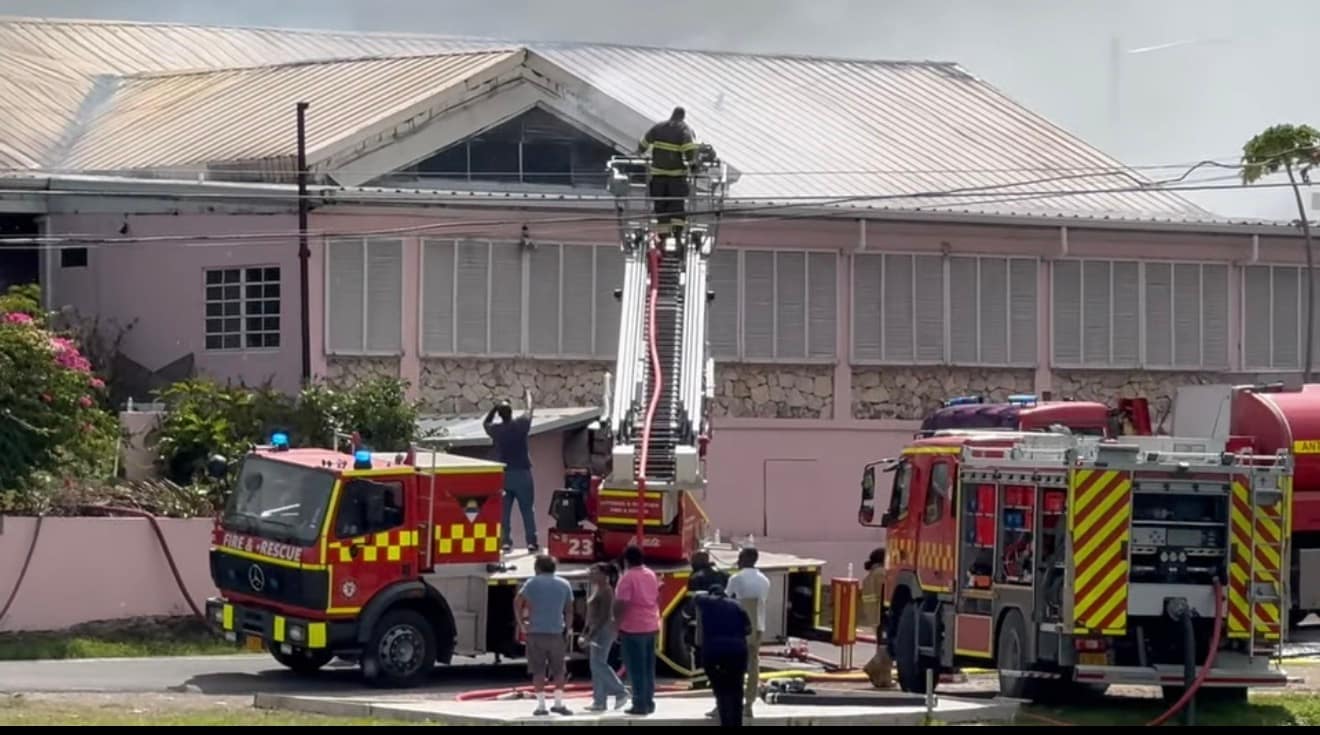
A devastating fire that tore through Gambles Medical Centre in St. John’s has prompted the Antigua and Barbuda Dental Association to issue an official statement of solidarity and support for the dozens of medical and legal professionals who lost their workspaces and critical resources in the blaze. The association has shared that its leadership and membership are deeply shaken and saddened by the sudden, destructive event that has upended operations for dozens of providers at the multi-use medical facility.
Among those hardest hit by the fire is Dr. Bernard Evan-Wong, owner of Gambles Medical Centre and a former Treasurer of the Antigua and Barbuda Dental Association. His dental practice, along with that of associate Dr. Sarika Mooteram, suffered extensive damage to clinical spaces, specialized dental equipment, and years of confidential patient records. The destruction extends far beyond dental care: six additional medical specialists, including oncologist Dr. Hanybal Yazigi, obstetrician-gynecologist Dr. Leon B. Stevens, internist and rheumatologist Dr. Sharon Cordner, pediatrician Dr. Edda Hadeed, and surgeon Dr. Asha Robins, also lost all of their clinic infrastructure and patient documentation in the fire. Several attorneys and other non-medical professionals who maintained office spaces at the centre have also suffered major losses, including irreplaceable legal and professional records.
In the statement released by association president Dr. Deborah Akande — a credentialed dental professional with DDS, FAGD, FICD and MBA qualifications — the organization emphasized that this tragedy reaches far beyond the personal and professional setbacks for the providers who work at the facility. It marks a significant loss for the entire nation of Antigua and Barbuda, as thousands of local patients and clients rely on these practitioners for essential, life-sustaining care and critical services. The disruption created by the fire will inevitably create challenges for community members accessing routine and specialized care in the coming weeks and months.
The entire association extended its deepest thoughts and prayers to all affected providers, their clinical and administrative teams, and the families of those impacted, who are navigating the uncertainty and loss of this devastating event. Dr. Akande’s statement closed with a respectful request to the general public, asking for patience, understanding and compassion as these professionals work to assess the full scope of their losses and begin the long process of rebuilding their practices. The association expressed unwavering confidence that the affected providers will draw on deep reserves of resilience and determination to overcome this tragedy, and will eventually resume their vital service to the Antigua and Barbuda community, stronger than they were before.
-
Safety concerns raised over Skinner Park
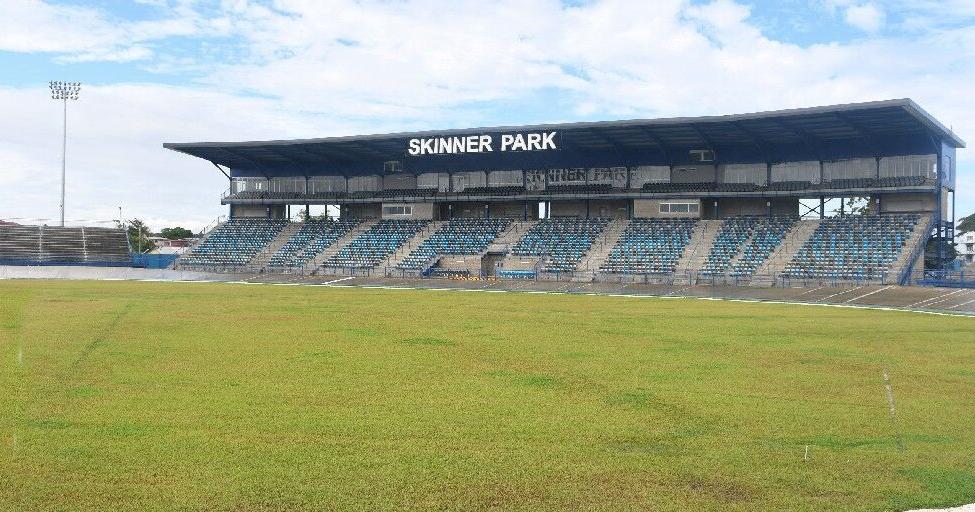
A tragic fatal accident during the opening night of Trinidad’s annual Easter International Cycling Grand Prix has sparked urgent questions about the safety and suitability of Skinner Park’s cycling velodrome for competitive racing. The incident claimed the life of Colin Wilson, a 40-49 age category Masters competitor and member of The Braves cycling club, who passed away at San Fernando General Hospital following a crash during the six-lap race.
According to initial reports, Wilson swerved mid-race to avoid a collision with another cyclist, before making contact with the venue’s perimeter fencing. The impact left him with critical neck trauma and severe hemorrhage, and racing was immediately suspended as emergency medical teams rushed him to care. The event was broadcast live to online audiences, and clips of the crash have since spread widely across social media platforms, drawing criticism from local officials for the lack of sensitivity toward Wilson’s family.
Desmond Roberts, a former vice president of racing for the Trinidad and Tobago Cycling Federation and a longstanding figure in the local cycling community, was on-site the night of the crash. Though he did not directly witness the impact, he was among the first to arrive to provide aid to Wilson. Roberts, who is the godfather to one of Wilson’s two sons, described the scene as devastating, noting Wilson was unresponsive with extensive blood loss upon his arrival.
“ I turned around and I walked over and there was blood on the track and all over him. I sat next to him and I said stay with me, and he was unresponsive, and I said to myself, he is going,” Roberts recalled in an interview with the *Sunday Express*. The tragedy has left the tight-knit local cycling community reeling, he added, and he extended his deepest condolences to Wilson’s widow and entire family.
While Roberts could not confirm the root cause of the crash without witnessing it, he has long raised formal concerns about the design of the Skinner Park velodrome, one of only four active competitive cycling tracks across Trinidad. The venue joins existing tracks in Arima and Couva, as well as a new facility currently under construction in Palo Seco.
Roberts explained that the extreme banking angle of Skinner Park’s track far exceeds international safety and design recommendations for competitive racing. Currently, the track’s banking measures 47 degrees, while the globally recommended standard for competitive velodromes is just 32 degrees. “It is like a hill. You are going around in circles and your body will be at an angle. If the track is flat, you can slide. The banking is to keep you from drifting too much to the right or the top. In Skinner Park it is not at the recommended angle,” he said.
Years ago, during the track’s development, Roberts was consulted as an industry expert and flagged the improper banking to the project’s management team. After his feedback, organizers made a minor adjustment to the angle, but it still remains far steeper than the recommended standard. Proper banking is critical for giving riders control of their bikes while navigating corners, especially final turns, where fatigue can impact control, Roberts noted.
“I do not believe the track was designed for high-level racing. Some people may or may not agree… The first time I raced on that track was December last year and I made a promise early in my career that I am not going to race on that track. Local cyclists, I do not know about international cyclists, but locals are sceptical of the track. Some can handle the track, some cannot,” he added.
In response to the tragedy, San Fernando Mayor Robert Parris confirmed that local authorities are following official investigation protocols to determine the cause of the crash. Parris told the *Sunday Express* that he and local council members traveled to Skinner Park immediately after being notified of the incident Friday night. The city has extended formal condolences to Wilson’s family and declined to comment further on the death while an official investigation is ongoing.
Parris confirmed that the San Fernando City Corporation’s health and safety officer is preparing full reports for both municipal leadership and the national Occupational Safety and Health Agency, as required by official protocol. The mayor also spoke out against the widespread sharing of crash footage on social media, urging local residents to respect the privacy and grief of Wilson’s family, noting the content was shared against the likely wishes of his loved ones during Holy Week.
“I could not watch it. I passed it. It hurts me because the gentleman has a family. I know it was live-streamed but we need to be more sensitive and respect the family. That might not be something the family wants to see and be spread. We have become so desensitised to things. This is the Holy Week and I do not think that the family would want to see that,” Parris said.
-
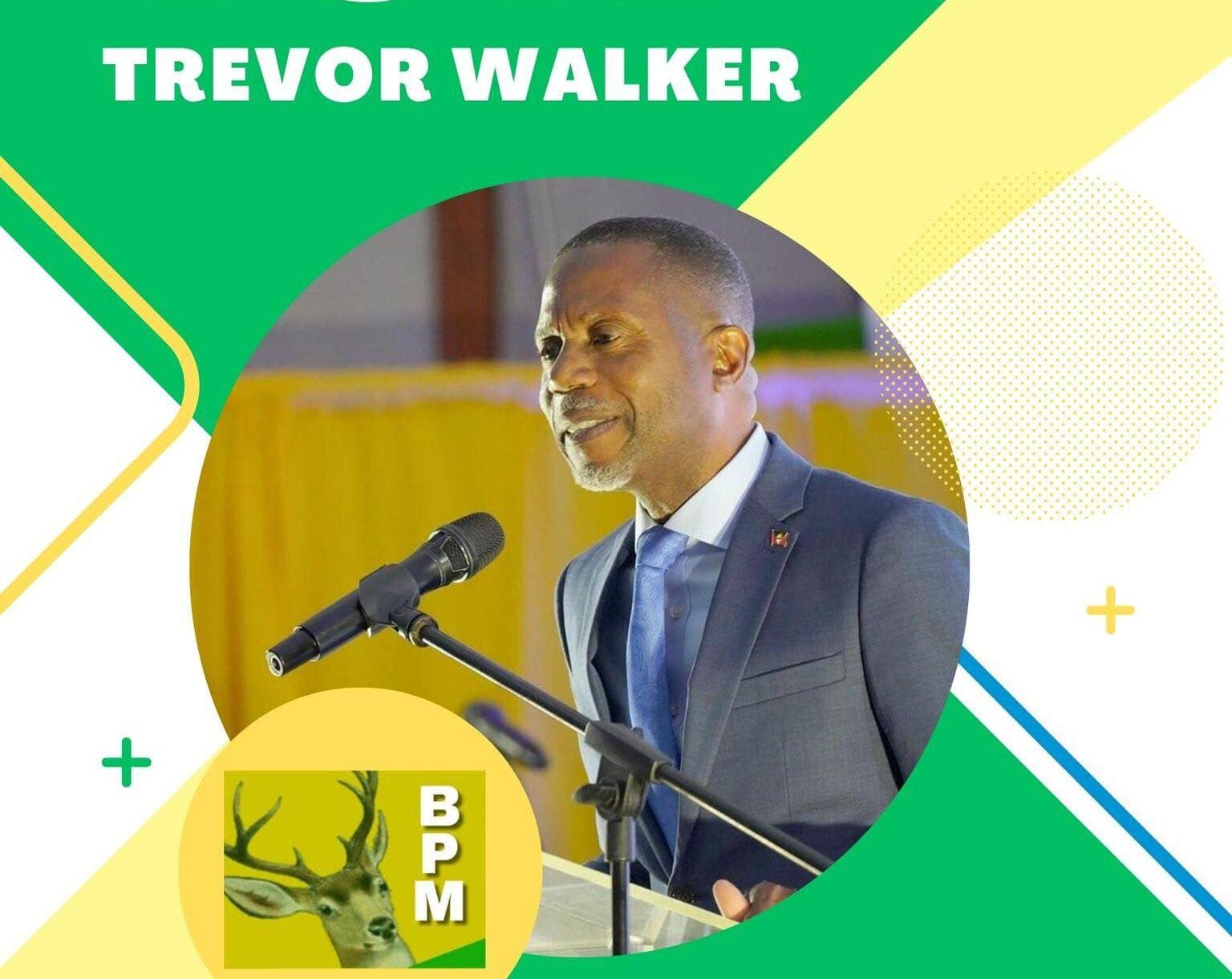
Walker launches Barbuda campaign, pledges to defend rights and heritage
As the upcoming parliamentary election approaches, veteran Barbuda People’s Movement candidate Trevor Walker has officially opened his campaign, doubling down on promises to safeguard the small island’s inherent rights, unique cultural heritage, and self-governance while making a direct appeal to local residents to back his party at the ballot box.
In an official public statement released this week, Walker framed his candidacy around the core principles of trust and dedicated public service, pointing to his decades-long track record of standing in solidarity with Barbudan communities through the island’s most turbulent crises. “As I formally launch this campaign, I renew my heartfelt commitment to the constituents of Barbuda — a people whose strength, resilience, and unity have always defined this island’s character,” Walker shared in the statement.
The candidate emphasized that his entire tenure in public office has been anchored in accountability to local voters and unflinching advocacy for priorities that matter most to the island. Key among these priorities, he noted, are secure land rights for Barbudan residents and expanded community control over local decision-making processes. “I have stood alongside the Barbudan community through its most difficult moments. My record reflects a consistent dedication to accountability, to protecting Barbudan rights, and to ensuring that the island’s people remain at the centre of every decision made on their behalf,” he added.
Walker also drew a clear distinction between his leadership and that of his unspecified political rivals, arguing that his commitment to Barbudan interests has never shifted despite external and internal pressures. “While others have compromised their integrity for personal gain, my unwavering commitment has helped preserve the rights, heritage, and livelihoods that generations of Barbudans have worked to build,” he asserted.
With voting day on the near horizon, Walker closed his statement by urging every eligible registered voter to support his bid for stable, independent representation in the national parliament. “As election day draws near, I call upon every constituent to cast a vote that reflects those same values — one that safeguards Barbuda’s cultural legacy, secures a strong and independent voice in Parliament, and places trust in leadership that has never wavered,” he said. He ended by reiterating that the Barbuda People’s Movement remains an unapologetically pro-people party, dedicated entirely to advancing the interests of all Barbuda residents.
-
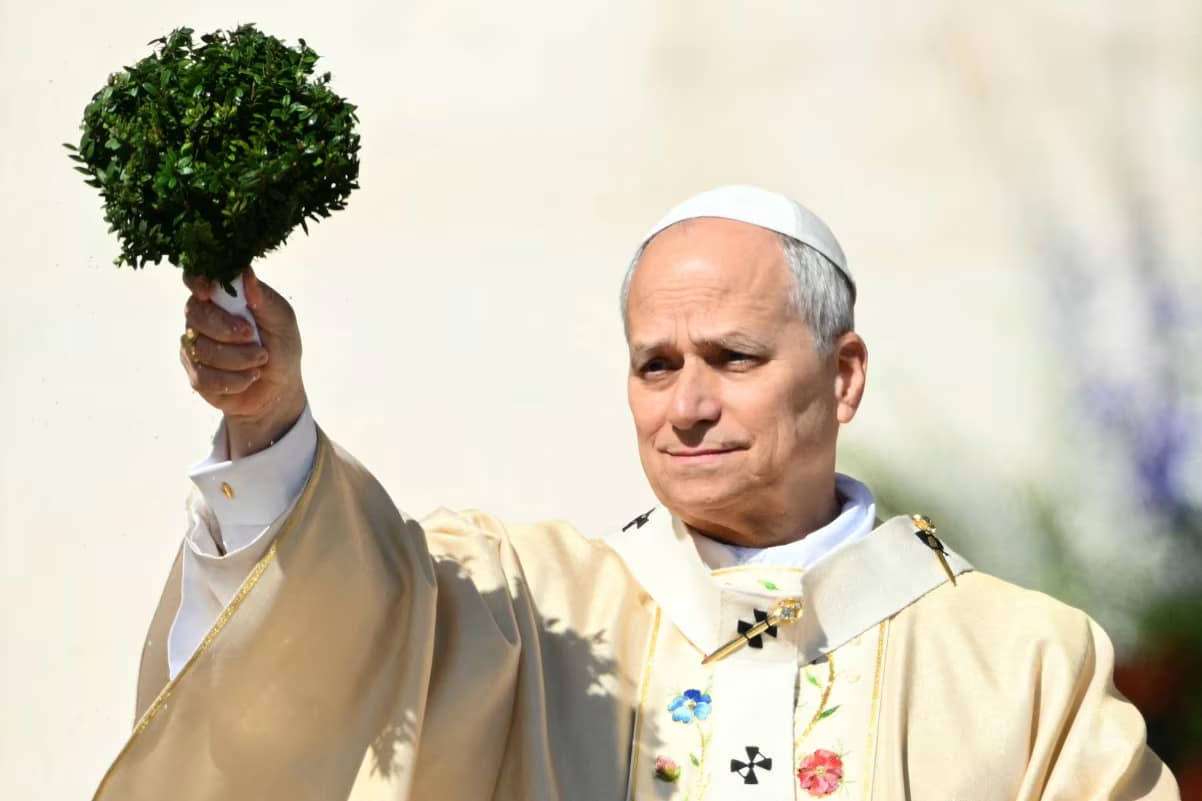
Pope Leo urges all to choose peace in his first Easter message
ROME — On the Vatican’s iconic St. Peter’s Square, thousands of faithful gathered under a bright spring sky on Sunday to hear Pope Leo XIV deliver his first Easter Sunday message to the global Catholic community, marking a landmark moment for the first U.S.-born pontiff one year after he assumed leadership of the Church. Against a backdrop of ongoing armed conflicts across the globe, the core of Leo’s address was an urgent, uncompromising call for global leaders with the power to initiate war to lay down the path of confrontation and embrace dialogue-driven peace.
Standing on the central balcony of St. Peter’s Basilica, the pontiff issued a stirring appeal to global power holders. “Let us abandon every desire for conflict, domination and power, and implore the Lord to grant his peace to a world ravaged by wars and marked by a hatred and indifference that make us feel powerless in the face of evil,” he said. Expanding on his plea, he added: “Let those who have weapons lay them down. Let those who have the power to unleash wars choose peace. Not a peace imposed by force, but through dialogue. Not with the desire to dominate others, but to encounter them.”
Many in the gathered crowd of thousands expressed public support for Leo’s peace advocacy, with one group holding aloft an Italian-language placard reading: “Pope Leo we are with you, guide our future.”
In his message, Leo carried forward a core theme of his predecessor, the late Pope Francis, echoing Francis’ well-known framing of a “globalization of indifference.” He warned that global publics are increasingly growing numb to widespread violence, growing accepting of conflict and desensitized to human suffering amid ongoing war.
Leo emphasized that the core spiritual meaning of Easter, the Christian celebration of Jesus Christ’s resurrection from the dead, is rooted in nonviolence. “The power of Easter is entirely nonviolent,” he stated. He went on to announce a special public prayer vigil for global peace to be held in St. Peter’s Basilica on April 11. The event echoes a landmark 2013 vigil organized by Pope Francis amid the outbreak of Syria’s civil war, which drew roughly 100,000 attendees to rally against military intervention.
After delivering his address, the pontiff extended Easter greetings to the global faithful in 10 languages, including Arabic, Chinese and Latin. He concluded the traditional service with the Regina Coeli prayer and the iconic Urbi et Orbi blessing, the historic papal address offered “To the City and the World.”
Leo’s first celebration of Holy Week and Easter comes at a moment of heightened global conflict, and the pontiff has already signaled his proactive engagement in diplomatic efforts: he recently expressed public hope that U.S. President Donald Trump can secure an “off-ramp” to de-escalate and end ongoing hostilities in the Middle East.
Just days earlier, on Good Friday, Leo completed the entire traditional Way of the Cross procession carrying the cross on his own at Rome’s Colosseum. During the service, the congregation offered prayers for the children of deported immigrants, while Leo warned that world leaders will one day be held accountable for their policy choices. A related deep dive report by CNN examines how Leo has systematically pushed back against claims that divine authority can justify war.
Earlier on Sunday, during his Easter homily at the public mass, Leo centered his remarks on sustaining hope in the face of overlapping global crises, from ongoing armed violence to accelerating climate change and widespread systemic inequality. He tied the celebration of Easter directly to the world’s most pressing struggles, noting that the holiday’s message offers a response to “the cry of pain that rises from every corner because of the abuses that crush the weakest among us, because of the idolatry of profit that plunders the earth’s resources, because of the violence of war that kills and destroys.”
Acknowledging widespread public despair amid persistent injustice, cruelty, and indifference, Leo offered a message of cautious optimism. “Often it seems that God does not exist: all around us we see persistent injustice, evil, indifference and cruelty. But it is also true that in the midst of darkness something new always springs to life and sooner or later produces fruit,” he said. “Easter gives us this hope, as we remember that in the risen Christ a new creation is possible every day.”
St. Peter’s Square was decorated according to long-standing Easter tradition, lined with vibrant seasonal flowers and flowering bulbs for the annual celebration. This report has been updated to include new details of the pontiff’s public appearances this Holy Week.
-

STATE OF BLOOD
A wave of persistent brutal violence has shaken Trinidad and Tobago, with at least 30 people killed in targeted attacks, shootings and fatal assaults across the nation in the five weeks since the government imposed a new state of emergency (SoE) to curb rising crime, Deputy Police Commissioner Suzette Martin confirmed last Friday. The chilling death toll averages out to roughly one killing per day since the SoE took effect on March 3, defying official pledges to restore public safety.
Among the victims are people from all walks of life, including high-profile figures, children, working professionals and even an elite athlete. One of the most high-profile killings took place on March 13, when controversial real estate developer Danny Guerra was ambushed and gunned down by two masked gunmen in a white car as he returned to his vehicle outside his Sangre Grande business premises. Just one week later, on March 17, 28-year-old female cricketer Rashme Deoajit was found stabbed to death with her throat slit in her Cedros home; a man known to the family has since been charged in connection with her murder.
The violence has also claimed the lives of some of the nation’s most vulnerable citizens. On March 31, an 11-month-old toddler, Jayden Sutton, was shot and killed alongside his 25-year-old father Joseph Sutton as the pair slept in their St James home. Police confirmed the father had been a witness to a separate shooting earlier that month and was cooperating with investigators, suggesting the killing was a targeted retaliatory attack. On March 23, three young men – 17-year-old Jordan Cudjoe Burke, 22-year-old Ishmael Matthews, and 21-year-old Roberto Samuel Carlos – were gunned down in a hail of bullets inside a ground-floor bedroom at Burke’s family property in Penal. Burke was the son of deceased local businessman and community activist Cedric Burke. That same day, the beaten body of 20-year-old mentally ill David Ramlakhan was found abandoned in bushes 200 feet from his New Grant home, where he had been left to die.
Other victims include serving soldiers, business owners, and everyday residents going about their daily routines. On March 14, 30-year-old soldier Jaelani Garcia Williams was ambushed and shot dead while approaching his SUV outside a Chaguanas mini-mart; investigators recovered a loaded pistol from Williams’ possession along with multiple spent shell casings from the shooter’s weapons. Four people were killed across separate incidents on March 15 alone, including three men in different shootings across Laventille, and an unidentified man whose decomposing body was found floating in a Sangre Grande pond. Multiple other killings between March and early April have left victims unidentified, as law enforcement struggles to keep pace with the surge in violence.
The ongoing bloodshed directly contradicts assurances delivered by senior government officials when the new SoE was announced. At the time of the declaration, Attorney General John Jeremie stated the government was determined to “never allow this country to deteriorate into the taste of chaos and bloodshed which we met in May 2025 when we took office.” To date, the state of emergency has failed to break the pattern of daily violence that has gripped the nation, leaving communities reeling from a steady stream of deadly attacks.
-
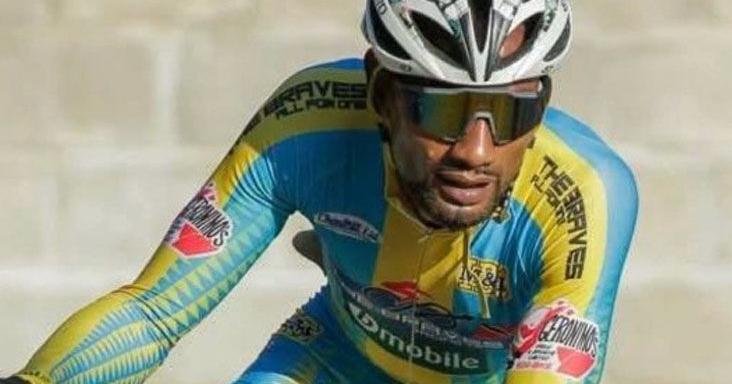
Easter Grand Prix tragedy
The tight-knit local cycling community of Trinidad and Tobago is reeling from an unimaginable loss, after a freak accident claimed the life of 44-year-old fan-favorite competitor Colin Wilson during an opening-night race at the Easter International Cycling Grand Prix.
Better known to friends and teammates by his nickname “Creepy,” Wilson, a resident of Carenage, suffered a fatal neck injury when he crashed into a section of fencing while swerving to avoid a collision with another cyclist. The accident unfolded during the Masters 40-49 category race held Friday at San Fernando’s Skinner Park. Despite urgent, hour-long emergency intervention by medical teams at San Fernando General Hospital, the extent of Wilson’s injuries and massive blood loss proved too severe to save him. Organizers immediately canceled the remainder of the evening’s competition schedule in the wake of the tragedy.
For former national cycling star Gene Samuel, who founded the cycling club Wilson raced for and employed him at his Woodbrook bicycle shop for 26 years, Wilson was far more than an employee or a team member. “He was like an adopted son to my wife Rhonda Lou and I,” Samuel said, his voice breaking with emotion as he described the widespread shock and grief that has followed the accident. Samuel was just finishing distributing awards to earlier race winners when the crash happened. “Everybody is devastated. It’s still hard to process, we can’t believe he’s gone,” he added.
Over a quarter-century working alongside the Samuels, Wilson became an irreplaceable part of their family and business, with customers stopping by the shop in recent days to offer their condolences. As he works to support Wilson’s widow and three young sons, Samuel said the community is pulling together to provide any assistance the family needs during this impossible time. A decorated endurance rider, Wilson claimed a historic national championship Triple Crown, winning the road race, criterium, and time trial titles in a single season. What stands out most to those who knew him, however, is his constant willingness to help others and the warm charisma that made him popular across the sport. “He touched so many lives, and this loss is felt by everyone who knew him,” Samuel said. “I know he died doing what he loved more than anything.”
Official statements from across the country’s sporting sphere have poured in honoring Wilson’s legacy and extending condolences to his family. The Trinidad and Tobago Cycling Federation (TTCF) emphasized that Wilson was a deeply valued member of the national cycling fraternity whose presence will be sorely missed. “This tragic loss has deeply affected the entire local cycling community,” the federation said. “We stand in full solidarity with his family during this devastating time.”
Minister of Sport Phillip Watts echoed that sentiment, paying tribute to Wilson’s relentless passion for cycling and unwavering commitment to athletic excellence. “This is a profound loss for our entire sporting community, and my heart goes out to all of his loved ones,” Watts said.
Despite the collective trauma of the accident, event organizers confirmed that the remainder of the Easter International Cycling Grand Prix would proceed as scheduled, continuing with international competitions including the Caribbean Track Championships and the Americas Track Cup series at the National Cycling Velodrome in Couva. Kester Lendor, board chairman of the Sports Company of Trinidad and Tobago (SporTT), noted that the event will continue in a spirit of respect for Wilson’s legacy, while organizers prioritize full transparency and athlete safety going forward. “We are deeply saddened by this tragic loss, and our thoughts remain with Mr. Wilson’s family, friends, and the entire cycling community,” Lendor said. “SporTT is committed to working closely with all stakeholders to fully understand the circumstances of this incident, while keeping the safety and well-being of all athletes, officials, and attendees our top priority.”
The Trinidad and Tobago Olympic Committee also extended its condolences, noting Wilson was also a widely respected bicycle mechanic and technician within the sport, and closed its statement with a simple wish: “May he forever Rest in Peace.”
International competitors also shared their memories of Wilson, with top Barbadian cyclist Gregory Downie remembering him as both a passionate, formidable competitor on the track and a man of extraordinary humility and kindness off of it, who embodied the camaraderie that binds the global cycling community together. “His accident is a painful reminder of the vulnerability we all share and the risks inherent in our beloved sport. It calls us to be ever mindful of one another and to live by the principle of being our brother’s keeper,” Downie wrote.
-
Murder rate edges up in Western Division
Senior Superintendent Garvin Henry, the top law enforcement official for Trinidad and Tobago Police Service’s (TTPS) Western Division, has openly confirmed a modest but concerning uptick in homicide cases across the jurisdiction in 2024. In an exclusive interview with the *Sunday Express* conducted last week, Henry stated, “We are seeing an increase, I will admit. The last figures I saw showed a slight increase in murders in the Western Division, and that is of concern to us, and that is a major part of our focus.” Despite acknowledging the upward trend in killings, Henry stressed that local law enforcement cannot reverse this pattern without active collaboration from members of the public.
-
Guerra’s empire now under siege
For years, Danny Guerra cultivated an image as a legitimate, successful businessman operating across Trinidad. But behind that carefully crafted public persona lay a sprawling network of high-level connections, spanning ranks of local police and prominent political figures. Insiders confirm this shadow alliance acted as an impenetrable shield, blocking official scrutiny and killing off potential criminal investigations before they could advance.
When the 50-year-old was gunned down in a targeted assassination on March 13, he walked free without a single criminal conviction on his record, despite widespread persistent rumours of his deep involvement in illegal activities. Outstanding charges tied to allegations of unregulated unlawful quarrying will now never go to trial, buried alongside the tycoon.
In the wake of his execution, those once-secret connections have emerged as a key to unpacking how Guerra evaded justice for decades, how his sprawling business empire became so deeply rooted in local commerce, and why a violent battle for control of his assets has erupted across the country.
One of Guerra’s major holdings is a $21 million waterfront property located at Paharry Junction, along Toco Main Road in Sangre Grande, first reported by the *Sunday Express* last week. The bitter, violent dispute over this asset between Guerra’s relatives and a former business partner extends far beyond a single plot of land, investigators confirm. When a high-stakes land deal collapsed, that business associate placed a $600,000 contract to have Guerra killed, according to official probes.
Guerra’s assassination has already sparked a wave of follow-on violence across the region. Roughly 10 days after his killing, Rondell “Patch” Adolphus, a former quarry supervisor with ties to Guerra’s operations, was shot dead at Trini Lime Resort. Unknown attackers also stormed Guerra’s private Sangre Grande residence, stealing multiple high-value items before fleeing.
The escalating bloodbath has forced a key figure in Guerra’s business and personal life to flee the country entirely. A 42-year-old woman identified by multiple insiders as Guerra’s close business partner and new romantic partner left Trinidad in the days after the killing, convinced she was next on the hit list in the rapidly expanding murderous conflict.
Court documents obtained by the *Sunday Express* show the woman assisted Guerra in July 2025 to transfer the Paharry Junction property mortgage from an East Trinidad bank to a separate mortgage institution. The paperwork, drawn up by a respected local legal firm for Guerra’s DG Homes Company Ltd, frames the transaction as a “consolidation of deeds and mortgage” covering a total value of roughly $43.1 million. The remaining balance beyond the $21 million land value was earmarked for large-scale development of the site. The deal was originally brokered by the same business associate who would later order Guerra’s hit, before he was pushed out of the venture and sidelined by Guerra, sources confirm.
Investigators believe the scorned associate not only masterminded the assassination, but also recruited a trusted insider within Guerra’s circle to track his movements on the day he was killed, ensuring the attack would succeed.
The 42-year-old woman first met Guerra more than five years ago while she worked at an East Trinidad bank, before later moving to a senior role at a local credit union, multiple sources confirmed. Most recently, she arranged an unsecured $30 million loan for Guerra, and she was already under active official investigation for that transaction at the time of his death.
Insiders familiar with the pair’s relationship say Guerra bought a luxury St Augustine property for the woman roughly three years ago, putting both of their names on the property deed. A frequent guest at the home, Guerra also recently gifted her a brand-new Mercedes-Benz, and was reportedly planning to marry her before his death. The woman left her first husband and two children in 2023, finalizing a divorce shortly after, and just months after her departure, her 14-year-old son passed away.
“Her joint ownership of the St Augustine property means she has a legal claim to a portion of Guerra’s business holdings and real estate empire,” one source close to the tycoon explained. “But that claim has put a target directly on her back.” The source added that many of Guerra’s long-time associates and inner circle members have grown resentful of the woman’s rapid rise to wealth and influence. With no formal legal documents guaranteeing the associates a share of the estate after Guerra’s death, eliminating the woman clears the way for other figures to file for a letter of administration and seize full control of all of Guerra’s assets.
Tensions have boiled over into open conflict even within Guerra’s own family. In the days after the killing, one family member allegedly issued a death threat to another relative, accusing them of deliberately helping the business associate set up Guerra’s assassination. The relative who issued the threat has since gone into hiding, after a price was put on his own head. He is also currently wanted by local police under a preventative detention order (PDO), and was in line to take over leadership of Guerra’s company before the assassination.
Public record documents obtained by the *Sunday Express* show that just two months before his death, in January after Guerra was released from a month-long prison stint held under a PDO, he removed two people from their director positions at DG Homes Company Ltd, leaving only himself and two family members as active directors. When Guerra’s last will and testament was read to heirs last week, multiple close associates and family members were shocked to discover they had been cut out of the estate entirely, deepening existing rifts and distrust.