博客

  • ‘What’s the point of an SoE?’

    ‘What’s the point of an SoE?’

    A horrific double shooting that claimed the lives of a 25-year-old man and his 11-month-old son as they slept in their Dundonald Hill, St James home has sent shockwaves across Trinidad and Tobago, leaving a tight-knit community paralyzed by grief and fear, and reigniting fierce questions about the effectiveness of the country’s ongoing state of emergency (SoE) to curb spiraling violent crime.

    On Tuesday, Joseph Sutton and his infant son Jayden Sutton were gunned down in their bed in what residents describe as a new low for the region’s long-running gang violence crisis. When reporters from the *Sunday Express* visited the community two days later to speak with residents and family members, grief and fear hung heavy over the quiet, mostly empty residential street.

    Magnus Sutton, father of Joseph and grandfather of Jayden, shared the crippling pain that has driven his family from the home they once shared. “We couldn’t bear to be in the home,” he explained. “Every morning, Jayden would be up, playing and crawling about. Now he’s gone. My son would have been up early, tending to his common-law wife and child before running out to the mini-mart he operates down the road. Now he can’t do any of that. All the joy is gone. So that house is not a place we want to be right now.”

    Sutton added that while the wider nation has already shifted its attention to other events and political headlines, his family remains trapped in acute mourning, with no clear path forward. “I know there have been other murders since. I know politics is taking up the headlines, but we are still suffering. We are still taking it very hard. We honestly don’t know what to do or what comes next,” he said. As of last Thursday, the family was still finalizing double funeral arrangements, with a goal of setting a service date by the end of the week.

    Most residents declined to speak on the record, hiding behind locked doors out of fear of retaliation from local gangs. But those who agreed to share their views expressed overwhelming horror at the killing of an innocent child, a violence so senseless it has eroded the last shred of sense of safety even inside private homes.

    Local resident Sandra encapsulated the widespread anger and despair felt across the community: “People not even safe in their own homes again…. Sleeping and getting shot? And a baby, too? Nah, this country reaching somewhere real dark now. And all this happening in an SoE? What is the point then? Because it is clearly not working.”

    One long-time resident echoed that sentiment, noting that the unprovoked killing of an infant breaks even the unwritten rules of criminal conflict that once spared innocent bystanders and children. “This one hit hard,” he said. “It is not just another headline—it’s a baby. I still trying to wrap my head around that. If you come for a man, wrong is wrong, but you come for him. Back in the day, there was an order. These young, wannabe thugs have no care for anyone or anything anymore.”

    Another resident added that the attack has left the entire community unable to sleep soundly: “When children are getting killed, people are genuinely frightened to even sleep properly because we don’t know what is coming next.”

    This double murder is far from an isolated incident in St James, which has seen a steady surge of brutal gun violence over the past 18 months across Dundonald Hill, Belle Vue and surrounding neighborhoods. A timeline of major violent incidents in the area reads like a chronicle of growing chaos: Just two weeks before the double killing, on March 16, Joseph Sutton was already targeted in a separate shooting that left another man injured. In February, two men from Laventille, 20-year-old Israel Payson and 24-year-old Jubriel Worrell, were shot dead during Jouvert celebrations on Damien Street and Mucurapo Road. In January, 24-year-old Jair Gilkes and 21-year-old Miguel Joseph were killed in a shooting near the Belle Vue Community Centre, with a third man wounded. In December 2025, 56-year-old Nicole Ovid was beaten to death and her body left on a Finland Street pavement, with 60-year-old Kenneth Charles charged in connection with her killing. In May 2025, 28-year-old Mark Anthony Ellis was killed and his 20-year-old companion wounded in a drive-by shooting as they socialized under a shed on Alfred Richards Street. The earliest high-profile killing on record dates back to October 2022, when 30-year-old Korey Clarke and 31-year-old Samantha Patrick were found shot dead in their bed just off Dundonald Hill, leaving their unharmed seven-month-old daughter in the room with their bodies. Four men have since been charged in that double killing, along with weapons offenses.

    Even for a community long accustomed to the threat of violence, the brutal killing of a sleeping infant has pushed residents to a breaking point, with widespread calls for action to address the failure of current public safety measures to stem the tide of bloodshed.


  • Nine minors among the 200 poisoned by alcohol in 24 hours during Holy Week

    Nine minors among the 200 poisoned by alcohol in 24 hours during Holy Week

    Public health officials have recorded a sharp uptick in acute alcohol poisoning cases across the region over the latest 24-hour monitoring window, new data from the Emergency Operations Center (COE) confirms. In total, clinical teams responded to 200 confirmed cases of alcohol poisoning requiring urgent medical intervention during this period — a 38% jump from the 145 cases registered in the preceding comparable monitoring cycle. What has raised particular public concern is the inclusion of nine underage patients, all falling between the ages of 11 and 17, in the latest count of those needing treatment for alcohol-related poisoning. Alongside the spike in alcohol poisoning incidents, the COE also released data on foodborne illness linked to the Easter holiday period. To date, 73 people have sought and received medical care for symptoms of food poisoning connected to holiday gatherings and public dining over the Easter weekend. The COE has not yet released additional details on the geographic distribution of cases, patient outcomes, or potential sources of the contaminated food linked to the holiday illnesses, and has not announced any formal public advisories accompanying the latest case count updates.

  • Paus Leo roept op tot vrede te midden van oorlogen in de wereld

    Paus Leo roept op tot vrede te midden van oorlogen in de wereld

    On the holiest night of the Catholic liturgical calendar, Pope Leo XIV used his address during the Easter Vigil at Vatican City’s St. Peter’s Basilica to deliver a urgent plea to global Catholic communities, urging people not to grow numb to the human suffering caused by active conflicts across the world — most notably the escalating war roiling the Middle East. In his remarks delivered Saturday evening, the pontiff called for intentional, active pursuit of peace, warning against the paralysis that fear and mutual distrust can sow in global relations.

  • UPDATE: Public health officials rescue abandoned man in Sosúa after authorities alert

    UPDATE: Public health officials rescue abandoned man in Sosúa after authorities alert

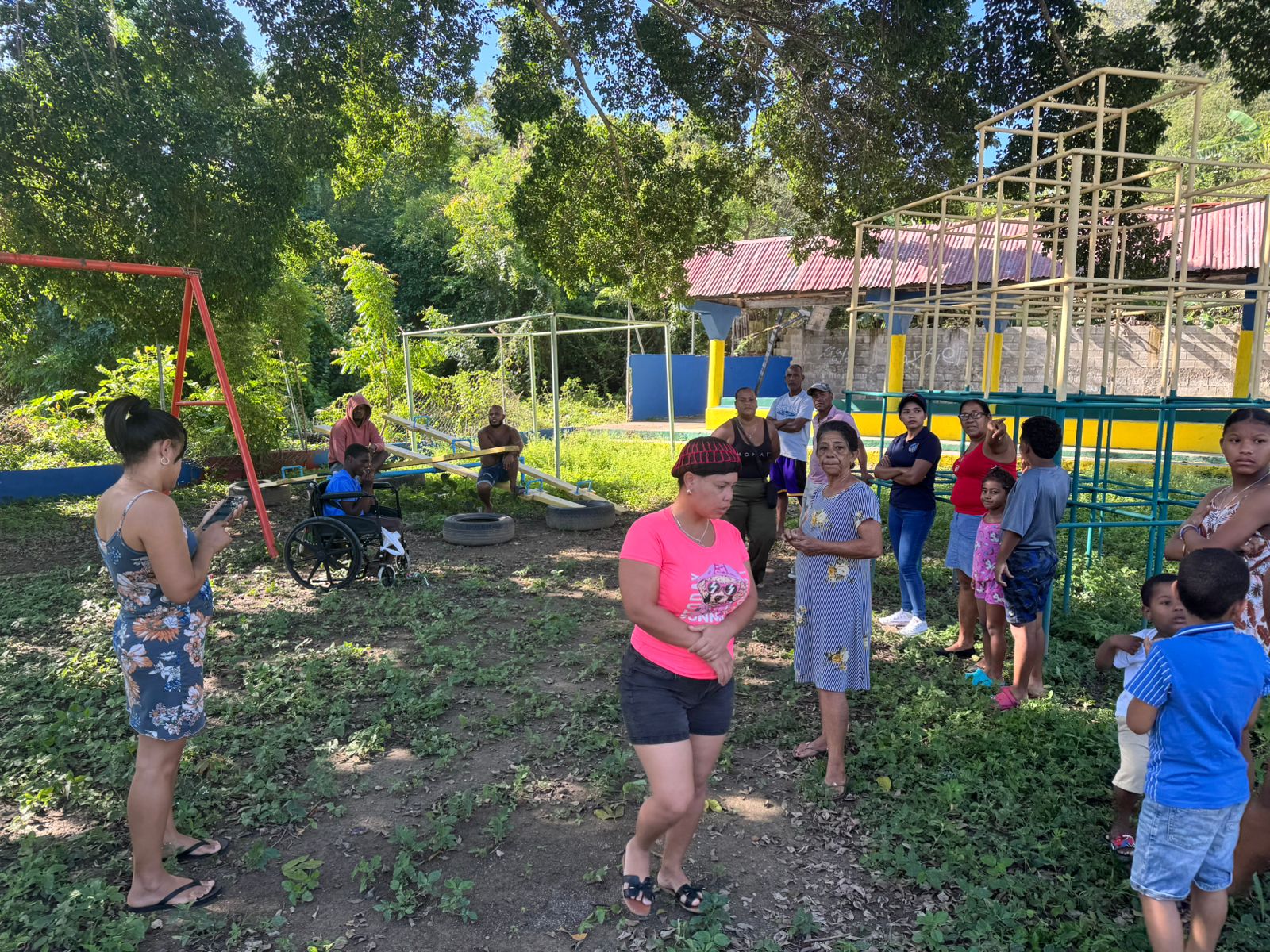
    In the Altos de Chila sector of Cangrejos district, near the Granito de Mostaza community home in Sosúa, Puerto Plata, a coordinated multi-agency effort has successfully rescued an at-risk adult who was found abandoned in the area.

    The operation was triggered after local residents noticed the man’s vulnerable condition and raised alarms to relevant oversight bodies. While the individual is not a minor, his obvious poor health and unsafe living situation prompted immediate action from the Prosecutor’s Office for Children and Adolescents (NNA) and the National Council for Children and Adolescents (CONANI), which quickly passed along the report to public health teams to enable a rapid response.

    A dedicated ambulance from the Dominican Ministry of Public Health was dispatched to the location without delay. Emergency medics transported the man to a local public health center, where he has since been admitted for comprehensive medical assessment and ongoing specialized care tailored to his needs.

    Witnesses who observed the rescue effort confirmed that the intervention unfolded far faster than expected. The quick action from coordinated authorities is widely credited with preventing potentially life-threatening complications for the man, who was already in fragile health when he was discovered.

    Public officials have highlighted that this successful rescue serves as proof of the value of cross-institutional collaboration when addressing emergency cases involving vulnerable populations. They reaffirmed the government’s ongoing commitment to safeguarding the rights and well-being of people who face heightened risk of neglect or abandonment.

    In the wake of the rescue, authorities have issued a public call for all community members to report any suspected cases of abandoned or at-risk people they encounter. Early reporting, they note, is critical to allowing response teams to act quickly and deliver effective support before situations escalate.

    This incident has also reignited public discussion about the urgent need to strengthen national and local public policies focused on supporting unhoused populations, expanding social inclusion initiatives, and reinforcing systemic protections for the most marginalized groups in Dominican society.

  • COE raises alerts in 17 provinces due to risk of flooding and rising water levels

    COE raises alerts in 17 provinces due to risk of flooding and rising water levels

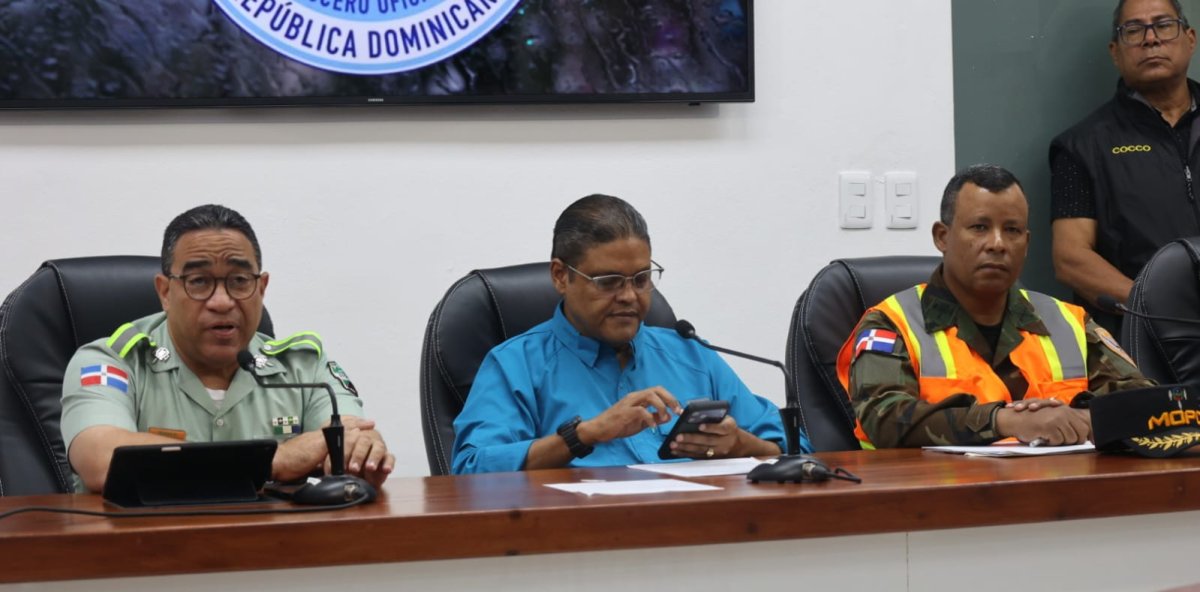
    As holiday crowds prepare to gather for Easter Sunday celebrations across the Dominican Republic, the nation’s Emergency Operations Center (known locally as COE) has activated a two-tiered alert system across 17 provinces, citing elevated risks of widespread water-related hazards.

    Two provinces, Monseñor Nouel and San José de Ocoa, face the higher of the two alert levels, a yellow warning, marking them as areas at greatest risk of hazardous flooding. The remaining 15 jurisdictions under alert – including the capital’s National District, the larger Santo Domingo province, Sánchez Ramírez, Hermanas Mirabal, Puerto Plata, San Cristóbal, Santiago, Espaillat, Duarte, Samaná, La Vega, La Altagracias, Monte Plata, Hato Mayor, and El Seibo – are placed under a lower-level green alert.

    Across all affected regions, officials warn that rising water levels are possible in natural waterways including rivers, streams, and mountain ravines, with the added threat of sudden flash flooding and urban inundation that can catch communities off guard during the busy holiday weekend.

    Beyond inland flood risks, COE has issued additional safety guidance for marine activities along a large stretch of the country’s coastline. From the northwestern border province of Monte Cristi extending east to Isla Saona, operators of small, medium, and structurally fragile watercraft have been strongly advised to stay anchored in port. This advisory comes in response to the development of dangerous ocean swells paired with moderate to strong winds that create unstable, high-risk conditions for small vessels.

    For recreational beachgoers – a large demographic expected to travel to coastal areas over the Easter holiday – the agency has issued a critical warning about powerful rip currents, which are among the leading causes of drowning incidents at beaches. It is urging all swimmers and members of the public to exercise extreme caution when entering the water, and to check in with local lifeguard and rescue services to confirm current safety conditions before accessing any beach.

    For all other sections of the Dominican Republic’s Caribbean coastline, no movement or activity restrictions have been put in place at this time.

  • Kollision Band lead singer Jermaine ‘Chubby’ Clarke killed

    Kollision Band lead singer Jermaine ‘Chubby’ Clarke killed

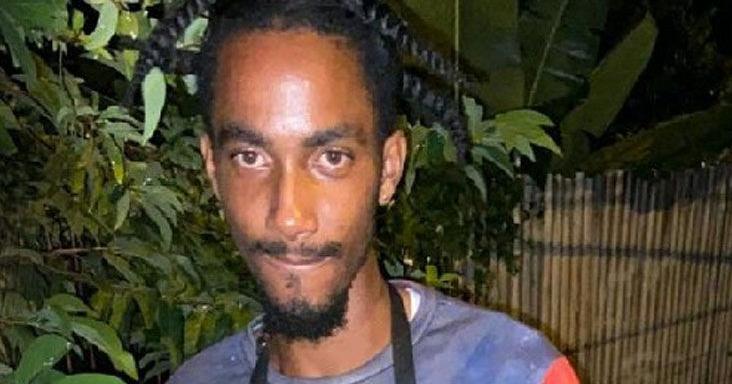
    BASSETERRE, St. Kitts – Authorities in the Federation of St. Kitts and Nevis have opened a homicide investigation following the fatal shooting of well-known local entertainer Jermaine “Chubby” Clarke, frontman of the popular regional group Kollision Band. The shooting is reported to have taken place in the Keys Village area, with full, confirmed details of the incident still emerging as of Sunday, April 5, 2026.

    Early unconfirmed accounts from local media indicate that Clarke had just finished performing at a public event in the area when he was attacked. Witness accounts suggest the gunfire struck Clarke while he was seated inside his private vehicle. When reached by reporters for comment, law enforcement officials confirmed the identity of the deceased and confirmed that a full formal public statement will be released in the coming days as the investigation progresses.

    News of Clarke’s sudden, violent death has sent immediate shockwaves across the small Caribbean nation, with messages of condolence and remembrance flooding in from across the islands and the broader Caribbean entertainment community. Samal Duggins, the federation’s Minister of the Creative Economy, released an official statement expressing deep grief over the entertainer’s untimely passing.

    “It is with profound sadness that I acknowledge the untimely passing of Jermaine Clarke, affectionately known as ‘Chubby’, lead singer of the Kollision Band,” Duggins said. Reflecting on Clarke’s far-reaching cultural impact across the country, the minister described the artist as a magnetic, joyful force that united audiences across generations. “He was a spirit, as a presence, and a voice that brought joy, energy, and connection to so many,” Duggins added.

    Clarke’s killing marks only the second recorded homicide in the Federation so far in 2026, but it is projected to leave a lasting, unforgettable mark on the nation’s local and regional entertainment scene. Duggins emphasized that through decades of live performances and his warm, approachable personality, Clarke cemented a permanent place in St. Kitts and Nevis’ cultural landscape and in the hearts of countless fans and fellow artists.

  • Why were vacationers trapped in Ocoa after the Nizao River overflowed despite weather warnings?

    Why were vacationers trapped in Ocoa after the Nizao River overflowed despite weather warnings?

    Pre-emptive alerts from national emergency and meteorological agencies failed to prevent a mass stranding incident in central Dominican Republic over the Easter holiday weekend, when the overflowing Nizao River left dozens of visitors and local residents trapped in isolated communities of San José de Ocoa province.

    Alcedo de los Santos, mayor of Rancho Arriba municipality, clarified the root cause of the crisis that unfolded on Holy Saturday, pushing back on common assumptions that the incident stemmed from recreational bathers ignoring safety warnings in the river. He explained that regional authorities had completed evacuations of all riverside resorts before floodwaters began to rise, clearing the river and its immediate banks of any visitors. The true source of the crisis, he told local newspaper Hoy, was the simultaneous evacuation of recreational groups scattered across a far wider area.

    Fifteen small rural communities beyond the Nizao River are popular destinations for campers and ecotourism enthusiasts, who flocked to the region over the four-day Easter holiday weekend. Once flood warnings were issued, all of these visitors attempted to exit the area at the same time, triggering crippling traffic jams on the region’s already inadequate rural road network. “There were too many vehicles on the road and unfortunately those who couldn’t get out in time were the ones who were left behind,” de los Santos said in his interview.

    The mayor added that local infrastructure conditions exacerbated the gridlock. Narrow local roads, combined with informal, random parking by visitors, left no room for vehicles to maneuver and extended traffic delays long enough for floodwaters to cut off the exit route. The Nizao River spilled its banks around 8:00 p.m. on Saturday, right as the stream of returning vacationers hit its peak, submerging the only exit road and leaving those who had not crossed stuck in the isolated communities on the opposite side.

    In the aftermath of the overflow, dozens of people remain trapped, with many requiring emergency shelter and basic assistance. De los Santos confirmed that he personally facilitated shelter for roughly 25 stranded young travelers who had been exploring the mountain and river areas, hosting the group at the local town hall after they were left with no accommodation options for the night.

    As of Monday, the situation remains unresolved, with many trapped people expected to miss the return to their workplaces. “It’s still raining today, and they’re stuck on that side,” de los Santos noted, adding that communication with the affected groups is a growing source of concern. With many visitors running low on phone battery, their families back home are left in the dark about their safety, amplifying anxiety around the incident.

  • The city slows down: neighborhoods in Greater Santo Domingo experience a quiet Holy Saturday

    The city slows down: neighborhoods in Greater Santo Domingo experience a quiet Holy Saturday

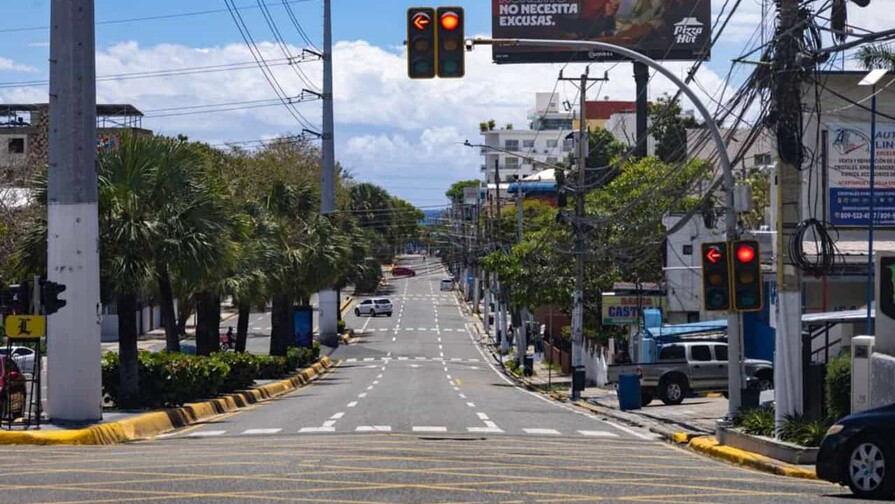
    On Holy Saturday, Greater Santo Domingo’s normally vibrant urban landscape fell into an unusual, profound stillness. The sprawling capital’s streets, avenues and residential neighborhoods, which typically hum with daily commerce and movement, saw a sharp drop in activity, with sparse traffic, empty thoroughfares, and most businesses shuttered for the religious holiday.

    Following the mandatory full shutdown of public life on Good Friday, the traditional period of religious reflection extended into Holy Saturday, bringing a near-total pause to routine commercial activity. Once-bustling corridors were reduced to a quiet lethargy, with foot traffic and vehicle movement dropping far below typical weekend levels. Nearly all retail shops, beauty salons, and non-essential service businesses remained closed for the observance, leaving only limited operations for food-focused establishments to serve residents who stayed in the capital over the holiday. Grocery stores, small local food vendors, and roadside fried food stands were among the only businesses welcoming customers.

    Streets lined with parked cars signal that most locals opted to stay home for the holiday, with the usual city soundtrack of honking horns and blaring music entirely absent. Even Santo Domingo’s iconic Malecón, the waterfront boardwalk that usually draws crowds of locals and visitors, remained nearly deserted. Salt air drifted across the quiet promenade, where the ocean lay calm with barely a ripple, and only small groups gathered to chat on benches or complete casual exercise on foot or bicycle.

    Across residential neighborhoods, residents adapted to the slow holiday pace in small, personal ways. In Ensanche Espaillat, local resident Fiordaliza Capellán set up two inflatable swimming pools outside her home for her grandchildren to enjoy, noting that police had removed an identical setup the day before in an adjacent street. Unlike many local families, Capellán opted not to prepare the traditional holiday dish sweet beans this year, citing both the high cost of the ingredient and the large volume she would need to make to share with neighborhood friends. She did, however, keep the tradition of preparing fish for Good Friday. The high price of sweet beans was a common complaint across the city: on Diego Colón Street in Los Mina, an unidentified local resident voiced frustration over the inflated cost of the staple holiday ingredient.

    For other locals, the quiet holiday brought unhurried, low-key celebration. Roberto, a Los Mina resident, joked that his Good Friday plans centered on generous amounts of rum, a tradition he planned to continue through Holy Saturday, noting that a nearby private club charged only 200 pesos for adult entry to its swimming pool, with free admission for children under five.

    In the Villas Agrícolas neighborhood near Nicolás de Ovando Avenue, community members came together to build a makeshift public cooling station on the sidewalk, running three shower pipes connected to a shared water pump where neighborhood children and adults could cool off in the warm holiday weather. Longtime local resident Sandino Henríquez, who has lived in the area for more than 60 years, explained that the group removes the shower heads each night to prevent theft by water truck operators. On Saturday, Henríquez gathered with neighbors to share bread topped with avocado and tuna, while local youth prepared pots to cook a communal meal of fish, rice, and beans later in the day. “We don’t have many plans, just drinks, food, and turning on the shower for a dip,” Henríquez said.

    Despite the near-standstill of daily activity, law enforcement and security agencies maintained a heavy visible presence across the capital, continuing patrols and monitoring to preserve public order throughout the holiday. Police officers conducted routine stops and checks across the city, even as vehicle and pedestrian volumes stayed far below normal.

  • Distribution of 10,000 food kits in the Southern Department of Haiti

    Distribution of 10,000 food kits in the Southern Department of Haiti

    Against a persistent backdrop of widespread food insecurity plaguing vulnerable communities across Haiti, state-backed social assistance agencies launched a major food distribution mission during the 2026 Easter holiday period, rolling out 10,000 emergency food kits to households in the country’s South Department.

    Ahead of the field deployment, Jean Sadrack Jean François, director of Haiti’s Directorate for the Fight Against Poverty (DLCP), led a high-level coordination meeting at the Departmental Emergency Operations Center (COUD) based in Fonfrède. The gathering brought together key stakeholders from multiple government agencies to iron out operational logistics, ensuring the aid would reach intended recipients efficiently and without disruption. Attendees included Kesner Romilus, director general of the Economic and Social Assistance Fund (FAES, the lead implementing body for the mission); Lincosld Charles, the South Department’s regional government delegate; Pierre-Marie Boutin, FAES’ regional coordinator; Abner Jean-Charles, regional coordinator for the Directorate General of Civil Protection (DGPC); and Yacinthe Germain, regional coordinator for the Ministry of Social Affairs and Labor (MAST).

    The distribution operation, which ran from April 2 to April 6, forms a core component of the national Multisectoral Emergency Program, an initiative overseen by MAST and managed by FAES that is explicitly designed to combat the severe food insecurity that has pushed thousands of Haitian households into food instability.

    Beyond the food kit rollout, the interagency delegation conducted an inspection visit to the under-development Southern Rehabilitation Center in Madame Combe. The facility is set to welcome nearly 2,000 vulnerable Haitians in the near future, and the visit allowed officials to assess infrastructure and operational needs for a new on-site community restaurant scheduled to open its doors on April 6.

    This latest regional relief effort is part of a far larger, ongoing national social assistance commitment by the Haitian government. Through FAES, the administration currently provides 48,000 prepared meals every day to internally displaced persons across the country, with the allocation broken out across three major regions: 2,000 meals for Artibonite, 9,000 for the Centre region, and 37,000 for the country’s most populous region, West. In addition to fixed-site meal programs, 36,000 additional meals are served daily via mobile canteen operations across Port-au-Prince, Delmas, and Pétion-ville, reaching low-income and food-insecure residents in dense urban areas that have been disproportionately impacted by ongoing economic and humanitarian instability.

  • «Konbit Haiti Zero Waste» : 15,200 m3 of waste collected in the metropolitan area

    «Konbit Haiti Zero Waste» : 15,200 m3 of waste collected in the metropolitan area

    Haiti’s national clean environment initiative, “Konbit Haiti Zero Waste”, has delivered strong early results in the country’s metropolitan region, with project officials announcing this week that more than 15,200 cubic meters of solid waste have been collected across five participating municipalities since the program launched. Minister of the Environment Valéry Fils-Aimé, who unveiled the program at its official launch, reported that the first phase of on-ground interventions has already mobilized more than 1,500 local workers to support waste collection efforts. All participating workers have received full compensation for 10 days of work completed over the 2026 Easter holiday period, with payments disbursed entirely via the MonCash digital payment platform as of April 2, 2026, according to the ministry.

    Data compiled by two technical bodies under the Ministry of the Environment — the National Solid Waste Management Service (SNGRS) and the Living Environment and Sanitation Directorate (DCVA), which coordinate and oversee all sanitation work for the initiative — confirms the impressive early output of the program. Working with a fleet of 23 heavy-duty vehicles including waste trucks, compactors, and dump trucks contributed by partner institutions, organized into five rotating work teams, the initiative has covered 30 collection roads split evenly across five target municipalities: Pétion-ville, Delmas, Tabarre, Cité Soleil, and Port-au-Prince. Over 23 days of active collection work, teams have pulled in an average of 632 cubic meters of waste per day, totaling the milestone 15,200 cubic meters reported this week.

    The Ministry of the Environment has publicly praised the cross-sector collaboration that made these early gains possible, extending sincere gratitude to all institutional partners that contributed equipment, coordination, and labor to the first phase. Minister Fils-Aimé specifically highlighted the dedication of the SNGRS team led by Director Daril Balthazar, as well as the consistent on-the-ground support from leaders and staff at the five participating municipalities. The ministry also commended the Haitian public for its widespread commitment to the initiative’s goals and the positive reception the program has received since it rolled out.

    Looking ahead, the Haitian government confirmed that the program will continue expanding its reach across the country, with preparation work already underway to extend services to two additional major Haitian cities: Cap-Haïtien in the north and Ouanaminthe on the Dominican border.

    First launched by the Ministry of the Environment, Konbit Haiti Zero Waste was designed to revitalize and reenergize Haiti’s fragmented solid waste collection and management systems. Operated under the ongoing direction of SNGRS with active input and participation from local municipal authorities, the initiative carries two core overarching goals: to improve public health and quality of life for Haitian communities, and to strengthen consistent presence of state public services across the country.

    In a closing statement, the Ministry of the Environment reiterated the core philosophy guiding the program, noting: “It is important to never forget that beyond large-scale government policies, a clean, healthy, and sustainable environment can only be achieved through the consistent daily actions of every individual.”