博客

  • Belize Coast Guard: “You Have Been Relieved of Duty” – PO3 Gianne Cayetano

    Belize Coast Guard: “You Have Been Relieved of Duty” – PO3 Gianne Cayetano

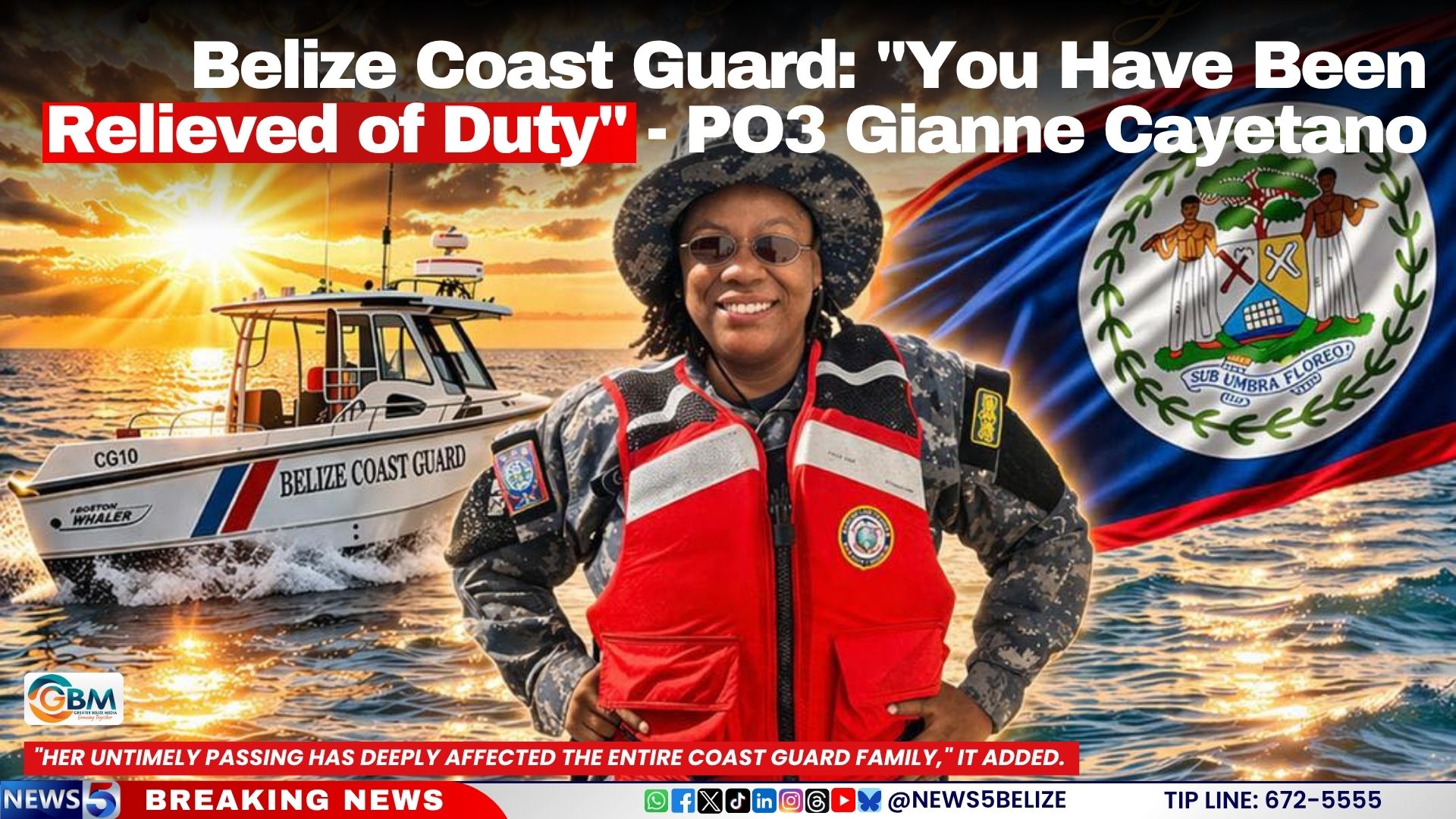
    On April 8, 2026, the Belize Coast Guard announced the tragic passing of one of its dedicated servicemembers, Petty Officer Third Class Gianne Seline Cayetano, in an official public statement that opened with the somber line: “You have been relieved of duty. Rest in peace.”

    Cayetano first joined the Belize Coast Guard ranks back in 2013, and after her transfer, she went on to serve in a key role as Personal Assistant to the service’s Commandant. Over her 13 years of service, she built a reputation for unwavering commitment and professional conduct that earned her widespread respect across the force. In its statement, the Belize Coast Guard emphasized that Cayetano’s unexpected death has left a deep wound across the entire close-knit Coast Guard community, noting that her dedication, professional demeanor, and warm presence left an indelible mark on all who had the chance to work alongside her.

    News of Cayetano’s passing was first shared publicly by her twin sister, Janine Cayetano, this past Monday. In her announcement, Janine asked for public understanding, requesting “love, patience, and strength, not only for our family but for everyone whose life was touched by Gianne.”

    Beyond her service to the Belize Coast Guard, Cayetano built a respected profile across the country’s sports community as a talented athlete and dedicated supporter of local football. Her sudden loss has also triggered an outpouring of grief from her extended family. One relative spoke to the shock and pain of the entire family, saying, “Mein, my sister, my friend and most foremost aunt to my daughters. We are surely in shock and grief over this reality.”

    Colleagues who worked with Cayetano on recent service activities also highlighted her active contributions. They remembered her as a core, instrumental part of the 2026 Belize Coast Guard Women’s Month celebrations, and counted her among the most energetic and committed supporters of the Coast Guard team during the 2026 Wonder Woman Competition. As tributes continue to flow in from across Belize, many who knew Cayetano remember her as a constant source of joy: a person who was always happy, laughing, smiling, cracking jokes, and bringing energy to group games.

  • Lovell Backs Pringle Leadership, Signals Unified Front for UPP Campaign

    Lovell Backs Pringle Leadership, Signals Unified Front for UPP Campaign

    At a Tuesday evening candidate ratification gathering, Harold Lovell, the United Progressive Party (UPP) nominee for the All Saints West constituency, publicly threw his support behind party leader Jamale Pringle and issued a urgent call for intra-party cohesion and sweeping national transformation ahead of the upcoming general election.

    Addressing a room of energized UPP backers, Lovell positioned the approaching electoral contest as a defining crossroads for the nation. “We are at that point where change is necessary,” he asserted, framing the vote as a critical opportunity to shift the country’s trajectory.

    The former finance minister used the high-profile event to shore up confidence in Pringle’s leadership, telling assembled attendees: “As I stand, I am happy to say that we stand behind the honorable Jamale Pringle.” His endorsement served to cement what he framed as a unified UPP bloc as the party kicks off its official general election campaign.

    Lovell stressed that internal party solidarity would be the single most critical factor determining the UPP’s performance at the polls, pushing supporters to set aside past internal disagreements. “Whatever is in the past, bury the past. And whatever is in the future, let it rise,” he said. “unity is not just a slogan. Unity is our strength.”

    Moving beyond internal party messaging, Lovell outlined the UPP’s core identity, casting the organization as far more than a conventional political party. “The United Progressive Party is not just a political organization. It is a movement,” he explained. “It is a movement that puts people first… a philosophy which says that the people must be the center of development.”

    He pushed back against claims of growing internal rifts, telling the crowd that despite external efforts to fracture the party, UPP members have remained tightly aligned. “The enemy has tried to divide us… but I’m here tonight to tell you… we are united. We are strong. We stand together.”

    Framing the election through a populist lens, Lovell argued that the outcome would be shaped by the collective will of voters, not the sitting government. “The power in the people is greater than the people in power,” he declared, drawing loud applause from the gathered crowd.

    In closing, Lovell issued a direct appeal to eligible voters across the country, urging widespread participation in the electoral process. “We need your voice and we need your vote… and we’re going to make a change in this country,” he said. “There’s going to be no turning back… only going forward.”

    The candidate ratification event is just one part of the UPP’s broader pre-election campaign push, as all major parties finalize their candidate slates and gear up for polling day. For the UPP, leadership unity and grassroots voter mobilization have already emerged as the central pillars of its election strategy.

  • T&T Demands CARICOM Meeting to Challenge Belizean Sec. Gen. Reappointment

    T&T Demands CARICOM Meeting to Challenge Belizean Sec. Gen. Reappointment

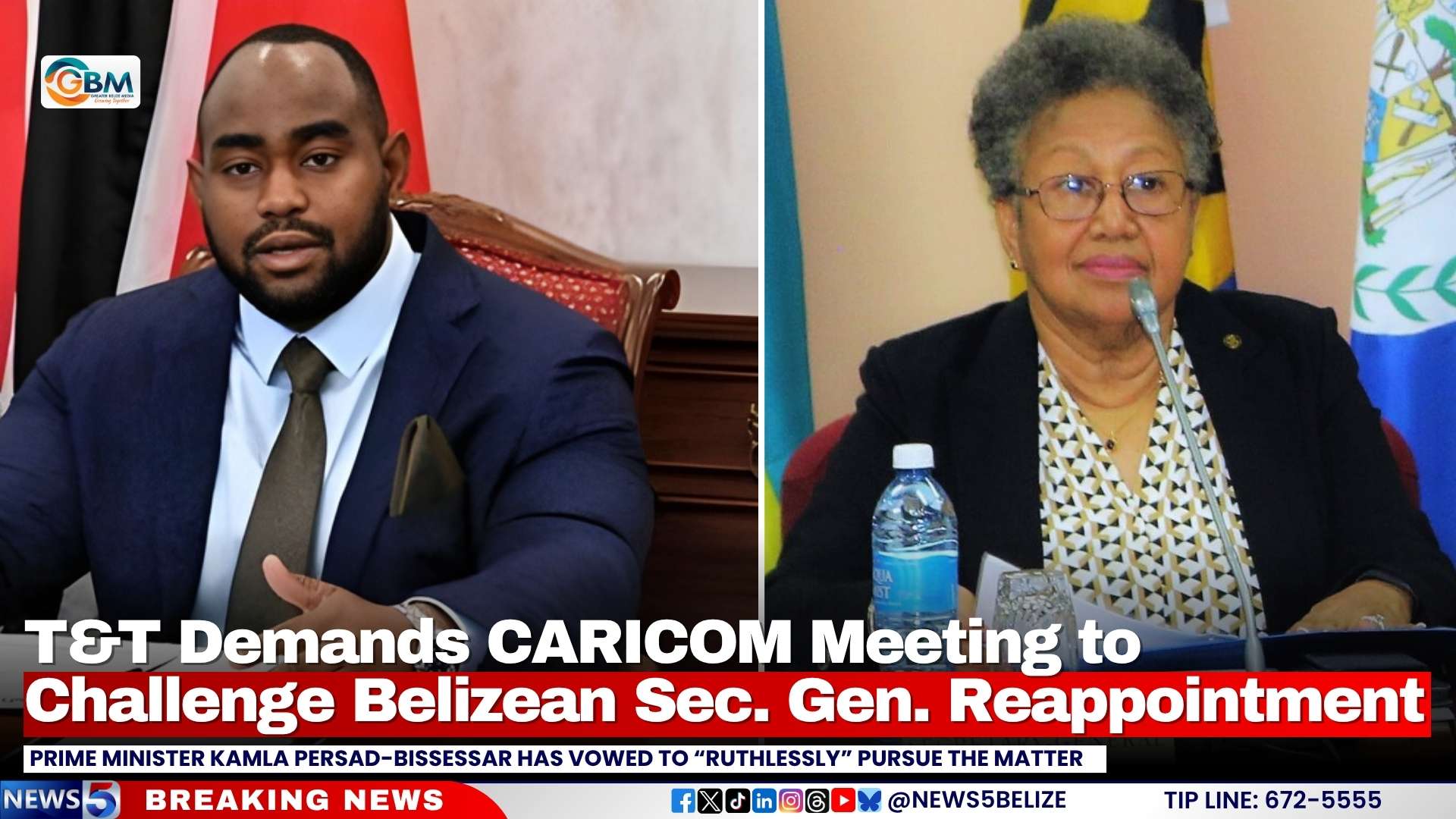
    A major diplomatic rift has emerged within the Caribbean Community (CARICOM) after the government of Trinidad and Tobago formally demanded an emergency special summit of regional heads of government, accusing the bloc’s leadership of intentionally sidelining it from the process to reappoint incumbent Secretary-General Dr. Carla Barnett.

    Dr. Barnett, a native of Belize, has served as CARICOM’s top administrative leader since first taking office in 2021. The controversy erupted after Trinidad and Tobago’s leadership confirmed that it was excluded from key discussions that ended with approval of her second term. Prime Minister Kamla Persad-Bissessar has publicly committed to pushing the matter forward aggressively, leaving no room for the bloc to brush off the procedural concerns.

    Trinidad and Tobago’s Minister of Foreign and CARICOM Affairs, Sean Sobers, has labeled the deliberate exclusion of his country from the decision-making process as an act of extreme disrespect that directly violates the foundational Revised Treaty of Chaguaramas that governs the bloc. Sobers made the revelations in an interview with Trinidad’s Guardian Media, laying out the full scope of his country’s grievances.

    As the largest financial contributor to CARICOM operations, Trinidad and Tobago contributes up to $120 million annually to the bloc’s budget. Despite this significant financial stake, Sobers confirmed that three formal letters sent by the Trinidad and Tobago government to the CARICOM Secretariat raising questions about the reappointment process received no response at all.

    Sobers further claimed that he, alongside designated delegates from The Bahamas and Antigua and Barbuda, were formally disinvited from the leadership retreat held in Nevis where the final approval of Barnett’s reappointment took place. Under the terms of the Revised Treaty of Chaguaramas, heads of government have the explicit right to designate official representatives to cast votes on their behalf for CARICOM leadership decisions. Sobers argued that the Secretariat’s refusal to recognize this treaty provision strips the entire reappointment outcome of any legitimate standing.

    In a key clarification, Sobers emphasized that the dispute is not a personal conflict with Dr. Barnett herself, but a fight to defend the procedural rules that underpin CARICOM’s governing structure. He confirmed that Trinidad and Tobago will submit a formal request for a meeting of CARICOM’s Community Council this week. If the council agrees to put the matter on its agenda, the dispute could be elevated to a full conference of CARICOM heads of government, where regional leaders will ultimately decide whether to uphold the controversial reappointment or order a new, fully inclusive election for the secretary-general post.

  • Hair growth products sold on Amazon are recalled over poisoning risk

    Hair growth products sold on Amazon are recalled over poisoning risk

    A public safety alert has been issued for two popular over-the-counter hair growth products, after regulators identified a critical packaging flaw that puts young children at risk of accidental poisoning. The two items affected by the voluntary recall announced last week are Tuymec’s Minoxidil Hair Growth Spray and TecFlox Hair and Beard Growth Serum. Both products contain the active ingredient minoxidil, a widely used topical treatment for pattern hair loss. Under the U.S. Poison Prevention Packaging Act, all products containing this ingredient are legally required to be packaged in child-resistant containers that are difficult for young children to open. Unfortunately, inspection confirmed that the recalled batches of these two serums failed to meet this mandatory safety standard. In total, approximately 6,200 units of the products are being pulled from distribution channels and retail shelves. The Consumer Safety Commission (CSPC) has issued clear guidance for consumers who may have purchased these affected items. Authorities are urging anyone who currently owns the recalled serums to immediately move the bottles to a location that is completely out of the sight and reach of young children, to eliminate any immediate risk of accidental exposure. The CSPC also notes that consumers are eligible to contact the product distributors to request free replacement containers that meet the required child-resistant safety standards. As of the announcement, no reports of accidental exposure, poisoning, or related injuries linked to these recalled products have been recorded by regulators. Public safety officials continue to encourage consumers to cross-check their personal hair care supplies against the recall list and follow safety guidance promptly to prevent any avoidable incidents.

  • Antigua & Barbuda Youth Symphony Orchestra Hits a High Note with New Musical Equipment

    Antigua & Barbuda Youth Symphony Orchestra Hits a High Note with New Musical Equipment

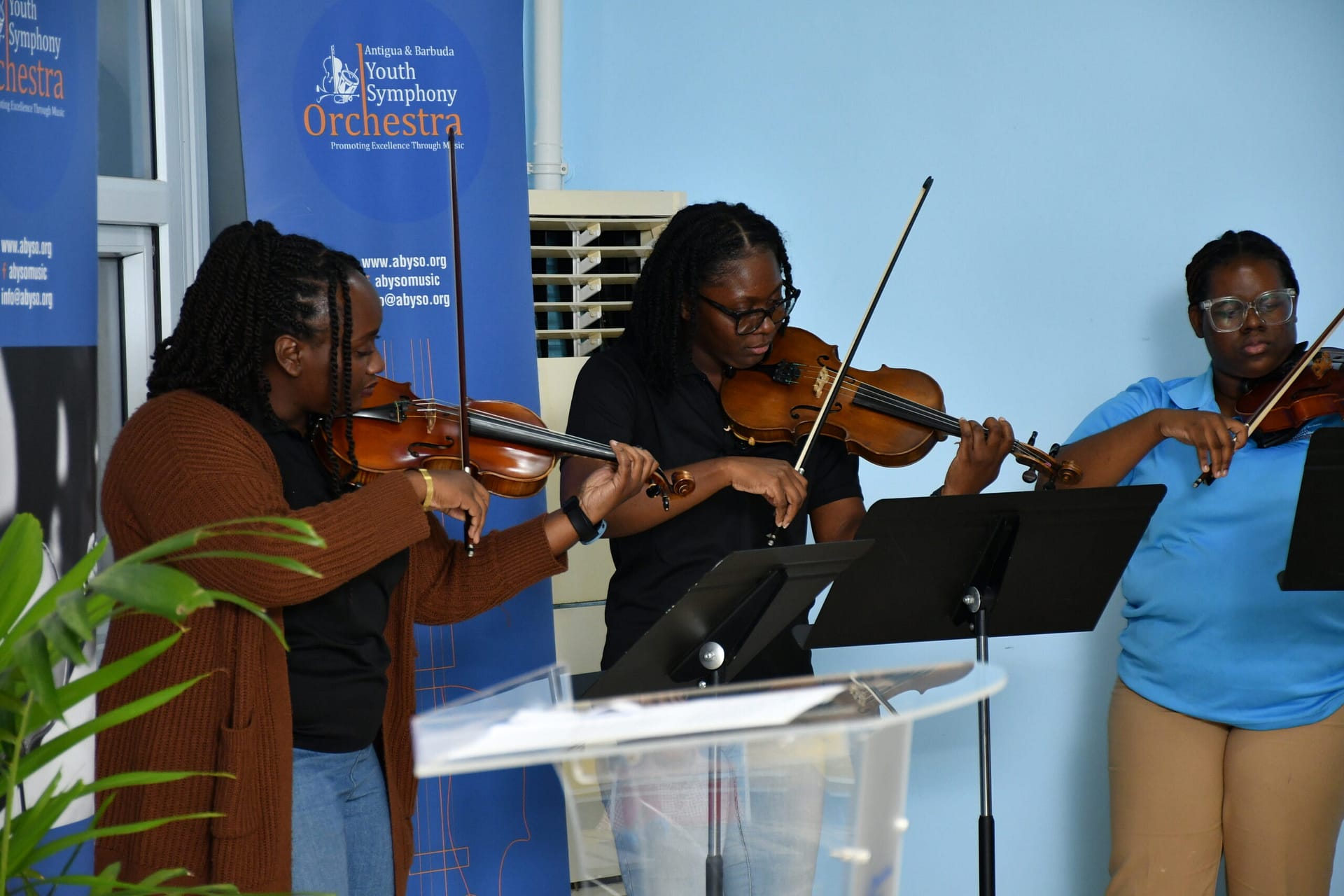
    Young emerging instrumentalists of the Antigua & Barbuda Youth Symphony Orchestra (ABYSO) are preparing to showcase their craft with a fully upgraded percussion section, after the Sandals Foundation’s Caribbean Artisan Programme contributed more than $35,000 Eastern Caribbean dollars in new instruments and supporting equipment to the ensemble.

    As the philanthropic arm of Sandals Resorts, the foundation has built a long-running regional commitment to growing creative opportunities for young Caribbean people, and this donation marks another milestone in that work. Heidi Clarke, Executive Director of the Sandals Foundation, emphasized that investment in youth arts delivers far more than recreational benefits: “We are dedicated to nurturing Caribbean youth through the creative arts. Music acts both as a transformative tool for individual growth and a robust cultural sector that can generate sustainable livelihoods, boost national economies, and amplify the Caribbean’s unique cultural voice on the global stage. Today’s students are tomorrow’s composers, producers, educators and world-class performers who will carry our region’s heritage to audiences across the globe. By investing in initiatives like ABYSO, we help young artists refine their raw talent, build lasting confidence, and envision viable, long-term careers within the creative industries.”

    ABYSO leadership notes that the orchestra’s long-term viability relies entirely on partnerships with mission-aligned corporate donors and community supporters. Beyond directly improving the training experience for current orchestra members, the new equipment will allow the organization to dramatically expand its community outreach work across both Antigua and its sister island Barbuda. With the additional percussion gear in hand, ABYSO will deepen its in-school programming, delivering introductory instrumental classes to students at Pigotts Primary, Potters Primary, and Holy Trinity School in Barbuda. The outreach initiative also creates a clear talent pipeline, giving promising beginning student musicians a clear pathway to advance into ABYSO’s junior and full youth orchestral programs. A dedicated teacher training component is also included in the partnership, designed to build the instructional capacity of local music educators and ensure orchestral music education can grow steadily and sustainably across both islands. Combined, these efforts are expected to widen access to structured music learning while cultivating a steady pipeline of skilled young Caribbean musicians for years to come.

    For McKuelan Morris, ABYSO’s percussion coordinator, the donation could not have come at a better time. “The percussion instruments we received were not only timely but tremendously welcome additions to our section,” Morris explained. “As we work with our young musicians to develop their skills, the repertoire we tackle grows more complex. Having these high-quality instruments available now lets us add much-needed depth to our collective orchestral sound, while giving our percussionists the opportunity to learn multiple percussion instruments at the same time. We are incredibly grateful for this support.”

    This contribution is just one part of the Sandals Foundation’s decades-long regional investment in youth music education across the Caribbean. In The Bahamas, the foundation has supported community initiatives including the Exuma Community Youth Band and the LN Coakley Music Programme, expanding access to structured learning for young musicians in Exuma. In Jamaica, the organization has backed the Skyliner Marching Band, partnered with Sam Sharpe Teachers’ College to deliver specialized brass education workshops, and invested in the island’s legendary Alpha School of Music. Across all these initiatives, the foundation’s core goal remains consistent: to nurture the next generation of Caribbean musical talent and preserve the region’s rich, diverse musical heritage for future audiences.

  • OPINION: Accessibility + Consistency: Freeland’s Recipe for Effective Representation in St. George

    OPINION: Accessibility + Consistency: Freeland’s Recipe for Effective Representation in St. George

    For elected representatives, maintaining meaningful connection with the constituents they serve is far more than a box-ticking exercise — it is the foundation of legitimate, effective governance. In the Toronto riding of St. George, Deputy Prime Minister and Finance Minister Chrystia Freeland has built a reputation for strong representation that centers on two core principles: steady accessibility to local residents and unwavering consistency in delivering on commitments.

    Unlike many high-profile federal politicians who step away from local constituency work once they ascend to senior cabinet roles, Freeland has prioritized staying rooted in her home riding. She holds regular in-person town halls, hosts weekly mobile constituency clinics across St. George’s diverse neighborhoods, and maintains a rapid response protocol for constituent inquiries ranging from immigration paperwork delays to local infrastructure issues. For residents, this consistent accessibility means they do not have to go through layers of staff to reach their representative; they can expect direct engagement, whether at a local grocery store meet-and-greet or a scheduled meeting about a community concern.

    This approach stands in contrast to a common pattern in Canadian politics, where national cabinet duties often push constituency work to the margins, leaving residents feeling disconnected from their elected member of Parliament. Freeland’s model demonstrates that senior cabinet roles do not have to come at the cost of local representation. By embedding accessibility and consistency into her daily work as both a national leader and a local MP, she has built trust across St. George’s diverse population, which includes students from the University of Toronto, long-time immigrant communities, young professionals, and long-term residents.

    Critics may argue that Freeland’s high-profile national role means her local work is mostly performative, but on-the-ground feedback from constituents tells a different story. Local community leaders across partisan lines have acknowledged that she has followed through on commitments ranging from securing federal funding for local affordable housing projects to advocating for campus safety improvements and supporting small businesses recovering from pandemic shutdowns. These results stem directly from her consistent approach of showing up, listening, and following through.

    The model Freeland has built in St. George offers a useful blueprint for elected officials at all levels of government. At a time when public trust in political institutions is declining across much of the Western world, simple, consistent practices — prioritizing access to constituents and keeping promises at the local level — can go a long way toward rebuilding that trust. For Freeland, the recipe has been clear: effective representation does not rely on flashy publicity stunts or occasional photo ops. It relies on showing up consistently, listening to the people you represent, and delivering on the commitments you make. In St. George, that recipe has proven to be a winning one for both Freeland and the community she serves.

  • The King’s Foundation and ABCAS announce selected participants for UK Building Craft Programme

    The King’s Foundation and ABCAS announce selected participants for UK Building Craft Programme

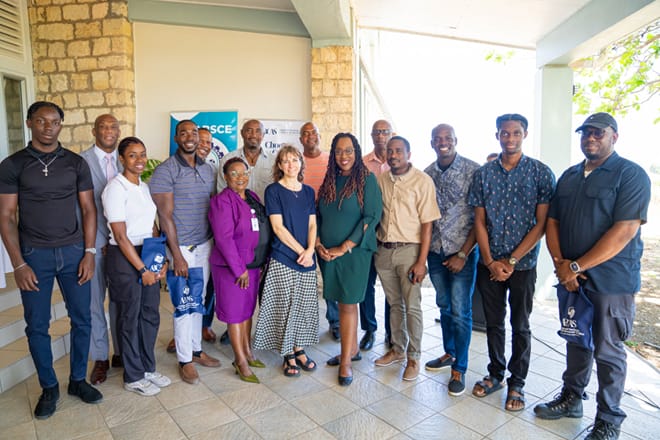
    A landmark skills development initiative focused on heritage conservation and climate-resilient construction has officially kicked off in Antigua and Barbuda, with eight local participants selected to take part in the 2026 Building Craft Programme. The collaborative effort, led by The King’s Foundation—King Charles III’s charity dedicated to nature and sustainability—in partnership with the Antigua and Barbuda College of Advanced Studies (ABCAS) and the country’s Ministry of Foreign Affairs, marked its launch with an opening ceremony on April 8, 2026 at ABCAS’s Muriel O’Mard Campus. The event brought together key stakeholders from all partnering organizations, alongside the newly selected cohort of trainees, to kick off the innovative training initiative.

    After a rigorous competitive application and screening process that included final interviews, the eight chosen participants—Kyla Weaver, Glennoy Goodwin, Shannoy Spencer, Jesse Gilpin, Devon Thomas, Johnathan Joseph, Edmund Map, and Akeem Javin James—represent a diverse cross-section of Antigua and Barbuda’s construction and design industry. The entire training opportunity is fully funded by The King’s Foundation and its partner donors, including The King Charles III Charitable Fund, Kestrel Liner Agencies Ltd, and the Mill Reef Fund, removing financial barriers for emerging and established industry professionals looking to advance their skills. Two experienced ABCAS staff members will accompany the group for the UK-based portion of the programme: Jace Gore, Head of the Department of Industrial Technology, and Garry Southwell, CVQ Implementation Officer, who will offer ongoing academic and technical guidance throughout the training period.

    The cohort brings together a wide range of professional backgrounds, including practicing architects, civil engineers, skilled trade workers, one former ABCAS graduate, and one currently enrolled ABCAS student. This mix creates a dynamic group united by shared passion and commitment to advancing two critical priorities for Antigua and Barbuda: heritage preservation and climate-resilient building practices. Since the programme’s opening, participants have begun a week-long on-site orientation in Antigua, led by ABCAS with logistical and content support from The King’s Foundation. The orientation combines in-class foundational learning with hands-on field exposure to prepare trainees for the intensive training ahead. On April 12, the group will depart Antigua for the four-week UK-based portion of the programme, which will be hosted at The King’s Foundation dedicated training sites, starting at the charity’s headquarters at Dumfries House in Ayrshire, Scotland, with additional training taking place at Highgrove Gardens in Gloucestershire, England.

    During their time in the UK, participants will gain immersive, hands-on experience in a range of high-value traditional building crafts and modern sustainable techniques. Key skill areas include precision carpentry, traditional masonry, lime-based building methods, heritage structure restoration, and contemporary climate-resilient construction practices. After completing the UK training segment, participants will return to Antigua and Barbuda to put their newly learned skills into practice during a local community-focused live construction project, allowing them to apply their knowledge directly to a real-world development need in their home country.

    In remarks at the opening ceremony, Dr. Na-Ajele Buffonge, Vice President of ABCAS, emphasized the long-term value of cross-sector partnerships for skills development in the region. “At ABCAS, we remain committed to developing talent through meaningful partnerships,” Buffonge said. “This programme provides participants with internationally recognised skills while supporting sustainable and heritage-focused development in Antigua and Barbuda.” Dr. Simon Sadinsky, Executive Director of Research, Impact and Learning at The King’s Foundation, echoed that enthusiasm, noting “We are delighted to welcome these talented individuals to The King’s Foundation training sites, including Dumfries House in Ayrshire, Scotland, and Highgrove Gardens in Gloucestershire, England, to enhance their skills in heritage building crafts and climate-resilient construction.”

    A follow-up cocktail reception for stakeholders and participants was held on April 9 at Galley Bay Resort and Spa, creating space for continued dialogue and relationship-building as the programme moves forward. Overall, the 2026 Building Craft Programme marks a major milestone for Antigua and Barbuda’s efforts to build national capacity in heritage conservation and sustainable construction, aligning directly with the country’s core national development priorities while empowering local professionals with globally competitive, industry-leading skills.

  • CCJ receives first-ever national court referral, sets hearing for May 2026

    CCJ receives first-ever national court referral, sets hearing for May 2026

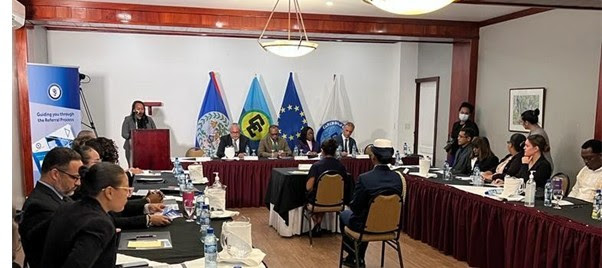
    Nearly two decades after the Caribbean Court of Justice (CCJ) formalized its role as the regional guardian of the Revised Treaty of Chaguaramas (RTC), the institution has marked a historic milestone for Caribbean regional integration. On April 7, 2026, justices of the CCJ convened the first case management conference for a referral submitted by a national court across the entire Caribbean Community (CARICOM), a request that originated from Belize’s High Court.

    The referral was formally filed with the CCJ on March 3 this year, stemming from the domestic legal dispute *G. Anwar Barrow and others v Financial Services Commission and the Attorney General of Belize*. According to an official statement released by the CCJ, the core legal questions being forwarded to the regional court center on two key issues: the proper interpretation of specific statutory clauses in Belize’s national Companies Act, and how those domestic provisions align and interact with existing bans on anti-competitive business activity outlined in the RTC.

    Under the framework of the RTC, the CCJ holds compulsory, exclusive original jurisdiction over all disputes tied to the interpretation and application of the regional trade and integration treaty. When questions about the treaty’s rules emerge during proceedings in domestic courts or administrative tribunals across CARICOM member states, the treaty requires these national bodies to refer the interpretive question to the CCJ for a binding, definitive ruling. Once the CCJ issues its judgment on the question, the case is returned to the original referring body, which applies the court’s interpretation to the specific facts of the dispute before issuing its final ruling.

    Prior to 2026, no domestic court across CARICOM had ever utilized this formal referral mechanism, a gap that prompted the CCJ to launch a targeted regional public education and outreach campaign. The initiative, which was funded by the European Development Fund, was designed to build familiarity and confidence with the referral process among judicial officers, practicing attorneys, and private sector stakeholders across the bloc.

    The program launched its first training and sensitization workshops in Belize back in 2022, in partnership with the CCJ Academy for Law and Belize’s national judiciary. Over the following four years, the outreach effort expanded to include in-person and virtual sessions in seven additional CARICOM members: Barbados, Guyana, Jamaica, Saint Lucia, Suriname, and Trinidad and Tobago. Alongside training for legal professionals, the CCJ also held parallel engagement sessions with regional business communities to clarify the rights and obligations set out in the CARICOM Single Market and Economy (CSME), the bloc’s flagship economic integration project.

    During the April 7 case management conference, CCJ justices issued a full set of procedural directions to set a clear timeline and framework for the proceedings moving forward. Per the official release, the substantive hearing on the referred question has been scheduled for 11:00 a.m. Atlantic Standard Time on Tuesday, May 19, 2026, and will be conducted entirely via video conference to allow all stakeholders to participate safely and conveniently.

  • Venezuela police clash with protesters demanding salary rises

    Venezuela police clash with protesters demanding salary rises

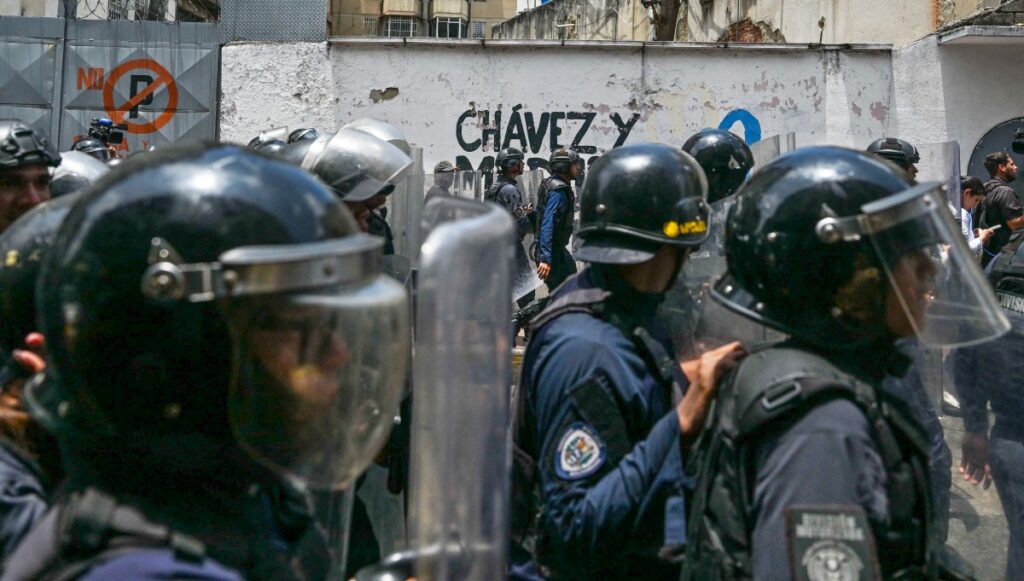
    CARACAS, VENEZUELA – Thousands of Venezuelan demonstrators marching to the Miraflores Presidential Palace to demand urgent salary and pension hikes were dispersed with tear gas by riot police on Thursday, according to on-the-ground reporting from Agence France-Presse correspondents. The demonstration, the largest show of public dissent in the country since August 2024, marks a clear shift in the national mood: the pervasive climate of fear that gripped Venezuelan society during ousted former president Nicolas Maduro’s regime is steadily receding, allowing long-simmering frustrations over economic hardship to boil over into open protest.

    As protesters advanced through downtown Caracas, crowds chanted “Yes, we can!” to amplify their demands for living wages, calling for increases to base pay that has remained stagnant since 2022 and left millions struggling to cover basic needs. When demonstrators drew within just a few blocks of the presidential compound, dozens of helmeted, shield-bearing riot police deployed tear gas to halt their advance. The resulting melee left one protester with a deep arm gash after being struck by a stray rock, AFP confirmed.

    The confrontation lays bare mounting public anger at acting President Delcy Rodriguez, who replaced hardline socialist Maduro following his capture by U.S. forces in a January 3 raid. Rodriguez, who was endorsed by former U.S. President Donald Trump to take power in exchange for granting Washington access to Venezuela’s vast oil reserves, has faced growing criticism for failing to address the country’s devastating cost-of-living crisis. On Wednesday, the interim leader appeared on national television to announce a scheduled wage increase would go into effect May 1, but offered no details on the size of the hike – a move that left many Venezuelans furious.

    Venezuela’s current monthly minimum wage stands at just 130 bolivars, equal to roughly $0.27 USD. By comparison, the United Nations’ daily poverty threshold of $3 USD works out to a monthly minimum of $90, meaning Venezuela’s base wage is more than 330 times lower than the global poverty line. Unions and workers across the country have long decried the current pay as “starvation wages”, a label echoed by demonstrators on Thursday.

    Jesus Godoy, a retired public servant with more than two decades of state service, showed AFP reporters two 100-bolivar notes in his pocket – totaling just 40 U.S. cents. “I don’t even have enough for a packet of flour,” he said, echoing a widespread sentiment of resentment toward the country’s ruling class. “Government officials drive around in huge SUVs with full time bodyguards, while ordinary Venezuelans are left to suffer.”

    While some public sector workers can earn up to $150 USD per month when including government-issued bonuses, that sum is still a fraction of the $645 USD that independent economic estimates calculate a Venezuelan family needs to cover basic food costs alone, amid annual inflation that has surged past 600%. Protesters are clear in their demands: they want increases to the stagnant baseline salary, not just one-off adjustments to bonuses that have been raised repeatedly while base pay remains frozen.

    “We are demanding a living wage now, because what Delcy Rodriguez said last night is a joke,” said 65-year-old retiree Mariela Diaz, summing up the crowd’s frustration.

    Rodriguez has defended her approach, framing a gradual, “responsible” wage increase as necessary to avoid triggering a further spike in already sky-high inflation. Since taking office in January, the former vice president has rolled out a series of major economic reforms and issued an amnesty for political prisoners, moves made under pressure from Washington to roll back Maduro-era repression. But as Venezuelans continue to struggle to afford daily essentials like food and medicine, public patience is wearing thin.

    On Thursday, as the protest unfolded in Caracas, Rodriguez was abroad in Grenada – a small Caribbean nation northeast of Venezuela – for her first international trip as head of state, according to broadcast footage from Venezuelan state television.
    Thursday’s demonstration marks a turning point for dissent in Venezuela. For two years, following harsh successive crackdowns on opposition voices under Maduro, most Venezuelans avoided open protest. The 2024 August demonstrations, which erupted after Maduro’s disputed claim of victory in that year’s presidential election, were brutally put down by security forces. Thursday’s gathering of 2,000 demonstrators signals a growing willingness among Venezuelans to openly push for change, even after years of repression.

  • Jamaican teen receives remote kidney transplant in US hospital first

    Jamaican teen receives remote kidney transplant in US hospital first

    For 12 years, Arianna Crockett navigated the challenges of chronic kidney disease, but a groundbreaking medical procedure at Florida’s Joe DiMaggio Children’s Hospital has given the 18-year-old a new lease on life. In what marks a first for the pediatric hospital, Crockett — a U.S.-born teen raised in Jamaica who was battling end-stage (Stage 5) kidney failure — successfully received a kidney from a remotely located living donor this past Wednesday.

    The path to transplant began long before the historic procedure. Crockett first received her kidney disease diagnosis at age 6. After growing up and attending school through ninth grade at Jamaica’s Victory Academy, she moved to South Florida three years ago to complete high school, as her health gradually declined. In January of this year, her kidneys completely failed, forcing her onto a rigid schedule of dialysis three times each week to stay alive.

    Last year, her desperate search for a donor made headlines both in Jamaica and the U.S. Her mother, Tracy Evans, publicly pleaded for a compatible living donor to step forward, saying at the time, “We remain strong and trust God that there is a kidney for her.” That prayer was answered by Sara Goodall, a 40-year-old mother and the wife of Crockett’s cousin, who agreed to donate one of her kidneys despite living across the country from the teen.

    On the morning of the transplant, surgeons removed Goodall’s kidney at her local hospital hundreds of miles from South Florida. The organ was then flown by air to Crockett’s South Florida location, where surgical teams at Joe DiMaggio Children’s Hospital were waiting to implant it into the teen Wednesday evening. This cross-country remote donor process marks the first time such a procedure has ever been completed at the hospital, setting a new precedent for future pediatric transplant cases.

    In interviews leading up to the surgery, both recipient and donor described the same mix of emotions, calling themselves “nervous-cited” — a blend of anxious nerves and excited anticipation. Just hours before her transplant, during her final dialysis session, Crockett reflected on how surreal the moment felt after years of waiting. “It’s very surreal, and nerve-wracking. So I’m nervous-cited, nervous and excited,” she told local outlet the South Florida Sun-Sentinel.

    For Goodall, the decision to donate came down to giving the teen the second chance she had worked so hard for. She shared that she has long admired Crockett’s persistent positive outlook on life despite her years of health struggles, and jumped at the chance to give her the opportunity to live a life free of constant dialysis. The successful procedure not only changes Crockett’s future, but also opens new doors for organ transplant access for patients waiting for life-saving matches across the country.