博客

  • Peace activist calls for more safe spaces for youths, open dialogue

    Peace activist calls for more safe spaces for youths, open dialogue

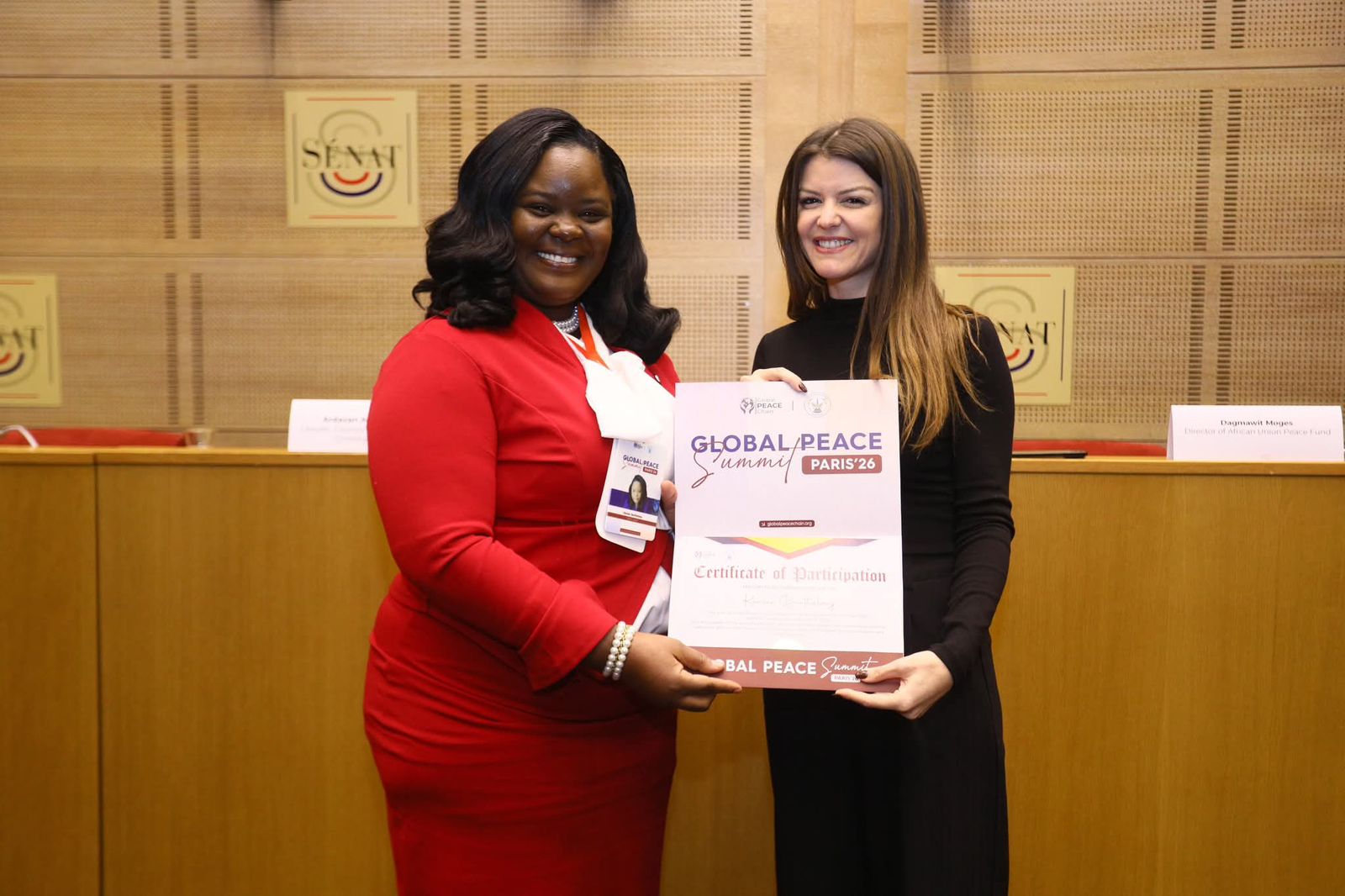
    Following a life-changing participation in the Paris Global Peace Summit, Saint Lucian peace advocate Kenier Barthelmy-Williams is championing a new, youth-first proactive strategy for peacebuilding in her home country, reshaping local approaches to conflict prevention and community empowerment.

    Barthelmy-Williams, who serves as a peace ambassador, says the international summit fundamentally shifted her understanding of what peacebuilding truly entails. Moving beyond the traditional reactive model that only intervenes after violence breaks out, she emphasizes that sustainable peace requires intentional, upstream work that addresses vulnerabilities before they escalate into conflict. “Peacebuilding is not only about bringing an end to violence or responding to conflict after it happens, but it is also about creating opportunities and environments that prevent young people from becoming vulnerable,” she explained.

    A key takeaway from the summit was the deep interconnectedness between global sustainable development and long-term peace. She says she left the gathering inspired by how nations around the world integrate United Nations Sustainable Development Goals into local peacebuilding work to cultivate more stable, inclusive communities.

    Guided by these new insights, Barthelmy-Williams has set a core goal to build formal, sustained support structures for young Saint Lucians. At the heart of her vision is the creation of intentional safe spaces that foster open dialogue, connect young people with trusted mentors, build critical leadership capacities, and encourage participation in positive, community-focused activities. This vision ultimately led her to found the Pathways to Peace Network, an initiative born from her years of on-the-ground work with Saint Lucian youth and her growing recognition of the unmet demand for accessible emotional and psychological support for the island’s young population.

    “Peace is the foundation of a successful life,” Barthelmy-Williams said. “We cannot truly empower young people if they do not first have peace within themselves.”

    The Pathways to Peace Network is designed to fill this gap by establishing community-centered safe spaces where young people can process trauma, feel their experiences validated, build self-confidence, and develop the leadership skills that will drive positive change for both their own lives and their neighborhoods. Meaningful, inclusive dialogue stands as a cornerstone of the network’s mission, something Barthelmy-Williams calls irreplaceable for rebuilding frayed trust in communities strained by division and conflict.

    She stresses that constructive dialogue extends far beyond rigid, formal public meetings. It requires active listening, empathetic understanding, and non-judgmental respect for all perspectives, whether that conversation happens in a structured group setting or in an informal one-on-one interaction that makes young people feel safe enough to share their authentic experiences.

    “Dialogue requires consistency, empathy, and genuine care,” she noted. “When young people feel understood, valued, and respected, they become more willing to share openly and reconnect with others.”

    Dialogue alone is not enough, Barthelmy-Williams adds: these conversations must translate into tangible action, clear accountability, and sustained support for young people. Even so, she believes large-scale community trust building starts small, with one honest, respectful interaction at a time.

    Turning to the most pressing challenges facing Saint Lucia’s youth today, Barthelmy-Williams identifies endemic crime and violence, harmful peer pressure, widespread unaddressed mental health struggles, and substance abuse as the most critical barriers to youth well-being and community peace. To effectively tackle these issues, she argues, interventions must target root causes rather than just reacting to visible symptoms.

    “To effectively address these issues, we must first get to the root of the problem,” she said.

    Through the Pathways to Peace Network, Barthelmy-Williams has rolled out a suite of practical, targeted programs to directly tackle these challenges. Current initiatives include one-on-one mentorship matching, interactive leadership development workshops, community peacebuilding education sessions, neighborhood-wide outreach campaigns, and a school-based Peace Ambassadors Program that empowers young people to lead peacebuilding work within their own campuses.
  • Antigua to Screen 10,000 Students Under Expanded Eye Care Programme

    Antigua to Screen 10,000 Students Under Expanded Eye Care Programme

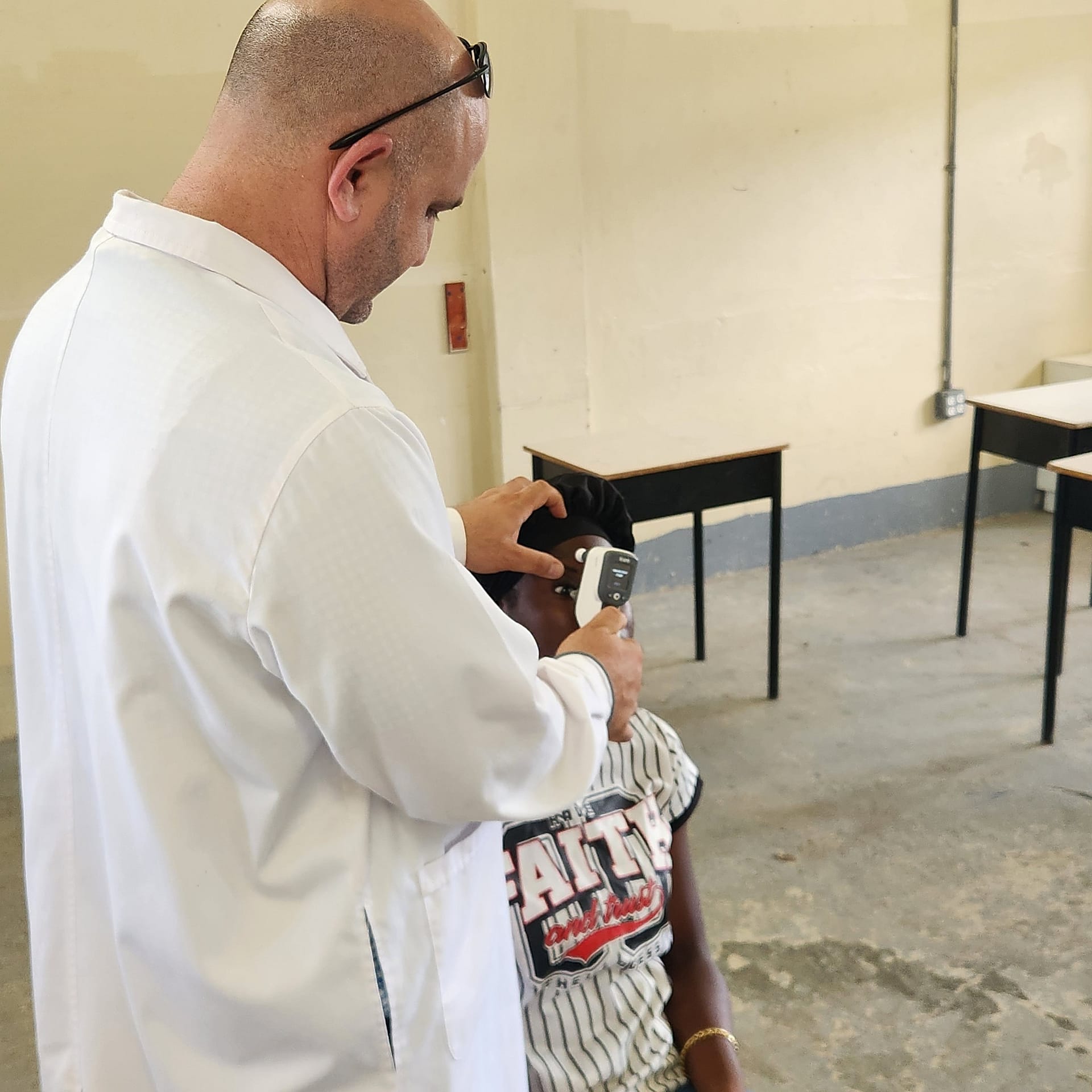
    Antigua and Barbuda is rolling out a major expansion of its national eye care initiative this year, bringing accessible vision services to thousands of residents across the country. The multi-faceted program combines free surgical interventions for adults and widespread vision screenings for school-aged students, addressing unmet eye health needs through a network of regional and international collaborations.

    Details of the scaled-up effort were shared publicly by Director General of Communications Maurice Merchant during an official post-Cabinet media briefing held on Thursday. Merchant told reporters that Cabinet recently received a detailed update from Health Minister Michael Joseph, who outlined how new and existing partnerships with regional health institutions and global non-profits are enabling the expansion of local ophthalmological services.

    At the heart of the surgical component of the program is a long-standing collaborative partnership between Antigua and Barbuda’s Sir Lester Bird Medical Centre, the local Medical Benefits Scheme, and the Trinidad Eye Hospital. Merchant confirmed that a team of specialized ophthalmic doctors from the Trinidad-based institution is already on the ground in Antigua and Barbuda, performing procedures and delivering a range of essential eye care services to local patients. This year’s medical mission is projected to complete more than 400 free eye surgeries for people living with a wide array of vision-impairing conditions, many of whom would otherwise face barriers to accessing costly specialized care.

    In a new addition to the national program, organizers have added a nationwide school-based vision screening campaign designed to catch undiagnosed vision problems in young people at the earliest possible stage. In total, 10,000 students across Antigua will receive comprehensive eye exams: 6,000 enrolled in primary schools and an additional 4,000 attending secondary schools. Early detection of visual impairments is a critical public health goal, as untreated vision issues often create barriers to learning and can hold back academic progress. The screening initiative aims to connect students who need care with prompt treatment and corrective support, ultimately boosting long-term educational outcomes for young people across the nation.

    Complementing the surgical and screening components of the program is a donation of free corrective eyewear arranged through the Prime Minister’s Vision Initiative, another collaborative effort with international non-governmental organizations focused on global eye health, including Restoring Vision and Vision Spring. Merchant announced that the first shipment of donated eyeglasses is scheduled to arrive in the country between the end of this week and the beginning of next, ensuring that patients and students who need corrective lenses will have access to them at no cost.

  • Belize Prepares to Lead Regional Finance Body Later This Year

    Belize Prepares to Lead Regional Finance Body Later This Year

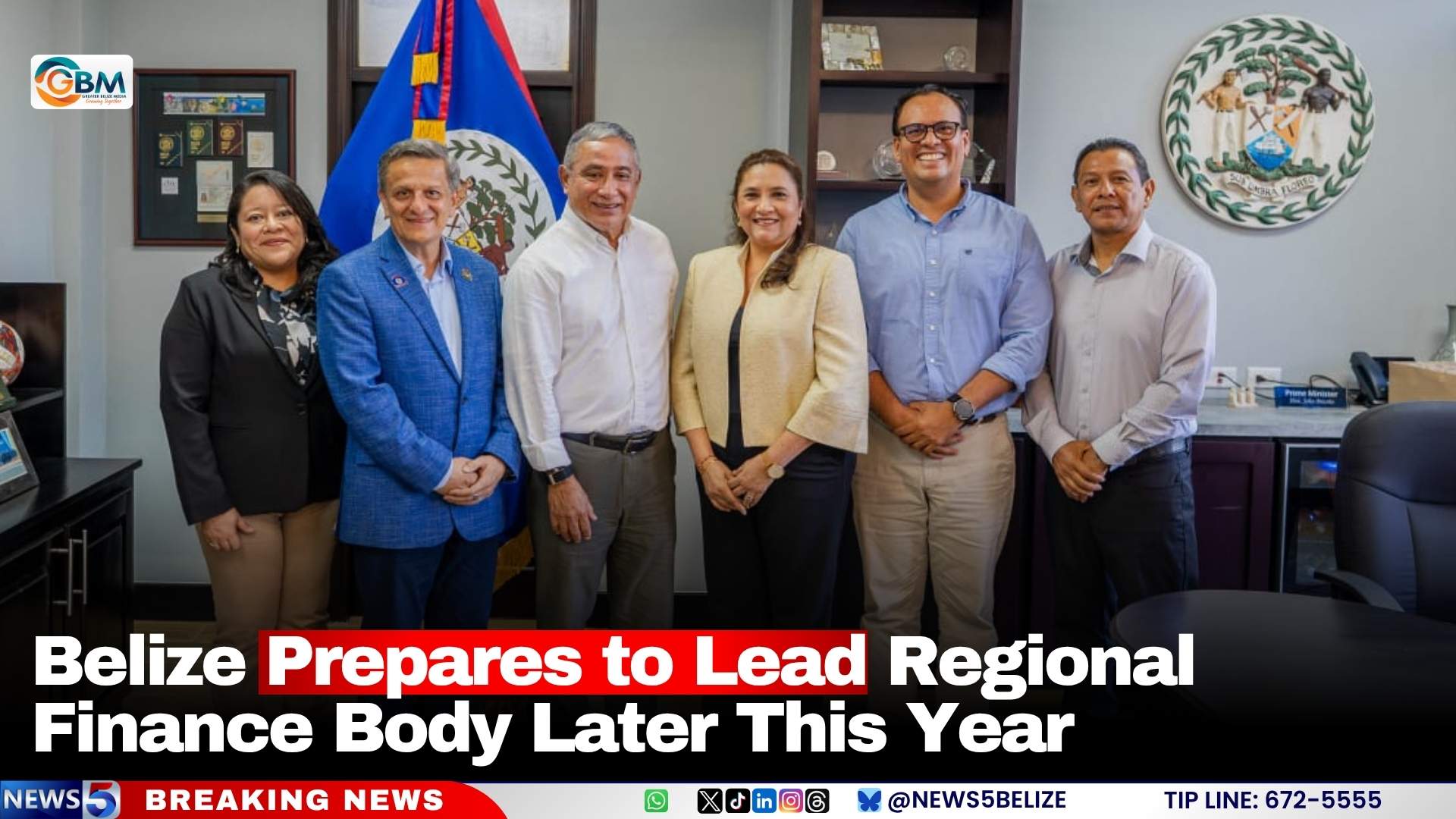
    As Central America and the Caribbean brace for increasing climate-driven extreme weather events, Belize is gearing up to take the helm of one of the region’s most critical financial cooperation bodies later this year. Ahead of its assumption of the Pro Tempore Presidency of the Council of Ministers of Finance of Central America, Panama and the Dominican Republic (COSEFIN) this July, a high-level COSEFIN delegation recently wrapped up a four-day working visit to Belize to support the country’s transition into the leadership role. The visit, held from May 19 to 22, focused on aligning priorities and laying the groundwork for Belize’s term at the head of the regional organization. During their stay, the delegation held formal meetings with top Belizean leadership, including Prime Minister John Briceño, Minister of State Dr. Osmond Martinez, and Chief Executive Officer Carlos Pol of the Ministry of Economic Transformation. The talks centered on a set of pressing priorities for the region, starting with the Regional Strategy for Disaster Risk Financial Management. This framework was developed to equip member states with the tools and coordinated systems needed to mitigate and respond to the massive economic fallout of natural disasters including hurricanes, flash floods, and other climate shocks that disproportionately impact small Central American and Caribbean nations. Beyond disaster risk planning, discussions also explored actionable pathways to strengthen public financial management across the bloc and enhance cross-border coordination between member states, addressing longstanding gaps in regional economic cooperation. For Belize, this upcoming presidency marks an unprecedented milestone. The country only joined COSEFIN in recent years, where the rotating leadership position passes between all member states on a scheduled basis. The transition to Belizean leadership comes as the region faces growing economic and climate pressures, making coordinated financial action more urgent than ever. As Belize finalizes its preparations, the presidency will offer the small nation an opportunity to shape regional financial policy and amplify its voice on issues that impact Central American and Caribbean development.

  • Minister Blackman’s message for Teachers’ Professional Day

    Minister Blackman’s message for Teachers’ Professional Day

    On the annual observance of Teachers’ Professional Day in Barbados, Minister of Educational Transformation Chad Blackman has delivered a heartfelt address honoring the island nation’s entire educator workforce, framing teachers as foundational pillars of the country’s long-term national development and ambitious transformation agenda.

    Blackman emphasized that educators’ role extends far beyond delivering subject content to students. Rather than just classroom instructors, he described them as architects of future opportunity, cultivators of shared national purpose, and quiet nation-builders whose daily work shapes the trajectory of all Barbadians for generations to come. At this critical juncture in Barbados’ history, education has been placed at the very heart of the government’s national transformation strategy, with modern classrooms nurturing the next generation of leaders, innovators, entrepreneurs, creators, and engaged global citizens who will steer the country forward. Given this stakes, Blackman argued, the work of teaching is far from ordinary — it is a sacred, transformative calling.

    The minister reaffirmed the government’s bold, time-bound target: to build the best education system in the world across the next six years. He stressed that this is not a vague policy aspiration, but a binding national mission that cannot be achieved without the active buy-in of courageous, reflective, innovative, and deeply committed educators who are willing to reimagine what teaching and learning can look like for 21st-century Barbadian students. Today, Barbados needs skilled, dedicated teachers more than at any point in its history: Blackman outlined that modern educators must spark curiosity in a generation flooded with unlimited information but still searching for practical wisdom, nurture core strengths including resilience, compassion, creativity, strong character, and critical thinking, and prepare students to compete confidently on the global economic and social stage while keeping them rooted in Barbadian identity, excellence, and core national values.

    Gone are the days when education focused solely on preparing students for standardized examinations, Blackman noted. Modern education’s core purpose is to equip young people for life, leadership, innovation, and community service in a rapidly shifting global landscape. To help teachers continue delivering excellent, student-centered instruction, the government has prioritized their well-being by delivering a long-awaited benefit: the reinstatement of the Long Leave program for educators, which was suspended 12 years ago. Effective April 1, 2026, teachers will become eligible for this paid extended leave after their first 15 years of service, and every five years following that initial eligibility. The program is enshrined and protected by the current administration, serving as tangible recognition of the enormous investment and personal sacrifice educators make to advance Barbados’ national development.

    Blackman encouraged teachers to continue growing as reflective practitioners, regularly asking three critical questions to improve their practice: How can I reach the child who feels overlooked or unseen? How can I make learning more meaningful and engaging for every learner? How can I ignite a sense of purpose and possibility in every student placed in my care?

    Meaningful education transformation requires courage, the minister argued: courage to embrace new pedagogical approaches, challenge outdated systems, adapt to emerging technologies and modern teaching methods, and hold firm to the belief that every child, regardless of their background or life circumstance, carries inherent potential. The progressive, equitable Barbados that the administration envisions will be built within the country’s classrooms, through collaboration, a commitment to excellence, shared accountability, empathy, and bold educational leadership. It will be brought to life by educators who understand that their work shapes not just individual students, but the entire future trajectory of the nation.

    Blackman closed by reaffirming the government’s unwavering commitment to three core priorities: supporting educators through improved benefits and working conditions, modernizing the national education system, and ensuring teaching remains one of the most respected and valued professions across Barbados. He called for collective action to build a new education system that is globally respected, technologically advanced, student-centered, rooted in clear national values, and ready for the challenges of the future. Together, Blackman said, the nation can raise a generation of confident global citizens equipped not just to navigate an evolving world, but to transform it for the better.

    “To every teacher who sacrifices quietly, encourages tirelessly and serves faithfully – thank you. Your impact extends far beyond what you may ever see. Happy Teachers’ Professional Day, Barbados,” he said.

  • ICJ Rules Workers Have the Right to Strike Under Landmark Labour Treaty

    ICJ Rules Workers Have the Right to Strike Under Landmark Labour Treaty

    In a historic decision that closes a 14-year impasse in global labor governance, the International Court of Justice (ICJ) has formally confirmed that the right to strike is legally protected under the International Labour Organization’s (ILO) landmark 1948 Convention No. 87, the Freedom of Association and Protection of the Right to Organize. The ruling marks a watershed victory for labor movements across the globe, resolving a bitter dispute that has frozen progress on global labor standards since 2012.

    Announcing the court’s finding on May 21, 2026, ICJ President Yuji Iwasawa stated the bench unanimously agreed that workers and their representative organizations hold a protected right to strike under the terms of the convention. Judges also clarified that the advisory opinion, while not legally enforceable, does not set out additional operational rules governing strike action, limiting its scope to the core interpretive question. The ILO Governing Body will next review the ruling and plan follow-up actions during its 358th scheduled session this coming November.

    The legal dispute originated more than a decade ago, when employer representatives to the ILO rejected the long-held understanding that the right to strike is an inherent corollary of the right to collective bargaining. From 2012 onward, these groups systematically blocked findings from the ILO’s independent supervisory bodies on the issue, creating a deadlock that persisted for 11 years. In 2023, the impasse reached a breaking point, and the ILO took the unprecedented step of referring the question of treaty interpretation to the ICJ for an advisory opinion. This referral marked only the second time in the ILO’s century-long history that the body had sought advisory input from the ICJ, and the first time the court—founded in 1945 alongside the United Nations—has addressed a question of international labor convention interpretation.

    The high stakes of the case cannot be overstated: Convention No. 87 counts 158 member states as formal parties, making it one of the most widely ratified core labor standards in the world. It is classified as one of the ILO’s 11 fundamental instruments, meaning all ILO member states are required to uphold and promote its core principles regardless of whether they have completed formal ratification.

    Harold Koh, who represented the International Trade Union Confederation (ITUC) during public hearings held in October 2025, emphasized that the ruling extended far beyond abstract legal debate. Speaking to the court during proceedings, Koh noted the outcome would shape the daily working rights of tens of millions of workers across every region of the world. He warned that a ruling against the right to strike would have created a roadmap for employer groups and friendly governments to roll back labor protections country by country, targeting nations with weaker judicial independence, underdeveloped civil society, and restricted press freedom.

    While the ICJ’s opinion carries no binding legal weight, labor analysts widely agree it holds substantial persuasive authority both within the ILO governance framework and across national legal systems. Experts predict the ruling will drive progressive reforms to domestic labor laws and industrial relations frameworks in dozens of jurisdictions in the coming years, strengthening collective bargaining power for workers globally.

  • FCCA and Discover Dominica launch 2026 student competition focused on sustainable tourism

    FCCA and Discover Dominica launch 2026 student competition focused on sustainable tourism

    A new creative educational initiative focused on sustainable tourism and ocean conservation is now open to students across Dominica, launched in a collaborative effort between the Florida Caribbean Cruise Association (FCCA) Foundation and the Discover Dominica Authority.

    Now in its annual iteration, the dual-format 2026 FCCA Foundation Children’s Essay and Poster Competition is designed to engage young people in conversations about environmental stewardship and the future of cruise tourism, while providing a platform to showcase their creative, research and critical thinking capabilities. Unlike standard classroom assignments, the competition invites students to connect their local knowledge to global sustainability goals, bridging youth engagement and the Caribbean region’s vital tourism economy.

    This year’s competition splits creative expression across two distinct tracks with targeted themes. For essay participants, the prompt asks: “What are a few unique things a cruise passenger can enjoy only when visiting my destination?” Through this question, organizers encourage students to highlight Dominica’s one-of-a-kind natural attractions, cultural experiences and hidden gems, while also reflecting on how sustainable practices are essential to preserving these assets for future generations of both visitors and locals.

    The parallel poster competition carries a different focus, centered on the theme “Ocean Protection Starts with Us.” This track invites young artists to translate their understanding of marine conservation into visual storytelling, emphasizing the critical role that individual and community action plays in protecting Caribbean coastal and ocean ecosystems that underpin the island’s cruise tourism industry.

    To ensure fair judging across age groups, both competitions are segmented into two divisions: the Junior Division, open to students aged 12 and under, and the Senior Division, for participants aged 13 to 16. The prize structure rewards both individual achievement and school-wide impact, with identical rewards across both age categories. First-place individual winners take home a new laptop, while their respective schools receive a $3,000 grant. Second-place winners earn a touchscreen device, paired with a $1,500 award for their school, and third-place winners receive a touchscreen device and a $1,000 grant for their institution.

    All essay submissions are required to be 500 words in English, aligned to the competition theme, and submitted through participants’ schools. Hard copy entries must be delivered to the Discover Dominica Authority offices, located on the ground and first floors of Marpin House, 5–7 Great Marlborough Street in Roseau, by the submission deadline of Friday, October 23, 2026. Results will be notified to winners and their schools via the Discover Dominica Authority by Friday, December 4, 2026.

    A joint press release from the two organizing bodies notes that the competition is part of the FCCA Foundation’s longstanding commitment to supporting educational and environmental initiatives across the Caribbean. Beyond engaging youth, the program works to strengthen collaborative ties between regional tourism destinations and the global cruise sector, aligning industry growth with conservation and community development goals.

    Students, educators and parents seeking additional details, including full competition guidelines, can reach the Discover Dominica Authority by phone at 255-8221 or via email at [email protected].

  • New Ebola Vaccine Could Take Months as Death Toll Continues to Rise

    New Ebola Vaccine Could Take Months as Death Toll Continues to Rise

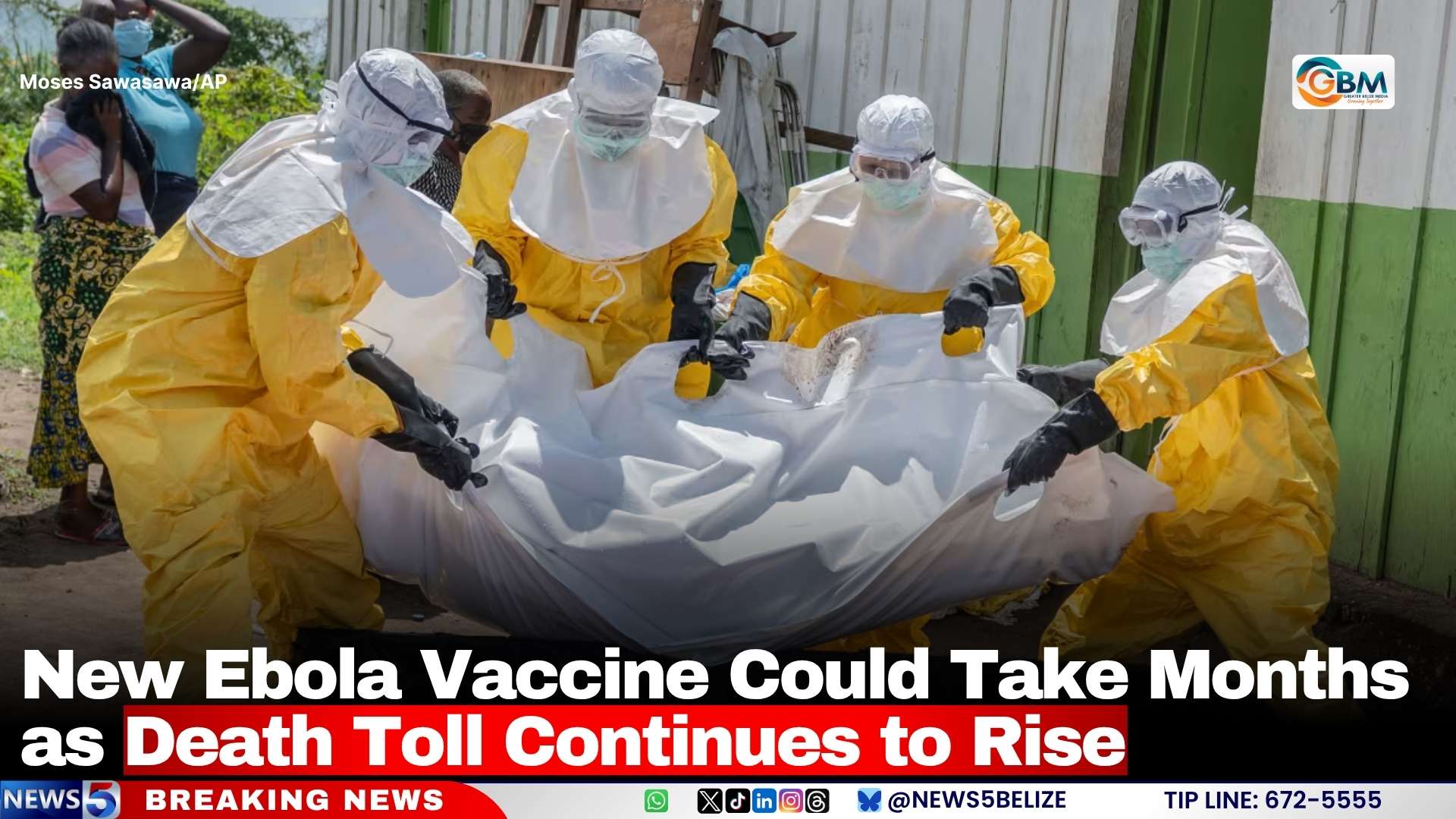
    An ongoing outbreak of the rare Bundibugyo strain of Ebola, expanding across the northeastern Democratic Republic of the Congo (DRC) and into neighboring Uganda, has pushed regional health systems to a breaking point, with the World Health Organization (WHO) confirming that a targeted vaccine could take as long as nine months to deploy.

    As of the latest official update from May 21, 2026, the outbreak has been linked to more than 600 suspected infections and at least 139 suspected deaths. Of these cases, 51 have been laboratory-confirmed in the DRC, with an additional two confirmed cases recorded on Ugandan territory. The spread of the virus into urban population centers and across international borders has triggered widespread regional alarm, with Ugandan health authorities currently holding more than 100 exposed individuals under active quarantine.

    Health experts warn that no vaccine or specific antiviral treatment for the Bundibugyo strain has yet received full regulatory approval, a gap that the Africa Centres for Disease Control and Prevention (Africa CDC) blames not on scientific limitations, but on systemic political and financial neglect of infectious disease threats that primarily impact low-income African regions. In a blunt rebuke of global health inequities, the agency noted that if the virus posed a primary threat to wealthy nations in North America or Europe, medical countermeasures would almost certainly already exist. This critique echoes the pattern seen during the 2014 West African Ebola outbreak, when global urgency only surged after a U.S. doctor contracted the virus—despite thousands of African deaths having already occurred without coordinated international support.

    Two experimental vaccine candidates are currently in early development, but neither has completed the full sequence of clinical trials required for emergency authorization. With a documented case fatality rate as high as 50%, the strain poses a severe risk to vulnerable communities and frontline health workers. WHO Director-General Tedros Adhanom Ghebreyesus emphasized that the situation remains deeply concerning, and expects confirmed case counts to climb in the coming weeks as surveillance teams expand contact tracing and testing across affected areas.

    While the WHO has officially designated the outbreak a Public Health Emergency of International Concern (PHEIC), the highest global alert level for such events, the agency stressed that the outbreak has not yet reached pandemic status, and the overall risk to global populations outside the affected region remains low.

  • Dominican scholar earns Doctorate in Health Administration

    Dominican scholar earns Doctorate in Health Administration

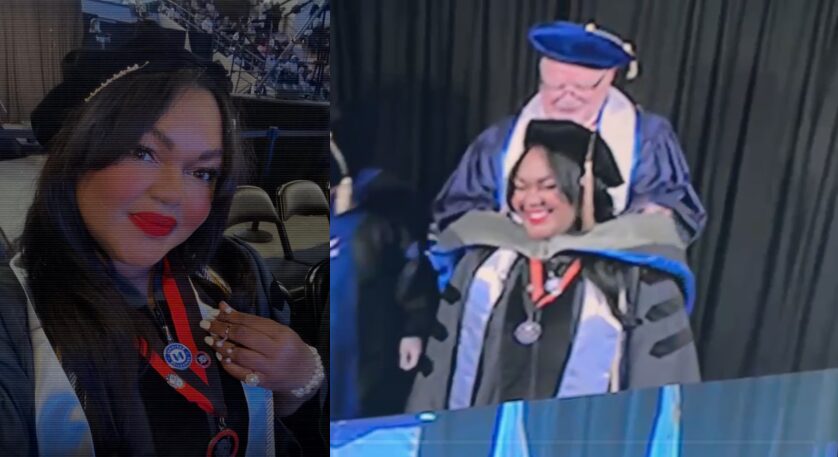
    For Dominican-born academic Dr. Renise De Armas, the path to earning a Doctorate in Health Administration from National University is far more than a personal career milestone—it is the culmination of a decades-long journey of intellectual curiosity, professional excellence, and extraordinary resilience that has shaped advancements in critical areas of modern medicine.

    Raised in a family with deep roots in public service, Dr. De Armas carries a legacy of commitment to public good from her upbringing. Born Renise Baptiste, she is the daughter of Margaret Roudette Baptiste of Coulibistrie, Dominica, and Thomas Baptiste Jr. of Harlem, Newtown. Her family’s tradition of service extends to prominent figures including her uncle, His Lordship The Hon. Justice Davidson Baptiste, and her late aunt Evelina Baptiste, who held roles as Chief Magistrate and Director of Public Prosecutions. This foundation of discipline and public dedication guided every step of her educational trajectory, which spans multiple specialized disciplines across leading institutions.

    Dr. De Armas’ academic journey began at Dominica State College, where she earned an Associate of Science in Biology and Psychology, building a cross-disciplinary base that would inform her later work. She went on to complete a Bachelor of Science in Forensic Science with a concentration in Molecular Biology at John Jay College of Criminal Justice, followed by a Master of Science in Public Health focused on Preventive Medicine at Southern New Hampshire University, before launching her doctoral studies in Health Administration. For her doctoral dissertation, she targeted a pressing gap in global biotech safety, researching strategies to strengthen Quality Risk Management frameworks across the biotech industry. Her work aims to boost three critical outcomes: patient safety, the consistency of pharmaceutical product quality, and the reliability of clinical supply chain logistics.

    Beyond academia, Dr. De Armas has built an impressive professional track record at the cutting edge of medical innovation, contributing to breakthrough treatments that have advanced global cancer care and HIV research. Early in her career, she joined The Rockefeller University, where she supported the development of groundbreaking broadly neutralizing HIV vaccine therapies under the leadership of leading immunologist Dr. Michel Nussenzweig. She later moved to the Cell Therapy and Cell Engineering Facility at Memorial Sloan Kettering Cancer Center, one of the world’s leading cancer research institutions, working alongside CAR-T cell therapy pioneers Dr. Michel Sadelain and Dr. Isabelle Rivière. In that role, she was responsible for ensuring genetically engineered CAR-T immune cell therapies met the strict safety and regulatory standards set by the U.S. Food and Drug Administration (FDA), and co-authored peer-reviewed validation studies for molecular assays used to monitor treatment progress in cancer patients. Most recently, she took on a strategic leadership role at a biotech startup, where she designed and built end-to-end quality management systems for commercial-scale manufacturing of cancer drug products, ensuring full compliance with global regulatory requirements ahead of market launch.

    Her trailblazing work and academic excellence have not gone unrecognized: National University has inducted her into its prestigious President’s Circle, a distinction reserved for the university’s most outstanding scholars. She has also been invited to join multiple leading academic honor societies, including the National Society of Leadership and Success and Omega Nu Lambda Honor Society, in recognition of her leadership and scholarly achievement.

    What makes Dr. De Armas’ achievement even more remarkable is the personal resilience she demonstrated while completing her doctorate. A devoted wife and mother, she successfully defended her doctoral dissertation when she was nine months pregnant, and welcomed her newborn son just one week after crossing the final academic threshold. The feat stands as a powerful testament to her extraordinary discipline, determination, and ability to balance personal and professional commitments.

    Today, Dr. De Armas’ career and academic journey stand as an inspiration for early-career scholars and women in STEM and healthcare worldwide, highlighting how perseverance, cross-disciplinary training, and a commitment to public good can drive meaningful progress in global healthcare.

  • Trinidad+Tobago Film Festival celebrates 20 years with successful UK launch

    Trinidad+Tobago Film Festival celebrates 20 years with successful UK launch

    To mark two decades of elevating Caribbean cinematic storytelling, the Trinidad+Tobago Film Festival (TTFF) has launched its first UK-based screening initiative, *Crossroads: Where Caribbean Cinema Meets the UK*, with a sold-out opening event in Hertford. The launch centered on the UK premiere of *Queen of Soca*, held in partnership with local arts venue BEAM, and kicked off a multi-venue regional tour running through mid-June.

    Founded in 2005, TTFF has spent 20 years centered on a core mission: amplifying Caribbean filmmakers, centering authentic regional narratives, and building a global audience for work from the Caribbean and its diaspora. This year’s anniversary programming expands that mission beyond the festival’s Trinidad and Tobago base, forging new cross-continental cultural connections between Caribbean creators and UK-based audiences, particularly members of the large Caribbean diaspora across the United Kingdom.

    TTFF Director Mariel Brown framed the sold-out opening as a perfect reflection of the festival’s 20th anniversary vision. “As we mark two decades of TTFF, we are proud to celebrate not only the films and filmmakers that have shaped Caribbean cinema, but also the connections, audiences and cultural spaces that will sustain it into the future,” Brown shared in remarks after the event. “The UK premiere of *Queen of Soca* was everything I hoped *Crossroads* could be, full of heart, Caribbean diaspora spirit and a strong sense of community and connection through film.”

    The opening night gathering drew a diverse crowd spanning Caribbean diaspora community members, independent film lovers, cultural sector leaders, and press, who gathered for a fully immersive cultural experience before the screening. Attendees sampled authentic Caribbean cuisine and craft cocktails, with a lively soca soundtrack setting the tone for the evening, centering the cultural context of the film beyond the screen.

    *Queen of Soca*, a feature documentary that chronicles and celebrates Caribbean musical legacy and cultural identity, earned a standing ovation and enthusiastic feedback from the full house. Brown noted that the warm reception confirms a fast-growing global demand for unfiltered, authentic Caribbean storytelling on international stages. Following the screening, audience members joined a virtual question-and-answer session with the film’s director, Kevin Adams, who pulled back the curtain on the documentary’s production process and the core themes of identity and heritage that anchor the work.

    Leaders at BEAM Hertford, the venue that hosted the opening, emphasized that the partnership aligns with the space’s core commitment to inclusive cultural programming that elevates global voices. “BEAM is more than a venue; it’s a vibrant home for artists, ideas and community, where everyone can belong,” explained Steve Sargeant, BEAM Hertford’s venue director. “We therefore couldn’t be prouder to host the Trinidad+Tobago Film Festival, an extraordinary series of screenings that celebrate bold storytelling, global voices and the joy of shared cultural experience.”

    Patrice Robinson, cinema programmer at BEAM Hertford, added that the opening event achieved far more than just a film screening, creating space for meaningful cross-cultural exchange. “The UK premiere of TTFF Crossroads was a unifying experience, bringing together audiences from Hertford and beyond to enjoy the vibrancy of *Queen of Soca*,” Robinson said. “The standout post-film Q&A with Kevin Adams provided invaluable behind-the-scenes insight, while the launch itself sparked rich conversations celebrating Caribbean culture. Audiences can expect even more cinematic gems from across the region throughout the season.”

    The *Crossroads* series will continue screening across four venues in South East England through June 18. Beyond its UK tour, TTFF’s 20th anniversary programming includes a local monthly screening series called 10 for 20, hosted at Port of Spain’s Little Carib Theatre in Trinidad. The curated retrospective revisits 10 landmark films pulled from TTFF’s 20-year archive, inviting local audiences to reconnect with the works that have defined Caribbean screen culture over the past two decades.

    Through dual initiatives like the international *Crossroads* tour and the local 10 for 20 retrospective, TTFF continues advancing its core goals: growing the global visibility of Caribbean cinema, creating new professional opportunities for regional filmmakers, and building bridges between creators and audiences across borders. The main 20th edition of the Trinidad+Tobago Film Festival is scheduled to open this September across Trinidad and Tobago.

  • Jamaica Post to resume shipping parcels and packages to US on June 1

    Jamaica Post to resume shipping parcels and packages to US on June 1

    KINGSTON, Jamaica — Months after suspending parcel deliveries to the United States in response to a changed US trade policy, Jamaica Post is set to restart its commercial shipping service to the US market on June 1, 2026. The resumption comes after the national postal service rolled out a new pre-calculated, pre-paid duty system designed to comply with updated US border regulations.

    The suspension was implemented earlier this year after US Executive Order 14324 eliminated the longstanding de minimis exemption that allowed low-value goods valued under $800 to enter the United States duty-free. Without this exemption, all incoming shipments required full duty processing before entry, creating unplanned delays, unexpected fees for recipients, and frequent shipment rejections that disrupted Jamaica Post’s delivery operations.

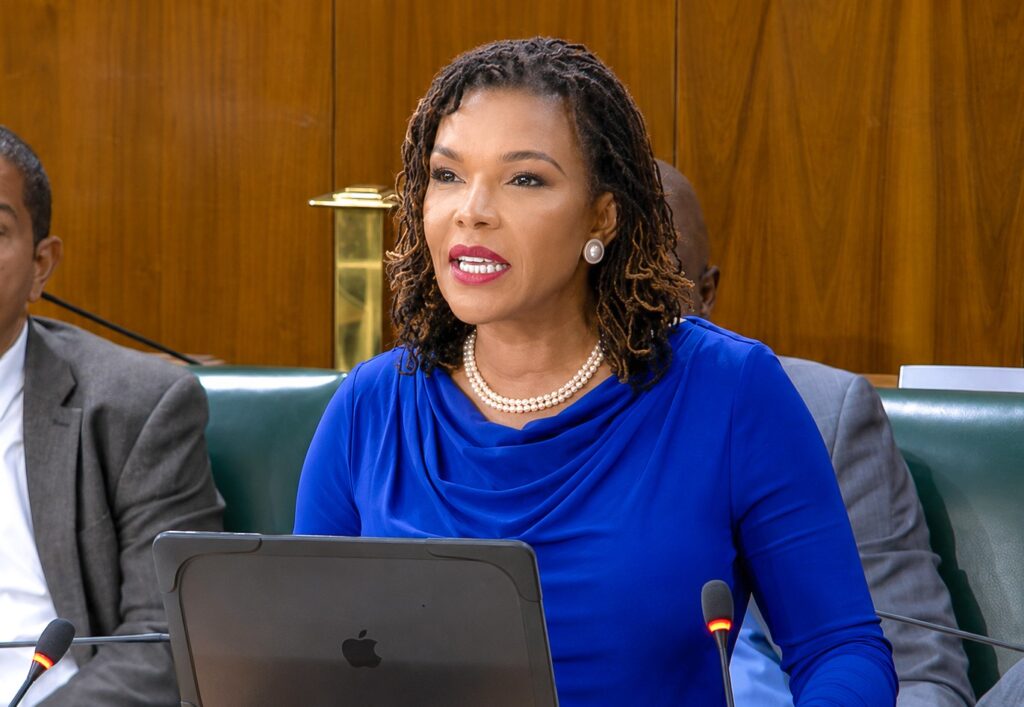
    The official announcement of the service resumption was made by Ambassador Audrey Marks, Minister without Portfolio in Jamaica’s Office of the Prime Minister, who oversees national efficiency, innovation, and digital transformation. Marks shared the update during her 2026/2027 Sectoral Debate address to Jamaica’s House of Representatives on Wednesday, May 20.

    Marks confirmed that Jamaica Post has finalized deployment of a new delivery duty paid (DDP) technological solution that will restore full cross-border parcel and small package services to the United States. Under the new framework, all applicable duties and processing fees are calculated and paid by shippers before parcels ever leave Jamaica, eliminating uncertainty for both senders and recipients once shipments reach US customs.

    “This system guarantees that when packages arrive in the United States, there are no surprises, no unnecessary delays, and no rejected shipments,” Marks explained in her address. The new system addresses all the regulatory challenges that forced the initial suspension, clearing the way for Jamaica Post to fully reopen its US shipping corridor.

    The resumption of service carries particularly high stakes for Jamaica’s micro, small and medium-sized enterprises (MSMEs), independent online entrepreneurs, and local creators who sell their goods to international customers via global e-commerce platforms. For these small operators, access to reliable cross-border shipping was the lifeline that connected them to the large US consumer market.

    Marks emphasized that the restored service does more than just bring back a convenient logistics option. “It reopens a critical trade channel, supports business growth, and strengthens Jamaica’s participation in the global digital economy,” she said. “For many small business owners, access to shipping and logistics is not just a convenience — it means access to customers and opportunities for sustainable growth.”