博客

  • Brace for fallout as Mid-East war escalates, says CAAP

    Brace for fallout as Mid-East war escalates, says CAAP

    As the Middle East conflict expands its scope, a Caribbean regional advocacy organization has sounded the alarm over projected sharp increases in regional food and energy prices, while calling on leaders of the Caribbean Community (CARICOM) to formally label deliberate attacks on civilian infrastructure as war crimes and speed up efforts to build regional economic and food self-sufficiency.

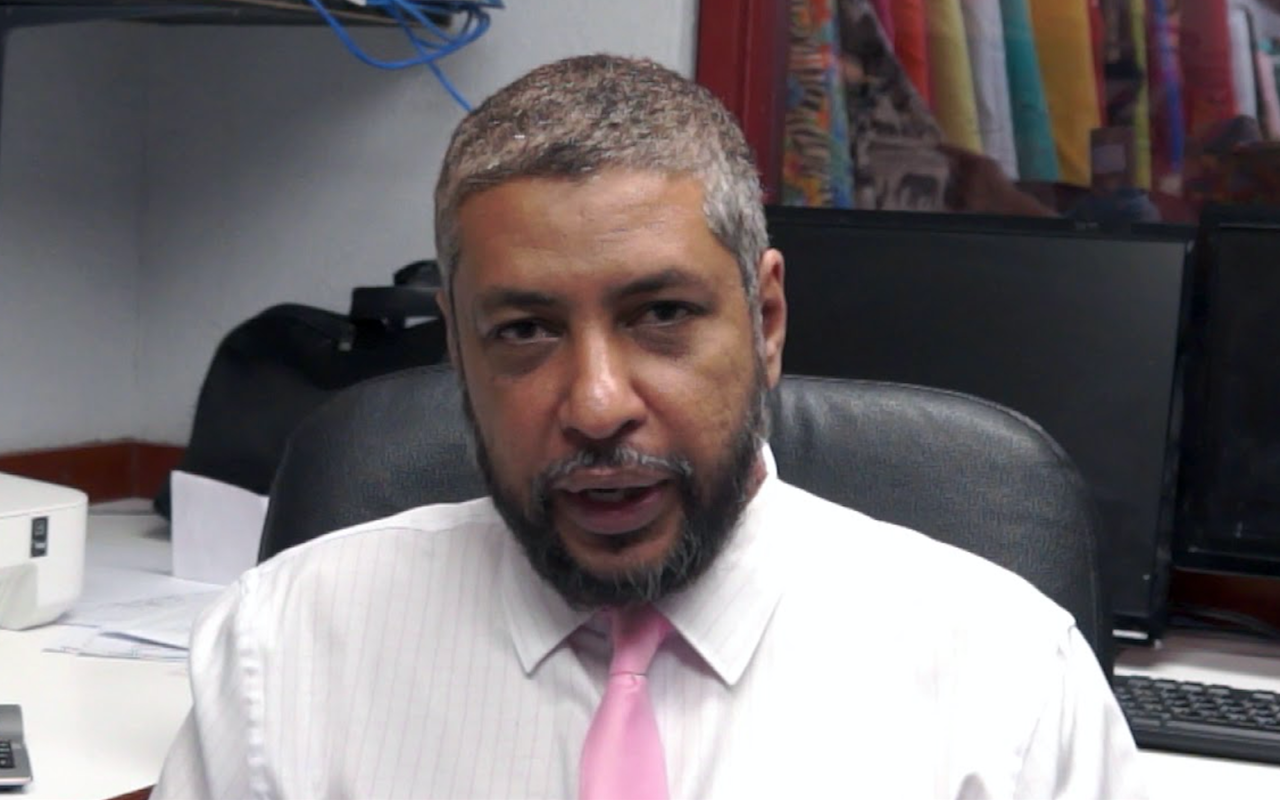
    Suleiman Bulbulia, treasurer of Caribbean Against Apartheid in Palestine (CAAP), shared the warning in an exclusive interview with Barbados TODAY. He explained that the ongoing conflict, which now draws in major powers including Israel, the United States and Iran, will send shockwaves through global commodity markets that will eventually reach small island economies across the Caribbean through higher import costs.

    Bulbulia emphasized that the Caribbean’s structural dependence on imported goods leaves the region uniquely exposed to sudden global market volatility. “The ripple effects of this conflict will touch every corner of the global economy, and the Caribbean will not be spared,” he stated. “We have already observed significant upward pressure on global crude oil prices, and these increases will eventually pass through to regional consumers. Higher fuel costs push up shipping fees for all imported goods, and since the vast majority of the Caribbean’s food and consumer products come from overseas, the final price tag for households will rise sharply. This is a pressing issue that demands immediate attention.”

    Beyond the immediate economic threats, Bulbulia raised grave concerns over what he frames as open disregard for international humanitarian law and established diplomatic norms. He argued that the repeated targeting of critical civilian infrastructure — including hospitals, transportation networks and power generation facilities — meets the legal definition of war crimes, and that all responsible members of the international community, including CARICOM, have an obligation to publicly condemn these actions.

    “Across the globe today, we are seeing a growing retreat from commitments to uphold international rules and fundamental human rights,” Bulbulia said. “If actors face no consequences for these violations today, where will this path lead us? If attacks on civilian sites go unpunished in one region today, the norm of impunity will embolden actors to take similar actions in other countries tomorrow. Where does this cycle of lawlessness end?”

    Drawing a direct parallel to the Caribbean’s longstanding, unified opposition to apartheid rule in 20th century South Africa, Bulbulia urged CARICOM to use its collective diplomatic voice to advocate for upholding the rule of law on the global stage. He warned that without collective pushback, the world could slide back into a pre-modern “might makes right” mentality that erodes decades of progress on international humanitarian norms.

    To buffer the Caribbean from future external economic shocks caused by global conflicts, Bulbulia called for accelerated investment and policy action to build regional self-sufficiency. He highlighted the untapped agricultural potential of larger Caribbean nations including Guyana, Suriname and Jamaica, arguing that regional integration of food production could cut the bloc’s reliance on imported food drastically.

    “It is past time we ask the critical question: how can we make CARICOM member states food self-sufficient?” he noted. “We have abundant natural and human resources right here within the region. Instead of remaining dependent on global supply chains that are increasingly vulnerable to geopolitical upheaval, we should develop these resources and integrate regional trade to meet our own needs.”
  • MP Maria Browne Pledges Growth and Renewal in St. John’s Rural East

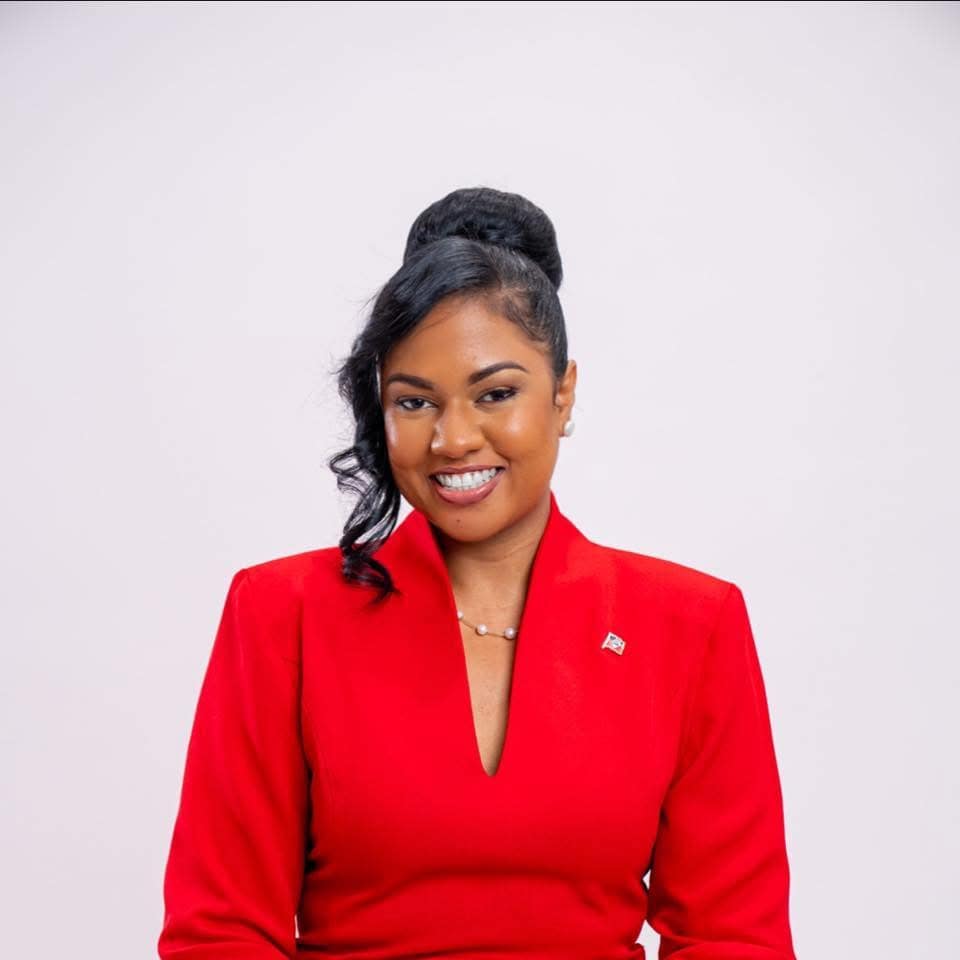
    MP Maria Browne Pledges Growth and Renewal in St. John’s Rural East

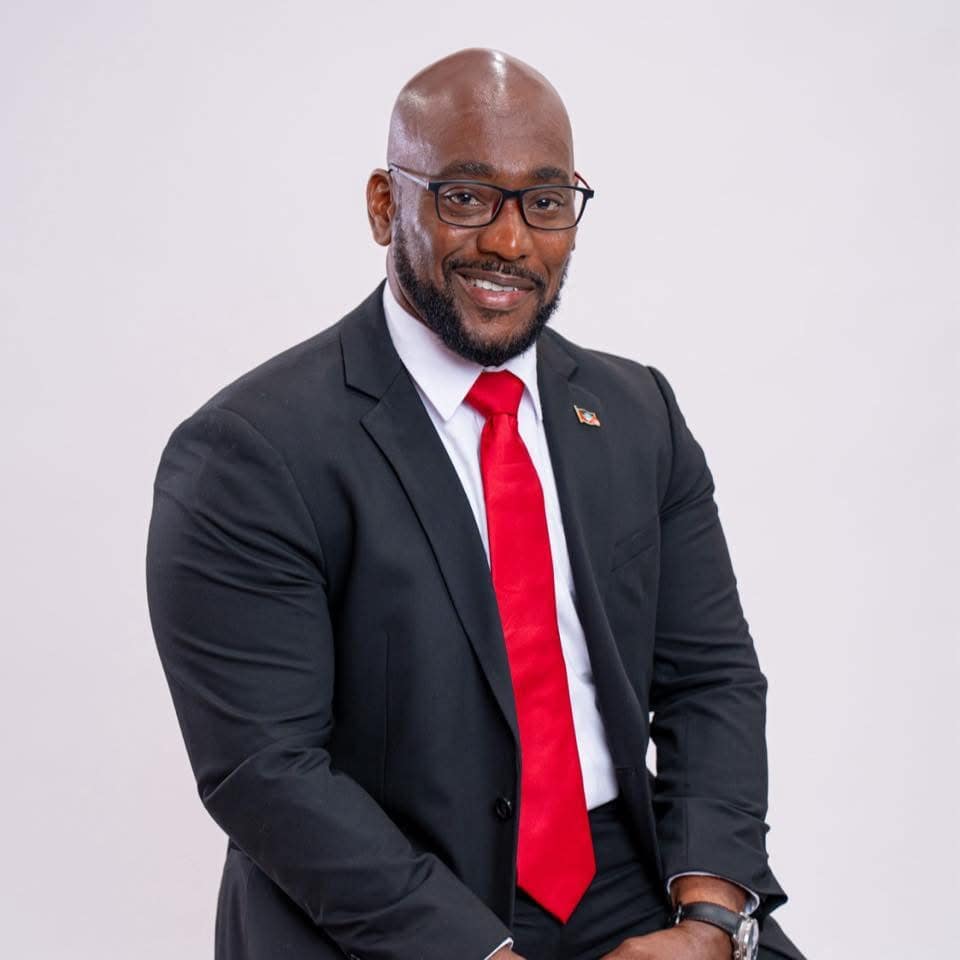
    As candidates gear up for upcoming electoral contests in St. John’s Rural East, sitting Member of Parliament Maria Bird Browne has anchored her re-election campaign around two pressing local priorities: targeted community development and long-overdue infrastructure upgrades.

    Over her two years in office, Browne has pointed to tangible progress already delivered to constituents, from major resurfacing and repair work on local roads to upgrades to public facilities that serve daily neighborhood needs. Looking ahead, the MP says resolving chronic drainage failures and recurrent flooding that plagues two local districts, the Gardens and Sutherland, will top her policy agenda if she is returned to office. She emphasized that any intervention will be rooted in data-driven technical analysis from independent hydrology specialists, rather than rushed, short-term fixes that fail to address the root of the problem.

    Beyond flood mitigation, Browne has unveiled a new ambitious housing renewal scheme designed to breathe new life into aging, stagnant residential areas across the constituency. Under the plan, vacant parcels of land and underused plots that have sat neglected for years will be repurposed to build new residential developments, creating much-needed housing stock while reversing decades of decline in older neighborhoods.

  • Lamin Newton targets upset in All Saints East and St Luke

    Lamin Newton targets upset in All Saints East and St Luke

    For more than three decades, the All Saints East and St Luke constituency has stood as one of the most reliable strongholds for the United Progressive Party (UPP), a seat political analysts have long marked as a safe win for the opposition ahead of Antigua and Barbuda’s upcoming general election. But this cycle, that long-held political certainty is breaking down, with the race now shaping up to be one of the most closely watched competitive contests on the ballot.

    At the center of the challenge is Lamin Newton, the candidate put forward by the ruling Antigua and Barbuda Labour Party (ABLP). Newton is going head-to-head with Jamale Pringle, the UPP’s Opposition Leader and the incumbent representative for the constituency. For generations of local voters, the seat has consistently returned UPP candidates to office, a streak that has held for over 30 years, but Newton argues that shifting grassroots sentiment is upending that historic trend.

    Speaking to reporters just after ABLP officially launched its island-wide campaign schedule on Tuesday, Newton struck a confident tone about his chances. He told reporters that on-the-ground outreach and conversations with voters have revealed growing discontent with the incumbent, and that electoral momentum is steadily building in his favour ahead of polling day. Political observers across the country are now keeping close watch on the constituency, as an upset here would not only shake up UPP’s electoral map but also reshape the balance of power in Antigua and Barbuda’s next parliament.

  • Easter Grassroots Youth Football Festival kicks off in Portsmouth

    Easter Grassroots Youth Football Festival kicks off in Portsmouth

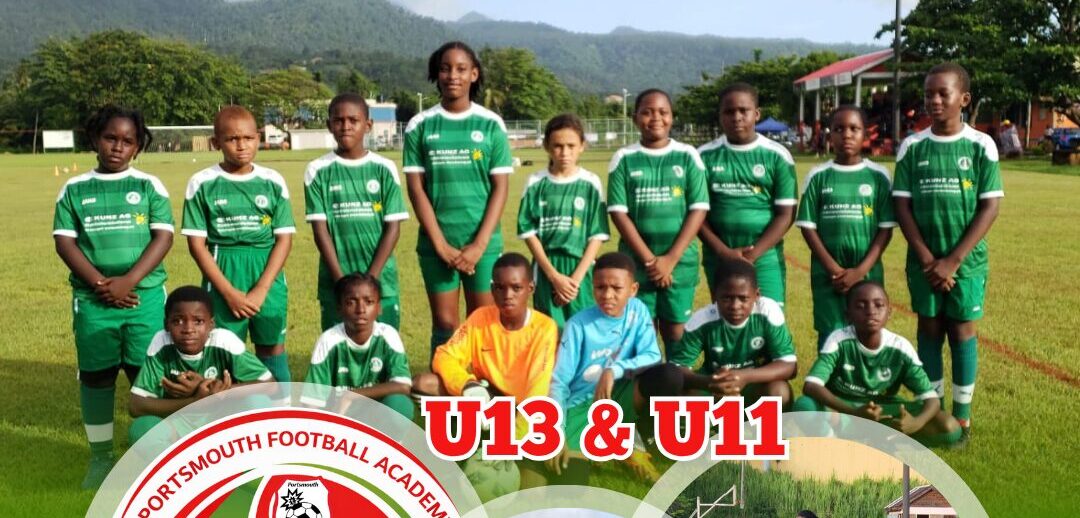
    A landmark new initiative for youth football in the Caribbean is set to launch this week, as three local sports organizations team up to host the first-ever Easter Grassroots Youth Football Festival in Portsmouth, Dominica on April 9, 2026.
    Organized through a partnership between Portsmouth Football Academy, Bombers Football Club and Sport Aid Dominica, the one-day competitive gathering will be hosted at Portsmouth’s iconic Benjamin Park, with play running from 9 a.m. to 4 p.m. local time, according to an official statement from Bombers Football Club.
    Unlike standard regional tournaments, the festival is purpose-built to shine a spotlight on emerging young talent across two age divisions: Under-11 and Under-13. Four squads have already confirmed their participation, drawing competitors from across the region: the host Portsmouth Football Academy, Dominica’s own National Football Academy, Newtown Juvenile Football Academy, and an incoming guest team from neighboring Guadeloupe, Club Sport Guadeloupe. Beyond the excitement of on-pitch competition, the event centers core developmental priorities: honing technical football skills, fostering collaborative teamwork, and upholding the values of respectful sportsmanship among the next generation of players.
    The festival has secured wide-ranging institutional and corporate backing to bring the project to life. Hon. Fenella Wenham Shepherd is the event’s lead political supporter, with additional key partnership support from the Dominica Football Association, the Dominica Air and Seaport Authority (DASPA), and local beverage brand Trois Pitons Water. The release emphasizes that this cross-sector collaboration reinforces ongoing momentum for expanding youth-focused and community-rooted sports programs across the island.
    What makes the festival stand out is its dual purpose: while it celebrates youth football, it also serves as a core pillar of a broader strategy to grow Dominica’s sports tourism sector. Event organizers are working to cement both Portsmouth and the wider nation as a growing hub for youth football development and cross-regional sporting cooperation. By including a visiting team from Guadeloupe, the event is already taking a critical first step to establish Dominica as a go-to destination for organized, high-quality youth sporting competitions across the Caribbean.
    “This festival is about more than football—it is about creating opportunities, building discipline, and opening pathways for our young players,” event organizers shared in comments included in the release. “It is also a step toward developing sports tourism in the north of the island.”
    Organizers have already announced long-term plans for the festival, with the goal of turning the one-off inaugural event into a recurring annual staple of the regional youth football calendar. Future iterations are set to expand participation, with invitations open to additional local academies, as well as more teams from across the Caribbean and beyond the region. Local community members are encouraged to attend the event at Benjamin Park to cheer on the young competing athletes.

  • Man fatally shot in Laborie

    Man fatally shot in Laborie

    A quiet pre-dawn break in Laborie was violently ruptured early this Wednesday, when a 40-year-old local man was shot and killed, leaving close relatives and neighborhood residents reeling from shock and fear.

    Family members have publicly named the deceased as Shakai Laurent, according to local accounts. Multiple sources confirm the fatal shooting unfolded at a location close to the intersection of Kennedy Highway and the Laborie Bypass.

    Multiple residents who spoke with local publication *St. Lucia Times* confirmed they were jolted awake from their sleep by the rapid crackle of repeated gunshots, a sound that quickly spread unease across the still-sleeping neighborhood.

    As of the latest updates, authorities have not released clear, verified information about what led to the shooting, leaving key questions about motives, the identity of any suspects, and the sequence of events unanswered. Community members have been left to speculate amid the information vacuum, amplifying the tension gripping the area.

    Unverified video footage circulated widely across various social media platforms captures uniformed police officers working at the crime scene, marking the official launch of a homicide investigation into Laurent’s death.

  • Acting Venezuelan President to visit Grenada

    Acting Venezuelan President to visit Grenada

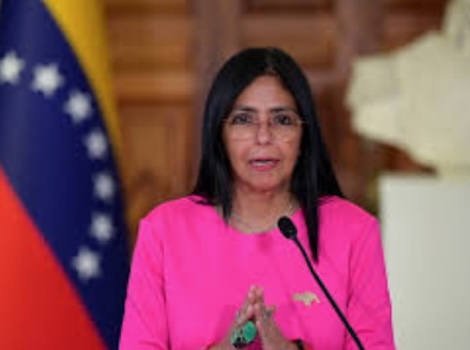
    In a landmark diplomatic move marking her first official state visit since the January 2026 U.S. invasion of Venezuela removed longtime leader Nicolás Maduro from power, acting Venezuelan President Delcy Rodríguez is set to arrive in Grenada on Thursday.

    Rodríguez’s ascent to the nation’s top office came just two days after U.S. forces detained Maduro on January 3, 2026. As Venezuela’s former executive vice president, she was sworn in as acting head of state on January 5, taking office with a public pledge to prioritize domestic stability and hint at a potential reorientation of Venezuela’s long-fractious relationship with Washington.

    During her one-day engagement in Grenada, Rodríguez will follow a structured official itinerary laid out in a statement released by the Grenadian government. She will first attend a formal courtesy meeting with Governor-General Dame Cécile Ellen Fleurette La Grenade, before moving on to high-level talks with Prime Minister Dickon Mitchell and his full cabinet. At the conclusion of these bilateral discussions, the two sides will release a joint communiqué to outline the outcomes of their negotiations, the statement confirmed.

    The visit comes against a charged regional backdrop that has already put Grenada’s relationship with both the U.S. and Venezuela under scrutiny. Before the U.S. launched its invasion of Venezuela, the Grenadian government had approved a U.S. request to deploy a military radar system at Maurice Bishop International Airport. Grenadian authorities justified the approval by referencing ongoing technical evaluations, public safety claims, and alleged sovereignty violations from Venezuelan activities in the region.

    The decision sparked immediate public pushback across Grenada, with thousands of citizens gathering for a peaceful mass protest organized by the Grenada Coalition Zone of Peace and Concerned Citizens. Protesters took to the streets to demand their government reject the U.S. proposal and preserve the Caribbean as a demilitarized zone of peace. Speaking at the demonstration, former Grenadian foreign affairs minister Peter David reinforced the crowd’s core demand, emphasizing the region’s longstanding commitment to avoiding great power conflict.

    This visit marks Rodríguez’s first step onto the international diplomatic stage since taking office, and it is being closely watched by regional powers for signs of how Venezuela’s new leadership will navigate its relationships with Caribbean neighbors and the United States moving forward.

  • Iran presenteert 10-puntenplan voor beëindiging oorlog met VS en Israël

    Iran presenteert 10-puntenplan voor beëindiging oorlog met VS en Israël

    On April 8, 2026, just hours after the United States and Iran reached a two-week temporary ceasefire to pause their open conflict—mere moments before the expiration of a US ultimatum targeting Iran’s military infrastructure—Iran formally presented a 10-point proposal Wednesday to end months of escalating tensions and full-scale hostilities involving both the US and Israel. The breakthrough ceasefire comes after more than a month of open conflict that sent global financial markets into volatility and pushed international crude oil prices sharply upward. The ceasefire agreement includes a provision for Iran to temporarily reopen the strategically critical Strait of Hormuz, the chokepoint through which roughly 20% of the world’s daily oil supplies pass.

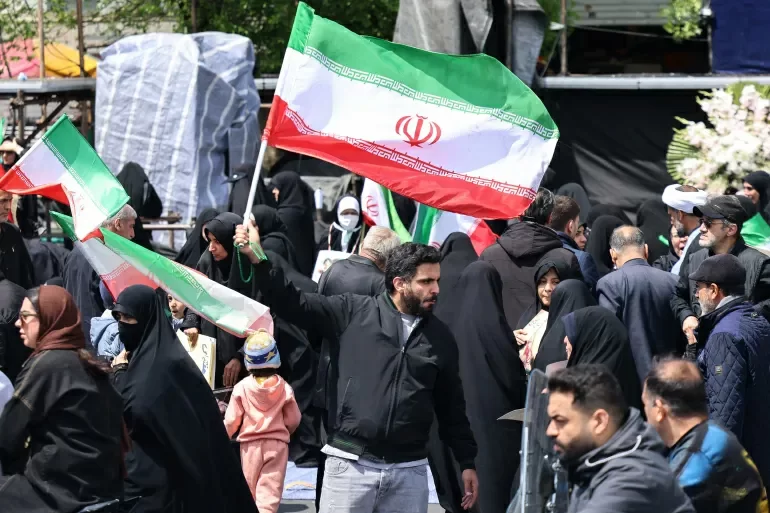
    Both sides have moved quickly to claim victory in the conflict that reshaped Middle Eastern security. US President Donald Trump has labeled the ceasefire framework a “total and complete victory” for American interests, while Iranian officials described the outcome as an “unmistakable, historic and crushing defeat of the enemy” and a defining national win for the Islamic Republic. On the streets of Tehran’s Revolution Square, crowds gathered to celebrate the breakthrough, with many waving Iranian national flags.

    Breaking down the core of Iran’s 10-point peace framework, the proposal outlines key demands that include the full lifting of all primary and secondary international sanctions imposed on Iran, permanent Iranian full control over the Strait of Hormuz, a complete withdrawal of all United States military forces from the broader Middle East region, an end to all targeted attacks on Iran and its regional allied militias, the immediate unfreezing of all Iranian sovereign assets held overseas, and a binding United Nations Security Council resolution to formally codify any final peace agreement into international law.

    Notably, the original Farsi version of the proposal includes an explicit clause calling for international recognition of Iran’s right to enrich uranium as part of its civilian nuclear program. This key line was omitted from English-language versions of the plan distributed by Iranian diplomats to international journalists, with no official explanation provided for the change.

    While President Trump has publicly called the Iranian proposal “feasible”, the plan has already sparked sharp criticism within US political and national security circles. Multiple core provisions, including permanent Iranian control of the Strait of Hormuz and recognition of uranium enrichment, have been repeatedly labeled unacceptable by senior US administration officials in past months. The demand for a full US military withdrawal from the Middle East has also faced stiff pushback from factions within both the US Congress and defense establishment.

    Regional security analysts note that while the 10-point plan offers a tangible starting point for formal negotiations, the deeply contentious nature of Iran’s core demands makes meaningful progress far from guaranteed. It remains unclear how much flexibility both Washington and Tehran are willing to show to compromise on their core red lines to reach a lasting, sustainable peace deal.

    Pakistan, which played a central mediation role to broker the ceasefire, has confirmed that the temporary truce entered into force immediately. Pakistani Prime Minister Shehbaz Sharif announced that Islamabad will host formal face-to-face peace negotiations between US and Iranian delegations, set to kick off this Friday. The stated goal of the two-week negotiating window is to reach a definitive final peace agreement before the current ceasefire is set to expire. A White House spokesperson confirmed that the US is open to holding talks in Pakistan, but noted that final logistics for the negotiations have not yet been formally finalized.

  • Dr Valda Henry to teachers: You implement reform, drive transformation

    Dr Valda Henry to teachers: You implement reform, drive transformation

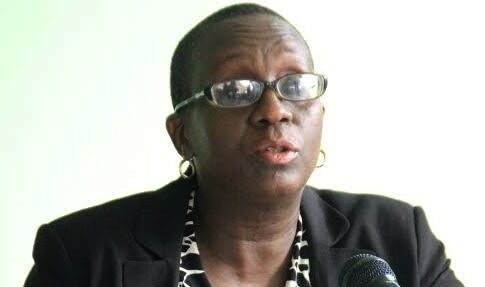
    On Wednesday, the 18th Biennial Convention of the Dominica Association of Teachers (DAT) opened its doors at the St. Alphonsus Parish Hall, drawing education professionals from across the island to discuss the critical intersection of teaching and national progress. This year’s conference theme, “Teachers: The Foundation For National Development-Value Us,” set the stage for a keynote address from Dr. Valda Henry, Deputy Governor of the Eastern Caribbean Central Bank (ECCB), who delivered a powerful call to recognize and empower educators as the engine of societal change.

    In her featured address, Dr. Henry centered her remarks on the understated but indispensable role teachers play in driving systemic transformation. She told gathered attendees that teachers are far more than passive implementers of education policy – they are the active architects of a nation’s future. “At the center of all of this transformation lies who? Teachers, you,” she stated. “You are the ones who must translate curriculum into meaningful learning experiences. You bridge the gap between policy and practice. You are not just implementers of reform, you are the drivers of transformation.”

    Dr. Henry expanded on her definition of transformation, explaining that it encompasses both small, incremental progress and bold, large-scale change. She urged educators to embrace a mindset of resilience, noting that the courage to overcome challenges is a core part of being the transformation they want to see in their students and communities.

    A key point of Dr. Henry’s address focused on the urgent need for adequate investment in modern education infrastructure and teacher training. She argued that it is unfair and unrealistic to expect educators to prepare students for 21st-century careers and challenges using outdated tools, outdated training models, and obsolete curricula. If societies expect teachers to cultivate high-demand skills like digital literacy, critical thinking, and creative problem-solving in their students, they must first provide teachers with the resources, training, and support they need to build those skills themselves.

    Even as she called for systemic investment in the teaching profession, Dr. Henry also emphasized that responsibility for growth is shared between institutions and individual educators. “It is a two-way street,” she emphasized. “It is not just people investing in you, you too must invest in yourself.” She encouraged teachers to take proactive steps to update their skills and adapt to changing educational needs, reinforcing that their own professional growth directly translates to stronger national development.

    The convention comes as small island nations across the Eastern Caribbean work to adapt their education systems to shifting economic and technological trends, making discussions around teacher empowerment and investment particularly timely for the region.

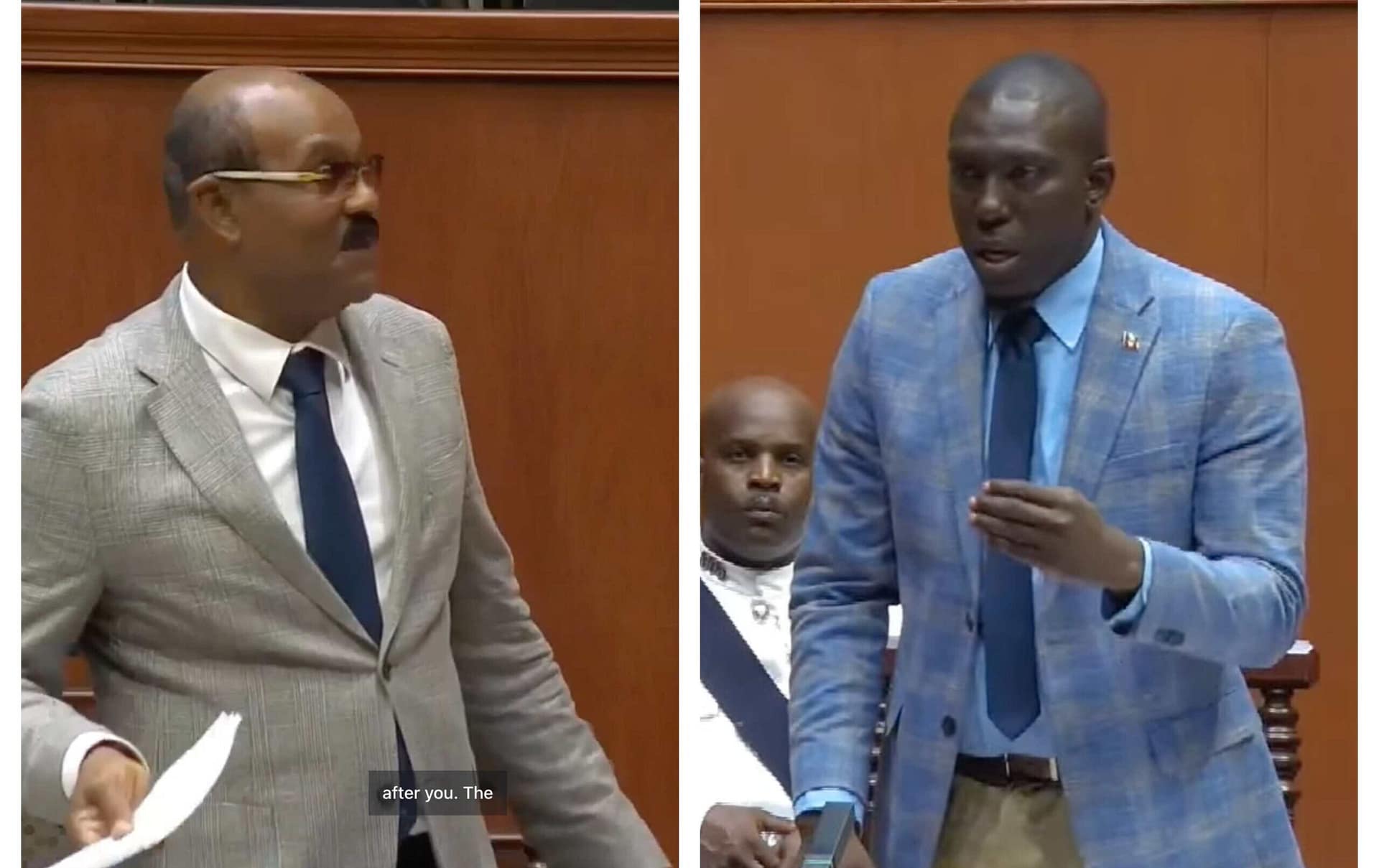
  • WATCH: “I have no friend called Gaston Browne” – Jamale Pringle

    WATCH: “I have no friend called Gaston Browne” – Jamale Pringle

    In a newly released public statement that has sent ripples through Antigua and Barbuda’s political landscape, Jamale Pringle, leader of the country’s main opposition movement, has firmly rejected any suggestion of a close personal or political relationship with sitting Prime Minister Gaston Browne.

    The comments, captured on camera during a recent public appearance, cut straight to claims that have circulated in local political circles in recent weeks, which suggested the opposition leader had maintained an off-the-record, friendly alliance with the head of government. Pringle pushed back hard against these rumors, stating clearly and definitively: “I have no friend called Gaston Browne.”

    The public break from any association with Browne comes as the country navigates a period of heightened political tension, with national-level political discourse growing increasingly polarized ahead of upcoming electoral processes. Political analysts note that this explicit denial serves to reinforce the clear ideological and partisan divide between the opposition United Progressive Party, led by Pringle, and Browne’s governing Antigua and Barbuda Labour Party.

    Observers add that the comment is also likely intended to shore up support among Pringle’s base, clarifying his position amid ongoing speculation that some in the opposition have softened their stance against the incumbent administration. The viral clip of Pringle’s statement has already been widely shared across local social media platforms, sparking intense debate among voters about the nature of political relationships and partisanship in the small Caribbean nation.

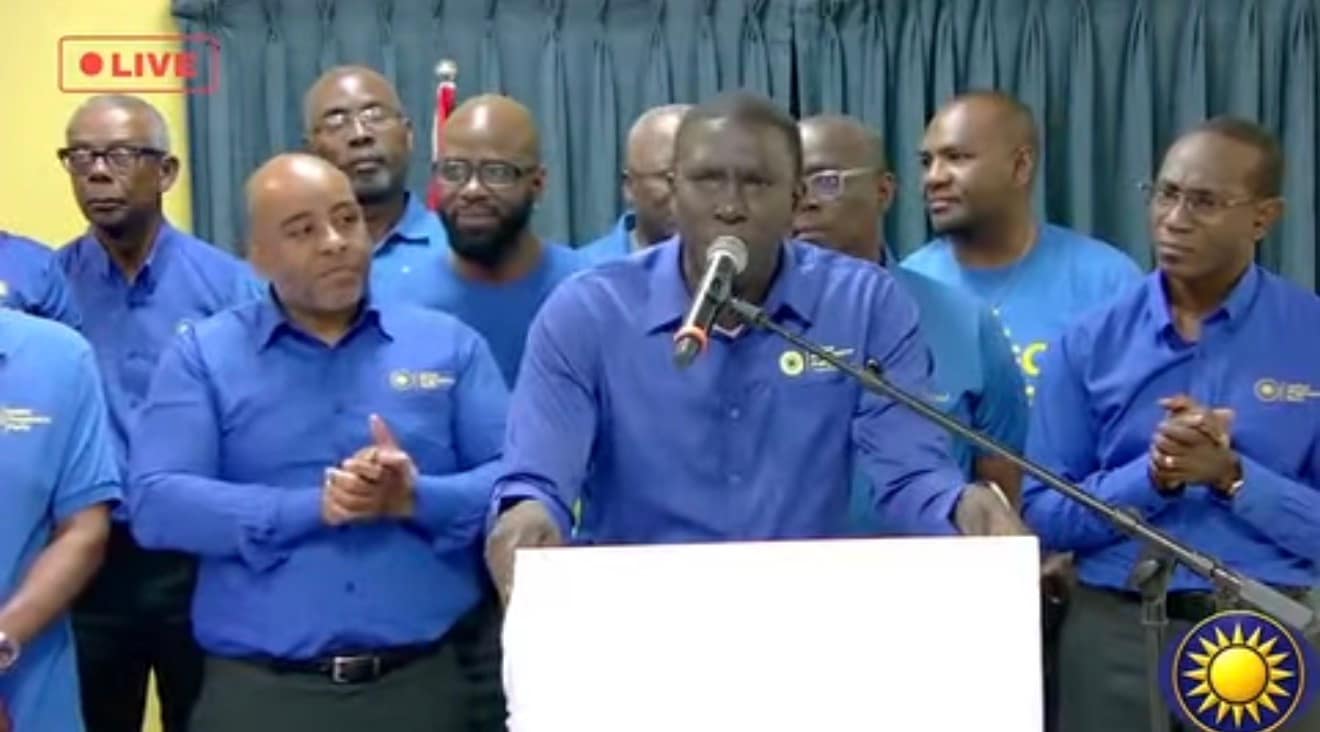
  • “I am not perfect,” Pringle tells UPP supporters

    “I am not perfect,” Pringle tells UPP supporters

    In a rare moment of candor delivered directly to supporters of the United Progressive Party (UPP), a senior party figure identified only as Pringle has publicly acknowledged that he is not a perfect political leader. The unexpected admission came during a gathering of party loyalists, where the topic of leadership accountability and public expectations took center stage. Political observers note that such open self-reflection is uncommon in routine political campaigning, marking a potential shift in how Pringle is positioning himself and the UPP ahead of upcoming electoral or internal party events. While Pringle did not elaborate on specific shortcomings, the comment has sparked discussion among both party members and political analysts about the role of authenticity in modern electoral politics.