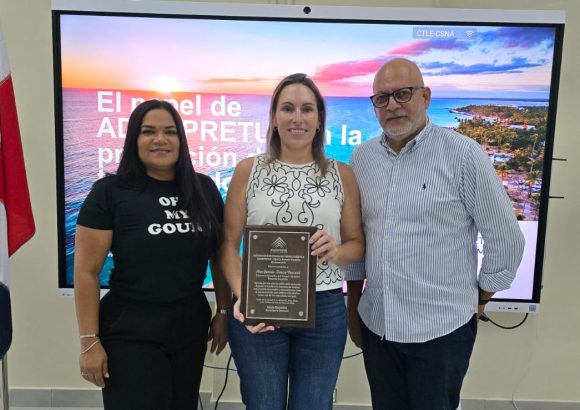
In the Dominican province of La Romana-Bayahíbe, the Dominican Association of Tourism Press (Adompretur) has kicked off a series of regional workshops under the summit banner “Rethinking Adompretur”, bringing together seasoned media professionals and leading hospitality stakeholders to redefine the organization’s institutional mission and map out a decade-long strategic framework for tourism journalism across the Caribbean nation.
Against a rapidly evolving media landscape reshaped by changing traveler behaviors and fast-paced technological innovation, Adompretur’s national president Sarah Hernández emphasized that the organization’s long-term relevance hinges on its ability to adapt to industry shifts. She noted that the association is intentionally refocusing its work to center three critical priorities: advancing sustainable tourism coverage, embracing digital transformation, and providing in-depth analysis of emerging industry trends.
One of the core discussion topics at the summit was the growing integration of artificial intelligence into modern newsroom operations, and the non-negotiable need for robust content verification practices to uphold journalistic standards. Raysa Feliz, Adompretur’s regional affairs director, unpacked the dual nature of today’s cutting-edge digital reporting tools. While she recognized that AI can deliver tangible efficiency gains, streamlining content production and enabling faster, more dynamic news delivery, Feliz stressed that technological tools can never replace the value of human editorial oversight and core professional journalistic ethics. The organization reinforced that retaining public trust in tourism coverage demands unwavering commitment to factual accuracy and rigorous verification before content is published on any digital platform.
The workshop also shone a spotlight on the increasingly important intersection between tourism journalism and environmental accountability. Institutional leaders argued that the success of the Dominican tourism sector can no longer be measured exclusively by metrics like hotel room occupancy rates. Instead, long-term success must also account for progress on social responsibility and natural resource conservation, making these key areas of focus for future tourism reporting.
Attendees received detailed briefings on ongoing regional infrastructure and conservation efforts, including the La Romana 2026 strategic plan, presented by Ana García-Sotoca, executive director of the La Romana-Bayahíbe Hotel Association (AHRB). The municipal development plan outlines a range of proactive sustainability initiatives, from large-scale coral reef restoration projects and integrated coastal management programs to thoughtful land-use planning designed to accommodate growing tourist volumes without compromising local ecosystems.
As Adompretur continues its strategic engagement tour across all of its regional chapters across the Dominican Republic, key insights and consensus outcomes from the La Romana-Bayahíbe summit will be integrated into the organization’s broader national constitutional update process to align its institutional structure with its new 10-year strategic goals.