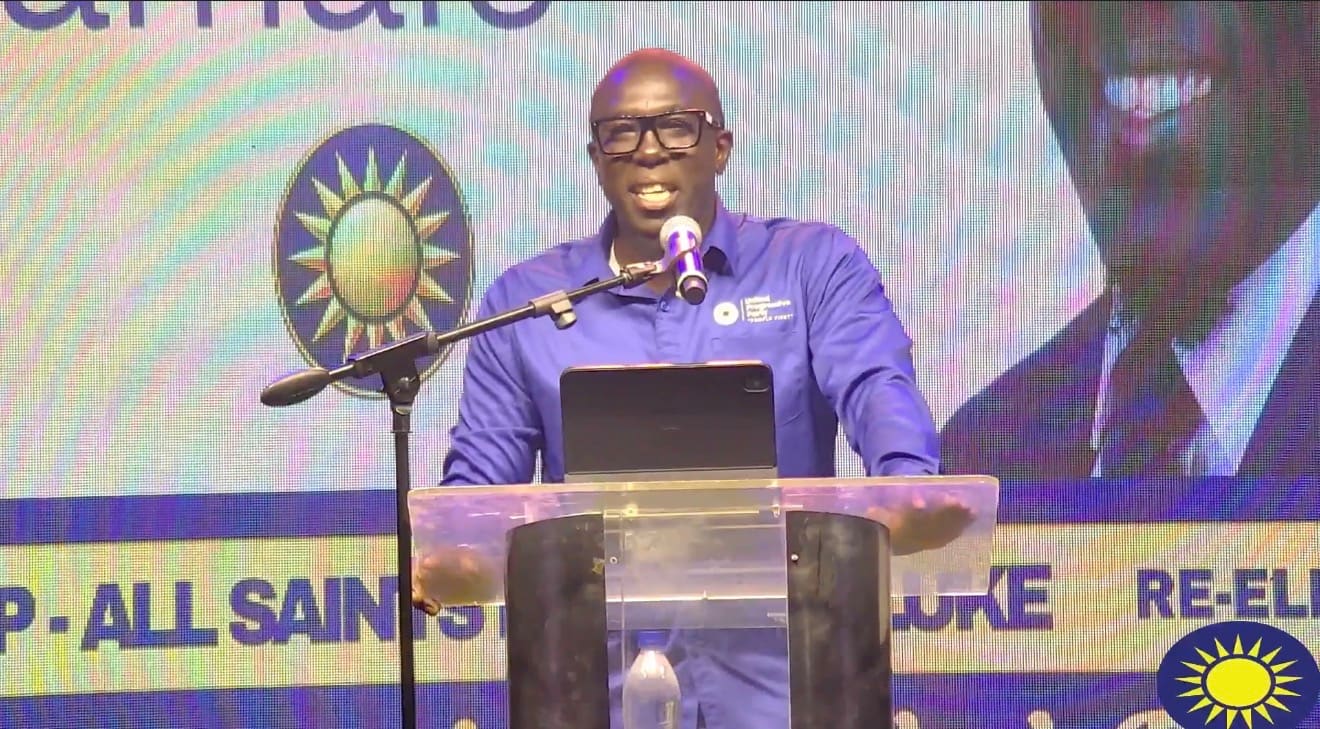
As Antigua and Barbuda prepares for its upcoming general election, United Progressive Party (UPP) leader Jamale Pringle has made a bold, worker-focused policy pledge: if his party secures power, a UPP administration will roll out a permanent four-day work week for the public sector by 2027. This policy sits at the heart of a sweeping public service reform package crafted specifically to address long-running grievances among government employees.
博客
-
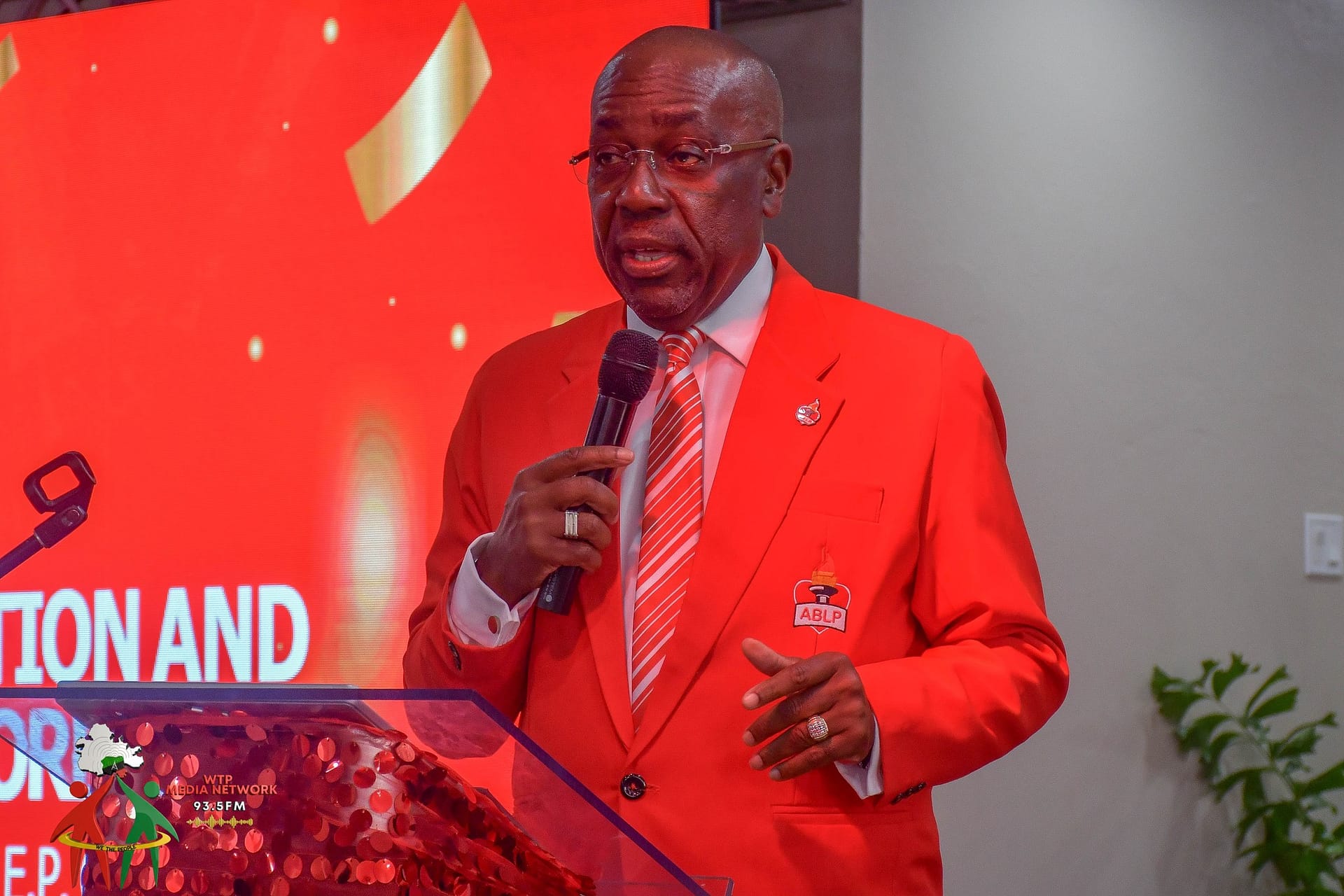
Greene Says New Eye and Dental Clinics Coming for St. Paul’s Constituents
During a recent community meet-and-greet with voters in his St. Paul’s constituency, Foreign Affairs Minister E. P. Chet Greene has announced targeted infrastructure plans to expand local access to critical healthcare services, anchored by the construction of two new specialized clinics focused on eye care and dental treatment.
The development project is already in its early phases, with a core expanded primary care facility currently under construction. Greene laid out the phased roadmap for the initiative, noting that after the completion of the expanded base clinic, the next stage of work will deliver the long-awaited specialized care facilities that residents have repeatedly called for.
“We have an expanding new clinic that comes to us,” Greene shared with local residents, highlighting ongoing work to reinforce the constituency’s overall healthcare delivery network. Outlining the next steps, he emphasized that the new specialized services are designed to cut down on the need for local residents to travel outside the St. Paul area to receive routine and specialized care.
“ We will build an eye-care clinic,” Greene confirmed. He added that all necessary medical equipment for the facility has already been secured, with the goal of opening a first-class, world-standard facility that meets the full eye health needs of the local community.
To round out the expanded healthcare hub, Greene also officially confirmed separate plans for a full-service dental clinic. When completed, the two new specialized facilities, paired with the expanded primary care clinic, will form a centralized, comprehensive medical hub that serves the entire St. Paul region.
“We also intend [to build] a dental clinic. So when you have the dental clinic, what we have is a compact medical [hub], which will serve all of the people here in the St. Paul area,” he explained.
The Foreign Minister emphasized that the entire project is rooted in a core goal: making essential healthcare more accessible for local residents and strengthening community-centered care at a time when demand for local services continues to climb steadily. These new clinics are part of the governing administration’s post-election development agenda, with healthcare policy remaining a top priority for the government, according to Greene.
The announcement comes after months of ongoing resident feedback and concerns about gaps in local healthcare access. Once operational, the new facilities are projected to reduce strain on the area’s existing overstretched healthcare infrastructure and ultimately improve health outcomes for thousands of residents living in the St. Paul constituency.
-

Man admits killing grandfather with knife, hammer
A 23-year-old man from St Peter, Barbados, has entered a guilty plea to manslaughter in connection with the 2021 killing of his retired police officer grandfather, following an initial attempt to cover up blood evidence linking him to the crime. Keon Curwen Downes, a resident of Rose Hill, stood before the No. 4 Supreme Court to answer for the death of 68-year-old Grenville Cumberbatch, who was killed at the shared family home on June 16, 2021. Prosecutors ultimately accepted the lesser manslaughter plea, rejecting a murder charge on the grounds of legally recognized provocation in the case.
Court documents outline the sequence of events that led to Cumberbatch’s death. The victim resided in the Rose Hill property with his common-law wife – Downes’ grandmother – and the defendant himself. On the morning of the killing, the grandmother left the residence to attend a scheduled medical appointment, while 21-year-old Downes initially departed to seek casual work at a local depot. When she returned several hours later, she noticed Cumberbatch was not in his usual spot reading the daily newspaper, and spotted small droplets of blood on the home’s floor.
Following the blood trail through the property, she found signs of a struggle in the kitchen before discovering her partner’s lifeless body in the backyard. She immediately fled the home to alert nearby neighbors and contact local law enforcement. When officers arrived, Downes was already back at the scene, and a responding officer noticed fresh blood on the defendant’s right ear. When questioned about the blood, Downes lied, claiming he had been involved in a physical altercation with a friend the previous night. He was taken into police custody on suspicion of involvement in the killing, with forensic teams collecting blood samples and documenting cuts on his hands and head as evidence.
Three days into his custody, Downes broke his silence and confessed to the killing, detailing the confrontation that led to Cumberbatch’s death in a formal written statement. He told investigators that after leaving the depot empty-handed, he smoked cannabis with an acquaintance before returning to the family home. Upon entering, he found his personal electric fan had been moved to the kitchen, where his grandfather was eating a meal of eggs and luncheon meat. When he asked Cumberbatch if the luncheon meat he was eating belonged to him, and why his fan had been moved to the kitchen, the victim did not respond to his questions. Downes told police he believed Cumberbatch may have been intoxicated at the time.
What began as a heated exchange quickly escalated into a shoving match between the two relatives. After the confrontation moved through the home, Downes followed Cumberbatch toward the bathroom, where he grabbed a kitchen knife and a hammer from nearby surfaces. He first stabbed Cumberbatch in the left collarbone, an impact that bent the blade of the knife. When the victim attempted to grab a loose tile from the wall to defend himself, Downes seized the tile first and struck Cumberbatch with it, giving himself a cut in the process. He then hit the older man three or four times with the hammer, before Cumberbatch knocked the weapon from his hand. Downes went on to stab Cumberbatch multiple times with a pair of scissors before pushing his grandfather down the backyard steps and throwing the hammer after him.
After the attack, Downes told investigators he removed his blood-stained clothing, disposed of the garments, the scissors, and the bent knife along an abandoned rural track, changed into clean clothes, and escaped the home by climbing out of his bedroom window after locking the front door from the inside. On his way back to the property, he encountered his grandmother, who informed him that Cumberbatch appeared to be dead in the yard. Downes added to his statement that the confrontation escalated after Cumberbatch threw a plate at him, and that he acted out of anger over the stolen food and Cumberbatch’s refusal to answer his questions.
A post-mortem examination conducted after the killing confirmed that Cumberbatch’s death was caused by a combination of severe traumatic head injury, multiple sharp-force wounds, and excessive bleeding leading to fatal hypovolemic shock. During the court hearing, Acting Director of Public Prosecutions Alliston Seale SC, who led the prosecution alongside State Counsel Paul Prescod, explained why the state chose to accept the manslaughter plea rather than proceed with a murder trial. Seale emphasized that the decision was rooted in the legal principle of provocation, which reduces a murder charge to manslaughter under Barbadian law when a defendant’s actions are triggered by words or actions from the victim.
Seale acknowledged the brutal nature of the killing, noting that the extent of Cumberbatch’s injuries was gruesome, and that many would see the attack on a grandfather who housed and raised the defendant as a profound act of disrespect. However, he told the court that the lack of contradictory evidence left prosecutors with no legal option but to accept the plea. “This is something that happened in the privacy of the home so I cannot contradict it by any other witness or evidence so regardless of if we believe that it was a fanciful excuse or otherwise, I am bound to operate by the law,” Seale told the court.
Following the acceptance of the plea, defense attorney Safiya Moore requested that the court order pre-sentence reports and official prison service assessments to guide the sentencing process. Justice Laurie-Anne Smith-Bovell granted the request and adjourned the case, scheduling sentencing submissions for September 18 of this year. Downes remains in custody ahead of the upcoming sentencing hearing.
-
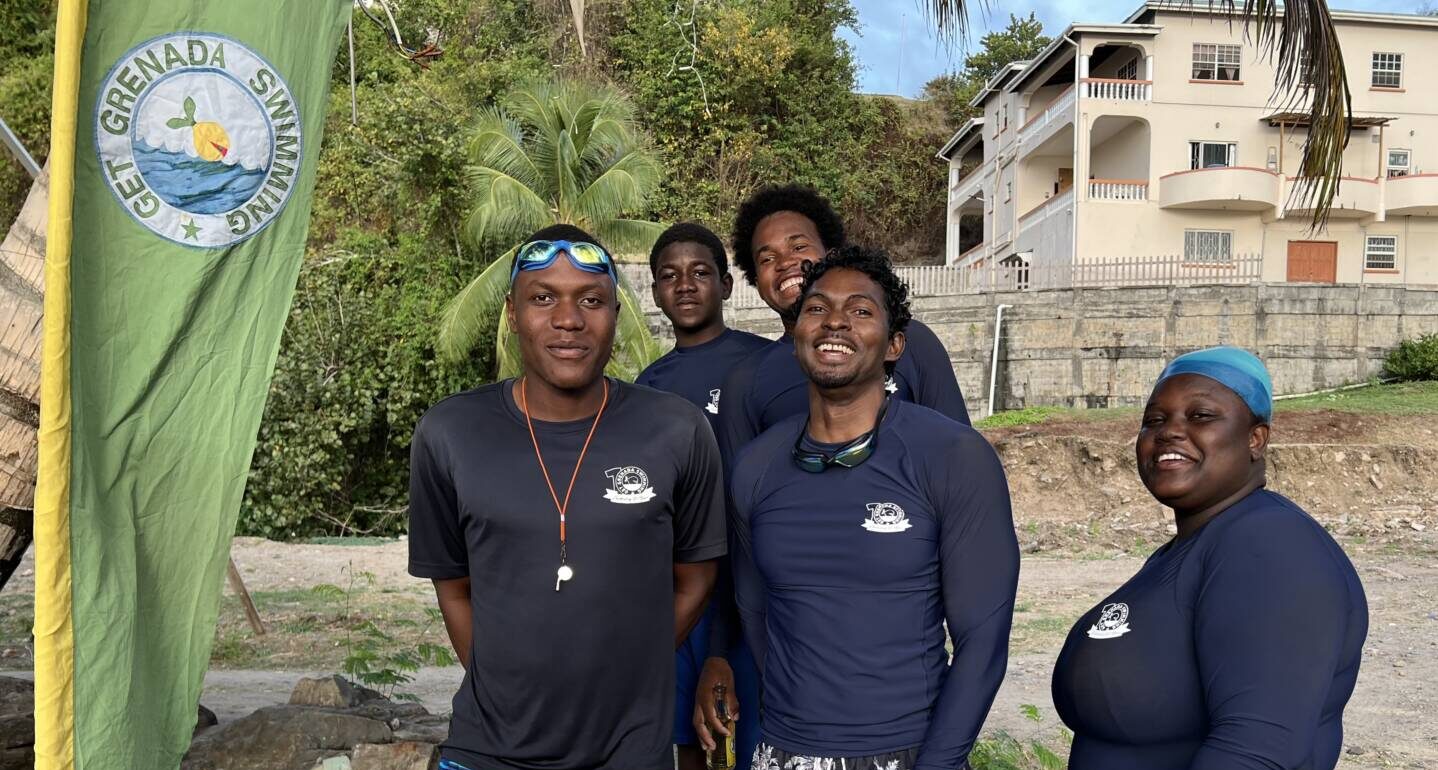
Silversands National Learn to Swim Week a success with 800 swimmers
Last Saturday marked the successful conclusion of Get Grenada Swimming’s 12th annual national swim week, a milestone made possible only through the coordinated effort of site supervisors, certified instructors, corporate sponsors, community volunteers, and local supporters who have sustained the program for more than a decade.
Now a beloved community tradition, this year’s initiative expanded access to free swim instruction across the entire island nation of Grenada, opening 15 separate teaching locations that spanned from the northern town of Sauteurs along the main island’s Grand Anse Beach all the way to the island of Carriacou. Unlike many paid aquatic programs, Get Grenada Swimming opens its lessons to all interested participants aged five and older, welcoming both children and adults to build critical water safety skills at no cost.
As the program’s major corporate partner this year, Silversands Management reaffirmed its longstanding commitment to the initiative. “Naguib Sawiris and Silversands are delighted to continue supporting Deb Eastwood and the entire Get Grenada Swimming team as they carry out their exceptional work teaching children to swim and stay safe in Grenada’s waters,” a representative from Silversands shared. “Over 12 years of this life-changing program, their work has likely saved countless lives by equipping young people with the competence to enjoy our beautiful coastlines confidently. We are deeply grateful to the entire team for this essential, community-focused work.”
Program director Deb Eastwood highlighted the collaborative problem-solving that allowed the initiative to overcome an unexpected logistical hurdle in Carriacou this year. Just 48 hours before the start of swim week, more than 30 additional participants registered for lessons, leaving the island with only one assigned instructor to serve a surge in demand. In a show of cross-island community spirit, two volunteers from mainland Grenada quickly arranged travel on the Osprey ferry to Carriacou to lend their support for the full week of instruction. The last-minute teamwork paid off: the 2026 Carriacou swim week taught 55 total participants, marking the highest local participation number in the program’s history.
Setting this year’s event apart from previous iterations was a new, added component: a hands-only CPR training workshop hosted at Camerhogne Park. The interactive session was met with enthusiastic feedback from both younger swimmers and adult participants, who valued the opportunity to add another life-saving skill to their knowledge base.
Eastwood emphasized that none of the program’s 2026 milestones would have been achievable without collective community and corporate investment. She extended special thanks to major sponsor Silversands, alongside additional supporting partners including Budget Marine, True Blue Blue Resort, Ting/Star Malt, Spice Island Marine, Acado, Flow, Pure Grenada, and Waggy-T.
Looking ahead, the organization has already opened registration for its next Learn to Swim Week, scheduled to run from July 6 through July 10, with sponsorship from Sandals. Interested participants can sign up today through the program’s official website, www.getgrenadaswimming.com.
Beyond the annual week-long intensive events, Get Grenada Swimming continues to offer free weekly swim lessons every Saturday at 11 accessible locations across Grenada and Carriacou. Current weekly locations and local contact information are as follows:
– Birchgrove – St Andrew (Mello’s Complex): Contact Lovell Alexander at 416-1226
– Cabier Beach – Crochu, St Andrew: Contact Abigail Fletcher at 449-6091
– Carriacou – Paradise Beach: Contact Sophia Ireland at 535-6992
– Grand Anse – Umbrella’s Restaurant (9 am–11 am): Contact Deb Eastwood at 404-5237
– Grand Mal Beach – Across from SOG (10 am–12 pm): Contact Kevin Phillips at 421-1835
– Grenada Marine, Corinth at 9 am: Contact Catherine John at 459-2393
– Grenville – Telescope Beach: Contact Francis Williams at 449-3773
– Gouyave – St John, near Fish Market (12 pm–2 pm): Contact Sharm Ashton at 422-9893
– Paraclete – Lime House: Contact Kester Roberts at 403-6358
– Sauteurs – St Patrick Breakwater (9 am–11 am): Contact Nixon Edwards at 537-3035For more details on upcoming events, registration, or opportunities to volunteer or donate, visit the Get Grenada Swimming official website at www.getgrenadaswimming.com, contact Deb Eastwood directly by phone at 404-5237, or send an email to info@getgrenadaswimming.com.
-
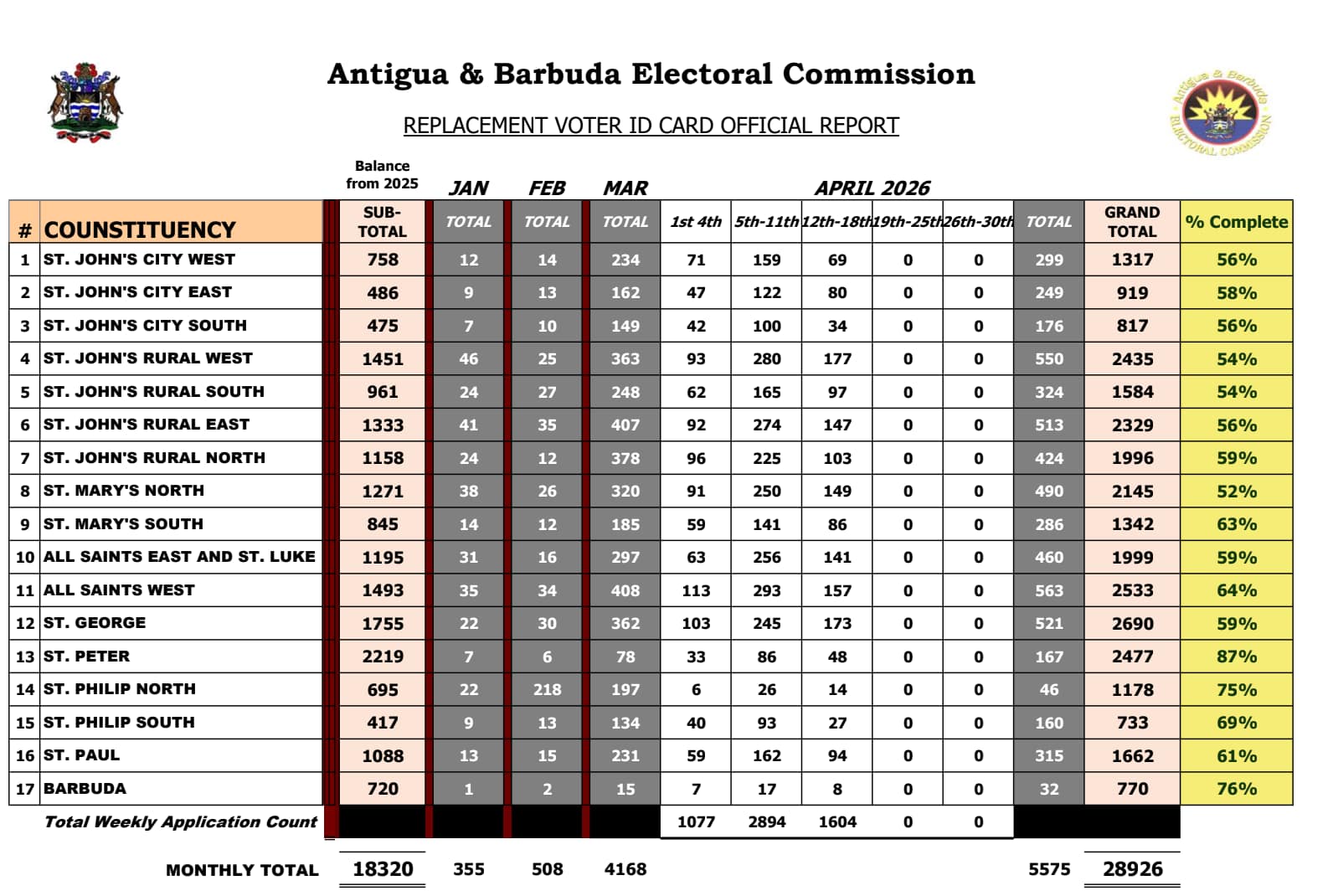
Voter ID replacement drive passes halfway mark in Antigua and Barbuda
As Antigua and Barbuda’s nationwide voter identification card replacement initiative accelerates, the country’s Electoral Commission has confirmed that more than half of all eligible voters have already finalized the process, according to the latest official data for April 2026. The overall national completion rate now stands at just over 55%, with significant variation in uptake across different constituencies, the commission’s updated report reveals. Several constituencies have already posted participation rates well above the national average, emerging as standouts in the ongoing program. Leading the pack is the St Peter constituency, where an impressive 87% of registered voters have successfully swapped out their old identification cards for new ones. Close behind, St Philip North and the island of Barbuda also outpace the national average, clocking completion rates of 75% and 76% respectively. However, the data also highlights uneven progress across the country, with some constituencies falling significantly behind the midpoint mark. St Mary’s North and St John’s Rural West are among the areas with completion rates still below the 55% national threshold, pointing to slower adoption in these regions. Since the voter ID replacement program launched, the commission has processed a cumulative total of 28,926 applications, with 5,575 of those applications coming in April alone, as of the latest data cut-off. Looking at recent weekly trends, the program saw a notable surge in activity earlier this month, with 2,894 applications processed between April 5 and 11. A further 1,604 applications were finalized in the following week spanning April 12 to 18. That said, the latest report shows daily application processing totals dropped to zero after April 14, a gap that officials have not explicitly explained, leaving open two potential explanations: a temporary pause in processing operations, or delayed entry of the most recent data into the commission’s tracking system. By constituency, the highest weekly application volume between April 12 and 18 was recorded in St John’s Rural West, which notched 177 new applications. St George followed close behind with 173 applications, and All Saints West came in third with 157 submissions. With critical upcoming electoral deadlines drawing near, the Antigua and Barbuda Electoral Commission is stepping up appeals to all registered voters across the twin-island nation to complete their ID replacement as soon as possible. The commission has issued a clear warning: voters who fail to finalize the replacement process before the deadline could lose their ability to cast a ballot in upcoming elections. To address the existing gaps in participation, officials confirmed that outreach and access efforts will be expanded moving forward, with a particular focus on the constituencies that have lagged behind the national average to help boost uptake and ensure all eligible voters can exercise their voting rights. These targeted efforts are expected to close the regional gap and push the overall completion rate higher in the coming weeks, the commission added.
-
REMAR project launched to restore OECS mangroves
On April 11, 2026, the Organisation of Eastern Caribbean States (OECS) Commission held an official virtual launch ceremony for the groundbreaking Resilient Ecosystems through Mangrove Restoration (REMAR) Project, in close partnership with France’s Agence Française de Développement (AFD) and the French Facility for Global Environment (FFEM).
This five-year regional initiative carries a total investment of €5.5 million, marking one of the most significant recent commitments to advancing climate resilience, biodiversity protection, and inclusive sustainable livelihoods across the Eastern Caribbean. Over its implementation period, the project will deliver targeted support for mangrove restoration and long-term collaborative ecosystem management across five participating OECS territories: Grenada, St Lucia, St Vincent and the Grenadines, Martinique, and Guadeloupe.
Mangrove forests rank among the most ecologically and economically valuable coastal ecosystems in the entire Caribbean region. These unique coastal habitats deliver a wide range of critical ecosystem services: they shield shorelines from destructive erosion and dangerous storm surges, provide essential breeding and feeding grounds that underpin local commercial and artisanal fisheries, support a wide array of unique native biodiversity, filter pollutants to improve coastal water quality, and sequester far larger volumes of atmospheric carbon than most terrestrial forest ecosystems, making them a powerful natural tool for climate change mitigation.
Despite their outsized importance, Caribbean mangrove habitats have faced growing, cumulative threats in recent decades. Unsustainable coastal development, pollution, rising sea levels and intensifying storm activity driven by climate change, recurring hurricane damage, severe flooding events, and the rapidly growing crisis of large-scale sargassum inundations have all degraded vast swathes of mangrove habitat across the region.
Speaking during the project’s official launch, OECS Director General Dr. Didacus Jules framed REMAR as far more than an environmental intervention, calling it a strategic investment in regional communities, natural resources, and cross-border cooperation. “Protecting and restoring mangroves is not simply an environmental choice; it is a development imperative,” Jules noted. “REMAR is one such model. A model that brings together regional cooperation, local ownership, and strategic partnerships. A model that allows us to learn, adapt, and scale. And a model that positions the OECS not only as a beneficiary of support, but as a driver of solutions.”
Jules added that the new initiative aligns perfectly with the OECS’s core vision of lifting quality of life for all people across the region through collective action and equitable, impact-focused development cooperation.
Domenico Ditaranto, Deputy Head of Mission for the Embassy of France to the Eastern Caribbean States, Barbados, and the OECS, reaffirmed France’s longstanding commitment to sustainable development and collaborative regional action in the Caribbean. “REMAR is a very iconic project because it embodies regional cooperation that is highly relevant for the Caribbean,” Ditaranto said. “It shows the commitment of France and the value of working together to respond to shared challenges.”
Quentin Lajus, representing the Agence Française de Développement, also delivered remarks at the ceremony, highlighting the urgent need for coordinated cross-border action to address shared regional threats ranging from biodiversity loss and climate change to increasing coastal vulnerability. “The challenges that are shared by the region’s states and territories go beyond national borders and require joint, coordinated responses,” Lajus explained. “This is why our partnership with the OECS is so important and why REMAR is such a meaningful initiative.”
The REMAR Project is structured around three core strategic pillars that guide its work across all participating territories. First, it supports community-led restoration efforts at sites where mangrove habitats have been heavily degraded. Second, it works to expand scientific understanding of Caribbean mangrove ecosystems and establish open regional data-sharing protocols. Third, it focuses on strengthening institutional capacity for long-term ecosystem management and conservation across local, national, and regional levels.
At the regional level, the OECS Commission will lead overall implementation coordination, facilitate cross-territory knowledge exchange, and support the development of a new regional network focused on mangroves and swamp forest conservation. At the local level, site managers and community stakeholders will lead all restoration planning and on-the-ground work, with activities tailored to the specific ecological conditions and socio-economic needs of each territory.
Over the long term, project leaders expect REMAR to deliver far-reaching benefits across environmental, social, and economic domains. These outcomes include healthier, more resilient coastal ecosystems, expanded and more stable livelihoods for coastal communities dependent on mangrove resources, stronger local stewardship of natural resources, and more coordinated regional policy frameworks for mangrove protection.
Through the REMAR initiative, the OECS Commission and its partner organizations are reaffirming their shared commitment to building a more resilient, interconnected, and sustainable Eastern Caribbean, centered on nature-based climate solutions and strengthened by regional collective action.
-
Teaching ‘on empty’: Systemic change demand amid ‘burnout crisis’
Regional education leaders and public health specialists issued an urgent warning Tuesday: teacher burnout across the Caribbean has reached crisis levels, and without systemic overhaul, the region could soon face a catastrophic shortage of qualified educators.
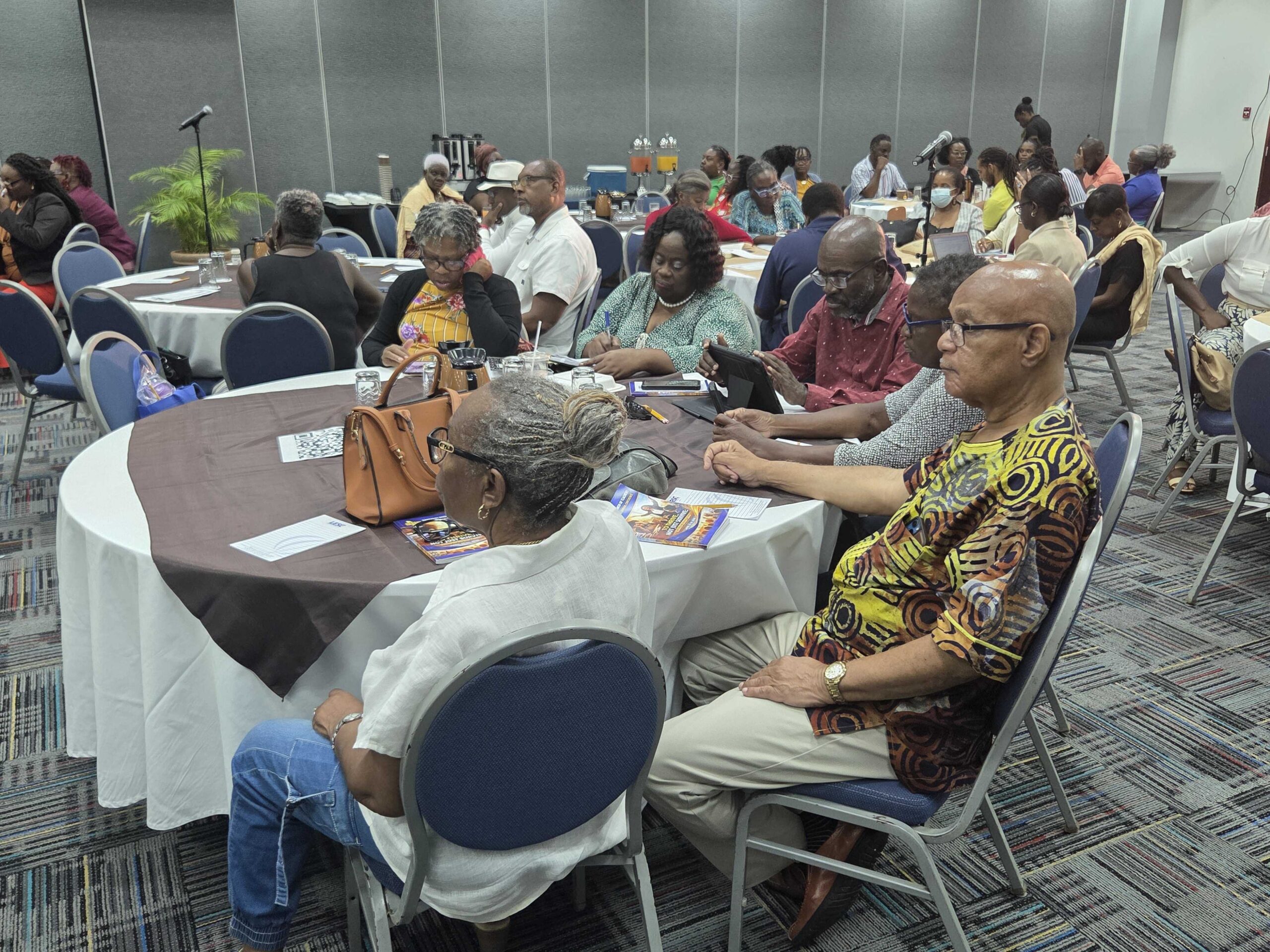
The alarm was sounded during the fifth annual Caribbean Teachers Talk conference, hosted at the Lloyd Erskine Sandiford Centre in Barbados, where hundreds of educators, union representatives and health experts gathered to unpack what attendees have called a pervasive ‘burnout culture’ that is steadily driving educators out of the profession. What once was framed as an individual challenge of personal resilience has now evolved into a systemic threat that undermines the entire Caribbean education ecosystem, speakers confirmed.
Backed by the Barbados Union of Teachers (BUT), the conference carried the theme ‘To Thrive, Not Just Survive’ — a framing that balanced recognition of small recent wins, including the reinstatement of formal term vacation leave, with a blunt assessment that major structural change remains far out of reach. Opening the conference, BUT President Rudy Lovell pushed back against the long-held cultural narrative that relentless self-sacrifice is the defining mark of a good educator. He noted that the current education system disproportionately rewards teachers who push through extreme exhaustion, but warned that this unspoken endurance test is inherently unsustainable.
‘Burnout is not a badge of honour, it is a signal,’ Lovell told attendees. ‘It is a signal that something in the system, in the expectations placed on teachers, or even in the story we tell ourselves about what makes a good educator needs to change. The simple truth is this: you cannot pour into young minds when your own cup is running dry.’ Lovell called on educators to reframe their professional identity, replacing the expectation of constant depletion with a focus on ‘sustainable energy’ and normalizing the right to set clear work-life boundaries without feelings of guilt.
Kim Belle, Permanent Secretary of Barbados’ Ministry of Education Transformation, acknowledged that the demands of 21st-century teaching have shifted dramatically beyond traditional lesson delivery and grading. Today’s educators are expected to serve as mental health counsellors, mentors, and steady pillars of support for students facing socioeconomic instability, roles that add massive uncompensated emotional strain to their daily workload. Belle, a trained human resources professional, emphasized that teacher wellness is now a central pillar of the government’s national education reform agenda. She pointed to the April 1 reinstatement of formal term vacation leave as a direct policy response to educators’ growing need for dedicated time to recharge mentally and physically.
‘Excellence does not mean constant self-sacrifice, it means sustainability. It means showing up consistently, not working until you are completely exhausted,’ Belle told the audience. ‘You must give yourself permission to set realistic daily goals. Accept that some tasks can wait until tomorrow. And recognize that doing your best does not mean doing everything.’ She encouraged educators to take advantage of the public service’s existing Employee Assistance Programme, which provides three free confidential counselling sessions annually for public workers and their dependents, and confirmed that findings from a recent human resources survey will be used to design more targeted, customized support systems for teachers moving forward.
In one of the conference’s most pointed presentations, workplace health and wellness physician Dr Renee Boyce, who opened up about her own personal experience with occupational burnout, broke down the underrecognized physical and financial toll that unmanaged stress takes on educators. Dr Boyce explained that burnout often mimics serious physical illness, leading many teachers to seek costly medical care — including specialist consultations, blood work, and even CT scans for persistent chronic headaches — before the root cause of their symptoms is correctly identified as work-related stress.
Beyond direct medical costs, Dr Boyce noted that many teachers turn to unhealthy coping mechanisms such as emotional retail spending and increased alcohol use to manage unaddressed stress, adding further financial and physical strain. Citing the World Health Organization’s formal classification of burnout as an occupational phenomenon, she clarified that burnout does not emerge from ordinary work stress: it develops when chronic workplace stress goes unmanaged systemically. ‘Wherever there is work, there will be stress. The problem arises when that stress is never properly addressed,’ she explained.
Dr Boyce shared startling new data showing that nearly 50 percent of Caribbean teachers already report physical symptoms of unmanaged stress, including chest pain, chronic insomnia, and gastrointestinal disorders. She warned of a clear inverse correlation: as teacher stress levels rise, the number of educators planning to leave the profession increases directly. To reverse this trend, she called for the introduction of formal ‘protected hours’ dedicated exclusively to lesson planning and professional development, to eliminate the widespread expectation that teachers must work late into the night to meet their job requirements.
As the conference drew to a close, the unified message from attendees, union leaders and government officials was clear: the long-term survival of the Caribbean education system depends on prioritizing the health and well-being of the educators that power it. Dr Boyce summed up the stakes for the region: ‘There is coming a time if change does not happen where we will have students to teach and no teachers to teach them,’ she said.
-
GranMorgu-project bereikt nieuwe fase met aankomst eerste offshore apparatuur
Suriname’s flagship large-scale offshore energy development, the GranMorgu oil project, has officially moved into its active execution phase following the arrival of its first batch of critical subsea equipment, project leaders confirmed in mid-April 2026.
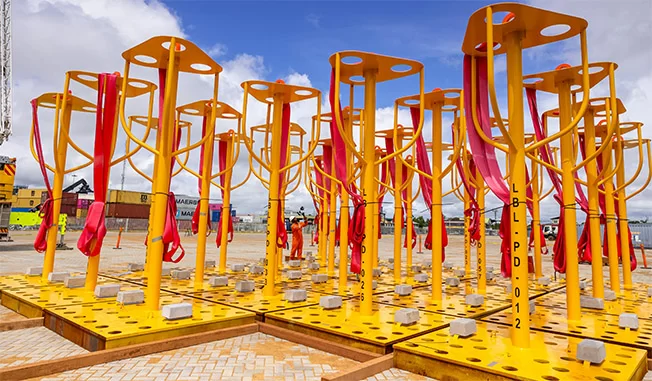
The specialized components, part of the project’s Long BaseLine (LBL) positioning system, were delivered to Paramaribo’s Dr. Jules Sedney Port by the end of March 2026. The LBL system is an advanced underwater navigation technology that allows work vessels and installation equipment to pinpoint their exact location on the seabed using acoustic signals transmitted between transponders placed on the ocean floor. This precision technology is widely recognized as essential for accurate installation of offshore energy infrastructure, particularly in deepwater operating environments where small positioning errors can lead to costly project delays and safety risks.
Artur Nunes da Silva, General Manager of TotalEnergies EP Suriname, noted that this delivery marks a clear transition from years of pre-construction planning to tangible offshore construction work. The on-site installation of the LBL equipment is scheduled to begin in June 2026, representing the first official offshore installation phase of the entire GranMorgu project.
All offshore construction activities are being carried out in partnership with leading international contractors, including major energy infrastructure firm Saipem. Project stakeholders have emphasized that safety and operational efficiency are top priorities throughout all phases of development, with all work aligned to strict global industry safety and environmental standards.
Located approximately 150 kilometers off Suriname’s coastline, GranMorgu stands as the country’s first large-scale offshore oil development, built on the back of the earlier Sapakara and Krabdagu oil discoveries. The project will center on a floating production storage and offloading (FPSO) unit with a planned production capacity of 220,000 barrels of crude oil per day. Recoverable oil reserves at the GranMorgu field are estimated at more than 750 million barrels.
Backed by a total investment of roughly $10.5 billion, the GranMorgu project is expected to deliver transformative benefits to Suriname’s national economy, driving new job creation, supporting the growth of local supporting industries, and expanding government revenue streams. First commercial oil production from the project is on track to launch in 2028, according to current development timelines.
-

Spain leads foreign investment in Dominican Republic
New data released by the Central Bank of the Dominican Republic, analyzed and published by the Spanish Chamber of Commerce, confirms a notable shift in the Caribbean nation’s foreign direct investment landscape: Spain has overtaken the United States to claim the position of the largest single source of inbound FDI for the previous year.
Spain’s total FDI contribution to the Dominican Republic hit US$1.086 billion in the reporting period, accounting for 21.5% of all foreign capital flowing into the country that year. The United States, long a dominant investment partner for the Dominican Republic, landed in second place with a total inbound investment of US$1.042 billion, a figure just marginally below Spain’s total.
Overall, the Dominican Republic saw a healthy expansion in total foreign direct investment last year, with aggregate inflows reaching US$5.03 billion. This represents an 11.3% year-over-year increase compared to the prior year, signaling growing international confidence in the Caribbean nation’s economic stability and growth potential.
Government officials and business leaders from both countries point to Spain’s deliberate, long-term investment strategy as the core driver of its top position. For years, Spanish investors have prioritized deepening economic ties with the Dominican Republic, focusing commitments on high-impact sectors that drive sustained national growth.
The bulk of Spanish investment is concentrated in two key areas: tourism, a foundational pillar of the Dominican Republic’s economy, and renewable energy, a fast-growing sector that supports the country’s decarbonization and energy independence goals. Beyond these core areas, Spanish investors are increasingly active in real estate development, infrastructure construction, financial services, and bilateral trade, spreading their impact across multiple layers of the domestic economy.
Other major international investors in the Dominican Republic include Italy, Panama, and Mexico, but all three recorded far lower FDI volumes than either Spain or the United States. This gap underscores the outsized influence Spain now holds in supporting the Dominican Republic’s ongoing economic modernization and expansion, as bilateral economic ties continue to deepen year over year.
-

Dennis opts out, pledges PNM support
Veteran political figure Ancil Dennis, the outgoing leader of the People’s National Movement (PNM) Tobago Council and former Chief Secretary of Tobago, has announced he will not stand for any party position in the upcoming PNM internal election, bringing a formal close to his latest chapter in frontline partisan leadership.
In a public statement posted to social media yesterday, titled “Grateful, Grounded, Moving Forward”, Dennis made clear that while he would not seek office in the April 26 vote, he remains a committed member of the PNM. “I will be voting. I am a member of the PNM and I will be voting in the internal election. I will be voting for the PNM,” he emphasized in his address.
Reflecting on his decades-long political career and recent electoral experience, Dennis shared philosophical insights on victory, defeat and the nature of democratic leadership. He argued that true leadership is not measured only by election wins, but by the grace to accept loss, engage in honest self-reflection, and grow through setbacks. “Winning teaches you confidence, but losing teaches you truth,” he wrote. “Winning convinces you that effort always equals reward; losing reminds you that politics moves in cycles larger than any one person.”
Dennis drew a parallel between his first entry into electoral politics in 2013 and his most recent race. Back in 2013, he won a seat in the Tobago House of Assembly (THA) representing the Buccoo/Mt Pleasant district with 1,802 votes, a moment he described as feeling like “arrival; validation, momentum, purpose.” Earlier this year, he contested the same largely unchanged district with the same dedication to local constituents, but faced a very different final result.
Calling the moment the end of one chapter and the start of another, Dennis expressed deep pride in the policy accomplishments of his tenure as Chief Secretary. Among his key achievements, he highlighted meaningful progress in strengthening Tobago’s agricultural sector: expanding local production, delivering targeted support to smallholder farmers, and repositioning agriculture as a core pillar of the island’s long-term economic resilience. He also pointed to decisive regulatory reforms at the Buccoo marine park, which brought greater transparency, accountability and order to the popular natural site, balancing protection of Tobago’s environmental assets with new safety and sustainability standards for operators and visitors. Dennis acknowledged these reforms were often politically challenging, but maintained they were critical decisions made in the best interest of Tobago’s future development.
Dennis framed political power as a temporary public trust rather than a permanent asset. “Power is borrowed, never owned. Seats are held temporarily. What lasts is character; how you win, how you lose, and whether you respect the rhythm of democracy when it turns against you,” he added.
He extended sincere gratitude to the residents of Buccoo/Mt Pleasant and all Tobagonians who supported him throughout his career. “I want to thank you; to the people of Buccoo/Mt Pleasant and Tobago by extension; who trusted me, challenged me, supported me, and walked this journey with me over the years,” he said. He also thanked his political team, who he said stood by him during the most difficult periods, stayed committed when abandoning the cause would have been easier, and gave their full effort without any guarantee of personal gain.
Looking ahead to the future of the PNM Tobago Council, Dennis offered unreserved encouragement and support to the emerging generation of leaders running in the internal election. He reminded new candidates that leadership is not just about holding public office, but about earning public trust, making unpopular but necessary choices, and prioritizing service to the community over personal advancement. “You will face pressure, criticism, and moments of doubt,” he said. “Meet them with courage, discipline, and a clear sense of purpose. Tobago’s future will, in many ways, be shaped by your choices, and I am confident that, if you remain focused on the greater good, you will rise to the occasion. I stand ready, where appropriate, to support in the continued development and advancement of our island.”
When asked by local outlet *Trinidad and Tobago Express* about his own personal plans, Dennis confirmed he intends to launch a new private business venture in the near future.