As the 2026 Atlantic hurricane season approaches, meteorological authorities in the Dominican Republic are stepping up preparedness efforts, urging all residents across the country to stay updated on weather developments and keep emergency plans ready ahead of the season’s official start on June 1. Running annually from the beginning of June through the end of November, the upcoming season is projected to bring slightly below-average tropical cyclone activity by international forecasting bodies, but officials have stressed that the Dominican Republic remains at high risk of severe disruption from even a single storm system.
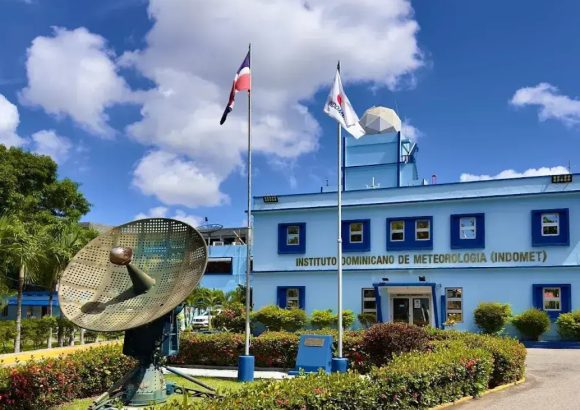
Gloria Ceballos, director of the Dominican Institute of Meteorology (Indomet), confirmed that the agency has already fully activated its comprehensive technical and operational readiness frameworks. These plans are designed to enable 24/7 continuous tracking of developing tropical systems and ensure timely, accurate weather updates are released to the public throughout the entire six-month season. Ceballos emphasized that a lower overall predicted activity count does not eliminate storm risk, noting that even one strong hurricane making landfall can trigger catastrophic flooding, landslides, and infrastructure damage across the island nation. She urged residents to prioritize checking official Indomet weather bulletins and follow all guidance issued by national emergency management agencies.
Two leading international forecasting institutions have released their early projections for the 2026 season. Researchers at Colorado State University forecast a total of 13 named storms will form across the Atlantic basin, six of which will strengthen into hurricanes, with two developing into major hurricanes categorized as Category 3 or higher on the Saffir-Simpson scale. The U.S. National Oceanic and Atmospheric Administration (NOAA) offers a slightly more conservative range, projecting between 8 and 14 named storms, with up to six reaching hurricane strength.
Indomet experts note that the potential emergence of the El Niño climate pattern is the key factor behind the predicted lower activity. El Niño brings warmer-than-average sea surface temperatures to the central and eastern tropical Pacific, which in turn increases vertical wind shear across the Atlantic basin — particularly during the season’s peak months of August and September. Higher wind shear disrupts the formation and strengthening of tropical cyclones, suppressing overall storm development.
To further boost public awareness and preparedness, Indomet has also launched a new outreach initiative named the “Get Informed on Time with Indomet” campaign. The campaign is focused on spreading a culture of hurricane prevention, expanding public access to verified official meteorological information, and helping communities across the country prepare for potential storm impacts before they develop.