GENEVA, Switzerland – In a small but notable breakthrough amid a growing Ebola outbreak in the Democratic Republic of the Congo, the World Health Organization announced Friday the first laboratory-confirmed recovery of an infected patient who has now been discharged from care.
WHO viral haemorrhagic fever technical officer Anais Legand confirmed to reporters that the recovered patient, who tested negative twice for the virus following treatment, was released from hospital and returned to their community on May 27. While this marks the first confirmed recovery among officially validated cases, Legand noted that additional unconfirmed recoveries are likely among individuals whose test results have not yet been processed by laboratories.
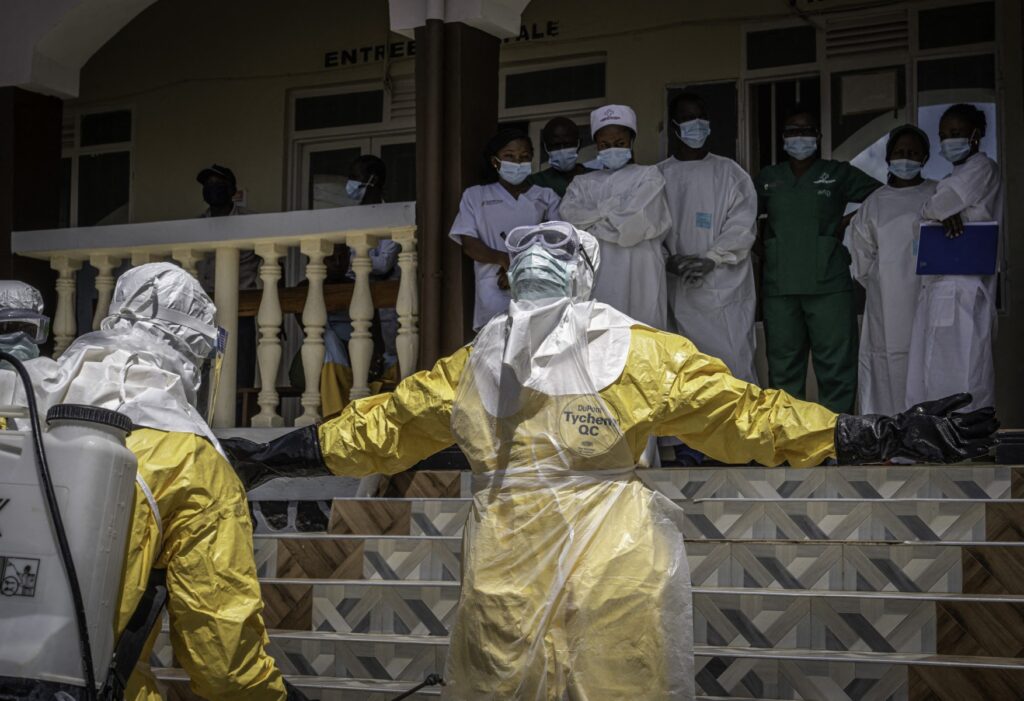
As of the WHO’s latest update, the outbreak, which was formally declared on May 15, has been linked to 17 confirmed deaths and 223 suspected fatalities across the DRC. Out of 125 confirmed infections and more than 900 suspected cases recorded, 16 of the confirmed cases have been among frontline healthcare workers – a group uniquely vulnerable to the virus, which spreads through direct contact with bodily fluids, symptomatic patients, and the remains of people who have died from Ebola.
“It is a terrible disease,” Legand commented, adding that healthcare workers often contract the virus while stepping in to care for infected community members. Responding to the outbreak is further complicated by the cultural and emotional challenges of asking communities to avoid close contact with sick loved ones, a critical measure to stop transmission from spreading.
The outbreak has also spilled over into neighboring Uganda, where seven cases have been confirmed – one of which has ended in death. Three of the Ugandan cases were imported directly from the DRC, and all remaining confirmed cases are linked to those initial imports. At present, WHO officials have found no evidence of sustained community transmission within Uganda’s borders.
This current outbreak is caused by the Bundibugyo strain of Ebola, a variant for which no targeted vaccine or specific antiviral treatment currently exists. The strain can carry a case fatality rate as high as 50%, though the current outbreak’s recorded fatality rate sits below 25% as of latest data, a figure that continues to evolve as more cases are confirmed.
Over the past half-century, Ebola outbreaks across Africa have claimed more than 15,000 lives. This marks the 17th Ebola outbreak the DRC has faced; the deadliest of the country’s previous outbreaks, recorded between 2018 and 2020, killed nearly 2,300 people out of 3,500 confirmed cases.
Despite the grim context of the outbreak, Legand emphasized that there is significant room to reduce mortality. Expanding access to optimized intensive care, supporting communities to identify early symptoms and pursue rapid diagnostic testing, and connecting patients to appropriate care early in their infection can drastically improve survival odds. “The most important thing is that we can support them to get early access to care,” Legand said. “Access to care can help save life.”
Alongside early care access, WHO officials note that robust infection prevention protocols and safe burial practices for Ebola victims are critical to halting transmission, given the high infectiousness of deceased patients’ remains.
On the global front, the agency has not called for any international travel or trade restrictions targeting the DRC or Uganda. The organization does recommend that infected individuals and close contacts of confirmed or suspected cases from affected areas avoid travel, and both the DRC and Uganda are required under International Health Regulations to implement exit screening for people leaving affected regions. But based on current epidemiological data, Legand confirmed that “WHO does not recommend any restriction on travel or trade with the Democratic Republic of the Congo or with Uganda.”