博客

  • Emergency intervention to help more than 400,000 Haitians

    Emergency intervention to help more than 400,000 Haitians

    Amid a catastrophic humanitarian emergency that has left more than half of Haiti’s population dependent on outside aid, a cross-organizational humanitarian partnership has launched a large-scale emergency intervention to support over 400,000 people grappling with the fallout of spreading armed conflict and mass displacement.

    Known as the REZILYANS AYITI consortium, the initiative brings together five leading global and local humanitarian actors: Plan International, the Centre for Rural Development and Community Action (CAPAC), Mercy Corps, the Norwegian Refugee Council (NRC), and Save the Children. Backed by funding from the Regional Humanitarian Fund for Latin America and the Caribbean, the response will focus on three hard-hit Haitian departments: West, Central, and Artibonite, running through October 2026.

    Haiti’s ongoing crisis has pushed the country to the brink of a widespread humanitarian collapse. Current data confirms that 6.4 million Haitians—more than 50% of the total population—require urgent life-saving assistance. An April 2026 analysis from the Integrated Food Security Phase Classification (IPC) warns that 5.8 million people are currently facing acute food insecurity, with conditions worsening by the month. Mass population displacement triggered by escalating violence has cut off millions from access to basic healthcare, clean water, and other essential services, while driving up protection risks for vulnerable groups across the country. Experts have repeatedly called for rapid, coordinated, multi-sector action to stem the worsening situation.

    The REZILYANS AYITI project will target 10 vulnerable communities across the three priority regions, with a layered set of interventions designed to address both immediate needs and longer-term community resilience. The core of the response includes flexible multipurpose cash assistance for displaced households and the local communities that have welcomed them. The initiative also prioritizes strengthening food security, expanding access to safe drinking water, upgrading hygiene and sanitation infrastructure, and scaling up critical nutrition services. Specifically, the program will improve access to prevention, early screening, and clinical treatment for global acute malnutrition in both displacement camps and host communities.

    A key pillar of the intervention is a dedicated child protection framework, tailored to support minors disproportionately impacted by the conflict. This includes integrated psychosocial support for children who have experienced trauma, systematic case management for at-risk youth, and targeted community outreach to identify separated, unaccompanied, or otherwise vulnerable children. Once identified, children are referred to specialized essential services, with particular focus placed on meeting the unique needs of girls and other marginalized groups facing heightened protection risks.

    Against a backdrop of unmet, steadily growing humanitarian needs across Haiti, the REZILYANS AYITI consortium’s integrated, community-centered approach marks a major effort to reverse some of the worst impacts of the ongoing crisis. Beyond meeting immediate survival needs, the initiative is designed to reduce widespread protection risks, restore a sense of dignity for displaced and conflict-affected populations, and build long-term resilience for communities that have borne the brunt of years of escalating instability.

  • Derde helft WK 2026: Senegal als verrassende outsider met grote ambities

    Derde helft WK 2026: Senegal als verrassende outsider met grote ambities

    As the 2026 FIFA World Cup approaches, Senegal prepares to make its third consecutive appearance at the global tournament, arriving as widely ranked Africa’s strongest contender with a bold goal: lifting the world’s most coveted football trophy.

    This campaign comes 24 years after the Teranga Lions made their iconic World Cup debut in 2002, when they delivered one of the biggest upsets in tournament history by beating defending champions France 1-0 in their opening match. That historic upset kickstarted a remarkable run for the first-time entrants: Senegal topped a challenging group featuring Denmark and Uruguay, knocked out Sweden in the round of 16, and only suffered a narrow 1-0 quarter-final defeat to Turkey, still the nation’s best World Cup performance to date.

    A generation later, Senegal has carried that momentum to the 2026 cycle, completing an undefeated qualifying run and notching a landmark win last June that sent a warning to the world’s elite: the side became the first African men’s team to defeat England at Wembley, running out 3-1 winners against the Three Lions. While their recent Africa Cup of Nations final against Morocco was marred by a temporary team walk-off in protest of a controversial penalty call, few question the depth of individual talent and collective strength Aliou Cissé’s side has built.

    At the head of this squad is 34-year-old captain Sadio Mané, who is widely expected to play his final World Cup before retiring from international football after the tournament. Despite a natural reduction in pace that comes with age, Mané remains a world-class talent, lauded for his technical ball control, game reading and influential leadership that has defined Senegal’s success in recent years. The Al-Nassr forward, who played alongside Cristiano Ronaldo to help his club claim the 2025-26 Saudi Pro League title, has extra motivation to finish his international career on a high: he missed Senegal’s 2022 World Cup campaign through injury, making this tournament his long-awaited chance to compete on the global stage one last time. Mané, who led Senegal to the 2025 Africa Cup of Nations title and was named the tournament’s best player, is also the nation’s all-time leading goalscorer, with 53 goals in 126 senior caps.

    Manager Pape Thiaw, who took over from long-time coach Aliou Cissé in late 2024, has also been a central figure in the team’s recent trajectory. He guided Senegal to an undefeated qualifying run, the historic Wembley win over England, and led the side to the 2025 AFCON final. Thiaw’s position has not been without controversy, however: he came under widespread scrutiny after ordering his players to walk off the pitch in protest of the controversial penalty in the AFCON final, a move that saw the Confederation of African Football strip Senegal of the title despite their on-field win. Ahead of the World Cup, fans and analysts alike are hoping Thiaw will bring a calmer, more measured approach to the global tournament, as Senegal’s on-pitch talent speaks for itself.

    Many of Senegal’s key players ply their trade in Europe’s top five leagues, bringing a mix of experience, pace and young potential to the squad. Chelsea and Napoli veteran Kalidou Koulibaly, 35, anchors the defense with decades of top-flight experience. In midfield, Idrissa Gana Gueye and Lamine Camara provide solidity, while Tottenham Hotspur’s Pape Matar Sarr offers dynamic energy despite a difficult club season, and Sunderland’s Habib Diarra is marked as one of the breakout young talents to watch. Up front, Crystal Palace’s Ismaila Sarr was instrumental in the win over England, while Everton winger Iliman Ndiaye adds pace and creative threat, and Bayern Munich loanee Nicolas Jackson – a physical, fast striker – is widely expected to be one of Senegal’s key attacking outlets.

    The squad also features a wave of exciting teenage prospects, including 18-year-old Bayern Munich midfielder Bara Ndiaye and Paris Saint-Germain forward Ibrahim Mbaye, signaling the long-term strength of Senegal’s player development pathway.

    Analysts have flagged two key weaknesses for Senegal heading into the tournament: the advanced age of several of its star players, and inconsistency among some of the side’s creative talents. Compounding these challenges is the team’s difficult group stage draw: Senegal has been placed in Group I alongside defending champions France, Norwegian powerhouse led by Erling Haaland, and intercontinental play-off winner Iraq.

    Senegal will be aiming to repeat its 2002 opening-match upset against France, though the 2026 version of Les Bleus will not make the mistake of underestimating the African side, as their predecessors did 24 years prior. The match against Norway will also be a stern test, as Senegal’s solid defense, which proved impenetrable for most of qualifying, will face its toughest test against one of the world’s best strikers in Haaland. Senegal enters its final group match against Iraq as the favorite, but the side may be forced to field its first-choice players for the full 90 minutes depending on results from the first two group fixtures.

    Senegal’s full 28-man preliminary 2026 World Cup squad is as follows:
    – Goalkeepers: Edouard Mendy (Al-Ahly), Mory Diaw (Le Havre), Yehvann Diouf (Nice)
    – Defenders: Kalidou Koulibaly (Al Hilal), Abdoulaye Seck (Maccabi Haifa), Moussa Niakhate (Lyon), Ismail Jakobs (Galatasaray), Mamadou Sarr (Strasbourg), Antoine Mendy (Nice), Ilay Camara (Anderlecht), El Hadji Malick Diouf (West Ham), Krepin Diatta (Monaco), Moustapha Mbow (Paris FC)
    – Midfielders: Idrissa Gana Gueye (Everton), Pape Matar Sarr (Tottenham), Pathe Ciss (Rayo Vallecano), Pape Gueye (Villarreal), Lamine Camara (Monaco), Habib Diarra (Sunderland), Bara Sapoko Ndiaye (Bayern München)
    – Forwards: Sadio Mane (Al Nassr), Bamba Dieng (Lorient), Nicolas Jackson (Bayern München), Iliman Ndiaye (Everton), Ismaila Sarr (Crystal Palace), Cherif Ndiaye (Samsunspor), Cheikh Sabaly (Metz), Ibrahim Mbaye (PSG), Assane Diao (Como)

    Thiaw will cut the squad to the required 26 players before the tournament kicks off. Most analysts predict Senegal will put on an impressive showing at the 2026 World Cup, though the side may ultimately lack the consistent creativity and elite depth needed to claim the overall title.

    Senegal’s 2026 World Cup Group Stage Fixtures:
    16 June: France vs Senegal (New Jersey, USA)
    22 June: Norway vs Senegal (New Jersey, USA)
    26 June: Senegal vs Irak (Toronto, Canada)

  • Long Bay Zen Resort Will Not Affect Public Beach Access

    Long Bay Zen Resort Will Not Affect Public Beach Access

    During a recent appearance on his weekly ‘Browne and Browne’ radio program Saturday, Prime Minister Gaston Browne of Antigua and Barbuda has moved to dismiss growing public and political criticism over the newly groundbreaking Long Bay Zen Resort, pushing back hard against claims that the luxury tourism development will block public access to the popular Long Bay Beach.

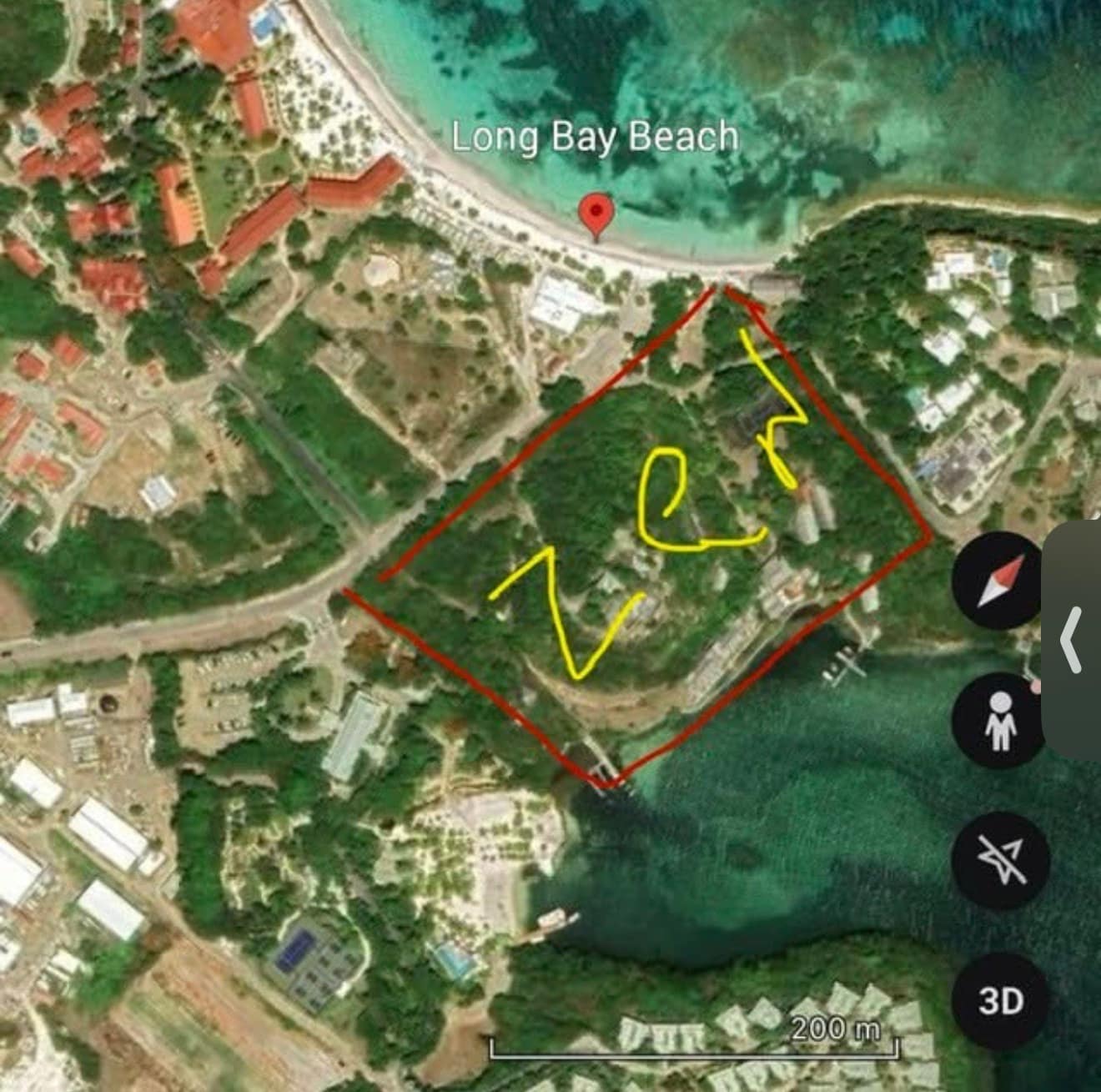
    A core point of contention raised by opponents, including political figure Comrade Knight, centers on assertions that the resort project will seize remaining public beachfront land and close off the coastline to local residents. Browne refuted these claims emphatically, clarifying that the new resort is being constructed exclusively on the footprint of the original Long Bay Hotel, a hospitality site that has operated on the stretch of coast for more than 50 years. Far from being a new encroachment on public coastal lands, he framed the project as a long-planned redevelopment of existing private tourism property.

    The project’s timeline dates back more than a decade, Browne explained. Developers acquired the former hotel property roughly 11 years ago, with initial plans for a much larger buildout. The initiative faced a major setback when investors lost tens of millions of dollars deposited in an offshore bank that collapsed into financial distress, pushing back construction for years. Despite the major financial hit, Browne noted that the development consortium remained committed to moving the project forward, bringing the long-delayed initiative to the groundbreaking stage this year.

    Browne also addressed lingering controversy surrounding a one-acre beachfront plot that was previously owned by his son, a point critics have flagged as a potential conflict of interest. He laid out the full history of the parcel, explaining that it first entered the market when the prior owner of the Long Bay Hotel, Chris LaFourie, sold it in 2014. A previous plan under the former United Progressive Party (UPP) administration had proposed acquiring this plot as part of an earlier hotel expansion, a move that Browne’s Antigua and Barbuda Labour Party (ABLP) opposed at the time out of concern that it would reduce public beach access for local residents.

    That earlier proposal ultimately fell through, and the parcel was returned to the open market, where multiple private buyers expressed interest. Browne confirmed that his son purchased the one-acre plot for $750,000 in a private transaction, before later selling it to the Chinese development group behind the Long Bay Zen Resort for $1.5 million. The prime minister emphasized that the entire deal was a straightforward transaction between two private entities, with no improper access to public land or policy favors involved.

    The luxury Long Bay Zen Resort, which recently held its groundbreaking ceremony on Antigua’s eastern coast, is designed to include 120 guest rooms as a high-end tourism destination aimed at boosting the island nation’s hospitality sector. Browne’s comments come as part of ongoing efforts to build public trust and address misinformation surrounding the project ahead of its continued development.

  • National Youth Council of Dominica elects new Executive Committee; outgoing president describes tenure as rewarding and challenging

    National Youth Council of Dominica elects new Executive Committee; outgoing president describes tenure as rewarding and challenging

    The National Youth Council of Dominica (NYCD) has formally ushered in a new term of youth leadership, wrapping up its electoral process to seat a new 2026–2028 Executive Committee that will steer the organization’s work for the next two years.

    Heading the new leadership slate is President Yannick Regis, while Jemima Mills has taken up the role of General Assembly Chairman. The full executive team includes Dylan Registe as First Vice President, Keanu Winston as Second Vice President, and Shervin Dominique stepping into the position of Communications Lead. Rounding out the elected body are Nicole Eustache, who serves as Assistant Secretary Treasurer, and two additional members at large: Dezarie Burnette and Jeanique Hypolite.

    The handover of power comes as outgoing NYCD President Phael Lander delivered a reflective farewell address, looking back on his tenure as one of the most transformative periods of his life, marked by both profound rewards and significant leadership hurdles. Lander opened up about the unseen challenges of guiding the youth council, noting that every public initiative and official appearance was undergirded by unspoken hardships, from navigating stretched budgets to weathering unexpected crises that hit the organization in recent years.

    Among the most severe setbacks Lander highlighted were a series of damaging incidents at NYCD headquarters: a fire on May 5 that caused extensive water damage from firefighting efforts, followed shortly by a burglary that left the organization reeling. Even with limited resources and compounded adversity, Lander emphasized that the entire council community showed remarkable resilience to keep its programs running for young Dominicans.

    In his address, Lander expressed sincere gratitude to the departing executive, partner organizations, affiliated youth groups, volunteer workers, and young people across Dominica for their steadfast support through turbulent times. While he acknowledged that he left office with unmet goals that he had hoped to deliver, he stressed that every decision and effort during his tenure was rooted in a single core mission: serving the needs of the Dominican youth population.

    Offering key guidance to the incoming executive team, Lander urged the new leaders to prioritize collaborative work, anchor all decisions in the NYCD constitution, avoid letting personal conflicts or individual ambition distract from the organization’s core mission, and always retain sight of their foundational purpose for entering public service. He reminded the new team that the National Youth Council as an institution far outlasts any individual leader, noting that elected officials are only temporary caretakers of the organization’s mission.

    Lander closed by thanking Dominican youth for the trust they extended to him during his tenure, and for holding him accountable throughout his time in office. Even as he steps down from the presidency, Lander reaffirmed that his commitment to advancing youth development in Dominica remains unshaken. “The title may be gone, but the commitment to youth development remains. The work continues,” he said.

  • Fort Road Man Held After Police Recover Large Cache of Suspected Stolen Property

    Fort Road Man Held After Police Recover Large Cache of Suspected Stolen Property

    In a major law enforcement operation carried out early on the morning of Sunday, May 31, 2026, officers from the Royal Police Force of Antigua and Barbuda have recovered an extensive cache of suspected stolen property and taken a local Fort Road resident into custody for questioning. The operation, led by the Criminal Investigations Department (CID) Task Force, got underway at approximately 6:30 a.m., when law enforcement personnel executed a judicially authorized search warrant at the suspect’s residential property in the Fort Road district of St. John’s.

    Upon searching the premises, investigators uncovered a massive assortment of unaccounted-for goods spanning multiple categories, ranging from high-value consumer electronics to industrial and construction supplies. The full list of recovered items includes a wide array of household appliances: televisions, stoves, microwave ovens, blenders, pressure cookers, rice cookers, ceiling fans, and air fryers, as well as large-scale equipment such as generators, air-conditioning units, and water pumps. Construction and power tools were also among the haul, including chain saws, drills, sanders, weed trimmers, air compressors, complete tool kits, and construction materials such as fencing wire, bulk electrical supplies, and plumbing and bathroom fixtures. Additional items found included several cellular phones, multimedia projectors, and assorted hardware supplies.

    Following the discovery of the unclaimed property, the resident occupying the searched property was placed under arrest on two charges: suspicion of larceny and suspicion of receiving stolen property. He was subsequently transported to St. John’s Police Station, where he remains in custody as the investigation progresses, alongside all of the recovered goods that will serve as evidence in the case.

    In the aftermath of the operation, the Royal Police Force has issued a public appeal to residents of Antigua and Barbuda who have recently filed reports of stolen property from their homes, commercial businesses, active construction sites, or private storage facilities. Law enforcement officials are encouraging any individual who believes any of the recovered items may be their property to visit the CID headquarters in person with formal proof of ownership to aid investigators in the ongoing identification and ownership verification process.

    At this stage of the probe, police are working to trace the full origins of all seized goods, and are actively exploring potential connections between this cache and a series of unsolved larceny and burglary reports that have been filed across the island in recent months. Anyone holding additional information that could help move the investigation forward is requested to contact the Criminal Investigations Department directly at the phone lines 462-3913 or 462-3914, or to submit an anonymous tip through the independent Crimestoppers hotline at 800-TIPS (8477).

  • Sir Paul Altman, Celia Toppin among six honoured with heritage award

    Sir Paul Altman, Celia Toppin among six honoured with heritage award

    Barbados’ annual celebration of national history and culture kicked off this year with a distinguished award ceremony honoring five trailblazers who have dedicated their careers to protecting and promoting the island’s unique legacy. To mark the opening of 2026 Heritage Month, the Office for Pan-African Affairs and Heritage joined forces with the Barbados Tourism Marketing Inc. (BTMI) and the Barbados National Trust to present the coveted Fielding Babb Heritage Recognition Awards, an honor that recognizes extraordinary contributions to documenting and preserving Barbados’ cultural and built heritage.

    This year’s Heritage Month is centered on the unifying theme “Safeguarding and Celebrating Our Heritage”, a framing that highlights both the ongoing work of protection and the joy of sharing cultural legacy with new generations. Among the 2026 award recipients is Sir Paul Altman, a veteran preservationist with over 40 years of experience in heritage conservation and urban renewal. As a former president of the Barbados National Trust, Altman is widely celebrated for leading the restoration of the 17th-century Synagogue Historic District, a landmark project that balanced modern real estate development with sensitive historical preservation, setting a benchmark for similar projects across the region.

    Cultural policy pioneer Celia Toppin also received the award in recognition of her foundational work shaping Barbados’ cultural ecosystem. Toppin drafted the island’s first national cultural policy, and later went on to serve as a Cultural Heritage Project Manager with the Organisation of American States, where she developed the first national registers of historic sites across multiple Caribbean nations. Veteran visual historian and photographer Ronnie Carrington rounded out the three most high-profile honorees, recognized for his decades of work documenting everyday Bajan life. Famous for his beloved Bajan Folkways documentary series and popular Footprints of our Heritage guided tours, Carrington is currently putting the final touches on a new photobook titled *Shelters in the Shadows*, which traces the social and architectural history of the iconic Barbadian chattel house. The remaining awards went to former diplomat Michael King and cultural heritage conservationist Steve Devonish, who was named 2026 Heritage Steward of the Year.

    In acceptance remarks, Toppin expressed gratitude for the recognition while issuing a call to action for greater investment in cultural heritage and youth engagement. “I would really like to see more done in the area of culture and cultural heritage,” she said, stressing that young people must be at the center of future heritage work. “I would like to see a greater integration of culture and heritage into our economy, especially for the young people.”

    Sir Paul echoed her gratitude, sharing that he never expected formal recognition for work he pursued out of passion. “You are always honoured when you get an award for some of the things you do without expecting a reward,” he said. “I am proud to have received this, and I will cherish it and continue to do what I do.”

    Throughout the month of June, the celebration will extend far beyond the opening award ceremony with a packed public calendar of events designed to deepen national pride and expand public access to Barbados’ heritage. The Barbados National Trust will offer free entry to multiple historic sites across the month, including Arlington House Museum on June 6 and Gun Hill Signal Station on June 20. Cultural tourism will take center stage on June 20, when the BTMI will host Dinner with Florence Daysh, an immersive evening of live music and theatrical storytelling that explores the roots of modern Barbadian identity.

    Other highlighted events include a June 18 lecture on the evolution of Barbados’ rum and molasses industry in the post-Independence era at St Mary’s Church, the fourth annual Bridgetown Antiques Market and Literary Bus Tours on Father’s Day (June 21), and a youth-led digital webinar on the intersection of heritage preservation and modern technology on June 25. The full schedule also includes Standpipe Stories: Bay Street Edition and the St Mary’s Heritage Tea Party on June 27, Modern Day Griots: Voices of Today at the Daphne Joseph Hackett Theatre on June 28, and a showcase of the new Atlantic Stories digital archive at the Barbados Archives Department, scheduled to close out the month on June 30.

    Organizers of the 2026 Heritage Month observance emphasize that the wide-ranging program serves a dual purpose: while it honors the island’s layered, rich history, it also positions heritage as a core driver of Barbados’ future, encouraging all members of the public to engage with and carry forward national legacy for coming generations.

  • A Star is Born: Aadaiyah Takes the Golden Boot

    A Star is Born: Aadaiyah Takes the Golden Boot

    To be completed once full original news content is provided.

  • Atlantic hurricane season officially begins with below-normal forecast, but vigilance is urged

    Atlantic hurricane season officially begins with below-normal forecast, but vigilance is urged

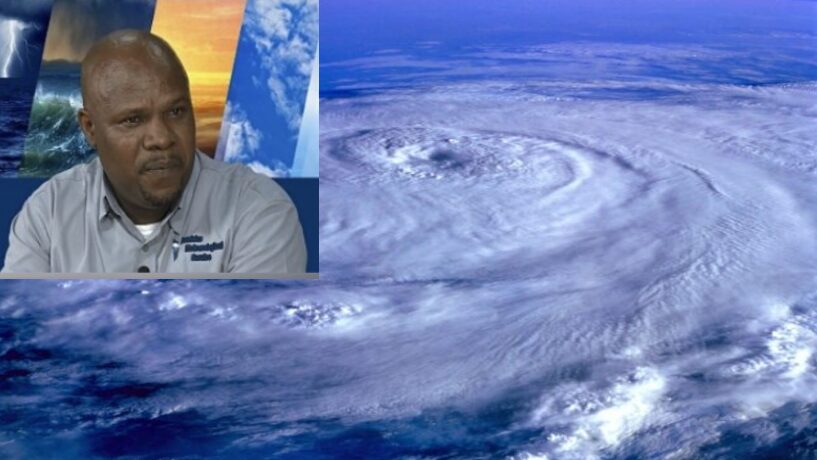
    The 2026 Atlantic Hurricane Season officially got underway on June 1, marking the start of the six-month storm period that will extend through the end of November, according to top meteorological officials in Dominica.

    Acting Director of Meteorology Marshall Alexander has highlighted that the U.S. National Oceanic and Atmospheric Administration (NOAA) is projecting a below-normal season for 2026. The agency’s probabilistic outlook puts the chance of below-average storm activity at 55%, with an expected range of 8 to 14 named storms, 3 to 6 full hurricanes, and 1 to 3 major hurricanes forming across the entire Atlantic Basin this year. This forecast is rooted in ongoing climate trends: a strengthening El Niño event is forecast to boost wind shear across the Atlantic, a atmospheric condition that typically suppresses tropical cyclone development. This suppressing effect is partially offset by warmer-than-average Atlantic sea surface temperatures, which can fuel storm growth when systems do form.

    NOAA constructs its annual hurricane outlook using a robust combination of cutting-edge climate modeling, high-resolution satellite observations, and detailed analysis of large-scale atmospheric and oceanic circulation patterns. Integrating modern tools including artificial intelligence-powered prediction models and next-generation satellite systems, the agency’s cross-institutional team — drawing expertise from the Climate Prediction Center, National Hurricane Center, and Atlantic Oceanographic and Meteorological Laboratory — collaborates to produce the final seasonal outlook. Unlike fixed, precise predictions, NOAA frames its outlook as probabilistic ranges to reflect the inherent uncertainty of seasonal weather forecasting.

    Even with the expectation of a quieter-than-average season, Alexander has stressed that communities, particularly those in vulnerable island nations like Dominica, must not let their guard down. “Our history has shown us that it only takes one storm to make for a very dangerous and devastating season,” Alexander explained, pointing to the catastrophic legacy of 2015’s Tropical Storm Erika and 2017’s Hurricane Maria, two events that left Dominica reeling from widespread flooding, catastrophic landslides, crippling infrastructure destruction, and irreversible losses of life and local livelihoods.

    As a mountainous island nation located directly within the Atlantic hurricane belt, Dominica remains uniquely exposed to a range of hurricane-linked hazards, including flash flooding, overflowing river systems, landslides, rockfalls, destructive high winds, choppy coastal seas, and permanent coastal erosion. Even a single moderate storm can trigger cascading disasters across the island’s steep terrain.

    To help residents stay ahead of developing threats, Alexander urged the public to rely exclusively on official information sources throughout the season, including updates from the Dominica Meteorological Service. Updates are distributed via local radio, the service’s official website at www.weather.gov.dm, and social media platforms including Facebook, Instagram, and WhatsApp.

    “Preparedness, early action, communication and coordination remain our strongest defenses during the hurricane season,” Alexander said. He reaffirmed that the below-normal seasonal forecast should not change how Dominicans prepare for storm threats, repeating a critical message that underscores the stakes for at-risk coastal communities: “It only takes one.” NOAA echoed this sentiment, emphasizing that regardless of projected seasonal activity, pre-season preparedness remains the most effective strategy to reduce hurricane-related harm.

  • Sobers, Walcott homes set for heritage recognition

    Sobers, Walcott homes set for heritage recognition

    Barbados is set to cement the legacies of two of its most iconic sporting figures through an ambitious new heritage initiative that will preserve the childhood family homes of cricket greats Sir Gary Sobers and the late Sir Frank Walcott. The plan was officially announced by Trevor Prescod, Minister of Pan-African Affairs and Heritage, during the opening ceremony of Heritage Month, held Saturday evening at the island nation’s Cricket Legends Museum.

    Unlike conventional commemorative efforts that rely solely on plaques or public statuary, Prescod emphasized that this project marks a deliberate shift toward active, tangible preservation of the nation’s most precious cultural and historical assets. The initiative will kick off at Sobers’ childhood residence in Bay Land, St. Michael, a location that holds deep symbolic meaning for the country as the early home of one of Barbados’ most celebrated living National Heroes.

    In remarks at the event, Prescod argued that the state carries a unique responsibility to honor national icons while they are still with us, rather than waiting to recognize their contributions posthumously. “We cannot have a national hero of Gary Sobers’ stature still alive today, and for the state to fail to step forward to honor the home where he grew up – a space that stands as a living symbol of his extraordinary journey and greatness,” Prescod stated. “That is a mistake we are determined to correct, and I can promise we will see this project through to completion.”

    Beyond honoring the living legend, the preservation project will also extend to the former home of Sir Frank Walcott, located on the eastern edge of the Empire Cricket Club ground. Walcott, who wore dual hats as a pioneering trade union leader and one of the most respected cricketers in Barbadian history, joins Sobers as a focal point of the ministry’s effort to protect spaces that tell the story of the nation’s sporting and social progress.

    To deliver the project, Prescod confirmed that the Ministry of Pan-African Affairs and Heritage will collaborate closely with the Barbados National Trust, the island’s leading independent heritage conservation organization. The partnership aims to ensure that the preservation work adheres to the highest professional conservation standards, going far beyond the basic commemorative marker that has become the standard for honoring public figures.

    The announcement has been welcomed by cultural and sporting groups across Barbados, who frame the initiative as a critical step in preserving the island’s connection to its most influential athletes and community leaders. For cricket fans and Barbadians more broadly, the preserved homes are expected to become lasting heritage sites that will educate future generations about the impact of these two legendary figures.

  • Guyana Bar Association’s election heads to court- Attorney Darren Wade

    Guyana Bar Association’s election heads to court- Attorney Darren Wade

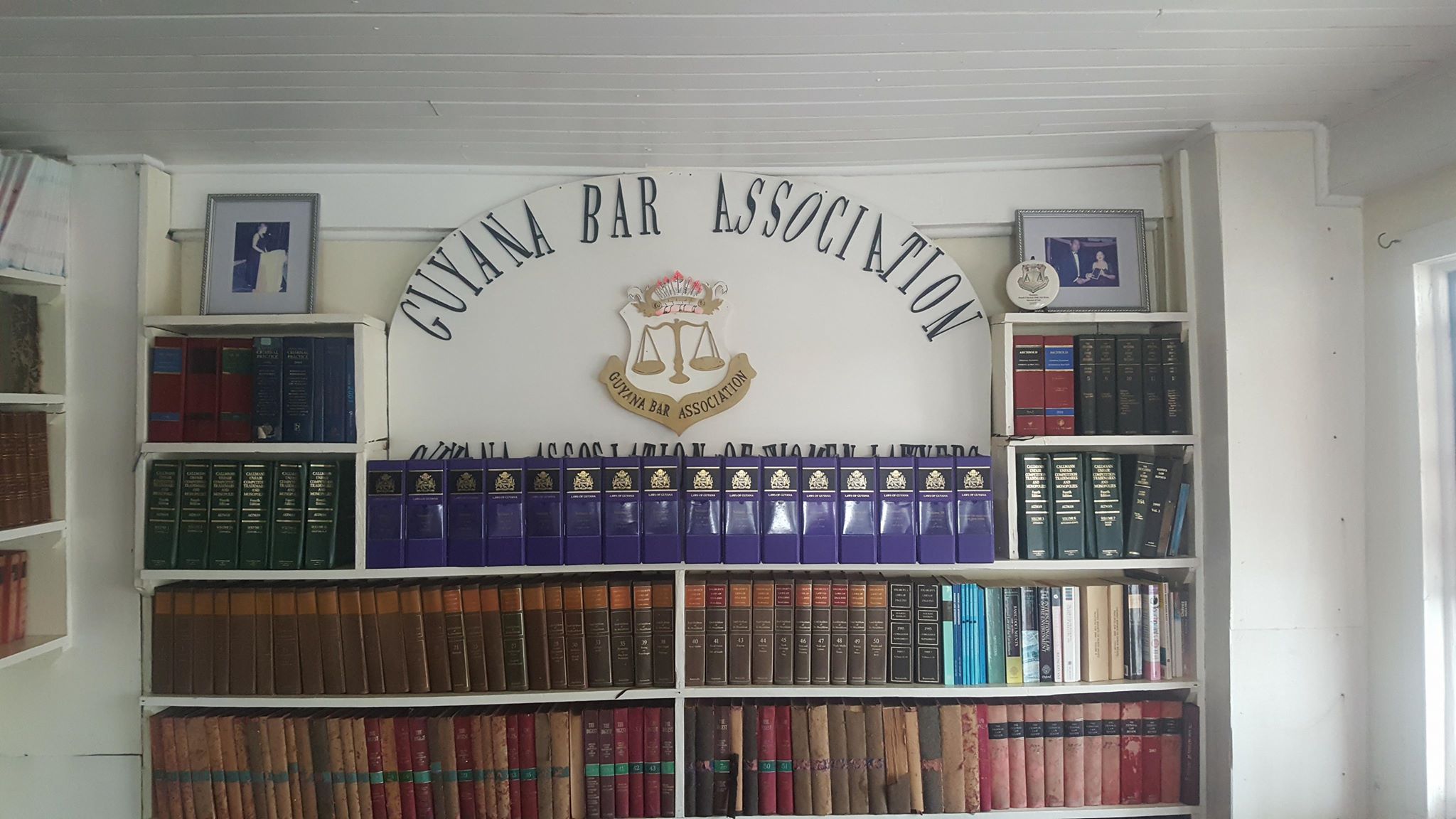
    On Sunday, May 31, 2026, defeated candidate and attorney-at-law Darren Wade announced plans to mount a legal challenge to last Friday’s Guyana Bar Association (GBA) Council election, claiming ineligible voters were permitted to cast ballots in direct violation of the professional body’s bylaws.

    Wade, whose slate of candidates lost to the opposing ticket led by incoming GBA President Arudranauth Gossai, confirmed his firm intention to file a lawsuit over the disputed poll. He told Demerara Waves Online News that the core of the legal challenge rests on the GBA’s decision to allow government-employed attorneys, who hold non-private practice positions, to vote. Under GBA regulations, only full private practice attorneys qualify for regular voting membership, while government-employed and other non-private practitioners are limited to associate membership that carries no voting rights.

    The contested election was held via a virtual Zoom Annual General Meeting (AGM), which the GBA says drew the highest number of attending members in the organization’s history. But Wade alleged that after he raised formal objections to the presence of government-employed attorneys in the voting process, GBA organizers allowed these ineligible participants to remain. He added that official records do not clearly identify who cast ballots, despite preliminary data indicating that 100 percent of the ineligible government-employed lawyers he identified participated in the vote.

    Citing explicit GBA bylaws, Wade explained that Section 3 of the organization’s governing rules restricts voting membership exclusively to attorneys engaged in full private practice, defined as attorneys not employed by the state. All other attorneys, including those on government payrolls, are restricted to associate membership, which explicitly excludes voting rights, a restriction that is also clearly posted on the GBA’s official website. Wade emphasized that the election’s core irregularity stems from organizers’ failure to adhere to these longstanding rules.

    The GBA has formally confirmed that Gossai’s ticket defeated Wade’s slate to take control of the 2026-2027 GBA Council. The new leadership includes former GBA President Kamal Ramkarran as First Vice-President, Teni Housty as Second Vice-President, Yashmini Singh as re-elected Secretary, Samuel Glasgow as Treasurer, and Mohanie Anganoo as Assistant Secretary. Seven additional members, including senior counsels Robin Stoby and Jamela Ali, were elected to fill at-large Council seats. Wade has criticized that the GBA only released vote results as percentages, refusing to publish raw vote totals to verify the outcome.

    Ramkarran, who served as outgoing GBA President during the election, has rejected Wade’s allegations outright. In a May 25 response to Wade’s pre-election concerns, Ramkarran denied any rules were broken and challenged Wade to produce concrete evidence to back his claims. “Despite your allegations, I must point out that the Bar Association’s rules have been complied with in every regard, as always. If you are aware of any rule in particular which has been inadvertently missed, I would be grateful if you could bring it to our attention,” Ramkarran said. He also dismissed as “untrue and defamatory” Wade’s claim that the outgoing Council refused to commit to a transparent, free and fair election without intervention from senior independent members of the legal profession.

    Wade’s concerns over electoral fairness predated the Friday vote. In the lead-up to the election, he raised multiple red flags about procedural irregularities, including his claim that a number of eligible voting members were not invited to the virtual AGM. He also formally requested key procedural details ahead of the poll, including the identity of the appointed Returning Officer, formal rules governing nominations, voting, counting and result declarations, Zoom platform participant access and capacity controls, constitutional provisions governing the election, contingency plans for technical failures, and a complete official list of eligible voters. Wade also warned of an uneven playing field, noting that the incumbent GBA leadership had full access to all member contact and eligibility data that was not shared equally with all competing candidate slates.

    This electoral controversy comes amid a similar recent dispute in Guyana’s independent professional bodies: just prior to the GBA vote, elections for the Guyana Press Association (GPA) were also marred by allegations of partisan political preference from the ruling People’s Progressive Party Civic (PPPC).