博客

  • Allez expands across the Caribbean as it marks five years

    Allez expands across the Caribbean as it marks five years

    When the global COVID-19 pandemic upended transportation markets across small island nations in 2021, two Saint Lucian entrepreneurs turned the disruption into an opportunity. Mellissa Preville and Safiya Paul launched Allez, one of the first homegrown ride-hailing platforms in the country, built from the ground up to serve the unique mobility needs of their local community.

    Five years on, that small local startup is gearing up for a major milestone: the company will mark its fifth anniversary of operation on April 18, 2026, and launch a sweeping regional expansion into six additional Caribbean markets alongside the celebration. Following a successful 2025 entry into Dominica, Allez will roll out its services to Saint Vincent and the Grenadines, Grenada, Antigua and Barbuda, Saint Kitts and Nevis, Anguilla and Montserrat, bringing its community-focused ride-hailing model to thousands of new users across the Eastern Caribbean.

    For Allez’s co-founders, this expansion is not a sudden pivot—it is the fulfillment of a long-held core vision. “It was always part of the vision… to expand to the rest of the Caribbean and eventually the African continent. We never set out for Allez to just stay in Saint Lucia,” Preville shared in an interview with local outlet St Lucia Times.

    The journey to this point has not been without obstacles. Growing a local mobility startup in a small open market has brought consistent challenges, most notably rising competition from both regional and global players. Earlier this year, industry analysts widely expected that global ride-hailing giant Uber, with its massive international brand recognition and funding, would quickly capture the majority of Saint Lucia’s ride-hailing market and push smaller local providers like Allez out.

    But what initially looked like a major threat ultimately became an unexpected advantage for the homegrown brand. While Preville and Paul first framed Uber’s arrival as just another competitor to navigate, the entry of the global firm sparked a wave of local support that boosted Allez’s standing in the market.

    “The most amazing thing about this was: so many locals were pushing Allez and talking about Allez. That made us feel like we were doing something right. More people started researching and finding Allez,” Preville explained. She added that Uber’s market entry actually gave Allez a lasting competitive edge, by raising overall consumer awareness and interest in ride-hailing services across the island, driving new users to explore local options like Allez.

    As the company prepares to launch in new markets, the founding team is extending an open invitation to local drivers across the target territories to join the platform. Interested drivers can sign up easily by downloading the Allez Driver app, creating a user profile, and uploading the required regulatory and vehicle documentation. All new regional services are scheduled to go live on the same day as the company’s fifth anniversary, April 18.

    Preville emphasized that Allez’s key differentiator from larger global competitors has always been its commitment to localized, high-quality customer service. “What differentiates us is excellent customer service. We are on top of ensuring that we assist persons with getting connected and the places they need to be,” she said, outlining the customer-first values that have guided the company’s growth from its launch.

  • Man Reported Missing Found Dead; Family Says They Can’t Claim Body

    Man Reported Missing Found Dead; Family Says They Can’t Claim Body

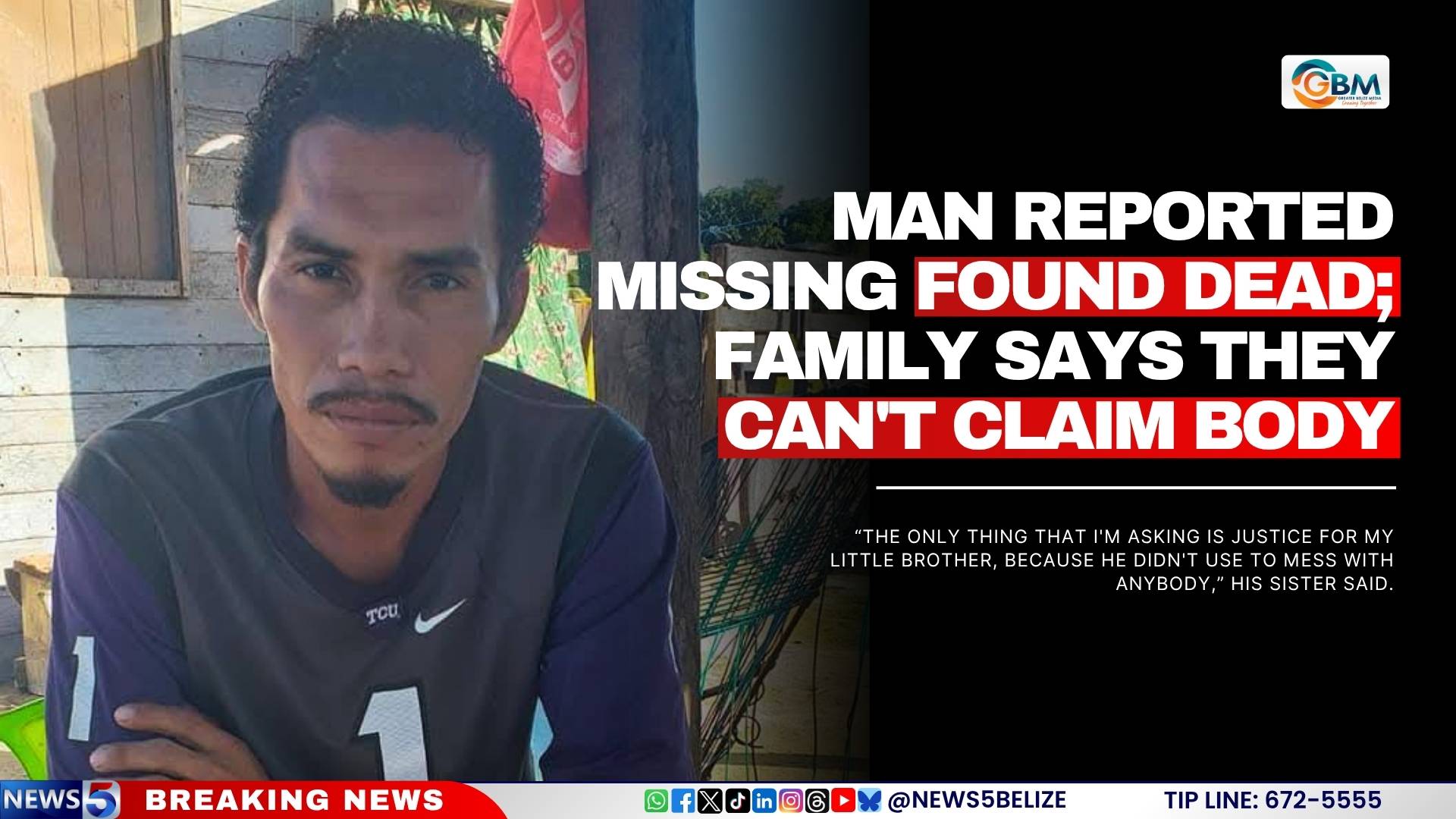
    A disturbing case out of Belize’s Dangriga District has left a local family trapped in limbo, nearly three weeks after 46-year-old Jericho Humes first vanished under suspicious circumstances from his Dangriga Town home. The father of three was last seen alive on April 1, when he was dropped off at his workplace, but what followed has unfolded into a nightmare of uncertainty, grief and bureaucratic barriers for his surviving relatives.

    Days after Humes’ disappearance, family members grew alarmed when he failed to return home and decided to check his residence. What they found only deepened their fears: the home had been ransacked, with windows shattered, a front door forced open, clothing strewn across the floors, and a pot of cooking rice left sitting out until it spoiled. One of Humes’ favorite caps was also found partially burned, a puzzling and ominous detail that offered no clear answers about what had happened to him.

    Nearly a week after he went missing, the case took a terrifying turn when Humes’ niece received a series of disturbing calls from a phone number registered in Mexico. The caller claimed to be holding Humes hostage and demanded a ransom of $10,000 for his safe release. Along with the ransom demand, the caller sent a photograph showing a knife pressed to a man’s neck and shared audio recordings of what they claimed was Humes. The niece immediately turned all of this evidence over to local law enforcement. At the time, Assistant Superintendent of Police Stacy Smith told reporters that investigators had shared the photo with Humes’ brother, who insisted the man pictured was not Jericho. Law enforcement classified the incident as an ongoing missing person investigation, and downplayed the kidnapping claim at that stage.

    Now, more than two weeks later, the family has received the devastating confirmation they had long feared: Jericho Humes is dead. In an interview with local outlet News Five on Thursday, Humes’ sister Arseneia Humes shared that police contacted the family last week to ask them to identify a body that had been found in an advanced state of decomposition. With the body’s face unrecognizable, Arseneia confirmed it was her brother based on his distinctive tattoos, a harrowing experience she described in an interview.

    What has made this unbearable tragedy even worse, the family says, is the complete lack of transparency from law enforcement and a bureaucratic rule that is keeping them from laying their loved one to rest. Arseneia explained that police have refused to share any basic details about the recovery of Humes’ body: the family has not been told where the remains were found, when they were discovered, or under what circumstances. More crucially, authorities have refused to release Humes’ body to the family for burial unless they can provide a facial photo that matches the visible identifying markings on the remains – a requirement the family cannot fulfill, given the state of the body.

    Authorities have suggested DNA testing via a saliva sample as an alternative path to formal identification, but the family says they have been told results could take up to four months to process. The grieving relatives have also pressed police for information about the potential cause of death, asking whether Humes suffered gunshot or stab wounds, but law enforcement has not confirmed any details. For the family, the months-long wait for answers and the inability to bury their loved one has added immeasurable pain to their loss.

    Speaking to reporters, Arseneia called for accountability and answers, saying her brother was not a person who had conflicts with others. “The only thing that I’m asking is justice for my little brother, because he didn’t use to mess with anybody,” she said. As of Friday, the investigation into Humes’ death remains ongoing, with no updates from Belizean police on new leads or changes to the identification process.

  • Oproep tot Surinaamse Corporate Governance Code tijdens lezing juristen

    Oproep tot Surinaamse Corporate Governance Code tijdens lezing juristen

    On Thursday, April 17, the Suriname Bar Association (SJV) in partnership with the Suriname Law Journal hosted a public expert lecture focused on answering a critical policy question: Does Suriname need its own stand-alone national Corporate Governance Code? The event centered discussion on three core pillars of effective institutional management: strong governance, full operational transparency, and unwavering institutional integrity.

    The event’s lead presenters, legal experts Mirto Murray and Karan Doekhi, opened the discussion by breaking down Curaçao’s existing national Corporate Governance Code, drawing key parallels between Curaçao’s regulatory framework and the current institutional landscape in Suriname. Throughout the lecture, the concept of integrity — defined by speakers as “upholding ethical standards even when no one is watching” — served as the throughline for all conversation.

    The legal experts emphasized that robust corporate governance standards are particularly critical for state-owned enterprises, public utility providers, national port authorities, and financial institutions including the Central Bank of Suriname. These organizations, they noted, manage public financial resources and hold foundational roles in national economic activity, making it non-negotiable for them to adhere to strict requirements for transparency and public accountability.

    Following the presentation, a open discussion was held with attendees, who included senior policymakers, practicing legal professionals, law students, and representatives from both public and private sector institutions. Participants focused particular attention on the division of responsibilities between key institutional bodies: the state as primary shareholder, institutional executive leadership, and boards of commissioners. Attendees stressed that every governing body must operate within clear, legally defined boundaries to mitigate a range of risks, including legal liability for mismanagement.

    While Suriname currently does not have a dedicated national Corporate Governance Code, speakers highlighted that the country’s recently updated Civil Code already enshrines key core standards for careful, responsible institutional management, and these standards already apply to all organizations carrying out public tasks.

    The event concluded with a formal call to action for the development of a Suriname-specific Corporate Governance Code through a broad, inclusive consultation process that includes representation from the national government, national parliament, regulatory oversight bodies, the national business community, civil society organizations, and academic institutions.

    The SJV has publicly confirmed that it stands ready to serve a facilitating and advisory role throughout the process of developing the code. In a statement following the event, the association stressed that strong corporate governance is not an unnecessary luxury for Suriname, but a core requirement for protecting citizen and stakeholder rights, reducing the national risk of corruption, and unlocking sustainable long-term economic growth opportunities for the country.

  • Antiguan Kelton Mich Dalso Called to Bar in St. Lucia

    Antiguan Kelton Mich Dalso Called to Bar in St. Lucia

    A rising legal professional from Antigua and Barbuda, Kelton Mich Dalso, is set to reach a landmark career milestone in April 2026 when he is formally called to the Bar of the Eastern Caribbean Supreme Court’s St. Lucia Circuit, based in the country’s capital city of Castries.

    Dalso’s qualification to practice across the Caribbean regional court system comes through the framework of the Caribbean Community (CARICOM), anchored in the revised Treaty of Chaguaramas. This foundational treaty established the CARICOM Single Market and Economy (CSME), an integration agreement that Antigua and Barbuda has officially signed onto, allowing eligible legal practitioners from member states to practice across participating jurisdictions.

    This upcoming call to the regional Eastern Caribbean bar follows Dalso’s recent admission to practice in the United Kingdom. As first reported by The Times of London on 28 November 2025, Dalso was among the new practitioners admitted to the Bar of England and Wales during the traditional Michaelmas Call ceremony and reception held at London’s prestigious Gray’s Inn, one of the four historic Inns of Court that regulate bar entry in the UK.

    Dalso’s path to dual admission has been marked by consistent academic and professional achievement. He earned his Bachelor of Laws with Honours (LLB Hons) in August 2020, before going on to complete the required Bar Training Course at the University of the West of England (UWE), where he graduated with a merit classification, a mark of strong academic performance in the rigorous vocational program for barristers.

    Beyond his core qualifications as a barrister, Dalso has built out additional expertise in alternative dispute resolution: he holds professional certifications as a mediator, arbitrator, and advanced negotiator, expanding his capacity to handle a broad range of legal matters both in and out of the courtroom.

    Witnessing the upcoming 2026 call ceremony, a momentous and historic occasion for Dalso’s legal career, will be his wife and two of his sons, who will share in the celebration of his years of preparation and achievement.

  • Vote for Dominica’s Leanne Morancie as she climbs top 10 of Entrepreneur of Impact Competition with Daymond John

    Vote for Dominica’s Leanne Morancie as she climbs top 10 of Entrepreneur of Impact Competition with Daymond John

    From a field of millions of global applicants, Dominican small business founder Leanne Morancie has claimed one of the coveted 10 remaining spots in Colossal’s 2026 Entrepreneur of Impact competition, advancing through a series of rigorous preliminary selection rounds to reach the public voting phase.

    Hosted by Daymond John—celebrated business magnate, founder of iconic streetwear brand FUBU, and star investor on ABC’s long-running entrepreneurial reality show *Shark Tank*—the competition has now entered a critical stage: public support will decide which 10 competitors move forward into the final Top 5. Public voting is currently open, and supporters can cast one complimentary vote per day, with additional paid votes available through donations. All proceeds from paid votes go directly to GENYOUth, a non-profit organization dedicated to expanding access to nutritious school meals and inclusive physical activity programs for K-12 students across North America.

    A native of Grand Bay and a graduate of Dominica’s Convent High School, Morancie first developed the concept for her clean skincare brand, Leanne Lutterness™, during her time competing in beauty pageantry. Like many people with sensitive, reactive skin, Morancie spent years cycling through commercial skincare products that failed to address her specific needs, leaving her frustrated and searching for an alternative. Drawing on her lifelong familiarity with the therapeutic properties of crystals, and building on formal education she received at the University of the Virgin Islands, Morancie began formulating her own transdermal skincare solutions. What started as a personal project soon grew into a full brand, when she discovered her formulations worked not just for her, but for a large community of people living with persistent skin conditions and underlying inflammatory ailments who also struggled to find effective, gentle products. Today, Leanne Lutterness™ stands as a successful woman-owned, ethically produced crystalline skincare brand with a loyal global customer base.

    Beyond building her skincare business, Morancie is deeply committed to expanding access to financial literacy for working families, a mission aligned with her work with World System Builder. This initiative, which counts Morancie among its core advocates, has set an ambitious goal to deliver evidence-based financial education to 30 million families worldwide by 2030. For Morancie, the dual focus of building a responsible consumer brand and advancing economic empowerment is exactly what the Entrepreneur of Impact competition was designed to celebrate.

    If Morancie takes home the competition’s top prize of $25,000, she plans to invest the full amount into expanding her brand’s marketing strategy and distribution networks, allowing Leanne Lutterness™ to reach more customers in need of gentle, effective skincare while growing her capacity to advance youth empowerment and community development work in her home country of Dominica.

    “I am always grateful for the opportunity to make meaningful impact,” Morancie said in a statement. “Thank you for the encouragement I have received so far. I am immensely grateful to my supporters, our loyal clients, for recognizing me as an Entrepreneur of Impact. This experience has been especially meaningful given my ongoing commitment to youth empowerment and community-focused initiatives.”

    She ended with a direct appeal to voters: “Vote me Entrepreneur of Impact 2026.” Voting is open to the public worldwide, and daily votes are free. The voting window will close at 1 PM local time on Thursday, April 23.

  • Government enforces Crown Lands eviction

    Government enforces Crown Lands eviction

    A growing conflict over public land governance has emerged in Grenada after national authorities issued urgent 7-day eviction notices to dozens of residents living illegally on unapproved Crown land in the Gwankai district of South St George. The enforcement action, which marks a sharp shift in the government’s approach to longstanding squatter issues, has upended the lives of long-term occupants, many of whom have built homes and put down roots on the land over the course of years or even decades.

    Many affected residents say they believed they were following proper legal protocols to secure formal ownership of their properties, leaving them blindsided by the sudden eviction orders. One long-term occupant, who has resided on his plot for nearly 10 years and constructed a permanent concrete home there, told reporters he submitted a formal ownership application in 2022 but never received any feedback on his request prior to the April 7 eviction notice granting just one week to leave. Another resident echoed that frustration, noting that repeated trips to the national Ministry of Agriculture and Lands yielded no clear updates on the status of her land application before enforcement began.

    The dispute has pulled back the curtain on a long-simmering tension between widespread informal land occupation across the country and the state’s formal legal authority over public Crown lands. It has also prompted fresh scrutiny of the government’s backlog of unprocessed land applications and the lack of transparent communication with applicants before punitive action is taken.

    In an official public address on land policy released Thursday, Javan Williams, Permanent Secretary for the Ministry of Agriculture and Lands, made clear that the government is pursuing a new, stricter course of enforcement aligned with existing legal frameworks. Williams warned residents to adjust their expectations around access to Crown land, emphasizing that the ministry is committed to managing all public property in strict adherence to national law. He noted that while many people submit legitimate applications for Crown land allotment, a growing number of individuals have simply moved onto and occupied government property without any formal approval, reminding the public that squatting remains a criminal offense under Grenadian law.

    Williams referenced the Prevention of Squatting on Crown Lands Rules, Statutory Rule and Order (SRO) 5 of 2007, which lays out the official protocols for serving eviction notices to illegal occupants. Per the regulations, eviction notices must be delivered to squatters in person whenever possible; if occupants cannot be located or served within 48 hours of the notice being issued, authorities are permitted to post the notice in a clearly visible location on the occupied land or any structure built on the site.

    Williams confirmed that enforcement teams conduct formal investigations into suspected squatting cases before any notices are issued, but acknowledged that noncompliance with eviction orders has become an increasingly challenging issue. He added that some occupants have gone so far as to remove posted eviction notices to avoid compliance, and issued a formal warning against both the removal of official notices and the construction of unapproved structures on public Crown land.

    The permanent secretary also outlined the legal penalties residents face if they ignore eviction orders. Under the current law, any squatter who fails to comply with a properly served eviction notice commits a criminal offense, punishable by a fine of up to 1,000 Eastern Caribbean dollars (EC$) or a jail sentence of up to three months upon summary conviction.

    According to Williams, this expanded enforcement push is part of a broader government policy shift aimed at addressing a decades-long, complex problem of widespread illegal squatting. For years, he explained, many people have deliberately occupied public or privately held land, operating under the assumption that they will eventually be granted amnesty or formal approval. “We want to advise persons, let us all follow the law because we now are seriously invoking the eviction section of the SRO 5, 2007,” Williams stated.

    Williams acknowledged that some Gwankai residents have submitted formal applications for land allotment, but stressed that submitting an application does not grant automatic right to occupy the land. Under Grenadian law, after an application is received, a formal land survey must be completed and the request must be reviewed and approved by the national Cabinet. Only after a written authorization is issued following Cabinet approval does an individual gain legal right to use the Crown land. Any occupation prior to that formal approval, Williams emphasized, is considered illegal squatting.

    “Under the law, the Cabinet is the sole authority to direct an allotment. So, if you are not allotted a piece of Crown land, then you are deemed a squatter,” Williams added.

    The unfolding situation in Gwankai is already emerging as a critical early test of the Grenadian government’s commitment to bringing formal order to Crown land management across the country, and of how communities with longstanding informal settlements will respond to the new stricter enforcement regime. For the residents facing eviction, the conflict is far more than a policy debate: it is a fight to keep their homes, their livelihoods, and the years of financial and personal investment they have put into their properties. For the government, by contrast, the priority is upholding the rule of law and reasserting formal control over public land, amid longstanding public concerns about unregulated squatting and inefficiencies in the formal land allocation process.

    The outcome of the Gwankai dispute is expected to set a major precedent for how similar informal occupation cases will be handled across Grenada in the coming years, particularly in communities where informal settlement has outpaced formal land approval for decades.

  • Jamaican Reggae Legend Ernie Smith Dies at 80

    Jamaican Reggae Legend Ernie Smith Dies at 80

    The global reggae community is mourning the loss of one of its pioneering figures, legendary Jamaican musician Ernie Smith, who passed away on the evening of April 16, 2026 at a medical facility in Florida. He was 80 years old, just two weeks shy of his 81st birthday scheduled for May 1.

    His passing was confirmed by his wife Claudette Bailey-Smith in an interview with Jamaica’s leading national newspaper The Jamaica Gleaner. Bailey-Smith shared that Smith had already completed one surgical procedure at the Florida hospital and was preparing for a second operation when he succumbed.

    Smith’s decades-long career in music helped shape the sound of modern Jamaican reggae and cement the genre’s reputation around the world. He launched his professional journey in the late 1960s, and his infectious, distinctive sound quickly made him a household name across the entire Caribbean region. By 1971, he had already notched two major chart hits with *Bend Down* and *Ride on Sammy*, establishing him as one of the most promising new talents in Jamaican music. Over the following decades, he went on to record a catalog of tracks that remain among the most recognizable and beloved in reggae history, including signature classics *Pitta Patta* and *Duppy Gunman* that still receive regular airplay across Caribbean radio stations today.

    Smith’s breakthrough onto the international stage came in 1972, when he competed and took home the top prize at the prestigious annual Yamaha Music Festival held in Japan. His winning entry, *Life is Just for Living*, had an unexpected origin: it was originally composed as a jingle for a Red Stripe beer commercial before being expanded into a full song that captured global acclaim.

    Recognizing his immense contribution to the nation’s cultural identity, the government of Jamaica honored Smith the very next year. In 1973, he received the Badge of Honour for Meritorious Service in the Field of Music, awarded for his enduring impact on growing Jamaica’s cultural heritage both at home and abroad. Beyond his home country, Smith built strong connections across Central America, and made multiple performance and personal visits to Belize throughout his career.

    As news of his death spread, tributes have begun pouring in from reggae fans, fellow musicians, and cultural institutions around the world, celebrating Smith’s legacy as a trailblazer who brought Jamaican reggae to a global audience.

  • Regional Fellowship initiative targets Caribbean talent in digital infrastructure development

    Regional Fellowship initiative targets Caribbean talent in digital infrastructure development

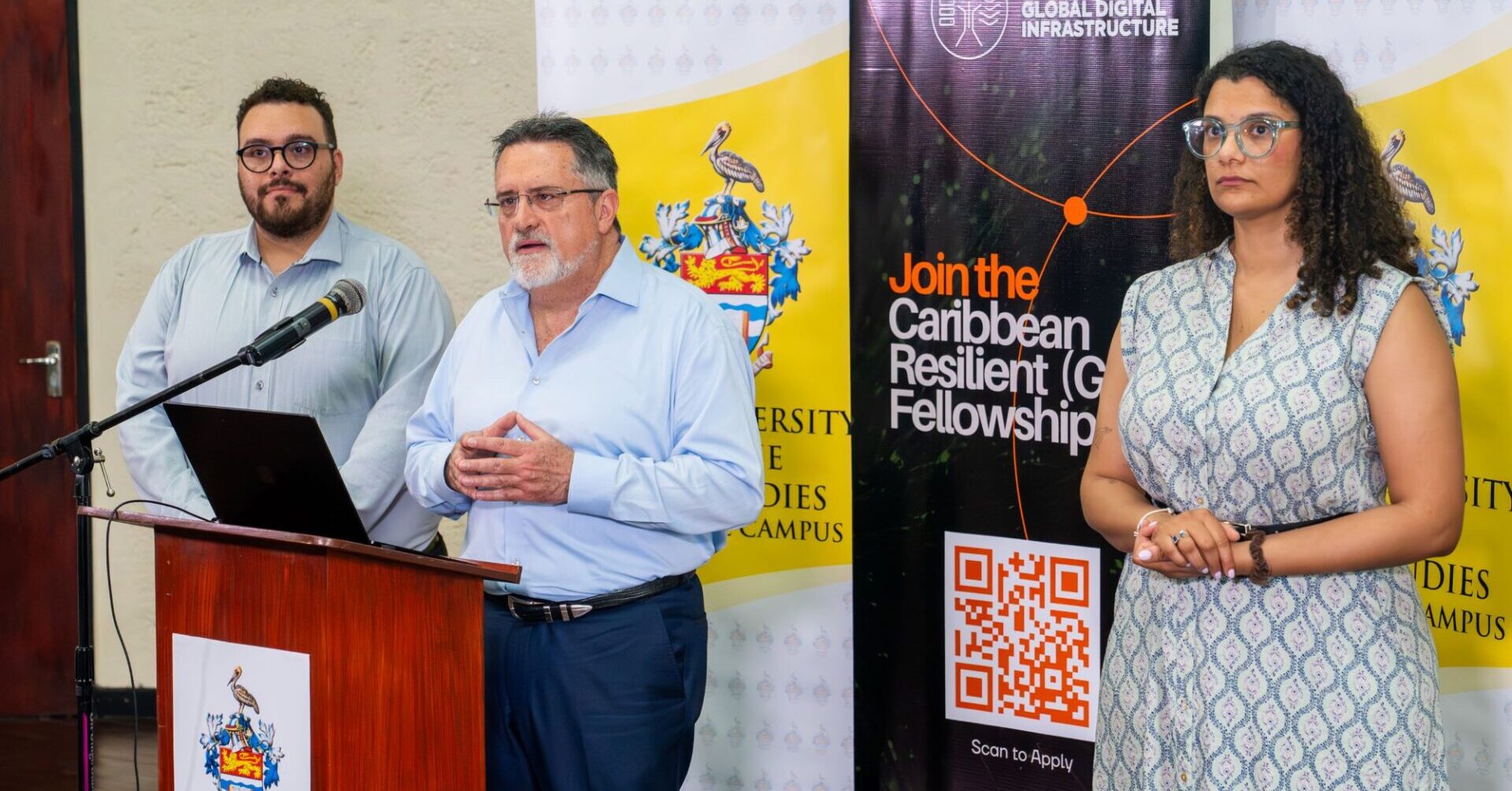
    A collaborative delegation bringing together industry leaders from the SubOptic Foundation and digital infrastructure researchers from the University of California, Berkeley has arrived at The University of the West Indies (UWI) to launch a regional recruitment drive for an ambitious new professional development program: the Resilient Global Digital Infrastructure Fellowship.

    The multi-institutional partnership is targeting more than 40 selected students and early-career professionals across the Caribbean to participate in the program, which centers on building critical technical skills, nurturing local leadership capacity, and strengthening long-term resilience for regional digital infrastructure systems. According to an official media release from UWI, the recruitment tour has already included stakeholder meetings across Trinidad and Tobago and Barbados, with a public information session scheduled for April 21 at 5:00 PM at the UWI Global Campus in Dominica to answer questions from interested applicants.

    This initiative grows out of a years-long deepening partnership between academic and industry stakeholders designed to expand public and professional understanding of the physical and policy systems that power global internet connectivity. Core focus areas of the program include subsea communications cables, terrestrial data networks, Internet Exchange Points (IXPs), data center facilities, and the regulatory frameworks that govern these critical digital assets. Working across UWI’s multiple regional campuses, the partnership’s outreach team is actively engaging prospective participants from a wide spectrum of academic disciplines, including engineering, law, and business, with outreach activities scheduled to continue through the rest of the calendar year.

    Funded through a grant from the Internet Society Foundation, the fellowship is delivered in close collaboration with a network of regional partners including the Caribbean Association of National Telecommunications Organizations (CANTO), the Caribbean Telecommunications Union (CTU), local Internet Society chapters, other regional universities, and private sector telecommunications and technology firms.

    Unlike many specialized technical programs, the Resilient Global Digital Infrastructure Fellowship does not require prior professional or academic technical experience to apply. The 12-month structured learning curriculum combines rigorous technical instruction with on-the-ground practical insights tailored to the unique needs of Caribbean nations. Selected participants will gain access to one-on-one mentorship from industry veterans, guest lectures from global digital infrastructure leaders, and collaborative project opportunities to develop context-specific solutions for regional digital resilience challenges.

    Sandrea Maynard, Pro Vice-Chancellor for Global Affairs at UWI, emphasized that the partnership aligns directly with the institution’s core mandate to build homegrown regional expertise in critical emerging technology sectors. “The Global Digital Infrastructure Fellowship creates valuable pathways for UWI talent to engage globally while ensuring that Caribbean perspectives help shape the systems that underpin our digital future,” Maynard said.

    Nicole Starosielski, a leading professor of digital media at UC Berkeley and a lead researcher on the project, echoed Maynard’s comments, highlighting the outsized strategic importance of the Caribbean to global digital infrastructure. She noted that resilient, far-reaching digital infrastructure depends not only on cutting-edge technology, but also on centering local knowledge, investing in regional education, and fostering sustained cross-sector collaboration.

    The current fellowship initiative builds on years of prior foundational research that mapped digital infrastructure resilience gaps across the Caribbean, incorporating input from multiple island nations and more than 70 regional public and private stakeholders. That earlier work identified a clear need for a coordinated, region-wide approach that integrates technology planning, energy infrastructure alignment, policy development, and community engagement to strengthen digital resilience. The fellowship represents the first major step to translate those research findings into actionable impact through targeted workforce development and institutional partnership.

    Applications for the 2026 cohort of the Resilient Global Digital Infrastructure Fellowship are open now through May 1, 2026, and are open to both enrolled students and working professionals across all academic and professional backgrounds.

  • Caye Caulker Residents Call for Referendum Over Use of Parcel 815 for Police Station

    Caye Caulker Residents Call for Referendum Over Use of Parcel 815 for Police Station

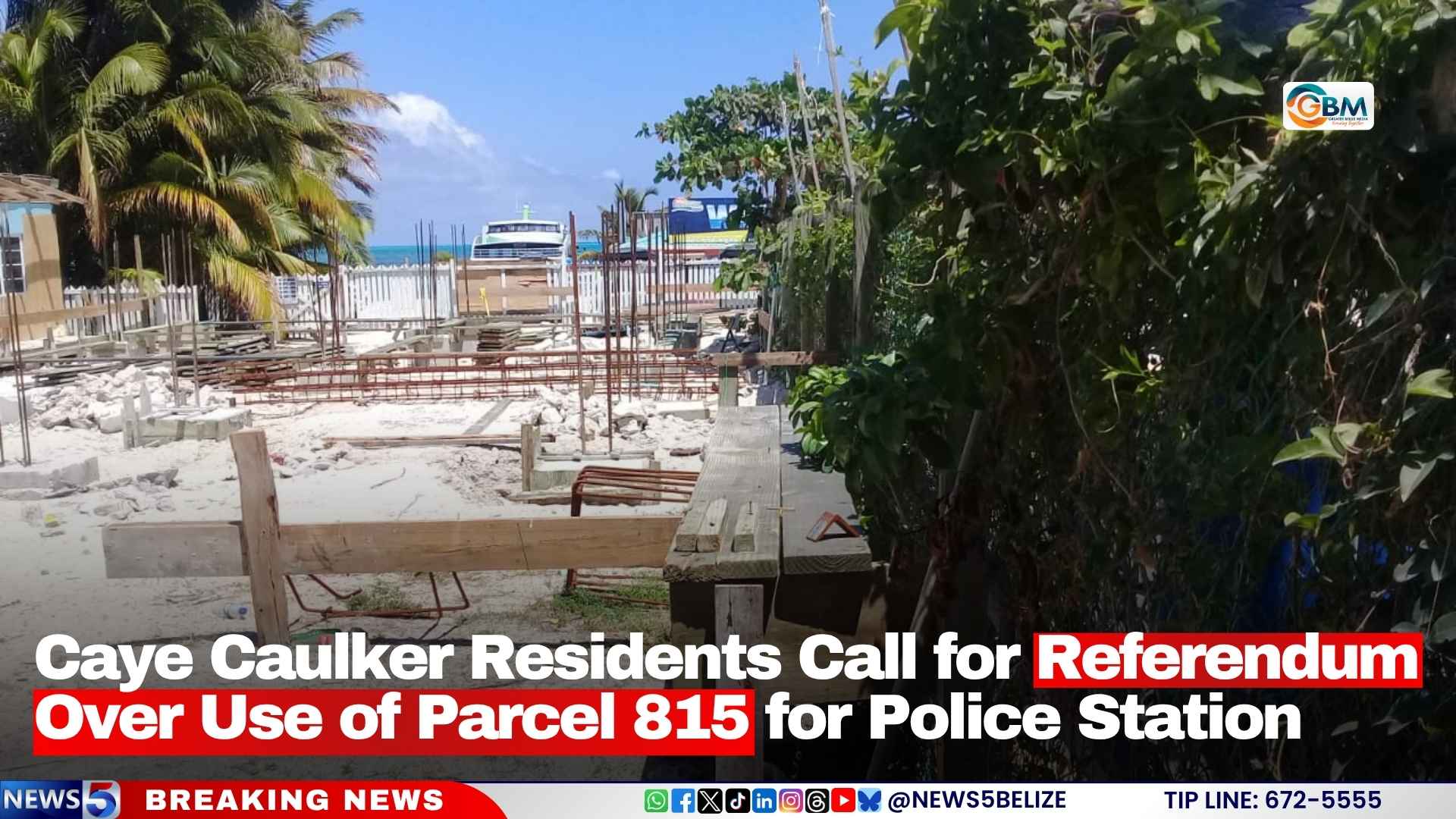
    On the small Belizean island of Caye Caulker, a growing community pushback over the stalled development of a long-planned local police station has ignited calls for a public vote to settle the fate of the project’s designated land. The Caye Caulker Village Council has launched a formal petition drive aimed at triggering a binding referendum on Parcel 815, the plot of land that was formally reserved years ago specifically for the construction of the new island police facility.

    In a public announcement shared with all local residents, the village council has called on every registered voter who supports retaining the parcel for its original intended use to add their signature to the petition. Physical copies of the petition are available for signing at the council’s local office, and all participants are required to present their official Social Security card and voter identification to sign, or submit digital photos of both documents for those unable to sign in person. In a unifying call to action, the council framed the effort as a collective community mission, stating, “Let’s save the police station as a community.”

    The current petition drive comes on the heels of two recent community gatherings centered on the dispute. First, a peaceful public demonstration held this past Monday drew dozens of residents, followed by a well-attended public town hall meeting on Wednesday, where attendees openly shared widespread frustration over years of unaddressed delays to the police station construction.

    Local officials have now clarified the government’s position on the stalled project. Andre Perez, the Minister for Belize Rural South, confirmed that the Ministry of Home Affairs secured official legal title to Parcel 815 back in 2023, with funding for the acquisition provided by the Central American Bank for Economic Integration (CABEI). Perez emphasized that the parcel remains official communal government land, held by the government of Belize for the exclusive use of the national police department.

    Even as he reaffirmed the government’s ownership, Perez acknowledged that construction on the project has been paused for an unanticipated reason: a third-party offer for the land was submitted while contractors were already mid-construction, prompting the work team to request a temporary halt to activities.

    Perez also pushed back against community speculation about hidden negotiations, noting that government officials were never given the space to make a public announcement about the unsolicited offer before widespread community concern erupted into public protest. For local residents who have waited years for improved police presence on the island, the referendum drive represents their best chance to weigh in directly on a project that impacts public safety across Caye Caulker.

  • Wijnerman in Washington voor IMF- en Wereldbankvergaderingen: focus op financiering en hervormingen

    Wijnerman in Washington voor IMF- en Wereldbankvergaderingen: focus op financiering en hervormingen

    A Surinamese government delegation, headed by Minister Adelien Wijnerman, is participating this week in the annual spring meetings hosted by the International Monetary Fund (IMF) and the World Bank, where global economic reform, development financing, and cross-border economic cooperation are the central topics on the agenda.

    These high-profile annual gatherings bring together a diverse range of key stakeholders from across the globe: finance ministers, central bank governors, senior policymakers, leading academic researchers, private sector representatives, and civil society organization delegates. Every year, participants use this platform to shape collective direction for global economic governance, and this year’s sessions will focus on assessing near-term global economic outlooks alongside discussions on pressing priorities including global financial stability, the growing sovereign debt crisis, persistent inflation pressures, climate action financing, and global poverty reduction efforts. A key overarching theme for this year’s meetings is building stronger support for developing economies as they implement structural economic reforms and boost their resilience to unforeseen external economic shocks.

    For the South American nation of Suriname, this year’s spring meetings represent a critical opportunity to advance its domestic economic goals. The country is currently working through ongoing IMF-backed adjustment programs and World Bank-funded development projects, and the gathering will allow Suriname’s delegation to review progress on these initiatives and negotiate new agreements for additional technical and financial support from the two global institutions. Beyond formal institutional meetings, the Surinamese delegation is also scheduled to hold bilateral talks with representatives from other international financial bodies and development partners. These discussions will focus on attracting future investment and expanding cooperation in priority areas for Suriname, including economic diversification, sustainable debt management, and inclusive long-term sustainable development.

    As outlined ahead of the meetings, the World Bank’s core priorities for this year’s spring sessions center on expanding accessible financing for high-impact development projects across developing nations, strengthening institutional capacity in low and middle-income countries, and expanding programming focused on climate adaptation and mitigation. By contrast, the IMF’s core focus at the meetings remains on advancing macroeconomic stability across global economies, supporting sound fiscal discipline, and guiding pro-growth structural reform agendas in member states facing economic challenges.

    In addition to lead delegate Minister Wijnerman, the full Surinamese delegation includes three senior senior economic officials: Iris Sandel, Director of Planning and Development Financing; Charlene Soentik, General Administrator of the Suriname Bureau of State Debt; and Georgetine Marapengopie-Tjalim, Head of the Department of Economic Affairs.