博客

  • Ashworth Azille Floats 6-Month ABST Cut to Ease Cost of Living

    Ashworth Azille Floats 6-Month ABST Cut to Ease Cost of Living

    As the April 30 general election campaign in Antigua and Barbuda heats up, cost-of-living struggles have emerged as the defining issue for competing political parties, with United Progressive Party (UPP) St. John’s Rural East candidate Ashworth Azille floating a targeted temporary cut to the Antigua and Barbuda Sales Tax (ABST) to deliver meaningful relief to squeezed households. While Azille stressed that the idea is still in exploratory stages and not yet an official, binding party platform commitment, he laid out the framework of the proposal during a recent “Know Your Candidates” interview, noting widespread public demand for immediate, tangible support for consumers.

    Azille’s proposal would slash the current 15% ABST rate to 10% for a six-month period, a window he says is long enough to ease ongoing financial strain on families purchasing groceries and other essential goods. He emphasized that household budgets across the country are already stretched thin by relentless price hikes for basic necessities, leaving many unable to keep up with monthly expenses.

    Unlike the sporadic, one-off measures rolled out by the current administration — such as limited tax-free shopping days — Azille argued that a six-month temporary cut would deliver far more meaningful relief, framing the proposal as a bridge toward longer-term, sustained support for working families. “One-off, sporadic reduction or removal of the ABST may not necessarily serve the purpose… we want to provide long-term relief,” he explained.

    The candidate pushed back against concerns that the tax cut would devastate public revenues, noting that the government has multiple avenues to offset potential losses through fiscal adjustments. He called on the government to follow the same belt-tightening advice it often gives to citizens, pointing to opportunities to cut wasteful public spending, root out bureaucratic inefficiencies, and reevaluate large tax waivers currently granted to private investors as viable ways to balance the government’s books after a temporary tax cut.

    Pressed on whether the proposal could hold up amid ongoing global inflation and volatile international fuel prices, Azille rejected claims that the plan is reckless, noting that a broad cross-functional policy team within the UPP has been refining the proposal and will release a full, detailed cost-benefit analysis before any final decision is made. “We are not being reckless… there is a broad-based policy team that has been working on these proposals,” he said.

    Azille’s proposal lands as cost-of-living issues dominate election discourse, with both major parties rolling out competing policy agendas to win over voters struggling with rising prices. The candidate added that his regular outreach to constituents has made clear just how urgent relief is, but reiterated repeatedly that the plan remains under active review and has not been formally adopted by the UPP. “I do not want persons to walk away… thinking that the United Progressive Party has made a determination to reduce the ABST from 17 to 10%,” he said, emphasizing that all final policy commitments will be grounded in rigorous financial analysis.


  • Turner Says He Helped Reduce Unemployment in St. Peter Through Direct Job Support

    Turner Says He Helped Reduce Unemployment in St. Peter Through Direct Job Support

    As campaigning intensifies ahead of Antigua and Barbuda’s upcoming general election on April 30, Rawdon Turner, the sitting Antigua and Barbuda Labour Party (ABLP) candidate for the St. Peter constituency, is highlighting his hands-on unemployment reduction strategy as a core achievement of his 12 months in office. Turner is currently running to secure a renewed mandate from local voters, with his re-election campaign centered on three foundational policy pillars: expanded employment access, affordable housing development, and upgraded public infrastructure.

    In a recent candidate interview, Turner explained that employment growth and infrastructure expansion have topped his priority list since he took office just over a year ago. Unlike broad, top-down policy proposals that often stop at public announcements, Turner’s approach centered on hyper-local, individual-focused outreach: during months of door-to-door community engagement across the constituency, his team mapped concentrated pockets of unemployment that had been overlooked by broader regional initiatives.

    From that mapping, Turner launched a direct support program that goes far beyond traditional policy promises. The initiative offers one-on-one assistance to jobseekers, including help refining professional resumes, tailored mock interview preparation, and guidance on what roles and employers across the island are currently looking for in candidates. According to Turner, this targeted strategy has already delivered measurable results, allowing him to “chip away significantly” at the total number of unemployed residents in his constituency.

    While Turner emphasized that meaningful progress has been achieved over the past year, he acknowledged that the work to fully address unemployment in St. Peter is far from complete. The incumbent candidate framed his ongoing work as part of a larger, constituency-wide push to expand economic participation for all local residents, arguing that effective employment support cannot be achieved through generic policy statements alone. Instead, he said, lasting change requires sustained, direct engagement with individual jobseekers to address their unique barriers to work. As voters prepare to head to the polls at the end of next month, Turner’s record on unemployment reduction is positioned as a key selling point for his re-election bid.

  • Leacock renews call for Taiwan’s help with constituency dev’t fund

    Leacock renews call for Taiwan’s help with constituency dev’t fund

    As bilateral diplomatic ties between Taiwan and St. Vincent and the Grenadines mark their 45-year milestone, the Caribbean nation’s acting prime minister St. Clair Leacock has reaffirmed the long-standing partnership while publicly pushing for Taiwanese financial support for a new grassroots development program.

    Leacock made his remarks during celebrations that included a joint parade by a visiting Taiwanese naval squadron and the Royal St. Vincent and the Grenadines Police Force, held in Arnos Vale. Speaking directly to Taiwanese President Lai Ching-te, Leacock referenced a private conversation the two held during his official visit to Taipei earlier this year – the first cabinet-level visit from St. Vincent and the Grenadines since the New Democratic Party won national elections in November 2025, when Leacock led a four-member delegation to the island.

    Opening his address, Leacock praised the four-and-a-half decades of collaboration between the two sides, noting that geographic distance has never weakened their close friendship, in line with the proverb that distance never separates true family and friends. Over the years, Taiwan has contributed to key infrastructure projects including bridges, roads and hospitals in St. Vincent and the Grenadines, and provided agricultural support and educational scholarships for local students.

    However, Leacock stressed that significant development challenges remain for the small Caribbean nation. Acknowledging that widespread poverty persists across the country, he argued that existing assistance has not fully addressed grassroots economic needs. For nearly 20 years, Leacock – who also serves as the Member of Parliament for Central Kingstown – has championed the creation of a national constituency development fund, which would give elected representatives direct resources to address local needs and create sustained job opportunities for their constituents.

    He explained that the most frequent request he receives from local residents is for greater economic autonomy and more work opportunities, rather than relying on ad-hoc political assistance. The constituency development fund, he argues, would empower local representatives to deliver sustained support directly to communities, putting financial resources directly into the hands of constituents to reduce poverty and drive local growth. Leacock said he remains confident that Taiwan will agree to contribute to the new fund, repeating his appeal to President Lai three times to provide the urgently needed financing to help St. Vincent and the Grenadines achieve its national development goals.

    Leacock also added that the government of St. Vincent and the Grenadines remains deeply grateful for Taiwan’s long-standing support, noting that many Vincentian students who have taken up Taiwanese scholarships have chosen to build their careers in Taiwan, while the government hopes that expanded opportunities at home will encourage more graduates to return and contribute to national development.

  • LETTER: Hope Deferred: The Forgotten Cohort of 2025 Midwifery Graduates

    LETTER: Hope Deferred: The Forgotten Cohort of 2025 Midwifery Graduates

    A public letter signed “A Voice for the Voiceless” has exposed a growing crisis in Antigua and Barbuda’s maternal healthcare sector, where dozens of fully trained newly graduated midwives have been stuck for months without the professional licenses required to practice, even as the nation publicly acknowledges a critical shortage of midwifery staff.

    The affected cohort of midwifery students began their specialized training in January 2024. Over 18 months, they navigated the dual challenge of rigorous academic coursework and hands-on clinical requirements, logging hundreds of hours assisting in deliveries to meet the strict eligibility criteria for their final certification exams. After completing the program in August 2025, the group sat for their licensing exams that December and received preliminary passing results in January 2026. All successful candidates submitted their formal licensure applications shortly after, but more than four months later, no licenses have been issued, and no official timeline has been provided to clear the backlog.

    The situation is even more uncertain for graduates who needed to retake portions of their exams earlier this year. To date, these candidates have not received any examination results at all. Repeated inquiries from the midwives to the Antigua and Barbuda Nursing Council and the Ministry of Health have gone unanswered or generated only unhelpful, vague responses, leaving the newly trained professionals feeling disrespected and abandoned. Many are forced to continue working lower-paying roles as general registered nurses, unable to put the advanced specialized skills they spent a year and a half mastering to use.

    This administrative logjam extends beyond first-time license applicants, too. Currently practicing midwives who submitted applications for license renewal are also facing lengthy, unexplained delays, putting additional unnecessary strain on an already stretched maternal healthcare system. The letter also highlights longstanding structural flaws in the current licensing framework: outdated paper permits that degrade quickly, calling for a shift to durable, standardized plastic identification cards aligned with other professional licensing standards, such as driver’s licenses, to better reflect the professionalism and critical importance of the midwifery field.

    What makes the current gridlock especially concerning, the letter argues, is that a new cohort of midwifery students has already begun their training. The writers question how regulators can justify recruiting and investing in new midwives when the system has failed to move forward with qualified candidates who have already completed all requirements. At present, the thousands of hours of hard work, personal sacrifice from the graduates, and public investment in their training are going unused, at a direct cost to the nation’s healthcare capacity.

    The letter frames the issue as far more than a routine administrative backlog. Delays in getting new midwives into practice and keeping existing practicing midwives actively licensed directly undermines the quality of care that expectant mothers and newborns across Antigua and Barbuda can access. Quoting the biblical proverb that “Hope deferred makes the heart sick,” the writers note that the graduates’ hope of a smooth, timely transition into their dream profession has been worn down by ongoing silence and delay.

    In closing, the letter calls on regulators and government officials to act immediately: to release full public transparency around the licensing backlog, publish the outstanding examination results for retake candidates, and speed up processing of all pending first-time and renewal midwifery licenses to address both the needs of the qualified professionals and the national demand for more maternal healthcare staff.

  • Rotary Club of Antigua launches Colours 2026: Welcome to Smurf Village

    Rotary Club of Antigua launches Colours 2026: Welcome to Smurf Village

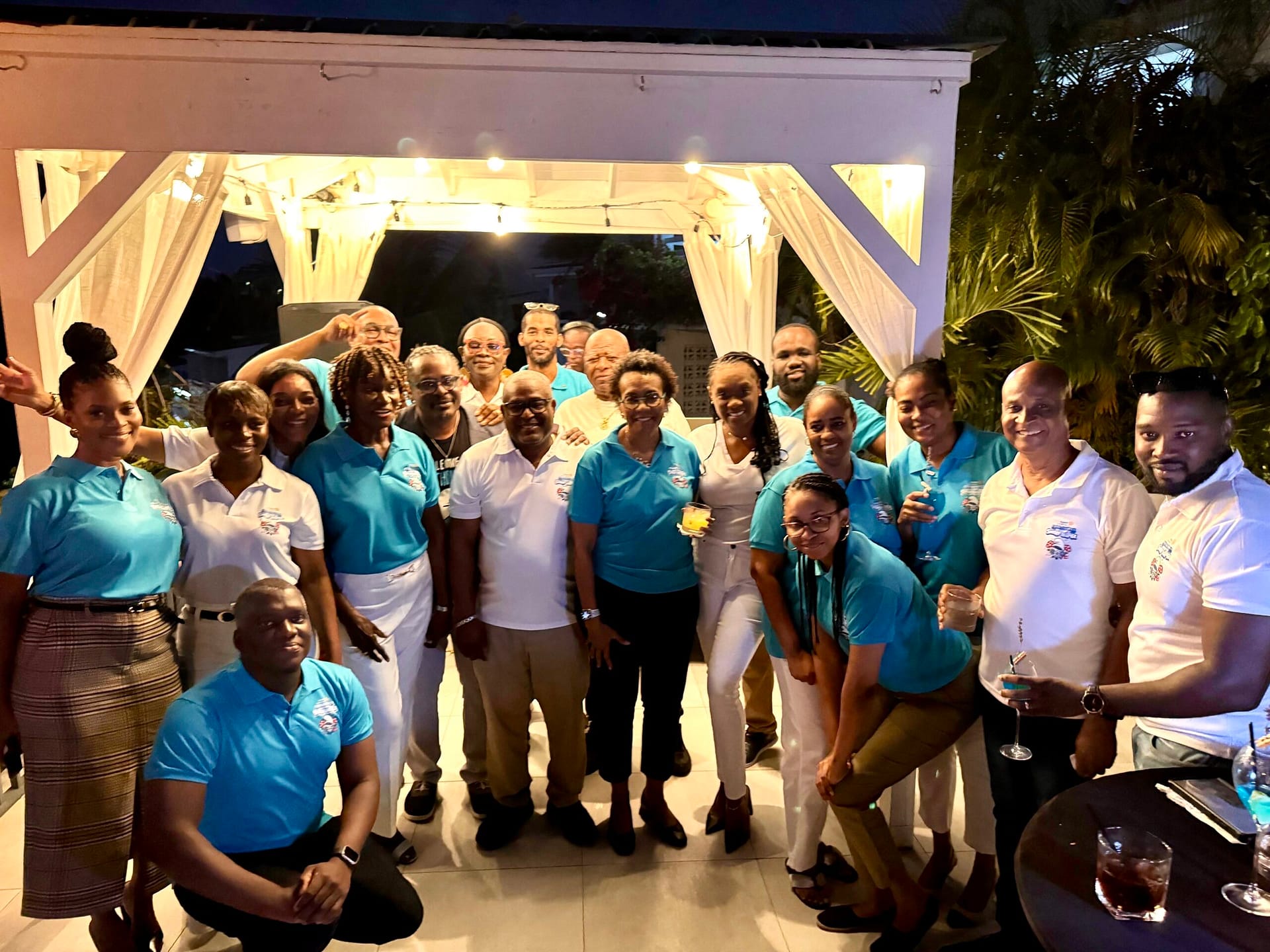
    The Rotary Club of Antigua is gearing up to host the 17th iteration of its marquee fundraising event, Colours: Welcome to Smurf Village, scheduled for Saturday, July 4, 2026, at the iconic Coolidge Cricket Ground.

    Organizers have rolled out a refreshed lineup of changes for 2026, headlined by adjusted event hours running from 5:00 PM to 11:00 PM. This new timing is crafted to guide attendees through a smooth transition from golden-hour sunset to starlit evening, building a immersive, atmospheric experience that sets the event apart from previous years.

    For nearly two decades, Colours has served as the backbone of the Rotary Club of Antigua’s annual community outreach efforts. Every year, the gala unlocks vital funding for a wide range of public service programs spanning the twin-island nation of Antigua and Barbuda. Proceeds from ticket sales go directly to high-priority initiatives, including the Meals on Wheels food assistance program, youth leadership and development projects, scholarship and classroom resource support for local students, and community-wide public health outreach campaigns.

    The 2026 theme, Welcome to Smurf Village, was intentionally chosen to center the core value of collective community care. The concept leans into the idea of shared responsibility to lift up vulnerable community members, with the “village” framing serving as a metaphor for unity and coordinated collective action. The playful, Smurf-inspired concept adds a creative, approachable twist to the event’s serious philanthropic mission, reinforcing the simple message that strong, resilient communities rely on every member showing up for one another.

    Attendees will get to enjoy a full all-inclusive experience throughout the evening, held in the open-air grounds of the Coolidge Cricket Ground. The event package includes access to premium crafted beverages, a spread of high-quality local and international cuisine, and a carefully curated lineup of musical acts tailored to keep guests entertained from start to finish.

    To lean into the 2026 theme, organizers encourage guests to build outfits around the iconic Smurf color palette of blue, red, and white. They also invite attendees to add playful personal touches, from floral patterns to whimsical village-themed accents, but note there are no strict costume requirements. Personal style and self-expression remain front and center for all guests.

    The Rotary Club of Antigua has publicly emphasized its gratitude for the consistent backing of event sponsors and community partners, whose annual contributions have been instrumental in growing Colours into one of Antigua’s most enduring and impactful charitable fundraisers. The organization also extended recognition to its long-term supporters, including major corporate partners, local media outlets, and cross-sector community stakeholders, whose work each year makes the event possible.

    Now marking its 17th year, Colours has evolved far beyond a simple social gathering. It serves as a bridge connecting local residents and visitors to a greater philanthropic purpose, turning a night of celebration into tangible support for communities across Antigua and Barbuda. Tickets for the 2026 event are currently available for purchase via the TickeTing mobile application, with every ticket purchase directly funding ongoing and future Rotary Club service projects across the islands.

  • Antigua and Barbuda to Host Major Caribbean Youth Leadership Conference After Over 20 Years

    Antigua and Barbuda to Host Major Caribbean Youth Leadership Conference After Over 20 Years

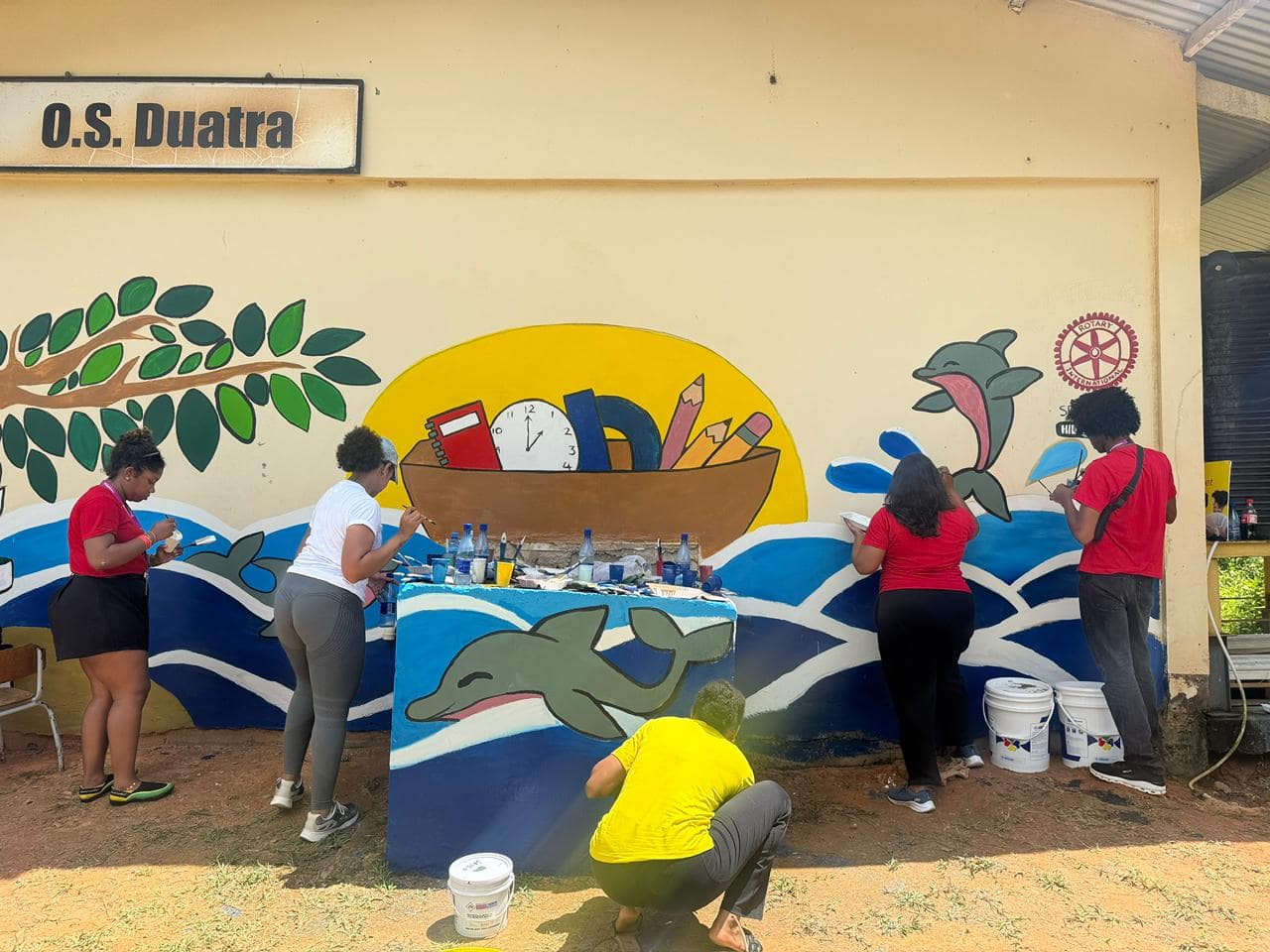
    More than 20 years after last welcoming the event, Antigua and Barbuda is preparing to step into the regional spotlight in June 2026 as the official host of the Rotaract District 7030 Annual Conference. Organized under the distinctive theme “Linked in Wadadli” – a local name for Antigua that nods to the island nation’s cultural identity – this year’s flagship gathering is being spearheaded by the Rotaract Club of Antigua, marking a historic milestone for the country’s youth development community.

    Running from June 25 to 29 at the scenic Pineapple Beach Club, the five-day conference is expected to draw roughly 200 emerging young leaders and industry professionals from across the Caribbean region. For attendees, the event will offer a dynamic mix of programming centered on three core goals: deepening leadership capacity, fostering cross-territory collaboration, and facilitating immersive cultural exchange between neighboring island communities.

    Rotaract District 7030 encompasses a sprawling network of 47 local clubs spread across 16 Caribbean territories, including Antigua and Barbuda, Aruba, Barbados, Curacao, Dominica, French Guiana, Grenada, Guadeloupe, Guyana, Martinique, Montserrat, St. Vincent and the Grenadines, St. Kitts and Nevis, St. Lucia, Suriname and Trinidad and Tobago. As the district’s marquee annual gathering, the conference has long served as the leading regional platform for youth skills training, professional networking, and the co-development of youth-led solutions to pressing shared challenges across the Caribbean.

    The 2026 theme “Linked in Wadadli” was chosen to emphasize three core priorities: meaningful cross-sector connection, celebration of local cultural identity, and deeper regional integration. It frames Antigua and Barbuda as a welcoming central hub where Caribbean young people can build durable cross-territory partnerships, exchange innovative ideas, and strengthen collective leadership capacity to address shared concerns.

    Attendees can expect a diverse schedule of programming, ranging from intensive skill-building leadership training sessions and panel discussions led by industry and civil society experts, to hands-on innovation workshops and structured community service projects. The event will also feature dedicated cultural showcases highlighting the rich diversity of Caribbean heritage, along with targeted networking opportunities designed to help participants build long-lasting professional and personal connections that outlast the conference itself.

    For decades, the annual Rotaract District 7030 Conference has rotated between member territories, drawing an average of 150 to 200 participants each year. Beyond leadership development, the recurring event delivers tangible benefits to host communities, boosting local tourism and hospitality economies while cultivating a growing pipeline of skilled, service-oriented leaders across the region.

    overseeing the 2026 conference planning and execution is District Rotaract Representative Crystal Mohammed, from the Rotaract Club of San Fernando South, supported by local co-chairs Sherwyn Greenidge and Dr. Namadi Belle, both members of the Rotaract Club of Antigua.

    Beyond workshops and networking, the 2026 event has a clear actionable mission: to equip Caribbean young people with practical, job-relevant leadership skills, strengthen formal and informal ties between regional youth groups, and drive measurable positive impact in local communities through service projects aligned with global sustainable development priorities.

    Organizers have extended an open invitation to all members of the public, non-governmental organizations, private sector stakeholders, and other interested parties that wish to support the conference’s work advancing Caribbean youth leadership and regional integration to reach out to the organizing team for partnership opportunities.

  • DNA-lid Wang slaat alarm over verslechterde veiligheid; vraagt om ingrijpen regering

    DNA-lid Wang slaat alarm over verslechterde veiligheid; vraagt om ingrijpen regering

    PARAMARIBO, 18 April – A sitting member of Suriname’s National Assembly is sounding a urgent alarm over the country’s fast-worsening public security landscape, calling on the presidential administration to move quickly to implement sweeping, structural reforms to reverse rising violent crime. Chuanrui Wang, a lawmaker from the VHP party and member of the parliamentary DNA body, outlined his deep concerns in a formal letter addressed to Suriname’s president, warning that criminal activity is surging across both densely populated urban centers and remote interior regions, posing grave risks to ordinary residents, business owners and public authority figures alike.

    Wang’s letter documents a relentless string of violent offenses, armed robberies and fatal criminal incidents that have rocked communities across the country in recent months. Even remote gold mining regions and the Lawa area, long considered relatively stable, are now grappling with skyrocketing insecurity, he noted, adding that police officers and public officials have increasingly become targets of violent attacks. While recent temporary measures in Paramaribo – including the creation of dedicated security zones – have underscored the severity of the crisis, Wang argues that ad-hoc responses are insufficient, and long-term structural solutions are desperately needed.

    Beyond street crime, Wang highlights two underreported growing threats: rising youth violence in the education sector, and unregulated e-bike use fueling both traffic hazards and criminal activity. Multiple troubling reports have confirmed that increasing numbers of young people are being drawn into violent acts, and in some cases even bringing weapons onto school grounds, eroding safety in Suriname’s educational institutions. For e-bikes, the lack of clear regulatory frameworks and consistent enforcement has created dangerous conditions on public roads, while also giving criminals a discreet, unmonitored tool to carry out illegal acts, according to the lawmaker.

    To address these overlapping security challenges, Wang is calling for a comprehensive, whole-of-government approach that integrates crime prevention, updated legislation, stricter enforcement and targeted social interventions. He has laid out clear demands for the Surinamese government: formally add the escalating security crisis to the official policy agenda, submit a full public report to the National Assembly within a short timeline, and roll out concrete intervention measures paired with a clear implementation road map. Wang also specifically called for stricter regulatory rules for e-bikes and increased budget allocations to strengthen Suriname’s police and justice sectors, which have been stretched thin by rising crime.

    In closing, Wang emphasized that guaranteeing public safety is a core fundamental responsibility of the state, warning that Suriname’s society cannot afford to allow security conditions to deteriorate any further.

  • AdeKUS eert statistiekpionier Iwan Sno met eredoctoraat

    AdeKUS eert statistiekpionier Iwan Sno met eredoctoraat

    On April 18, Anton de Kom University of Suriname (AdeKUS) awarded an honorary doctorate to Iwan Aschwin Sno, MSc, honoring his decades of extraordinary contributions to advancing statistical science and data-informed policy development across Suriname and the broader Caribbean region. The formal award ceremony was followed by Sno’s public lecture titled *The Importance of Good Data and Good Statistics*, where he emphasized that high-quality, reliable numerical data forms an irreplaceable foundation for evidence-based public policy making.

    Sno’s professional career in official statistics spans more than 30 years, 22 of which he served as the director of Suriname’s General Bureau of Statistics (ABS). Under his leadership, the country’s entire national statistical system underwent major expansion and institutional strengthening. Key milestones during his tenure include the successful execution of multiple national population censuses, the restart of critical national socioeconomic surveys, the establishment of the ABS’s first dedicated research department, and the introduction of a fixed annual publication calendar for statistical outputs. These reforms have vastly improved transparency and predictability for public and private sector users of national statistical data.

    Beyond Suriname’s national borders, Sno has built a prominent reputation across the global and regional statistical communities. He served 16 years as a member of the United Nations Statistical Commission, holding senior leadership roles including vice-chair and rapporteur. He also contributed directly to developing regional statistical standards, most notably the CARICOM Code of Good Statistical Practices, and co-founded the Caribbean Association of Professional Statisticians to promote professional excellence across the region.

    Sno’s impact also extends deeply to academic capacity building. He has held teaching positions at both AdeKUS and the University of the West Indies, and played a key role in designing graduate level programs in research methods and applied statistics. Through his teaching and mentorship, he has shaped generations of new students, researchers, and public policy leaders across the Caribbean.

    In announcing the honorary degree, AdeKUS officials highlighted that the award recognizes Sno’s lifelong, sustained commitment to the advancement of statistical science, evidence-based governance, and public service that has benefited both Suriname and the wider regional community.

  • Stuart: We’ll go after ‘bid rigging’

    Stuart: We’ll go after ‘bid rigging’

    Trinidad and Tobago Opposition Member of Parliament Stuart Young has announced he will pursue legal recourse against alleged bid rigging and cartel-style collusion among state entities involved in government contract awarding, a move that comes days after the country’s Office of Procurement Regulation (OPR) ordered a freeze on $3.4 billion in housing contracts issued by the Housing Development Corporation (HDC).

    Speaking to reporters outside the Parliament building in Port of Spain on Friday, Young confirmed the OPR’s halt to the contract awards, which was first announced publicly the previous Thursday. The regulatory pause was implemented to allow for a full, independent review of the entire procurement process, after the OPR received a formal complaint filed by attorney Randall Mitchell on behalf of his client, local activist Wendell Eversley. In his complaint letter, Mitchell emphasized that the challenge was brought in Eversley’s capacity as a concerned citizen focused on upholding the legality, ethical standards and integrity of a public procurement exercise involving hundreds of millions of dollars in taxpayer funds.

    Young told reporters that prior to Friday’s parliamentary session, he had received an official acknowledgment of the complaint from OPR chair Beverly Khan. He added that he, Mitchell and the legal team representing Eversley are preparing to turn over additional evidence related to the HDC contract awards to support the OPR’s ongoing investigation. Young alleged that the awarding process showed clear red flags of collusive bidding practices, saying, “I’m very happy to see procurement legislation is working. It is clear that the OPR, as they are entitled to under law, use the provision that allows them to investigate once there is anything in the atmosphere that concerns them. Now we will also be assisting with providing specific information.”

    The MP pushed back against the current government’s framing of the contract selection as a standard “Design-Build-Finance” (DBF) arrangement, calling the explanation a deliberate misleading smokescreen. Even for DBF contracts, Young argued, all bidders must meet formal qualification requirements, and the HDC is legally required to guarantee the purchase of completed housing units—unlike private sector developments where developers sell units directly to buyers. He further noted that the HDC did not open the contract process to a public, open tender; instead, the process was limited to a select group of pre-chosen participants, a structure that he says justified his allegations of bid rigging.

    Young also revealed that this complaint is part of a broader push to crack down on widespread non-compliance among state-owned enterprises across Trinidad and Tobago. He and the legal team have already sent multiple formal communications to the OPR flagging other suspected breaches of procurement law, and Young said additional cases will be made public in the near future. As one example of systemic non-compliance, Young noted that most state entities fail to meet their legal obligation to publish planned tender and procurement opportunities, openly disregarding the country’s procurement regulations. “We will continue to go after them and myself, in particular, using the law,” he said.

    Opposition Chief Whip Marvin Gonzales, MP for Arouca/Lopinot, echoed Young’s comments outside Parliament Friday, saying he was not surprised by the OPR’s decision to halt the HDC contracts. Gonzales stressed that the main opposition People’s National Movement will pursue the case aggressively to protect the interests of Trinidad and Tobago’s citizens. “There are serious issues with this procurement. As more information and more evidence come to hand, the People’s National Movement will be prosecuting this matter to the very hilt, in defence of the people of Trinidad and Tobago,” Gonzales said.

    While Gonzales said the opposition is holding back on releasing some details out of prudence, he gave a firm assurance that the investigation would be pursued to its conclusion. “We will ensure that taxpayers are not robbed by this corrupt regime. There is a lot of information we have on this particular issue, and I can tell you that it is one of the biggest scandals facing this Government at this point in time. We are not surprised; it was just a matter of time for this to happen, but our eyes are on it,” he added.

  • PM: Govt and THA in talks over jet ski regulations

    PM: Govt and THA in talks over jet ski regulations

    A devastating jet ski collision that claimed the life of 7-year-old Angelica Saydee Jogie during a family vacation in Tobago has pushed government and regional officials into active discussions on new oversight rules for personal watercraft across local waters.

    On April 8, Jogie, a primary school student from Barrackpore, was bathing with her father and uncle in the designated swimming zone at Pigeon Point Heritage Park when an out-of-control jet ski struck the group. The child suffered multiple fatal injuries from the crash, while her family members were also hurt. A 32-year-old man from Canaan has been taken into custody in connection with the incident. Jogie’s remains were transported back to Trinidad by her grieving family on Wednesday, and her funeral service is scheduled to be held on the current day in Monkey Town, Barrackpore.

    During a parliamentary session responding to a question from Diego Martin North/East Member of Parliament Colm Imbert — who asked what urgent steps the national government would take to prevent similar tragedies — Prime Minister Kamla Persad-Bissessar first offered official condolences on behalf of the Trinidad and Tobago government to Jogie’s loved ones. The Prime Minister confirmed that intergovernmental talks between the national administration and the Tobago House of Assembly (THA) are already underway to craft new regulatory frameworks for jet skis and other small recreational watercraft. Persad-Bissessar also noted that a 2020 regulatory bill that would have addressed gaps in watercraft governance was never advanced by the opposition, which held up the legislation until last year without taking action. She added that further details on the current ongoing discussions will be released to the public at a later date.

    Separate comments from THA Finance Secretary Petal-Ann Roberts confirmed that a targeted regulatory bill focused on the Buccoo Reef Marine Park — a high-traffic area for recreational water activity — is a top priority to be tabled for parliamentary review in the near term. Roberts, who spoke to local media outlet the Express following a three-day THA leadership retreat, said top regional officials have reviewed the draft legislation ahead of its submission to the central government. Describing Jogie’s death as heartbreaking, Roberts, a mother of an 8-year-old child, noted the tragedy was devastating for the entire nation. “It’s unimaginable to see you come for a vacation and something like this happens,” she said, adding that clear regulation of marine recreational activity is a critical public safety priority.

    Following the incident, THA Chief Secretary Farley Augustine has already indicated the regional body will pursue a strict new oversight regime for jet skis and other pleasure craft operating in Tobago waters. For their part, Jogie’s mother Salisha Jogie and many members of the public have gone a step further, calling for a full, permanent ban on recreational jet skis in popular swimming and coastal areas to eliminate future risk to beachgoers.