博客

  • St James police release sketch of murder suspect

    St James police release sketch of murder suspect

    In St James, Jamaica, law enforcement officials have published a composite drawing of a suspect linked to a deadly shooting that unfolded earlier this month in the parish’s Somerton District. The fatal attack, which claimed the life of a local auto mechanic, took place on March 5 at a residence on Easy Street in the Bullock Heights neighborhood.

    The victim has been formally identified as Rohan Green, who was also known by two local nicknames: ‘Blacks’ and ‘Ockra Bud’. Green worked as an auto repairman and resided at the Easy Street address where the incident occurred.

    According to official statements from the Adelphi Police Division, the violence broke out at approximately 11:25 a.m. that Thursday. Green was in the process of repairing vehicles at his home when he was suddenly ambushed by one or more unknown attackers. The assailants opened fire multiple times, striking Green before they fled the scene quickly to avoid capture.

    Local residents immediately alerted police to the shooting. When first responders and investigators arrived at the location, they found Green lying motionless on the ground. He had sustained multiple gunshot wounds to his upper torso and head, which proved fatal.

    Investigators have since worked to build a clearer picture of the attacker, using detailed witness descriptions to generate the official composite sketch now released to the public. St James police are now launching a public appeal for information to help move the case forward.

    Authorities are asking any member of the public who has details related to the murder, the suspect’s identity, or the events of March 5 that could assist the investigation to reach out to law enforcement immediately. Tips can be submitted anonymously or directly through several contact channels: the Montego Bay Criminal Investigations Branch (CIB) at 876-953-6191, the independent Crime Stop hotline at 311, the national 119 police emergency line, or any nearby local police station.

  • Scorpions, Pride lock horns at Sabina Park

    Scorpions, Pride lock horns at Sabina Park

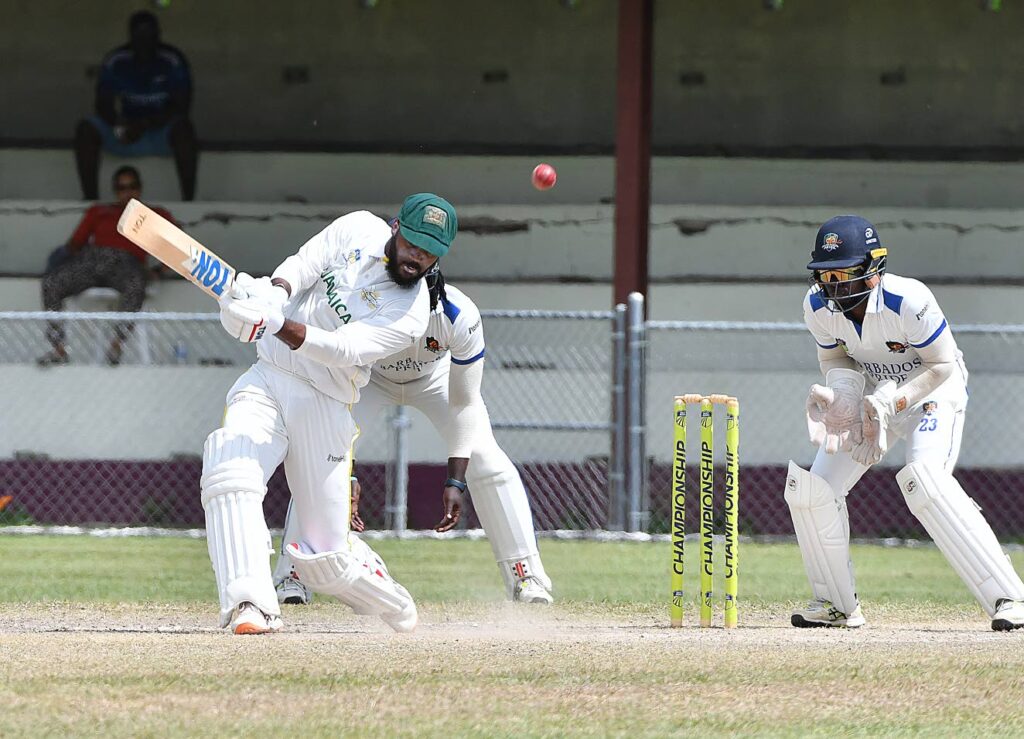
    As the second match of a high-stakes three-match bilateral cricket series kicks off on Thursday morning at Kingston’s Sabina Park, Robert Haynes, head coach of the Jamaica Scorpions, has issued a stark warning to his squad: drop the first win from your minds and stay hungry against the Barbados Pride.

    With a spot in the West Indies Championship four-day final and play-off advancement hanging in the balance, the series is far from decided despite the Scorpions’ dramatic opening match victory. Last week at Chedwin Park in St Catherine, the Jamaican side pulled off a stunning seven-wicket win on the final day of the opening encounter to take an early series lead.

    “That was a fantastic result for us, but we cannot afford to get complacent. We have to put that win behind us and focus on this new contest,” Haynes emphasized ahead of Thursday’s 10 a.m. start.

    The opening clash delivered no shortage of standout individual performances from both sides. Jamaica’s left-handed opening pair John Campbell and Kirk McKenzie each hit centuries in the second innings, while Barbados middle-order batter Kevin Wickham became the match’s only player to score a century in both innings. On the bowling side, Scorpions paceman Marquino Mindley claimed seven match wickets, and Pride left-arm spinner Jomel Warrican finished with six.

    In the six-team overall championship standings, the opening result pushed the Scorpions to second place with 22 accumulated points. Barbados currently sit fifth with just five points. Early table leaders Trinidad and Tobago hold a narrow edge at the top with 22.6 points, following their opening win over Leeward Islands, who picked up only 1.8 points. Defending champions Guyana Harpy Eagles are third with 21.4 points after a comfortable victory against Windward Islands Volcanoes, who have 5.8 points.

    Haynes noted that while his side’s batting clicked into high gear on the slow, low-bouncing Chedwin Park pitch – where they chased 326 runs for the loss of just three wickets in 61 overs to secure victory – his bowling unit still has room to sharpen up ahead of the second match.

    “We’ve got the first points on the board, now we need to approach this match like it’s the start of a whole new series. Barbados has always been a tough, competitive opponent, and even with their new lineup changes, our goal is to play even better than we did last week,” the coach added. “With batting, we just need to stick to our process between breaks. For bowling, we need to hit a straighter line more consistently – though we expect the Sabina Park pitch to play differently than the surface at Chedwin Park.”

    Jamaica will field an unchanged 13-man squad from the opening match, but Barbados has received a major boost with the addition of West Indies Test captain Roston Chase, who replaces Shian Brathwaite, who did not feature in last week’s playing eleven.

    Pride captain Kraigg Brathwaite acknowledged his side entered the first match as slight pre-series favorites, thanks to strong recent results and a perceived experience edge. Now, he says the team must lift its performance to stay in the series hunt.

    “The first result just proves how competitive Jamaica is, so we know we have to step our game up another level,” Brathwaite told the Jamaica Observer. “Jamaica is always a tough side to beat at home, they’re well-led by John Campbell right now, but we’re focused on bouncing back. One big difference is the pitch: most of our players are more familiar with Sabina Park’s conditions, so that should work in our favor.”

    Brathwaite stressed the three-match series remains completely open, with nothing decided after one game. “This is a best-of-three series, you need to win two matches to take it, not just one. There’s still everything to play for here,” he said.

    The third and final match of the bilateral series is scheduled to take place from April 26 to 29, also at Sabina Park in Kingston.

    ### Full Squads
    **Jamaica Scorpions**: John Campbell, Brad Barnes, Carlos Brown, Javelle Glenn, Brandon King, Abhijai Mansingh, Kirk McKenzie, Marquino Mindley, Romaine Morris, Jeavor Royal, Peat Salmon, Ojay Shields, Odean Smith
    **Barbados Pride**: Kraigg Brathwaite, Roston Chase, Joshua Bishop, Jediah Blades, Leniko Boucher, Jonathan Drakes, Johann Layne, Kyle Mayers, Jair McAllister, Shayne Moseley, Shamar Springer, Jomel Warrican, Kevin Wickham

  • Tarps still up, patience wearing thin in Westmoreland

    Tarps still up, patience wearing thin in Westmoreland

    It has been 16 weeks since Hurricane Melissa tore through Jamaica’s Westmoreland parish, leaving a trail of destroyed homes and damaged infrastructure in its wake. Today, hundreds of residents remain trapped in a prolonged state of displacement, their dwellings still capped by makeshift tarpaulin roofs—some frayed by months of harsh tropical weather, others newly placed after failures, all standing as quiet markers of a glacial recovery process. For most homeowners waiting to fully repair their properties, the path to reconstruction is blocked by two common bottlenecks: delayed insurance settlements and slow disbursement of government relief funding. But an unforeseen barrier has emerged as the most frustrating obstacle for many: restricted access to building materials through the island’s flagship relief scheme, the Restoration of Owner or Occupant Family Shelters (ROOFS) Programme.

    Designed to deliver targeted financial assistance via vouchers to homeowners based on the assessed level of damage to their properties—categorized as minor, major, or severe—the initiative has been thrown into chaos by growing allegations of opaque and potentially biased supplier selection. Local residents and business owners alike are raising alarms that political patronage may be shaping which hardware stores are approved to participate in the programme. This screening process has locked out multiple well-stocked, locally established suppliers, creating a crippling imbalance across the parish’s construction supply market: approved vendors are overwhelmed by demand and facing crippling stock shortages, while non-participating outlets sit with full inventories but cannot accept the government vouchers that most recovery-dependent residents rely on.

    One of the largest excluded suppliers is Clarke’s Hardware, a decades-old staple serving communities across western Jamaica and based in George’s Plain. Owner Lorna Clarke told reporters that her team took proactive steps well in advance to ramp up inventory ahead of the post-hurricane construction boom, diversifying their supplier network to avoid the shortages plaguing other businesses. “We have different suppliers, so we don’t have that problem. If one has none, we contact the next,” Clarke explained to the Jamaica Observer. Despite having consistent stock of all required building materials, Clarke’s has been locked out of the programme, leaving both the business and its long-term customers strained.

    Clarke, who has been working nonstop since the hurricane to both serve customers and repair her own storm-damaged home, says that the exclusion has left local residents deeply frustrated. Many of her regular customers must now travel long distances to reach the nearest approved vendor, only to find that those outlets have no materials in stock. “When they go to those locations they are not getting through because they have no supplies. They have to be checking all over,” she said. What makes the exclusion even more confounding, Clarke argues, is that her business is equipped to deliver materials to remote, hard-to-reach communities across Hanover, Bluefields, Beeston Spring and other areas where access to construction supplies is already limited. The lack of access to a nearby well-stocked supplier has pushed some residents to drain personal savings to pay for materials out of pocket. Shauna-kay Malcolm, a registered farmer, told reporters she opted to use her own cash at non-approved Nepaul’s Hardware in Savanna-la-Mar rather than wait for relief, while other customers reported no delays getting materials from the same non-participating outlet.

    Central Westmoreland Member of Parliament Dwayne Vaz has pushed back against claims that his office influenced the selection of participating vendors, placing full responsibility for the list with the Ministry of Labour and Social Security. “The choices were made directly from the Ministry, I had nothing to do with it,” Vaz contended, noting that he has directed excluded suppliers to the ministry, and several have been added to the programme after reaching out directly to Minister Pearnel Charles Jr. Even so, Vaz acknowledges that the current supplier list is deeply flawed, forcing residents to travel excessive distances to redeem their vouchers and driving up delivery costs unnecessarily. He also highlighted a second critical flaw in the programme’s implementation: once a voucher is scanned at an approved vendor that lacks stock, the full balance is deducted immediately, leaving residents unable to use the voucher at any other location even while they wait weeks for materials to arrive.

    For local residents like Angela Green of Georges Plain, the logistical failures add unnecessary cost and delay to an already stressful recovery. Green told the Sunday Observer that she is forced to travel five miles to Savanna-la-Mar or 52 miles to Retreat to redeem her voucher, while Clarke’s Hardware—her closest local option—sits just three miles from her home, fully stocked and unable to accept her voucher. As weeks stretch into months with tarpaulins still covering damaged roofs and residents waiting for materials to rebuild, a growing sense of abandonment has taken hold across the parish.

    Calls are now mounting from community stakeholders and residents for urgent intervention, including greater transparency in supplier selection and independent oversight of the ROOFS programme. Stakeholders argue that government officials need to conduct on-the-ground assessments to adjust the supplier list to match local needs, noting that the controversy is not just about access to construction materials. For the hundreds of Westmoreland families still waiting to rebuild their lives after Hurricane Melissa, the crisis is also a test of fairness, efficiency, and the government’s commitment to ensuring relief reaches the communities that need it most.

  • Reggae rocks Diane Warren

    Reggae rocks Diane Warren

    One of the music industry’s most decorated and prolific hitmakers, Diane Warren — an Academy Award honoree, Emmy and Grammy winner, three-time consecutive Billboard Music Awards songwriter and Golden Globe recipient — is set to launch a highly unusual new project: a 13-track reggae compilation album titled *Songs in the Key of Diane: A Reggae Compilation of Diane Warren Songs*. Slated for global release on July 31, the collection reimagines Warren’s catalog through the lens of Pacific Island musical talent, who offer fresh covers of some of the songwriter’s most iconic and underrated work. The album brings together a mix of beloved classic hits, deep-cut fan favorites, and never-before-released tracks all penned by Warren, with a diverse lineup of featured performers including Common Kings, Fiji, Pia Mia, Lea Love, and Gramps Morgan, among many others.

    In an official statement announcing the upcoming drop, Warren opened up about her longstanding affection for the reggae genre, and how the style has quietly woven its way into her own writing for decades. “I’ve always loved reggae,” she explained. “It’s music that just makes you feel good. My music has always had that rhythmic Caribbean feel, starting with *Rhythm of the Night*. It’s cool to have fresh covers of the old hits; it’s like putting a new set of clothes on them. But I’m even more excited about the songs that haven’t been heard before. There’s such a wide variety of artistes on this record, which made it so much fun to do.”

    Warren added that the project grew out of her core belief that a truly great song can transcend any genre. “What makes a song great is its ability to stand on its own two feet, and be able to work in different genres, like reggae,” she said. “If the melody, lyrics and rhythm are there — the bones — it should work in any style of music. I could write something as a ballad and have it turned into a killer dance track. I love taking a song and flipping it on its head.”

    The collaborative project is the product of more than 30 years of professional friendship between Warren and Steven Rosen, president of Regime Music Group, who curated the collection. Rosen co-produced the album alongside Warren and Regime/Island Empire co-founders Ivory Daniel and Kevin Zinger.

    Gramps Morgan, of the iconic Grammy-winning reggae group Morgan Heritage, delivers a performance of the track *I Wish That*, and he opened up about his excitement to join the project when speaking with the *Jamaica Observer* earlier this month. “Working with Diane Warren and her team was exceptional. When I got the call to be a part of the album I was shocked. I’m just excited to be a part of the project. For her to even pick the genre of reggae and to have me sing a song like *I Wish That* is a blessing,” Morgan told the outlet.

    The compilation also includes a historic final recording from beloved late Pacific reggae superstar Fiji, born George Brooks Veikoso, who died at age 55 in July 2025. Fiji delivers his take on *You Kind of Beautiful*, a track originally recorded by country singer Jimmie Allen for Warren’s 2021 project *The Cave Sessions, Vol 1*. Polynesian/Samoan reggae artist Sammy Johnson interprets *I Heart U*, a never-before-released reggae track Warren wrote specifically for this collection.

    Other standout tracks include Filipino American singer Eli Mac’s reimagining of Exposé’s 1983 hit *I’ll Never Get Over You Getting Over Me*, Tongan singer Analea Brown’s take on Aerosmith’s 1998 Oscar-nominated blockbuster *I Don’t Want to Miss a Thing* from the *Armageddon* soundtrack, and Hawaiian-born artist MAKUA’s cover of Bad English’s 1989 chart-topper *When I See You Smile*. Hawaiian artist Anuhea puts a reggae spin on LeAnn Rimes’ *Can’t Fight the Moonlight* from the *Coyote Ugly* soundtrack, while the collection also includes unreleased deep cuts such as Pia Mia’s *Hey Haters*.

    For Warren, the opportunity to match her unheard catalog with perfect vocal fits from the reggae and Pacific Island music community was the biggest draw of the entire project. “Being able to place these songs with these reggae and Pacific Island artistes so that they can be heard was a big attraction for me,” she said. “I write songs without having any idea about who can perform them, and then along comes an artiste who fits it perfectly. That happened throughout this project.”

    Over a decades-long career, Warren has built an unparalleled legacy as a hit songwriter, penning chart-topping tracks for some of the biggest names in music across every genre. Her resume includes DeBarge’s 1985 number one hit *Rhythm of the Night*, Cher’s *If I Could Turn Back Time*, Chicago’s final number one single *Look Away*, Celine Dion’s *Because You Loved Me*, Bad English’s *When I See You Smile*, Michael Bolton’s *Completely*, Toni Braxton’s *Un-Break My Heart*, and Chante Moore’s *I See You in a Different Light*, among dozens of other hits. In total, Warren has penned nine number one singles and 33 tracks that have cracked the top 10 of the Billboard Hot 100 chart.

  • Trelawny stakeholders rue lack of cement

    Trelawny stakeholders rue lack of cement

    Weeks after Category 5 Hurricane Melissa swept across Jamaica on October 28, leaving a trail of damaged homes and infrastructure in its wake, homeowners and construction teams in the parish of Trelawny are facing an unexpected new barrier to rebuilding: widespread cement shortages at local hardware outlets that are pushing critical repair projects back by days or even weeks.

    For many residents already grappling with storm damage, the lack of cement has upended carefully laid reconstruction plans. One anonymous young homeowner from south Trelawny, who spoke with the Jamaica Observer last Friday at a Falmouth hardware, explained that her planned weekend roof replacement — a project that would swap her storm-damaged zinc roof for a more durable concrete slab — had to be postponed indefinitely because her construction crew could not source the necessary cement. She noted that she had been able to acquire most other building materials gradually, but chose not to stockpile cement ahead of time due to the cool, damp conditions in her area, which could cause the product to solidify and spoil before use.

    Local hardware operators across Trelawny have confirmed the ongoing supply gaps. Alex Chen, proprietor of the well-known Just In Hardware in Falmouth, told reporters that his location has been completely out of cement for two full weeks, despite maintaining full stock of all other construction materials to meet post-hurricane repair demand. Hugh Grant, who runs Grant’s Hardware in the nearby Albert Town community, acknowledged that cement has been out of stock at his business since the storm passed, though he stopped short of calling the situation a widespread shortage, noting only that his most recent scheduled shipment has not yet arrived.

    But another Albert Town hardware owner, Lloyd Gillings, described the current situation as an outright crisis that has already cost his business significant revenue. Gillings told reporters that suppliers are now rationing cement, limiting most small businesses to purchases of just five bags at a time, and some suppliers are even forcing customers to buy additional unrelated products to access any cement stock at all. “The big companies get priority for what cement is available, and they won’t even take our orders because they can’t fulfill them,” he explained, adding that he recently had to visit three separate locations across two parishes to source just 150 bags of cement for a small new construction project he is launching in Knockpatrick, Manchester.

    Veteran Trelawny building contractor Orville Webb noted that most other post-hurricane supply bottlenecks for materials like zinc sheeting and nails have eased in recent weeks, with stock levels returning to normal. But he echoed the concerns about cement, explaining that he was shocked to find no stock during a recent trip to a Falmouth hardware, and ultimately had to pay a third-party transporter to bring the product from another location to keep his projects on schedule. “It looks like the shortage is only going to get worse before it gets better,” Webb warned.

    For some residents, the cement shortage compounds already devastating post-storm struggles. Elisha Steel, a Scarlett Hall resident who was already denied support from the government’s Restoration of Owner or Occupant Family Shelters (ROOFS) hurricane recovery program after assessors refused to climb his damaged roof to survey the damage, is now facing a $400,000 repair bill he cannot complete because he cannot source the full volume of cement he needs. “Everywhere I go in Falmouth, there’s either no cement at all, or they won’t sell me the full amount I need,” Steel lamented.

    Caribbean Cement Company Limited, Jamaica’s leading cement supplier, addressed the supply issues in an official statement, acknowledging that some customers have experienced delivery delays but denying that there is any overall shortage of the product. The company confirmed that it is currently operating at full production capacity, and explained that recent heavy rainfall left raw materials with excess moisture, causing minor temporary operational disruptions. The company added that those operational issues have now been fully resolved, and deliveries are in the process of being normalized across the island.

    Beyond the immediate supply challenges, the hurricane has spurred new calls for better disaster preparedness among Jamaican business owners. Speaking recently at the 2025/2026 Western Campus Seminar hosted by the University of Technology Jamaica at Sea Gardens Beach Resort, Jason Russell, president of the Montego Bay Chamber of Commerce and Industry, advised business owners to set aside dedicated emergency disaster recovery funds to cover immediate repair costs, pointing to long delays that often hold up insurance claim payouts. “We can’t just sit around waiting for insurance to pay out after a storm. Insurance won’t reopen your business tomorrow; the claims process takes a very long time more often than not,” Russell explained, noting that his own hotel sustained damage during Hurricane Melissa and received no insurance payout, but was able to resume operations quickly because the business had saved emergency reserve funds.

    Photos from across Trelawny illustrate the scope of the supply gap: the warehouse at Falmouth’s Just In Hardware sits completely empty of cement stock, while Herma Gillings displays the handful of remaining bags left at the Albert Town hardware she operates with her husband Lloyd.

  • From St Andrew to St James

    From St Andrew to St James

    Nearly eight months after Category 5 Hurricane Melissa devastated large swathes of Jamaica, the island nation’s flagship post-storm housing recovery initiative is navigating unforeseen demand and supply chain bottlenecks, according to on-the-ground reports from participating suppliers and government officials in St James.

    The Restoration of Owner or Occupant Family Shelters (ROOFS) programme — a $10 billion cornerstone of the national Shelter Recovery Programme — was launched to deliver targeted financial assistance to homeowners whose properties suffered minor, major or severe damage during the October 2023 storm. Administered through the Ministry of Labour and Social Security, the initiative allows approved beneficiaries to redeem grant funds for building materials or cash at pre-vetted participating retail outlets, using a unique QR or digital code sent directly to their mobile phones.

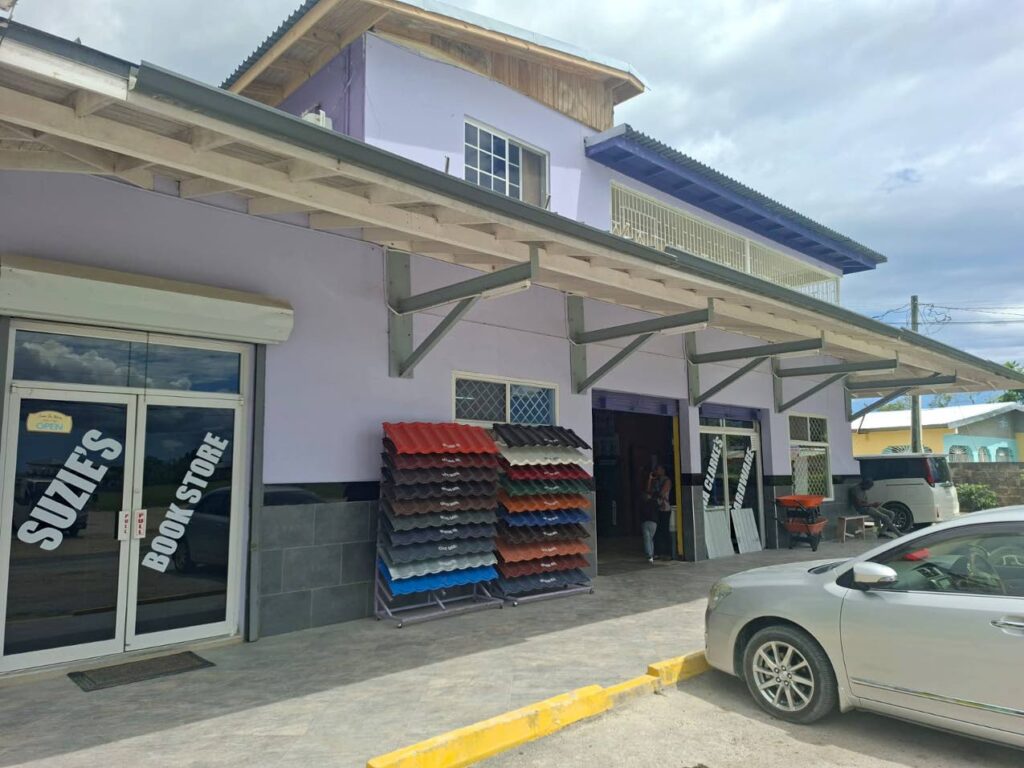
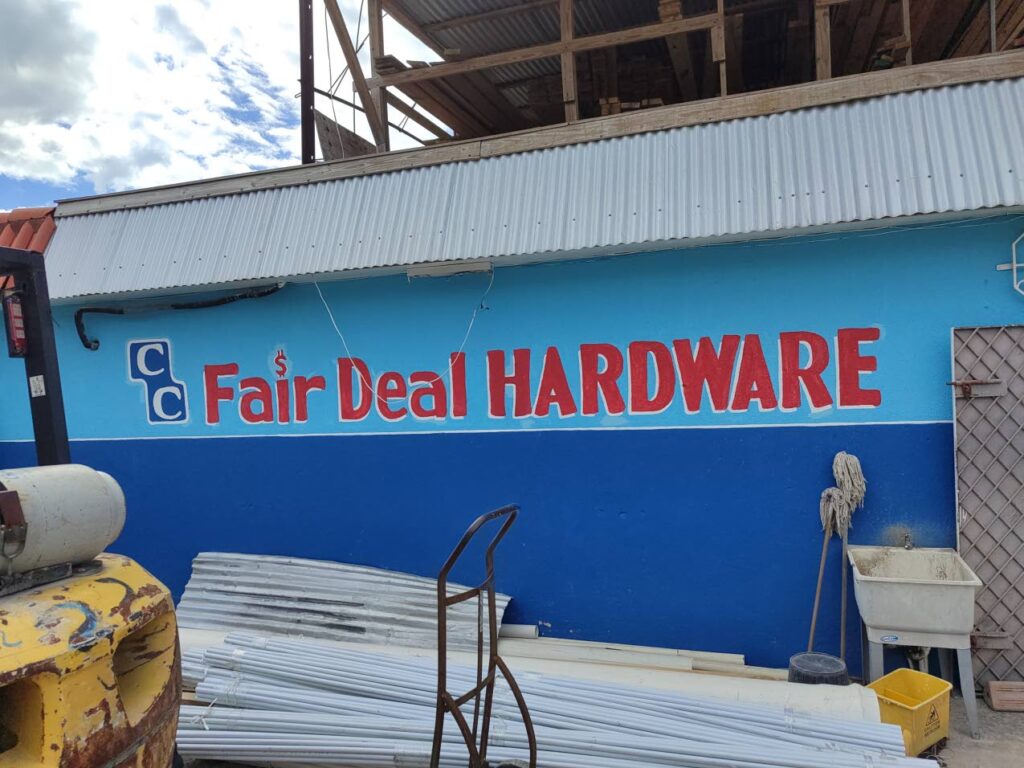
    But in St James, one of the parishes hardest hit by the hurricane, participating hardware stores are already reporting unexpected strains on operations. CC Fair Deal Hardware, a participating outlet based in Cornwall Courts, has seen a flood of beneficiaries traveling from outside the parish to redeem their grants — some coming from as far as St Andrew, St Ann and Westmoreland, according to a senior store representative who requested anonymity.

    “Today alone, we had a beneficiary travel all the way from St Andrew to pick up her supplies here,” the representative shared, adding that the constant stream of out-of-parish patrons has kept the store’s team working at full capacity. Still, the outlet has struggled to meet consistent demand for key construction inputs, including cement and concrete blocks. Many beneficiaries have also reported being unable to source specialized roofing materials such as roof capping and shingles, as few participating hardware stores stock these products in bulk. CC Fair Deal Hardware, for example, only carries basic roofing supplies like zinc sheets and waterproof sealant. To manage the overwhelming demand, the store now only processes ROOFS grant redemptions from Tuesday through Friday, suspending processing on weekends to keep up with regular commercial customers.

    In contrast, another participating St James outlet, Tools and Parts Supplies, told reporters it has so far managed to keep up with demand for core building materials. The store has implemented a separate queuing system for ROOFS beneficiaries, allowing regular patrons to complete their purchases without delays while recovery clients wait to be served.

    Government officials in the St James Ministry of Labour office acknowledged the growing strains on existing retail partners, confirming that plans are already underway to expand the network of participating hardware stores to reduce overcrowding and cut travel distances for beneficiaries. As demand for materials continues to rise, officials note that adding more outlets will cut down on the long trips many beneficiaries currently make to access approved suppliers — for example, residents of northern St James communities like Goodwill often travel to Falmouth in Trelawny rather than all the way to Montego Bay, a workaround that will become unnecessary as more local outlets join the programme.

    A ministry representative, who also requested anonymity, explained that phased approvals of beneficiaries have been intentional to avoid overwhelming the limited supply capacity of local hardware stores, which still must serve their regular commercial and residential customer bases. “It’s been thousands of people already, and we haven’t even hit the halfway mark of assessments,” the representative said. “It’s a good thing we didn’t send out approval texts to everyone at once — no hardware store could stock enough material to meet that sudden demand all at once.”

    While most participating stores have adapted by implementing pre-order and curbside pickup systems — where beneficiaries place orders in advance and are called to collect supplies once they are sourced — one major participating outlet has already exited the programme due to unresolved operational challenges. Officials did not share further details on the discontinued partnership.

    The government is also working to expand the number of approved cash redemption outlets, which currently only has two locations across St James: one on Barnett Street and another in the Fairview district. Assessments of damaged properties are still ongoing, eight months after the hurricane, as dozens of property owners who were out of the country or off-island in Kingston during the storm have only recently returned to file claims. Officials report that the volume of new assessment requests in April 2024 matches the level seen immediately after the storm in November 2023, meaning demand for ROOFS programme services will continue to rise in the coming months.

  • Taxi drivers ‘barely breaking even’

    Taxi drivers ‘barely breaking even’

    For two straight years, Jamaica’s taxi operators have tightened their belts, absorbing frozen fares while the island’s economy navigated one crisis after another. Today, that unending financial pressure has reached a breaking point: many operators now struggle to cover basic operating costs, and dozens have already lost their vehicles to loan repossession. The latest surge in global fuel prices, triggered by ongoing geopolitical tensions in the Middle East, has completely shattered their fragile hopes of finally securing the delayed fare adjustment they have waited years for. Adding to their anxiety, recent discussions among local officials about potential work-from-home mandates to cut national fuel consumption have left the industry bracing for even steeper losses.

    Lorraine Finnikin, president of the All Voice Taxi Association, outlined the sector’s crisis during a recent press conference, warning that reduced commuter travel from work-from-home policies would deliver a fatal blow to already strained operator earnings. The conference came after Energy Minister Daryl Vaz publicly warned Jamaicans to prepare for sharp fuel price increases, confirming the government can no longer afford to cover billions in fuel subsidies to keep consumer costs low.

    Vaz has since announced a new pricing framework for the state-owned refinery Petrojam Limited, tied directly to global market fluctuations. Under the new tiered system, consumers began seeing higher petroleum prices as early as this week, a change that has hit fuel-reliant taxi operators particularly hard.

    Finnikin explained that the last fare adjustment for Jamaica’s route taxis and rural stage carriages came in October 2023, when a 19% hike was implemented as the first phase of an approved 35% total increase designed to offset rising operating costs. The remaining 16% increase was scheduled to roll out in 2024, but implementation has been delayed indefinitely. Over the past three weeks alone, operators have seen their costs skyrocket, pushing many to the edge of insolvency.

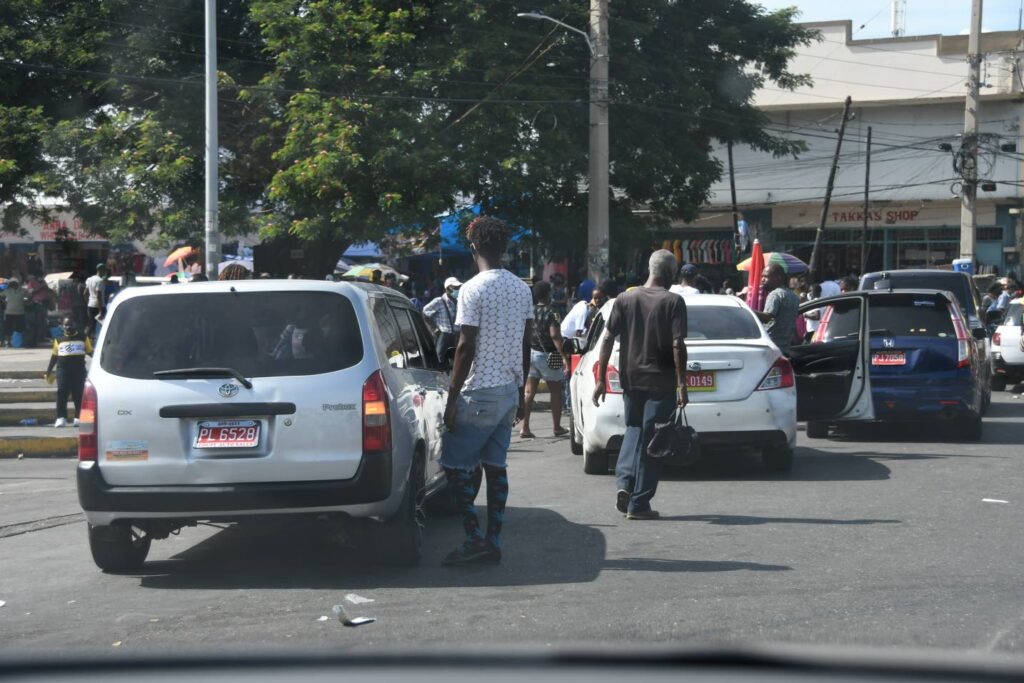
    To illustrate the scale of the fuel cost increase, Finnikin shared data with the Jamaica Observer: for a Probox, one of the most common taxi vehicles in Jamaica, daily fuel costs jumped from between J$5,500 and J$6,000 before the latest Middle East crisis to between J$7,300 and J$8,600 today — a daily increase of up to J$2,600 just for fuel. Beyond fuel, operators are also facing steep jumps in other overhead costs, including stationery supplies for licensing and documentation, and vehicle maintenance. Some maintenance parts and services, particularly engine lubricants, have increased in price by as much as 80% in recent months. While these maintenance costs are not incurred daily, they still add a massive extra burden to operators already struggling with daily fuel costs.

    “The gas is really killing us,” Finnikin said. “The worst part is that we cannot increase our fares, so daily incomes have stayed exactly the same, and operators have to cover the extra fuel costs out of their existing earnings. For years, we have been operating at barely break-even levels — this extra cost is pushing many under.”

    Work-from-home proposals have added a new layer of fear, Finnikin noted, because most operators upgraded their vehicles over the past five years to meet new industry standards, and more than 70% of those upgrades were financed through loans. With commercial banks offering few accessible loan options for small operators, most have turned to micro lenders that charge exorbitant interest rates, requiring steep weekly repayments. Over the past four weeks alone, Finnikin said rural association leaders have reported a sharp rise in vehicle repossessions as operators can no longer cover both weekly loan payments and inflated fuel costs. If current conditions continue, the country could see mass repossessions that put hundreds of operators out of work, he warned.

    While a small number of operators have responded by illegally raising fares to cover costs, Finnikin has urged members to hold off and remain patient — but he cautioned that the sector can only absorb so much strain before widespread collapse occurs. Over the past two years, operators have repeatedly delayed their demand for the final 16% fare hike in response to broader economic conditions. When inflation began falling to a stable 4% by mid-June 2025, operators were confident the hike would finally be approved — but the general election was called shortly after, and no government would implement a fare increase ahead of a vote, so operators once again tightened their belts to wait.

    Operators shifted their hopes to a November 2025 implementation, but that hope was washed away when Category 5 Hurricane Melissa made landfall on October 28, 2025, devastating infrastructure and destabilizing the national economy. By late November, the Bank of Jamaica and the Planning Institute of Jamaica (PIOJ) warned of broad price increases for goods and services across the first quarter of 2026, a shift that directly impacts the transportation sector, the largest mover of goods and people across the island. After Hurricane Melissa, prices began rising as early as December 2025, and while operators hoped post-hurricane recovery would stabilize inflation quickly, the Middle East conflict delivered another crippling blow. Now, operators are clinging to the promise of a definitive timeline for the fare increase from Minister Vaz, who said last month that a timeline would be released within weeks. As of last Wednesday’s post-Cabinet media briefing, Vaz confirmed no final decision has been made on movement curtailment measures to address rising fuel costs.

  • Rebuilding pains

    Rebuilding pains

    More than five months have passed since Hurricane Melissa tore across western Jamaica, leaving a trail of destruction in its wake. Today, three of the hardest-hit parishes – Westmoreland, St James, and Trelawny – still see residents mired in unforeseen barriers as they work to reconstruct storm-damaged homes and rebuild their daily lives under the government’s flagship recovery initiative, the Restoration of Owner or Occupant Family Shelters (ROOFS) programme.

    Jamaica Observer correspondents Horace Hines and Rosalee Wood Condell recently conducted on-the-ground interviews with local residents and participating hardware store operators across the three parishes to document the ongoing struggles. Their firsthand reporting, published on pages 4 and 5 of the outlet, shines a light on the persistent frictions that have slowed the recovery process for thousands of storm survivors.

    Many residents report travelling long distances across regional terrain to reach the few authorized hardware stores that stock subsidized building materials under the ROOFS scheme. Beyond the logistical burden of extended travel, affected households also face widespread issues with inconsistent stock availability, leaving many unable to secure the materials they need to continue construction work. Compounding these frustrations are growing community concerns over the lack of transparency surrounding the government’s process for selecting which retail stores are allowed to participate in the programme, a point of contention that has left many questioning the fairness of the initiative’s implementation.

    As recovery efforts drag on, the unaddressed challenges have left many displaced families waiting far longer than expected to return to safe, permanent housing, prolonging the disruption caused by the deadly storm.

  • ‘An act of evil’

    ‘An act of evil’

    The charged conversation around incest in Jamaica has reignited in recent weeks, after a former national parliament member was taken into custody and formally charged with the crime. According to official allegations, the former lawmaker brought his 13-year-old female relative to his residence after running errands together in January of this year, where he is accused of sexually assaulting her. The minor victim filed a formal report with law enforcement, leading to the suspect’s arrest; his name has been withheld by authorities to protect the child’s privacy, in line with local protective legislation.

    Following the public emergence of this case, Dr. Sapphire Longmore, a consultant psychiatrist based at the University Hospital of the West Indies (UHWI), has outlined key contextual and psychological drivers that push perpetrators to commit incest, the taboo act of sexual intercourse between close family members. In an interview with the Jamaica Observer, Longmore framed incest as a fundamentally harmful act rooted in multiple overlapping factors, ranging from intergenerational trauma to inherent sexual deviance, moral breakdown, and deep-seated power imbalances.

    Longmore explained that when an adult commits incest against a child, the behavior often mirrors patterns seen in cases of paedophilic abuse, frequently linked to unaddressed trauma the perpetrator experienced during their own childhood. Unresolved early-life trauma, she noted, can disrupt healthy sexual development and create cycles of harm that pass between generations. “To commit such an act, it is usually related to sexual deviance, a reflection of power and control, and even sometimes there can be some motivation around revenge for some unrelated incident, unfortunately targeting the child,” she said. “Quite frankly, it is an act of evil.”

    She expanded on this framing, explaining that incest violates the most foundational bonds of family and trust: it shatters a child’s sense of safety, belonging, and connection to their kin, inflicting long-term psychological damage that can last for decades. In many cases, Longmore added, the perpetrator themselves were survivors of incest or childhood sexual abuse, creating a self-replicating cycle of trauma. If survivors do not undergo appropriate therapeutic intervention to process their abuse, they may internalize harmful beliefs that normalize the behavior, leading them to repeat the pattern later in life, even if they consciously understand the act is wrong.

    Longmore also emphasized that Jamaica’s post-colonial history contributes to the persistent stigma and underreporting of incest across the Caribbean. During the colonial era, enslaved people were treated as property, and enslavers routinely forced inbreeding to increase their holdings of enslaved people. This legacy, she argues, has fostered a subtle cultural normalization of the abuse across the region, and the problem is not unique to Jamaica. That said, she clarified that not all perpetrators were abused themselves: some commit incest as a result of innate sexually deviant urges that fall far outside accepted social and cultural norms. For these individuals, the abuse often centers on power and control; many paedophiles, she noted, target children for the sadistic pleasure of dominating a vulnerable person, representing a clear psychopathological pathology.

    For survivors of incest abuse, Longmore argues that a holistic, spiritually centered approach to healing is critical to long-term recovery. While conventional medication and talk therapy can help survivors process trauma, incest abuse strikes at the core of a survivor’s sense of self-worth and identity, she explained. To fully recover, survivors need support to rebuild their sense of inherent value, unconditional love, and purpose — work that requires attending to the spiritual dimension of healing alongside clinical treatment. “It is not to say that other methods don’t work, but they take a very long time, and they’re not guaranteed, and sometimes they carry their own adverse effects,” she noted. “That is why the holistic approach is necessary, and specific attention to healing the individual’s sense of self and value is really very critical.”

    Official data from the Jamaica Constabulary Force (JCF) shows a steady downward trend in reported incest cases across the country over the past five years: 33 cases were reported in 2019, compared to just 8 reported incidents between January and mid-November 2024. Historical JCF data mirrors this gradual decline: 30 cases were recorded in 2016, 29 in 2017, 23 in 2018, according to a 2020 Jamaica Observer analysis of incest hot spots across the country. However, researchers and public health experts warn that falling reported case numbers do not mean incest has been eliminated. Experts note that significant social stigma around the crime often discourages survivors and their families from coming forward, meaning the true prevalence of incest is likely far higher than official data suggests.

  • Girl Power

    Girl Power

    Against the backdrop of widespread industry disruption caused by Hurricane Melissa, which upended operations for businesses across Jamaica and left both workers and clients grappling with lasting challenges, Sagicor Group Jamaica’s 2025 performance stands out not just as an impressive achievement, but as a defining milestone for the regional financial services giant.

    Last Wednesday, the firm brought together hundreds of its top performers and regional stakeholders at Kingston’s Jamaica Pegasus hotel for its annual Sagicor Group Corporate Awards, an event that blends celebration of excellence, organizational culture-building, and forward-looking strategic announcements. Long renowned for reimagining its annual galas with immersive, creative themes drawn from cultural eras and curated aesthetic concepts, this year’s planning committee delivered an affair that was equal parts energetic, polished, and on-message, anchored by the overarching theme “One Caribbean – Where Legends Rise”.

    The chosen theme carried particular strategic weight this year, as Sagicor advances a key regional integration initiative: merging its Jamaican operating subsidiary, Sagicor Group Jamaica, and Sagicor Life Inc into a unified regional entity, Sagicor Group Caribbean. Beyond the strategic framing, the event stayed true to its long-standing tradition of an elevated, thematic dress code, requiring attendees to lean into shimmering metallic shades inspired by Caribbean island landscapes for the night’s festivities.

    Guests arrived hours in advance to take part in the much-anticipated red carpet opening, with hundreds lining up to capture shareable, memory-making photos at a custom-built event photo station. Many of the attendees posing for cameras were dubbed “Sagicor celebrities” – veteran high performers who have built their reputations within the company over years of outstanding results, in a corporate culture that prioritizes recognizing and rewarding consistent excellence.

    Christopher Zacca, President and CEO of Sagicor Group Jamaica, officially opened the ceremony, kicking off a night of awards, networking, and celebration. Attendees included a cross-section of top-performing financial advisors, executive leaders from across the firm, and regional stakeholders from Sagicor’s expanding Latin American and Caribbean operations, including representatives from Sagicor Costa Rica and Sagicor Latin America. The night honored top performers across business segments, with junior financial advisor Ava Blake, photographed on the red carpet earlier in the evening, ultimately taking home second place in the New Business, Employee Benefits category. Attendees turned out in an array of themed looks, from coordinated blue metallic gowns to trendy statement pieces from popular fashion brands, leaning into the night’s island-inspired aesthetic.