博客

  • Police Believe This Man Murdered a Teenage Boy

    Police Believe This Man Murdered a Teenage Boy

    A devastating act of violence has shaken two small communities in Belize District, leaving a 15-year-old student dead and an 18-year-old vocational graduate clinging to life after a shooting at a family gathering on Sunday. The incident, which unfolded at a barbecue in Gardenia Village, has prompted Belizean police to charge 34-year-old Dean Emerson Vaccaro of nearby Sand Hill Village with the murder of 15-year-old Rakeem Armstrong, a second-form student at Ladyville Technical High School.

    Preliminary law enforcement inquiries point to a disagreement over a motorcycle as the root of the conflict that escalated into gunfire. However, investigators have not yet publicly confirmed whether the two-wheeler was reported stolen, nor released additional granular details about the disagreement that led to the shooting. The second victim, 18-year-old Justin Young, a recent graduate of the IT vocational program at AC Level Two, remains in critical condition at Belize’s main public medical facility, Karl Heusner Memorial Hospital.

    In a harrowing phone interview with local outlet News Five on Tuesday, Young’s mother Kayla Young shared the grim reality of her son’s prognosis. “He’s on a life support machine in a coma because the whole gallbladder and the bowel was ripped up,” she explained. “They tell me that it is a slim chance and they’re not promising me nothing.” Young was scheduled to begin a new job training program just one day after the shooting, a future now hanging in the balance.

    News of the shooting has spread rapidly across Belizean social media, sparking fierce public debate and a range of reactions from community members. Many expressed outrage and grief over the death of Armstrong, with one local resident who knew the teen writing, “Rakeem was an innocent bystander that they mix up in a stolen bike… If this man thought these boys stole his bike, then take it up with the parents… now a sweet young boy is gone that had his future ahead of him… I watched him grow up. He goes to church every Sunday.”

    Other social media users questioned why Vaccaro did not involve law enforcement from the start, asking, “If the cycle was indeed stolen from him and he knew the people, why not call the police?” Still, a small number of commenters defended Vaccaro’s initial frustration, arguing that persistent theft in communities demands a hard line. “It’s not about material stuff. It’s about the hard work you put in to get your things. People feel sorry for these little thieves, but they are the same ones that are gonna grow up to be murderers,” one commenter wrote.

    As the investigation continues, local outlet News Five will air full updates on police’s latest findings during its 6 p.m. News 5 Live broadcast, bringing new details to audiences as they become available.

  • Google Wants to Start a “Mosquito Civil War”

    Google Wants to Start a “Mosquito Civil War”

    Alphabet Inc.’s Google is advancing an innovative public health initiative, dubbed the Debug Project, that leverages biological pest control to curb the spread of life-threatening mosquito-borne illnesses. The ambitious proposal from the global technology giant asks for U.S. federal regulatory approval to release up to 32 million specially modified male mosquitoes across regions of Florida and California over a two-year trial period.

    The target of the project is Aedes aegypti, the specific mosquito species responsible for spreading dangerous viral diseases including dengue, Zika, chikungunya, and yellow fever across tropical, subtropical, and increasingly temperate regions of the world. Unlike broad-spectrum insecticide treatments that can harm beneficial insect populations and leave chemical residues, Google’s approach relies on a natural biological mechanism to suppress wild Aedes aegypti populations without disrupting broader ecosystems.

    Every mosquito released under the program is a sterile male that carries Wolbachia, a naturally occurring bacteria commonly found in many insect species. This bacteria prevents the sterile males from producing viable offspring when they mate with wild female Aedes aegypti mosquitoes. Critically, only female mosquitoes bite humans to feed on blood, meaning the released sterile males pose no bite risk or harm to people.

    The core strategy is straightforward: by flooding local mosquito habitats with large numbers of these sterile males, researchers will outcompete fertile wild males for mating opportunities. Over time, this disruption of the species’ breeding cycle will cause the wild mosquito population to collapse, directly cutting the rate of human exposure to the diseases the insects carry.

    The Debug Project is not an untested concept. Small-scale trials have already been completed successfully in Singapore, and a larger rollout of the Wolbachia-based mosquito control method is already underway in the British Virgin Islands. If U.S. regulators grant the required approval, Florida and California will become the first two U.S. states to host the large-scale trial of Google’s approach, offering valuable data on how the method performs in large, geographically diverse U.S. regions at risk of mosquito-borne disease outbreaks.

  • CDB launches reform plan to limit effects of climate change, economic shocks

    CDB launches reform plan to limit effects of climate change, economic shocks

    Against a backdrop of mounting global economic turbulence, intensifying climate instability, and dwindling international development financing, the Caribbean Development Bank (CDB) has unveiled an ambitious transformative roadmap for regional progress, launched during its 56th Annual Meeting hosted in Nassau, The Bahamas.

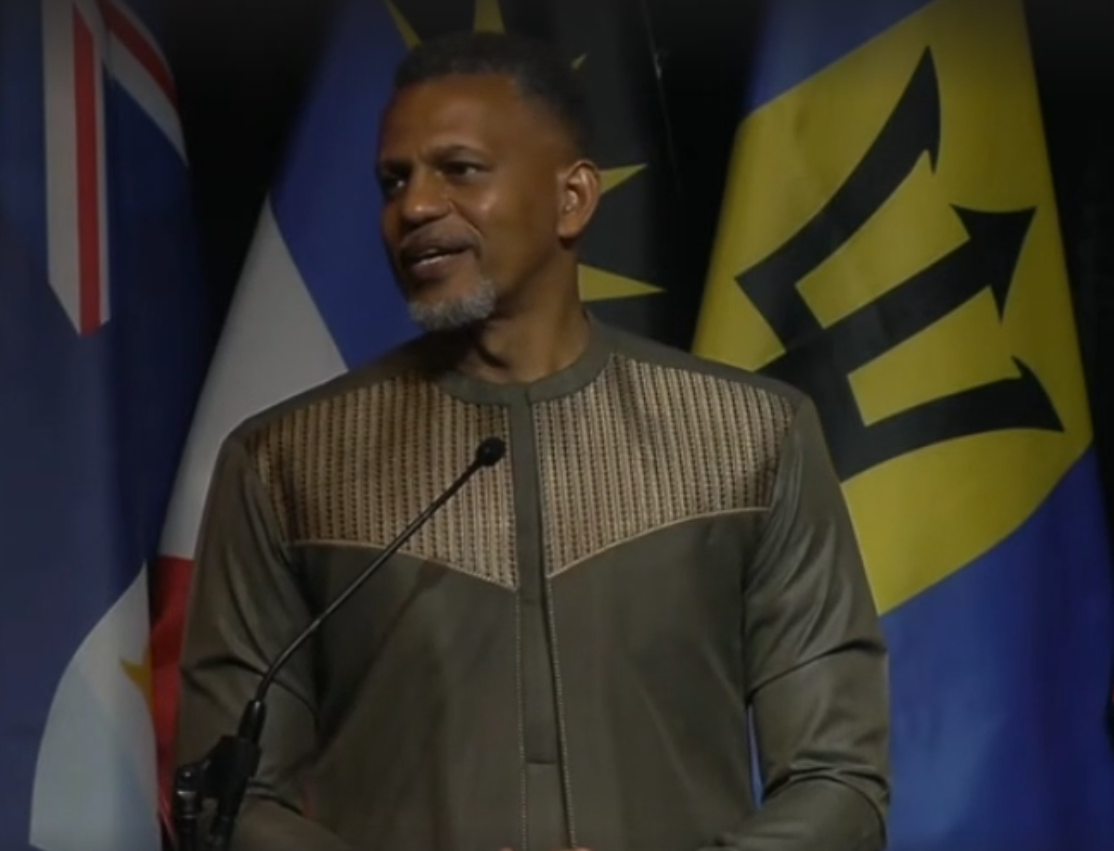
    Opening the gathering, CDB President Daniel Best delivered an impassioned call to action for regional stakeholders, framing the current era of persistent uncertainty as a catalyst to pursue a full “rebirth” of the 56-year-old development institution. Best emphasized that the overlapping crises facing small island Caribbean nations demand unprecedented levels of cross-border collaboration, noting that The Bahamas was a particularly symbolic host for this pivotal moment. Five decades earlier, the CDB held its very first meeting in the country, at a time when the region was navigating the profound upheaval of post-colonial political and economic transition.

    Looking back to the institution’s founding, Best highlighted a core lesson from the region’s early leaders: uncertainty is not a signal to retreat, but a mandate to build collective solutions. He pointed to accelerating climate threats playing out across Caribbean communities, recalling a firsthand visit to Jamaica in the immediate aftermath of Hurricane Melissa. “What I witnessed was nothing short of gut-wrenching; communities flattened, homes gone, and a hospital barely standing. And yet within those damaged walls, nurses and doctors pressed on, working tirelessly to care for the injured, because that is who we are as a region. We persevere even in the face of devastation,” Best said.

    To turn that perseverance into tangible progress, Best announced that the CDB has already significantly expanded its development interventions: since 2025, the bank has approved and disbursed more than $400 million in funding to upgrade critical infrastructure, expand educational access, and strengthen private sector growth across the region. Of that financing, a historic $226.7 million has been committed to climate action – a new annual record for the institution. This includes the first-ever single-country Green Climate Fund (GCF) project for The Bahamas, which will upgrade national water security systems and boost coastal storm resilience. Best also revealed a groundbreaking unified regional initiative led by the CDB: a multi-country housing retrofit program spanning more than 15 Caribbean nations, which will convert millions of climate-vulnerable residential structures into storm-resistant shelters, protecting families from future extreme weather events.

    The Nassau gathering, which brought together regional finance leaders including Barbados Finance Minister Ryan Straughn, served as the official launch pad for the CDB’s new 10-year strategic framework, which will guide the bank’s work from 2026 through 2035. The strategy centers on building three core pillars of resilience: social, economic, and environmental, with an explicit priority on investing in Caribbean youth – a demographic that makes up nearly half of the region’s total population. “Too many remain disconnected from opportunity,” Best warned, identifying youth unemployment and disenfranchisement as one of the region’s most pressing long-term economic challenges. “Our strategy prioritizes skills development, entrepreneurship support, and expanded access to finance so that our young people can build their futures here at home.”

    To demonstrate the early impact of this youth-focused approach, Best highlighted the success of Nkrumah Fong, a young Jamaican clean technology innovator and founder of Ceres Labs. Through a CDB-funded clean-tech incubator program, Fong’s company developed Vector One, a breakthrough carbon absorption technology that cuts greenhouse gas emissions from vehicles, commercial ships, and heavy industrial generators.

    Beyond youth development, Best stressed that strengthened institutional governance is a non-negotiable foundation for sustained regional progress, pointing to the CDB’s successful governance reform partnership with Belize’s Development Finance Corporation as a replicable model for turning policy commitments into tangible results.

    To equip the CDB to deliver on its ambitious new strategic goals, Best announced a sweeping internal transformation initiative called CDB Forward. Built around four core pillars – a non-negotiable culture of operational excellence, a streamlined operating model, enhanced governance frameworks, and expanded long-term financial capacity – the reform program is designed to position the CDB as a faster, more agile partner for its borrowing member countries. “CDB Forward speaks to how the bank must change, but more importantly, to why that change matters for our citizens,” Best explained. He added that the reforms will eliminate bureaucratic bottlenecks that cause project delays, speed up delivery of development support to member nations, and expand access to financing to help countries address mounting sovereign debt pressures and growing climate-related costs.

    Closing his opening address, Best urged delegates gathered for the week of solution-focused workshops and policy seminars to move beyond discussion and prioritize immediate, actionable execution. He challenged the current generation of Caribbean leaders to match the courage and vision of the CDB’s founding fathers, who established the institution 56 years ago to support the region’s independent development. “The Caribbean has never waited for history to happen to it. We have always been at our best when we had the courage to shape history ourselves. Let us leave determined to build a Caribbean that is stronger, greener, more resilient, more inclusive, and more prosperous than the one we inherited,” Best said.

  • PM Calls Chamber’s Fuel Tax Request “Embarrassing”

    PM Calls Chamber’s Fuel Tax Request “Embarrassing”

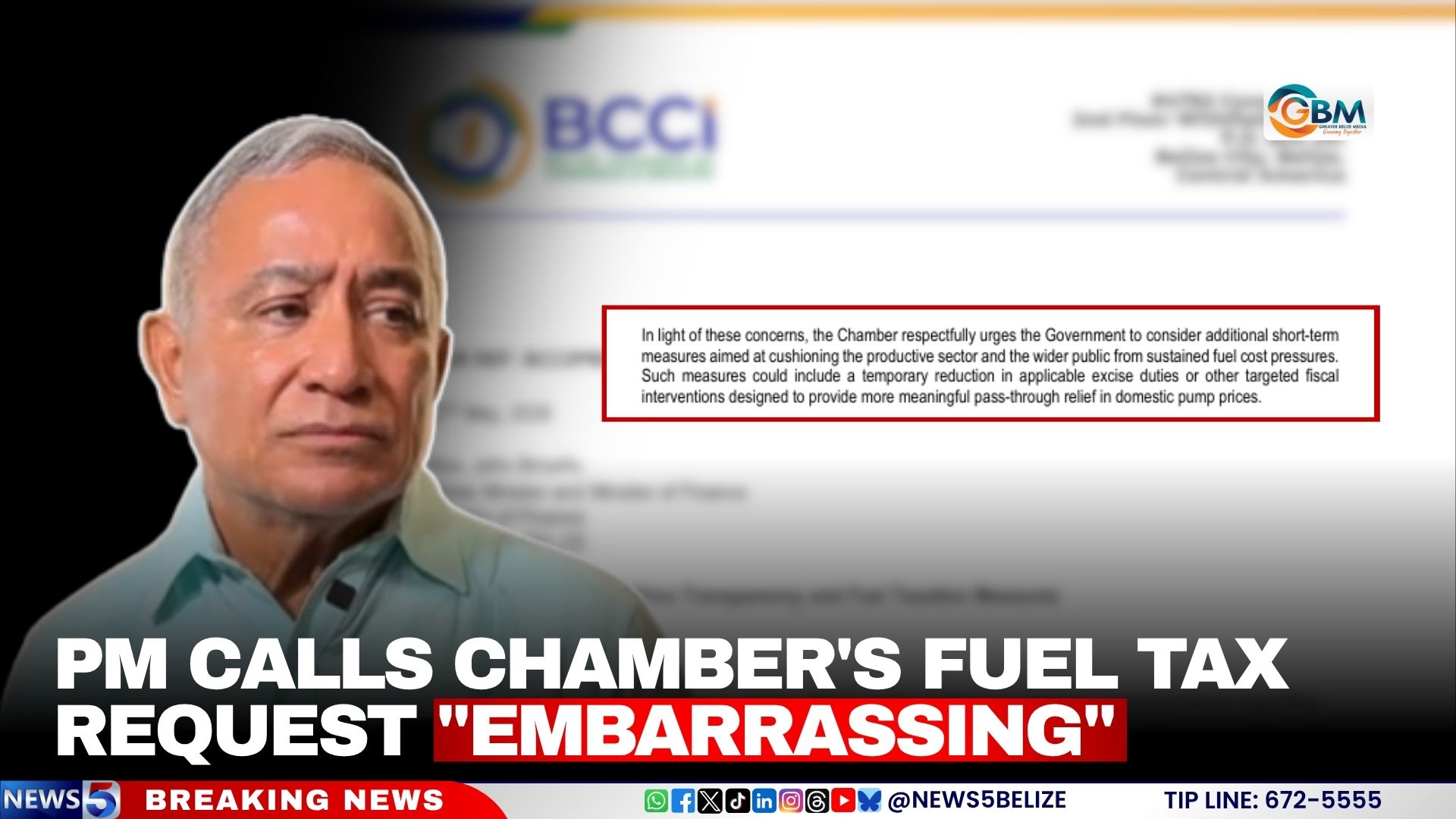
    A public dispute over fuel taxation has emerged between Belize’s top government official and the nation’s leading business advocacy group, after Prime Minister John Briceno publicly dismissed a call for fuel tax reductions from the Belize Chamber of Commerce and Industry (BCCI) as “embarrassing” in comments made to local outlet News 5.

    The confrontation stems from a formal letter BCCI delivered to the government on May 27, 2026, where the industry group praised the administration’s recent decision to resume public disclosure of detailed fuel price breakdowns, but argued that greater transparency alone cannot address the burden of persistently high fuel costs for consumers and businesses across Belize.

    In its letter, BCCI pointed out that while the proportional share of taxes included in retail fuel prices has dipped marginally in recent months, the total nominal tax amount charged per gallon has remained largely static. Even as global crude oil prices have trended downward, this taxation structure has prevented those international savings from reaching consumers at local fuel pumps, the chamber noted. BCCI explained that excise duties, one of the core components of fuel taxation, have stayed within a narrow consistent range regardless of swings in global commodity prices, creating a bottleneck that blocks price relief for end users.

    High fuel prices have cascading effects across Belize’s entire economy, the business group warned, pushing up costs for passenger and freight transportation, raising overhead for small and large businesses alike, and driving up the price of everyday consumer goods that most households rely on. To remedy the issue, BCCI called on the Briceno administration to implement short-term targeted measures, starting with a temporary cut to fuel excise taxes. The organization closed its letter by emphasizing its willingness to collaborate with the government to craft solutions that strike a balance between the nation’s critical revenue requirements and the need for broad economic stability.

    However, Briceno rejected the chamber’s proposal outright in his response, dismissing the core of the group’s argument as fundamentally flawed. The prime minister contended that reshuffling tax burdens across different tax categories – whether environmental levies, goods and services tax (GST), excise duties, or import taxes – does not reduce the government’s total overall tax take from fuel sales. “If you collect $100 in taxes… it doesn’t matter where you take it from. You could take it off environmental tax or the import tax or the excise tax. It’s still removing money from the whole amount,” Briceno explained. He went further to say that “it’s embarrassing sometimes to read such proclamations from the Chamber,” drawing a sharp line between the government’s fiscal position and the business community’s lobbying efforts.

  • ‘Despicable’ or Satire? PM Briceño Calls Alberto August’s Post ‘Disgusting’

    ‘Despicable’ or Satire? PM Briceño Calls Alberto August’s Post ‘Disgusting’

    A fresh political controversy has erupted in Belize, centered on a cyberbullying complaint filed by sitting Home Affairs Minister Oscar Mira against former United Democratic Party (UDP) Chairman Alberto August, and Prime Minister John Briceño has publicly weighed in to defend Mira’s actions amid rising concerns over political free speech.

    Speaking to reporters on June 3, 2026, Briceño made clear that he stands fully behind Mira’s choice to pursue the legal complaint, even as he acknowledged that he would not personally take the same step against his own political critics. The core of Briceño’s argument centers on framing Mira’s action as an assertion of individual constitutional rights, rather than an official government attack on political opposition. Briceño emphasized that Mira retains the same rights as any private citizen in the country: if he believes he has been the target of defamation and harmful slander, he is fully within his legal and constitutional rights to file an official report with authorities.

    Critics of the complaint have raised alarms that the arrest linked to the case sets a dangerous precedent that could stifle legitimate political criticism and erode protections for free speech in the country. Briceño outright rejected these concerns, pushing back against claims that August’s controversial social media post qualifies as protected political satire. In blunt terms, Briceño dismissed the satire framing, calling August’s conduct “disgusting” and accusing the former UDP chair of exploiting the tragedy of a grieving family to score political points.

    The pushback against Mira did not end with free speech arguments: on Monday, August’s attorney, Michael Peyrefitte, labeled the home affairs minister “thin-skinned” and publicly called on Prime Minister Briceño to remove Mira from his cabinet post. Briceño refused this demand, noting that all public figures have different thresholds for offensive speech and that Mira was justified in taking a formal stance against what he saw as harmful defamation. In a surprising turn, Briceño even joked that he himself might consider filing similar legal action against August, though he quickly downplayed the prospect.

    When asked if August’s frequent critical social media posts about Briceño personally have ever tempted him to pursue similar cyberbullying charges, the prime minister was dismissive. Briceño made clear that he does not consider August worth the time or effort of legal action, noting that the former UDP chairman can say whatever he wants about Briceño without causing any personal offense.

  • Williams happy with team’s performance in Grenada

    Williams happy with team’s performance in Grenada

    The Whitsuntide Games, one of the Caribbean’s most anticipated regional track and field competitions, recently wrapped up in Grenada, and a delegation from neighboring Barbados left the event with an impressive haul of accolades — none more notable than the historic performance of 17-year-old sprint prodigy Jalino Hamlet. As a member of Barbados’ Extreme Velocity Track and Field Club, Hamlet walked away with the Games’ highest individual honor: Most Outstanding Athlete, after shattering six competition records across multiple events.

    In a post-meet interview with local media outlet Barbados TODAY, Extreme Velocity head coach Glen Williams expressed nothing short of complete satisfaction with his team’s results across the four-day competition, which drew roughly 1,100 competing athletes from across the Caribbean region. Williams noted that the 2024 iteration of the Whitsuntide Games was the largest in the event’s history, making his squad’s achievements all the more meaningful.

    Williams highlighted that the majority of his athletes showed clear, measurable improvements from their previous outings, with particularly standout results coming from the club’s junior division. Many regional track and field programs consistently struggle with inconsistent performance from junior competitors, but Williams emphasized that his young athletes defied expectations, delivering dramatic personal bests and top finishes against tough competition.

    Hamlet, a student at Barbados’ prestigious St Leonard’s Boys’ School, has been on a rapid upward trajectory this season, following a strong debut performance at the CARIFTA Games — another elite Caribbean track and field event also held in Grenada earlier this year. At the Whitsuntide Games, his record-breaking run spanned every round of competition he entered: he set new event records in both the heats and final of the 200-meter sprint, repeated that feat in both the preliminary rounds and final of the 400-meter sprint, and rounded out his historic performance as a member of the Under-17 Boys’ 4x100m relay team, which also set new records in both its prelim and final race.

    “Six total new records at one meet — that’s why he earned the Most Outstanding Athlete trophy,” Williams explained, adding that the entire club is proud of both Hamlet’s achievements and the hard work the whole team put in to prepare for the Games. With the Whitsuntide Games now behind them, the young Barbadian athletes are set to carry this momentum into upcoming regional competitions later this year.

  • Friday urges CDB to move ‘swiftly’ from plans to delivery

    Friday urges CDB to move ‘swiftly’ from plans to delivery

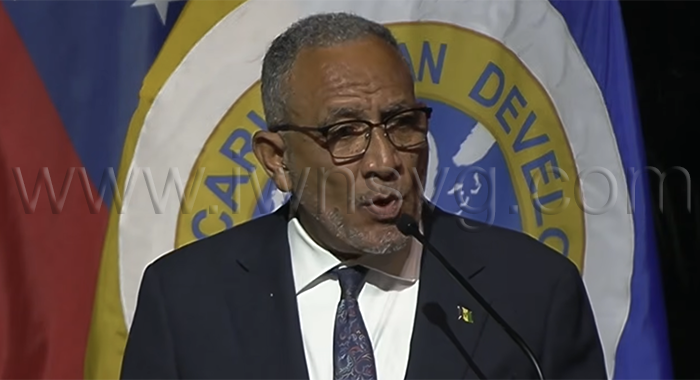
    At the 56th Annual Meeting of the Caribbean Development Bank (CDB) Board of Governors held in Nassau, Bahamas, Godwin Friday, Prime Minister of St. Vincent and the Grenadines, delivered an urgent address on behalf of the bank’s borrowing member countries (BMCs), calling for faster, more decisive institutional reform and expanded investment in climate-resilient development amid cascading economic and environmental threats across the Caribbean region.

    Friday warned that small open Caribbean economies are facing mounting systemic pressures that threaten long-term development prospects. The region carries legacy structural vulnerabilities it did not create, he noted, and these gaps have been widened by ongoing global economic turbulence. Most critically, central government debt across the region remains chronically high: nine of the CDB’s borrowing member countries hold debt-to-GDP ratios above the 60% prudential threshold, with St. Vincent and the Grenadines itself carrying a ratio exceeding 113%. This massive debt overhang, Friday emphasized, severely constrains governments’ ability to fund growth-driving infrastructure and social programs while protecting vulnerable populations, forcing regional states to achieve more development outcomes with limited fiscal resources.

    Beyond high debt levels, the region is grappling with shrinking access to affordable financing. Tightening global supply chains, spiking shipping and fuel costs, and soaring cost of living have stretched public budgets, with underlying fragility predating recent conflicts in the Middle East that have amplified these pressures. At the same time, official development assistance from traditional global partners has seen a sharp decline, creating a critical financing gap for climate action. Friday noted that the Caribbean requires an estimated US$14 billion annually to implement comprehensive climate adaptation and mitigation measures, but currently mobilizes less than 10% of that target. “It is therefore imperative that our development partners become more adaptive, more responsive, and willing to provide highly concessional financing and dedicated resources for loss and damage that will not worsen a bad debt situation,” Friday said.

    Framing the CDB as an indispensable institution for Caribbean development and regional integration, Friday argued that the bank holds a unique responsibility to lead targeted solutions for the region’s vulnerable small economies. As the only multilateral development bank owned and governed primarily by Caribbean stakeholders, the CDB carries unmatched legitimacy built on decades of on-the-ground experience, deep local knowledge, and specialized talent across the region. “Regional economic integration is sustainable only if partners all derive benefit from it, and economic disparities among member countries do not grow too wide. The bank is uniquely positioned to promote that end,” Friday noted.

    To illustrate the impact of strategic CDB investment, Friday highlighted projects in his own country that have boosted national resilience after years of repeated climate shocks. Major bank-supported initiatives including the modernization of Kingstown’s port, school infrastructure upgrades, rural development programs, and road network improvements have shifted St. Vincent and the Grenadines’ long-term resilience trajectory, he said, adding that this model of targeted, comprehensive partnership should guide the CDB’s work across all borrowing member countries.

    With the 2025 Atlantic hurricane season already underway and fresh memories of the devastating damage caused by 2024’s Hurricane Beryl and 2025’s Hurricane Melissa, Friday stressed that delays in climate action carry enormous economic and human costs. He called for a new regional climate strategy centered on adaptation and resilience, with priority investment in climate-resilient economic assets, upgraded coastal protection infrastructure, and expanded early warning systems for extreme weather. In particular, he highlighted the CDB’s Climate Change Project Preparation Fund as a critical tool for removing bottlenecks that block timely investment in climate action.

    Turning to broader economic resilience, Friday called for support to help Caribbean states diversify their narrow, historically vulnerable economic bases while maintaining inclusive growth. He identified key priority areas for investment: digitalization of public services, transition to renewable energy—particularly large-scale solar development—to reduce fossil fuel import dependence, sustainable management of marine resources to grow the blue economy, and expanded value-added agro-processing to strengthen domestic food security, cut costly food import bills, and boost export earnings. Friday also emphasized that growth models that leave low-income and vulnerable populations behind are inherently “misguided and unsustainable.”

    Resilience must ultimately be people-centered, Friday added, calling for strengthened investment in social resilience through expanded social protection, improved access to basic services, and targeted community development. He specifically highlighted the CDB’s flagship Basic Needs Trust Fund as a critical program that must be preserved and expanded to advance equitable development across the region.

    Friday offered full endorsement of the CDB’s ongoing institutional reform agenda, known as CDB Forward, framing it as a necessary response to a long-standing implementation deficit in regional development. He stressed that borrowing member countries have issued a clear mandate for the bank to move beyond designing reforms and deliver tangible, accelerated implementation. “The bank must make its development impact felt with greater speed and with far more reach. The borrowing member countries have delivered a clear mandate. We must move swiftly to implement the transformative reforms to eliminate friction and drive our institution forward. The need is urgent, and therefore the time to act is now,” Friday said. He outlined key immediate priorities: faster project delivery, targeted efforts to reduce large undisbursed loan balances, and modernization of the bank’s procurement framework. He also encouraged the CDB to pursue expanded strategic partnerships with other multilateral development banks and bilateral donors to mobilize additional private capital and scale up co-financing opportunities.

    In a direct appeal to CDB shareholders and non-regional partner states, Friday called for robust financial backing for the bank’s upcoming 10-year strategic plan covering 2026–2035, as well as the 11th iteration of the Special Development Fund (SDF 11), which provides concessional financing to the region’s most vulnerable member states. This support, he said, is essential to ensure Caribbean development is shaped by intentional policy and regional solidarity, rather than ongoing systemic vulnerability.

    Closing his address, Friday drew on the legacy of Sir Arthur Lewis, the CDB’s founding president and a pioneer of Caribbean development thought, to frame the region’s path forward. He noted that while resistance, adaptation, and an unconquerable spirit have long defined the Caribbean people’s experience, the region must move beyond framing itself through vulnerability and claim agency over its own development. “Resistance, adaptation, and an unconquerable spirit define the historical experience of the Caribbean people. Despite our limitations, we continue to deliver better lives for our people,” Friday said. “However, the region’s development path must not be defined or be limited by our vulnerability. It must be shaped by our deliberate choices, our capable institutions, and by regional solidarity.” Echoing Lewis’ iconic words, he reminded delegates that “The Caribbean people can solve their own problems, but first they must find the secret that will put hope, initiative, direction, and an unconquerable will into the management of their affairs.” Friday closed by urging all governors to enter the meeting’s closed sessions with a clear commitment to advancing governance reforms, sustainable development pathways, and building a stable, inclusive, and thriving Caribbean for future generations.


  • Local schools and college to receive copies of new Caribbean World War II book

    Local schools and college to receive copies of new Caribbean World War II book

    A landmark initiative centered on expanding access to regionally focused historical literature is set to roll out in Dominica next week, as 10 local secondary schools and the Dominica State College prepare to receive donated copies of a newly released work by Dominican author Clement Richards. Titled *Sea Wolves in Warm Waters: The U-Boat Battle in the Caribbean*, the book is Richards’ second published title, coming just one year after his 2025 debut *Indian Warner: Son of Two Worlds*, according to an official press statement from Dominica Bookshelf.

    Unlike many mainstream historical accounts of World War II that marginalize the Caribbean theater, Richards’ latest work dives deep into a largely unexamined chapter of regional history: the active operations of German U-boats in Caribbean waters and the far-reaching impact that the transatlantic conflict had on local communities. For Richards, filling this gap in public knowledge is a critical academic and educational mission. “This is a very important segment of recent Caribbean history that is generally overlooked or forgotten,” the author explained. “The book is an attempt to inform and educate readers in the region and beyond about its importance and significance.”

    The cross-border donation project is a collaborative effort between the Maryland-based U.S. law firm Law Offices of Gabriel J. Christian & Associates LLC and the non-profit Rebuild Dominica Organization. Beyond just distributing books, the initiative was designed to advance core educational goals across Dominica: boost public awareness of underrepresented Caribbean history, and encourage young learners to engage with literary and historical work created by local and regional Caribbean authors.

    The formal handover ceremony is scheduled to take place on Friday, June 5, 2026, at 10:00 a.m. at the Archives Unit on Kennedy Avenue in Roseau, the capital of Dominica. The event will feature a full program of speakers and activities: opening and introductory remarks from author Clement Richards, a pre-recorded video presentation from lead donor Gabriel Christian, and a keynote address from Prince St Jean, Officer-in-Charge of the Dominica Library and Information Service. To bring the book’s content to life during the ceremony, a student from St. Martin Secondary School will deliver a featured reading of an excerpt from *Sea Wolves in Warm Waters*, and a representative from Pierre Charles Secondary School will offer acceptance remarks on behalf of all receiving educational institutions.

    Looking ahead, event organizers have outlined ambitious long-term hopes for the donation. Beyond expanding immediate access to historically accurate, locally rooted historical literature that centers Caribbean experiences and perspectives, they expect the initiative to push for broader curricular change across Dominican schools, encouraging greater integration of works by Dominican and Caribbean authors into regular coursework. Ultimately, the project aims to help current generations of Dominican students develop a more nuanced, informed understanding of their nation’s place in both Caribbean regional history and broader global history.

  • Calvin Ayre Foundation Supports Two Urgent Medical Transfers Through Partnership with MBS and CalvinAir

    Calvin Ayre Foundation Supports Two Urgent Medical Transfers Through Partnership with MBS and CalvinAir

    When life-threatening cardiac emergencies strike and local healthcare systems lack the specialized resources to intervene, collaborative partnerships between public and private organizations can mean the difference between life and death. That is exactly the case for two Caribbean residents, Arthur James and Kenneth Edwards, who recently received urgent, life-saving care abroad thanks to a coordinated effort between the Calvin Ayre Foundation (CAF), the Medical Benefits Scheme (MBS), and private aviation provider CalvinAir.

  • Jamaica, Ghana set new course for cooperation after two decades

    Jamaica, Ghana set new course for cooperation after two decades

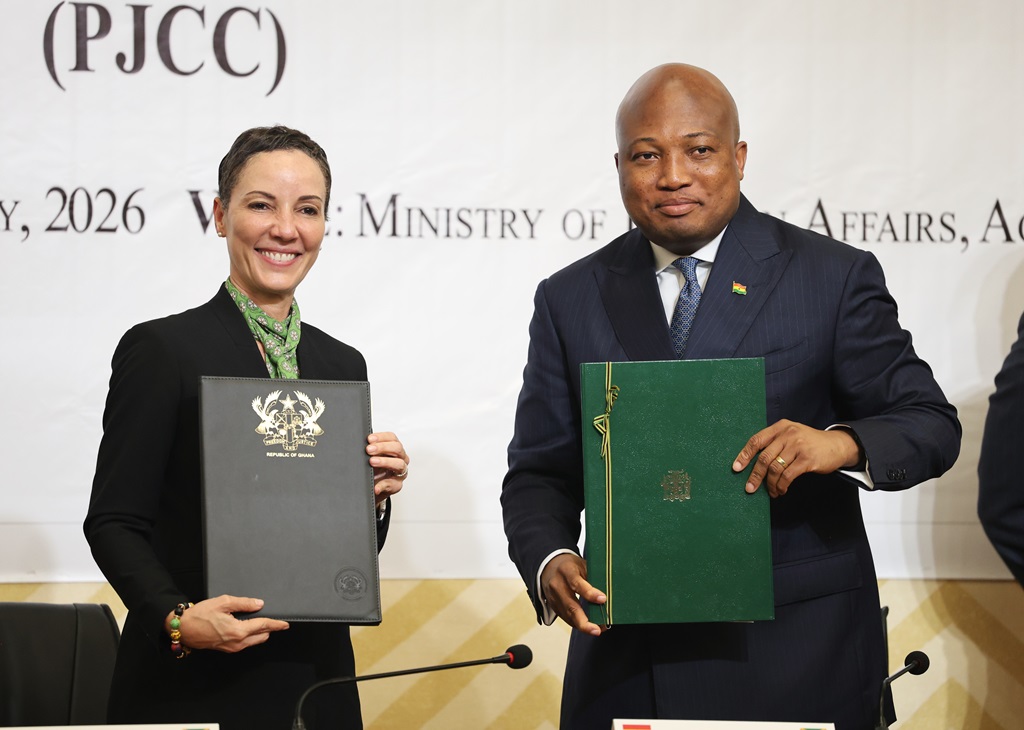
    After more than two decades of suspended formal collaboration, Jamaica and Ghana have officially restarted their structured bilateral partnership through the reactivation of their Permanent Joint Commission for Cooperation, a framework designed to drive collective progress across seven key sectors: public health, national defense, bilateral trade, air transportation, cultural exchange, and education. The third plenary session of the revived commission wrapped up in Accra, Ghana’s capital, on Tuesday, May 26, 2026, capping four days of intensive bilateral talks with the signing of two binding Memoranda of Understanding (MoUs) focused explicitly on health and defense cooperation.

    Speaking following the conclusion of the session, Jamaica’s Foreign Minister Senator Kamina Johnson Smith emphasized that the reactivated commission lays a durable, structured foundation for deepening ties between the two nations, which share deep historical and cultural connections. “Jamaica and Ghana have returned to this cooperation mechanism with a refreshed, shared purpose,” Johnson Smith noted. “After more than 20 years of inactivity, this commission gives us the formal structure to translate our shared history and mutual goodwill into tangible outcomes that improve the lives of people in both our countries.”

    The two new signed agreements put this renewed commitment into practical action, covering a wide range of specific collaborative priorities. In the health sector, the partnership will open pathways for the recruitment of skilled Ghanaian health professionals to Jamaica and facilitate cross-border knowledge sharing to strengthen health systems in both nations. For defense and security, the agreement outlines cooperation on disaster response coordination, military engineering capacity building, enhanced maritime security, and joint countermeasures to combat transnational criminal threats.

    The signing ceremony was attended by senior official delegates from both governments, including Jamaica’s Minister of Health and Wellness Dr Christopher Tufton and Ghana’s Minister of Health Kwabena Mintah Akandoh. Technical working groups from both sides contributed to months of pre-session negotiations, which were co-chaired by Ambassador Symone Betton Nayo of Jamaica’s Ministry of Foreign Affairs and Foreign Trade and Ambassador Harold Adlai Agyeman of Ghana’s foreign ministry. The session itself closed a 20-year gap in the commission’s formal work, bringing the bilateral partnership back into regular, structured operation.

    Beyond the newly signed MoUs, delegates from both nations reached consensus on a broad forward cooperation agenda spanning health, defense, culture, education, air services, trade and investment. This new phase of engagement will be followed by a Jamaican export and business mission to Ghana scheduled for July 2026, which will deepen economic ties between the two markets. The mission will be led by Jamaica’s Minister of Industry, Investment and Commerce Senator Aubyn Hill, and will include private sector delegates from more than 38 Jamaican companies across multiple industries.

    Foreign Minister Johnson Smith and her Ghanaian counterpart Samuel Okudzeto Ablakwa have also committed to advancing regular biennial political consultations between the two countries’ foreign ministries to ensure continuous alignment on shared priorities. During her visit to Accra for the session, Johnson Smith was accompanied by a full Jamaican delegation including Jamaica’s High Commissioner to Ghana Lincoln Downer, Honorary Consul Okatakyie Boakye Danquah Ababio, Jo-Anne Archibald (Principal Director of Jamaica’s Ministry of Culture, Gender, Entertainment and Sport), and technical staff from both Jamaica’s foreign affairs and health ministries.