博客

  • Smith Defends Party Switch as Necessary for ‘Delivery’ in All Saints West

    Smith Defends Party Switch as Necessary for ‘Delivery’ in All Saints West

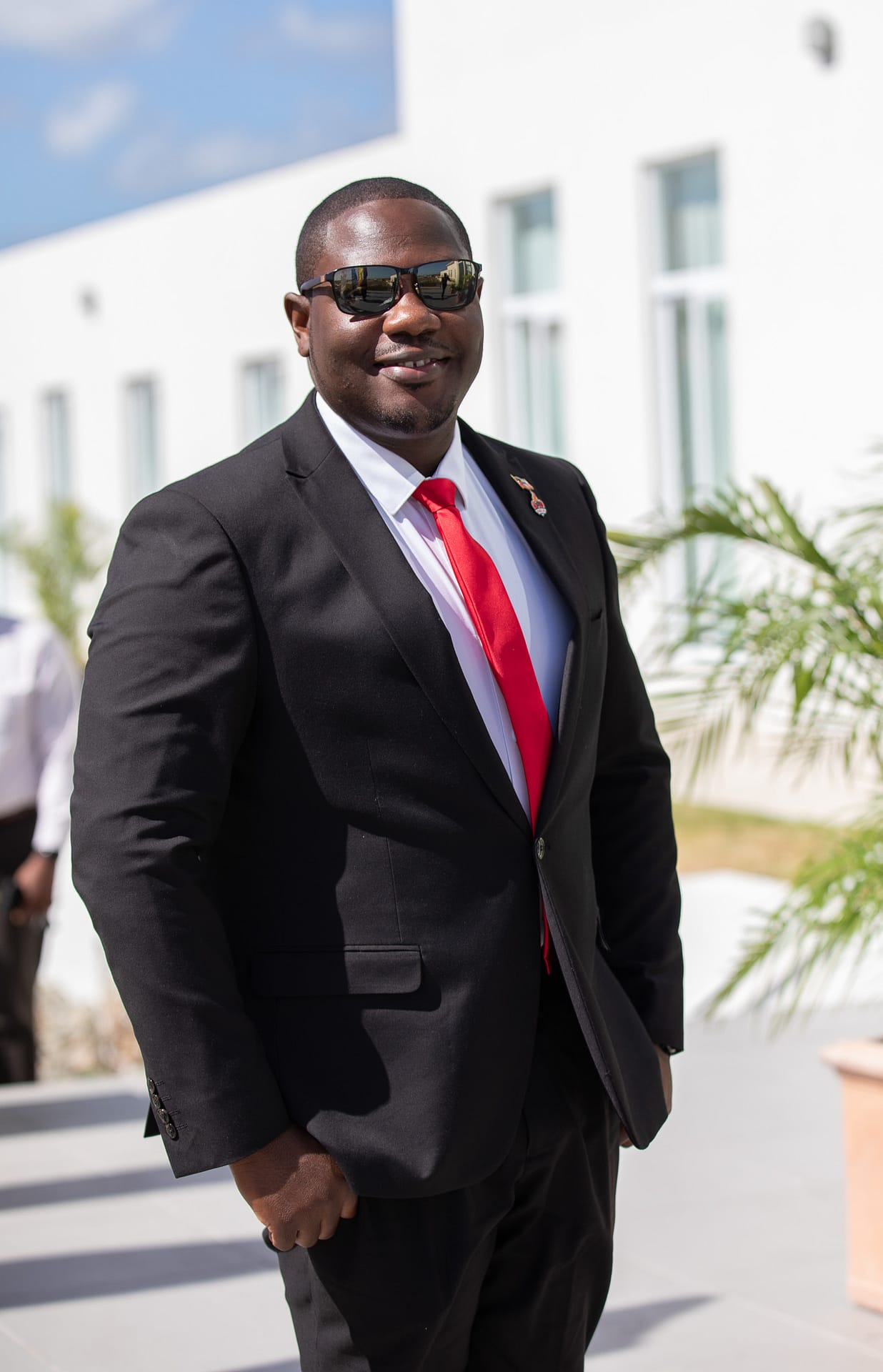
    In a recent press briefing addressing growing public scrutiny over his sudden party affiliation change, representative candidate Smith for the All Saints West constituency has doubled down on his decision, framing the switch as an unavoidable step to better serve local residents.

    Smith explained that his previous party had failed to prioritize the key infrastructure, social service, and economic development projects that top the list of concerns for All Saints West voters. Deadlocked internal negotiations and misaligned policy priorities, he claimed, had left critical initiatives stuck in limbo for years, leaving constituents without the tangible progress they were promised.

    “I did not make this choice lightly,” Smith told reporters gathered at the constituency’s central community hall. “Switching parties was never about personal gain or political opportunism. It was about cutting through the gridlock to get things done for the people who put their trust in me. For too long, our community’s needs have been sidelined for party-centric interests, and that ends now. This move is purely about delivery—delivering better roads, improved healthcare access, and more job opportunities for every household across All Saints West.”

    Local political analysts note that the party switch has shifted the competitive landscape for the upcoming constituency election, with both the outgoing and new party of Smith adjusting their campaign strategies to account for the change. While opposition critics have blasted the move as a self-serving power grab that signals political instability, Smith’s supporters have argued that the decision reflects a rare commitment to putting constituents above party loyalty.

  • Private Bus Operators Get New Deal with GOB

    Private Bus Operators Get New Deal with GOB

    In a development that brings resolution to a longstanding dispute between the Government of Belize (GOB) and private bus operators, Cabinet has approved a new tiered mileage-based fare system to address industry calls for fairer operating conditions, following threats of a total service shutdown last month. The reform comes in direct response to a years-long advocacy campaign from the Belize Bus Association (BBA), which pushed for regulatory changes to correct what they have framed as an unequal playing field for private operators against state-owned services.\n\nTransport Minister Dr. Louis Zabaneh confirmed the three-tier structure to local outlet News 5, outlining clear fare levels and eligibility requirements for each service category. Under the approved framework, standard regular bus routes will be capped at $0.18 per mile, faster express services will carry a rate of $0.20 per mile, and a newly created premium service tier will be set at $0.22 per mile.\n\nUnlike the existing fare structure that offers little differentiation between service quality levels, the new premium tier comes with binding operational standards to justify the higher rate. To qualify for the premium classification, operators must run vehicles no older than seven years, install ergonomic bucket seating, and offer on-board Wi-Fi connectivity. These premium services will also be restricted to inter-municipal runs and high-traffic, high-demand routes, aligning with commuter needs for faster, more comfortable travel between population centers.\n\nDr. Zabaneh noted that government officials have already communicated the framework verbally to BBA leadership, with formal written negotiations set to wrap up within the coming week. Final adjustments will include rounding all final fare amounts to the nearest $0.25 for passenger convenience, and a full collaborative mapping of all route stops that will include input from both private operators and the state-run National Bus Company (NBC).\n\nThe policy breakthrough comes after a period of escalating tension: the BBA recently threatened to suspend all intercity service over skyrocketing fuel costs that have squeezed operator margins, alongside longstanding complaints that existing pay and fare structures are structurally unfair, leaving many private operators operating consistently at a loss. The new fare system applies exclusively to intercity highway routes, which make up the majority of cross-country commuter corridors in the country.\n\n“ we have agreed with the president of the BBA that we will make sure we work closely with them and with the NBC to ensure that all those stops are incorporated properly,” Dr. Zabaneh added, emphasizing the government’s commitment to a collaborative final rollout.\n\nFor BBA leadership, the announcement marks a milestone in a nearly 20-year fight for equitable regulation. BBA President Phillip Jones told News 5 that the association has been lobbying successive governments to level the playing field and establish equal operating conditions for all public bus operators across the country, dating back to the early 2000s.

  • Simons brengt begin juni officieel bezoek aan Dominicaanse Republiek

    Simons brengt begin juni officieel bezoek aan Dominicaanse Republiek

    Suriname and the Dominican Republic are moving forward with plans to deepen their bilateral ties, with a high-stakes presidential visit scheduled for early June to formalize new collaborative agreements. Suriname’s President Jennifer Simons will travel to the Dominican Republic on June 1 and 2 to hold official talks with her Dominican counterpart President Luis Abinader, marking a key milestone in the growing relationship between the two Caribbean nations.

    To lay the groundwork for the presidential summit, Suriname’s Minister of Foreign Affairs, International Trade and Cooperation Melvin Bouva already held a series of preparatory working meetings in the Dominican Republic. During these discussions, the two sides signed a joint declaration that outlines a shared commitment to expanded partnership, with core priorities centered on three key sectors: economic development, tourism expansion, and bilateral trade.

    In remarks following the signing, Minister Bouva emphasized that the Dominican Republic opens substantial new opportunities for Suriname’s economic growth, particularly in the tourism and export segments. Suriname has set a clear goal of boosting international visitor arrivals to the country, and closer collaboration with the Dominican Republic — a major regional tourism hub — is expected to help Suriname tap into larger tourist flows. Additionally, Suriname is positioning itself to expand access to the Dominican market for key domestic agricultural exports, including corn, soybeans and cacao.

    Beyond bilateral ties, the two countries are also prioritizing closer regional collaboration to address shared Caribbean challenges, especially around energy stability and food security. Dominican Republic has been identified as a critical strategic partner for Suriname as it works to advance these regional cooperation goals, creating a framework for mutual benefit that extends beyond traditional trade and economic links.

  • Legends Tour returns to Apes Hill with expanded field, tourism boost

    Legends Tour returns to Apes Hill with expanded field, tourism boost

    Barbados’ luxury Apes Hill Golf Club is poised to cement its status as a premier destination for senior professional golf, as it prepares to welcome the 2025 Staysure Legends Tour from April 22 to 26. The tournament marks a key milestone in the Caribbean nation’s long-term strategy to grow its share of high-value global sports tourism, combining elite athletic competition, celebrity cross-over appeal, and sweeping international media exposure.

    The Legends Tour, the official competitive circuit for male professional golfers aged 50 and over previously known as the European Senior Tour, draws some of the biggest names in the sport’s recent history, including former major championship winners, veteran Ryder Cup competitors, and decades-long leading tour professionals. A defining feature of the circuit sets it apart from standard professional golf events: its unique partnership format allows amateur golfers and high-profile celebrities to compete alongside tour pros, expanding the event’s accessibility and fan appeal.

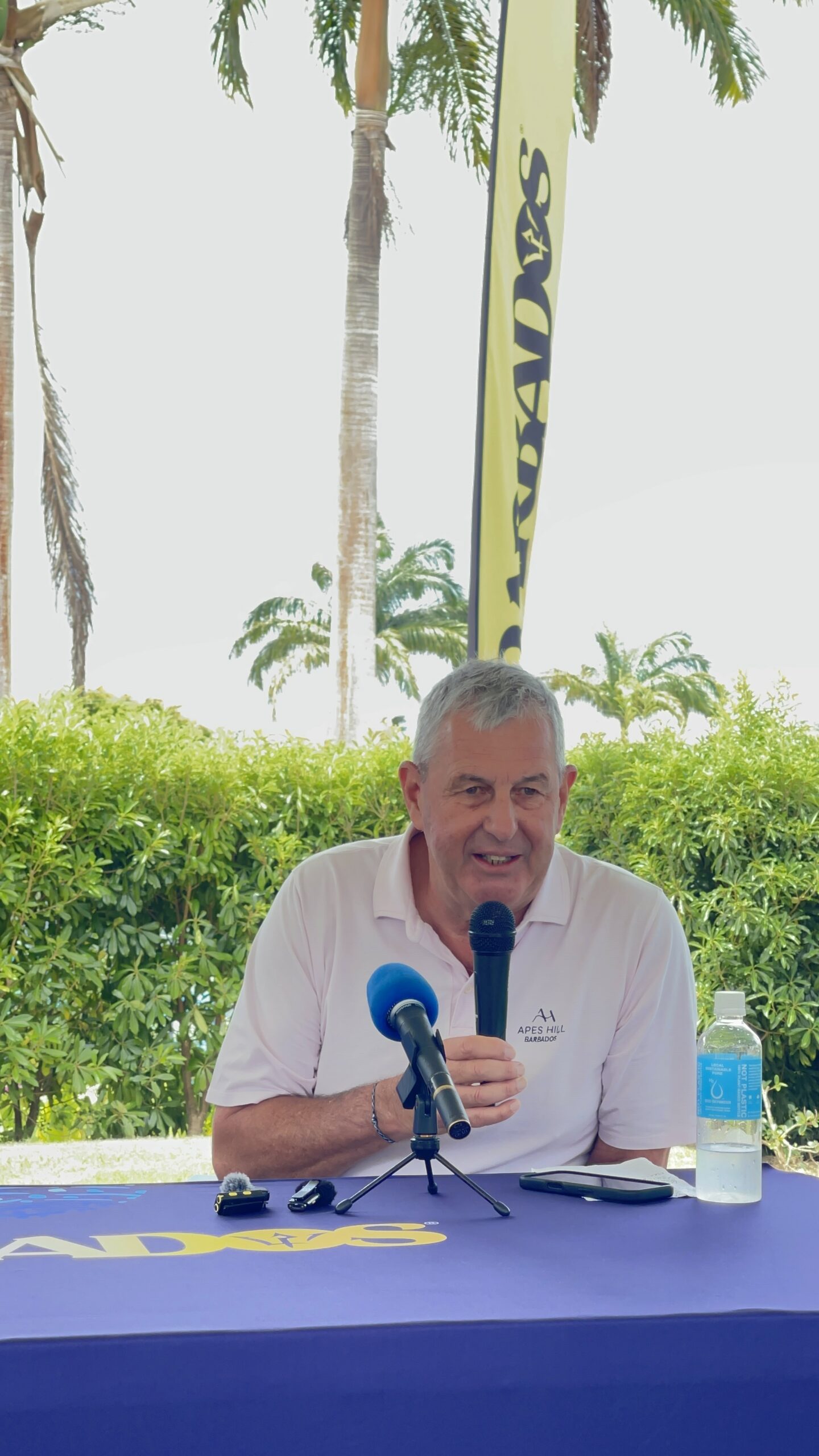
    Details of the 2025 Barbados stop were officially announced during a press conference hosted at Apes Hill by Barbados Tourism Marketing Inc. (BTMI), where organizers confirmed a stronger, more diverse competitive field than previous editions of the event. Legends Tour CEO Phil Harrison revealed that the event will continue its tradition of featuring top regional sports personalities by including several famous Caribbean cricketers in the tournament, building on the success of past cross-sport collaborations. The addition of cricket stars is part of a broader strategy to broaden the event’s global fanbase beyond core golf audiences.

    “We’ve talked about bringing celebrity elements into the event… to try and elevate the event,” Harrison explained, noting that the 2025 field boasts an unprecedented lineup of golf legends. Four former major champions – Paul Lawrie, Henrik Stenson, Michael Campbell, and tournament host Ian Woosnam – are set to compete, alongside a mix of returning past champions and first-time entrants to the over-50 circuit. Harrison added that Apes Hill and Barbados consistently rank as the most popular tour stop among participating players, calling the destination a perennial favorite on the circuit’s international schedule.

    The Barbados tournament is the third stop on the 2025 Legends Tour global calendar, with a total prize purse of $1.2 million Barbadian dollars (equivalent to $600,000 USD), marking the circuit’s continued expansion of its presence in the Caribbean. For Barbados’ tourism sector, the event delivers tangible economic and branding benefits that align with the nation’s goal of positioning itself as a top-tier premium sports destination. BTMI representative Kamal Springer noted that the 2025 tournament is projected to bring more than 300 international visitors directly to the island for the event, a group that aligns with Barbados’ target of high-spending sports and leisure travelers.

    “Barbados wants to be able to host elite events in the country… because we want to attract an audience that would want to travel for this type of event,” Springer said. Beyond on-island economic impact, the tournament delivers unmatched global exposure for Barbados: it will receive 95 hours of international media coverage, reaching 153 million households across 150+ countries, allowing the BTMI to target key high-value travel markets and connect with millions of potential visitors worldwide.

    At the course level, Apes Hill Director of Golf Jody Addison noted that the tournament continues to evolve year over year, with new competitors raising the level of play and bringing fresh energy to the event. Addison emphasized that the 2025 field strikes a perfect balance between legendary returning champions and first-time participants, creating a dynamic competitive environment for both players and fans.

    Woosnam, a Welsh golf legend, 1991 Masters champion, former world No. 1, and long-time Barbados resident who serves as the tournament host, highlighted the one-of-a-kind appeal of hosting a world-class event at Apes Hill. “You look around, it’s so beautiful,” Woosnam said. “Even if you play bad golf, it’s going to be beautiful anyway.”

  • Grenada strengthens Latin America presence at WTM Latin America

    Grenada strengthens Latin America presence at WTM Latin America

    As part of its ongoing push to grow its international tourism footprint, the Grenada Tourism Authority (GTA) has taken a major step into the high-potential Latin American market with a targeted participation in World Travel Market (WTM) Latin America 2026, hosted in São Paulo, Brazil. One of the most influential travel industry gatherings across the Latin American region, WTM Latin America draws over 32,000 travel and tourism professionals from across the globe each year, making it an ideal launchpad for new market entry.

    Leading the GTA delegation were Chief Marketing Officer Tornia Charles and Maiesha Holder, Marketing Executive overseeing emerging market initiatives. Over the three-day event, the team connected with key stakeholders across three critical sectors: global and regional media, established travel trade networks, and leading travel influencers, aligning with GTA’s long-term strategic goals for the region. To maximize regional visibility and leverage collaborative industry networks, GTA showcased its destination offerings within a shared Caribbean exhibition space organized by the Caribbean Tourism Organisation (CTO).

    This formal entry into the Latin American travel market stands as one of the core pillars of GTA’s 2026 Global Marketing Strategy. The move is backed by comprehensive market intelligence that has identified Latin America as an underpenetrated, high-growth segment for Caribbean tourism. During the event, the delegation held more than 20 pre-scheduled one-on-one business meetings, and added an additional 25 spontaneous conversations with event attendees, generating significant industry interest, building dozens of valuable professional connections, and securing a pipeline of qualified business leads.

    In remarks following the event, Charles emphasized the unique value that WTM Latin America provided for GTA’s expansion goals. “This platform gave us an unrivaled opportunity to introduce Grenada to a highly engaged, fast-growing travel market that is hungry for new destinations,” Charles explained. “Our goal goes far beyond just raising brand awareness. We are focused on building meaningful, long-term presence in the region, forging durable partnerships with local industry players, understanding the unique preferences of Latin American travelers, and positioning Grenada as a one-of-a-kind, experience-focused destination. The level of engagement we saw this week only confirms that Latin America is a strategic growth opportunity we cannot ignore.”

    Grenada’s curated tourism product, which centers on authentic local experiences ranging from farm-to-table culinary adventures and wellness retreats to deep dives into the island nation’s centuries-old spice heritage and vibrant cultural traditions, struck a particular chord with event attendees. This offering aligns perfectly with the shifting travel preferences of Latin American consumers, who increasingly prioritize immersive, authentic experiences over generic mass tourism.

    Holder echoed this positive assessment, noting that the response from trade and media partners confirms Grenada’s unique position in the Caribbean tourism landscape. “What we heard consistently is that Grenada stands out from other Caribbean destinations by offering something truly distinct,” Holder said. “There is clear, growing demand from travelers and trade partners alike for destinations that deliver depth, authenticity, and immersive experiences that go beyond sun and sand. Our participation at WTM Latin America has laid a solid foundation for ongoing engagement and future business conversion across the region.”

    Overall, GTA’s participation in WTM Latin America 2026 underscores the authority’s ongoing commitment to targeted market development, strategic regional and global partnerships, and consistent brand visibility as it works to drive diversified, sustainable tourism growth across Grenada, Carriacou and Petite Martinique.

  • World Bank mission completed for Grenada Resilience Improvement Project

    World Bank mission completed for Grenada Resilience Improvement Project

    Grenada’s ambitious climate resilience infrastructure initiative, the Grenada Resilience Improvement Project (GRIP), has moved into a critical advanced phase, marking multiple key milestones for the $15 million World Bank-backed program. The project, which focuses on strengthening disaster preparedness and climate-resilient infrastructure for three local communities, recently held a productive implementation support mission that brought together GRIP’s project team, Grenadian government officials, and World Bank representatives. The meeting, which included both in-person site visits on the island and virtual working sessions, saw the GRIP team share comprehensive progress updates, while the World Bank team provided targeted feedback and strategic guidance to shape the project’s next phase. Attendees described the discussion as a constructive exchange that aligned all stakeholders on the path forward.

    This collaborative session came at a particularly pivotal moment for the project, as on-the-ground civil work has officially commenced at the Balthazar Bridge site. The first component of work to launch is construction of a temporary pedestrian bridge, designed to keep local residents safely crossing the adjacent river during full reconstruction of the main permanent bridge. Local contractor Farray Construction Ltd. has already begun building the bridge’s abutments, with installation of the full pedestrian bridge set to begin once foundation work is complete.

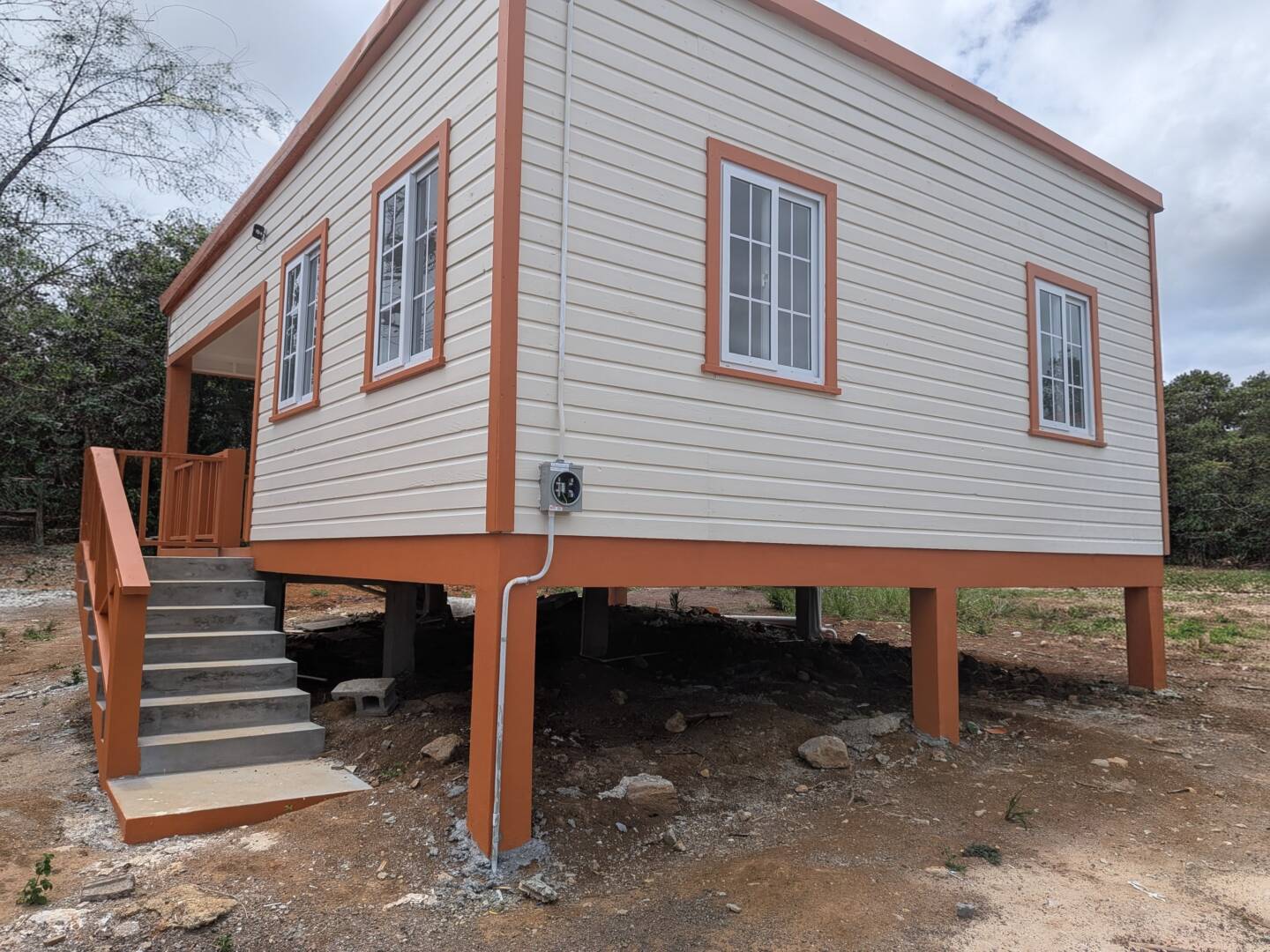
    Several major components of the project have already hit key milestones in recent weeks. Procurement for both coastal infrastructure upgrades and the full Balthazar Bridge reconstruction has been successfully wrapped up, with formal contract awards set to be announced in the near term. Additionally, four new permanent homes have already been completed for Project Affected Persons (PAPs) in Saab, St. Andrew, where existing residential properties fall within the footprint of the new bridge development. These new homes were constructed under the project’s Build Back Better Initiative, which prioritizes safer, more resilient housing for impacted community members.

    Looking ahead, the GRIP project management team, hosted by Grenada’s Ministry of Mobilisation, Implementation and Transformation (MIT), will maintain its close coordination with the World Bank team to keep progress on track. The next phase of the project will include expanded community engagement sessions to share regular progress updates with local residents, and significant increases in on-site mobilization are expected throughout the second quarter of this year.

    First launched as a government-led initiative backed by $15 million in World Bank funding, GRIP’s core mission is to boost Grenada’s ability to withstand climate-related disasters by upgrading critical infrastructure and strengthening local community disaster preparedness capacity. When complete, the project will deliver long-term benefits to three targeted Grenadian communities: Balthazar, Soubise, and Marquis.

  • Transport minister: Free seniors rides permanent

    Transport minister: Free seniors rides permanent

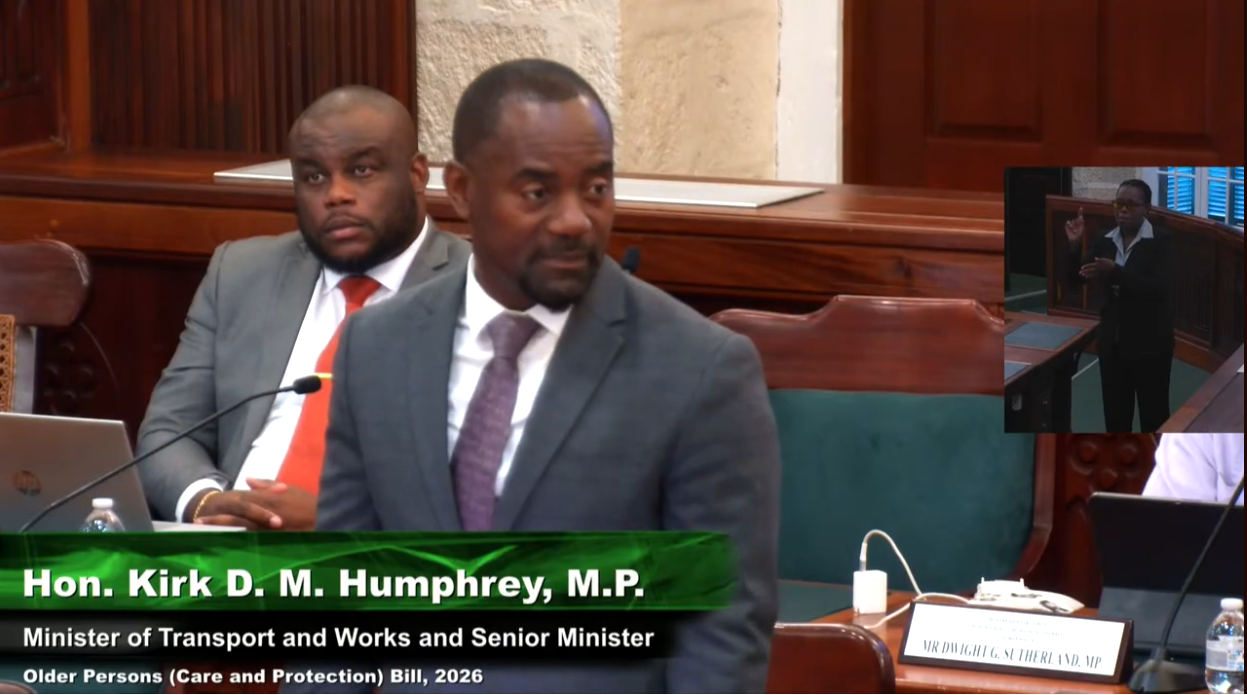
    During a heated debate in Barbados’ House of Assembly on the transformative Older Persons (Care and Protection) Bill, Minister of Transport and Works Kirk Humphrey has issued an unwavering guarantee that the Mottley administration will permanently retain free bus fare for all senior citizens riding public Transport Board buses, even amid ongoing discussions of potential public-private partnerships for the island’s transport sector.

    Humphrey, who draws deep personal and academic expertise in elder rights issues, framed the new legislation not as an act of charitable goodwill from the government, but as a long-overdue fundamental gesture of gratitude to the generations of Barbadians who built the modern nation. The minister used the debate to push back against persistent public rumours that privatization of transport services would eliminate the popular free fare benefit for vulnerable groups, delivering a categorical public reassurance.

    “Let me make it clear. There will never be, under this administration, any time where older persons have to pay to use buses in this country. It is not the policy of the government. That free ride for older persons will continue regardless of whatever structure we settle on for delivering transport to Barbadians,” Humphrey stated emphatically. The minister extended this ironclad guarantee to all other groups that currently hold free public transport privileges, including active and serving police officers, emphasizing that government efforts to boost operational efficiency in the transport sector will never come at the expense of vulnerable and marginalized groups.

    Humphrey also used the occasion to call on Barbadian society to confront a growing worrying erosion of the island’s long-held traditional culture of intergenerational community care. Invoking the classic Socratic maxim that “the unexamined life is not worth living,” he urged the nation to engage in deep introspection about how it treats its aging population. He questioned how a country once famous for its tight-knit community care systems had reached a point where so many seniors report feeling invisible, socially excluded, and neglected.

    “Dignity does not expire at 65 or 67. In fact, we have a responsibility as people get to that age to put a little bit more effort in,” Humphrey argued.

    Drawing on his portfolio oversight, the transport minister detailed the often-overlooked deep connection between accessible public infrastructure and broader social well-being for older Barbadians. He explained that seemingly small oversights, such as cracked sidewalks or unbuilt bus shelters, do more than just hinder mobility – they actively push seniors into social isolation. If an older person cannot wait comfortably for a bus due to a lack of shelter, they will often choose to stay home entirely, skipping critical medical appointments and cutting off visits with family and friends, eroding their independence over time.

    “Getting older should not mean losing independence in these things that are so easy to be able to resolve,” he said. Humphrey challenged his own ministry to abandon outdated accessibility standards that are unfit for a 21st-century Barbados, mandating that all public walkways be fully accessible for people living with disabilities and seniors, who he noted experience mobility and safety risks such as uneven lighting very differently than younger people.

    Beyond the transport policy commitments, Humphrey outlined the core protections of the new Older Persons Bill, which establishes a comprehensive national framework to combat elder neglect, abuse and financial exploitation. He highlighted the landmark creation of a confidential national register of documented elder abusers, a provision he called a personal priority, which will bar anyone with a confirmed history of abusing seniors from working in licensed elder care facilities across the island.

    “This bill says that older persons are right holders and that they are not just passive recipients of government’s largesse. It recognizes physical abuse, emotional abuse, sexual abuse, neglect, abandonment, and financial abuse—including when people take your pensions or your savings. Silence can no longer be used to protect abusers in this country,” Humphrey said.

    The minister closed by issuing a direct challenge to the Social Empowerment Agency and all relevant government bodies responsible for elder welfare: passing groundbreaking legislation is only the first step, and the true impact of the bill will depend on consistent, aggressive enforcement. “Protection delayed is protection denied. We have to enforce what the bill allows us to enforce. We have to put in place the systems to benefit the persons that we’re meant to protect. Use the legislation. Enforce the legislation,” he urged. Echoing a long-held global standard of national accountability, Humphrey noted that “You judge a country not by the way it treats the people who are strong… but by the way it treats its vulnerable.”

  • Caribbean urged to prepare for hotter, drier conditions

    Caribbean urged to prepare for hotter, drier conditions

    Two leading Caribbean climate research institutions, the Caribbean Institute of Meteorology and Hydrology (CIMH) and the University of the West Indies Climate Studies Group Mona (UWI CSGM), have issued an urgent early call for regional governments, private enterprises, agricultural producers and households to implement proactive preparations for extreme climate events. Forecasters project a developing El Niño will bring prolonged hotter, drier conditions across the Caribbean throughout 2026 and 2027, bringing cascading, compound climate risks that threaten lives, livelihoods and regional economies.

  • Lucy Belle-Matthew, sworn-in as Roseau mayor, outlines Council priorities

    Lucy Belle-Matthew, sworn-in as Roseau mayor, outlines Council priorities

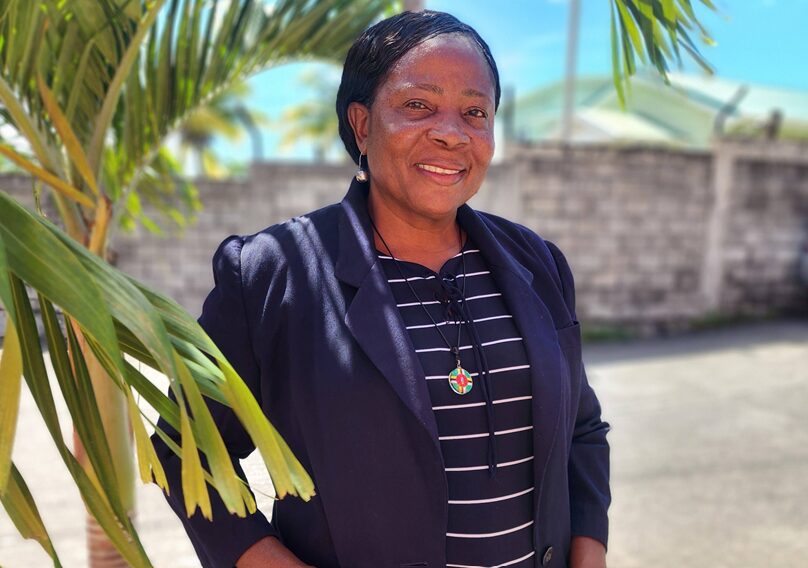
    On a formal Monday swearing-in ceremony, Lucy Belle-Matthew took office as the new mayor of Dominica’s capital city, Roseau, laying out a clear, action-focused policy agenda centered on three long-standing urban challenges: inadequate sanitation, unregulated private property management, and disorderly street vending.

    Belle-Matthew earned her mandate after a competitive March 2026 city council election, where she ran as the representative for Ward 4. She secured a solid victory, polling 408 votes to defeat her challenger Sherman Boston, who garnered 267 votes.

    In her first official inaugural address to the city and its residents, the new mayor opened with pressing property regulation issues, emphasizing that owners of vacant lots and crumbling, dilapidated buildings must bring their holdings into compliance with existing city council rules. “We are appealing to the owners of such properties to take immediate action to comply with Council’s regulation,” Belle-Matthew stated. To strengthen the city’s ability to enforce these rules, she revealed the council plans to propose revisions to local property tax legislation, adding that the council’s regulatory authority must be acknowledged and upheld across the municipality. “There cannot be full and effective representation without your commitment to pay your taxes and fulfilling your obligation to Council,” she added.

    Belle-Matthew also took a moment to praise the national Government of Dominica for its ongoing investments in upgrading municipal housing stock, noting that the national initiative has already delivered tangible improvements to living standards for hundreds of local families. She called on private property owners and all community members to partner with the city council to advance local sanitation improvement projects, framing public cleanliness as a shared responsibility rather than solely a government task.

    Shifting focus to urban public space management, the mayor called out unregulated street vending as a growing public safety concern, particularly in Roseau’s densely populated city center, where vendors have occupied sidewalks and public roadways. “Vending in some areas of the city has become a major hazard due to the congestion and disorderly vending practices,” she explained. Rejecting heavy-handed crackdowns that would threaten vendors’ livelihoods, Belle-Matthew outlined a balanced approach: the city will restructure vending locations to restore public access to sidewalks and streets, but will offer existing vendors the option to relocate to available, properly zoned space at the Roseau Market, where they can continue operating their businesses without disruption. “This situation cannot be allowed to continue. We will seek to address this issue in an orderly manner,” she said. “If you are relocated to the Roseau market, we want you to make a good living by applying your trade. But we have a statutory duty which we must execute.”

  • Karate quartet barely miss out on CAC Games qualification

    Karate quartet barely miss out on CAC Games qualification

    Four up-and-coming karate athletes from Barbados’ national squad have fallen just short of securing automatic berths to the 2024 Central American and Caribbean (CAC) Games, landing reserve positions instead after a strong showing at the regional qualification tournament hosted in the Dominican Republic last month. Joseph Tseu, Kodie King, Shannan Skeete and Ric-Anne Brathwaite left everything on the competition mat between April 16 and 18 at the CAC Qualifiers, ultimately walking away with reserve slots that could see them compete at the main Games, set to run from July 24 to August 8 in the Dominican Republic. Tseu holds the first reserve spot for men’s kata, while King (84kg kumite), Skeete (61kg kumite) and Brathwaite (68kg kumite) are listed as second reserves across their respective sparring divisions. Should any qualified athlete withdraw before the tournament kicks off, the Barbadian reserves will step in to fill the vacant position. Despite missing out on automatic qualification, the team’s coaching staff framed the outing as a promising, respectable showing for the small island nation’s karate program. Assistant coach Corey Greaves, who traveled to the qualification event alongside head coach Cameron King, shared the team’s takeaways in an interview with Barbados TODAY. “We didn’t hit our ultimate goal of locking in qualifying spots, but landing first and second reserves across multiple disciplines means we held our own out here,” Greaves said. “Now we just wait and hope for an opening that lets one of our athletes step into the main draw.” Greaves emphasized that every athlete on the trip turned in a better performance than at past competitions, with the revised qualifying structure giving competitors more opportunities to compete and gain critical experience. He broke down the structure of the qualification tournament, noting that the host Dominican Republic automatically claimed one of the eight total spots available across each division, leaving seven spots open for all other competing nations. Athletes who did not secure one of the four immediate automatic berths advanced to a round-robin playoff to compete for the final three qualification positions. With the possibility of last-minute withdrawals still on the table ahead of the summer Games, Greaves confirmed that the four reserves will maintain a rigorous training schedule back home in Barbados to stay ready if called upon. A key part of that preparation for the kumite athletes, he added, is maintaining their required weight classes to meet tournament regulations. While Greaves expressed optimism about the long-term future of competitive karate in Barbados, he also shared measured concerns about the pace of the sport’s growth on the island compared to regional powerhouses. “Karate is growing steadily, and we’re seeing more athletes from other martial arts backgrounds transition into competitive sports karate now that the World Karate Federation has opened a formal pathway for cross-discipline participation,” he explained. “More and more young athletes are drawn to this side of the sport because it offers a clear path to compete at the Olympics and Commonwealth Games, something traditional karate does not provide. That said, the sport is not growing as quickly as I would like to see it. Countries like Mexico and other Latin American nations bring 20 or more athletes to major regional events, while Barbados rarely travels with more than 10 competitors. When there are 14 possible spots across different divisions and categories, we can only compete for 10 of them because we simply don’t have the depth of athlete numbers to match our regional rivals.” Greaves added that small athlete pools are a widespread challenge across the Caribbean, but noted that English-speaking Caribbean nations, including Barbados, are steadily expanding their ranks of competitive sports karate athletes, setting the foundation for stronger showings at future events.