博客

  • Proven & ANSA McAL raising US$30 million via Roberts Manufacturing IPO

    Proven & ANSA McAL raising US$30 million via Roberts Manufacturing IPO

    Regional investment firm PROVEN Group Limited has announced it will divest nearly half of its holding in Barbados-based consumer goods manufacturer Roberts Manufacturing Company Limited, in a transaction valued at a maximum of US$15.63 million. The move is a core part of Proven’s strategic plan to boost cash reserves, trim outstanding debt, and clear the way for the resumption of ordinary shareholder dividend payments, which have been paused since mid-2025.

    This partial stake sale is being conducted alongside Trinidad-based conglomerate ANSA McAL Limited as part of Roberts Manufacturing’s total US$30.16 million initial public offering (IPO), ahead of the firm’s listing on the Barbados Stock Exchange (BSE). Prior to the offering, Proven and ANSA McAL hold a combined 100% controlling stake in Roberts, with Proven owning 50.5% and ANSA McAL holding the remaining 49.5%. If the IPO is fully subscribed, Proven’s holding will drop to 25.5%, while ANSA McAL’s stake will fall to 25% – leaving both existing owners with joint strategic control of the listed manufacturer.

    In its official IPO prospectus, Roberts emphasized that the transaction balances the needs of existing shareholders for liquidity with the continued stability of retained strategic oversight. “Providing liquidity to the Shareholders while retaining strategic control. This will enable capital reallocation, leverage reduction, and capital structure management at the shareholder level,” the document read.

    The divestment comes at a pivotal juncture for Proven, which has faced significant financial headwinds over the past three quarters. For the nine-month period ending December 2025, the firm swung from an operating profit of US$2.85 million in the prior year to an operating loss of US$2.66 million. The downturn was driven by spiking interest expenses, shrinking gross profit contributions from Roberts, and rising general operating costs.

    While a doubling of profit share from associate firm JMMB Group Limited – reaching US$5.66 million – pulled Proven to a pre-tax profit of US$3.01 million, this figure still represented a 44% year-over-year decline. Consolidated net profit for the period hit US$2.55 million, with US$1.45 million attributable to common shareholders.

    Proven suspended ordinary dividend payments in July 2025 to prioritize liquidity building and debt reduction amid elevated global borrowing costs and softening operating results. The company has signaled that it expects proceeds from two major property developments – Sol Harbour and Bahari Phase 1 – to support dividend resumption in the second half of 2026, a timeline that will be reinforced by the proceeds from the Roberts stake sale.

    “The Board remains committed to reinstating dividend payments at the earliest appropriate time, with the expectation that the completion of major property sales and the normalization of operating performance will provide a solid foundation for the resumption of shareholder distributions,” Proven noted in its recent third-quarter financial report.

    For its part, Roberts Manufacturing stands as one of Barbados’s most robust industrial assets, specializing in the production of edible oils, margarines, food shortenings, and specialty animal feed products. The company commands a dominant market share on its home island and exports its goods to 14 regional Caribbean markets.

    In its most recent full financial year, Roberts posted a 10% drop in consolidated revenue to US$66.87 million, stemming from the termination of a large animal feed contract and short-term cross-border shipment disruptions. Even amid this top-line decline, the manufacturer grew net profit by 41% to US$5.7 million, with shareholder-attributable net profit surging 73% to US$4.59 million. The strong bottom-line result was fueled by aggressive cost-cutting, lower effective tax rates, and the reversal of previous accrual balances.

    Since 2021, Roberts has returned a total of US$16.55 million to shareholders via dividends, including US$4.67 million in the 2025 financial year. Previously, the firm paid an annual management fee of US$2.8 million to its controlling owners and their affiliates, but this practice will end following the IPO. Going forward, Roberts has committed to distributing at least 50% of its available net profit as annual dividends to all public and private shareholders.

    The IPO marks the start of a new growth phase for the manufacturer, which has outlined plans to drive top-line expansion through targeted commercial investment and disciplined operational execution. The company is currently upgrading its shortening and margarine production facility, a project expected to boost output by 30% while supporting its goal of expanding its regional export footprint. Longer-term, Roberts is evaluating a secondary listing by introduction on the Jamaica Stock Exchange, as well as a follow-on public offering to raise additional equity for further expansion projects.

    The IPO opened for public subscription on April 16 and will close on May 7, with a minimum fundraising threshold of US$5 million required for the offering to proceed. Shares are priced at US$0.50 each for retail and institutional investors.

  • Late-night turmoil in Gordon House

    Late-night turmoil in Gordon House

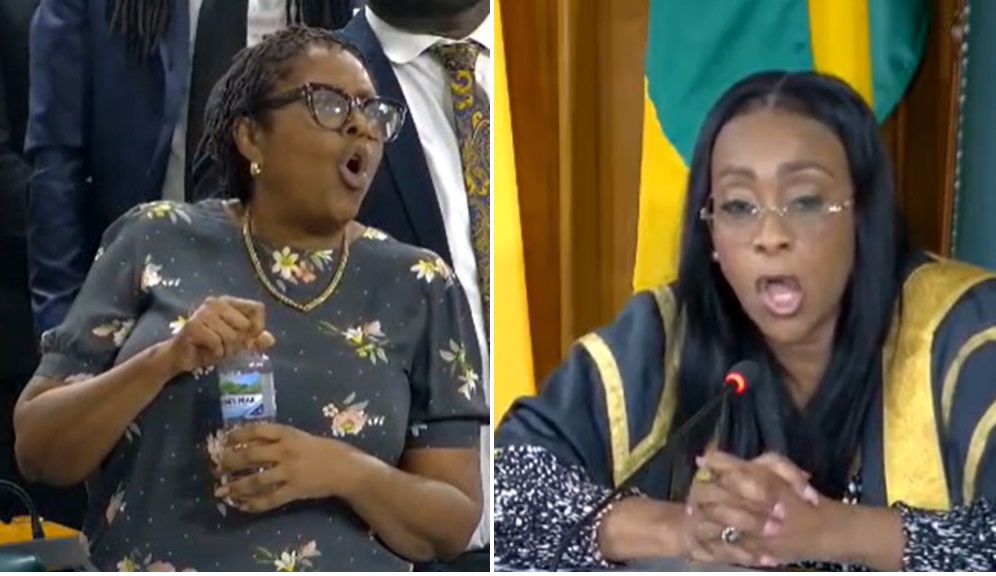
    Late on Tuesday, a chaotic confrontation over a critical piece of government legislation disrupted proceedings in Jamaica’s House of Representatives, resulting in the suspension of opposition Member of Parliament Angela Brown Burke, who represents St Andrew South Western. The incident unfolded during a Committee of the Whole House sitting, where lawmakers were conducting a line-by-line review of the National Reconstruction and Resilience Authority (NaRRA) Bill, a flagship policy proposal from the current administration.

    Tensions that had been simmering during debate on the divisive bill boiled over into open disorder, with the confrontation centering on the parliamentary mace — the centuries-old ceremonial object that embodies the constitutional authority of Jamaica’s legislature. After Brown Burke engaged in an incident involving the mace, Speaker of the House Juliet Holness initiated formal disciplinary proceedings by “naming” the MP, a procedural step reserved for cases of gross disorderly conduct under parliamentary rules.

    Citing Standing Order 43, Subsection 2, which requires lawmakers found guilty of grossly disorderly behavior to leave the chamber for the rest of the sitting, Holness ordered parliamentary marshals to escort Brown Burke out of the building. The opposition MP repeatedly refused to comply with the Speaker’s instructions, attempting to argue her case before being cut off, and proceedings were brought to an abrupt standstill as marshals moved to enforce the order.

    Leader of Government Business Floyd Green quickly introduced a formal motion to confirm Brown Burke’s suspension for the remainder of the day’s sitting, which passed along party lines with the government’s majority approving the measure. In remarks after order was temporarily paused, Speaker Holness emphasized that any attempt to touch or grab the mace — regardless of whether it was done in jest or protest — crosses an unacceptable line in parliamentary procedure.

    “Member, at no time can you grab the mace in Parliament. Not even in jest, member. And not in protest either,” Holness told the MP, stressing the symbolic weight of the object to the institution’s integrity. She later reminded all assembled lawmakers that parliamentary rules are not trivial, and disciplinary procedures are in place to protect the dignity of the body.

    After the confrontation, the sitting was paused for five minutes to allow tempers to cool, and Brown Burke ultimately left the chamber before lawmakers resumed their deliberations on the bill. Prime Minister Andrew Holness called for calm once proceedings restarted, noting that the disruptive scene would not be remembered as one of parliament’s finest moments, and stressing that the order and dignity of the institution must be protected at all times.

    The NaRRA Bill at the center of the tension is a key policy priority for the Jamaican government. If passed, it will establish the National Reconstruction and Resilience Authority, a centralized body tasked with coordinating post-disaster reconstruction and long-term national resilience-building efforts to respond to major emergencies ranging from hurricanes to public health crises. The legislation has already sparked sharp division among both lawmakers and the Jamaican public, with disagreements over its scope and implementation driving tense debate throughout the legislative process.

  • UPDATE: Government response to trough system impacts -April 28, 2026

    UPDATE: Government response to trough system impacts -April 28, 2026

    In the wake of a damaging trough system that swept across Dominica on Sunday, April 26, 2026, Prime Minister Roosevelt Skerrit’s administration has launched an urgent, on-the-ground relief and recovery operation targeting hard-hit communities in the island’s eastern and northeastern districts. Just one day after the weather event, the prime minister and government representatives continued direct engagement with affected local populations on Monday, April 27, and convened a second emergency Cabinet meeting that same evening to assess unfolding conditions and align coordinated national response efforts. As recovery work progresses, the government has released a detailed roundup of ongoing actions across every critical sector impacted by the disaster. For water and basic necessities, local teams are already distributing potable water to residents of Atkinson and its surrounding neighborhoods. More supply runs are scheduled, with bulk water deliveries set to begin as soon as blocked roadways are cleared, alongside planned distributions of food, waterproof tarpaulins and other life-sustaining essentials to households damaged by the storm. Communications infrastructure took a hit across many isolated communities, leaving internet service unstable or entirely unavailable in multiple areas. To address this gap, the government plans to deploy Starlink satellite internet units to key community hubs, ensuring local residents can maintain critical connections with emergency responders and loved ones. Heavy rainfall from the trough triggered widespread major landslides across eastern and northeastern Dominica, cutting off road access and trapping residents in multiple districts. Heavy construction equipment has been brought in to clear blocked corridors, with full access to Atkinson, Antrizzle and the Kalinago Territory projected to be restored in the near term. For communities including Dix Pas, Tranto, Good Hope, San Sauveur and Petite Soufriere, crews are implementing temporary access fixes at the damaged Calixte bridge to reconnect cut-off neighborhoods. Displaced Atkinson residents have access to prepped temporary shelter facilities, where the government is providing on-site meals, personal care packages and specialized psychosocial support for those impacted by the disaster. At the same time, planning is already underway for long-term housing support for homeowners who lost their properties or sustained catastrophic structural damage. Citing ongoing safety hazards across storm-impacted regions, the government has extended school closures for a dozen campuses in eastern and northeastern Dominica, including Concord Primary, Atkinson Primary, Salybia Primary, Sineku Primary, Castle Bruce Primary, Lighthouse Christian Academy, Temple SDA, San Sauveur Primary, Wesley Primary, Wills Strathmore Stevens (WS Stevens) Primary, Castle Bruce Secondary and North East Comprehensive. Officials will publish new updates on school reopenings once sites are inspected and cleared as safe for students and staff. The storm also disrupted access to agricultural lands across many affected areas, threatening livelihoods for local farming households. The government confirmed that damage assessments are currently ongoing, and direct support for impacted farmers will be rolled out as soon as access to farmlands is restored and damage is fully documented. Clean-up operations are already underway across a dozen hard-hit communities, including Rosalie, Riviere Cyrique, Castle Bruce and Marigot, with teams from the National Employment Programme (NEP) leading debris clearing and sanitation work. Additional NEP crews will be deployed to more remote districts as road access is restored. Throughout the response effort, the Skerrit administration has emphasized that its recovery strategy is centered on rapid, people-first action, with all available resources dedicated to delivering effective, timely support to impacted communities. Officials confirmed that regular public updates will be shared as response and recovery work continues.

  • Chinese Tycoon Buys Pigeon for $1.8 Million

    Chinese Tycoon Buys Pigeon for $1.8 Million

    The world of elite racing pigeons has been flipped on its head by soaring valuations and a growing wave of organized crime, as criminal networks target champion birds worth millions of dollars in what industry insiders have dubbed the “pigeon mafia.”

    To casual observers, racing pigeons are nothing more than ordinary urban birds. But to dedicated breeders, these specially bred *Columba livia domestica* are elite athletes, refined through generations of selective bloodline breeding to complete jaw-dropping long-distance races, flying hundreds of miles home at extraordinary speeds.

    Belgium’s Flemish region, long recognized as the global capital of professional pigeon racing, is where the value of top-tier birds is most apparent. Veteran breeder Tom Van Gaver spent decades curating a collection of 300 carefully bred birds, with a total estimated value of $10 million. One of his most prized specimens was a champion racer named Finn, often called “the Mona Lisa of pigeon racing.” Beyond his own racing wins, Finn was a genetic goldmine: individual offspring from Finn regularly sold for as much as $100,000 apiece.

    But in 2024, Finn disappeared from Van Gaver’s loft overnight. Security camera footage captured an intruder sneaking into the facility and stealing Finn alongside several other top breeding birds. “It’s not about the money,” Van Gaver told *60 Minutes*, which first broke the broader story of organized pigeon crime. “I want my pigeon back.”

    Investigators and industry insiders agree that sophisticated international criminal rings are behind the growing wave of pigeon thefts. Unlike common property theft, these criminals are not just looking to resell stolen birds outright. Instead, they exploit the elite genetics of champion pigeons: stolen birds are used to produce offspring on the black market, which are then sold at premium prices to collectors and breeders looking to improve the quality of their own racing stock without paying full market value for top bloodlines.

    The rise in targeted pigeon thefts directly tracks with the exponential growth of prize money and sales values in the sport over the past decade. Modern high-profile events, particularly popular “one loft races,” draw thousands of competitors from across the globe, with individual entry fees often running hundreds of dollars per bird and total prize pools reaching millions of dollars. In one major Portuguese race, more than 3,000 pigeons competed for a $1.2 million top purse, awarded to the first bird to complete the 300-mile flight back to its home loft.

    This flood of capital has transformed the niche sport into a multi-million-dollar global industry. Online auction platforms now routinely facilitate sales of elite pigeons for six- and even seven-figure sums, with wealthy buyers from China and the Middle East driving record price growth. One Belgian auction firm that specializes in top racing pigeons reportedly processes tens of millions of euros in transactions each year. The current public sales record was set back in 2020, when a Chinese tycoon purchased a single champion pigeon for a staggering $1.8 million.

  • Robbery Reported in Lower Gambles

    Robbery Reported in Lower Gambles

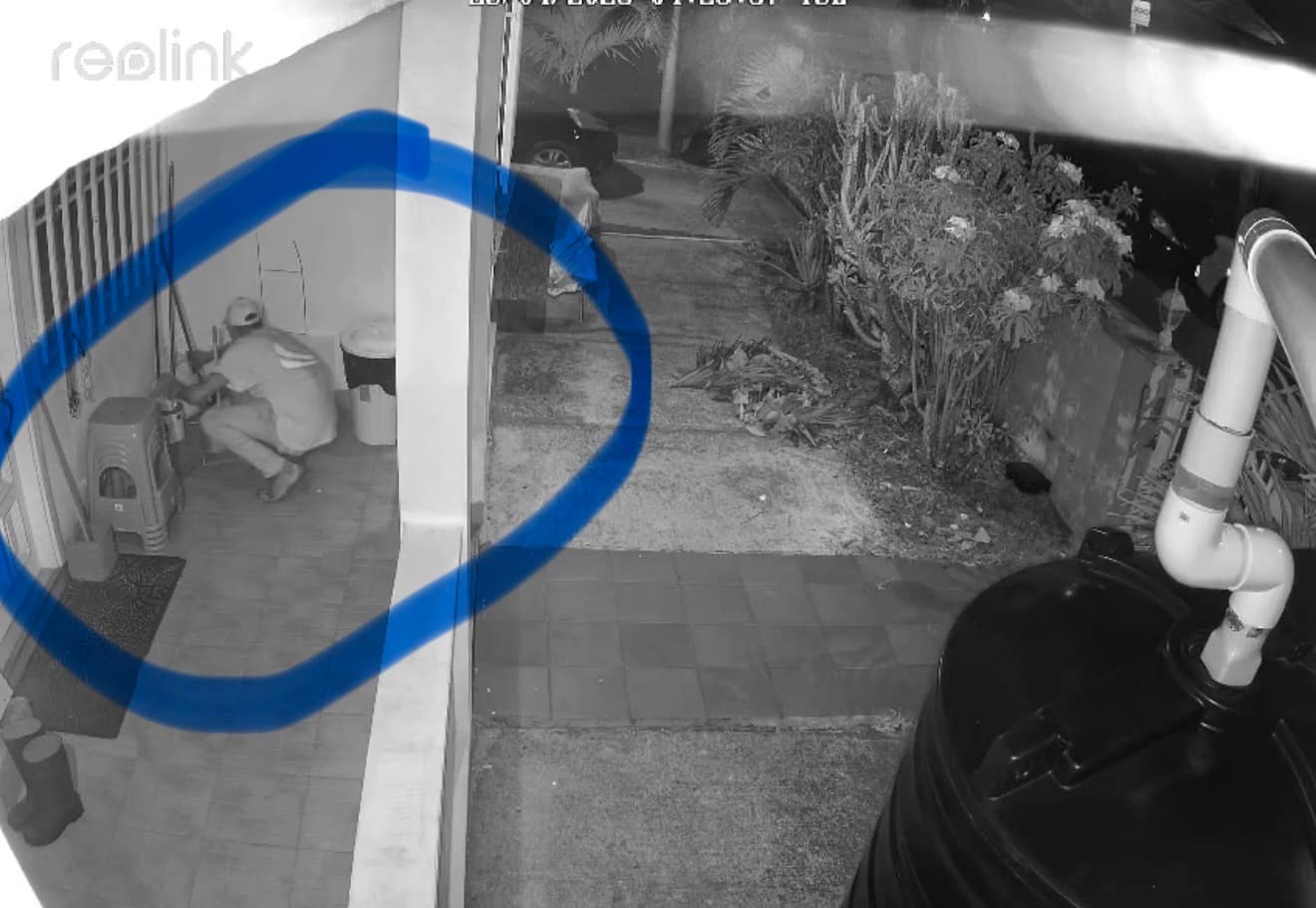
    Local law enforcement has launched an investigation into a reported robbery that took place in the Lower Gambles area in the early hours of today. Officials confirmed the incident was first called in to emergency services at approximately 4:24 a.m., marking the start of what is now an active public appeal for information.

    Investigators have obtained closed-circuit television footage related to the case, which has provided key clues about the suspect’s movements. Evidence from the video indicates the individual made two separate trips to the robbery site before the incident was reported, with the second visit clearly captured on camera. Currently, authorities have not released any additional details about the suspect’s description, the amount of property stolen, or whether anyone was harmed during the event, as the investigation remains in its early stages.

    To speed up the identification process and move the case forward, police are asking any member of the public who may recognize the individual shown in the surveillance footage to reach out to local law enforcement immediately. Even small pieces of information could prove critical to helping investigators identify and apprehend the person responsible for the crime.

  • LETTER: The UPP is Losing. Here’s How You Know.

    LETTER: The UPP is Losing. Here’s How You Know.

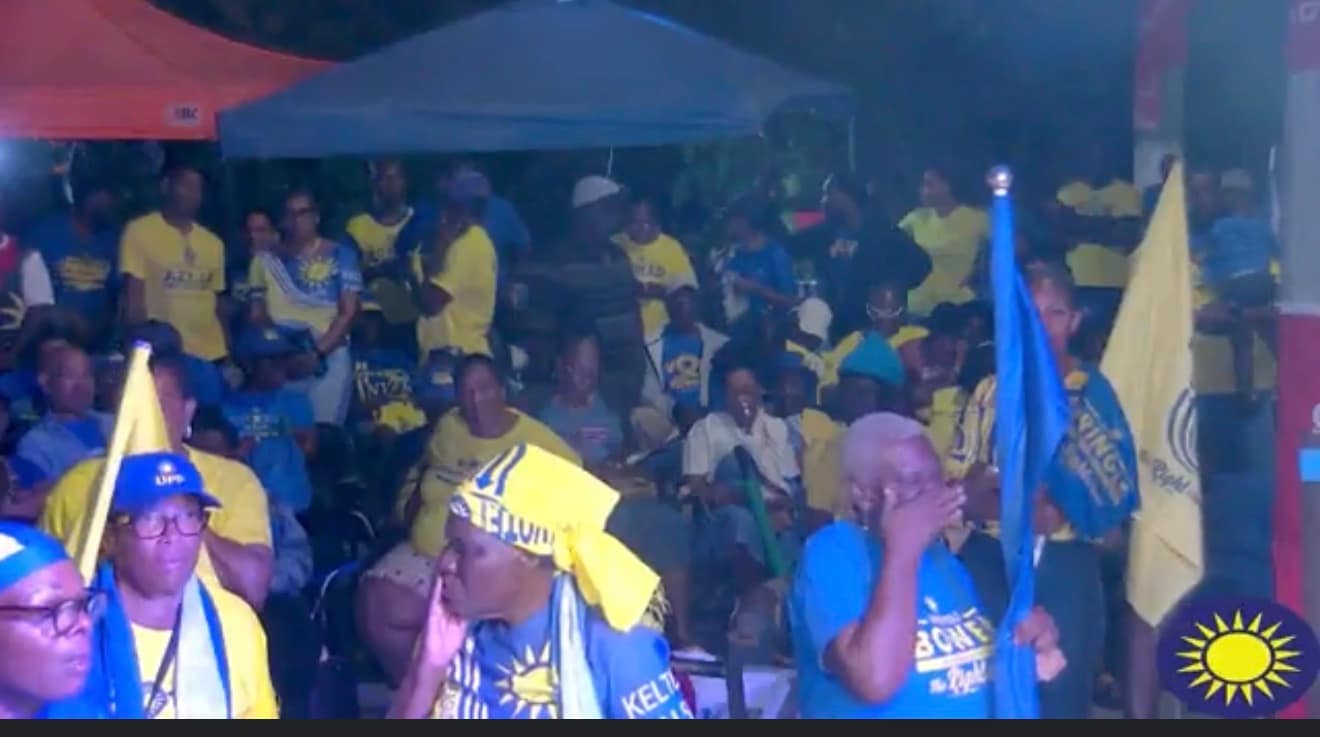
    As the general election campaign in Antigua & Barbuda enters its final stretch, a sharp critique has emerged targeting the main opposition United Progressive Party (UPP) over its strategic choice to host its closing campaign rally in the constituency of All Saints East & St Luke. Critics of the opposition argue that this decision reveals quiet anxiety about the UPP’s electoral prospects, pointing to a basic rule of campaign tactics that does not align with the party’s claims of being on track for an election win.

    For an opposition party seeking to unseat a sitting government, the core electoral math is straightforward: incumbents hold the advantage of governing power, so challengers must defend every seat they currently hold while actively targeting competitive constituencies held by the ruling Antigua & Barbuda Labour Party (ABLP). If the UPP truly was positioned for a national victory, strategists would have already secured their long-held safest seat, All Saints East & St Luke, and shifted the closing rally to a marginal ABLP-held constituency to maximize momentum and swing undecided voters, the critique argues. Holding the finale in the UPP’s strongest historically safe seat, rather than playing offense to gain new ground, is framed as a clear defensive move that signals the opposition expects poor results on election day.

    This reasoning has prompted a direct question to voters across Antigua & Barbuda, from All Saints East & St Luke to St Philip South, St. Mary’s South and every other constituency nationwide. If the UPP is already showing clear signs of heading toward defeat, critics ask, why would constituents cast their ballots for a UPP candidate? Voters are reminded that a member of parliament sitting in opposition for the next five years will be limited in their ability to deliver tangible infrastructure, social services and development projects for their district, reduced only to constant criticism rather than tangible action. Instead, the argument pushes voters to back a candidate that will sit in the governing majority, who can be held directly accountable for delivering on campaign promises and advancing local needs.

    As voters prepare to cast their ballots in the upcoming election, the debate over the UPP’s rally location has become a talking point that frames the opposition’s entire campaign as on the back foot, with critics urging voters to avoid aligning with what they frame as a guaranteed losing team.

  • Antigua and Barbuda Fisheries Chief Takes Chair of Caribbean Fisheries Forum

    Antigua and Barbuda Fisheries Chief Takes Chair of Caribbean Fisheries Forum

    A new chapter has begun for regional fisheries governance in the Caribbean, as Antigua and Barbuda has stepped into the rotating chairmanship of the Caribbean Fisheries Forum, positioning the small island nation to guide 12 months of critical discussions shaping the future of the region’s fishing and blue economy sectors.

    The leadership transition occurred during the Forum’s 24th Regular Meeting, which convened fisheries leaders from across the Caribbean in Belize City on April 23 and 24. At that gathering, Ian Horsford, Antigua and Barbuda’s top fisheries official, was unanimously elected to the one-year chairmanship post. He takes over the role from Remone Johnson of the Turks and Caicos Islands, who completed his term this spring.

    As a core coordinating body, the Caribbean Fisheries Forum unites the heads of national fisheries agencies from all 17 member states of the Caribbean Community (CARICOM). Beyond its governance function, the body provides specialized technical direction to the Caribbean Regional Fisheries Mechanism (CRFM), the overarching institution that oversees regional fisheries policy and cooperation.

    In his first public remarks following his election, Horsford emphasized the enduring value of multilateral collaboration at a time of global instability. “In these times of geopolitical uncertainty, CRFM — through its various organs such as the Forum — remains a shining example of what can be achieved through multilateralism as we chart the way forward for the sustainable development of Caribbean fisheries and blue economy,” he said.

    The two-day meeting covered a broad slate of pressing topics for the Caribbean’s fishing sector. Delegates centered key discussions on finalizing the CRFM’s 2026-2027 strategic work plan, alongside deep dives into core priorities: advancing sustainable fishing practices and aquaculture development, addressing the growing impacts of climate change on marine ecosystems, cracking down on illegal, unreported and unregulated (IUU) fishing and linked fisheries crime, integrating gender equity across fisheries policy, and expanding access to renewable energy for actors across seafood supply chains.

    In addition to these priority areas, officials reviewed and debated new implementation protocols for the CARICOM Common Fisheries Policy. Two standout components of these new rules are the adoption of regional marine spatial planning — a framework that organizes human activity in marine spaces to balance ecological health and economic use — and mandatory aquatic foods traceability, a system that tracks seafood products through every step of the value chain from catch to consumer.

    The importance of the sector to the Caribbean’s social and economic fabric cannot be overstated. CRFM data underscores this impact: roughly 500,000 people across CARICOM member states earn their livelihoods from fisheries and aquaculture, a figure that includes small-scale fishers, aquaculture producers, and workers in dozens of supporting roles from processing to distribution.

    This Forum meeting was strategically scheduled as a precursor to the 20th Regular Meeting of the CRFM Ministerial Council, where senior regional government officials will build on the technical agreements reached this week to set formal policy direction for the coming years.

  • Saint Lucia prepares for ECVA Senior Beach Volleyball

    Saint Lucia prepares for ECVA Senior Beach Volleyball

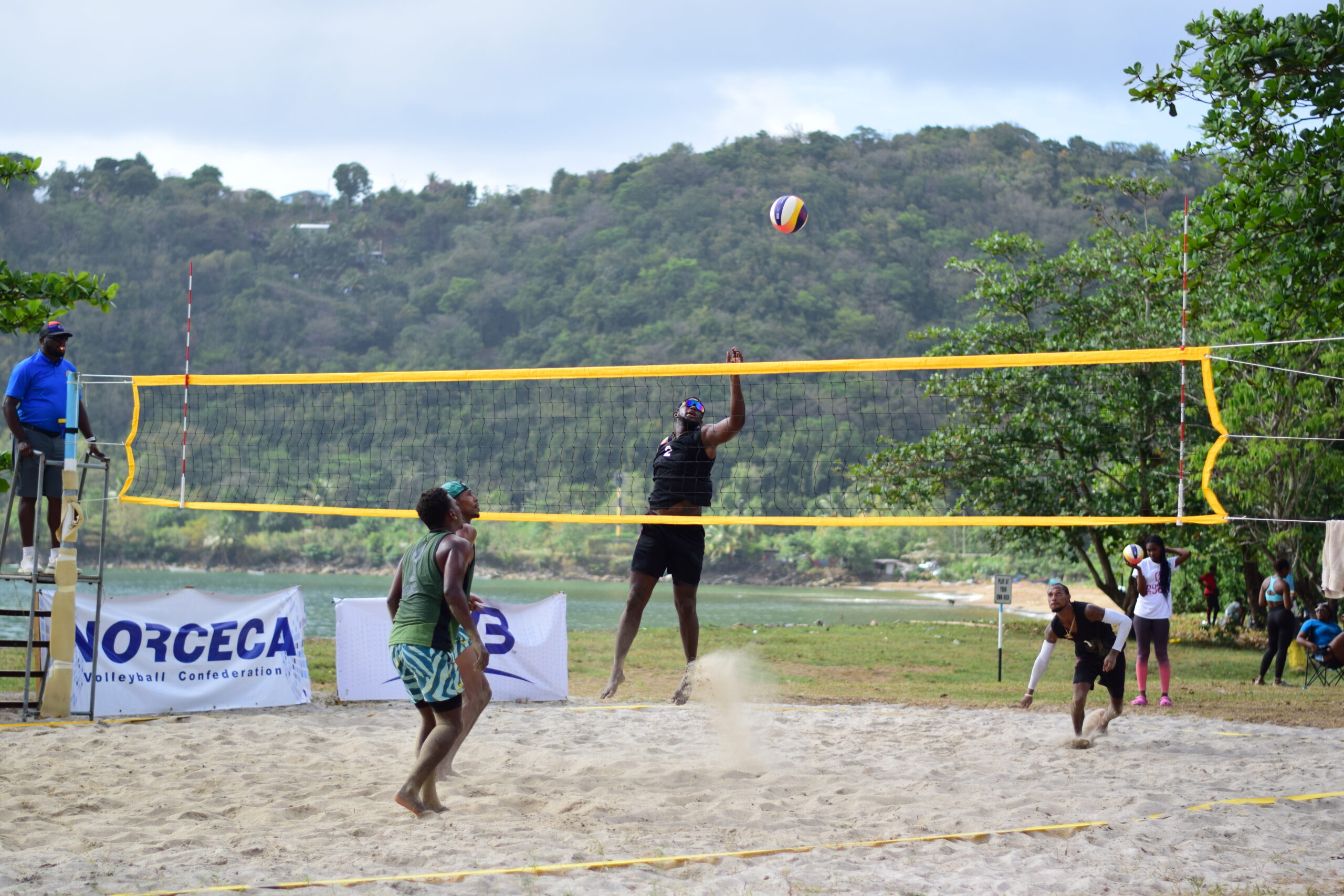
    The Eastern Caribbean Volleyball Association (ECVA) Senior Beach Volleyball Championship is set to kick off over the Labour Day weekend, running from May 1 to 3 at the iconic Buckeye Facility in Cul de Sac, and the official draw has already placed the tournament’s most dominant athletes in the spotlight. Three-time consecutive title holders Joseph Clercent and Sheldon Descartes, who are gunning for an unprecedented fourth straight championship, have earned their spot in Pool A of the men’s division. They will not have to wait long to face their first challengers, as the opening matches of the tournament will pit the defending champions against two hungry visiting teams: Darron Oxford and Jonell Phillip from St Kitts & Nevis, and Tahj Jno Jules and J’den Robinson representing Dominica, both eager to end the Saint Lucian duo’s multi-year winning streak.

    Beyond the defending champions, two more Saint Lucian squads will compete for the top spot in the men’s draw, split across two separate pools. In Pool B, Peter Emmanuel and Lindan Clarke will share competition space with the tournament’s second-seeded Kittitian pair, Julian Bristol and Elkreen Morton, as well as Ronaldo Franklyn and Jamaar Cropper from St Vincent & the Grenadines. Over in Pool D, the local pairing of Diallo Albert and Levi Leonce will go head-to-head against three visiting teams: Cairon Davis and George Freeland of Antigua & Barbuda, Aiden Hazzard and Da’Quwan Fredericks from Anguilla, and Shreefkerk Jacob and Rajheem Meulens, the duo representing St Maarten.

    Topping Pool C of the men’s division is last year’s runner-up pairing from Bermuda, Benjamin Barnett and Sean Tucker, who are one of the top favorites to dethrone the defending champions this year. They will be joined in their pool by Dominica’s Yahn Florent and Mervin Mingo, as well as Antigua & Barbuda’s Dwight Bonnie and Raenor Sharpe, all of whom are eyeing an upset run to the final rounds.

    In the women’s division, last year’s bronze medallists, the top-seeded Saint Lucian pair Clio Phillip and Tenayestlgni Joseph, lead the line-up in Pool A. Two more local women’s squads will also compete: Denila Prospere and Amalia Louis are set to contest Pool B, while Tiannie Severin and Abigail Evans will look to fight their way out of Pool C and into the knockout rounds.

    As an officially sanctioned event on the NORCECA (North, Central America and Caribbean Volleyball Confederation) calendar, this year’s championship brings together competitive athletes from nine ECVA member island nations, offering them a critical platform to test their skills against the best regional talent and earn higher standing in international beach volleyball rankings. In an official statement, the ECVA framed the upcoming tournament as more than just a competition: it is described as “a celebration of skill, passion and sportsmanship, uniting experienced players and emerging talent in an exciting beach volleyball showcase” that brings the Eastern Caribbean’s tight-knit volleyball community together.

  • Lobster, Parrotfish Closed Seasons Begin May 1; Violators Face Fines Up to $50,000

    Lobster, Parrotfish Closed Seasons Begin May 1; Violators Face Fines Up to $50,000

    Regional fisheries regulators have implemented annual closed fishing seasons for two ecologically critical marine species, Caribbean spiny lobster and parrotfish, in a move designed to safeguard spawning populations and support long-term fishery sustainability. The official notice, issued by Chief Fisheries Officer Ian Horsford, outlines that the closed period for Caribbean spiny lobster will run from May 1 through June 30 annually, while the closed season for parrotfish — known locally as “chub” — extends longer, from May 1 through July 31.

    Under the terms of the existing Fisheries Regulations, all fishing-related activity targeting these species is strictly prohibited throughout their respective closed seasons. This blanket ban covers not only catching and harvesting, but also commercial activities including offering the species for sale, purchasing them, and even private possession of any harvested lobster or parrotfish. Even small amounts of the prohibited species held by individuals during the closed window count as a violation of local fishing rules.

    The regulation marks the spawning window for both species, a critical life cycle stage when protecting breeding populations directly boosts future fish stocks and supports the long-term health of local marine ecosystems. Fisheries officials note that allowing these species to reproduce undisturbed helps maintain sustainable catch levels for commercial and recreational fishermen in future seasons, preserving a key food and economic resource for the region.

    Anyone found violating the closed season rules will face legal penalties under local fisheries law. Violators who receive a summary conviction can be fined up to 50,000 Eastern Caribbean dollars (XCD 50,000). Local authorities are calling on community members, fishermen, and seafood businesses to help enforce the ban by reporting any suspected violations directly to the Fisheries Division. Tips and reports can be submitted via phone at 462-1372 or 462-6106. This annual conservation measure reflects ongoing efforts by local fisheries management to balance human use of marine resources with the need to protect vulnerable populations during their most important reproductive period.

  • Antigua and Barbuda Government Plans Thousands More Affordable Homes in Housing Programme Expansion

    Antigua and Barbuda Government Plans Thousands More Affordable Homes in Housing Programme Expansion

    Antigua and Barbuda’s Prime Minister Gaston Browne has announced a major expansion of the country’s flagship national housing initiative, revealing plans to add as many as 3,000 new residential units over the administration’s upcoming term. The commitment builds on the progress the current government has already delivered through a layered strategy of direct state construction and targeted financial subsidy programmes, which have collectively supported the creation of more than 4,000 homes to date. Breaking down the existing delivery, Browne explained that the state-run National Housing development body has completed more than 1,500 units on its own. When combined with developments delivered through the CHAPA housing scheme, the government’s direct construction output surpasses 2,000 completed homes. Adding in residential projects that received financial support through the CABI subsidy programme pushes the total number of homes built or assisted by the current administration over the 4,000 mark, according to the prime minister. Browne framed the ongoing housing drive as a core pillar of the government’s wider policy agenda, which centers on expanding rates of home ownership across all demographic groups and lifting national living standards. For the next phase of the programme, the administration is set to scale up construction activity dramatically, with a target range of between 2,000 and 3,000 additional new homes. “We expect to do at least maybe 2,000, 3,000 homes,” Browne confirmed. To keep the expanded construction pipeline moving quickly and meet ambitious output targets, Browne confirmed the government will bring in additional construction workers from the Dominican Republic to boost workforce capacity and shorten project timelines. Beyond simply easing current housing supply shortages, the prime minister emphasized that expanding accessible home ownership is a strategic investment in the country’s long-term economic stability. The core mission of the initiative, he added, remains rooted in advancing public well-being. “At the end of the day, it’s about improving the living standards of the people,” Browne said.