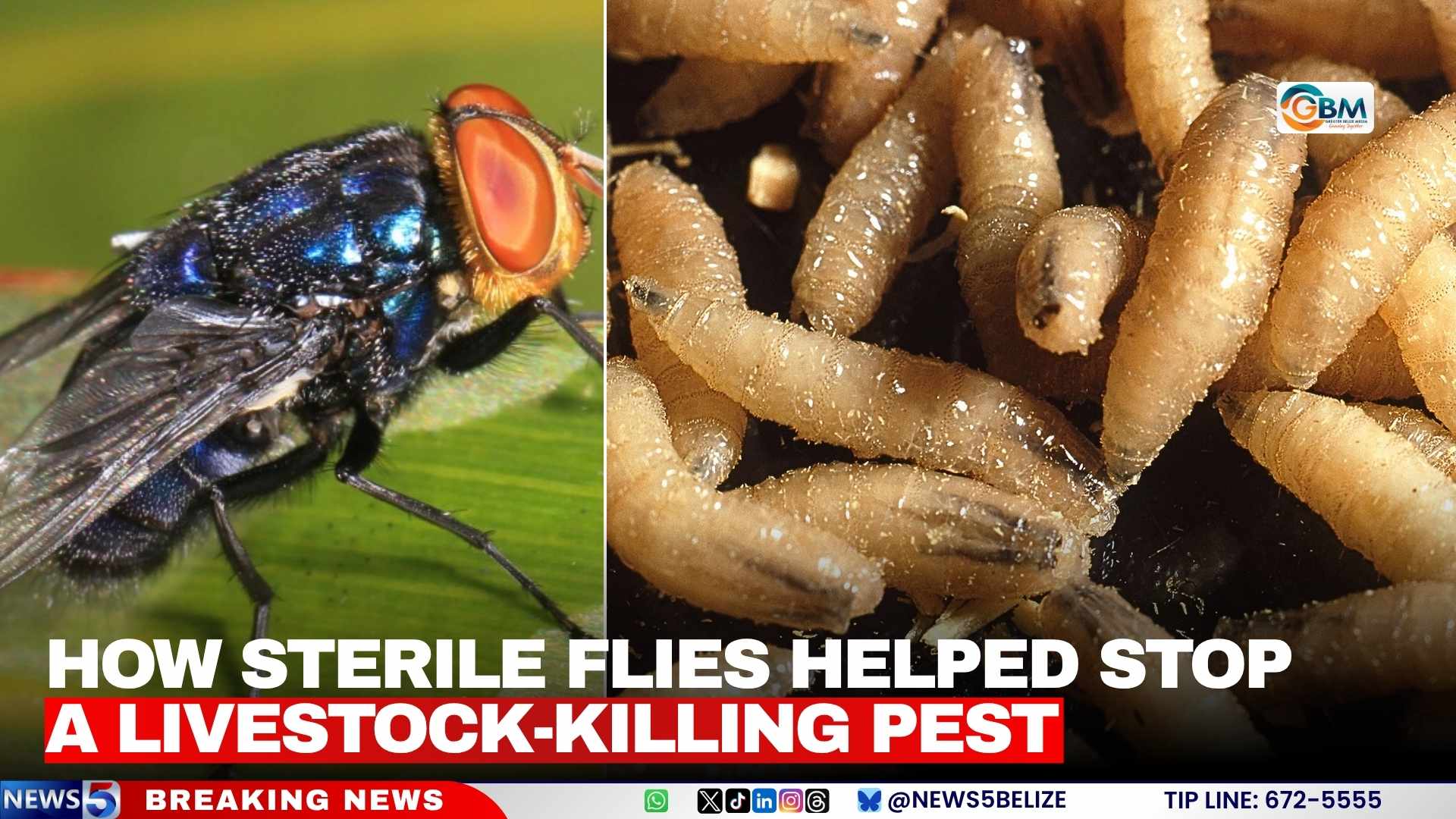
U.S. Department of Agriculture officials have added three new confirmed cases of New World screwworm infestation, pushing the total number of documented infections across the region to five, according to a 2026 update on the spread of this deadly livestock pest. The newly detected cases include three calves and a goat in southern Texas, plus an infected domestic dog in neighboring New Mexico — a discovery that carries significant warning signs for agricultural authorities. Critically, the infected New Mexico dog had no documented travel history to either Texas or Mexico, indicating that the pest may have already spread beyond the small, currently identified cluster of cases that officials have tracked so far.
The New World screwworm, the larval stage of a parasitic fly species, differs dramatically from common scavenger fly species. Instead of feeding on decaying dead organic matter, these larvae burrow into the open wounds of warm-blooded hosts and consume living flesh to grow. Adult female flies lay their eggs in any open cut or sore on hosts ranging from commercial cattle and wild game to family pets, and if an infestation is left untreated, it can kill the host animal in just a matter of days. While the vast majority of cases impact animal populations, rare instances of human infestation have also been recorded, adding a small public health risk to the agricultural threat.
For more than half a century, U.S. government agricultural programs successfully kept the New World screwworm contained far to the south, restricted to areas below the southern tip of Panama. The core of this long-standing control effort is a time-tested population suppression strategy: mass-breed sterile male screwworm flies, then release them over at-risk regions via aircraft. When wild fertile females mate with these released sterile males, they produce no viable offspring, so over successive generations the wild pest population gradually collapses. This innovative pest management strategy worked so well that it completely eradicated the New World screwworm from North America and most of Central America by the late 20th century.
But the recent detections of new infestations confirm a worrying new trend: the deadly pest is expanding its range northward once again, after decades of successful containment. In direct response to the five confirmed cases now documented across Texas and New Mexico, U.S. agricultural officials have rolled out a two-pronged action plan to stop the spread. First, authorities will deploy mass releases of sterile male flies into all currently affected and high-risk adjacent regions to suppress the growing wild population. Second, officials are moving forward with plans to construct a new dedicated sterile fly production facility in Edinburg, Texas, to support sustained control efforts closer to the current infestation zone. The pest is not a new threat to Central American nations: Belize has a history of recorded infestations across the country, with commercial cattle producers bearing the brunt of economic losses from past outbreaks.