博客

  • Dominican Writing Festival closes with new distribution agreements and calls for stronger Caribbean literary ties

    Dominican Writing Festival closes with new distribution agreements and calls for stronger Caribbean literary ties

    The fourth edition of the Dominican Writing Festival drew to a close on Sunday in Santo Domingo, wrapping up two days of dynamic dialogue, professional networking, and collaborative progress that solidified its growing role as a central hub for Caribbean literary communities. Held on April 25 and 26 at Santo Domingo’s Galería 360, the 2026 gathering brought together over 50 cross-sector literary stakeholders—including writers, independent publishers, academics, booksellers, and literary agents—from across the Caribbean: the Dominican Republic, Haiti, Cuba, Puerto Rico, and Venezuela. Over the course of the event, participants took part in panel discussions, author readings, live performances, and industry exchange sessions that addressed both the creative cultural work and practical business challenges shaping regional literature today.

    This year’s programming centered on a persistent, pressing question that echoed through every session: How can Caribbean literary markets, fractured for decades by geographic distance, language divides, and underdeveloped distribution infrastructure, build stronger interconnected networks? In his opening remarks, Rafael José Rodríguez Pérez, president of Río de Oro Editores and co-founder of CuentaRD, called for intentional, cross-border cooperation among publishers and expanded access to Caribbean literary works across the region. Festival founder Roxanna Marte framed the gathering as a core component of a larger movement to nurture a robust, self-sustaining regional literary ecosystem—and this year, that collaborative vision moved beyond words to tangible action.

    Organizers announced new book distribution partnerships with Puerto Rico’s Editorial Pulpo, and organized structured business matching sessions that connected independent publishers, regional distributors, and working authors directly. These practical industry-focused initiatives have become an increasingly central pillar of the festival’s mission, distinguishing it from traditional literary gatherings.

    The roster of featured participants reflected the region’s diverse literary landscape: Puerto Rican publisher Carlos A. Colón, Haitian writer Jacques Alix Louis, and Dominican authors Miguel Yarull, Manuel Chapuseaux, Ingrid Luciano, Clara Morel, Jhak Valcourt, Bismar Galán, Celestino Esquerré, and Siddharta Mata were among the creative voices in attendance. Academic contributors including Keturah Nichols, Rosa Calosso, Meaghan Coogan, María Carla Picón, and Ibeth Guzmán led conversations that tied literary production to broader regional conversations around history, identity, and cultural politics.

    Unlike earlier iterations that followed a more conventional literary festival format, the 2026 edition deliberately expanded its scope to act as a platform for critical debate and intentional industry-building. Panels delved into timely, cross-cutting themes including transnational migration, Afro-diasporic identity, colonial legacy, and digital humanities. The special dialogue *Haiti in Words: Identity, Resistance and Hope in Literature* centered the urgent need for deeper cultural exchange between Haiti and the Dominican Republic, a historically divided neighboring nation.

    Adding Venezuela as an official participating country extended the festival’s regional reach, with dedicated sessions exploring diaspora writing and displacement, such as the panel *Reading a New Country* featuring authors Siddharta Mata and Aída Magallanes. A standout session titled *From Paper to Screen* explored the expanding opportunities to adapt Caribbean literary works for film and stage, highlighting growing global demand for Caribbean stories outside of the publishing sector. A roundtable focused on cross-sector alliances between publishers, distributors, and local bookstores—bringing together stakeholders including Mary Claudia Pérez, Víctor Vidal, Francis Santos, and Luis Reynaldo Pérez—returned to the festival’s core theme, brainstorming solutions for independent Caribbean publishers to build stronger collective markets through collaboration, rather than competition.

    Beyond industry-focused work, the festival also featured inclusive programming for audiences of all ages, including dedicated children’s literature sessions, public poetry readings, theatrical performances, and live music, showcasing the event’s broader cultural impact across the Dominican Republic. During the closing ceremony, organizers awarded honors to María Carla Picón, Ibeth Guzmán, and Claudio Pérez for their decades-long contributions to Caribbean literary and editorial work. The ceremony also included a tribute to foundational Caribbean literary figures Julia de Burgos, Aída Cartagena Portalatín, and Teresa de la Parra.

    Four editions in, the Dominican Writing Festival has evolved far beyond a simple showcase for new literary work. This year’s gathering made clear that the event is now a driving force shaping the future of Caribbean publishing, as much as a space to celebrate the region’s rich existing literary legacy.
  • Applications open: 2027 MEXT Scholarship Programme

    Applications open: 2027 MEXT Scholarship Programme

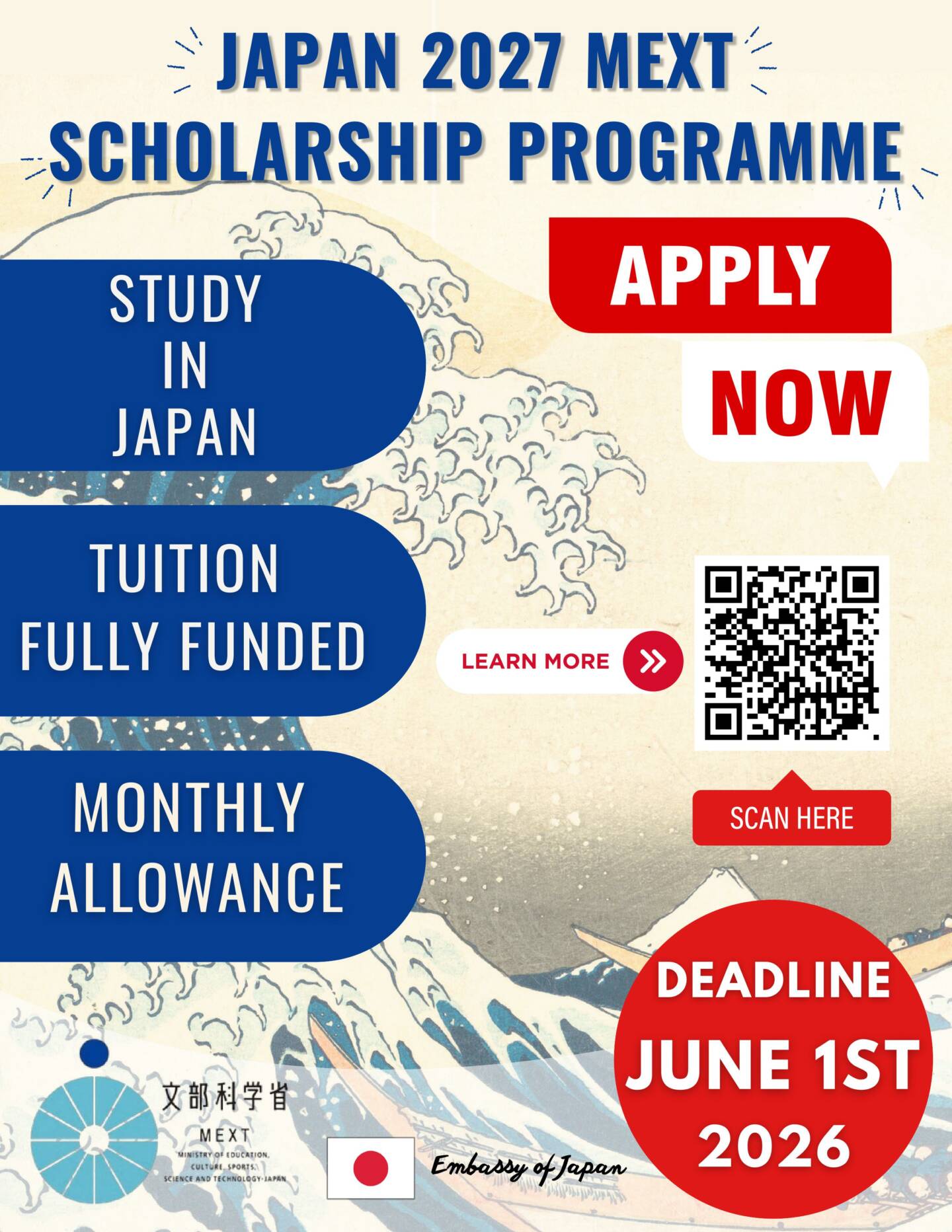
    Opportunities for international students aiming to pursue advanced academic study in Japan have arrived, as the Embassy of Japan has officially launched the application window for the 2027 Ministry of Education, Culture, Sports, Science and Technology (MEXT) Scholarship Programme, fully funded by the Japanese government.

    Designed to connect exceptional global talent with world-class Japanese higher education institutions, the program serves a dual purpose: it opens doors for transformative academic growth for outstanding overseas students, while advancing cross-border people-to-people exchange and nurturing the next generation of globally minded leaders.

    Per the official announcement from the Embassy of Japan, applications are only open to candidates who plan to enroll in a Master’s degree or higher-level doctoral or professional research program at a Japanese university. Successful awardees will receive comprehensive financial support that removes key barriers to studying abroad: the scholarship covers all academic-related costs including entrance examination fees, university admission fees, and full tuition fees. Beyond academic costs, recipients also get a monthly living stipend to cover daily expenses during their studies, plus a complimentary round-trip air ticket between Japan and their home country.

    All applications must be submitted no later than 1 June 2026, and the embassy has confirmed that no deadline extensions will be granted under any circumstances.

    To showcase the program’s long-running impact and the diversity of its past recipients, the embassy shared portraits of recent MEXT scholars from across the Caribbean region: 2022 awardee Darey Ann-Louisville from Suriname, who studies at the University of Tokyo; 2023 recipient Melanie Griffith-Quintyne of St. Lucia, enrolled at Akita University; 2024 scholar Brandon Tulsie from Guyana, attending the Shibaura Institute of Technology; and 2025 awardee Bridget Francis of Trinidad and Tobago, pursuing study at Kyoto University. All photographs included in the announcement are provided by the Embassy of Japan.

    Prospective applicants are advised to review full eligibility criteria and step-by-step application guidance by accessing the Embassy of Japan’s official website, or by scanning the QR code included on the program’s informational flyer.

    Highlighting the value of the opportunity, the embassy emphasized that the program is an ideal fit for driven, ambitious individuals seeking advanced academic experience in Japan, while also creating pathways to contribute to stronger bilateral and global cultural and educational exchange. For students ready to begin their academic journey in one of the world’s leading higher education systems, the application window is open now.

  • PM urges Barbadians to ‘be a hero to somebody’ in Heroes Day message

    PM urges Barbadians to ‘be a hero to somebody’ in Heroes Day message

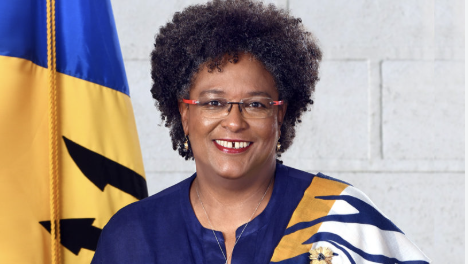
    Barbados came together on April 28 to observe its annual National Heroes Day, a occasion dedicated to honoring the iconic figures who shaped the nation’s trajectory, with Prime Minister Mia Mottley delivering a stirring address that redefined heroism for modern citizens. In her message delivered to both domestic residents and the sprawling Bajan diaspora across the globe, Mottley rejected the common misconception that courage and heroism are reserved only for celebrated public figures, pushing instead for a vision of heroism rooted in daily action and service to others. The commemoration carries a special significance this year, as it marks the birthday of The Right Excellent Sir Grantley Herbert Adams, Barbados’ first Premier, a founding father of both the nation and the Barbados Labour Party. For current public servants, Mottley emphasized that Adams’ enduring legacy serves as a constant reminder that politics’ core purpose must be lifting up marginalized communities, upholding human dignity, expanding access to opportunity, and ensuring every Barbadian sees a place for themselves in the country’s future. Mottley opened her address by extending warm wishes to all Barbadians, at home and abroad, urging the nation to reflect on the sacrifices of the heroes who fought to build the independent, resilient country Barbados is today. During the ceremony, the Prime Minister paid special tribute to the nation’s two living National Heroes, highlighting their unique contributions to elevating Barbados’ global profile. The first, The Right Excellent Sir Garfield Sobers, showcased to the world that Barbadian talent combines grace, discipline, and unmatched skill that sets a global benchmark. The second, Her Excellency The Right Excellent Robyn Rihanna Fenty, has become a beacon for young generations across the island and the globe, proving that creativity, boldness, relentless hard work, and unwavering patriotism can carry a Bajan voice to every corner of the world. Drawing on the examples set by both historical and living national heroes, Mottley reiterated her core thesis: heroism is not measured by fame, formal ceremonies, or public applause. Instead, it lives in the values that guide daily life, the quiet examples people set for others, the burdens that individuals choose to carry on behalf of neighbors and community members, and the hope that is instilled in people who will never have the chance to repay that kindness. Against this backdrop, Mottley issued a straightforward but profound challenge to all Barbadians in 2026: step forward and be a hero to someone. She broke down what that everyday heroism looks like across age groups and communities. For a child, that means being a person they can look up to, modeling how to speak with integrity, work diligently, treat others with respect, and bounce back from failure. For a young person navigating an uncertain world, everyday heroism means proving that decency remains a strength, honesty still matters, discipline still yields meaningful rewards, and kindness is never a sign of weakness. For an elderly neighbor, heroism can be as simple as a phone call, an in-person visit, a warm meal, a helping hand, or just the quiet comfort of knowing they have not been abandoned or forgotten by their community. Mottley framed the concept of a hero simply: a hero is anyone who acts as a positive role model for at least one other person. It is a person whose core values, consistent virtues, and intentional choices give others a blueprint for how to live well. A hero inspires those around them to stand taller, work harder, live more purposefully, dream bigger, and deepen their love for their home country of Barbados. Echoing the words of the Barbadian National Anthem, which calls on citizens to be “Firm craftsmen of our fate,” Mottley noted that this is not just a lyric to be sung on ceremonial occasions—it is a binding duty that all citizens must live out every day. She closed her address by urging every Barbadian to commit to one small act of service: lift up one person whose life can be strengthened, encourage one young person who needs support, right one wrong that has been overlooked, and complete one act of service that leaves their home, school, workplace, house of worship, or community better than they found it. The national heroes honored today built the foundation of the modern Barbados that current citizens enjoy. Mottley left the nation with a closing question: what kind of Barbados will today’s citizens leave for the generations that come after them? Closing out the address, the Prime Minister wished all Barbados a happy National Heroes Day, repeating her core call to action: “Let each of us be a hero to someone.” (Issued by the Prime Minister’s Office)

  • Pierre: 1,000-dollar grant was ‘never meant to be enough’

    Pierre: 1,000-dollar grant was ‘never meant to be enough’

    St. Lucian Prime Minister Philip J. Pierre has pushed back against widespread public and social media criticism of a new family-focused policy unveiled during his recent annual Budget address, pushing to correct misinformation that has overshadowed the full scope of the government’s planned support package.

    During the three-hour Budget policy speech last week, Pierre announced a core policy measure: a one-time EC$1,000 grant that will be disbursed to eligible first-time mothers with registered newborn children, set to take effect on August 1, 2026. In the days following the address, the single grant announcement dominated public discourse, drawing critical commentary on social media and in local community discussions that framed the policy as a misguided attempt to incentivize higher birth rates.

    Speaking at a pre-Cabinet press briefing held on Monday, Pierre addressed the swirling controversy head-on, noting that critics had fixated on the grant while entirely overlooking a suite of complementary, far-reaching family support policies included in the Budget plan. “It’s one of the policy proposals for mothers of registered newborn babies who will receive a one-time grant of one thousand dollars… but there are some below it that everybody seems not to have seen,” he told reporters.

    Beyond the one-time grant, the Prime Minister outlined, the government’s full plan begins with a comprehensive review of national parental leave regulations following childbirth, designed to update existing provisions to better meet the needs of modern families. That policy overhual will be followed by a review of the island’s Affiliation Maintenance Act, alongside an expansion of the national school feeding programme that will deliver enhanced nutritional support to students across the country. Pierre argued that these context-setting measures had been erased from public conversation, replaced by superficial, politically motivated criticism.

    The Prime Minister also pushed back against claims that the grant program is intended to encourage higher birth rates to address the island’s well-documented low fertility rate and stagnating population growth. He emphasized that while population growth is a widely acknowledged concern for the small island nation, the government is seeking a thoughtful, responsible public conversation about the issue rather than pushing hasty, poorly targeted policies.

    “Whether we like it or not, there are concerns about population growth in this island, that’s a fact and what we ask for is a mature conversation by the country, a responsible discussion,” Pierre said. He dismissed claims that the grant amounts to a government payout to incentivize having children as political mischief, stressing that the policy’s core purpose is far more targeted.

    “People like to make political mischief when they talk about the government will give you a thousand dollars to make children, that is really not true, it was never true, and the buildup to it shows that it is not true,” he added.

    The Prime Minister clarified that the EC$1,000 grant is only intended to cover the initial costs associated with welcoming a new child, a burden that disproportionately impacts low-income and unemployed first-time mothers. Raising a child carries significant financial costs from birth, he noted, and the grant is a limited initial support measure — not a comprehensive solution, nor a reward for having children.

    “Babies are expensive, so the thousand-dollar grant is just an incentive to help people with their initial expenses; it is not a reward, nor is it a payment, nor is it something we give you, because the government wants you to make children. It is far from enough, it was never meant to be enough, nor was it meant to be any situation where the government is giving you an incentive to make babies, what it is, it is support for mothers, especially low-income or unemployed mothers,” Pierre explained.

    To round out the government’s broader family policy push, Pierre added that the grant will be paired with two additional support measures: expanded government assistance for parents with children enrolled in early childhood education facilities, and new financial incentives for private sector businesses that offer on-site or subsidized child care facilities for their employees.

  • Guyana minister raps CARICOM nations for accommodating Venezuela’s President with Essequibo brooch

    Guyana minister raps CARICOM nations for accommodating Venezuela’s President with Essequibo brooch

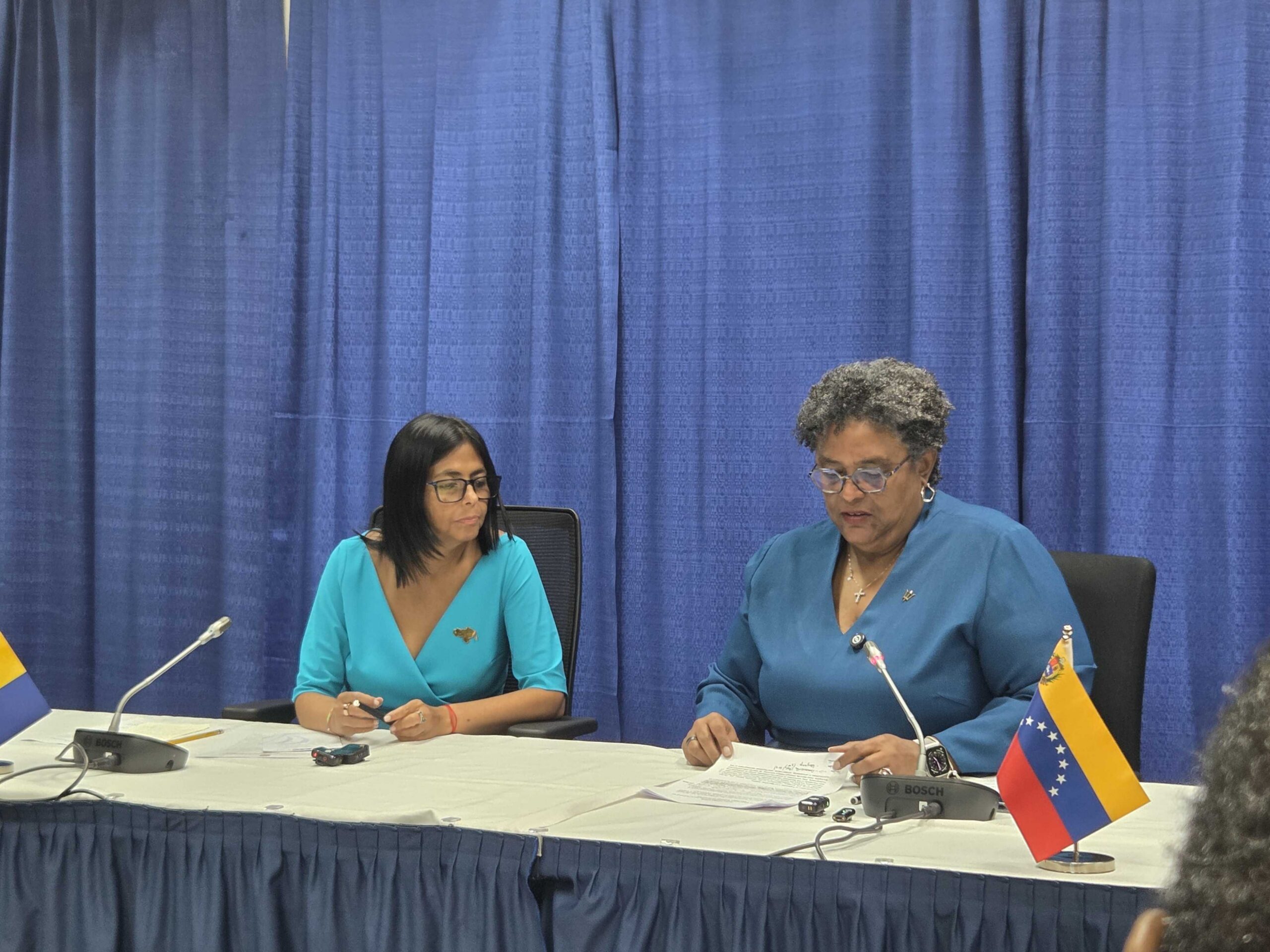
    A simmering territorial dispute between Guyana and Venezuela has erupted into a full-blown diplomatic controversy across the Caribbean Community (CARICOM), after Venezuelan President Delcy Rodriguez appeared in official meetings with multiple Caribbean leaders wearing a brooch that displays Venezuela’s map claiming Guyana’s resource-rich Essequibo Region as Venezuelan territory. The incident has sparked sharp criticism from a senior Guyanese official, internal political pushback within Guyana, and calls for regional accountability just weeks before the International Court of Justice (ICJ) hears formal arguments on the decades-long dispute.

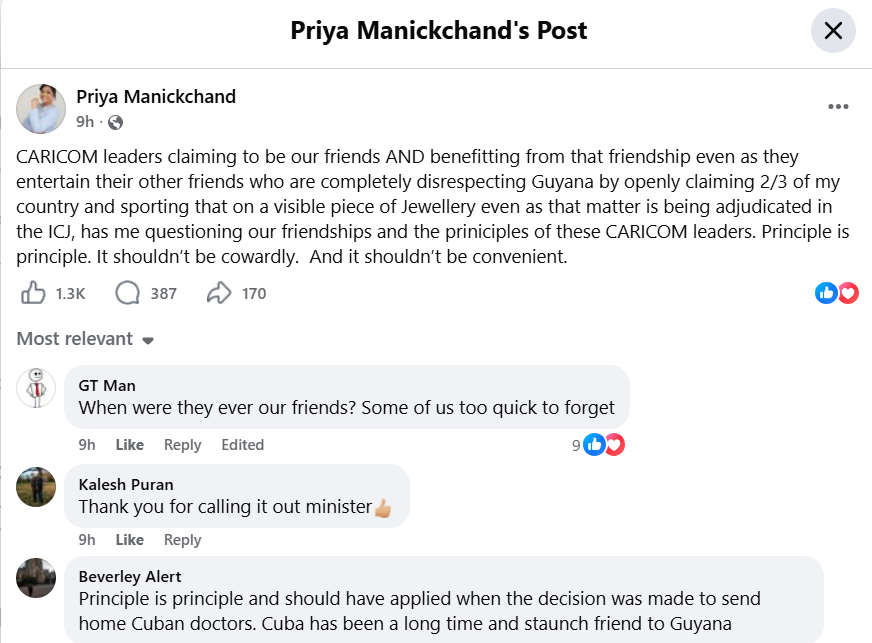
    In a blunt, public statement shared via Facebook late Monday, Guyana’s Minister of Local Government Priya Manickchand slammed CARICOM leaders who hosted Rodriguez and allowed the provocative display to go unchallenged during official engagements. Just hours before Manickchand’s post, Rodriguez had appeared alongside Barbados Prime Minister Mia Mottley at official events in Bridgetown while wearing the map brooch, which explicitly lays claim to the 159,000-square-kilometer Essequibo Region that makes up roughly two-thirds of Guyana’s total territory. This was not an isolated incident: earlier in April 2026, Rodriguez wore an identical brooch during meetings with Grenada Prime Minister Dickon Mitchell.

    Manickchand questioned the integrity of alliances between Guyana and other CARICOM members, noting that the territorial dispute is currently under active adjudication at the ICJ. “CARICOM leaders claiming to be our friends and benefitting from that friendship even as they entertain their other friends who are completely disrespecting Guyana by openly claiming two-thirds of my country and sporting that claim on a visible piece of jewellery has me questioning our friendships and the principles of these CARICOM leaders,” she wrote. The long-serving cabinet minister emphasized that commitments to sovereignty and territorial integrity should not be set aside for political convenience, adding “Principle is principle. It shouldn’t be cowardly. And it shouldn’t be convenient.”

    The criticism quickly sparked a domestic political backlash within Guyana. Beverly Alert, an executive member of the opposition Alliance For Change (AFC) and a former parliamentarian, hit back at Manickchand, accusing the Guyanese government of applying a double standard to questions of principle. Alert argued that the government itself abandoned principle when it terminated the country’s Cuban Medical Brigade programme, a move that came after the United States threatened to revoke visas for Guyanese officials and their immediate families over unsubstantiated claims that Cuban medical workers were exploited by the Cuban government. “Principle is principle and should have applied when the decision was made to send home Cuban doctors. Cuba has been a long time and staunch friend to Guyana,” Alert noted. Guyana was one of several CARICOM nations that ended the popular medical programme under U.S. pressure.

    To date, the Guyanese government has not released an official public statement on the controversy, which has been labeled “brooch gate” by regional political commentators. However, key private sector groups with close ties to the Guyanese administration have publicly condemned Rodriguez’s action and called for regional pushback. The Private Sector Commission (PSC), Guyana’s leading private sector umbrella organization, did not name Grenada in its statement but explicitly called on Barbados, CARICOM, and the broader international community to denounce the provocative move.

    “We call on the Government of Barbados, a valued CARICOM partner and long-standing friend of Guyana to stand firmly in defence of Guyana’s sovereignty and territorial integrity. Further, we call on CARICOM and all regional and international partners to remain vigilant and unequivocal in their support for the rule of law. Silence or inaction in the face of such deliberate provocation risks emboldening further escalation,” the PSC said.

    The controversy comes at a critical juncture for the territorial dispute. Next month, the ICJ will hold multiple days of public hearings where both Guyana and Venezuela will present the full merits of their arguments over the validity of the 1899 Arbitral Tribunal Award, which originally granted Essequibo to Guyana. The ICJ is expected to issue a final ruling on the case, which was brought to the court by Guyana, in the first quarter of 2027.

    While CARICOM as a bloc has repeatedly formally affirmed Guyana’s sovereignty over the Essequibo Region, many small CARICOM island states have maintained close bilateral ties with successive Venezuelan governments led by Hugo Chávez and Nicolás Maduro. These relations have been supported by decades of concessionary oil pricing and other forms of economic assistance from Caracas, creating a split in regional commitments that has been laid bare by the brooch controversy.

  • CXC calls on Caribbean to rally behind May–June 2026 Examination Candidates

    CXC calls on Caribbean to rally behind May–June 2026 Examination Candidates

    As the 2026 May-June regional examination cycle approaches, the Caribbean Examinations Council (CXC) has released a heartfelt, personal appeal to thousands of test-takers across the Caribbean, encouraging candidates to enter their exams with confidence while prioritizing self-care, and reaffirming the institution’s unwavering support for every learner sitting its assessments.

    The message, delivered via a public video address to candidates, parents, teachers and regional education stakeholders, comes from CXC Registrar and Chief Executive Officer Dr. Wayne Wesley, who framed his communication as a personal note from a lifelong Caribbean educator to students in their final preparation phases. This appeal also lands at a meaningful milestone for the 54-year-old regional assessment body, which has anchored Caribbean education systems for more than half a century.

    Founded in 1972, CXC was created to build and operate a locally rooted assessment system that centers the lived realities, collective aspirations, and sovereign cultural identity of Caribbean people. The first CXC examinations were held seven years after its founding, in 1979, and today, decades later, Dr. Wesley confirmed that the organization’s core founding commitments remain unchanged. “While much has shifted across education and the region over the decades, there are values that have stood the test of time: the cultural relevance of our syllabuses, the global recognition of our qualifications, the dedication of our team, and our absolute commitment to the success of every single candidate that takes a CXC exam,” he stated in his address.

    The upcoming 2026 May-June session will include the full range of credentials offered by CXC, spanning the Caribbean Advanced Proficiency Examination (CAPE), Caribbean Secondary Education Certificate (CSEC), Caribbean Vocational Qualification (CVQ), Caribbean Certificate of Secondary Level Competence (CCSLC), and the Caribbean Primary Exit Assessment™ (CPEA™).

    A highlight of the 2026 cycle is the official pilot launch of the Caribbean Targeted Education Certificate (CTEC) Mathematics Module 1, a development Dr. Wesley framed as proof of CXC’s ongoing work to expand accessible learning pathways for regional learners. More than 2,400 candidates from 13 CXC member states have already registered to participate in this first pilot. Participants in the pilot will earn a CTEC micro-credential as they work toward completing their full CSEC certification, marking a new flexible direction for assessment across the Caribbean.

    The CTEC initiative was first introduced as a key flexible education pathway proposal during CXC’s inaugural Regional Education Conference and Ministerial Forum, co-hosted with Jamaica’s Ministry of Education, Skills, Youth and Information in Kingston this past March. Education observers have described the four-day gathering as a watershed moment for Caribbean education; the event brought together more than 400 education leaders, policymakers, and practitioners from 27 nations to address the pressing challenges of teaching, learning, and assessment in an increasingly digital era. During the conference, Dr. Wesley emphasized that the region’s assessment systems must adapt to match how digital-native learners engage with and process knowledge, adding that educational equity is not a compromise on excellence, but rather its most authentic form.

    Closing his address to upcoming exam candidates, Dr. Wesley framed current innovations like CTEC as the tangible future of Caribbean education already taking shape across the region. “As you wrap up your final preparations, use your study time wisely. Look after yourself and your mental wellbeing. Eat well, and rest when you need to. Be confident, show up for all of your examinations — you’ve got this,” he urged.

    This report carries a disclaimer from NOW Grenada, which notes that the outlet is not responsible for the views, statements, or third-party media content shared by contributors, and provides a channel for users to report abusive content.

  • Police Arrest 22-Year-Old Male In Connection With Bomb Threat

    Police Arrest 22-Year-Old Male In Connection With Bomb Threat

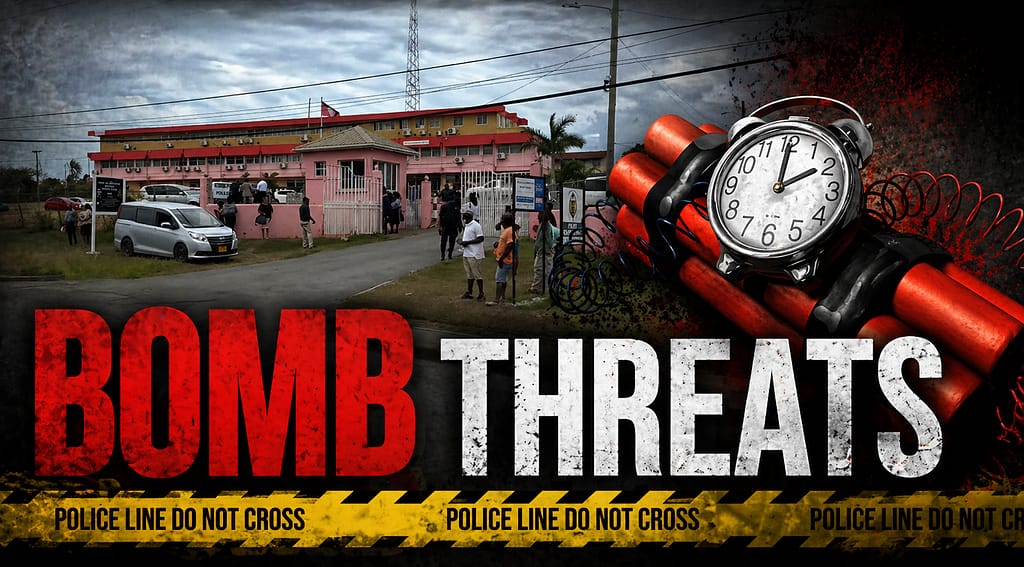
    The Royal Police Force of Antigua and Barbuda has confirmed the arrest of a 22-year-old male resident of Old Parham Road in connection with a bomb threat targeting the agency’s central headquarters. The threat was first reported on Monday, triggering an immediate response from law enforcement units across the island nation.

    Officers from the Criminal Investigations Department (CID) Task Force took the suspect into custody during a targeted operation launched shortly after 6:00 a.m. local time on Tuesday, April 28. As of the latest official update, the detained individual is cooperating with investigators as they work to unpack the details of the incident, including motive and any potential broader connections to other activities.

    In an official media statement released by the police force’s Office of Strategic Communications (STRATCOM), department leadership emphasized that all threats to public security are treated with the highest level of urgency. The administration reaffirmed its ongoing commitment to protecting the welfare and safety of every citizen and permanent resident across Antigua and Barbuda.

    Authorities note that the investigation is still active and evolving, and additional information will be released to the public once new developments are confirmed in the case.

  • Antigua Cruise Port Advances Day Club and Retail Buildout as Parking Expansion Nears

    Antigua Cruise Port Advances Day Club and Retail Buildout as Parking Expansion Nears

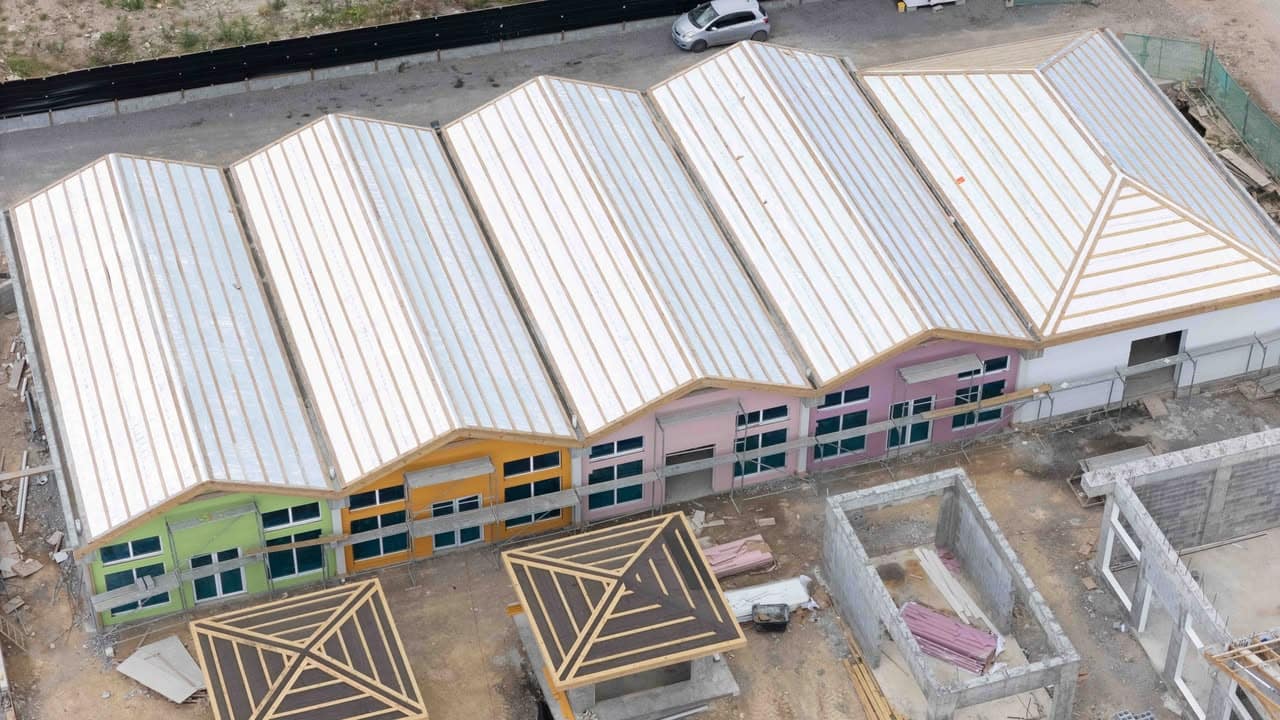
    A major waterfront transformation project at Antigua Cruise Port has advanced to a critical new phase, with developers announcing that the first concrete foundation for the site’s planned Day Club pool has been successfully poured, as construction activity speeds up across the entire upland development zone.

    In a recent official project update from Antigua Cruise Port, progress is also visible across multiple new structures being built as part of the redevelopment. Exterior work is moving forward quickly, with vivid, eye-catching facades being added to the growing skyline of the facility. The entire design is rooted in vibrant Caribbean cultural and natural motifs, most notably the signature blue rooftops installed across buildings, which draw direct inspiration from the turquoise waters surrounding the island.

    Work is also progressing apace in planned retail areas, where contractors are currently fitting windows and entry doors. These upgrades are a core part of preparations to launch new immersive onshore experiences for cruise visitors once the project is completed.

    Backed by Global Ports Holding, one of the world’s leading port operators, the Antigua Cruise Port overhaul forms the centerpiece of a broader revitalization effort for St. John’s entire waterfront. The overarching goal of the initiative is to strengthen and modernize Antigua and Barbuda’s cruise tourism offering, attracting more vessels and higher visitor spending to the island nation.

    In a secondary announcement, project leaders confirmed that local construction firm LICCOM will soon break ground on an expanded public parking facility. The new large-scale lot is designed to connect Lower Church Street and Newgate Street, a change that is projected to cut through traffic congestion and improve overall accessibility in downtown St. John’s, the capital of Antigua and Barbuda.

    This wave of construction marks the official start of the next development phase for the port, according to project stakeholders, with a steady stream of new visitor amenities and critical infrastructure continuing to take shape in the coming months.

  • New deal includes farming, energy, Spanish as second language

    New deal includes farming, energy, Spanish as second language

    In a landmark diplomatic gathering hosted in Bridgetown on Monday, Barbados and Venezuela unveiled a wide-ranging strategic alliance covering food production, energy investment, and language education, marking the first high-level visit from Venezuela’s new interim government following the US removal of former president Nicolás Maduro. The meeting, held at the Lloyd Erskine Sandiford Centre, brought together Barbadian Prime Minister Mia Mottley and Venezuelan Acting President Delcy Rodríguez, who jointly announced the start of a new, transformative era of bilateral collaboration after a full day of closed-door negotiations.

    Both leaders emphasized that the close geographical proximity of the two nations — a mere one-hour flight apart — has long been underutilized, and the new partnership will finally build the deep economic and social connections that match this geographic advantage. Mottley framed the cooperation as a critical collective defense mechanism against the ongoing global economic strains of soaring inflation and disrupted supply chains, noting that the two countries already have a foundational history of dialogue from prior diplomatic engagements.

    “Venezuela has made impressive progress in securing food sovereignty, and it is well positioned to help many nations across our region access affordable, nutritious food,” Mottley stated. A core initiative of the new partnership will allow Barbadian government representatives and private farmers to cultivate food directly on Venezuelan territory. This arrangement is designed to stabilize volatile food prices on Barbados’ import-dependent island economy, while leveraging the nation’s established Caribbean logistics networks to turn the island into a regional export hub for Venezuelan-grown produce. Mottley added that the plan will eliminate wasted cargo capacity on trade routes between the two countries, ensuring that planes and ships returning from Barbados to Venezuela are not carrying empty holds, boosting economic efficiency for both sides.

    In a surprising policy announcement, Mottley reaffirmed a decades-old pledge to make Spanish Barbados’ second official language, a policy first outlined almost 50 years ago that was never fully implemented. Under the new target, all Barbadians under the age of 18 will receive formal Spanish language education by 2030, a move designed to eliminate language barriers and streamline cross-hemisphere trade and travel. Mottley noted that this linguistic integration will also lay the groundwork for future cooperation in tourism and transport connectivity, which the two nations plan to advance in subsequent negotiations.

    Turning to energy cooperation, Mottley recognized Venezuela’s long history as an energy security stabilizer for the Caribbean, referencing landmark prior agreements including the San Jose Agreement and PetroCaribe. She confirmed that the Barbados National Energy Company will now begin exploring joint investment opportunities in Venezuela’s existing oil and gas fields, to strengthen Barbados’ long-term energy security amid the current global energy crisis. Mottley added that the partnership will also extend beyond fossil fuels to collaborative development of renewable energy technologies.

    Acting President Rodríguez, who assumed leadership of Venezuela after US special operations forces invaded Caracas in early January and removed Maduro to face US criminal charges, described the new agreement as a “new birth” of bilateral relations, officially marking April 27 as the starting date of the revitalized economic and trade alliance. Rodríguez echoed Mottley’s praise for the food production initiative, confirming that the arrangement will not only improve food access for Barbadians but also position Barbados as a global export hub for Venezuelan agricultural products.

    Rodríguez also outlined plans to expand air and maritime connectivity between Caracas and Bridgetown, noting that increased flight frequencies will unlock new tourism markets for both countries. She extended an invitation for Barbadian tourism professionals to lead training programs for Venezuelan hospitality workers, while offering Venezuelan energy expertise to help Barbados expand its domestic energy output. The two sides also agreed to explore joint manufacturing of solar panels as part of their renewable energy collaboration.

    On the education and language front, Rodríguez announced that Venezuela will expand the operations of its Venezuelan Institute for Cultural Cooperation in Barbados, integrating digital education technology to connect Venezuelan language teachers with Barbadian students to support the push for Spanish proficiency across the island.

    The visit comes amid a deeply unstable political transition in Venezuela, with widespread international debate over the legitimacy of US intervention and the nation’s future democratic governance. The US military operation that removed Maduro has been widely condemned by global policymakers as a violation of Venezuelan sovereignty and international law. Currently, Maduro is being held at the Metropolitan Detention Center in Brooklyn, New York, alongside his wife Cilia Flores. He has pleaded not guilty to all charges of drug trafficking and corruption, telling a Manhattan federal court that he is a “prison of war” who was illegally kidnapped by US forces.

    The high-level talks concluded with a ceremonial exchange of cultural gifts, including an indigenous handcrafted beach bag from Venezuela and a original work of Barbadian art, symbolizing the deep cultural ties the two leaders aim to solidify through the new partnership. “We invite you and your delegation to always treat Barbados as your home,” Mottley told Rodríguez at the closing of the summit. “Our core goal is to build a relationship that delivers tangible benefits to ordinary citizens of both nations, so that everyone can access the best that both our countries have to offer.”

  • WATCH: PM Browne Hopeful Partial U.S. Visa Restrictions Will Be Dropped After June Review

    WATCH: PM Browne Hopeful Partial U.S. Visa Restrictions Will Be Dropped After June Review

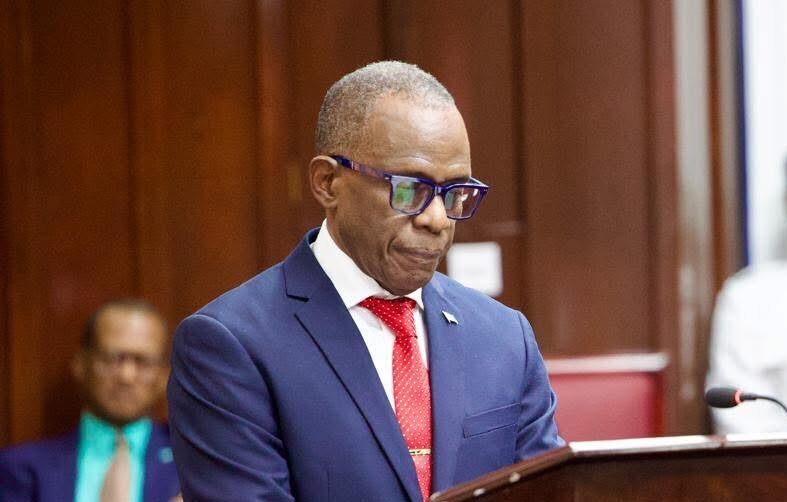
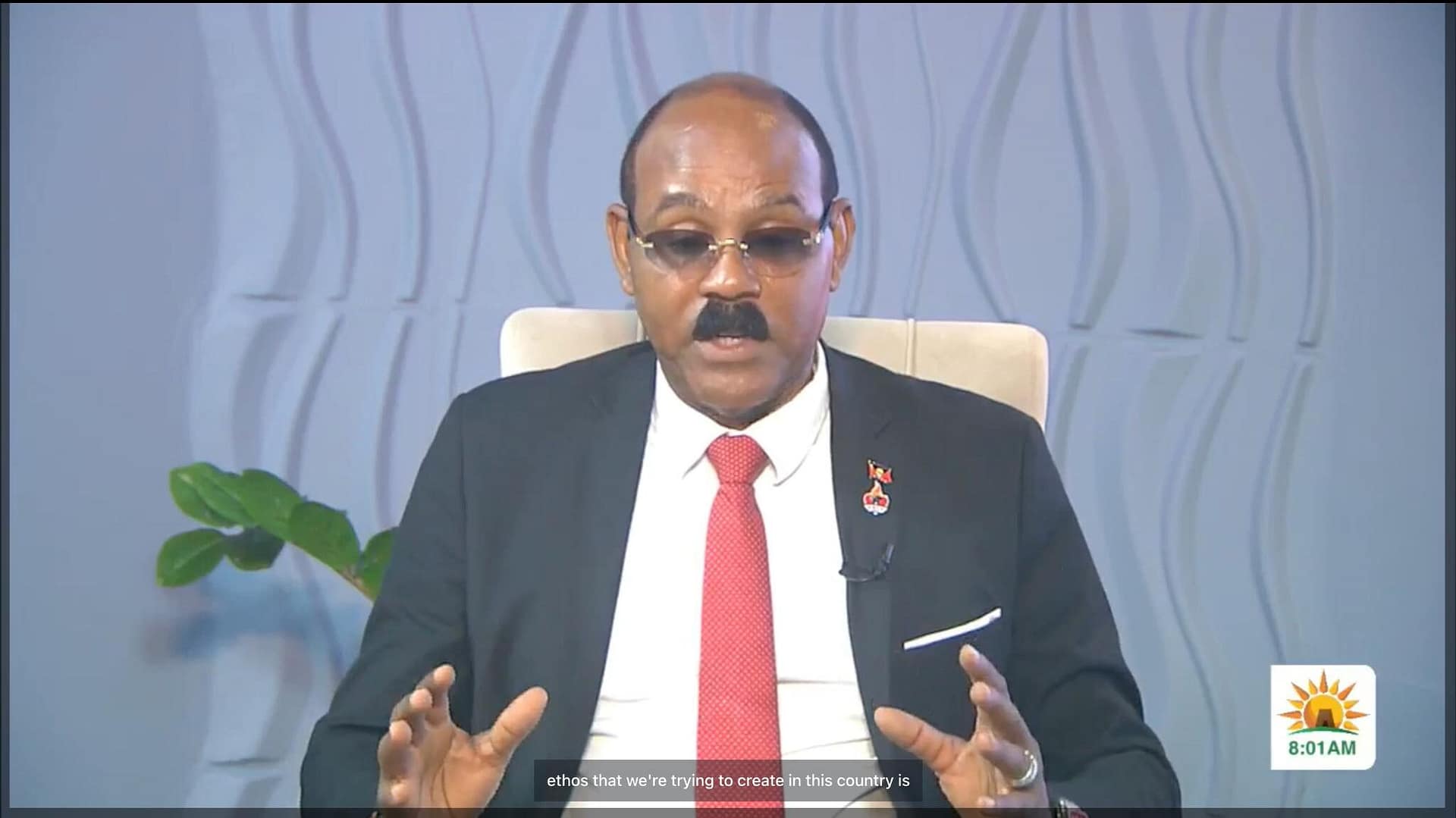
    Diplomatic talks between the government of Antigua and Barbuda and the United States Department of State are ongoing, with Prime Minister Gaston Browne expressing cautious optimism that Washington will lift the partial visa restrictions currently imposed on the nation’s citizens when the policy comes up for its scheduled review this June.

    In a recent televised interview with ABS Television, Browne revealed that high-level discussions with senior U.S. officials – including Deputy Secretary of State Landau – have centered entirely on resolving the visa restriction dispute. The prime minister stressed that his administration’s core goal is to see the policy expire without renewal, allowing the two countries to return to their pre-restriction visa arrangement for Antigua and Barbuda travelers.

    A key point of contention from the Antiguan and Barbudan side is that the restrictions were put in place based on what Browne calls a fundamentally false claim. The U.S. allegedly justified the limits by arguing that the country’s popular citizenship-by-investment program fails to require residency for program participants, an assertion Browne flatly denies.

    Browne went on to outline that Antigua and Barbuda has upheld rigorous compliance protocols for its investment immigration program for more than 10 years, including aligning all applicant screening processes directly with U.S. sanctions lists and automatically rejecting applications from individuals linked to sanctioned jurisdictions. “We have a sanction-list-only programme that moves in tandem with the United States,” Browne explained, emphasizing the nation’s long-standing commitment to meeting international security standards.

    The prime minister also shared that even some senior State Department officials have privately acknowledged misgivings about how the restriction was originally implemented. “We would have spoken to members in the State Department … and they regretted that such action was taken based on a false premise,” Browne said.

    Reaffirming his government’s clean record, Browne emphasized that neither he nor any member of his administration have engaged in activity that would warrant the imposition of visa restrictions. He stressed that Antigua and Barbuda has remained “totally compliant” with all relevant international norms and agreements. Moving forward, the nation will continue sustained diplomatic engagement with U.S. officials to secure a full, permanent reversal of the partial visa restrictions.