博客

  • Gas Prices Squeeze Patrols: Bennett Says Police Ops Must Be Reworked

    Gas Prices Squeeze Patrols: Bennett Says Police Ops Must Be Reworked

    As motorists across the country feel the ongoing sting of rising gas prices at the pump, the ripple effect of higher fuel costs has now reached public safety operations, prompting a top government official to order a full restructuring of how law enforcement carries out its daily work. Elton Bennett, chief executive officer of the Ministry of Home Affairs, told local reporters in a televised address Wednesday that accelerating fuel inflation is not just a burden for private drivers—it is squeezing budgets across every sector of the public sphere, from media outlets to national security agencies and all government departments that rely on vehicle fleets to deliver services.

    Bennett emphasized that blanket budget increases to cover higher fuel bills are not a viable long-term solution for stretched public finances. Instead, he said, the ministry will need to return to the drawing board and redesign core operational frameworks to cut unnecessary fuel use while still maintaining public safety standards. The restructuring will focus specifically on routine patrol routes, emergency response deployments, and day-to-day logistics, with the goal of maximizing efficiency from every gallon of fuel purchased without compromising the quality or speed of essential services.

    “The rising cost of fuel is impacting all of us,” Bennett said in the address. “You in the media, in the security service, across government, in the delivery of goods—everyone is feeling the effects of higher fuel prices. So it’s something that would require us to go back to the drawing table to redesign our operations to ensure that we take into consideration the rising cost of fuel so that we can plan our operations better.”

    The announcement comes amid a broader trend of public sector agencies adjusting their operations to account for sustained energy price inflation, which has pushed up operational costs for every service that relies on ground transportation. Local government leaders across the region have warned that unadjusted fuel costs could eat into budgets for other critical public services, from education to infrastructure maintenance, if operational overhauls are not implemented quickly.

  • Health Officials Respond to Imported Measles Case in Punta Gorda

    Health Officials Respond to Imported Measles Case in Punta Gorda

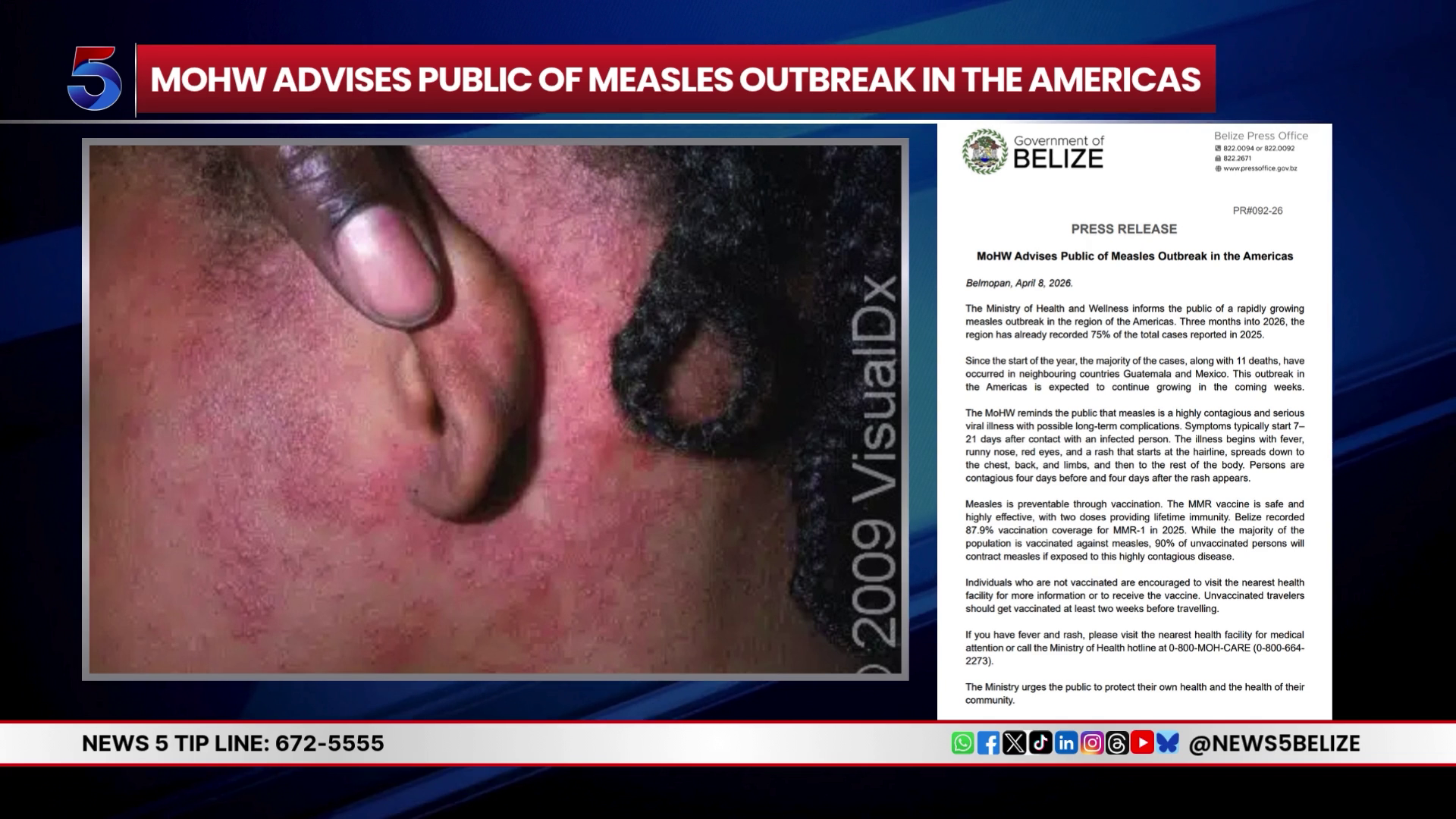
    In a public health update released on April 29, 2026, Belize’s Ministry of Health and Wellness has confirmed an imported case of measles in the southern district town of Punta Gorda, linked to recent international travel from neighboring Guatemala. The case, first detected by local health teams last Friday, marks the latest documented measles exposure in the country, following a small handful of cases recorded over the past 12 months.

    Dr. Laura Friesen, Acting Deputy Director of the MOHW, shared detailed insights into the public health response to the incident, noting that the infected individual has already been identified, placed under isolation per public health guidelines, and is currently in stable condition with improving symptoms. “The patient has followed all required quarantine and isolation protocols, and is doing well,” Friesen explained in an interview.

    To stop potential secondary transmission of the highly contagious viral illness, public health teams have launched an aggressive ring vaccination campaign across Punta Gorda, the town where the patient resides. This targeted strategy involves prioritizing vaccination for all non-immune individuals who may have come into close contact with the infected person, alongside broader outreach to encourage unvaccinated community members to access immunization services. Friesen emphasized that the campaign represents a large-scale, coordinated effort to protect local residents, given that measles is one of the most contagious airborne viral infections and can cause severe complications, particularly in unvaccinated children and immunocompromised people.

    Friesen went on to outline Belize’s routine national childhood vaccination schedule for measles, which provides the first dose of the highly effective MMR (measles, mumps, rubella) vaccine to children at 12 months of age, with a required second booster dose administered at 18 months. For adults and children older than 18 months who have never completed the recommended vaccine series, she advised that two doses spaced one month apart are sufficient to build full immunity.

    Describing measles as a “miserable illness” that carries avoidable health risks, Friesen issued a clear public appeal: any person who is unsure of their vaccination status, or who has never received a measles-containing vaccine, should contact their local public health facility immediately to schedule immunization. Health officials across the country have reiterated that measles is a fully preventable disease when the MMR vaccine is administered per the recommended guidelines, and that widespread vaccination remains the most effective tool to stop community outbreaks.

  • Rising Costs Hit Condoms, But Free Supplies Remain at Clinics

    Rising Costs Hit Condoms, But Free Supplies Remain at Clinics

    As consumer prices for condoms begin an upward climb across Belize, public health concerns have quickly emerged among local residents, many questioning whether widespread access to critical protection would be disrupted by rising costs. Belize’s Ministry of Health and Wellness has stepped forward to clarify the root of the price surge, explaining that the pressure stems almost entirely from global factors outside the country’s control.

    Officials trace the higher costs directly to spiking international freight rates, which have been pushed upward by ongoing armed conflicts across the globe that have disrupted supply chains and pushed up transportation costs for nearly all imported goods. This same cost increase has already affected other critical health imports, including antiretroviral medications for HIV and treatments for tuberculosis, according to Dr. Joshua Canul, Assistant Deputy Director for HIV/TB/STI at the ministry.

    In a reassuring statement to the public, health authorities confirmed that free condoms remain fully available at all government-run health facilities across the nation. Even as private retailers raise their prices, the ministry continues its longstanding policy of providing complimentary barrier protection to all who seek it, helping prevent the spread of sexually transmitted infections and unintended pregnancies. While the free supplies available at public clinics may not always match the branded options many consumers prefer, Canul emphasized that stock is sufficient to meet current demand, and effective protection is still accessible to everyone at no cost.

    To avoid wasting limited public resources, the ministry structures its procurement processes around careful demand forecasting, rather than large-scale panic stockpiling. Officials acknowledge that a sudden uptick in demand for free government supplies is a likely outcome as private market prices rise, but they say contingency procurement plans are already in place to address any potential increase. Right now, stock levels remain stable, and the ministry is maintaining close, ongoing monitoring of both global supply chain pressures and local demand trends to prevent any future shortages.

    Health officials are actively encouraging Belizeans to take advantage of the no-cost condoms available through public health institutions, as they work to ensure uninterrupted access to sexual health protection amid global economic turbulence.

  • Tariffs, Taste, and Health: Why Ramen’s in the Spotlight

    Tariffs, Taste, and Health: Why Ramen’s in the Spotlight

    A looming Senate vote on new import tariffs for packaged ramen noodles has ignited a heated public conversation in Belize, one that ties trade policy directly to long-running conversations about accessible public health and food security. The debate was initiated by Opposition Senator Sheena Pitts, who framed imported instant ramen as a nutritionally depleted “empty meal” that offers minimal benefits to consumers. Yet for thousands of low-income Belizean households, the cheap, shelf-stable noodle product remains a core affordable staple, adding layers of complexity to the policy discussion. To unpack the health implications of the proposal, local journalists reached out to Belize’s Ministry of Health and Wellness (MOHW) for official perspective.

    Dr. Laura Friesen, Acting Deputy Director of the MOHW, outlined the public health case for shifting consumption away from heavily processed foods like instant ramen. “They provide very little vitamins and minerals. So, they might give you energy because there’s carbohydrates in the ramen, but they don’t give you those other nutrients that you need to thrive and be healthy,” she explained. Dr. Friesen emphasized that Belize’s abundant native natural resources create a unique opportunity to promote locally grown, nutrient-dense alternatives to imported processed foods. “We are from Belize, we have a lot of natural resources. So, we are encouraging people who are looking to get a healthier diet to look at what’s growing around them. Let’s go back to the things that we were eating before we had processed foods. Kalaloo, chaya, plantain, banana, all of these things grow very easily,” she added.

    From a public health policy perspective, Dr. Friesen laid out the ministry’s core guiding framework: the government should prioritize policies that make nutrient-rich whole foods more economically accessible for all Belizeans, while making less nutritious processed options comparatively more expensive. “In general, we would want to make healthy food more affordable and unhealthy food less affordable. So, that is what, from a health perspective, that is what we would want to ask for,” she said. She also acknowledged the steep economic challenges that make this policy shift far from straightforward, noting that ramen’s affordability is a major reason for its enduring popularity among households struggling with food costs. “We know that there is a lot of economic issues that come into play. So, this is not a light thing to decide either one way or the other. But from a health perspective, looking at it from the population level, we should as a country do the best we can to make healthy foods more available and affordable and unhealthy foods less affordable and available.”

    As of late April 2026, Senate negotiations over the proposed ramen tariff are still ongoing, with no final decision announced. While the policy’s future remains uncertain, the MOHW has made its core priority clear: any trade or food policy advanced by the government should center on expanding equitable access to nutritious food for all Belizean communities, while reducing overreliance on nutritionally poor processed imports. This article is adapted from a transcribed broadcast of the outlet’s evening television news.

  • Belize Hosts First-Ever HIV Science Summit

    Belize Hosts First-Ever HIV Science Summit

    In a landmark moment for public health across Central America, Belize has welcomed the International AIDS Society’s first regional science-focused summit, marking a new chapter in the global fight against HIV and AIDS. Held on April 29, 2026, the two-day gathering centered on the theme “Uniting Science and Community,” bringing together an unprecedented cross-section of stakeholders—from frontline clinicians and community health workers to religious leaders, civil society organizers, LGBTQI community representatives, and public health policymakers—all aligned to address persistent gaps in Belize’s HIV response and accelerate national progress toward eliminating the virus as a major public health threat.

    While Belize has made notable gains in HIV detection in recent years, public health data presented at the summit reveals significant gaps across the care continuum. Health officials confirmed that approximately 80% of people living with HIV in Belize currently know their status, a milestone that reflects years of targeted outreach. However, these numbers drop dramatically after diagnosis: only half of those diagnosed maintain consistent access to antiretroviral treatment, and just one-third achieve sustained viral suppression—the critical threshold where the virus becomes undetectable and cannot be transmitted sexually. Summit organizers emphasized that these gaps in diagnosis retention and suppression were the core impetus for the event, which sought not only to celebrate existing progress but also to diagnose the systemic and social barriers that leave many people falling out of care.

    Dolores Balderamos Garcia, Executive Chairperson of Belize’s National HIV/AIDS Commission, noted that Belize faces a concentrated epidemic among sexual networks including men who have sex with men, making targeted outreach to vulnerable populations a non-negotiable for success. “We’re very excited because cutting-edge science is being presented here, but we’re also here to map out concrete strategies to accelerate both prevention and treatment efforts,” Garcia said. “Our goal is to reduce HIV’s status as a public health threat substantially by 2030, and this summit puts us on a clearer path to that target.”

    One innovative intervention that dominated discussion at the summit is the introduction of HIV self-testing kits, simple oral swab tests that allow users to learn their status in the privacy of their own home. The tool was specifically developed to address barriers created by widespread stigma and discrimination that prevent at-risk Belizeans from seeking testing at public health centers. Eva Burgos, Executive Director of GoJoven Belize, a youth-focused sexual health organization leading the rollout of self-testing, explained that the approach is transforming access to care across the country. “This is only our second year implementing self-testing in Belize, and it’s already filling a huge gap,” Burgos said. “Many people don’t feel comfortable going to a clinic to get tested, so being able to take the test in the comfort and privacy of your own space removes that major barrier and lets more people know their status.”

    Dr. Joshua Canul, Assistant Deputy Director for HIV/TB/STI at Belize’s Ministry of Health and Wellness, emphasized that the summit’s work extends beyond introducing new medical tools—it focuses on dismantling the social stigma that keeps people from seeking care in the first place. Canul stressed that in 2026, HIV is a fully manageable chronic condition, comparable to common conditions like hypertension and diabetes. “HIV is actually easier to manage than many other chronic conditions in most cases: one pill a day is all it takes to reach undetectable status,” Canul explained. “When you’re undetectable, you can’t transmit the virus to your partner, and if someone at risk is on pre-exposure prophylaxis (PrEP), that provides additional protection. People living with HIV are just like everyone else, and it’s time we treated it like any other manageable health condition.”

    The summit also centered the voices of marginalized communities that are most affected by HIV in Belize. Melvin Cortez, a prominent social media personality and trans community advocate known publicly as La Bestie, spoke at the event about leveraging his platform to challenge stigma that prevents trans Belizeans from accessing testing and care. “I’m here to share the realities of life as a trans person in Belize, including the experiences of trans community members who are living with or affected by HIV,” Cortez said. “My platform can help bring open, honest awareness to this topic across the country, and that’s a critical step toward getting more people the care they need.”

    With aligned commitments from scientific institutions, government agencies, community groups, and marginalized community leaders, stakeholders are optimistic that the summit will translate into tangible progress: more Belizeans getting tested, more people retained in consistent treatment, and ultimately bringing the HIV epidemic under control across the nation.

  • Emergency Response Launched After Columbia Village Blaze

    Emergency Response Launched After Columbia Village Blaze

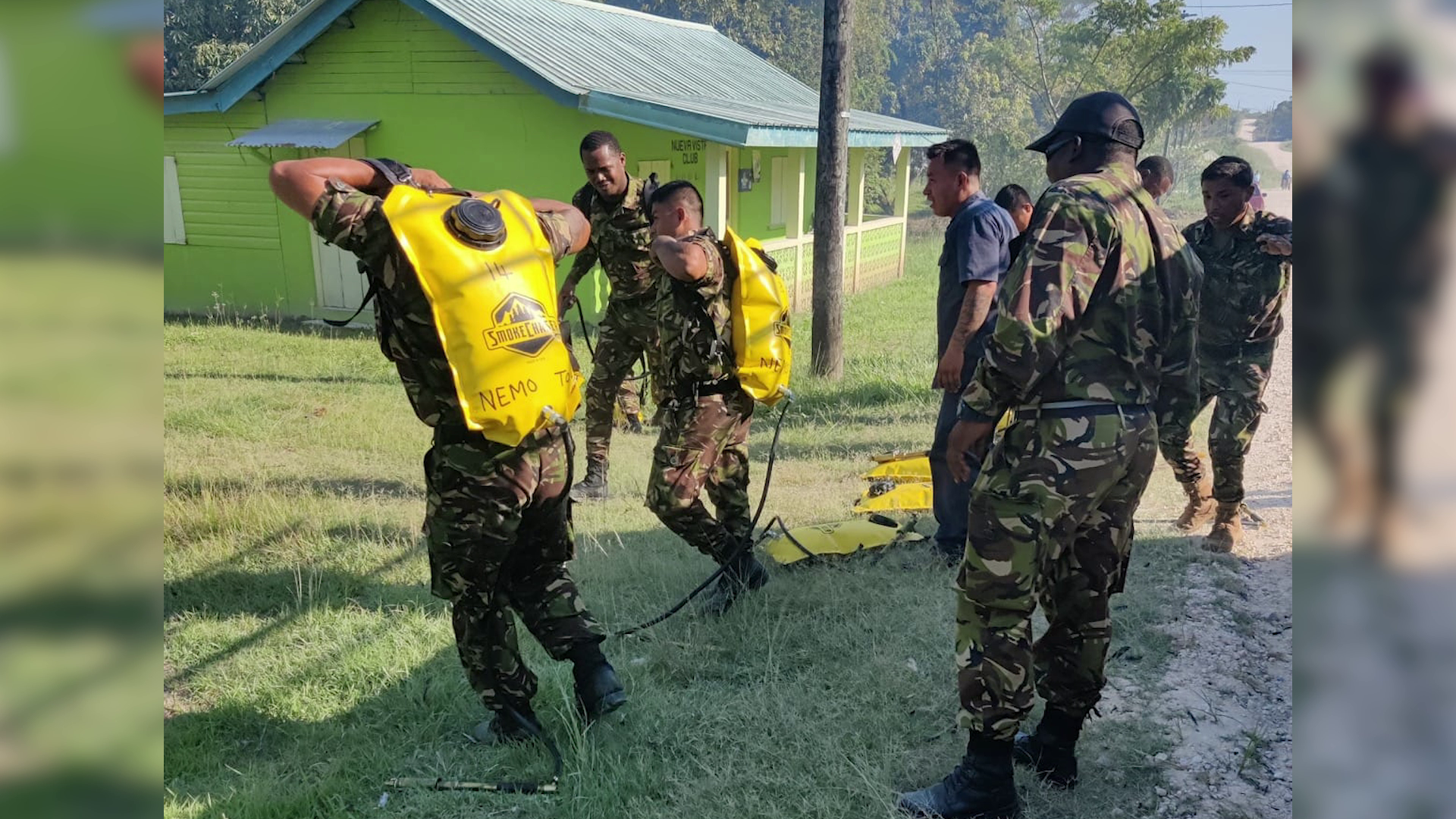
    On a Tuesday afternoon in late April 2026, a fast-spreading wildfire swept through San Pedro Columbia, a small village located in Belize’s southern Toledo District, leaving more than a dozen families displaced and without shelter after destroying or damaging more than 10 residential and community structures.

    Local emergency officials confirmed the blaze originated in the kitchen of a village church, before rapidly spreading through adjacent thatch-roofed homes—construction common in the rural community that allowed the fire to accelerate faster than first responders could initially contain it. By the time fire crews fully extinguished the flames, the damage had already been done: years of personal possessions, household assets, and accumulated livelihood resources were reduced to ash, with total economic losses estimated to exceed $50,000 Belize dollars.

    A diverse cross-section of the village’s small population was impacted by the destruction, including a local pastor, a small-scale farmer, an elderly resident, a young mother, and an off-duty local police officer. Remarkably, no injuries or fatalities were reported in connection with the blaze, a small silver lining for the affected community.

    A multi-agency emergency response was mobilized to bring the fire under control: local firefighting units led containment efforts, backed by personnel and logistical support from the Belize Defense Force and the Belize Police Department, which deployed more than 40 officers to assist with the response. As of Wednesday morning, the official cause of the fire had not been determined, and an active investigation into the origin of the blaze was ongoing.

    Within hours of the fire being contained, neighboring community organizations and volunteers had already mobilized support for the displaced families. Domingo Choc, chairman of the nearby Indian Creek community, arrived at the site alongside local council members and civilian volunteers to lead debris cleanup operations, while in-kind and cash donations began flowing in from across the region to support affected households.

    In comments to local media, Choc emphasized the spirit of mutual aid that has defined the response to the disaster. “This morning, all we’ve been doing is showing up for these families who lost everything,” Choc said. “Our council met immediately after we heard the news, and we organized our team to come help. It’s devastating to see people lose every single thing they’ve worked for their whole lives. But this is what community is—we help each other. Any one of us could wake up tomorrow facing this same disaster, so we’re doing everything we can to support our neighbors right now.”

    Rear Admiral Elton Bennett, CEO of Belize’s Ministry of Home Affairs, praised the coordinated emergency response from government agencies while acknowledging the devastating scale of the loss for the small rural community. “This is an incredibly tragic situation where entire families have lost their homes and their livelihoods all in one afternoon,” Bennett said. “It’s a huge blow to this whole community. But I have been encouraged by how quickly our government services stepped up: the Belize Defence Force, Belize Police Department, and fire services all moved fast to contain the blaze and protect residents.”

    A critical challenge remains for the affected families moving forward: none of the destroyed or damaged structures carried property insurance, meaning the full cost of rebuilding will fall entirely on already vulnerable households. Rebuilding is expected to be a long, difficult process for the village, and community leaders have issued a public call for additional donations from anyone willing to support recovery efforts.

    Those interested in providing assistance have been directed to reach out to community leadership in the Toledo District to coordinate contributions.

  • Home Affairs CEO Draws Line on Controversial Caye Caulker Land

    Home Affairs CEO Draws Line on Controversial Caye Caulker Land

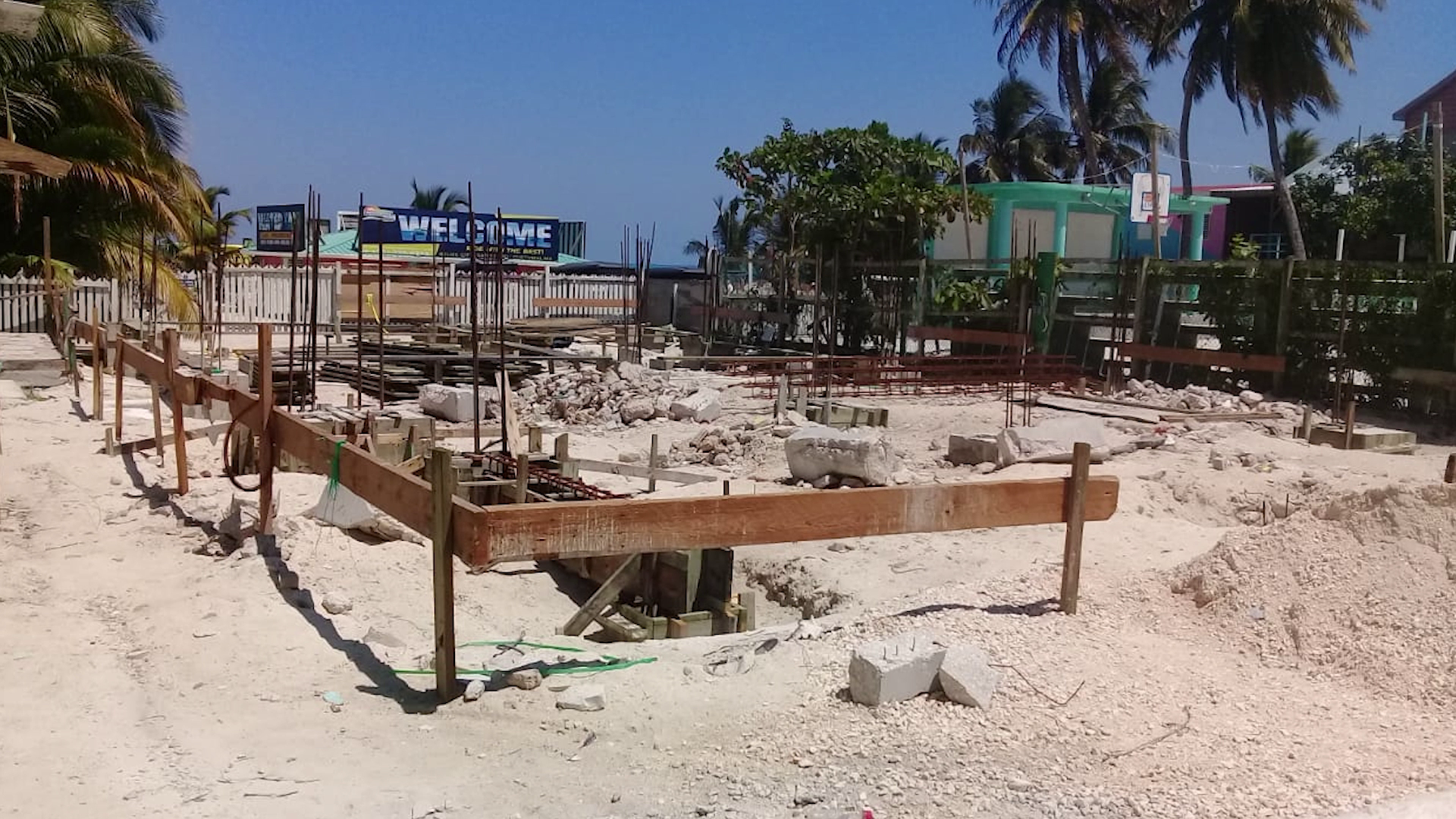
    A prime beachfront plot on Belize’s Caye Caulker has become the center of a heated public dispute over land ownership and public development, pitting local community leaders against national government officials. At the heart of the conflict is Parcel 815, a coveted seafront site that was selected in early 2026 as the location for a new, $1.5 million police station project backed by the Central American Bank for Economic Integration (CABEI).

    The national government signed the construction contract for the facility back in January, which is planned to span more than 3,500 square feet and house specialized police units to serve the island community. But by mid-April, unconfirmed reports that construction had stalled began to circulate, sparking widespread rumors that the high-value waterfront parcel could be put up for private sale instead of being used for public safety infrastructure.

    In response to these rumors, the Caye Caulker Village Council launched a public petition and organized a local referendum drive, demanding that control of the land be transferred from the national government to the municipal village council to guarantee it remains reserved for public safety use.

    However, Elton Bennett, Chief Executive Officer of Belize’s Ministry of Home Affairs, has pushed back firmly against the local council’s request, drawing a clear line on the government’s position. In an on-camera interview for local television, Bennett emphasized that Parcel 815 is formally classified as national land, granted to the central government for official public use. He called the push to transfer the land to the village council “a very strange request”, arguing that there is no logical reason to shift property zoned for a national public service like policing to a local municipal body.

    When pressed for clarification on the future of the police station project, Bennett confirmed that while there had been preliminary discussions with CABEI about pausing work and relocating the facility to an alternative site, decision-makers ultimately rejected that option. He confirmed that construction on Parcel 815 will resume immediately, putting an end to speculation that the waterfront site would be sold off.

    This article is adapted from a transcribed television news report covering the ongoing dispute, which has drawn significant attention from Caye Caulker residents who rely on consistent public safety services on the popular island.

  • Pins of Pride: Sandhurst Alumni Recognized

    Pins of Pride: Sandhurst Alumni Recognized

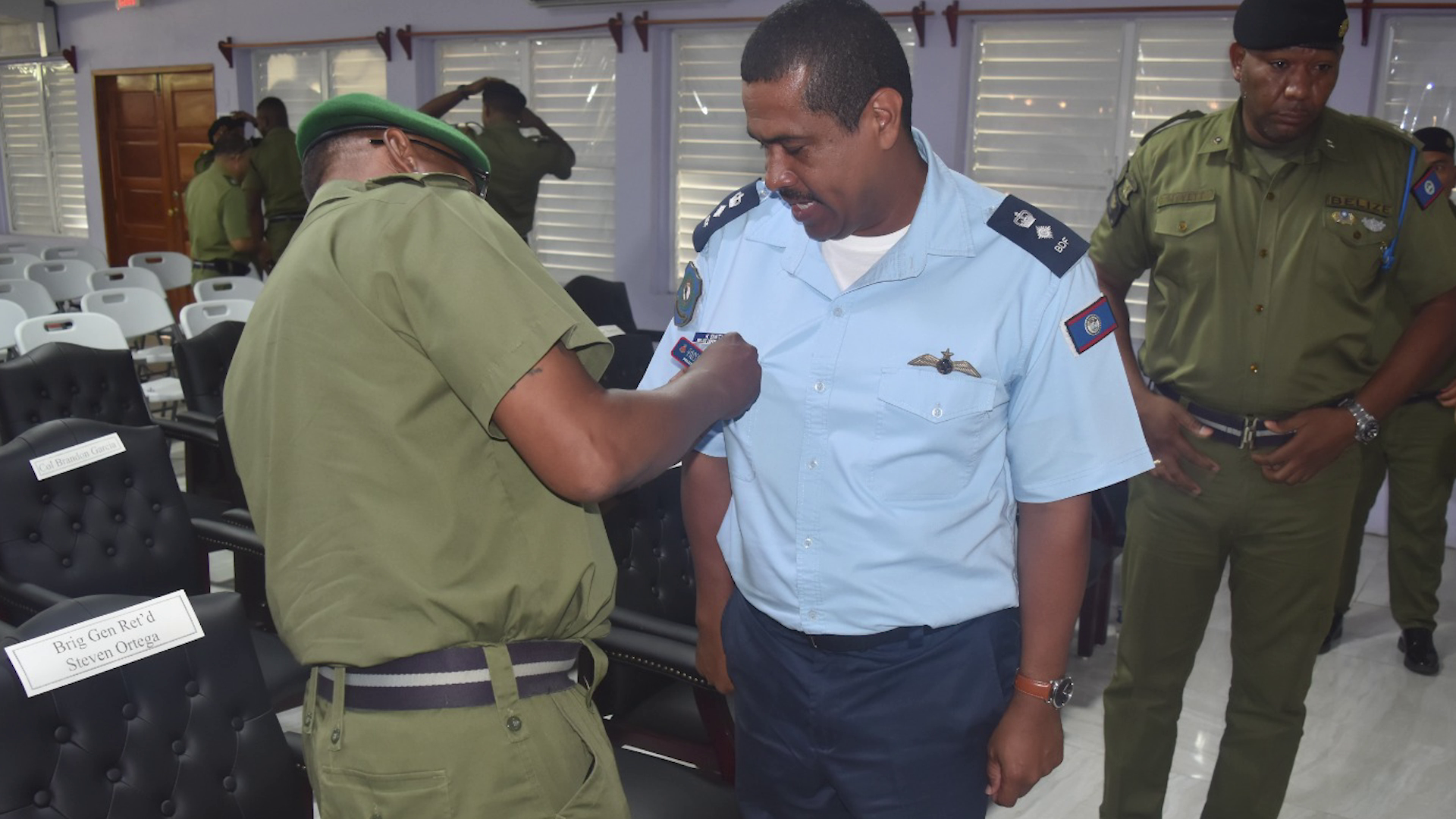
    On April 29, 2026, the Royal Military Academy Sandhurst hosted a special alumni recognition ceremony at the Belize Defense Force headquarters, gathering graduates of one of the globe’s most elite military training institutions to celebrate their shared legacy and enduring connection to the academy.

    The event opened with reflective addresses from attending alumni, who shared personal accounts of how their training at Sandhurst reshaped their professional trajectories and personal values. One speaker drew attention to a long-unspoken barrier facing many Belizean officer candidates: during their original passing-out graduation at Sandhurst, most could not cover the travel and accommodation costs to bring family members to witness their milestone achievement, a financial hardship that has touched generations of Belizean cadets from the country.

    The formal portion of the afternoon concluded with the presentation of custom commemorative pins to every participating graduate, a tangible symbol of the academy’s recognition of their service and achievements. Among the featured speakers was Rear Admiral Elton Bennett, a Sandhurst graduate who currently serves as Chief Executive Officer of Belize’s Ministry of Home Affairs, who shared his own journey through the institution to the assembled crowd.

    Bennett explained that being selected to represent Belize at Sandhurst was a life-changing honor that laid the entire groundwork for his decades-long career in public service and military leadership. “It lay the foundation not only for my first appointment as a platoon commander, but the values instilled in me at Sandhurst certainly still remains with me as a leader,” Bennett said. “So it prepares you not only for your first assignment, but it prepares you well into the leadership world.”

    Bennett went on to outline the far-reaching impact of Sandhurst training on Belize’s public and military sectors, noting that two current sitting government ministers are academy alumni. To date, the country has produced nine Sandhurst-educated generals, two admirals including Bennett and John Boreland, and four sitting government chief executive officers who completed the academy’s rigorous program. “Its really a proven institution, not only in Belize but across the world,” he added.

    Belizean defense and government officials echoed Bennett’s remarks, noting that the Sandhurst training pipeline has consistently produced some of the nation’s most effective military commanders and senior public sector leaders. Decades after the first Belizean cadet walked through Sandhurst’s gates, the institution’s emphasis on discipline, integrity, and strategic leadership continues to shape governance and public service across Belize, leaving an indelible mark on the nation’s leadership landscape.

  • Historic Installation, Immediate Action: Archbishop Wright Calls Key Meetings

    Historic Installation, Immediate Action: Archbishop Wright Calls Key Meetings

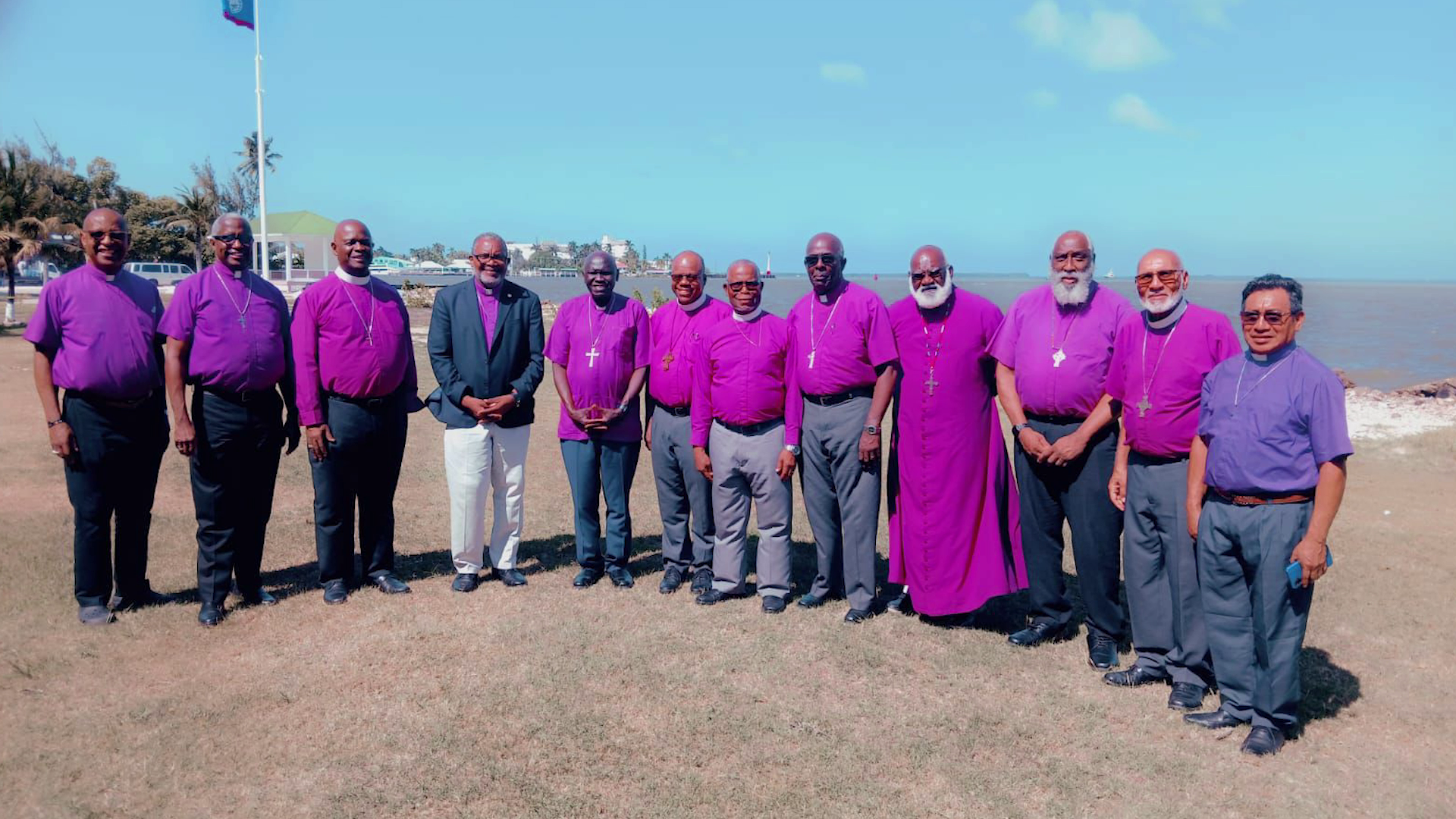
    Just one day after his historic consecration and recognition service on Sunday, newly installed Archbishop Philip Wright has begun his tenure as leader of the Anglican Church in the Province of the West Indies with immediate action, convening a gathering of the Provincial Standing Committee to map out the church’s strategic agenda for the coming years. Unlike the slow transition that often follows high-level religious leadership changes, Wright wasted no time assembling senior regional church leaders to address pressing priorities, underscoring his commitment to hitting the ground running in his expanded new role.

    As the head of the transnational province, Wright’s portfolio extends far beyond his previous responsibilities in Belize, covering all Anglican dioceses spread across the Caribbean region. In an on-the-record interview alongside the meeting, Wright broke down the core function of the Provincial Standing Committee — the executive body that acts on binding decisions made by Synod, the church’s highest governing and decision-making assembly. The current gathering, Wright explained, focuses on translating formal guidance approved by the latest Synod into actionable, three-year strategic plans leading up to the next full assembly.

    Beyond formal strategic planning, the committee has also prioritized addressing urgent social and community challenges facing church members and residents across the Caribbean region. Wright noted that discussions so far have been open, robust, and productive, with several substantive decisions already finalized to guide the church’s work in the months ahead. “It’s been going very well, and we have had robust conversations and we’ve made some significant decisions so far,” Wright shared.

    Retired former Archbishop Most Reverend Howard Gregory, who led the province before Wright, offered perspective on the weight and scope of the new role the newly installed leader now occupies. Gregory pointed out that Wright already brings decades of relevant experience to the post, having previously served as a diocesan bishop: a role that requires leading teaching across the diocese, maintaining institutional order, and serving as a “pastor to pastors” caring for the church’s clergy. But the archbishop position comes with a vastly expanded remit, he emphasized, adding regional administrative oversight for the entire province’s central office, coordination across all member dioceses, and ongoing engagement with congregations and diocesan leadership throughout the Caribbean.

    This report is adapted from a transcribed broadcast segment originally aired on the outlet’s evening television news, published online on April 29, 2026. Any regional Kriol language remarks included in the original broadcast were transcribed using a standardized spelling system for clarity in the digital text version.

  • Brooklyn Honors Belize’s Shyne with Keys, Day, and Praise

    Brooklyn Honors Belize’s Shyne with Keys, Day, and Praise

    Decades after he arrived as an immigrant child from Belize to build his life in Brooklyn, Jamal Michael Barrow — known professionally as Shyne — has been awarded one of New York City’s highest civilian honors: the Key to the Borough of Brooklyn, alongside an official proclamation naming April 25 as Shyne Day.

    The milestone celebration was not held at an exclusive black-tie gala, but rather at a community-focused mentorship expo in East Flatbush, a neighborhood close to Shyne’s early roots in New York. During the event, the artist-turned-politician connected directly with young local men, sharing career advice and donating dozens of professional suits to help attendees prepare for job interviews and enter the workforce.

    The honor comes ahead of a highly anticipated anniversary concert scheduled for May 2 at Brooklyn’s iconic Kings Theatre, which will mark 25 years since the release of Shyne’s self-titled debut, the critically acclaimed classic album that launched his music career. Organizers expect roughly 2,000 fans to fill the historic venue for what Shyne says will be a full-circle moment for his long-time supporters.

    In an emotional address following the award presentation, Shyne opened up about the unlikely path that led him to this honor. “I’m not a very emotional person, but I was definitely overwhelmed,” he shared. “Knowing the journey that I’ve been on as an immigrant child from Belize that came to Brooklyn in the early eighties, to go from that child in a single parent household, mom struggling, brother not there, just all by ourselves to fend for ourselves — statistically I could have died at an early age, or been incarcerated for a lifetime. To have beat those odds, and not just beat them, but to have been so successful in the entertainment space and to have had success in Belize politically, and to return to my second home, which is Brooklyn… it’s overwhelming.”

    Shyne explained that the upcoming concert will fill a long-standing gap for his fanbase. When his career was abruptly cut short decades ago, fans never got the chance to see the debut album performed in full live. “The people that love Shyne never got a chance to experience my live performance of the album,” he said. “And there’s something magical about a live performance.”

    Now, after decades of growth across two vastly different career paths in entertainment and public service, the Brooklyn-raised star is ready to deliver the experience his fans have waited a quarter century to see.