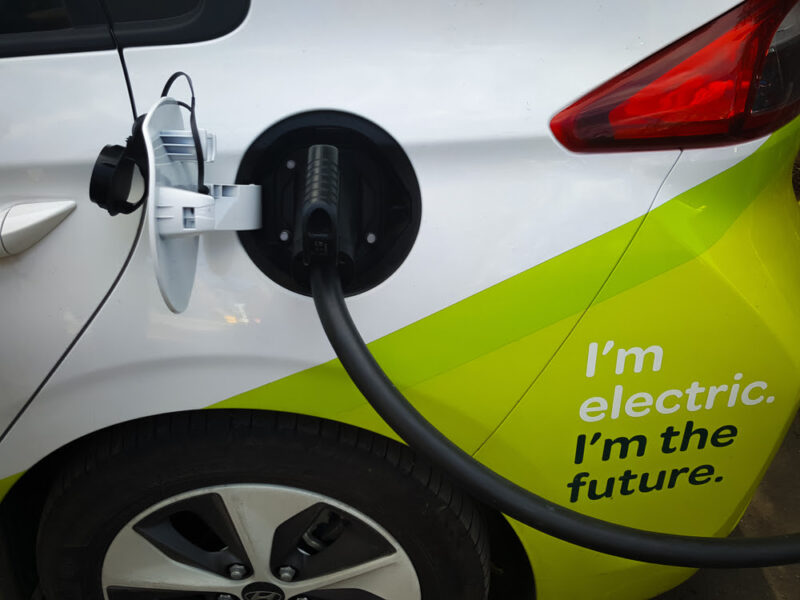
As electric vehicle adoption gains momentum across Caribbean nations, the Caribbean Community (CARICOM) has launched a coordinated push to address a critical growing pain: fragmented and inconsistent EV charging infrastructure. In a recent virtual webinar hosted by the CARICOM Secretariat from its headquarters in Turkeyen, Greater Georgetown, Guyana, on Thursday, 11 June 2026, regional stakeholders and industry experts gathered to map a path toward standardized, interoperable charging networks that work across all member states.
During the discussions, attendees zeroed in on three core areas identified as non-negotiable for cross-regional harmonization: unified safety protocols, standardized charger installation requirements, and aligned inspection procedures. The central goal of these efforts is to deliver interoperability — meaning EV owners will be able to use any public charging station regardless of which CARICOM country they are traveling in, eliminating the compatibility barriers that currently complicate cross-border electric vehicle travel.
The keynote presentation of the session was delivered by Dr. Soren E. Maloney, a professional engineer and director of Ziklag Consulting Group Company Limited, who drew on hands-on experience developing Guyana’s emerging EV charging ecosystem to frame the regional conversation. Dr. Maloney confirmed that while EV uptake is accelerating across every CARICOM member state, individual countries are progressing at vastly different speeds when it comes to developing formal standards and regulatory frameworks for charging infrastructure.
He outlined the systemic challenges holding many smaller member states back: limited technical workforces, constrained national budgets allocated for sustainable transport infrastructure, and a general lack of institutional capacity to develop locally tailored standards and build regulatory oversight systems. These uneven starting points have made cross-regional interoperability a particularly stubborn challenge to address, Dr. Maloney noted.
Drawing lessons from Guyana’s ongoing work in the sector, Dr. Maloney highlighted four key principles that should guide regional standard-setting: clear definition of institutional roles and process workflows, continuous collection and integration of stakeholder feedback, intentional embedding of long-term capacity-building for local workforces, and the development of standards that align with local conditions, current market maturity, and the scale of each country’s EV fleet. He emphasized that copying and pasting regulatory frameworks from larger, more developed regions or individual nations is not a viable solution for the Caribbean context, warning that inflexible standards could lock member states into outdated technologies and limit their ability to adapt to future innovations in the EV space.
The webinar, which is available to listen to on-demand, brought together stakeholders from across the region to exchange on-the-ground experiences and fill knowledge gaps around the current state of the Caribbean EV landscape, marking a key first step toward a unified regional approach to sustainable electric transportation.