
Law enforcement agencies in Antigua and Barbuda have unveiled a groundbreaking proactive enforcement strategy aimed at closing the gaps that allow criminal offenders to operate unseen across the twin-island nation. Christened Operation Iron Grip, the new initiative centers on three core pillars: targeted intervention in high-crime areas, boosted police presence in public spaces, and coordinated efforts to block the movement of criminal groups across the country. Deputy Commissioner of Police Albert Wade, the official leading the rollout of the program, outlined the framework in an exclusive interview with Observer Radio’s *Voice of the People* segment. Wade explained that extensive internal analysis by the police force has revealed that the majority of offenses committed across Antigua and Barbuda follow consistent, traceable patterns. This insight has led leadership to pivot from traditional reactive law enforcement models to a proactive approach that goes far beyond the limited impact of routine random patrols. “Contrary to common perception, crime is not an unpredictable, random occurrence. We firmly believe it can be forecast and interrupted before it takes place,” Wade stated. Under the new operational model, officers will be strategically deployed to high-risk zones to disrupt potential criminal activity before any offense is committed. A key focus of the operation will be cracking down on opportunistic crimes, which account for a large share of everyday offenses across the nation. To achieve this, police will implement enhanced vehicle and pedestrian checks at critical transit points throughout the country. “Criminals will no longer be able to travel freely between hotspots: if you move through any key area, you can expect to be stopped and vetted by an officer,” Wade noted. Beyond increased enforcement, the Deputy Commissioner emphasized that the initiative also prioritizes deeper, more meaningful connections between police and the communities they serve. Operation Iron Grip will expand the country’s community policing framework by expanding the role of district liaison officers, who will be tasked with building closer working relationships with local residents and at-risk young people. According to police leadership, the overarching long-term goals of the new strategy extend beyond immediate crime reduction: the operation aims to strengthen national crime prevention infrastructure, repair and deepen trust between law enforcement and local communities, and drive a sustained reduction in all types of criminal activity across Antigua and Barbuda.
博客
-
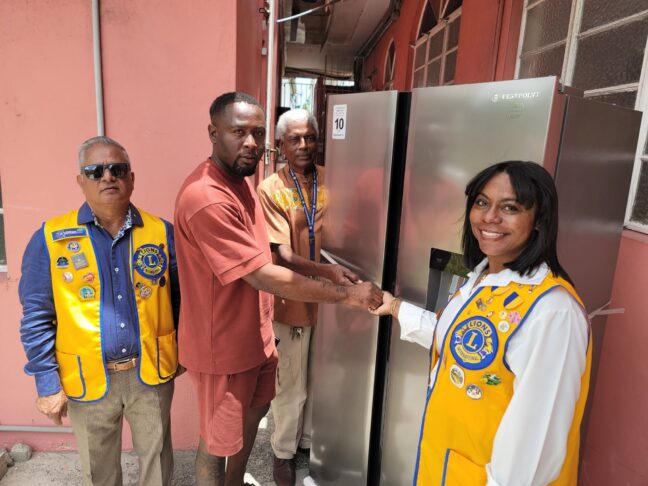
Zion Church Feeding Initiative Receives Major Appliance Donation
For more than three and a half decades, the Zion Church of God in St. John’s, Antigua, has carried out a quiet but critical mission: rolling back food insecurity by serving hot, nutritious meals to vulnerable residents across the island. This long-running community outreach effort just received a meaningful upgrade, thanks to a generous joint donation from the Lions Club of Antigua and local business Cool & Smooth Store.
The two organizations have gifted the church a brand-new refrigerator valued at 8,500 Eastern Caribbean dollars, officially handed over during a small presentation at the church’s North Street location. The new appliance will play a central role in the feeding programme, expanding the church’s capacity to safely store ingredients and keep prepared meals fresh before they reach community members in need.
The partnership between the Zion Church of God and the Lions Club of Antigua is not a new one. For years, the service club has been a core supporter of the feeding initiative, contributing more than 21,000 Eastern Caribbean dollars to the programme every single year. Beyond financial backing, the club also supplies fresh, homegrown produce harvested from its own community garden on Upper Church Street, and its members regularly step in to help volunteers deliver meals across the community each week.
On a typical Wednesday, church volunteers prepare more than 45 hot lunches for people experiencing food insecurity. With the added storage space and reliability of the new refrigerator, the programme will now be able to expand its reach, serving more vulnerable residents than ever before. Volunteers with the church expressed deep gratitude for the ongoing commitment of both the Lions Club and Cool & Smooth Store, noting that the donation advances shared work to cut hunger and support struggling members of the Antiguan community.
-
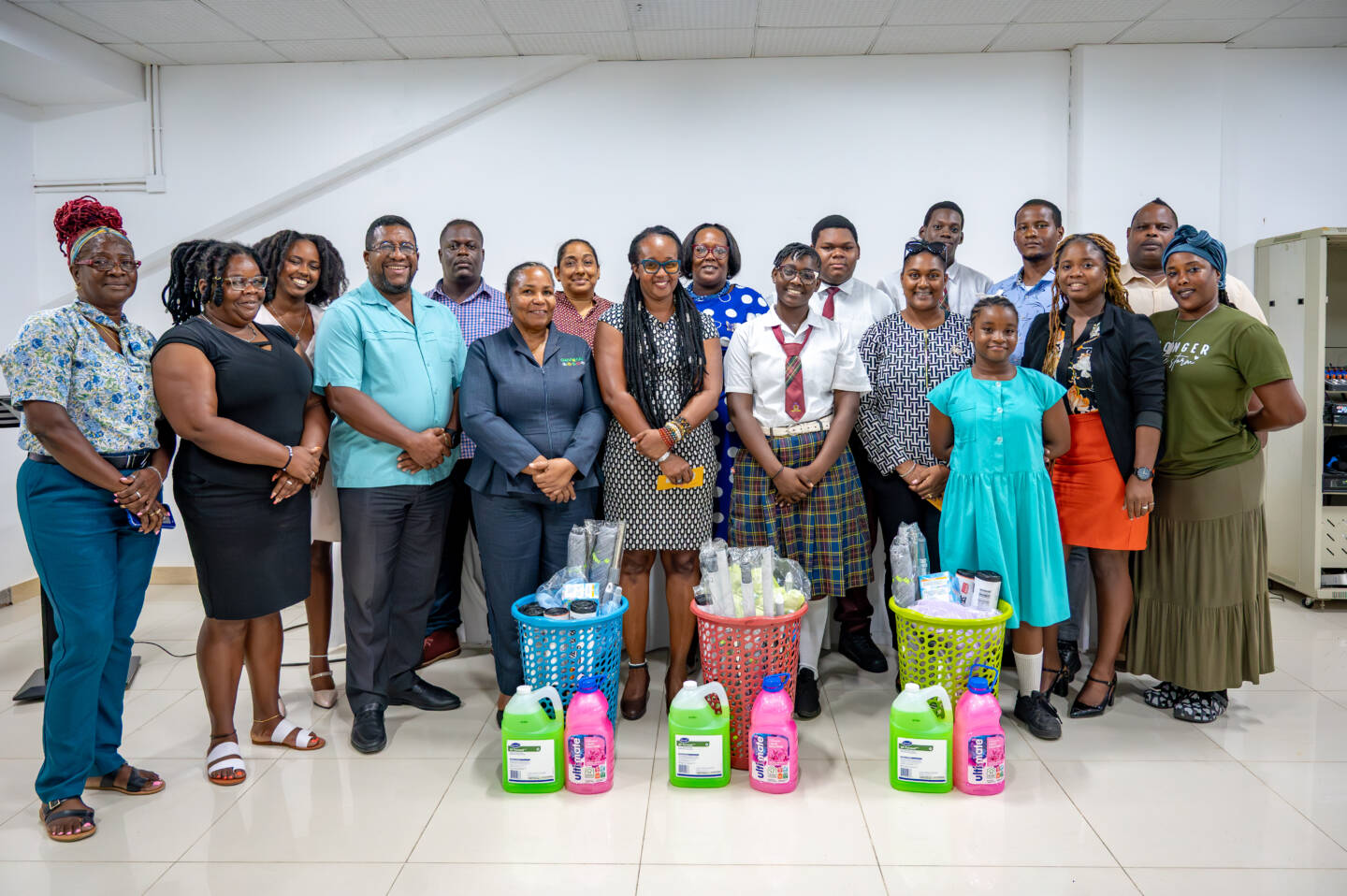
GNSA and GSWMA celebrate Blaze the Track — Smash the Trash Competition winners
On June 2, 2026, two leading Grenadian public agencies joined forces to celebrate environmental leadership among the nation’s student communities, hosting an awards ceremony at the iconic Kirani James Athletic Stadium to honor schools that excelled in maintaining clean spaces and responsible waste practices during their annual school sports events. The ceremony capped off the relaunch of the “Blaze the Track — Smash the Trash Competition”, a community-focused initiative built to embed environmental accountability among students, school staff, and sports spectators alike.
The decision to revive the decade-old program comes after growing concerns over post-event waste accumulation and damage to Grenada’s premier sporting infrastructure. First launched more than 10 years ago, the original initiative eventually faded without sustained institutional support. When recurring complaints about discarded litter left behind after school sports meets and other large-scale gatherings gained renewed attention, the Grenada National Stadium Authority (GNSA) moved to partner with the Grenada Solid Waste Management Authority (GSWMA) to bring the program back, with a shared goal of encouraging greater personal responsibility and proper waste disposal habits across all attendees of sporting events.
At the awards ceremony, Randall Robinson, Deputy Chairman of GNSA, opened official remarks by praising the proactive effort and commitment shown by every school that took part in the 2026 competition. “The success of this competition is a direct reflection of the commitment and leadership of our schools,” Robinson noted. “When principals, teachers, students, and supporters all work toward a shared goal, they don’t just create a cleaner, more positive environment for sports — they help instill lasting values of responsibility and respect for our national facilities that will deliver benefits to generations of Grenadians to come.”
Myrna Julien, Communications Manager at GSWMA, expanded on the far-reaching goals of the revived program, emphasizing that its impact extends far beyond keeping event venues tidy. “Blaze the Track — Smash the Trash is about more than just cleaning up after an event,” Julien explained. “It is about encouraging young people to build lifelong habits that support environmental responsibility, and helping them understand that every small action they take adds up to build a cleaner, healthier Grenada for everyone.”
Organizers noted that two local schools were unable to join the 2026 competition, as their annual sports events had already concluded before the revived initiative was officially announced. Despite this small setback, both GNSA and GSWMA expressed strong optimism that the number of participating schools will grow in future iterations of the competition, as more institutions have time to plan for participation.
Looking forward, the two agencies are already exploring opportunities to expand the collaborative model to other large-scale national events across Grenada, including the country’s world-famous Carnival celebrations, as part of broader island-wide efforts to embed environmental sustainability and proper waste management into all major public gatherings.
After rigorous evaluation by an independent judging panel, the top performing schools of the 2026 competition were officially announced: J W Fletcher Catholic Secondary School took home first place, with the award presented by GNSA Deputy Chairman Randall Robinson. Second place was awarded to Westmorland School, with the prize presented by GSWMA Communications Manager Myrna Julien, while third place went to Alpha Junior School, with GSWMA Education Officer Simone Doughlin-Welsh presenting the award.
In delivering the vote of thanks at the close of the ceremony, Doughlin-Welsh framed the revived competition as a meaningful and long-overdue update to a critical community initiative. She congratulated all participating schools for their widespread enthusiasm and dedication to the program’s goals, and extended gratitude to judges, event organizers, educators, students, and community stakeholders whose collaborative work made the 2026 launch a success.
“We are delighted to see the return of this initiative and the incredible enthusiasm shown by the participating schools,” Doughlin-Welsh said. “This competition proves just how much we can achieve when we empower students to take ownership of their public spaces, and we cannot wait to see even greater participation and broader impact in the years ahead.”
GNSA has reaffirmed its ongoing commitment to advancing responsible facility use, environmental sustainability, and community engagement across Grenada, through programs that strengthen the country’s beloved sporting culture while protecting its national infrastructure for future generations.
-
Round of 16 action set to kick off in the NSC Primary School Football
As the BICO Primary School Football Competition, organized by Barbados’ National Sports Council (NSC), advances to its highly anticipated Round of 16 this Thursday, a mouthwatering potential quarterfinal clash between the tournament’s top two sides from last season has fans and organizers buzzing. Defending title holders West Terrace Primary and 2023 runners-up Arthur Smith Primary have both navigated their group stages without a single defeat, finishing atop their respective groups to keep their dream finals rematch alive in the knockout rounds.
Zahir Motara, senior coach with the NSC, confirmed that the stage is set for a historic showdown if both sides continue their winning runs through the Round of 16. Beyond the headline potential matchup, he added that another tantalizing quarterfinal could pit St Cyprian’s against Wesley Hall, should both teams get past their first knockout opponents. Motara praised the overall quality of play across this year’s tournament, noting that a growing number of young players are gaining regular experience outside of school competition through local youth academies and community clubs, playing consistently on weekends and even during school vacation periods.
This increased off-season practice has translated to a noticeable jump in competitive intensity across the board, Motara explained. “All the Round of 16 games are going to be pretty competitive from the get go, even if we have one or two blowouts,” he said. However, ongoing unseasonably dry weather across Barbados has created unexpected logistical hurdles for tournament organizers, forcing a last-minute change to the originally planned competition schedule and venue.
Initially, organizers had scheduled all Round of 16 matches to take place on June 11 at Blenheim, with four games set to run concurrently. But severe drought conditions left the Blenheim pitch cracked and unplayable, forcing the NSC to relocate all knockout round fixtures to Greens in St George. Motara noted that Greens, one of the island’s purpose-built mini stadia, boasts one of the most well-maintained grass surfaces in the country, making it the ideal backup location. All Round of 16 and quarterfinal matches will be held at Greens before the competition moves to the artificial turf at the BFA Technical Centre for the later stages, he confirmed.
One of the tournament’s most notable successes this year comes off the pitch, as organizers hit a key diversity target by significantly increasing female participation in the co-ed competition. Motara revealed that multiple schools are now fielding up to five girls in a single match, with teams in Zone 8 – the Adrian Donovan/Michael Foster zone based at King George Park – standing out for their commitment to integrating female players. “Biologically at that age the girls sometimes are a little more physically imposing than the boys, so it’s really a bit of a clash and it’s very lovely to see,” Motara said. “The girls are having so much fun and enthusiasm, they’re not afraid and are going into the challenges. I think I saw a couple score a goal or two as well so overall, I’m really impressed with the turnout from the ladies.”
In response to the surge in interest from female players, the NSC is already developing plans to launch an annual standalone girls’ football competition. As a first step, a Girls’ Futsal tournament will kick off next week at the Wildey Gymnasium.
Thursday’s opening Round of 16 fixtures at Greens will see St Cyprian’s Boys’ take on Providence, Bay Primary face off against Wesley Hall, All Saints go up against Milton Lynch, and Blackman & Gollop battle St Stephen’s.
Tournament coordinator Luke St John shared Motara’s positive assessment of this year’s competition, noting a dramatic improvement in the overall standard of play compared to past editions. Not only has on-pitch skill improved, but officiating has also stepped up to match the higher intensity of matches, he said. “The boys seem to be more direct and there’s more technical skill being shown. There has been improvement in the type of goals being scored, the build up play and even the camaraderie amongst the boys, you’re seeing maturity in the tournament, so I would say overall, there has been a great improvement,” St John explained.
St John attributed the rising standard of play to collaborative investment in youth football across multiple Barbadian stakeholders. First, he credited NSC coaches, who run regular training sessions at primary schools across the island throughout the year. Local private youth clubs also deserve recognition for developing player talent outside of school programs, he said, along with school physical education teachers, who begin working with teams from the start of the academic term. “You could definitely see everybody’s more committed to it,” he added.
-

Parents freed, son jailed for gun, ammo
In a recent proceeding at St. Vincent and the Grenadines’ Serious Offences Court, a 23-year-old resident of Union Island entered a guilty plea to illegal gun and ammunition charges, marking his first criminal conviction and resulting in a three-year prison sentence. His two co-accused—his parents, 62-year-old Dexter Frogget and 58-year-old Josephine Jones—walked free after prosecutors withdrew all charges against them, following their not guilty pleas. The defendant, Rasheed Frogget, who works as a marine engineer, stood accused alongside his family of possessing an unlicensed Glock 17 pistol and 35 rounds of 9mm ammunition at their Ashton, Union Island residence on June 6 this year. The case traces back to that same day, when local police executed a judicially authorized search of Dexter Frogget’s home, acting on an anonymous tip they received. The search party, led by Sergeant 45 Forde, encountered Jones at the property when they arrived. After identifying himself and their legal search documents, Forde questioned Jones about her husband’s location, shortly before Dexter Frogget emerged from the rear of the residence. Both parents gave formal consent for officers to search the home, and the search began in Rasheed Frogget’s bedroom with all three property residents were present. During the search, investigators uncovered the loaded Glock pistol, marked with serial number BUND419, and the 35 9mm rounds hidden in the bottom drawer of a chest of drawers in the younger Frogget’s sleeping quarters. After seizing the items as evidence and photographing them for court records, Forde placed both Dexter Frogget and Jones under arrest, transporting them to the Union Island Police Station for questioning. The pair were interviewed separately, with a justice of the peace present for each interrogation, and both consistently maintained that they had no knowledge of the unlicensed weapons being stored on the property. One week later, officers brought Rasheed Frogget in for questioning and formal caution. He told investigators that he had found the firearm and ammunition, but had completely forgotten to hand the items over to law enforcement before he traveled from Union Island to mainland St. Vincent for work. All three family members were ultimately arrested and charged with firearms offenses. During Monday’s sentencing hearing, defense attorney Grant Connell argued for a non-custodial sentence, urging Chief Magistrate Colin John to impose only a financial penalty. Connell emphasized that Rasheed Frogget is the primary breadwinner for his family, and asked the court for leniency to give the young first-time offender an opportunity to continue contributing to his community as a law-abiding citizen. The defense further claimed that by holding onto the ammunition instead of allowing it to circulate on the black market, Rasheed Frogget had potentially prevented dozens of deaths that could have occurred if the weapons fell into dangerous hands. Rejecting the defense’s request for leniency, Chief Magistrate John sentenced Rasheed Frogget to 36 months of imprisonment for the illegal possession of the firearm, and an additional 24 months behind bars for the ammunition charge. The two sentences will run concurrently, meaning the young defendant will serve a total of three years in prison. The court also ordered the permanent confiscation of the Glock pistol and all 35 rounds of ammunition. Following the court’s ruling, prosecutors formally withdrew all outstanding charges against Dexter Frogget and Josephine Jones, ending the case against the older couple.
-

STATEMENT: OECS World Oceans Day 2026 – Reimagining the future of the OECS through the Blue Economy
Each June, World Oceans Day sparks global dialogue centered on protecting coastal ecosystems, organizing community beach cleanups, and safeguarding vulnerable marine species from extinction. But for the Small Island Developing States (SIDS) that make up the Organisation of Eastern Caribbean States (OECS), the ocean is far more than a scenic natural treasure to be conserved from a distance—it is the very foundation of community survival, cultural identity, and collective future.
Home to more than 1.4 million people spread across 10 Eastern Caribbean nations and territories, the OECS region is defined by its deep, inseparable connection to the sea. Every aspect of daily life, cultural tradition, and long-term planning is rooted in ocean resources. Yet today, this interconnected marine way of life faces unprecedented threats: marine pollution, irreversible habitat degradation, and overexploitation of fish stocks, all amplified by the accelerating impacts of climate change. These stressors are rapidly eroding the healthy marine ecosystems that the region depends on for survival. To secure a viable future, the OECS argues, global and local communities must abandon short-sighted, destructive development models and consumer patterns, and reframe their relationship with the ocean around intentional, sustainable stewardship.
Backed by World Bank funding through the Unleashing the Blue Economy of the Caribbean (UBEC) project series, the OECS has developed and begun rolling out a coordinated set of updated regional policies and targeted financial investments designed to build a blue economy that is resilient, equitable, and broadly prosperous. The initiative is organized around three core priority sectors that underpin the region’s ocean-dependent livelihoods: sustainable fisheries and aquaculture, low-impact marine and coastal tourism, and systemic waste management.
In the fisheries and aquaculture sector, UBEC has supported the creation of the OECS Fisheries Strategic Action Plan for 2025–2030. This new framework directly tackles the long-standing structural challenges that have plagued the region’s fishing industry, including chronic underfunding for fisheries management agencies, insufficient monitoring and enforcement of fishing boundaries, and restrictive access barriers for small-scale independent fishers. The plan builds on a comprehensive analysis of the drivers of Illegal, Unreported, and Unregulated (IUU) fishing completed by the Caribbean Regional Fisheries Mechanism (CRFM), ensuring solutions are rooted in on-the-ground data.
For marine and coastal tourism—an industry that forms the backbone of most OECS national economies— the initiative led to a full update of the original 2011 OECS Common Tourism Policy, resulting in the revised 2025–2035 framework that was formally approved by the OECS Council of Tourism Ministers in early 2025. The updated policy reaffirms the region’s collective commitment to growing a collaborative, sustainable tourism sector that directly improves quality of life and livelihoods for all OECS residents. As one of the most tourism-dependent regions in the world, protecting coastlines and critical marine habitats is not just an environmental goal for the OECS—it is an economic necessity. For decades, unregulated coastal construction and overuse of popular beach and reef sites have degraded the very natural attractions that draw visitors to the region, threatening the long-term viability of the industry. The new policy directly addresses this cycle of degradation.
When it comes to waste management, regional leaders recognize that no reimagined ocean future is possible without tackling the land-based pollution that is killing marine wildlife, degrading coral reefs, and destroying critical seagrass habitats. As part of UBEC, the OECS completed a comprehensive assessment of commercial opportunities in the waste sector to support the development of an integrated regional waste management system. By developing actionable business models and identifying profitable commercial applications for green waste, plastic waste, end-of-life vehicles, and discarded tyres, the region is working to transition to a circular economy that intercepts land-based pollution before it can reach coastal waters and marine ecosystems.
OECS leaders emphasize that effective policy is only as impactful as its on-the-ground implementation. To that end, all of these policy-focused interventions are paired with direct support for OECS citizens working in the blue economy, with a specific focus on empowering Micro, Small and Medium Enterprises (MSMEs) in Grenada, Saint Lucia, and Saint Vincent and the Grenadines. Across the three pilot countries, targeted matching grants, hands-on technical training, and expanded access to affordable financing are enabling local entrepreneurs to adopt more sustainable business practices. Whether supporting a small-scale fisher to invest in climate-smart fishing gear, helping a local tour operator transition to low-impact ecotourism operations, or scaling a waste-to-value recycling business, the UBEC project is building a sustainable regional blue economy from the ground up, centered on local communities.
This World Oceans Day, the OECS Commission is calling on global and regional stakeholders to join in a collective reimagining of humanity’s relationship with the ocean, rejecting the outdated false choice between economic survival and environmental conservation. The long-term success and stability of the region’s fisheries, marine tourism, and pollution mitigation systems are deeply interconnected, making coordinated cross-sector management an essential requirement for progress. Embracing this new, integrated approach requires a sustained commitment to expanding and effectively managing strong marine protected areas to build a resilient blue planet, ensuring these shared waters remain productive, resilient, and thriving for future generations. For the OECS, true progress depends on recognizing a simple truth: the sea does not divide the Eastern Caribbean islands—it binds them together, unlocking shared potential for all who call the region home.
-

Gov’t signs pact for 30-year deal to invest $250m in cruise port
In a landmark move set to reshape the Caribbean nation’s tourism and maritime economies, the government of St. Vincent and the Grenadines (SVG) has formalized a strategic memorandum of understanding (MoU) with Global Ports Holding (GPH) — the world’s largest cruise port operator — to launch a decades-long concession and large-scale modernization of SVG’s Kingstown Cruise Terminal. The agreement, signed Wednesday in the capital city of Kingstown, unlocks up to EC$250 million in phased private investment and reserves 30% ownership of the new operating entity for local Vincentian citizens, marking a community-focused approach to infrastructure development.
For the half-decade preceding the deal, the previous SVG administration operated the Kingstown Cruise Terminal at a net loss, pouring EC$15 million in public funds into the facility over five years. The terminal only turned a profit once during that period, posting a modest EC$266,000 gain in 2023. This consistent underperformance created a pressing need for a new operational and development model that would shift public financial risk to private expertise while ensuring local communities capture long-term value from the project.
SVG Prime Minister Godwin Friday framed the MoU signing as a defining milestone in the ongoing transformation of the country’s maritime and tourism sectors, while emphasizing that the agreement represents a foundational framework rather than a finalized binding contract. “This memorandum establishes the basis upon which both parties will work to finalize a comprehensive partnership that serves the best interest of the people of St. Vincent and the Grenadines and the continuing business operations of GPH,” Friday explained.
Under the terms of the proposed 30-year concession, GPH has committed to a phased development program with an estimated total investment between EC$225 million and EC$250 million, with potential for further investment as project plans are refined. The first phase, carrying a price tag of up to EC$75 million, will focus on modernizing the existing Kingstown terminal facilities, upgrading supporting port-wide infrastructure, building expanded public and commercial spaces, and enhancing shore excursion offerings to improve overall visitor experience. The second phase will deliver additional upgrades including improved marine and berthing infrastructure, better accessibility for all visitors, a reconfigured parking and transportation network, and further capacity expansions to accommodate long-term growth in cruise tourism across SVG.
A core, community-centric provision of the MoU requires the creation of a special purpose vehicle (SPV) to open up to 30% of the concession company’s shareholding exclusively to SVG nationals. This structure ensures that local residents gain both direct and indirect economic benefits from the projected growth in cruise tourism, with larger profits translating to higher returns for local shareholders. The SVG government will also secure a seat on the new operating company’s board of directors to guarantee transparent governance and public oversight on behalf of the nation’s people.
GPH Chairman Mehmet Kutman noted that the local ownership model is a proven success, adapted from the company’s existing project in The Bahamas, where more than 3,600 Bahamian citizens already hold stakes in the local cruise port operation. “In the Bahamas, they put their money, they invested, they got their principal back already through the dividends. Now they’re sitting on quite a lot of money, so the same thing is going to be here,” Kutman said. “Thirty percent of the concession company, the SPV… will be offered to the public here. I strongly recommend everybody take shares. It’s a good investment.”
SVG officials project the partnership will deliver widespread economic benefits across multiple sectors of the local economy, reversing the terminal’s historical underperformance. The construction and operational phases of the project are expected to generate hundreds of new jobs, while expanded terminal capacity will drive growth in cruise passenger arrivals and visitor spending. The ripple effects will benefit a broad cross-section of local workers and small business owners, including taxi operators, tour guides, street vendors, retailers, restaurants, and cultural practitioners, putting additional income directly into the pockets of ordinary Vincentians.
Tourism Minister Kishore Shallow, who also oversees civil aviation and sustainable development for SVG, emphasized that the GPH partnership directly addresses the terminal’s long-running financial struggles. “For the last five years, barring 2023, the cruise port operated at a loss… four out of five years we have operated at a loss, and this occurred during a period which the cumulative expenditure totalled just over 15 million dollars,” Shallow said, contrasting that record with GPH’s planned nine-figure investment. “That is significant… Tremendous.”
A key policy guarantee from the SVG government is that the entire modernization project will proceed without adding new public debt to the national balance sheet, aligning with the administration’s infrastructure modernization strategy that prioritizes private investment over public borrowing. Additionally, officials have committed to upholding strict environmental sustainability standards, with development proceeding only after a full environmental impact assessment (EIA) and the issuance of all required regulatory permits. Shallow noted that the government rejects economic growth that comes at the cost of SVG’s natural environment, making sustainability a core guiding principle for the project.
Both parties aim to move quickly to finalize a definitive concession agreement, with the goal of breaking ground on construction before the start of the next cruise season. Kutman confirmed that GPH is prepared to begin on-the-ground work immediately once all permits and final approvals are secured, though he noted that the full economic benefits of the project will likely become most visible to local residents by the 2027-2028 cruise season. Looking ahead, GPH plans to showcase St. Vincent and the Grenadines as a top emerging cruise destination at the 2027 SeaTrade Global cruise industry conference, drawing international attention and additional tourist traffic to the country.
-
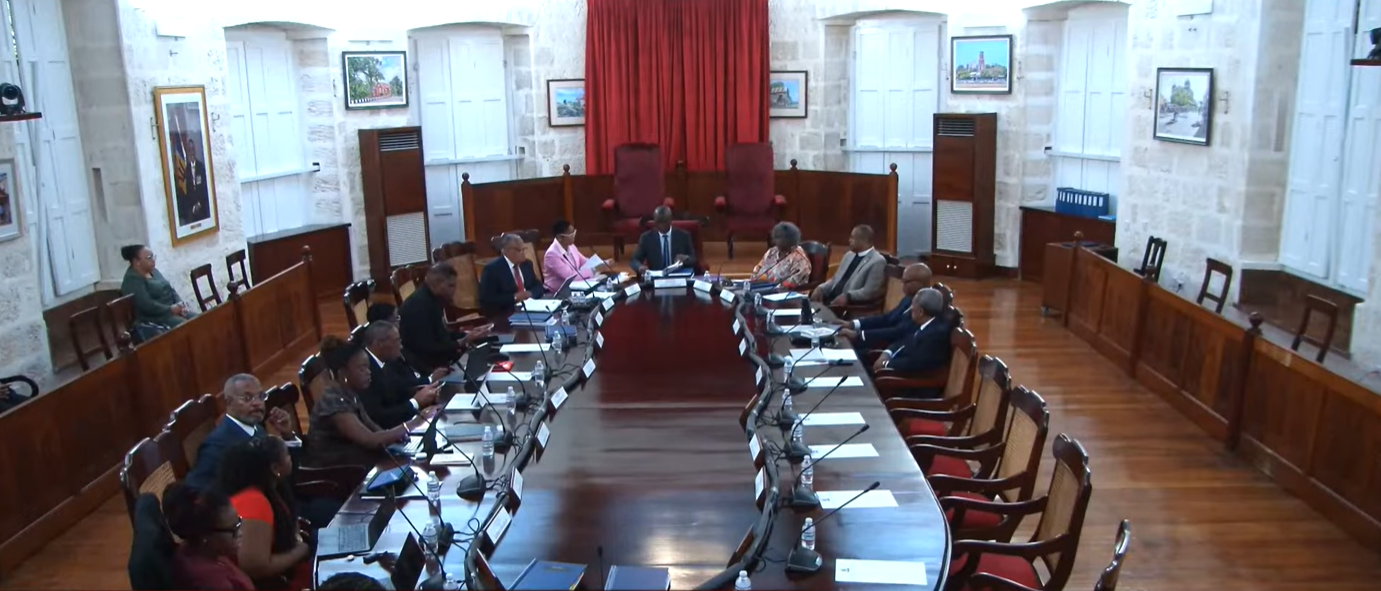
Senator calls for clarity on cost of drugs overhaul
During Wednesday’s senate debate on the landmark Barbados Medical Products Bill, independent Senator Andrew Niles has publicly thrown his support behind long-overdue plans to modernize the Caribbean nation’s outdated pharmaceutical regulatory framework, while pressing the government to deliver full transparency around the overhaul’s public cost and long-term financial commitments.
The core proposal at the center of the debate is the creation of the Barbados Medical Products Authority (BMPA), an autonomous governing body designed to take full oversight of the production, safety, and distribution of all medicines, medical devices, and health products sold and used across the island. Beyond regulatory modernization, the new authority is also a key pillar of Barbados’ national strategy to grow its domestic pharmaceutical manufacturing capacity and build an export-focused industry that can diversify the country’s economy.
In his remarks on the floor, Niles was quick to praise the policy direction of the bill, calling the proposed institutional upgrade a critical and positive step forward for Barbados’ health sector. “The bill is absolutely fantastic. I can’t fault it,” he stated, emphasizing that the modernization of the country’s pharmaceutical system fills a long-standing gap in national health governance. However, he stressed that major questions remain unanswered, particularly around the full financial scope of the initiative.
Niles argued that the sweeping transformation of Barbados’ pharmaceutical sector will require substantial upfront capital investment from the public purse, and that Barbadian citizens have a right to clear, detailed documentation of the commitments their government is making. He called for the release of full financial projections, including profit and loss forecasts, balance sheets, and cash flow analyses for the entire transformation project, to allow for public and legislative scrutiny.
The senator rooted his call for transparency in ongoing, well-documented challenges facing the existing Barbados Drug Service, the public body that currently manages pharmaceutical access for the island’s population. For years, patients relying on the public health system have faced widespread drug shortages, forcing many to pay out of pocket for private alternatives or switch to less suitable substitute brands when their required medications are unavailable. Niles argued that these existing systemic strains make it even more critical to understand how the new BMPA framework will be funded and sustained long-term, to avoid repeating the shortcomings of the current system.
Beyond domestic financing, Niles also warned that Barbados must prepare for fierce global competition if it moves forward with plans to develop an export-oriented pharmaceutical manufacturing sector. Major established players in North America, Europe, India, and across Africa dominate the global pharmaceutical market, with decades of infrastructure, brand recognition, and economies of scale that new entrants cannot easily match. “As you get into manufacturing of pharmaceutical drugs or pharmaceutical products for export, you’re going to come up against the weight of all weight in this world,” he noted. He added that while the project is likely within Barbados’ capacity, open discussion of its full costs and competitive challenges is a necessary step to move the initiative forward successfully.
The debate over the Barbados Medical Products Bill comes as the island nation works to upgrade its health infrastructure and expand its economic footprint in the high-value global life sciences sector, with legislative progress on the bill marking a key milestone in that effort.
-
Blue Economy value chain groups invited to virtual information sessions
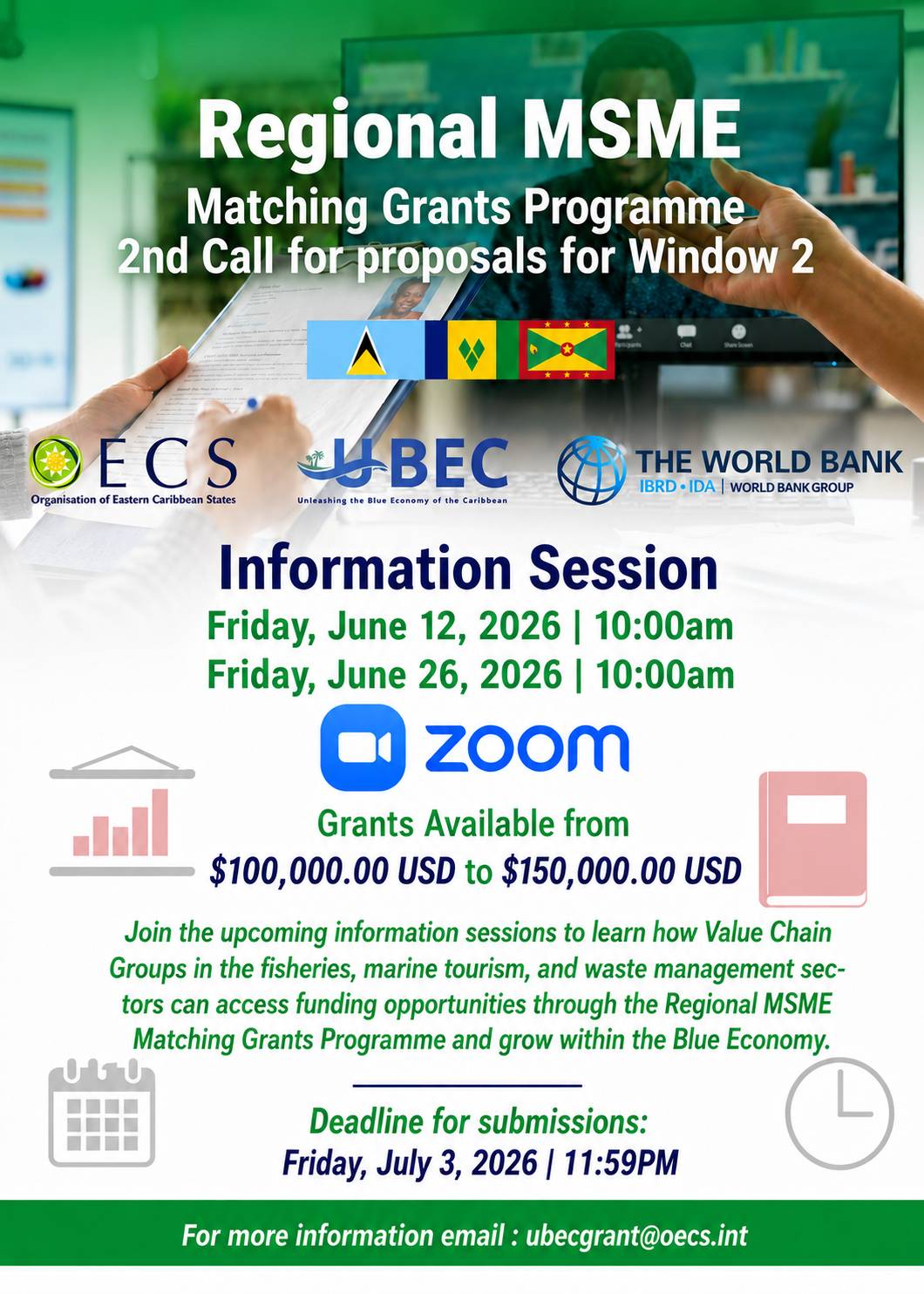
The Organisation of Eastern Caribbean States (OECS) Commission has opened a new call for grant proposals focused on supporting micro, small, and medium-sized enterprises (MSMEs) in the Caribbean blue economy, and is inviting eligible entities to join two upcoming virtual information sessions to walk applicants through the program’s details.
As part of the Regional MSME Matching Grants Programme — the funding arm of the larger World Bank-backed Unleashing the Blue Economy of the Caribbean (UBEC) Project — this second call for proposals operates under the initiative’s Window 2, specifically targeting collaborative value chain groups operating across three Eastern Caribbean nations: Grenada, St Lucia, and St Vincent and the Grenadines.
The scheduled virtual information sessions are designed to give prospective applicants clear, actionable insight into the program’s objectives, eligibility criteria, application submission steps, and the tangible ways this grant funding can boost the growth and market competitiveness of participating blue economy value chain groups. The first session will be held from 10 a.m. to 12 p.m. local time on Friday, 12 June 2026, with registration available at https://bit.ly/49Io3NK. A second identical session will follow two weeks later, running during the same time slot on Friday, 26 June 2026; interested participants can register for this session at https://bit.ly/4uLlCT1. Eligible stakeholders are free to register for whichever session fits their schedule, and program organizers strongly encourage all interested groups to attend at one session to get guidance for building a competitive application.
The core mission of the Regional MSME Matching Grants Programme is to expand and strengthen inclusive economic opportunities within the Caribbean blue economy. It specifically prioritizes MSMEs operating in three high-impact blue economy sectors: commercial fisheries, marine tourism, and marine waste management. For this current call, approved collaborative value chain groups can receive matching grants ranging from $100,000 to $150,000 USD.
To qualify as a value chain group under the program, entities must form a collaborative partnership of at least three registered MSMEs that work in sequence to add incremental value to a shared product or service. Common examples of eligible structures include a group comprising a small-scale fisher, a regional seafood processor, and a local restaurant partnering to streamline access to local premium seafood markets; a marine tour operator, a local accommodation provider, and a coastal transportation company collaborating to deliver enhanced visitor experiences; or a waste collection firm, a regional recycling facility, and a local manufacturer working together to upcycle marine plastic and other waste into new marketable goods.
By supporting these collaborative cross-MSME partnerships, the program targets four key outcomes: raising overall sector productivity, strengthening domestic and regional market connections, boosting climate and economic resilience for small enterprises, and creating long-term sustainable economic opportunities across the blue economy. To be eligible, all participating MSMEs must be legally registered entities operating within the borders of Grenada, St Lucia, or St Vincent and the Grenadines, and the full group must meet all additional eligibility requirements laid out in the official call for proposals documentation.
Application forms and full program documentation are available for download at https://bit.ly/4dh0ZX9. Completed applications must be submitted via email to [email protected], and prospective applicants can direct additional questions to the program’s support inbox at [email protected].
The entire UBEC initiative, which the matching grant program falls under, is financed by the World Bank and implemented on the ground by the OECS Commission. Its overarching goal is to drive sustainable economic growth, encourage innovation, and build long-term resilience across blue economy sectors in the three participating Eastern Caribbean nations.
-
Nieuw ministerie, Olie Gas en Milieu investeert SRD 3,4 miljard in Staatsolie
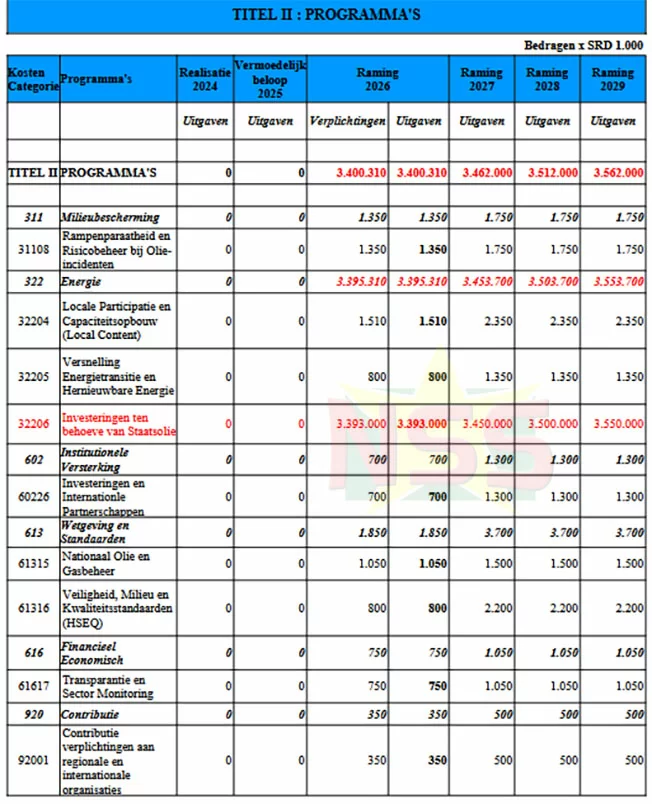
Suriname’s newly established Ministry of Oil, Gas and Environment has earmarked a massive SRD 3.393 billion for investments in state-owned energy giant Staatsolie in its 2026 fiscal budget, a figure that accounts for nearly the entire program budget allocated to the Directorate of Oil and Gas.
A breakdown of the proposed 2026 budget shows the Directorate of Oil and Gas holds a total program budget of just over SRD 3.4 billion, with 99.8% of that allocation directed to the dedicated Staatsolie investment program. Budget documentation explains these capital injections are critical to maintaining and expanding the state oil company’s existing operations, with investments targeted at three core areas: onshore oil production expansion, upgrades to the national refinery, and broader development of Suriname’s energy sector. Ministry officials have explicitly clarified that this funding package is separate from the large-scale offshore GranMorgu project, which will advance through separate financing channels.
While the overwhelming majority of the 2026 budget focuses on direct Staatsolie investments, the directorate has set aside modest, targeted allocations for sector-wide governance, regulatory development, and oversight. A total of SRD 1.51 million has been allocated to develop a local content policy, designed to help Surinamese domestic businesses and local workers capture a greater share of economic opportunities generated by the fast-growing oil and gas sector.
Another SRD 1.35 million is budgeted for disaster preparedness and risk management for oil-related incidents. This funding will enable the government to update the National Oil Spill Response Plan, conduct emergency response drills, and carry out comprehensive risk assessments for all offshore energy operations.
Additional smaller allocations will support the development of a national oil and gas policy framework, modernization of outdated petroleum legislation, strengthening of industry safety and environmental standards, and expanded sector transparency. As part of the transparency push, Suriname is working toward alignment with global open governance initiatives including the Extractive Industries Transparency Initiative (EITI).
The 2026 budget also formalizes the operational buildout of the new directorate itself. More than SRD 7 million is allocated for wages and salaries to fill new roles, while an additional SRD 7.8 million is reserved for operational goods and services. The budget outlines plans to staff multiple specialized departments to carry out the directorate’s core regulatory and development mandates.
Taken together, the 2026 spending plan positions the newly created ministry to play a central role in guiding Suriname’s oil and gas sector development from its first full fiscal year of operation. At the same time, the extreme concentration of funding confirms that targeted investment in Staatsolie remains the overwhelming near-term priority for the country’s energy strategy.