博客

  • Antigua and Barbuda Officials Gain Climate Resilience Training in China

    Antigua and Barbuda Officials Gain Climate Resilience Training in China

    As a Small Island Developing State (SIDS) perpetually on the frontlines of climate change, Antigua and Barbuda is stepping up its capacity to mitigate and respond to climate-linked disasters by leveraging international knowledge sharing and partnership. Two of the country’s public officials recently completed a two-week capacity-building program hosted in China, centered on early warning infrastructure and climate change adaptation, equipping them with actionable insights to advance national climate goals.

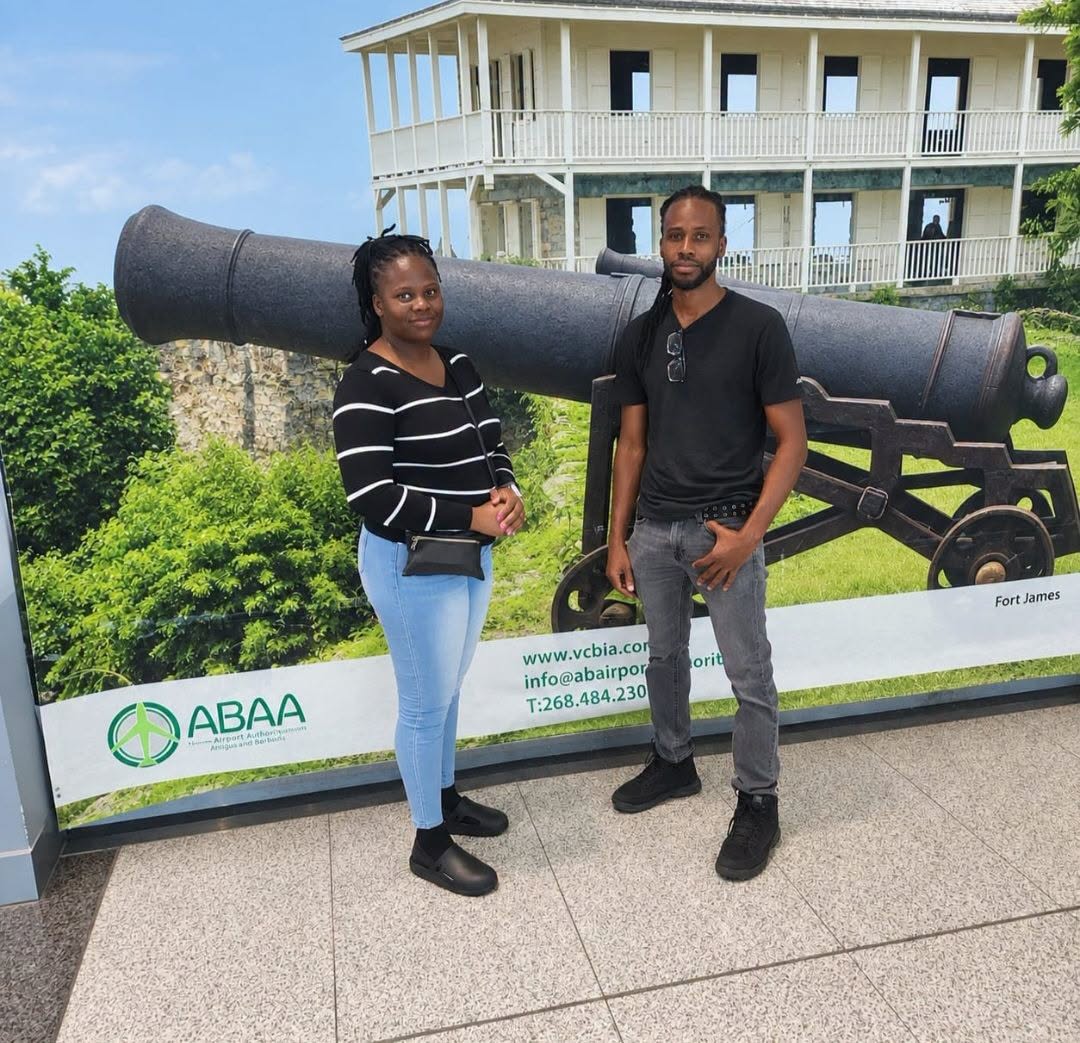
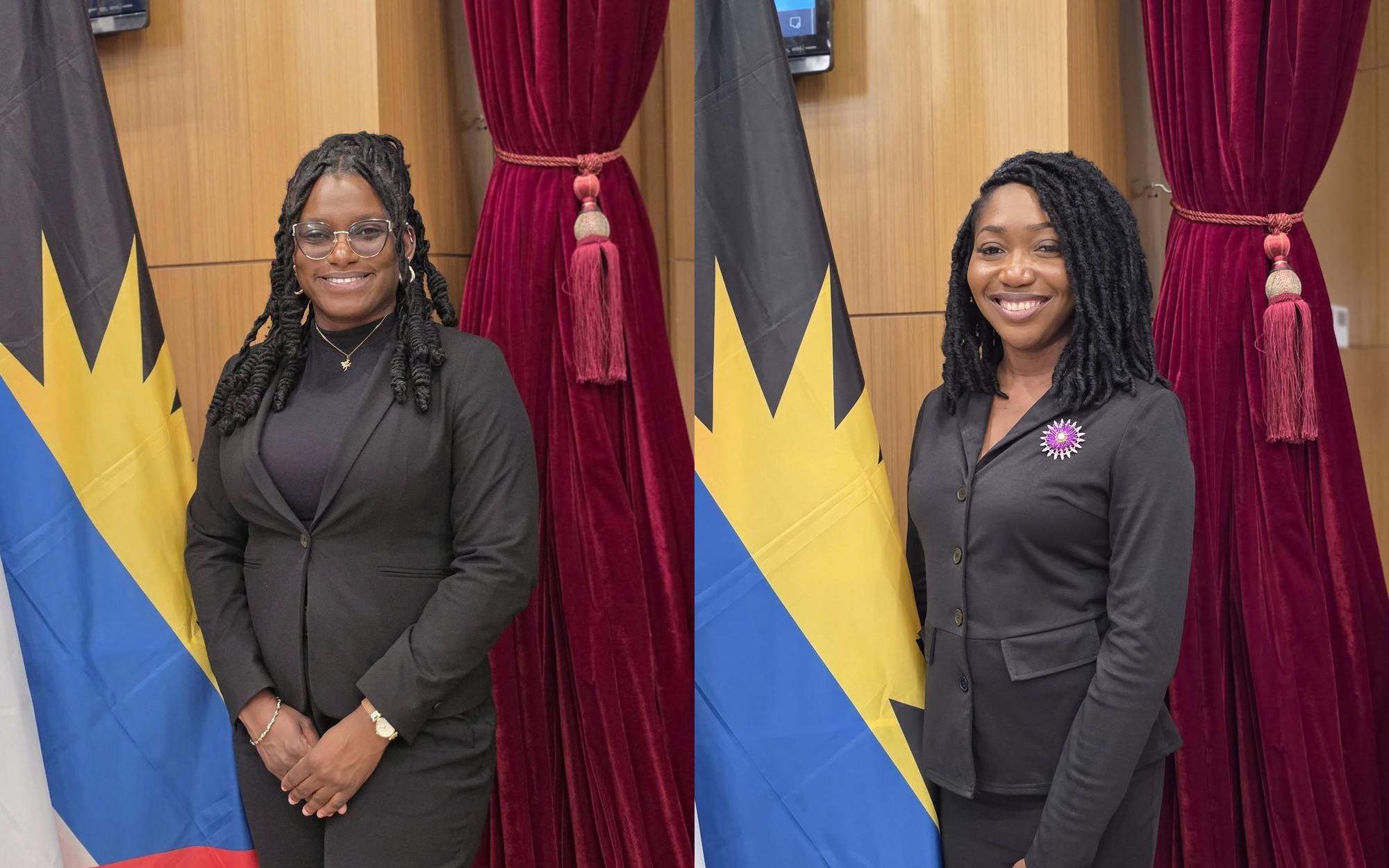
    Zariya Russell, Technical Officer at Antigua and Barbuda’s Department of Environment, and J’noure Smith-Kellman, Communications Officer at the national Ministry of Health, were the two representatives who participated in the seminar. Over the course of the program, attendees delved into China’s tested frameworks for climate risk management, pre-disaster preparedness, and technology integration to reinforce early warning and emergency response systems. A core focal point of discussions was the critical need to translate complex scientific climate data into clear, timely, and actionable alerts that reach frontline communities directly.

    The seminar curriculum covered a broad range of high-priority topics aligned with Antigua and Barbuda’s most pressing climate challenges. Key thematic areas included climate change adaptation strategies, disaster risk reduction protocols, meteorological monitoring and forecasting techniques, end-to-end early warning system design, climate information service delivery, coordinated emergency preparedness and response, and the role of emerging technology and innovation in boosting community climate resilience. Attendees also gained firsthand exposure to China’s institutional experience embedding early warning data into policy decision-making and pre-event preparedness planning, with a specific emphasis on building coordinated cross-sector systems that align technical agencies, government bodies, and local communities through all phases of a climate hazard event: before, during, and after a disaster strikes.

    For Antigua and Barbuda, every insight gained from the program carries outsized national relevance. The low-lying island nation faces constant, existential threats from a range of climate-related hazards: intense hurricanes, destructive tropical storms, widespread coastal flooding, accelerating sea-level rise, and other extreme weather events that have grown more frequent and severe amid global warming. The seminar created a critical space for the country’s representatives to examine how global expertise and cutting-edge technological advances can be adapted to fit Antigua and Barbuda’s unique national context for climate adaptation and disaster preparedness.

    Beyond technical knowledge acquisition, the participation of the two national officials deepened Antigua and Barbuda’s access to proven approaches for advancing climate resilience, while also strengthening the professional skills of local staff and expanding mutually beneficial international cooperation on climate action. For the country’s Department of Environment, the learnings from the seminar directly support ongoing work to scale up climate adaptation action, reinforce national environmental resilience, and integrate evidence-based climate information into national development planning and government decision-making. For the Ministry of Health, the program reinforced how critical effective risk communication is to ensuring that clear, timely, and accessible information about environmental and climate hazards reaches the general public, empowering communities to take proactive protective action.

    Looking ahead, the knowledge and connections gained through the seminar will underpin closer cross-agency and multi-stakeholder collaboration across Antigua and Barbuda, as the country advances its ongoing efforts to strengthen national disaster preparedness, boost public climate awareness, and build long-term resilience against the growing impacts of anthropogenic climate change.
  • Pope Leo Says AI Risks Should Not Be Ignored

    Pope Leo Says AI Risks Should Not Be Ignored

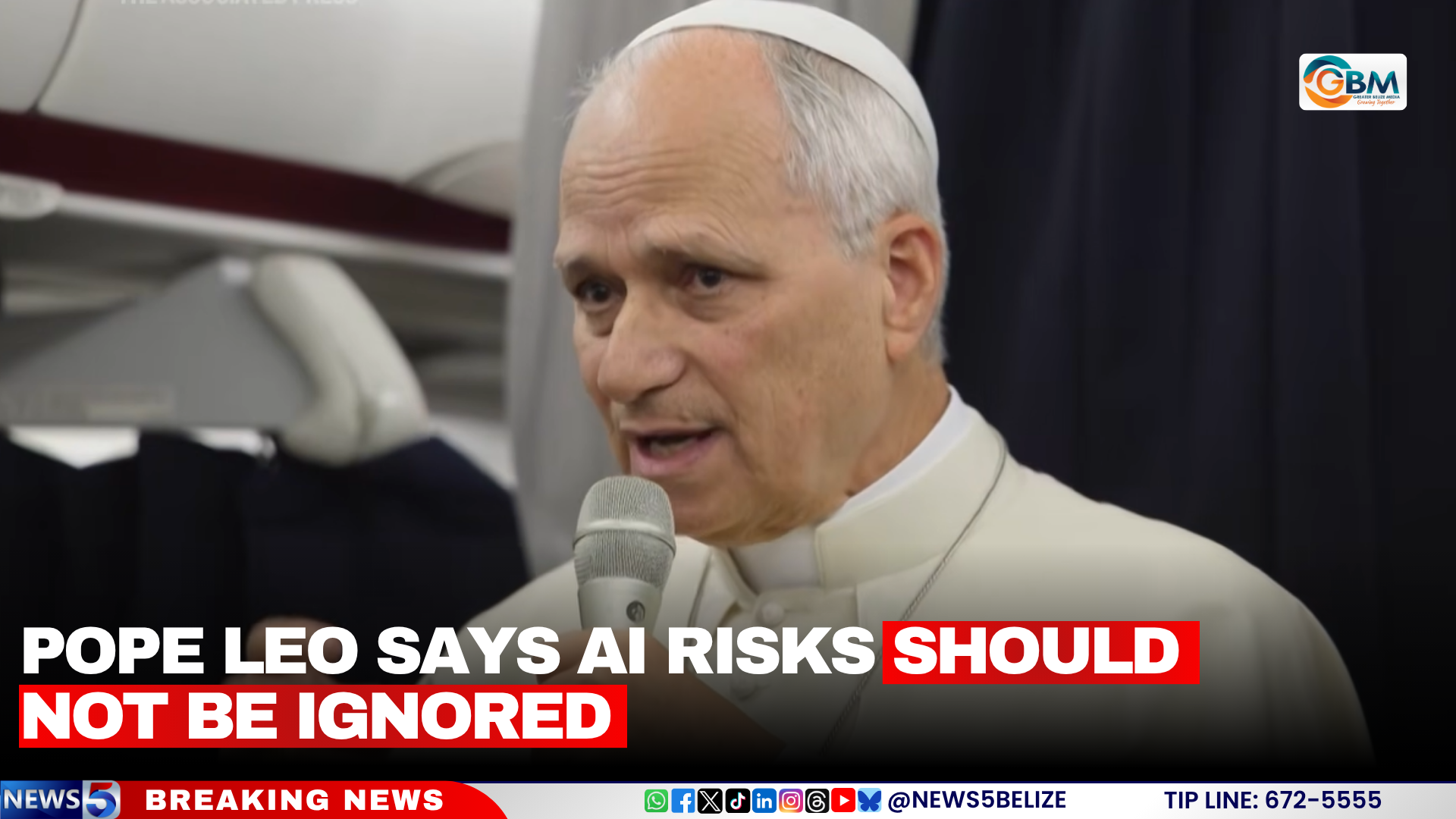
    In a recent press briefing aboard the papal aircraft following an official visit to France, Pope Leo XIV has delivered a measured but urgent call for global stakeholders to take the growing risks of unregulated artificial intelligence seriously, pushing back against the complacent attitude that assumes advanced AI systems will never pose tangible harm to humanity. The pontiff clarified that his stance is not rooted in panic, but in a deliberate recognition that expert warnings about AI’s potential dangers deserve serious consideration from global leaders and tech developers alike.\n\n”If someone were to ask me, am I in panic mode? No, I’m not. I sleep at night,” Pope Leo told reporters, emphasizing that his concern is grounded in responsibility rather than fear. He rejected claims that the alarms raised by leading AI researchers are unfounded “fake news”, stressing that these concerns demand deliberate, collaborative engagement rather than dismissal.\n\nDrawing on recent public comments from Nvidia CEO Jensen Huang, who has repeatedly advocated for placing intentional guardrails around AI development, Pope Leo highlighted the ongoing global debate over what safeguards are needed to limit high-risk AI capabilities. He articulated a clear vision for cross-sector collaboration, arguing that political leaders, top AI industry executives, civil society organizations, and religious groups must convene to assess both current AI developments and long-term risks that could emerge as the technology grows more powerful.\n\n”We need to continue to invite political leaders, the leaders of AI, social organizations, associations to come together and look at what is happening already and what could be put down the road,” he said. “Simply closing one’s eyes to possible risks and saying ‘it’s not gonna happen’ would not be the most responsible approach.”\n\nIn a surprise reveal during the briefing, Pope Leo confirmed that the Vatican has launched its own internal commission focused exclusively on artificial intelligence, marking the Holy See’s formal institutional response to the ethical and societal challenges posed by advancing AI technology. This move aligns with the pontiff’s deepening focus on AI governance since he assumed the role of pope: just months earlier in May 2026, he released his first encyclical centered on the critical topic of protecting human dignity and autonomy in the AI era.\n\nPope Leo’s intervention comes at a time of intensifying global debate over AI regulation, as leading tech figures and researchers have repeatedly called for coordinated international action to mitigate catastrophic risks from unregulated advanced AI development. The pontiff’s call for cross-sector collaboration adds a prominent global moral voice to the growing chorus of advocates for proactive risk management.

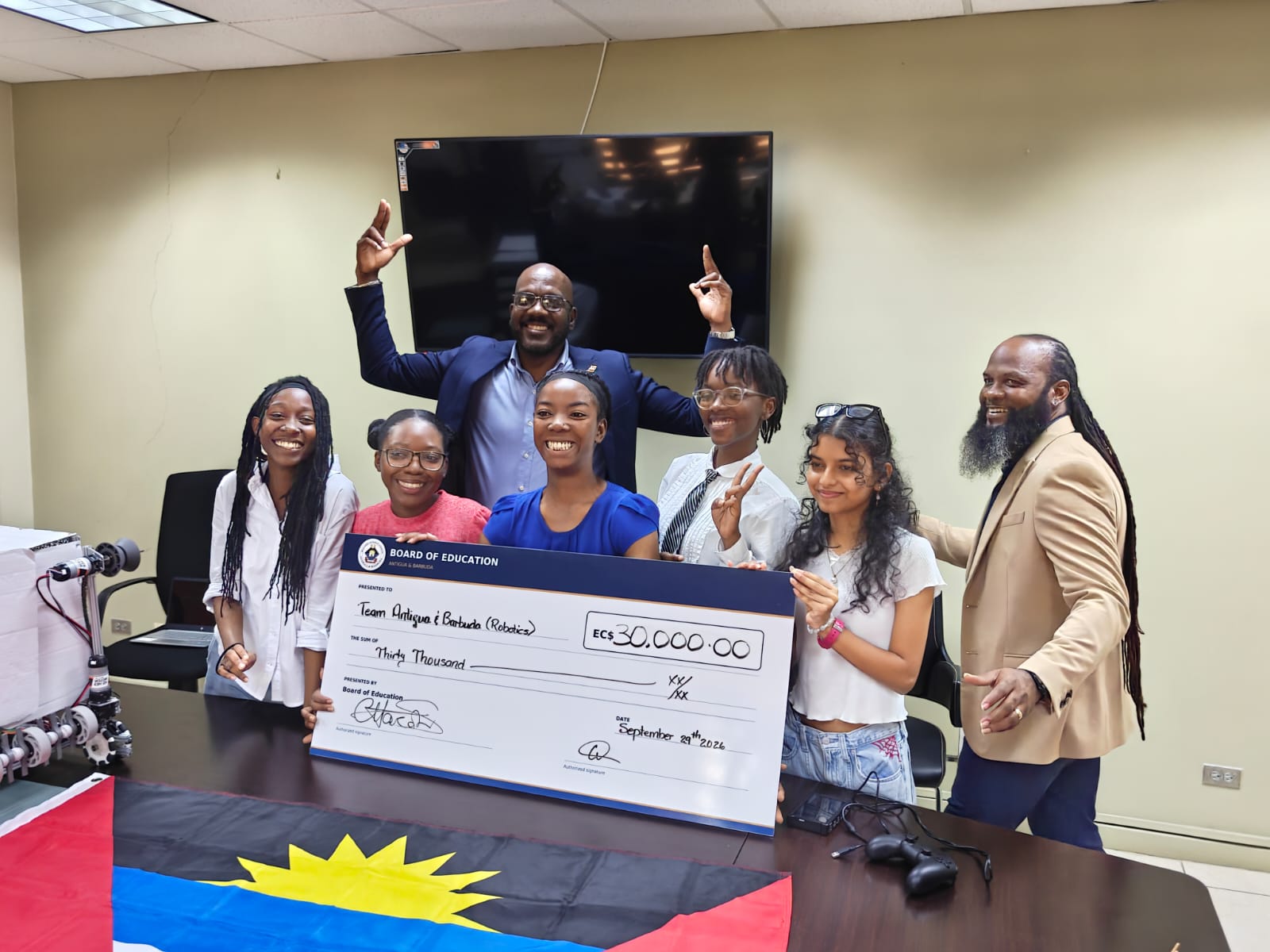
  • Board of Education contributes EC$30,000 to all-girls robotics team for South Korea competition

    Board of Education contributes EC$30,000 to all-girls robotics team for South Korea competition

    A groundbreaking milestone for women in STEM education has emerged in Antigua and Barbuda, as the nation’s first-ever all-female robotics team has secured critical financial backing to compete on the global stage. The local Board of Education has allocated EC$30,000 to cover the team’s participation costs for the 2026 FIRST Global Challenge, scheduled to take place from October 7 to 10 in Incheon, South Korea, with additional institutional support coming from the country’s Ministry of Education, Science and Technology.

    Chet Jacobs, Executive Financial Administrator at the Board of Education, emphasized that this sponsorship is more than just travel funding—it is an investment in the next generation of STEM leaders. By removing financial barriers, the initiative creates space for these young women to refine their technical capabilities and gain hands-on experience across science, technology, engineering, and mathematics, fields that have long been disproportionately male-dominated.

    The 2026 FIRST Global Challenge, centered on the theme “Igniting Innovation”, is one of the world’s largest international youth robotics competitions, expected to welcome over 190 national teams from across every inhabited continent. This year’s simulated competition task focuses on a pressing global issue: wildfire prevention, mitigation, and recovery. Participating students will be required to design, build, and program fully functional robots capable of completing targeted challenge tasks, while also collaborating cross-culturally with international teammates to align strategies, share innovative solutions, and optimize collective robot performance.

    Earlier this week, Minister of Education, Science and Technology The Hon. Daryll Matthew welcomed the five team members to the ministry’s headquarters, where the students presented a live demonstration of their in-progress robot prototype. During the meeting, Matthew praised the team as a showcase of the untapped talent thriving in Antigua and Barbuda’s education system. “This team proves how much exceptional potential we have growing in our schools, and it reinforces why we must keep prioritizing and investing in STEM education,” he stated. “We are incredibly proud to stand behind this team, and we hope their journey inspires more young people across the country to pursue careers in science and technology.”

    The trailblazing team is made up of five young women from across the country, each with distinct STEM-focused career aspirations: 16-year-old Hannah Masson serves as team leader and hopes to one day work as a forensic pathologist; 15-year-old Audella-Mae James fills the role of lead engineer and aims to become an astrophysicist; 16-year-old Gyanna Ryan leads the team’s coding work and plans to practice architecture; 14-year-old Sidea Ambrose is the team’s primary robot driver with dreams of working in interior design; and 14-year-old Neola Noronha manages team inventory and aspires to a career in biomedical engineering. All five students were selected for the team through the competitive TechByte summer STEM camp, and they receive ongoing mentorship from tech educator Asanti Bacchus.

    The team is currently in the active testing and modification phase of robot development, meticulously documenting every iteration of their design, testing results, and problem-solving process in a formal engineering notebook, a requirement for all competing teams. Masson, speaking on behalf of the group, extended gratitude to both the Board of Education and the Ministry for their financial and institutional support. “This opportunity means the world to us—it gives us the chance to stand on a global stage and represent Antigua and Barbuda,” she said. “Most of all, we hope other young girls will see what we’re doing and feel encouraged to get involved in robotics and STEM too.”

  • Two Antigua and Barbuda EMS Personnel Off to EMS World 2026 in Orlando, Florida

    Two Antigua and Barbuda EMS Personnel Off to EMS World 2026 in Orlando, Florida

    The Antigua and Barbuda Emergency Medical Services (ABEMS) has made an exciting announcement highlighting a major milestone for the organization’s professional growth: two of its standout staff members, department supervisor Akelia Carr and experienced paramedic Mauli George, have been chosen to represent the agency at EMS World 2026, one of the most prominent global gatherings for emergency medical services professionals. The high-profile conference is scheduled to run from September 29 through October 5, 2026, at the Orange County Convention Center in Orlando, Florida.

    This opportunity for Carr and George to attend the international event is far more than a professional development perk for the two individuals; it underscores ABEMS’ long-standing, unwavering dedication to advancing industry expertise across the entire department. For years, the agency has prioritized continuous learning, upskilling for frontline staff, and the ongoing improvement of emergency medical outcomes for every resident and visitor across Antigua and Barbuda. Investing in attendance at a leading global conference aligns directly with that core institutional mission.

    Organizers of EMS World design the annual event to bring together emergency medical providers, industry leaders, and innovators from across the globe to share cutting-edge research, emerging clinical techniques, new operational frameworks, and the latest advances in pre-hospital care. During the week-long conference, Carr and George will take part in hands-on skills workshops, keynote presentations from global EMS pioneers, panel discussions on systemic challenges and solutions in pre-hospital care, and networking sessions with peers from dozens of countries.

    Once the pair returns home from Orlando, ABEMS has planned a structured knowledge-sharing initiative to ensure the entire department benefits from their participation. Carr and George will lead internal training sessions, develop updated operational guidelines based on new best practices learned at the conference, and disseminate key takeaways to all on-duty teams across the nation. ABEMS leadership anticipates this cross-department knowledge transfer will deliver tangible, long-lasting improvements: it will boost the agency’s overall operational capacity, streamline service delivery protocols, and ultimately raise the standard of emergency care available across the twin-island nation.

    As the two professionals prepare to represent Antigua and Barbuda on this global professional stage, ABEMS has officially extended its full support and warm best wishes to the pair. Agency leadership has emphasized that it eagerly anticipates the meaningful, far-reaching contributions the two will make to local emergency care when they return with their new insights and skills.

  • BREAKING: Men Accused of Killing “Tanga” Walk Free After Key Witness Vanishes

    BREAKING: Men Accused of Killing “Tanga” Walk Free After Key Witness Vanishes

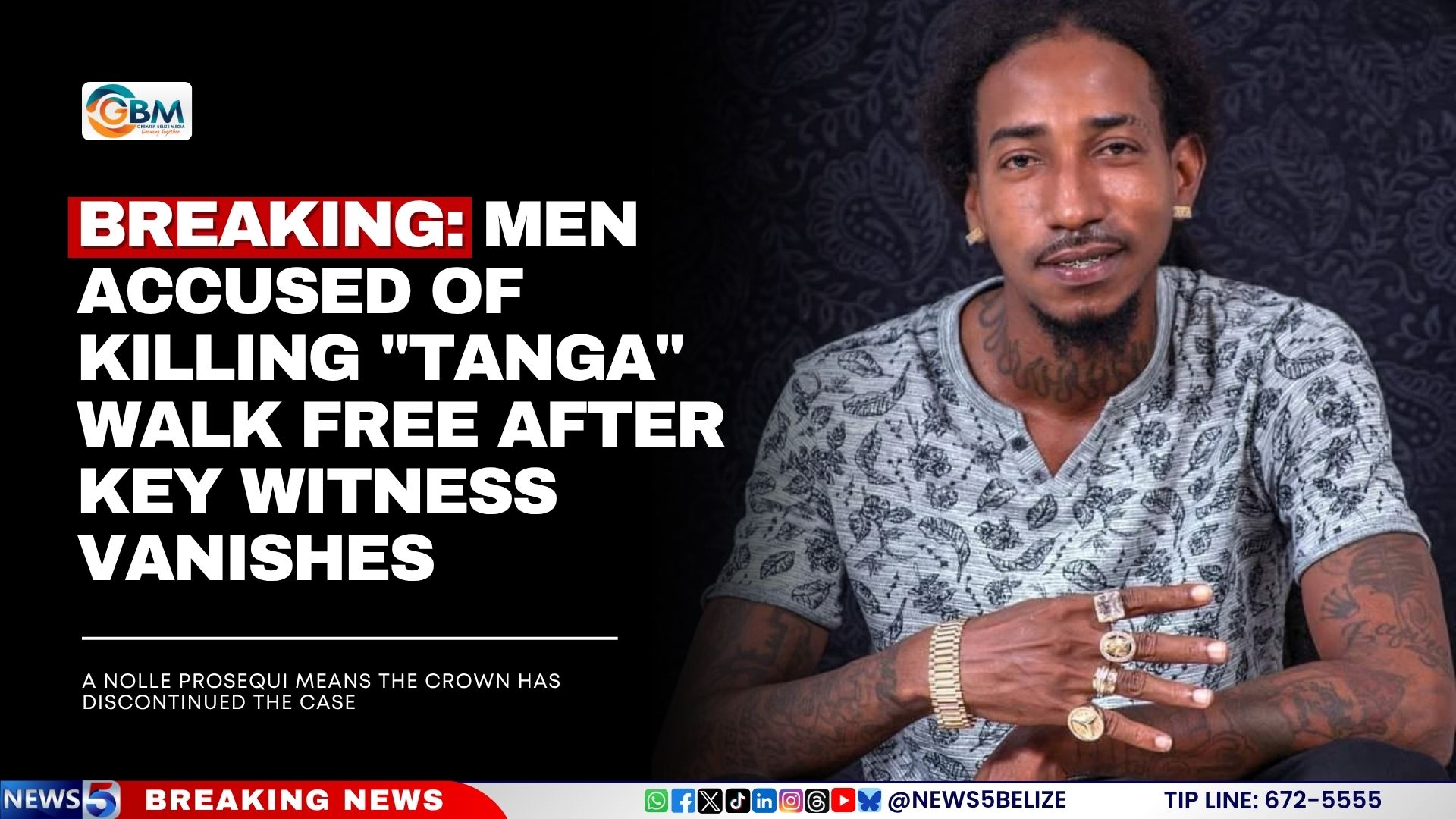
    In a stunning development out of Belize District, two men charged in the high-profile 2022 shooting death of Winston Joseph James, widely known by his street name “Tanga,” have been released from custody after prosecutors discontinued their case. The sudden termination of proceedings comes after the prosecution’s critical star witness vanished without a trace just days before the start of the long-awaited trial.

    The accused—23-year-old Azzane Domingo and 36-year-old Eustace Lewis, both linked to the George Street area—were formally served with a nolle prosequi, a legal order halting prosecution, shortly before 10 a.m. on September 29, 2026. Domingo was identified early in the investigation as the suspected gunman, while Lewis was only charged in 2024 on abetment to murder charges connected to the killing. The case also included an attempted murder charge for the attack on James’ girlfriend, who was in the vehicle with him during the shooting.

    Authorities launched a urgent five-day search for the key witness, Shemaud “Sabe” Nunez, after he failed to appear for court. The search was triggered last Thursday, when Crown prosecutors first requested a delay from Justice Candace Nanton to locate Nunez. Despite exhaustive efforts by law enforcement, no trace of the witness has been found, leaving the prosecution without its core evidence to secure a conviction.

    It is important to note that a nolle prosequi is not equivalent to a formal acquittal. Under Belizean legal rules, prosecutors retain the right to reactivate the criminal charges against both men at any point in the future if new evidence, including the reappearance of Nunez, becomes available.

    The tragic killing that sparked the case took place on January 21, 2022. James was driving a Nissan Pathfinder with his girlfriend when multiple gunshots struck his vehicle, killing him at the scene. The disabled car ultimately crashed into a building located near a local canal. While surveillance video of the area exists, it has proven insufficient to secure a conviction on its own. The footage only captures James leaving his attorney’s office on Church Street, crossing a nearby bridge, and entering his vehicle moments before the shooting began. The significant distance between the camera’s position and the actual shooting site means even enhanced video analysis cannot definitively confirm the shooter’s identity.

  • Defending champions advanced to BRTO semis

    Defending champions advanced to BRTO semis

    The road to the 202X Barbados Road Tennis Open (BRTO) title is narrowing, as the final four contenders in both men’s and women’s singles were decided after a dramatic day of quarterfinal action at the Dover courts on Monday. Despite multiple weather delays caused by intermittent rain, the sport’s top stars delivered dominant performances, securing straight-set victories across multiple divisions to book their spots in Wednesday’s semifinal round set to take place at the Wildey Gymnasium.

    In the men’s draw, defending champion Shakeem Nurse turned in a particularly masterclass performance, brushing aside Darius Barruckus Gaskin in just 25 minutes to seal a 21-12, 21-10 straight-sets win. Joining him in the semis is three-time BRTO champion Mark “Venom” Griffith, who matched Nurse’s quick pace with an equally lopsided 21-10, 21-12 victory over Adrian Scott, also closing out his match in 25 minutes.

    Third seed Dario Hinds was tested in his quarterfinal matchup against Shawn Spencer, dropping the first set 19-21 in what would become a hard-fought three-set battle. But Hinds’s superior experience and physical conditioning ultimately saw him pull away in the final two frames, winning 21-12, 21-9 to advance. The last men’s semifinal spot went to Davien “Force Ripe” Taylor, who turned in a crowd-pleasing, power-hitting display to beat Stephen Payne 21-18, 21-12 in straight sets. The semifinal matchups are set: Griffith will face Taylor, while Hinds takes on Nurse.

    In women’s play, the biggest upset of the day came from teenage contender Kezia Blunt, who knocked out her own mother, Maudlyn Blunt, in a closely contested straight-set win of 21-18, 21-19. Defending ladies champion Sheldene Walrond showed no signs of pressure, however, delivering a composed, workmanlike performance to cruise past Maria Flowers Cumberbatch 21-14, 21-12. Former champion Kim Holder was equally in control during her match against Gale-Ann Edwards, wrapping up a comfortable 21-14, 21-15 win in just 27 minutes, while Rachel Smith outclassed Denise Collymore 21-11, 21-12 to secure a spot in her latest BRTO semifinal. Wednesday’s women’s semifinal will see a rematch of last year’s final between Smith and Waldron, while Holder goes up against young upset winner Blunt.

    Quarterfinal play also concluded in the juniors division, with Amir Yearwood-Gibson claiming a hard-fought 21-18, 24-26, 21-18 victory over Nathan Stuart. Jacoby Ellis advanced with a dominant 21-7, 21-16 win over Ky-mani Fedee, while Ryan Hunte edged out Kelanni Ellis 21-18, 21-19. Rounding out the junior semifinalists is Ranacko Beckles, who stopped Nolan Stuart 21-15, 21-14.

  • Super El Niño Predicted to Cause More Than 400,000 Deaths

    Super El Niño Predicted to Cause More Than 400,000 Deaths

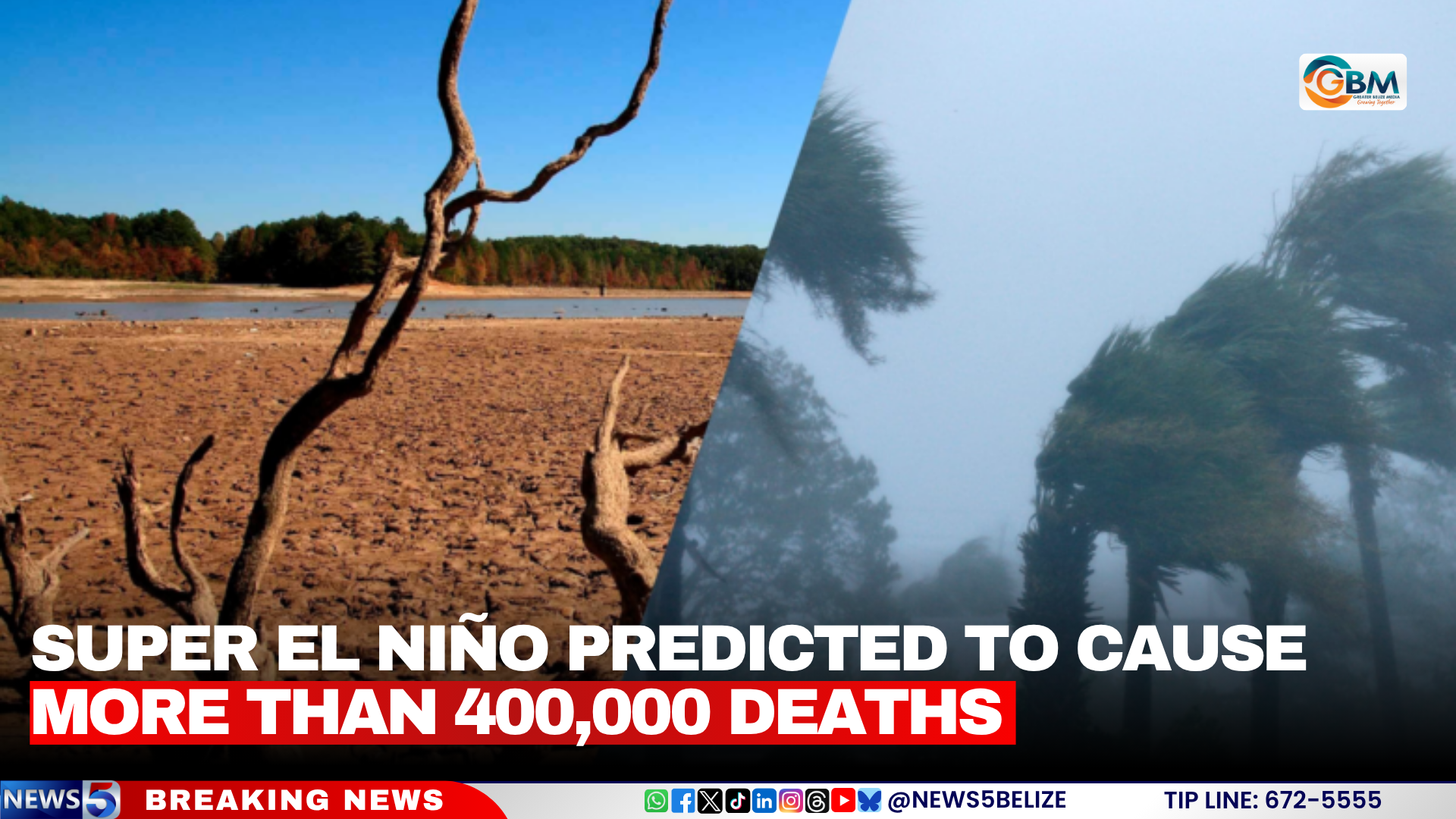
    As mid-September 2026 arrived, climate monitors recorded a worrying milestone in the tropical Pacific: sea surface temperatures in the key Niño-3.4 monitoring region hit 3°C above long-term averages, pushing an already strengthening El Niño event toward unprecedented intensity. Forecasters from leading global climate institutions are now sounding the alarm that this weather phenomenon is on track to become one of the most powerful El Niños recorded in modern climate history, with far-reaching consequences for global weather patterns and human life.

    The most recent data analysis from the International Research Institute for Climate and Society (IRI) confirms the sharp rise in the Niño-3.4 index, the standard metric for tracking El Niño conditions. Every single one of the 22 climate models tracked by IRI points to the event maintaining exceptional strength through the 2026-2027 Northern Hemisphere winter, with multiple models projecting peak sea surface temperatures will remain above the 3°C threshold that defines an extreme El Niño. Echoing this warning, the World Meteorological Organization (WMO) has stated that El Niño conditions are likely to persist through at least February 2027, reshaping global climate systems for months to come.

    Strong El Niño events are well-documented for their ability to disrupt global rainfall and temperature distributions, amplifying the risk of concurrent climate extremes: prolonged drought in some regions, catastrophic flooding in others, and widespread extended heatwaves across much of the globe. A new study from the University of Chicago’s Climate Impact Lab has now quantified the staggering human toll that this upcoming extreme event could bring. The research projects that between June 2026 and February 2027, the additional heat driven by this Super El Niño will lead to roughly 451,000 excess heat-related deaths worldwide, when compared to mortality figures for a typical non-El Niño year.

    According to the report’s projections, average global land temperatures over the coming months will settle around 1.2°C above the long-term baseline, with the number of extreme heat days set to be 44% higher than what populations normally experience. The burden of these impacts will not be shared equally: the Climate Impact Lab researchers warn that low- and middle-income nations in the Global South, particularly across Africa, South Asia and Southeast Asia, will bear the heaviest consequences due to higher vulnerability to heat and limited access to adaptive infrastructure like widespread air conditioning and early warning systems.

    Beyond the direct human health impacts, the event is already disrupting global commodity markets. As Reuters reports, heavier-than-usual rainfall tied to El Niño in Brazil — the world’s top sugarcane producer — has delayed harvesting operations and forced producers to shift their processing balances between sugar and ethanol, creating uncertainty for global food and energy supply chains.

    With the event predicted to hold its strength through the end of 2026 and influence weather patterns well into 2027, climate scientists are continuing to closely monitor the evolution of the unusually warm Pacific sea surface temperatures, as governments and humanitarian organizations prepare for the widespread impacts of what the UN has described as a ‘supersized’ El Niño — the strongest event the world has seen in more than 70 years.

  • Indian Coast Guard Rescues Belize-Flagged Vessel Off Odisha Coast

    Indian Coast Guard Rescues Belize-Flagged Vessel Off Odisha Coast

    In a large-scale coordinated maritime emergency operation that concluded successfully off India’s eastern coast, the Indian Coast Guard has pulled off the full rescue of a disabled Belize-registered cargo tanker carrying 23 crew members, eliminating major risks of a shipwreck and large-scale palm oil pollution, authorities confirmed this week.

    The incident unfolded at approximately 7:30 a.m. local time on Sunday, September 27, 2026, when the 9,000-metric-tonne palm oil tanker MT Seagull 9 issued an urgent distress signal from its position roughly 37 nautical miles east-southeast of Paradip, a major port in the eastern Indian state of Odisha. The vessel had suffered catastrophic main engine failure that left it dead in the water, followed by uncontrolled flooding in its ballast tanks that caused the ship to tilt at a dangerous angle, putting all on board at immediate risk of sinking.

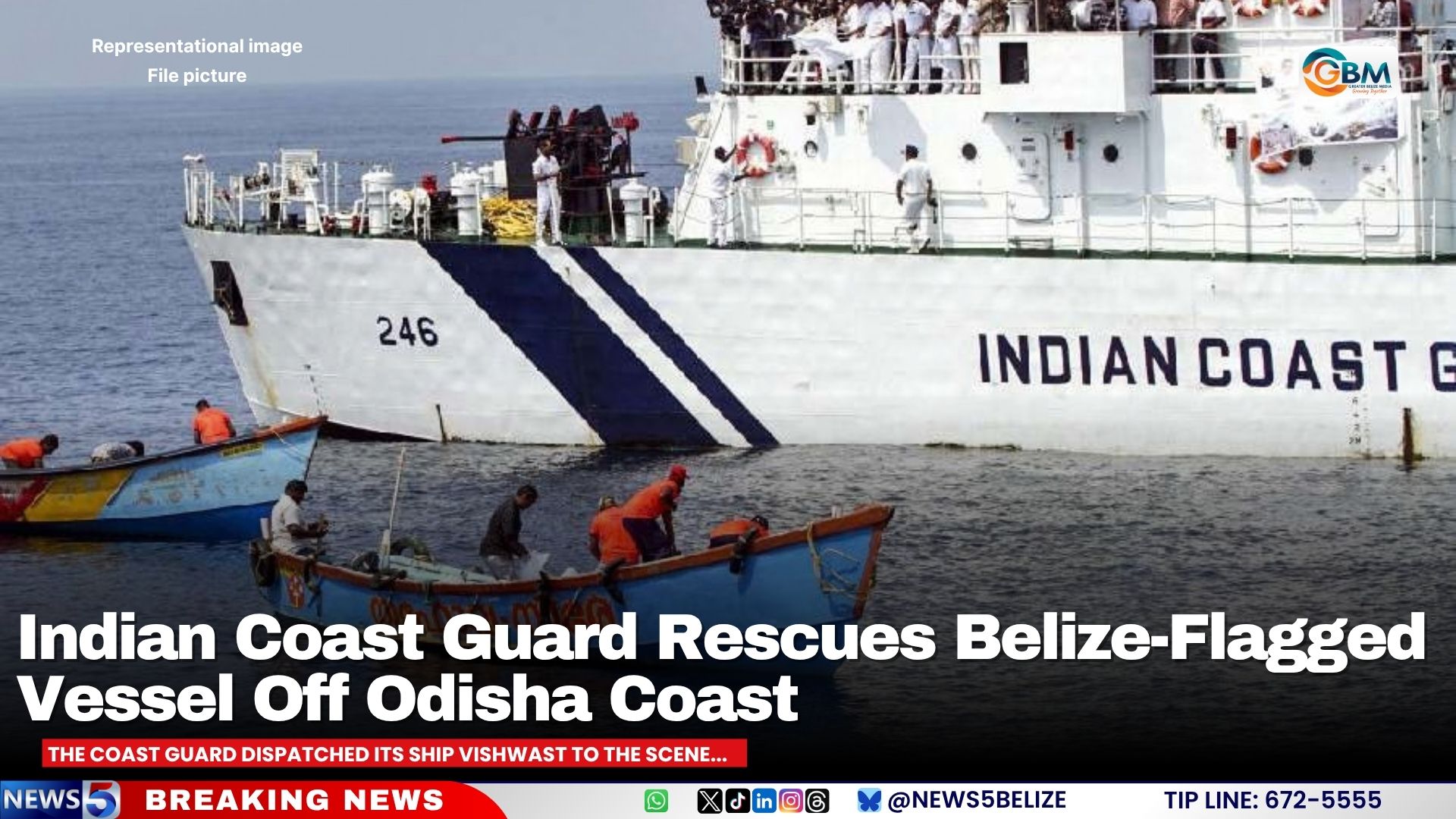
    Within minutes of receiving the distress call, the Indian Coast Guard mobilized a multi-asset response team, dispatching its offshore patrol vessel Vishwast to the incident site at full speed. A specialized damage control team was deployed to board the listing tanker, where technicians immediately got to work containing the flooding: submersible pumps were brought on board to remove excess water, two severely damaged seawater pipelines were completely sealed off, and a third fractured line was successfully contained to stop further leakage into the vessel’s hull.

    To prepare for the potential risk of an oil spill into the Bay of Bengal, a dedicated pollution control vessel and a second offshore patrol vessel were rerouted from nearby operations to the scene to stand by for rapid response and continuous environmental monitoring. A Dornier reconnaissance aircraft operated by the Indian Coast Guard also launched from the regional hub in Bhubaneswar to carry out round-the-clock aerial surveillance of the incident zone and monitor any signs of pollution.

    Over the following hours, teams carried out coordinated controlled cargo transfer and systematic de-flooding operations that gradually stabilized the listing tanker, completely eliminating the imminent risk of capsizing. While a small, thin palm oil sheen was detected in waters adjacent to the vessel during the first day of operations, full aerial and surface surveys conducted by Monday confirmed the minor sheen had dissipated completely with no lasting environmental impact.

    Following the successful stabilization of the MT Seagull 9, the Paradip Port Authority’s tugboat Dolphin took over the operation, towing the disabled vessel to the designated anchorage area off Paradip Port, where repair work on the failed main engine is now underway. All 23 crew members aboard the tanker remained safe throughout the entire rescue operation, with no reported injuries.

  • COMMENTARY: Caribbean leaders deeply divided over multilateralism

    COMMENTARY: Caribbean leaders deeply divided over multilateralism

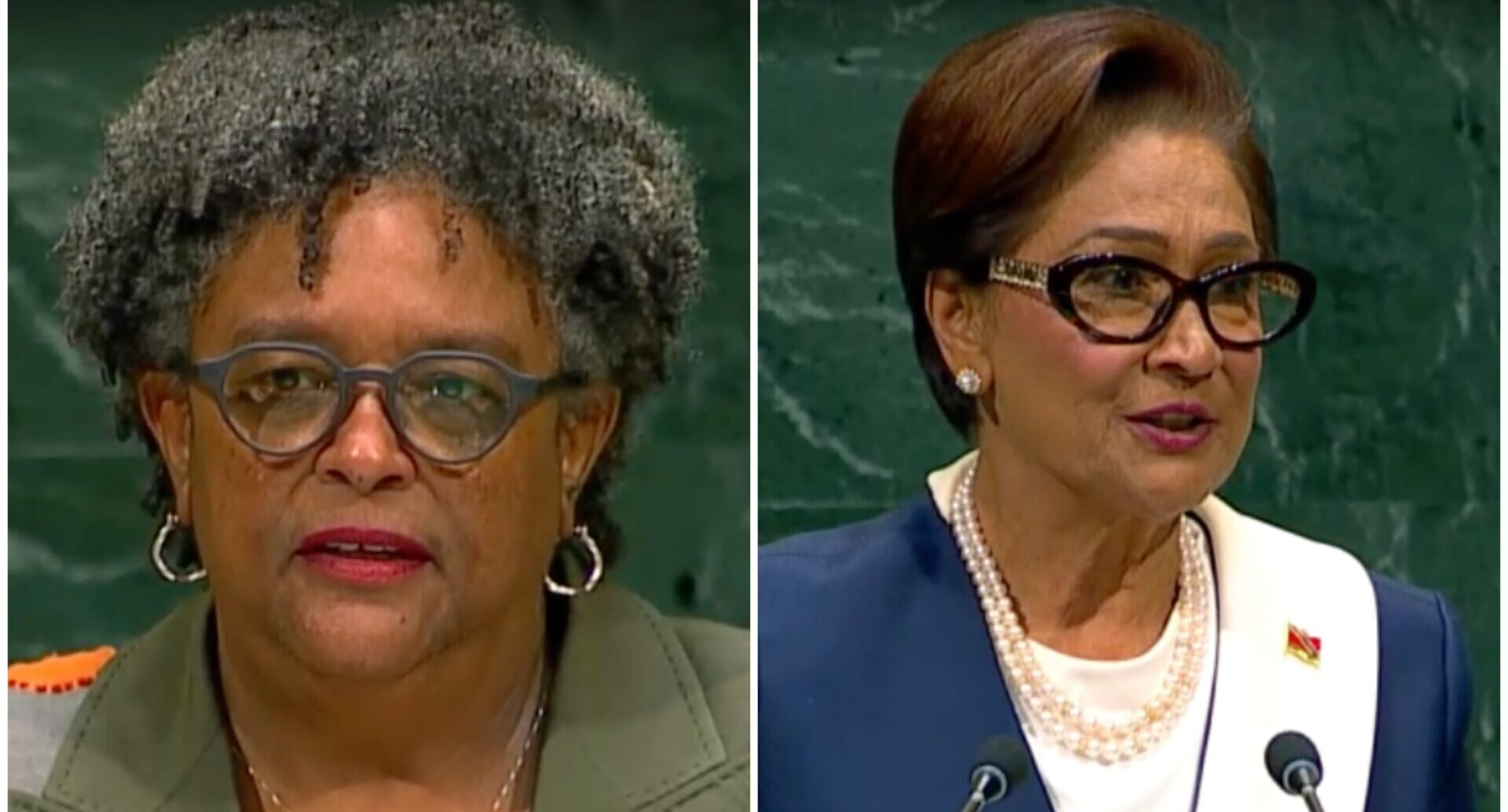
    At the 2026 United Nations General Assembly (UNGA) High-level Week, two of the Caribbean Community (CARICOM)’s most influential leaders took the stage just two days apart, delivering addresses that laid bare a growing, fundamental rift over multilateralism, regional alignment, and the role of small island states in global geopolitics. For the second consecutive year, Prime Minister Kamla Persad-Bissessar of Trinidad and Tobago and Prime Minister Mia Mottley of Barbados outlined competing paradigms for international cooperation, reflecting deep divisions that have shaken the foundation of CARICOM’s decades-long tradition of collective foreign policy coordination.

    Persad-Bissessar, who spoke first on September 22, framed her foreign policy vision around the existing structure of global power, advancing a transactional approach to international relations aligned with the current geopolitical order. Fresh off securing Trinidad and Tobago’s second ever non-permanent seat on the UN Security Council (UNSC) for the 2027–2028 term, she announced a landmark strategic realignment: a deepening security partnership with the United States centered on countering transnational organized crime and illicit trafficking. Endorsing U.S. military and counter-narcotics operations across the Latin America and Caribbean (LAC) region, Persad-Bissessar aligned Trinidad and Tobago with two key U.S.-led security initiatives: the Shield of the Americas and the Americas Counter Cartel Coalition (ACCC). For Port of Spain, this alignment is driven by domestic law-and-order priorities and what it frames as pragmatic geopolitical positioning, with Persad-Bissessar promising an “independent and practical outlook” during Trinidad and Tobago’s upcoming UNSC tenure that prioritizes finding common ground on global security challenges.

    Two days later, Mottley offered a fundamentally contrasting vision that directly challenged the status quo of global governance. Rooting the current crisis of multilateralism in historical inequities and outdated power structures that date back to the post-WWII order, Mottley argued that small island developing states (SIDS) like Barbados are consistently failed by major international institutions that exclude them from critical decision-making. Her address pushed for sweeping UN reform, including restructuring the UNSC, to make global governance more responsive to the needs of vulnerable nations. Expanding on the goals of the Barbados-led Bridgetown Initiative, Mottley called for the World Bank to revise its mandate to prioritize climate adaptation funding, expand concessional finance access for at-risk nations, and introduce natural disaster debt pause clauses. She also reaffirmed Barbados’ commitment to reparatory justice, warned of the risks posed by unregulated artificial intelligence, and pushed back against expanding great power influence in the region, reasserting the Caribbean’s long-standing claim to be a “Zone of Peace” in the face of growing U.S. unilateral military and security expansion.

    This divergence at the UNGA is not just a difference in rhetoric—it reflects a growing foreign policy cleavage across CARICOM, a 14-member bloc whose founding treaty enshrines collective foreign policy coordination as a core principle. The rift has widened dramatically since Persad-Bissessar returned to office in May 2025 following her party’s general election victory, as Trinidad and Tobago has openly aligned with the U.S.’s updated Monroe Doctrine (branded the Donroe Doctrine in the 2025 U.S. National Security Strategy and 2026 National Defense Strategy), putting it at odds with most of its CARICOM counterparts. The bloc’s divisions are particularly visible in the debate over U.S. sanctions on Cuba: Trinidad and Tobago has repeatedly refused to back CARICOM statements criticizing the tightening restrictions, while other member states have reaffirmed their long-standing support for Havana amid its worst multi-dimensional crisis in decades.

    Already, the U.S.-led security architecture in the region has attracted new members from within CARICOM. Trinidad and Tobago and Guyana were founding members of the Shield of the Americas, and Jamaica, Belize, and The Bahamas have since joined, though only Trinidad and Tobago and Guyana signed the initiative’s 2026 Joint Statement on Defending Hemispheric Sovereignty, which designated 24 transnational criminal groups as foreign terrorist organizations and laid the groundwork for expanded U.S. military operations across the Western Hemisphere. Many analysts suggest that some member states have joined the coalition simply to “go along to get along” with Washington, rather than out of strong ideological alignment.

    Even within CARICOM, sub-regional blocs are moving to consolidate their own coordinated positions in response to the growing split. The Organisation of Eastern Caribbean States (OECS), a closely aligned sub-group whose members are also part of CARICOM, reaffirmed its commitment to a unified foreign policy agenda in a September 20 meeting on the margins of UNGA, highlighting the need for collective action to protect small state interests in an increasingly polarized world.

    As Caribbean nations navigate this crossroads, deep divisions over geopolitical alignment have left CARICOM fractured. The United States’ growing demand for diplomatic alignment has created a dynamic where some member states see strategic opportunity in closer ties to Washington, while others see the shift as a threat to regional sovereignty and long-standing collective consensus. If the current divergence continues, analysts warn that CARICOM’s decades-long project of regional cooperation could face irreparable harm, with lasting consequences for the voice of small island states in global governance.

  • Addressing low self-esteem in primary school students in Grenada

    Addressing low self-esteem in primary school students in Grenada

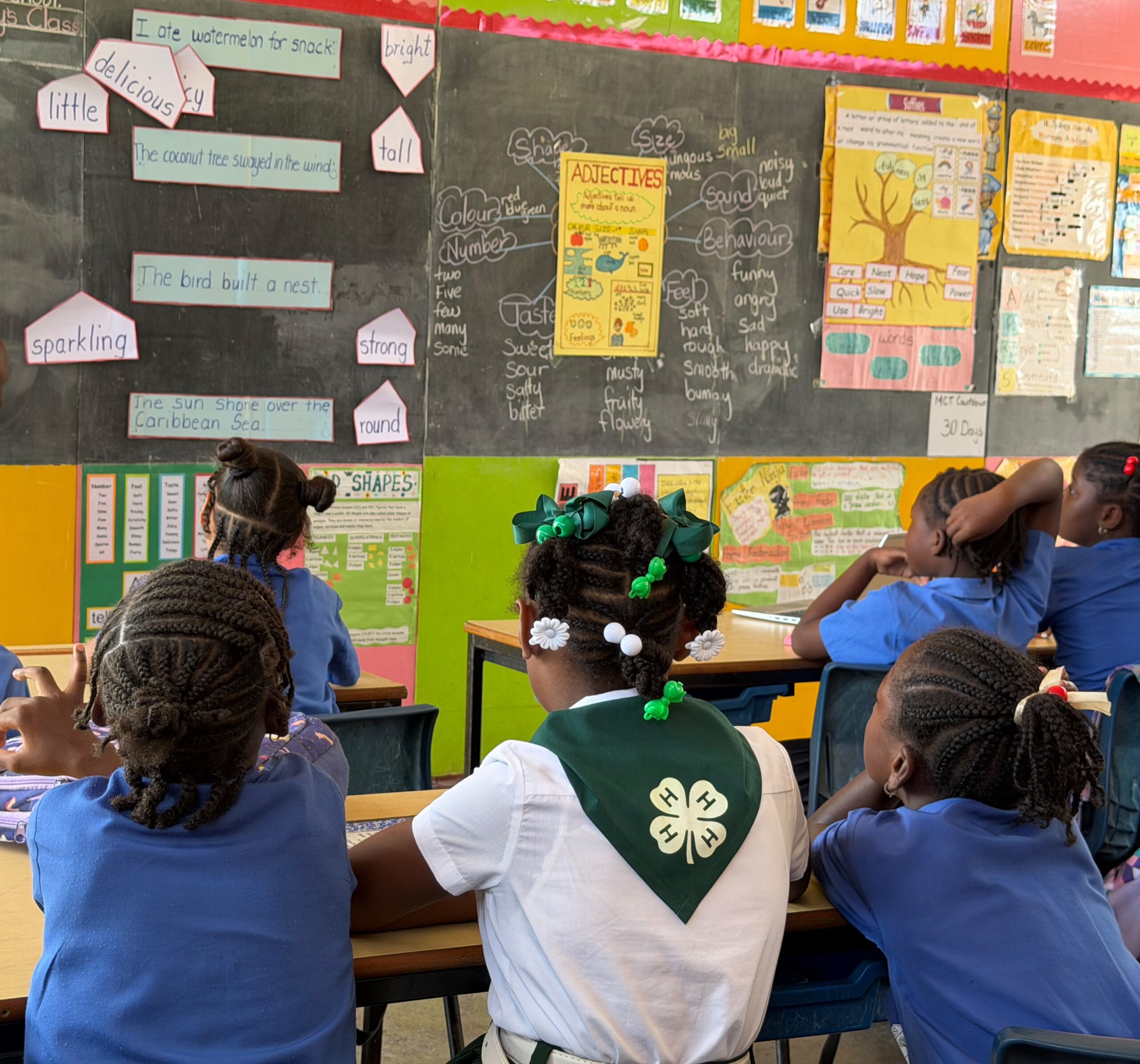
    For 25 years, a veteran Grade 1 teacher at a northern Grenadian primary school—speaking anonymously as Ms. Antoine—has watched young learners navigate the classroom. In recent years, she has documented a troubling, growing trend that holds back student potential across grade levels: deeply rooted low self-esteem that alters how children participate, interact, and engage with learning.

    Antoine’s classroom observations paint a clear picture of the issue. Many students shut down mid-activity when asked to share their work, even when their answers are correct. Overwhelmed by a paralyzing fear of being wrong, they fall silent rather than risk a mistake. When a class is offered an incentive for strong performance, few students step forward to claim they can earn the reward; instead, peers only name the handful of students universally viewed as top achievers. In social interactions, some children even allow peers to mistreat them just to gain approval, then deny the incident when it is reported, too insecure to advocate for themselves.

    “You can see their full potential sitting right there, but low self-esteem creates a barrier that stops them from performing at the level they are capable of,” Antoine explained. She also linked the rise in classroom conflict and violent responses to poor emotional expression, a side effect of low confidence that prevents children from articulating their needs.

    To understand how to address this issue, experts first break down what self-esteem actually is. Psychotherapist Robert Phillip explains that self-esteem grows from self-concept—how a person defines and sees themselves. “Self-esteem is our emotional reaction to that self-view,” Phillip said. “If we perceive ourselves positively, we develop positive self-esteem. If our self-concept is negative, that translates directly to low self-esteem.”

    Antoine suspects the roots of poor self-concept in young children often begin in the home, the first and most foundational learning environment for young learners. These negative self-perceptions do not just harm academic outcomes; they also erode children’s ability to communicate their thoughts and feelings openly to others.

    A deep-rooted cultural stigma around making mistakes also exacerbates the problem. For many children—and even adults—mistakes are treated as a catastrophic failure rather than a tool for growth. Phillip pushes back on this harmful narrative, noting that mistakes are a critical part of learning: “Mistakes give students the chance to step back, assess what went wrong, and return with a more thoughtful, refined approach. They make us stronger and more capable over time.”

    Recognizing that this unaddressed mental health and confidence gap in Grenada’s primary education system demands action, a local family of educators has launched a new initiative to meet the need. On August 17, the Denis and Janice Thomas Foundation (DJTF)—founded by the prominent Grenadian educator family from Black Bay, St. John—officially launched its mission at Grand Roy Government School, focused on fostering healthy self-esteem and overall well-being for primary-aged students. As an opening gesture, the foundation donated 52 laptops to principals from six local primary schools to support learning access, but building confidence remains its core priority.

    Speaking for the foundation, Annette Thomas—daughter of the late Denis Thomas and Janice Thomas, and a retired educator herself—said the foundation’s work grew from decades of on-the-ground experience with struggling students. “Time and again, we saw children who were misunderstood simply because they learned, communicated, or behaved differently from their peers,” Thomas explained. “Too often, they were labeled rude, disruptive, or even unteachable, when what they really needed was support, understanding, and a safe space to be themselves.” She added that this unmet need is a critical gap in Grenada’s education system that requires targeted attention and investment.

    While the foundation works to drive systemic change, Phillip emphasizes that parents and teachers play the most critical daily role in nurturing positive self-esteem in children aged 5 to 12. The core goal, he says, is to teach children to accept themselves, understand their own unique traits, and recognize that shortcomings do not eliminate the potential for success.

    Phillip outlines practical, daily steps that adults can model and teach to build healthy confidence. At home, he recommends parents avoid negative self-talk about their own bodies, intelligence, or mistakes in front of their children, and openly acknowledge their own errors to model that mistakes are acceptable. Parents should also model healthy boundaries—for example, showing children it is appropriate to rest and say no when overwhelmed—and prioritize praising hard work and persistence over only celebrating wins. Additional steps include avoiding comparisons between siblings, limiting digital exposure that fuels unhealthy social comparison, addressing sibling rivalry and bullying early, spending dedicated one-on-one time with each child to reinforce their value, encouraging individual talents and interests, validating children’s feelings, and allowing children to make choices and experience safe failure so they learn to adapt and try again.

    For educators, Phillip recommends many of the same approaches: implementing clear anti-bullying rules such as no-teasing policies in the classroom, highlighting each student’s unique strengths instead of focusing only on academic performance, avoiding cross-student comparisons, acknowledging effort and growth over just final results, and creating a classroom environment where students can safely make mistakes and learn from them without judgment.