博客

  • Grenada “deeply concerned” at ongoing situation in Cuba

    Grenada “deeply concerned” at ongoing situation in Cuba

    Against the backdrop of the 81st United Nations General Assembly (UNGA), Grenada’s delegation chair Ingrid Jackson used her address to the global body on Monday to amplify urgent calls for multilateral cooperation on a series of pressing global and regional issues, opening with deep concern over the humanitarian crisis unfolding in Cuba. The island nation’s top representative at the assembly drew specific attention to the lasting toll of unilateral U.S. economic pressure and the ongoing energy blockade, policies first ramped up during the Trump Administration when Washington imposed harsh targeted sanctions on Havana in an attempt to force regime change.

    Jackson emphasized that the global community cannot turn a blind eye to the growing hardship facing ordinary Cuban households, with vulnerable groups including children, elderly people and low-income communities seeing their living conditions deteriorate further with every day the diplomatic and economic impasse remains unresolved. “Our humanitarian conscience cannot be indifferent to the circumstances of ordinary households, particularly children, the elderly and other vulnerable persons whose difficulty deepens with each passing day that the present impasse remains unresolved,” Jackson told assembled delegates.

    In line with this humanitarian framing, Jackson called for constructive dialogue centered explicitly on the well-being of the Cuban people, urging a path toward tangible sanctions relief, improved living standards and expanded economic opportunity. She noted that progress requires both Havana and Washington to confront what she described as “very difficult but not insurmountable challenges”: ending punitive sanctions, lifting the decades-long embargo and blockade against the Cuban public, and advancing targeted domestic reforms that support ongoing public well-being — reforms that Jackson confirmed are already underway in Cuba.

    Shifting focus to reform of the UN’s multilateral system, Jackson announced that Grenada joins the entire Caribbean Community (Caricom) bloc in unreservedly backing Guyanese Ambassador Carolyn Rodrigue-Birkett’s candidacy for United Nations Secretary-General. Caricom leaders have formally endorsed Rodrigue-Birkett as the region’s candidate, and Jackson highlighted her extensive track record of diplomatic leadership, including distinguished service as Guyana’s foreign minister and permanent representative to the UN. Her career, Jackson argued, demonstrates unwavering commitment to diplomatic dialogue and cross-border cooperation.

    “The Caribbean has long demonstrated that size does not determine the strength of our ideas, the quality of our leadership or the values of our contribution to the international community,” Jackson said. She added that Rodrigue-Birkett is eminently qualified to represent all UN member states, and her election would mark a historic milestone for the Caribbean, as well as a powerful confirmation that small island developing states (SIDS) can contribute meaningfully to leadership at the highest levels of global multilateral governance.

    Turning next to the ongoing security and humanitarian crisis in Haiti, Jackson reiterated Caricom’s call for the timely renewal of the mandate for the Gang Suppression Force (GSF), alongside full, rapid deployment of the force in close partnership with the Haitian National Police. She stressed that the mission must receive adequate personnel, sustainable financing, modern equipment and full logistical support to carry out its mandate effectively, with clear, enforceable human rights safeguards built into all operations.

    These security interventions, Jackson argued, are a critical foundation for creating the conditions necessary to hold credible, free, fair and inclusive elections led entirely by Haitians, strengthen national governance institutions and restore constitutional rule to the country. Rejecting common narratives that frame Haiti as a failed state, Jackson emphasized that the country holds an unfulfilled promise to its people that the international community must honor with purposeful, sustained action rather than temporary pity. Even as the global community prioritizes resolving the security crisis, she added, life-saving humanitarian assistance must remain a core pillar of all intervention efforts.

    Jackson framed the 81st UNGA, which convenes under the official theme “Restoring Trust, Managing Transformation: a United Nations that delivers for all,” as occurring at a moment of unprecedented global transformation. While the interconnected challenges facing the world are complex, she noted, they also present a rare opportunity to renew global commitments to cooperation and craft practical, people-centered solutions that improve quality of life across all nations.

    For Grenada, Jackson explained, restoring trust in multilateralism requires moving beyond empty rhetorical declarations to tangible, actionable delivery. “Restoring trust means demonstrating through our actions that international cooperation produces results. It means listening to one another. It means respecting the voices of small states as much as those of large ones. It means building genuine partnership, and it means ensuring that every country has the opportunity to pursue its legitimate development aspirations,” Jackson said.

    Grenada approaches the UNGA with a spirit of partnership, optimism and constructive engagement, Jackson confirmed, and remains firmly committed to the core purposes and principles of the UN Charter, international law, peaceful dialogue and the peaceful resolution of cross-border disputes. “In an increasingly interconnected world, cooperation is not merely desirable, it is indispensable,” she said, adding that the systemic transformation global leaders advocate for internationally must also be reflected in domestic policy agendas.

    At home, Jackson outlined, Grenada is advancing an ambitious, long-term development roadmap ahead of its 75th anniversary of independence, rooted in an unwavering commitment to people-centered transformation. For the small island nation, this means building climate and economic resilience while expanding opportunity, growing the national economy while protecting fragile ecosystems, and embracing digital and technological innovation while upholding core human values.

    As a SIDS, Jackson noted, Grenada has extensive firsthand experience building resilience to external shocks, but decades of experience have made clear that resilience cannot be built after a disaster strikes. “We must invest before the storm, prepare before the emergency bill, before the damage is done and finance resilience before countries are forced to borrow simply to rebuild what they have lost,” she said.

    This proactive approach requires expanded global cooperation on climate adaptation, disaster preparedness, climate-resilient infrastructure and accessible climate financing, Jackson argued. She pushed back against framing SIDS as merely victims of climate change, noting that these nations have emerged as global leaders and laboratories for innovative resilience-building strategies.

    Climate action remains one of the most critical areas where collective global effort can drive profound, positive change, Jackson emphasized. Grenada remains fully committed to strengthening resilience and advancing sustainable, low-carbon development, but she warned that policy ambition without tangible implementation is nothing more than empty aspiration. For vulnerable climate frontline states, she added, global climate commitments must be paired with reliable access to the financial and technical resources needed to deliver on those promises.

    Jackson called for climate financing to be made more accessible, predictable and responsive to the needs of frontline states. “Our objective should not simply be to help vulnerable countries recover from the next disaster. Our objective must be to transform vulnerability into resilience and resilience into sustainable opportunity,” she said.

    This shift toward vulnerability-aware development must also extend to reform of the international financial system, Jackson argued. She welcomed growing global recognition that national development and vulnerability cannot be measured by income alone, noting that the United Nations’ Multidimensional Vulnerability Index offers a critical framework to more accurately account for the unique structural challenges facing SIDS.

    Grenada’s vulnerabilities, like those of other small island states, are shaped by disproportionate exposure to climate change, extreme natural disasters, volatile external economic shocks and other structural barriers that cannot be adequately captured by per capita income metrics alone. For this reason, Jackson encouraged all UN member states, development partners and international financial institutions to adopt vulnerability-informed approaches to development financing. Expanded access to concessional financing, climate finance, disaster risk financing and innovative financial instruments, she argued, can help vulnerable nations move from chronic vulnerability to proactive resilience, and from post-disaster recovery to long-term, sustainable inclusive growth.


  • Corozal Teacher Asks Who is Holding His Salary

    Corozal Teacher Asks Who is Holding His Salary

    Six months after a Belizean court upheld the overturning of his unlawful firing, a veteran music teacher at Corozal Community College (CCC) remains in limbo, locked out of thousands of dollars in back pay and forced to delay his earned long leave until 2027.

    Renan Ruiz, the CCC music instructor at the center of the years-long employment dispute, first faced termination from the college in October 2024. The Belize Teaching Service Commission greenlit the dismissal following disciplinary proceedings centered on private messages Ruiz sent to his students. While the Teaching Service Appeals Tribunal acknowledged that the messaging was inappropriate, noting in its ruling that “a teacher under no circumstances should be messaging his/her students especially after hours,” the panel concluded that the permanent dismissal penalty was excessively harsh for the offense.

    In September 2025, the tribunal quashed Ruiz’s termination, imposing a far more lenient penalty: forfeiture of one and a half months’ pay and mandatory completion of eight professional counselling sessions. Refusing to accept the tribunal’s ruling, CCC launched a legal challenge, taking the case to the nation’s High Court. On March 20, 2026, Justice Rajiv Goonetilleke rejected the college’s request for judicial review and ordered CCC to cover all of Ruiz’s legal fees stemming from the challenge.

    With the court’s final ruling in his favor, Ruiz’s legal representative, attorney Nazira Uc Myles, formally submitted a claim for $69,580.75 in unpaid back salary and employment stipends that had been withheld since Ruiz’s 2024 dismissal. Just weeks after the High Court ruling, on April 10, 2026, CCC board chairman Father Thomas Stone publicly confirmed the board’s intention to comply with the tribunal’s order, formally requesting the Belize Ministry of Education disburse all owed wages to Ruiz covering the entire period from his October 2024 dismissal through April 2026. On that same day, CCC’s legal counsel Immanuel Williams stated that the college had never received any salary funds allocated for Ruiz, claiming all intended payments had been retained by the Ministry of Education.

    Internal correspondence obtained by News 5 reveals a critical gap in the proposed back payment: the Ministry has only offered to cover wages from September 2025 (the date of the tribunal’s initial ruling) through March 2026, leaving more than 10 months of wages between the 2024 dismissal and 2025 ruling unpaid — the exact period the CCC board explicitly requested the Ministry cover.

    Ruiz has formally contested the truncated payment arrangement in writing, questioning why only partial back pay is being offered when the tribunal only mandated he forfeit 6 weeks of salary. As of late September 2026, Ruiz confirms he has not received any of the owed funds. He adds that key institutional leadership changes have left his case stalled: the Anglican Church, which oversees the college, re-assigned former board chairman Father Stone to a post outside of Belize, while the college principal (who also serves as board secretary) is currently on extended leave, leaving no one to resolve the outstanding payment issue.

    Beyond the unpaid wages, Ruiz has also been forced to postpone his long-delayed approved long leave. In an August 2026 letter to Teaching Service Commission chairman Claudio Leal, Ruiz explained that the principal had initially approved his leave request, but the slot was reassigned to three other teachers who were granted September 2026 leave. Ruiz was told he would have to wait until April 2027 to take his earned leave. “This situation was not caused by me,” Ruiz wrote in his letter. “As such, I believe the responsibility for managing the approved leave scheduling should primarily rest with the school, in coordination with the Commission, in order to avoid unnecessary delays for my service and leave entitlements.”

    To date, no government or school official has informed Ruiz who authorized the partial payment limitation, when he can expect to receive the remaining owed wages, or whether the 10-month period between his dismissal and the tribunal’s ruling will count toward his accumulated years of service for pension and benefits purposes.

    News 5 reached out to Dian Maheia, Chief Executive Officer of the Belize Ministry of Education, for comment on the dispute. Maheia stated she was not able to discuss the details of the case at this time but committed to issuing a response once she is cleared to do so. Reporters also contacted CCC for comment, where the acting principal declined to answer any questions, noting he does not have authorization from the college board to speak to the media.

  • Child Month Celebrations 2026

    Child Month Celebrations 2026

    A month-long national observance dedicated to prioritizing children’s welfare is set to kick off across Grenada in October 2026, organized jointly by the Child Month Committee and the local Ministry of Education. Running from October 1 through to October 31, the initiative will retain the existing theme “My Health, My Safety: Our Responsibility!” for a second consecutive year, a decision made to reflect the theme’s enduring relevance and ongoing importance to child welfare work across the country.

    Organizers note that keeping the same theme creates space to deepen public awareness around core components of child welfare: physical and mental health, personal safety, and overall holistic wellbeing. It also reinforces the message that upholding children’s rights and supporting their development is a shared collective responsibility across all sectors of society. The 2026 observance will center its programming on five key priority areas: child nutrition, access to and uptake of routine vaccination, safe and responsible use of digital technology, intentional parental involvement in child development, and prevention of child abuse.

    A full slate of public and community events has been scheduled to mark the national celebration. The official opening will kick off October 1 with a keynote address from the Governor General, followed by a formal media launch of the initiative the next day, October 2. A national interdenominational church service will be held at the Corinth Seventh-day Adventist Church on October 3, with a formal policy message from the Ministry of Social and Community Development and Gender Affairs scheduled for October 15. Public street marches will take place during the week of October 12 to 16, and faith communities across the country will mark Child Sabbath and Child Sunday on October 17 and 18 respectively.

    Additional community events include a public blanket evening and bonfire at Pearls Playing Field, located near the island’s old airstrip, set for October 22. Throughout the entire month of October, local media outlets will run dedicated public sensitization programming aligned with the Child Month theme to amplify key messaging. Community organizers will also host family-focused health walks open to parents and children, and sell commemorative Child Month t-shirts to students and adult participants. The national observance will draw to a close on October 31 with closing remarks from the Minister for Education.

    Organizers have issued a call for local churches, primary and secondary schools, and licensed daycare centers across the country to develop their own contextually relevant activities that center the 2026 Child Month theme, engaging both children and their caregivers in important conversations around child wellbeing. The Ministry of Education has also publicly expressed its appreciation for planned coverage from local media professionals, noting that widespread reporting is critical to expanding the reach and impact of the initiative’s core messaging around child health, safety and collective responsibility.

  • Onderzoek: blancheren verbetert kwaliteit tayerblad tijdens vriesopslag

    Onderzoek: blancheren verbetert kwaliteit tayerblad tijdens vriesopslag

    A recent graduating student’s research at Suriname’s Anton de Kom University (AdeKUS) has uncovered a simple heat treatment that could drastically cut food waste for one of the country’s most popular leafy vegetables, tayer leaf (Xanthosoma sagittifolium (L.) Schott). Madhurie Gadjradj, who completed her degree in Agroprocessing under the Faculty of Technological Sciences’ Agricultural Production program, found that a 4-minute blanching treatment at 90°C delivers exceptional improvements to tayer leaf’s color, microbial safety, flavor, and texture during frozen storage.

    Tayer leaf is a staple ingredient across Suriname, widely used in both home cooking and the local food supply chain. However, its biggest industrial and consumer challenge is its extremely short shelf life after harvest. Without effective preservation, significant quality degradation occurs before the product reaches consumers or retailers, resulting in substantial food loss and economic waste for producers. Extending the shelf life of locally grown vegetable crops is a critical step toward reducing national food waste and maximizing the output of Suriname’s agricultural sector, and blanching – a short pre-freezing heat treatment – has emerged as a low-cost potential solution. Prior to Gadjradj’s work, there was very little localized research on how blanching impacts tayer leaf quality, creating a gap in practical knowledge for local producers and food processors.

    Gadjradj designed her study to compare four different blanching regimens against unblanched control samples of tayer leaf. All treated samples were frozen and monitored over a 4-week storage period, with researchers testing for a range of key quality metrics: chlorophyll content, moisture content, vitamin C levels, β-carotene, iron content, microbial safety, and sensory attributes including color, aroma, flavor, and texture.

    The study’s results revealed clear trends: higher blanching temperatures combined with longer treatment durations produced the best preservation outcomes. After 4 weeks of frozen storage, the 90°C 4-minute treatment retained the highest chlorophyll content, indicating the vibrant green color that consumers prefer was better preserved. All blanched samples also outperformed unblanched controls in microbial safety tests, lowering the risk of spoilage and foodborne illness. The 90°C 4-minute regimen also earned the highest average sensory ratings across all tested attributes after the 4-week storage period.

    Not all nutrients responded identically to blanching and frozen storage, however. The study found that vitamin C levels declined gradually over storage regardless of treatment, while iron and β-carotene remained relatively stable. This finding highlights an important consideration for food processors: when selecting a preservation method, it is necessary to evaluate impacts across multiple quality and nutritional parameters, rather than focusing solely on shelf life extension.

    Beyond its scientific contribution, the research carries meaningful practical and economic benefits for Suriname’s agricultural sector. By adding one simple pre-processing step, producers, vendors, and consumers can all reduce avoidable food loss, allowing a larger share of harvested tayer leaf to reach markets and be utilized. Furthermore, extending tayer leaf’s shelf life opens new opportunities to develop and market frozen packaged tayer leaf products as a local specialty, adding value to a traditional Surinamese agricultural commodity and creating new market channels for smallholder farmers and small-scale food processors.

    Gadjradj’s work demonstrates that low-cost, accessible processing techniques can significantly improve the shelf life, quality, and economic value of locally grown vegetable crops. The research team notes that follow-up large-scale studies will be needed to assess how this method can be implemented practically and cost-effectively across Suriname’s entire food supply chain. Gadjradj’s thesis was evaluated by a committee led by chair R. Somai, MSc, lead supervisor Prof. L. Ori, PhD, industry supervisor Ir. S. Krishnasing, co-supervisor N. Gajadin, MSc, and external reviewer Dr. F. van Genderen.

  • Statement From Ambassador Elizabeth Makhoul On The Passing Of The Mighty Sparrow

    Statement From Ambassador Elizabeth Makhoul On The Passing Of The Mighty Sparrow

    The entire Caribbean region is now united in grief following the death of Slinger “Mighty Sparrow” Francisco, one of the most iconic and influential cultural figures the Caribbean has ever produced. In an official statement released following the news of his passing, Ambassador Elizabeth Makhoul, Chairperson of the Antigua and Barbuda Festivals Commission, reflected on the unparalleled legacy of the artist who shaped the identity of generations of Caribbean people.

    Far more than just a legendary performer of calypso, the Mighty Sparrow held a far deeper role across the Caribbean: he was the collective voice of the region, a master storyteller of everyday life, a teacher of shared history, and a cultural compass that anchored communities to their identity. For decades, his work captured the full spectrum of Caribbean experience – from joyous laughter and hard-won triumphs to systemic struggles and unbreakable resilience – in a way no other artist has ever matched.

    Though born in Grenada and closely tied to Trinidad and Tobago, the Mighty Sparrow belonged to every corner of the Caribbean. Every island nation saw its own story reflected in his lyrics, and all communities across the region claimed him as one of their own. His genius was forged in Caribbean soil, nurtured by Caribbean communities, and remains a source of collective pride for the entire region.

    As the body tasked with preserving, promoting, and advancing Antigua and Barbuda’s cultural heritage, the Antigua and Barbuda Festivals Commission recognizes that Sparrow’s contribution to calypso and Caribbean music as a whole cannot be measured. Every calypsonian who has stepped onto a festival stage, every songwriter who has crafted lyrics rooted in Caribbean experience, and every artist who uses music to tell the region’s stories carries his influence. The platform that modern Caribbean performers stand on today was built in large part by trailblazing giants like Sparrow.

    He did not merely perform calypso – he revolutionized the art form, elevating it from local community entertainment to a globally recognized cultural practice. He brought calypso to audiences far beyond Caribbean shores, introducing the world to the brilliance, creativity, and power of Caribbean culture, all while staying rooted in the people and experiences that inspired his work from the start.

    His passing leaves a void not just for Grenada and Trinidad and Tobago, but for the entire extended Caribbean family. The region grieves both the loss of the man himself and the irreplaceable role he played in shaping collective identity.

    On behalf of the Government and people of Antigua and Barbuda, as well as the Antigua and Barbuda Festivals Commission, Makhoul extended deepest condolences to Sparrow’s family, friends, fellow artists, and the people of his home nations. “We stand with you in sorrow and in profound gratitude for a life that gave so much to our region,” Makhoul wrote.

    Moving forward, the commission calls on people across the Caribbean to keep Sparrow’s legacy alive by continuing to play his music, study his innovative craft, and honor the man who helped define what it means to be Caribbean through song.

    As Makhoul noted, legends do not die when their voices fall silent. They live on in every stage they helped build, every song they shaped, and every heart their words touched. “Rest well, Slinger ‘Mighty Sparrow’ Francisco, ORTT CM OBE, OCC. Thank you for giving a voice to a people, a pride to a region, and a soundtrack to a Caribbean civilization. Your songs will never fade.”

  • Minister Fernandez Highlights Antigua and Barbuda’s Strategic Miami Connection at Interamerican Conference

    Minister Fernandez Highlights Antigua and Barbuda’s Strategic Miami Connection at Interamerican Conference

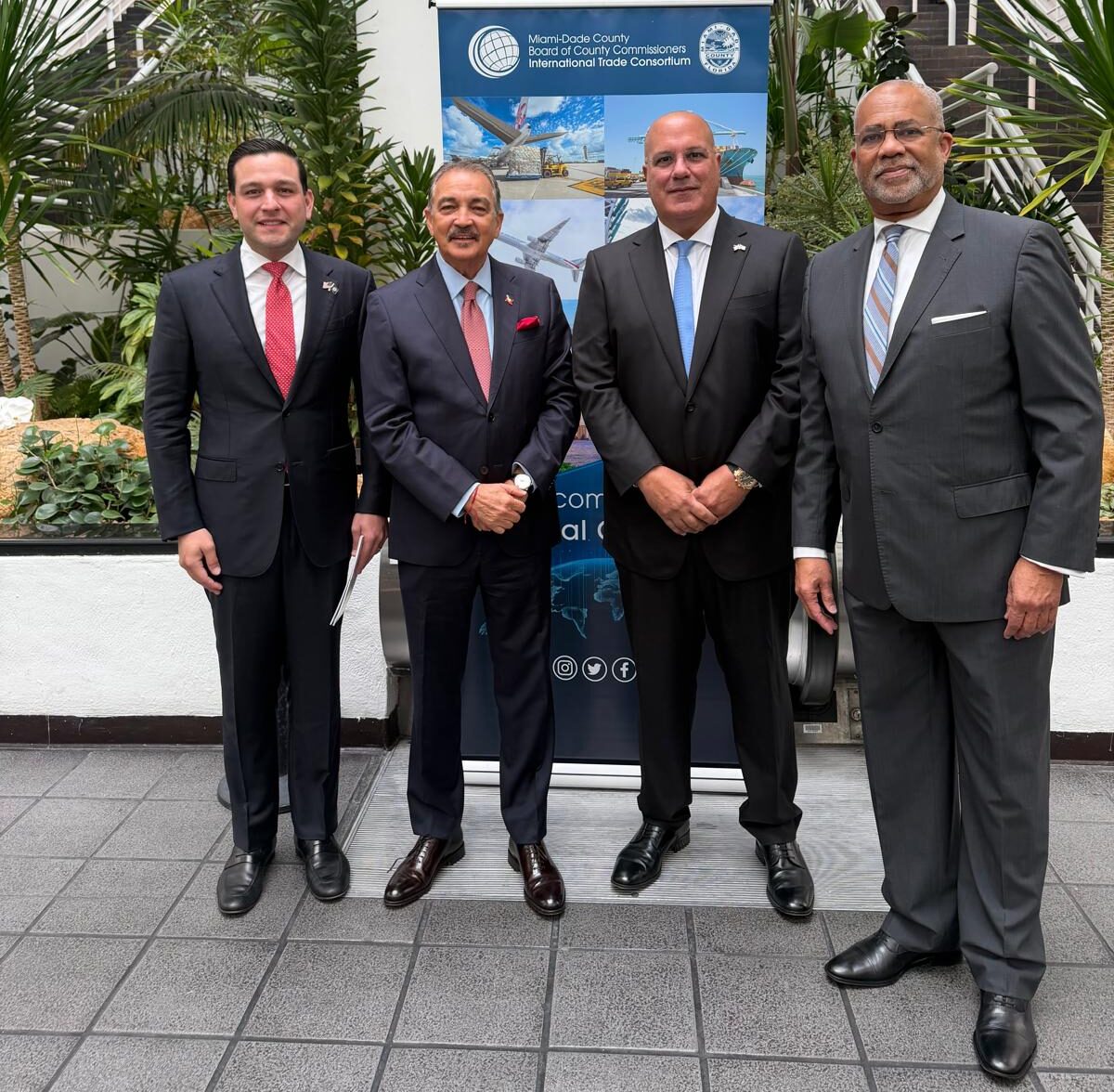
    As the 28th InterAmerican Conference of Mayors and Local Authorities kicked off in Miami, a top cabinet minister from Antigua and Barbuda has underscored the irreplaceable role South Florida’s major hub plays in powering the twin-island nation’s key economic sectors, from tourism to trade, aviation to maritime commerce. The Honourable H. Charles Fernandez, Minister of Tourism, Civil Aviation, Transportation and Investment of Antigua and Barbuda, joined a high-profile expert panel titled “Miami as the Gateway to the Americas – Ports & Airports: Integrated Hubs of the Future”, a session focused on unpacking how integrated air and seaport infrastructure can streamline cross-border connectivity, unlock investment flows, and drive inclusive economic growth across the hemisphere. In his keynote intervention during the panel discussion, Fernandez emphasized that the economic fortunes of Antigua and Barbuda are deeply intertwined with Miami’s position as a hemispheric transport and trade hub. Unlike other international markets, Miami serves as the primary entry point for a large share of the country’s visitor arrivals, traded goods, and business connections, making it far more than just another trading or travel partner for the island nation. “Miami is not simply another destination for Antigua and Barbuda. It is a critical gateway through which a significant portion of our trade, tourism and connectivity flows,” Fernandez told conference attendees. Against the backdrop of this deeply interconnected relationship, the minister went on to outline the ambitious, multi-million-dollar infrastructure upgrades Antigua and Barbuda has pursued in recent years to strengthen its own side of the hemispheric supply and travel chain. Major ongoing projects include the continuous expansion and modernization of V.C. Bird International Airport, a recently completed runway rehabilitation initiative, and the roughly US$100 million full redevelopment of the St. John’s Deep Water Harbour, one of the country’s most critical maritime assets. But Fernandez stressed that physical infrastructure upgrades alone are not enough to deliver long-term, inclusive growth. For a small island developing state (SIDS) like Antigua and Barbuda, investments in hard infrastructure must go hand-in-hand with investments in human capital to ensure local communities can fully benefit from expanding economic opportunities. To that end, the country has rolled out continuous training and professional development programs for workers across the aviation, maritime, and tourism sectors, its three largest economic drivers. It has also prioritized expanding accessible tertiary education, most notably through the establishment of the University of the West Indies Five Islands Campus, a new regional higher education institution based in Antigua and Barbuda. “As a Small Island Developing State, partnerships are essential to our progress. But equally important is ensuring that we continue to invest in our own people so that Antiguans and Barbudans are equipped not simply to participate in this growth, but to lead it,” Fernandez added. Fernandez is attending the conference alongside H.E. Gilbert Boustany, Antigua and Barbuda’s Director of Investments and Ambassador to the United Arab Emirates. Before the conference’s conclusion on September 30, the delegation has already scheduled a series of bilateral and multilateral meetings to deepen trade, investment, and tourism ties with regional and international partners. So far, the delegation has held productive discussions with H.E. Kevin Marino Cabrera, United States Ambassador to Panama, and Gerard Philippeaux, Executive Director of the Miami-Dade County International Trade Consortium. Additional bilateral and roundtable engagements are planned for the remaining days of the conference, which runs through September 30. The conference brought together mayors, local government leaders, cabinet ministers, and trade officials from across the Americas to address shared challenges in infrastructure development, trade integration, and local economic growth.

  • Andrew Michelin Hotels on the hunt for talent at ABHTA job fair

    Andrew Michelin Hotels on the hunt for talent at ABHTA job fair

    In a proactive move to source new talent for his expanding regional hospitality portfolio, veteran hotelier Andrew Michelin stepped directly into the recruitment process this week, joining his leadership team at the Antigua and Barbuda Hotels and Tourism Association (ABHTA) Hospitality Job Fair.

    Michelin’s growing hospitality group manages four distinct properties across the twin-island nation: the award-winning COCOS Hotel, Keyonna Beach, Conch Beach Cabins, and the Hawksbill Resort, which the group handles management and marketing operations for. For the industry leader, attending the job fair in person is far more than a routine hiring exercise—it is a strategic effort to find candidates who align with the unique guest-centric identity his properties have cultivated over years of operation.

    Unlike many recruitment drives that prioritize academic credentials first, Michelin’s group takes a different approach. While formal degrees are viewed as a valuable bonus, hiring managers center their search on a set of core soft skills that they argue cannot be taught through traditional education. Inger Challenger, Operations and Guest Manager at Keyonna Beach, outlined the top qualities the group prioritizes: strong personal character, an innate eagerness to learn, self-motivation, a natural focus on customer service, and long-term commitment to the role.

    Michelin has issued an open invitation to any person who believes they possess these foundational traits to apply for open roles across the group’s properties, even if they lack extensive formal industry experience. The ABHTA’s chief, Patrice Simon, has praised the job fair initiative as a critical link between local workers and growing hospitality businesses, noting that this year’s event drew widespread participation from dozens of local tourism businesses seeking to fill open roles and expand their teams.

    For Michelin, the hiring process extends far beyond checking boxes to fill empty positions. His goal is to identify candidates with the right inherent attitude and personality to thrive in guest-facing roles, then invest in comprehensive training to help them grow long-term careers within the group. His in-person presence at the job fair allowed him to connect directly with applicants, gaining a first-hand sense of their character that cannot be gleaned from a resume alone. For candidates still building their professional experience, Michelin’s message is clear: professional skills can be developed through structured training, but the customer-first attitude that defines exceptional hospitality must come from within.

  • Belize’s Jade Necklace Series Returns With Book Two

    Belize’s Jade Necklace Series Returns With Book Two

    A highly anticipated new chapter of a beloved Belizean children’s fantasy adventure is hitting bookshelves this week, as local creator Ian Gibson unveils *The Lord of the Underworld* — the second entry in his hit *Jade Necklace* series, released ahead of its official public launch on September 30, 2026.

    Gibson, who serves as both author and illustrator for the series, built the sprawling narrative around centuries of Maya mythology and authentic Belizean cultural traditions, weaving engaging action and lighthearted humor to encourage middle-grade readers to develop a love of reading. The story centers on Itzel, a brave young protagonist who ventures into the legendary Maya Underworld, Xibalba, on a quest to locate her missing grandmother. In this new installment, Itzel journeys deeper into the mysterious realm than ever before, confronting unforeseen obstacles, clashing with ancient Maya deities, encountering restless spirits, and facing off against deadly new creatures that test her courage and resolve.

    The series’ first entry, *The Land of the Night Sun*, first launched in 2025 to growing acclaim across Belize. According to the series’ publisher, Belize-based Cubola Productions, the debut title has developed a loyal and expanding fan base among young readers throughout the country. Local public library book clubs have even selected the first book for organized group reading and discussion, cementing its status as a popular pick for young literature fans.

    To expand access to the series for readers across the nation, Cubola Productions has partnered with Belize’s National Library Service and Information System to place copies of both books in public libraries serving every region of the country. The 302-page fully illustrated new novel is tailored specifically for readers between the ages of 10 and 14. The official public launch event is scheduled to kick off at 9 a.m. local time on Wednesday, September 30, hosted at Belize City’s Turton Library.

  • ‘Calypso King of the World’ Mighty Sparrow Dies at 91

    ‘Calypso King of the World’ Mighty Sparrow Dies at 91

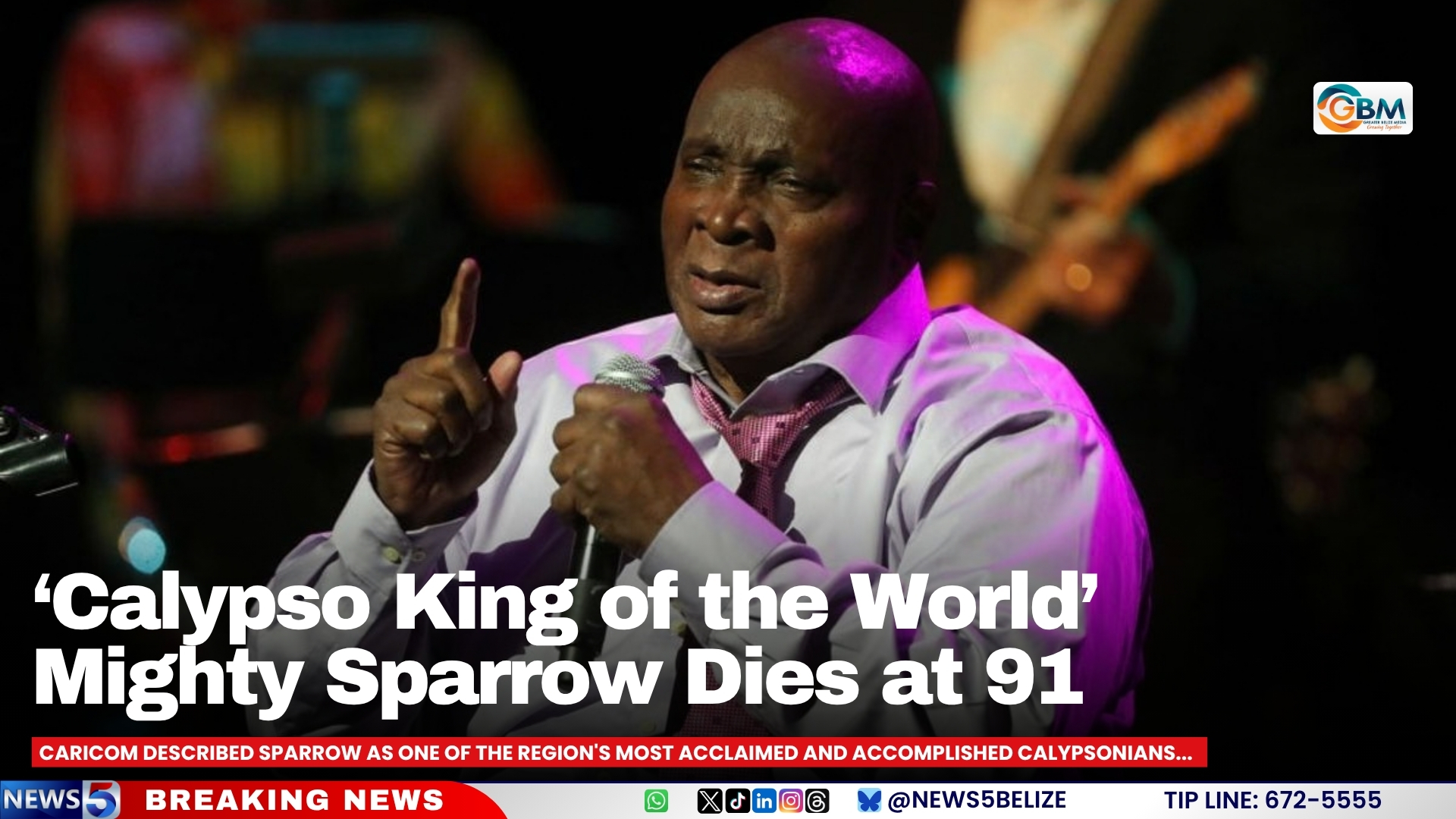
    The global entertainment and Caribbean cultural communities are mourning the loss of one of their most iconic figures: Slinger Francisco, the artist universally known by his stage name Mighty Sparrow and widely hailed as the ‘Calypso King of the World’, has died at the age of 91. His family confirmed the news in a public statement, sharing that he passed away peacefully on Sunday, September 27, at his home in New York following a short illness, with his loved ones by his side.

    In their tribute, Francisco’s family remembered him not just as a performer, but as a foundational institution of Caribbean entertainment, celebrated for his decades of contributions as a singer, songwriter, and mentor to emerging artists in the genre. Regional bloc CARICOM echoed that praise, recognizing Mighty Sparrow as one of the most decorated and influential calypsonians in the Caribbean’s history. In a formal statement, the organization noted that his work wove together the distinct rhythms and collective emotions of the Caribbean people, delivering sharp, thoughtful social and political commentary through an art form deeply tied to the region’s unique identity.

    Philip J. Pierre, Prime Minister of St. Lucia and current Chairman of CARICOM, emphasized that Mighty Sparrow gave the Caribbean a cultural voice that could not be mistaken for any other. Pierre added that his decades of music perfectly captured the struggles, victories, and everyday experiences of multiple generations of West Indians, cementing his place as a cultural storyteller for the entire region.

    Francisco’s story began in July 1935, when he was born in the small community of Grand Roy, Grenada. When he was just two years old, his family relocated to Trinidad and Tobago, the cultural hub where he would launch his legendary career. It was there that he adopted the stage name Mighty Sparrow, starting a professional journey that would stretch across more than six decades.

    His rise to regional fame began in 1956 with the hit calypso *Jean and Dinah*, the track that first established his reputation as a leading voice in the genre. Over the course of his career, he released hundreds of beloved tracks including fan favorites *Both of Them*, *Congo Man*, and *Mr. Walker*, each touching on topics ranging from everyday Caribbean life and personal relationships to pressing social issues.

    Beyond his regional impact, Mighty Sparrow is credited with bringing calypso to a global audience. He toured extensively, performing for packed audiences across the Caribbean, Europe, and the United States, including a landmark show at New York City’s iconic Madison Square Garden. By the end of his career, he had written more than 500 original calypsos and recorded over 70 full-length albums, according to CARICOM’s records. He also claimed multiple Calypso Monarch and Road March titles in his adopted home of Trinidad and Tobago, and was twice honored with the prestigious title of Calypso King of Kings.

  • ‘We want the truth’: Public Assistance reassessment gets underway

    ‘We want the truth’: Public Assistance reassessment gets underway

    Three years after the last complete review, the Caribbean island nation of Saint Lucia has kicked off a sweeping reassessment of its national Public Assistance Programme (PAP), a critical social safety net designed to support vulnerable households across the country. The initiative, led by the Welfare Unit under the country’s Department of Equity, launched on September 15 and aims to re-evaluate eligibility for roughly 3,500 current program beneficiaries, hundreds of prospective recipients on the waiting list, and individuals who were suspended from the program during a smaller review earlier this year between March and May.

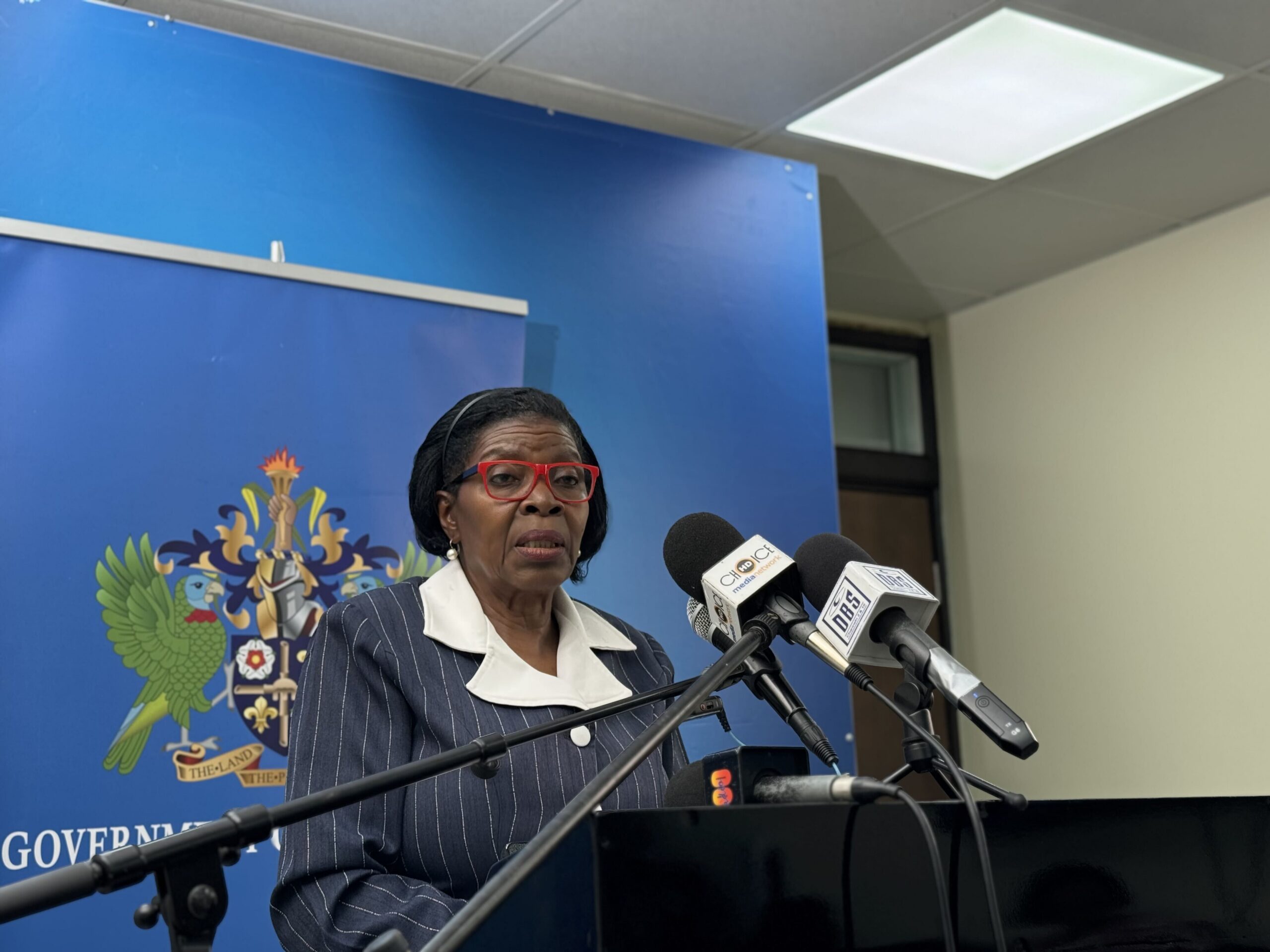
    Equity Minister Emma Hippolyte emphasized that significant shifts in household circumstances can occur over just a few years, making a full reassessment a necessary step to protect the program’s integrity. “A lot can change in a household over three years. People may relocate, family structures can shift, and financial situations can either improve or decline dramatically,” Hippolyte noted during a pre-Cabinet press briefing held on Monday. She added that the core goal of the review is to ensure the program’s limited public resources are directed to the communities and households that need support the most, rather than being allocated to households whose circumstances have changed and no longer meet eligibility requirements. “We want the truth… We need current and accurate information to ensure that our limited social protection resources are reaching the households that need them most,” the minister stated.

    To carry out the assessment, trained welfare officers and specially designated enumerators are conducting in-person visits to households across the country to collect up-to-date personal, residential, and financial data. Eligibility decisions will be determined using the Saint Lucia National Eligibility Tool (SLNET), a standardized framework that processes collected household information to generate eligibility scores aligned with program guidelines.

    Hippolyte clarified that the review scope extends far beyond just current recipients, addressing early public confusion about who is required to participate. “I want to make it clear that the exercise includes current PAP beneficiaries, as well as persons on the waiting list, including applicants who have already been assessed, but are awaiting placement because of budgetary constraints,” she explained. All individuals who participated in the earlier partial review that led to program suspension are also required to take part in the current full reassessment, and the minister urged all included persons to cooperate with visiting officials: “Please make yourself available when the Welfare Officer or designated enumerator visits your household.”

    One of the most pressing public questions surrounding the reassessment has centered on the fate of current beneficiaries who are found to no longer meet eligibility requirements. Program officials have stressed that there will be no abrupt, mass removal of recipients from the program. Instead, a phased “graduation” framework has been implemented to support individuals transitioning off of public assistance, with exit timelines tailored to each person’s unique circumstances and eligibility assessment score.

    Deputy Director of the Social Protection Unit Jahn Mc Farlane explained that the transition strategy includes staggered exit windows ranging from three months to nine months, depending on each household’s situation. “We have the strategy in terms of persons exiting the programme within three months, within six months, within nine months. And it would depend on the person’s circumstances and what pathway that would follow,” Mc Farlane said. As of early October, assessment work has been completed in three of Saint Lucia’s communities, and the Welfare Unit has set a target to wrap up the entire national reassessment process by the end of October.

    For eligible vulnerable households, the reassessment means they will be able to continue accessing the life-changing support they rely on. For other households that have improved their financial standing, the process will initiate a structured transition off the program, freeing up limited resources to support other low-income households that have previously been unable to access assistance due to budget constraints.