博客

  • Adam Stewart Wins Latest Jamaica Court Battle Over Butch Stewart Estate

    Adam Stewart Wins Latest Jamaica Court Battle Over Butch Stewart Estate

    A long-running family feud over the management of the late Jamaican hospitality magnate Gordon “Butch” Stewart’s business empire has hit a major turning point, after the Supreme Court of Jamaica threw out a legal bid by estate executors to launch a special “red flag” audit of two core holding companies tied to the tycoon. The court’s top finding centered on a critical question of legal authority: the executors did not have the standing to bring the claim under Jamaica’s Trusts Act, the statute they relied on to file their suit.

    Justice Cresencia Brown Beckford first delivered her ruling orally during a March 26 court hearing, and published the full 24-page written judgment this past Wednesday. The decision blocks the executors’ push to audit Gorstew Limited, Appliance Traders Limited, and all of their affiliated subsidiary businesses.

    Butch Stewart, the founder of the iconic Sandals Resorts international hotel chain, passed away on January 4, 2021. Three years after his death, in 2024, the four executors named in his will submitted an urgent court application for approval to launch the targeted audit. The group raised sharp red flags about corporate governance and operational management of the companies in the years following Stewart’s death. The four executors are Trevor Patterson, Cheryl Hamersmith-Stewart – Stewart’s common-law widow – Elizabeth “Betty Joe” Desnoes, and Martin Veira.

    Adam Stewart, Butch Stewart’s son and the current head of Sandals Resorts who stepped into his father’s role leading the business empire, launched a counter-application to have the executors’ claim struck out entirely. Adam Stewart’s legal team rejected all allegations of mismanagement, and argued the suit amounted to an abuse of court process. Their core legal contention was that the executors held no authority under the Trusts Act to bring their claim, a position the Supreme Court ultimately endorsed.

    In her written judgment, Justice Brown Beckford drew a clear legal distinction between the roles of executor and trustee, noting that while the two positions may sometimes involve overlapping tasks, they are not legally interchangeable. The judge emphasized that the executors brought this claim in their formal capacity as executors of Stewart’s will, not as trustees of the estate. Since the Trusts Act only governs actions taken by trustees, it does not grant legal standing for executors to bring this type of audit request.

    “In view of this finding, the executors in seeking to carry out this red flag audit are acting [as] executors and not trustees of the will of the Founder,” Justice Brown Beckford wrote. “In that event, they do not have standing under the Trusts Act to bring this claim.”

    The judge further clarified that even if the court accepted that the executors could be legally classified as trustees, the specific action they sought – the audit – fell squarely under core executorial duties rather than trustee functions. She pointed to the claimants’ own court filing, which explicitly identifies the applicants as executors, not trustees, confirming the capacity in which the suit was brought.

    Addressing a common wording convention in wills, the judge also noted that labeling named fiduciaries as both “Executors and Trustees” throughout the document does not automatically turn executors into trustees for all legal purposes. In Stewart’s will, this shared nomenclature was only for administrative convenience, not a legal reclassification of their roles, the court found. A close review of the will’s relevant clauses confirmed that the shares for the ATL Group – which encompasses the two targeted companies, Gorstew Limited and Appliance Traders Limited – were never placed in a formal trust structure.

    The court also considered a secondary argument from Adam Stewart’s legal team, which objected to the executors’ plan to hire the U.S.-based accounting firm Alvarez and Marsal to lead the audit. Stewart’s team argued that hiring a foreign firm without proper local accreditation would violate Jamaica’s Public Accountancy Act. Justice Brown Beckford noted this argument was “not without merit” on its face, but ultimately did not need to rule on the point, since the application before the court only requested general authorization to conduct an audit, not formal approval of the specific firm.

    As part of the ruling, the court ordered the losing side – the four executors – to cover all of Adam Stewart’s legal costs associated with the case. The judge granted the executors permission to file an appeal of the decision with a higher court if they choose to move forward with a challenge.

    The ruling marks a clear, substantial legal victory for Adam Stewart and his siblings Brian Jardim and Jaime Stewart, who have been locked in a protracted internal dispute over the administration of Butch Stewart’s multi-million dollar estate. The case featured a roster of top Jamaican legal talent: Walter Scott KC, Ian Wilkinson KC, Conrad George, Anna Gracie, André Sheckleford, and Gabrielle Chin represented Adam Stewart, while Michael Hylton KC, Kevin Powell KC, and Timera Mason led the legal team for the executors. John Graham KC and Peta-Gaye Manderson appeared on behalf of Gorstew Limited.

  • Senior Meteorological Officer warns of rising ocean temperatures ahead of hurricane season

    Senior Meteorological Officer warns of rising ocean temperatures ahead of hurricane season

    As the 2026 Atlantic Hurricane Season draws near, senior meteorological officials have sounded a warning over the ongoing trend of rising ocean temperatures, a key driver that amplifies the formation and intensity of tropical weather systems. Speaking in a Wednesday interview on DBS Radio’s popular public education segment *Disaster and You*, Senior Meteorological Officer Marshall Alexander broke down the latest climate observations that set the stage for this year’s storm activity.

    Alexander emphasized that anomalously warm sea surfaces act as critical fuel for the development and strengthening of tropical cyclones. The long-term trend of rising ocean temperatures has consistently hit new milestones in recent years, he noted, with 2025 marking a previous global record for ocean warmth and 2026 already on track to surpass that mark. This consistent upward trajectory has created conditions primed for more active storm development across the Atlantic basin.

    Official seasonal forecasts for the Atlantic hurricane season are overseen by the U.S. National Oceanic and Atmospheric Administration (NOAA), which releases two updated outlooks each year: an initial projection in late May ahead of the season’s official start, and a second update in August, when storm activity typically reaches its peak. Alexander confirmed that local meteorological teams in Dominica are aligning their preparations with NOAA’s forecasting framework to keep communities informed.

    While warmer ocean waters raise the likelihood of more frequent and stronger tropical storms and hurricanes this season, Alexander highlighted a mitigating factor that could work in Dominica’s favor: the ongoing El Niño climate pattern. El Niño typically generates increased vertical wind shear across the tropical Atlantic, a weather condition that disrupts developing storm systems by tearing apart their internal structure and dissipating their accumulated energy. “If a tropical system does form, that wind shear will break up or disrupt the system’s energy before it can strengthen and pose a threat,” Alexander explained.

    The 2026 Atlantic Hurricane Season will officially kick off on June 1 and conclude on November 30, spanning the six-month period when 97 percent of all tropical cyclone activity historically occurs in the Atlantic basin. Meteorological agencies across the Caribbean are already finalizing preparedness plans, urging coastal and inland communities to review emergency protocols and stock up on essential supplies ahead of the first potential storm formations.

  • Surveillance ‘critical’ as vaccine defences strengthened

    Surveillance ‘critical’ as vaccine defences strengthened

    As global outbreaks of vaccine-preventable diseases (VPDs) and the resumption of unrestricted international travel expose long-dormant gaps in population immunity across the Caribbean, Barbados has launched an urgent push to strengthen its national immunization framework and disease surveillance systems to fend off renewed public health threats. Though the island nation built a decades-long reputation for successful VPD control through consistent vaccination programs, health leaders confirm the country is now working to reverse recent declines in coverage and rebuild robust defenses against high-risk pathogens like measles and polio.

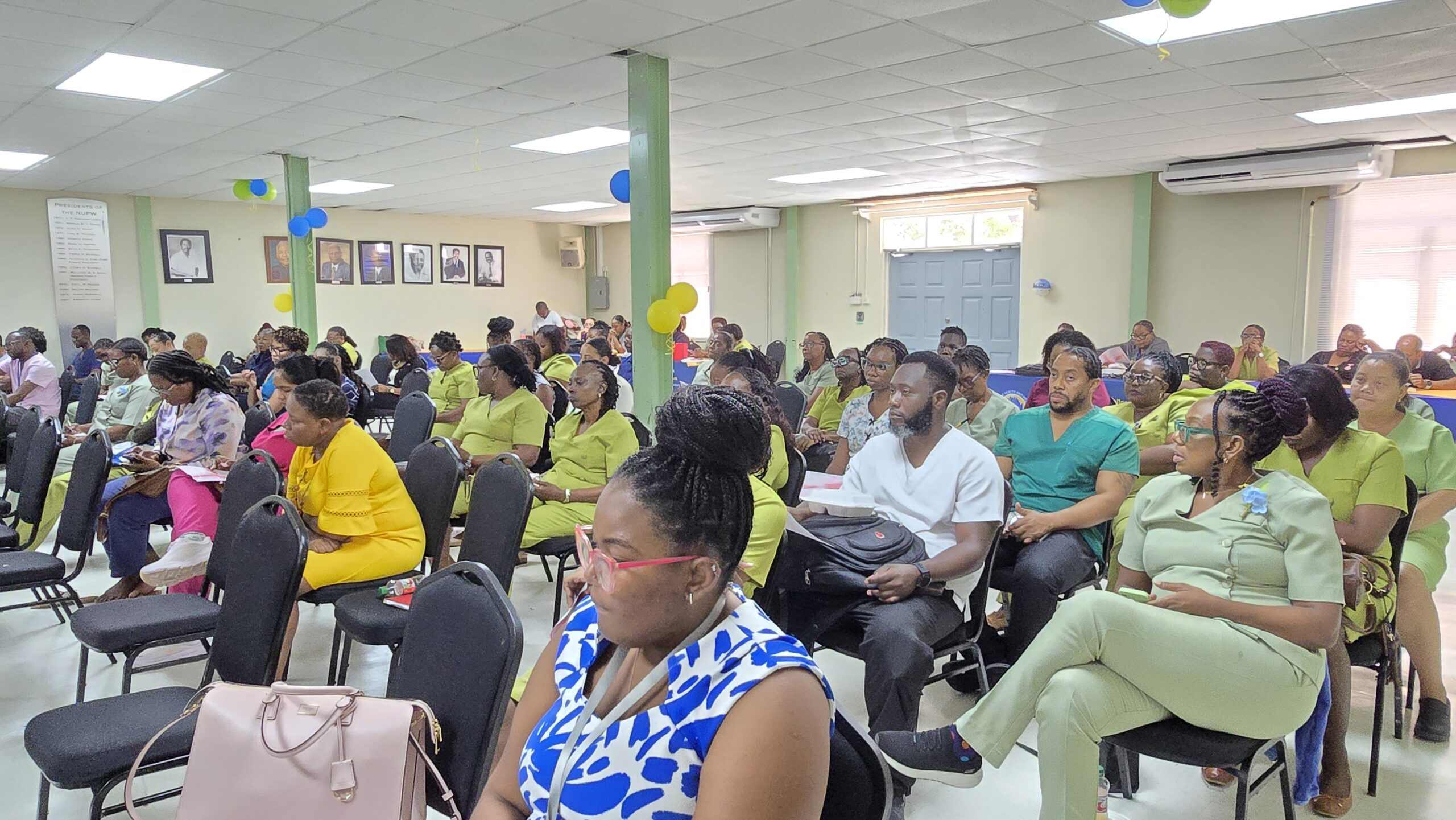
    This week, Barbados’ public health authorities accelerated the national immunization campaign, expanding access to life-saving vaccines by bringing services directly into local communities through a scheduled series of open house events at polyclinics across the country. Speaking at a nurse training workshop hosted by the National Union of Public Workers in Dalkeith on Wednesday, Chief Public Health Nurse Larond Hyland outlined the new challenges facing the nation’s once-heralded immunization program.

    “For decades, Barbados, like much of the Caribbean, achieved extraordinary success controlling vaccine-preventable diseases through our immunization programs,” Hyland told attendees, which included both public and private sector nursing staff. “But in recent years, we have seen coverage decline, and we are now in an active recovery phase that demands urgent strengthening. To protect our most vulnerable communities and reach the 95 percent herd immunity threshold critical for measles control, we cannot afford to relax our efforts.”

    Hyland pointed to alarming trends in North America as a warning for the Caribbean: both the United States and Canada have already lost their official measles elimination status in recent years due to sustained, ongoing outbreaks. While the Caribbean region has not yet reached that tipping point, Barbados’ heavy reliance on international tourism leaves it uniquely exposed to imported cases of highly contagious VPDs.

    “Tourism is the backbone of our economy, but it also makes us extremely vulnerable to imported disease,” Hyland emphasized. “We must never lose sight of that risk. Infants are our most at-risk group – they are not yet fully vaccinated, and if an imported case takes hold in this population, the consequences could be catastrophic.”

    Under the country’s updated public health strategy, measles and polio have been flagged as top priority pathogens for continuous active monitoring. Hyland stressed that retaining VPD elimination status requires unwavering vigilance and regular verification, even for diseases that have been controlled for decades. Measles, one of the most contagious viral pathogens circulating globally, has been monitored by Barbadian health authorities for more than 25 years as part of the regional elimination effort, while polio surveillance remains critical despite decades of successful eradication efforts in the Americas.

    Laboratory confirmation is a core pillar of the country’s enhanced surveillance framework. The Pan American Health Organization (PAHO) requires Barbadian authorities to submit a set number of laboratory-tested samples annually to verify suspected cases of measles and polio, a process that also helps health officials assess the overall performance of their immunization program. For example, a spike in confirmed measles cases among fully vaccinated people would signal a potential gap in vaccine effectiveness or coverage that requires immediate intervention.

    Hyland called on all healthcare providers across Barbados – not just physicians – to strictly adhere to established protocols for suspect cases, particularly for patients presenting with fever and unexplained rashes, a common early symptom of measles. She also highlighted the critical need for collaboration with the private healthcare sector, given that international tourists are far more likely to seek care at private facilities than public polyclinics or public emergency departments when visiting the island.

    To illustrate this risk, Hyland shared details of a recent incident involving an unvaccinated child from the United Kingdom who arrived in Barbados and developed measles symptoms, seeking care at a private facility. The case triggered urgent public health response protocols and laid bare the gaps that can emerge when private sector providers are not fully integrated into national surveillance efforts.

    “We can have perfectly designed plans in the public sector, but every link in the public health response chain matters,” Hyland said. “Unvaccinated tourists who develop measles symptoms will almost always turn to private care first, so we need our private sector colleagues to be just as trained and prepared to act quickly.”

    Reinforcing her call for action, Hyland cited longstanding guidance from the World Health Organization, describing vaccination as “the most important public health intervention in history, full stop.” She closed by encouraging all Barbadian healthcare workers to remain proactive and engaged in the work of strengthening national surveillance and immunization systems to protect the island’s 20 years of hard-won public health gains.

  • Moore proposes ‘portable’ social security for all workers

    Moore proposes ‘portable’ social security for all workers

    As Barbados prepares to mark May Day, also known as International Workers’ Day, a governing backbench lawmaker and prominent trade union leader is pushing for urgent, transformative change to the country’s social safety net, warning that a growing share of the modern workforce is being locked out of critical coverage amid the global shift away from traditional full-time employment.

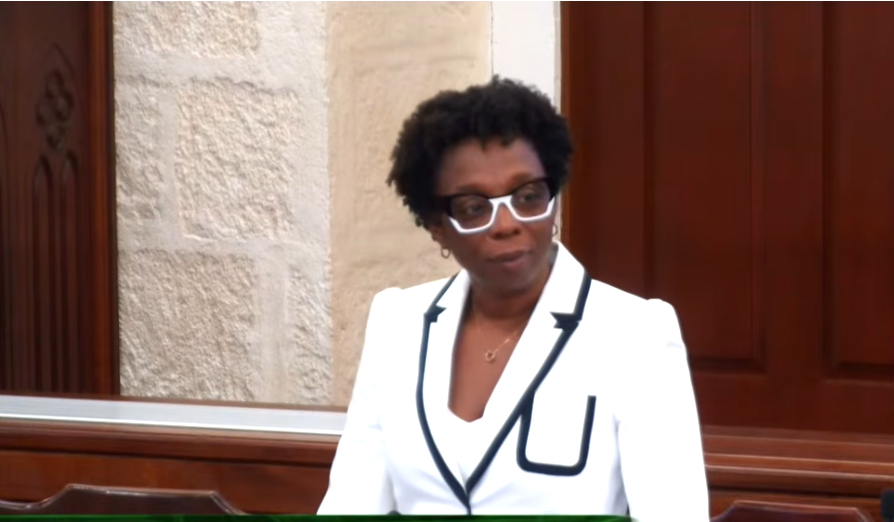
    Toni Moore, who represents the St George North constituency, has tabled a parliamentary resolution calling for the creation of a National Portable Benefits Framework — a policy she frames as a long-overdue update to the island nation’s 56-year-old National Insurance Scheme (NIS), which she argues was built for a labor market that no longer exists for nearly a third of working Barbadians.

    Moore told fellow legislators that the current social security system, launched in 1967, was designed exclusively for an economy defined by stable, long-term roles with a single employer. That model, she emphasized, has become increasingly disconnected from how thousands of Barbadians actually earn a living today, where gig work, freelance contracts, informal roles, and multiple concurrent jobs have become the norm for many.

    At its core, the proposed framework would upend how social security contributions and benefits are structured: instead of tying coverage to a specific job, coverage would move with the worker across every role they take. Moore explained that this shift is critical to closing growing gaps in protection for workers holding multiple roles across a single workday. “A Barbadian worker might find himself or herself working in a rideshare in the morning, going up to the airport and hustling as a red cap in the afternoon, and in the evening time, working security,” Moore said, pointing out that domestic workers who split their time across multiple households also face identical gaps in coverage.

    These non-standard workers, from ride-share drivers and musicians to artists, journalists and other media professionals, are often misclassified as independent contractors by employers seeking to avoid contributing to social protection, leaving them without basic access to sickness benefits, unemployment support, or retirement pensions. Contrary to the misconception that these workers are a small marginal group, Moore argued they are the actual backbone of Barbados’ modern economy. The gap between current labor patterns and outdated protection rules is widening every year, she added, creating an immediate crisis for workers locked out of the system.

    Citing data from the 2022 17th Actuarial Review of the NIS, Moore confirmed that roughly 30 percent of Barbados’ employed population works in the informal sector, and fewer than 20 percent of self-employed workers were actively enrolled in the national insurance scheme at the time of the review. Beyond leaving workers vulnerable, she warned, this low enrollment puts unsustainable strain on the NIS fund, and inaction could eventually lead to the fund’s collapse.

    By bringing non-standard workers into mandatory coverage, Moore explained, the scheme would expand its contribution base, strengthening long-term fund sustainability and securing more stable pensions for all enrollees. “Widening the contribution base must be seen as the most sustainable path to NIS solvency,” she said.

    Addressing anticipated pushback that the new framework would place an unfair financial burden on small businesses and low-income workers, Moore pushed back, arguing that the real burden is the status quo. Under the current system, she explained, compliant employers and workers already carry the cost of entities that evade their contribution obligations. For workers themselves, she added, the cost of being unprotected far outweighs any perceived cost of participation: “They pay it when they get sick and have to be at home with no income… they pay it when they reach old age and realise they have nothing to fall back on except the discretion of the system. Portable benefits do not add a burden; they end the burden of workers carrying every crisis on their own.”

    To support the new framework, Moore called for investment in a modern digital infrastructure capable of tracking small, frequent contribution transactions in real time, moving away from the current system that relies on monthly reporting tied to traditional employer payrolls. She also proposed the creation of a tripartite technical implementation committee chaired by an independent senior actuary to oversee the design and rollout of the new framework, with an ambitious target to launch the system by November 30, 2026 — timed as an anniversary gift to the nation marking five years of Barbados as a republic.

    Moore framed the proposal as the next chapter in Barbados’ national development, drawing parallels to the original launch of the NIS as a foundational nation-building project in 1967, and the 2021 transition to a republic as a declaration that sovereignty rests with the people. “Now in 2026, this resolution is asking this Parliament of Barbados to make a third declaration: that every worker belongs to the social contract,” she said. “If fairness is radical, then let us get radical.”

    Ultimately, the resolution aims to guarantee that no Barbadian worker will reach retirement after decades of work to find they have no accumulated benefits to rely on, sending a clear message that every worker in the country is seen, valued, and entitled to the protection of the social contract.

  • ABEC Says Voters Without Renewed ID Cards Can Still Vote Today

    ABEC Says Voters Without Renewed ID Cards Can Still Vote Today

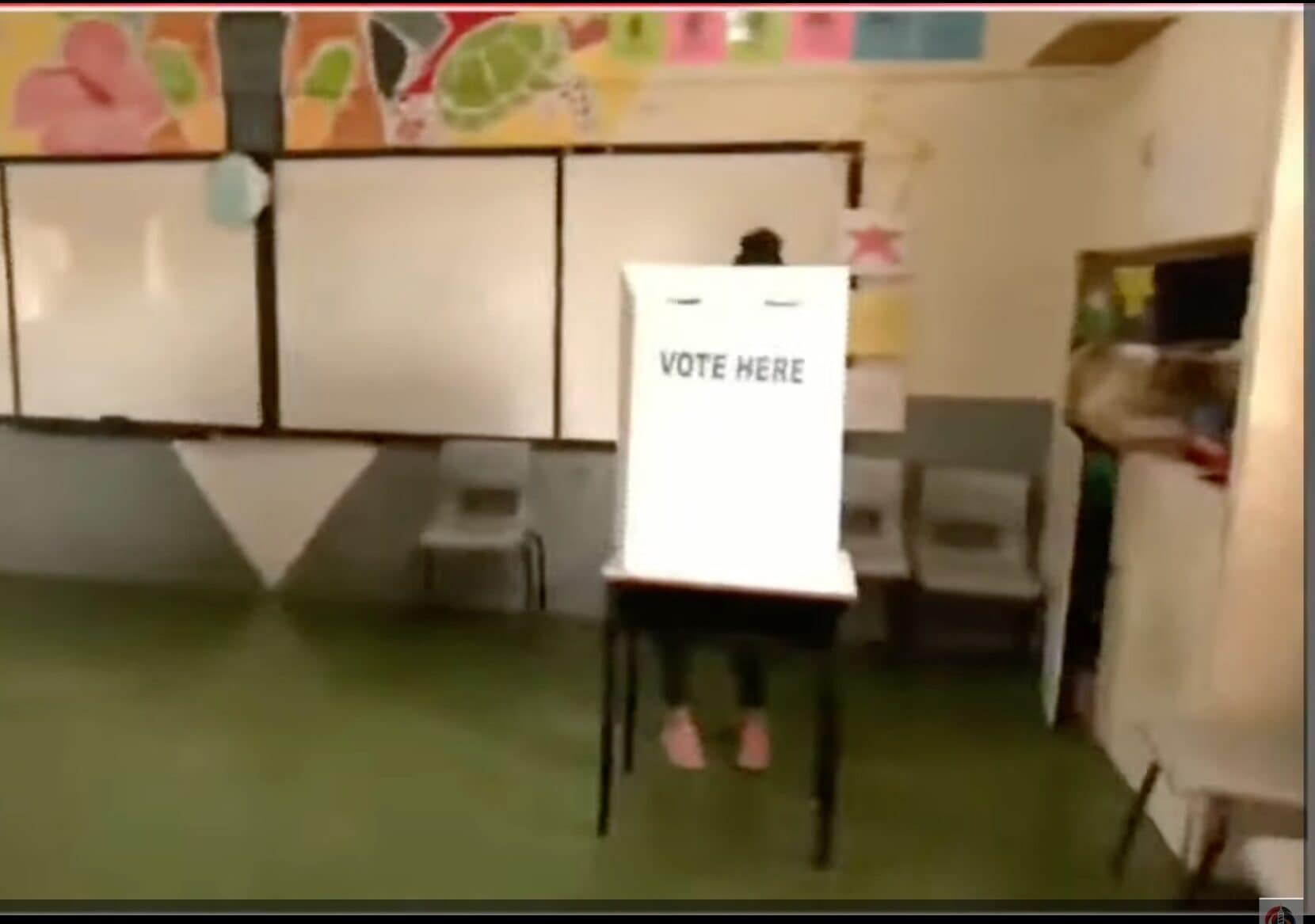
    On election day across Antigua and Barbuda, the Antigua and Barbuda Electoral Commission (ABEC) has introduced a flexible last-minute measure to ensure no eligible voter is locked out of the democratic process, even if they failed to renew or replace their official voter identification cards ahead of the poll.

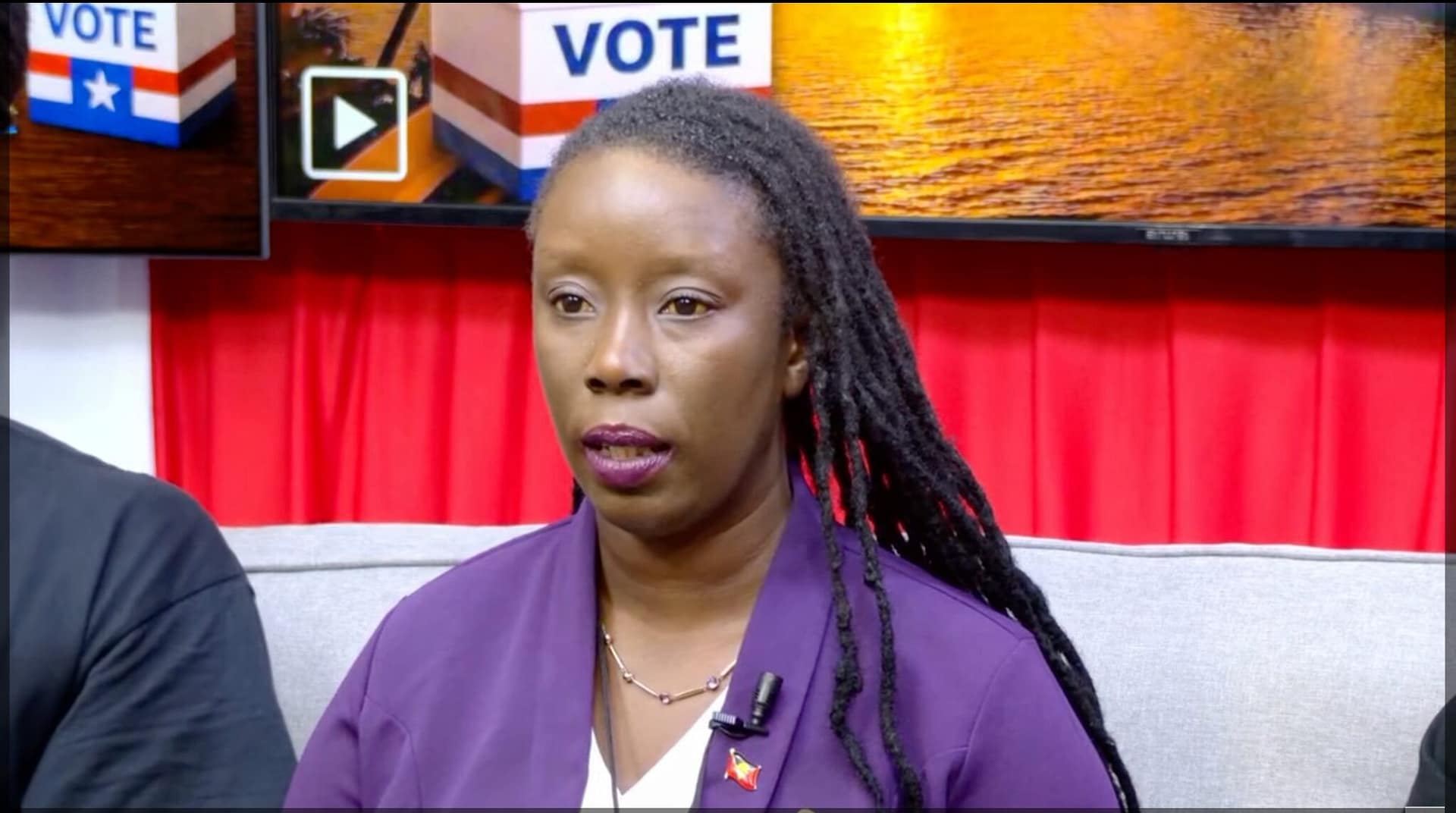
    Appearing on Pointe TV’s Thursday morning broadcast, ABEC Public Relations Officer Elisa Graham moved to ease widespread anxiety among affected voters, confirming that there remains a clear pathway for them to exercise their constitutional right to vote.

    Under the newly outlined special protocol, any voter without a valid, up-to-date voter ID can visit any active registration unit across the country – which will operate extended hours from 6:00 a.m. to 6:00 p.m. on election day – to initiate the replacement process immediately upon arrival. To complete the on-site procedure, voters only need to bring one passport-sized photograph and fill out the required official documentation. Once these steps are finalized, election officials will issue a temporary special identification card that grants the holder immediate access to cast their ballot at the polls.

    Graham detailed the dual function of this on-site process in an interview, noting: “So you’re facilitating two processes — starting the replacement process and being issued a special ID card to go out and exercise your franchise.” After the conclusion of election day, the commission will complete processing of the permanent replacement voter ID card, which can be collected by the voter at a later date.

    Graham stressed that the emergency accommodation was deliberately designed to remove unnecessary barriers to participation, ensuring every eligible citizen who wants to take part in the election can do so, regardless of missing the advance deadline for ID renewal or replacement. In additional guidance for voters, ABEC also urged those who had already submitted applications for replacement IDs but had not yet picked up their new cards to stop by registration units to collect their official documentation before traveling to their polling locations.

    This adaptive arrangement is a core component of ABEC’s broader strategy for the 202x election, balancing the dual goals of boosting maximum voter participation across the islands and upholding the strict integrity and security standards required for a free, fair, and credible electoral process, as voting continues throughout Antigua and Barbuda.

  • Immigration overhaul as workforce shrinks, ages

    Immigration overhaul as workforce shrinks, ages

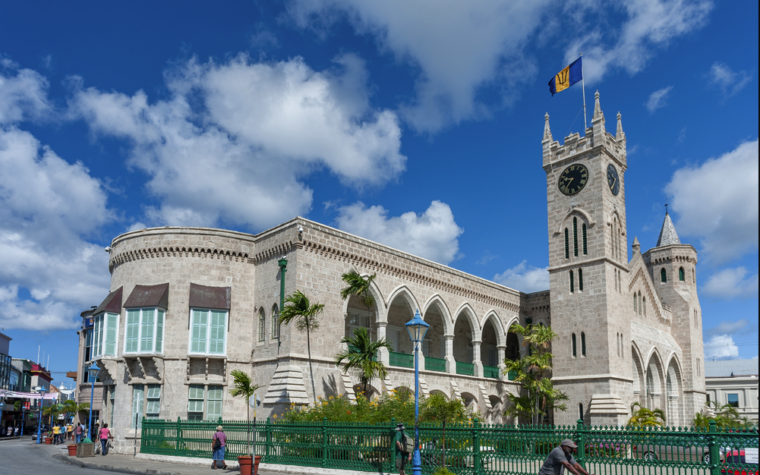
    Facing a growing demographic crisis driven by shrinking birth rates, sustained population shrinkage, and an aging national workforce, Barbados has introduced sweeping updates to its immigration and citizenship legislation to shore up long-term economic stability. Home Affairs Minister Gregory Nicholls presented the amended Immigration and Citizenship bills to the country’s House of Assembly on Wednesday, framing the reforms as a urgent response to decades-long demographic shifts that have begun to erode the island nation’s economic standing.

    Nicholls outlined the gravity of the challenge facing Barbados, noting that decades of declining fertility rates, sustained out-migration of skilled workers, and stagnant population growth have pushed the country into a clear period of demographic contraction. A comparison of 60 to 70 years of population data reveals a stark reversal from steady growth to consistent decline, a trajectory that already threatens core government functions and national competitiveness, the minister argued. “This shrinking and ageing population threatens to undermine long-term GDP growth, our capacity to fund our pensions, our capacity to be able to deliver on our social services and also all the other services that the government provides,” Nicholls told lawmakers. “This erosion of the productive population threatens the nation’s competitiveness; it limits our ability to attract investment and be able to make good on all of the things that we want to say attracts people to Barbados.”

    With official growth targets enshrined in the country’s 2026 Barbados Economic Recovery and Transformation Programme at stake, the government has overhauled existing immigration and citizenship frameworks to expand access to residency, formalize longstanding uncodified administrative practices, and open new pathways for permanent residency for high-potential migrants. Many flexible residency and work permission arrangements have been used by immigration authorities for years, but existed only as informal administrative policies rather than formal statutory law. The new legislation codifies these practices, streamlines application processes, and extends protections to spouses and dependent family members of legal residents who previously fell outside formal eligibility requirements, strengthening family stability for people already residing in Barbados.

    A centerpiece of the reform is the expansion of permanent residency eligibility, which now explicitly includes spouses of Barbadian citizens, financially independent retirees, and their dependents — including minor children and adult dependents with disabilities. Previously, many spouses of citizens were only eligible for temporary visitor status, creating unnecessary strain on cross-border families. The legislation also eliminates the outdated “immigrant” categorization and introduces a first-of-its-kind merit-based points assessment system for permanent residency applicants.

    Under the new merit-based framework, applicants earn points across eight key criteria: age, Barbadian ancestral lineage, educational attainment, professional skills, work experience, available financial resources, and senior diplomatic or international public service experience. Applicants must reach a 10-point threshold to qualify for permanent residency. Nicholls explained that the targeted system is designed to counter the ongoing brain drain of skilled Barbadian workers who have relocated abroad, by attracting skilled new migrants to strengthen the domestic labor market.

    Beyond addressing labor gaps, the reforms are crafted to position Barbados as a leading regional hub for global investment and innovation. By formalizing flexible residency pathways for entrepreneurs and skilled workers, the government aims to draw in foreign business founders who bring new technologies and commercial activity to the island, building a competitive advantage over other regional and hemispheric economies. “The bills before the chamber today, provide that legislative framework to strengthen the nation’s competitive edge in the global marketplace, which is key in attracting valuable human capital, also attracting investment, which can also promote innovation by the use of the introduction of technology from people who come to set up businesses here,” Nicholls said. “Barbados becomes a leader to attract investment of a kind and a nature in this era that other countries in the region and even in the wider hemisphere are not attracting.”

    The reforms also bring Barbados’ immigration framework into alignment with its existing regional and international commitments. The legislation codifies commitments made under the Revised Treaty of Chaguaramas, which enables free movement for citizens of other Caribbean nations, and aligns with the terms of Barbados’ economic partnership agreement with the European Union. Nicholls emphasized that the updates modernize the country’s immigration system and reinforce Barbados’ reputation as a forward-looking, integrated player in global and regional affairs.

    Following its introduction on Wednesday, the Immigration Bill has been referred to parliament’s joint select committee on economic policy for further review and amendment before a final vote.

  • Commonwealth Observers Deployed Across Antigua and Barbuda Ahead of Election

    Commonwealth Observers Deployed Across Antigua and Barbuda Ahead of Election

    As Antigua and Barbuda prepares to hold its nationally awaited general election this Thursday, international oversight has officially kicked into gear, with Commonwealth observer teams spreading out across the twin-island nation to vet pre-voting preparations. The mission is designed to uphold transparency and cement the credibility of the democratic process, one of the core mandates of the Commonwealth’s electoral observation work.

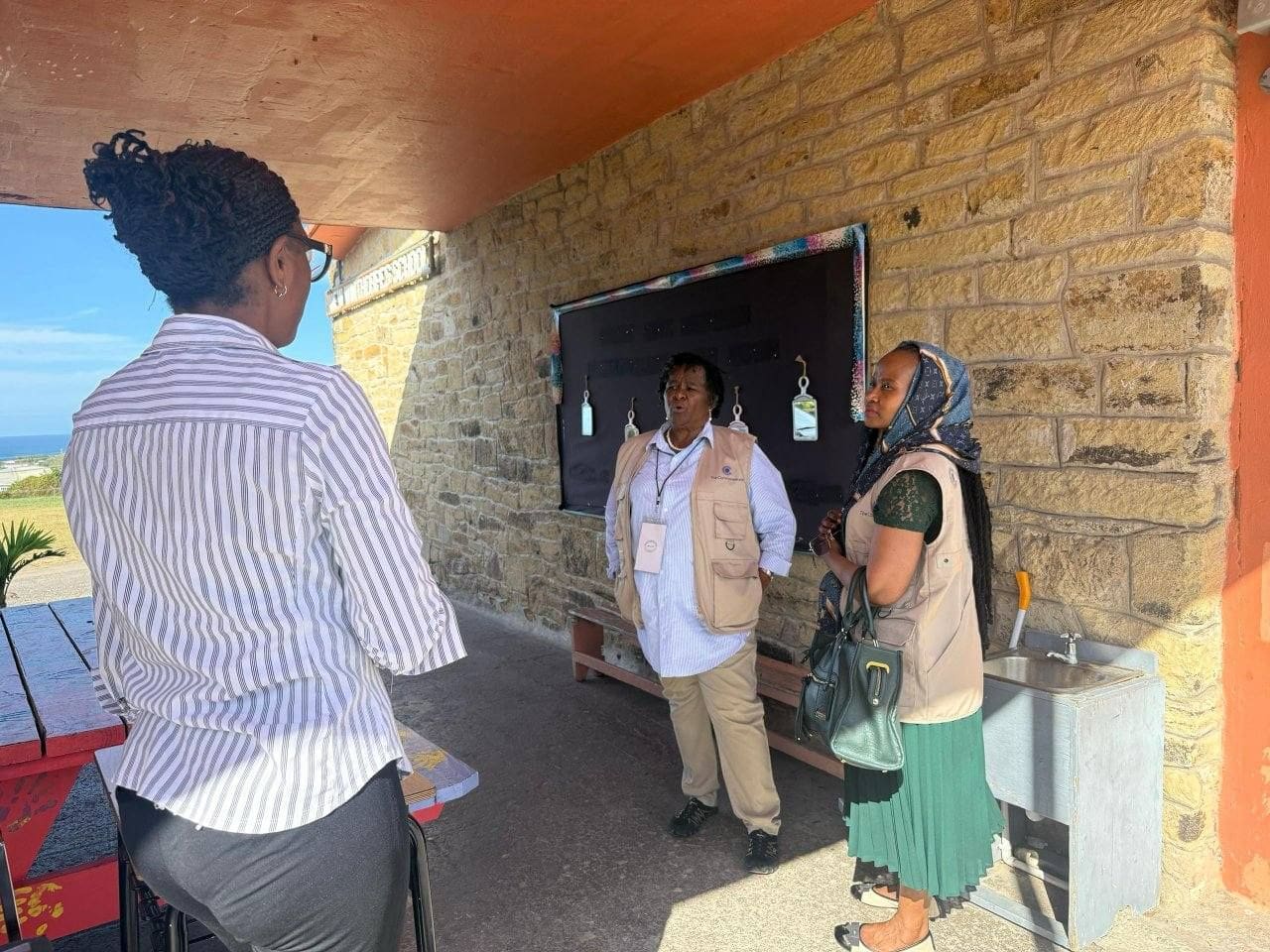
    Heading up the deployment is Pelonomi Venson-Moitoi, Botswana’s former Minister of Foreign Affairs, who occupies the role of Chairperson for the Commonwealth Observer Group. Under her leadership, members of the mission have been traversing every region of Antigua and Barbuda, conducting on-site checks at both polling stations and vote counting centres to gauge how ready these facilities are for the April 30 ballot.

    This Commonwealth deployment is not an isolated effort. It forms a key component of a wider international observation initiative, with all participating teams mandated to evaluate whether pre-election conditions and the upcoming conduct of the poll align with globally accepted democratic standards. Over the course of their pre-election work, observers are focusing on a range of critical areas: from the logistical arrangements that will allow voting to run smoothly, to whether all stakeholders are adhering to national electoral laws, and the overall political and social environment in which citizens will cast their ballots.

    Beyond assessment, the presence of independent observers serves a broader purpose: boosting public trust among Antigua and Barbuda’s electorate that the process will be fair and free of manipulation. Once voting is completed, the mission will compile its full observations, identify any strengths or shortcomings in the process, and publish a detailed post-election report laying out its findings.

    The outcome of this general election will shape the next half decade of governance in Antigua and Barbuda, as voters head to the polls to select the country’s next governing body. Given the nation’s position in the Caribbean and its ties to the Commonwealth and other international blocs, the vote is drawing close attention from both domestic stakeholders and the international community as a whole.

  • Persvrijheid wereldwijd op laagste niveau in 25 jaar, Suriname onder druk

    Persvrijheid wereldwijd op laagste niveau in 25 jaar, Suriname onder druk

    Global press freedom has fallen to its lowest level in 25 years, leading press freedom non-governmental organization Reporters Without Borders (RSF) has warned in its annual World Press Freedom Index, which ranks 180 countries across the world on conditions for independent journalism. For the first time since the index launched in 2002, more than half of all ranked nations fall into the “difficult” or “very serious” categories for press freedom, marking an alarming global shift that sees journalism increasingly labeled as a criminal act.

    Northern European nations continue to dominate the top of the 2026 rankings, with Norway, the Netherlands and Estonia claiming the first three positions. France ranks 25th, earning a “satisfactory” rating, while the United States drops seven places to 64th, a ranking categorized as “problematic”—a decline that RSF ties to the political shifts since Donald Trump took office as U.S. president.

    Across the Caribbean and South American region, press freedom conditions vary widely, with growing challenges for many local media outlets. Suriname falls to 34th place, down from 28th two years ago and 32nd last year, categorized as a nation with “moderate” press freedom but facing clear ongoing threats. Journalists in Suriname regularly face pressure and intimidation, particularly when reporting critically on political activity and government corruption. Recent legal actions against media outlets and reporters that hold public officials to account underscore how vulnerable independent press remains in the country. Neighboring Guyana ranks 73rd, grappling with frequent political interference in media operations and documented restrictions on press freedom. Reports of threats against independent journalists and attempts to censor media organizations, especially around election cycles and the exposure of political scandals, have severely restricted free information flow and open public debate in the country. While Barbados and Trinidad and Tobago rank far higher at 19th, delivering relatively better conditions for press, even these nations face growing concerns over journalist safety and pressure from political and corporate economic interests. In Jamaica and Haiti, journalists are regularly targeted with violence and intimidation, especially when investigating organized crime and systemic corruption. In Haiti, the unstable security situation and near-total lack of effective legal protection have left press freedom in an extremely precarious state.

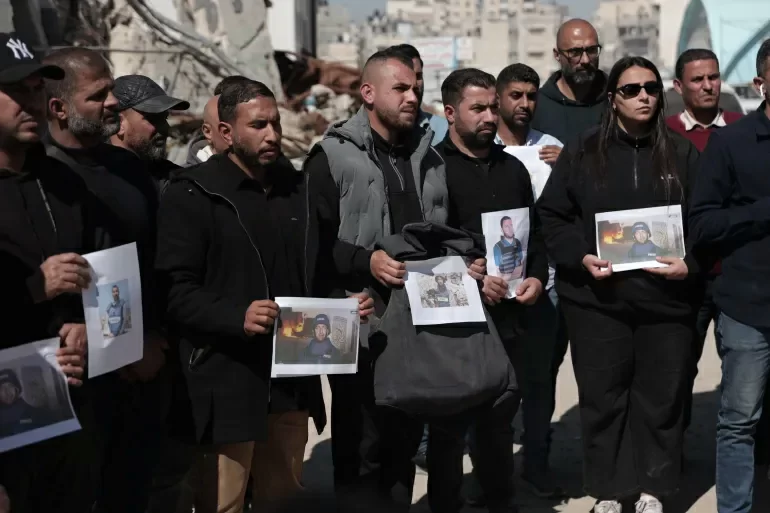
    Globally, RSF highlights dramatic plunges in rankings for nations where political pressure on journalists has spiked. Argentina fell 11 places to 94th, while El Salvador has dropped a staggering 105 places since 2014 to land at 143rd, with both seeing rising political unrest and growing violence against members of the press. The NGO identifies Eastern Europe and the Middle East as the most dangerous regions globally for journalists. Russia ranks 172nd and Iran 177th, both placing among the bottom 10 countries on the index. Israel, ranked 116th, faces widespread criticism from RSF for repeated attacks on journalists operating in Gaza, the West Bank and Lebanon. Since October 2023, more than 220 journalists have been killed by Israeli military operations in Gaza, with at least 70 of those deaths occurring while journalists were on active duty, the organization confirms. RSF also notes that the Israeli military has become the world’s single largest killer of journalists this period.

    A core finding of the 2026 index is that more than 60 percent of all ranked countries—110 out of 180—criminalize journalists through a range of repressive tactics. These include widespread misuse of emergency legislation to restrict press activity and implement arbitrary limits on reporting. Prominent examples cited by RSF include India (157th), Egypt (169th), Georgia (135th), Turkey (163rd) and Hong Kong (140th).

    Anne Bocande, editor-in-chief of RSF, attributes the global collapse in press freedom to four overlapping factors: the rise of authoritarian governments, systemic political incompetence, capture of media and policy by unaccountable economic interests, and insufficient regulation of large online digital platforms. Bocande has called on democratic governments and global civil society to take far stronger action to end the criminalization of journalism, implementing robust legal protections for reporters and imposing meaningful sanctions on actors that target the press. “Current protection mechanisms are insufficient, international law is being undermined, and impunity for attacks on journalists is widespread,” Bocande warned. “Doing nothing is a form of consent. The spread of authoritarianism is not inevitable.”

  • Bowen: Team has stepped up to another level

    Bowen: Team has stepped up to another level

    After a turbulent opening to the 2024 West Indies Championship, Barbados Pride have defied early setbacks to punch their ticket to the tournament’s playoff round, with team management and leadership crediting the squad’s unwavering tenacity for their comeback.

    Last year’s tournament runners-up got off to a discouraging start, dropping their opening fixture to the Jamaica Scorpions in their three-match bilateral series. But the side bounced back in dramatic fashion: they secured a draw in the second encounter before delivering a dominant innings-and-11-run victory over the Scorpions at Kingston’s Sabina Park on Wednesday, a result that locked in their playoff berth.

    In an interview with local media outlet Barbados TODAY following the decisive win, team manager Colin Bowen explained that the squad never lost confidence even after their opening loss, maintaining strong team morale through the entire series. “Jamaica has produced some explosive opening partnerships across this tournament – they’ve notched two 200-run stands and another close to 100,” Bowen noted. “But in this decisive innings, we managed to remove their opening pair very early, which is exactly the strategy we’d banked on to break through their batting lineup.”

    While Barbados Pride’s batters have turned in consistent standout performances throughout the competition, Bowen emphasized that the bowling unit was the driving force behind the lopsided final win. He explained that playing surfaces at Jamaican venues have offered consistent, batting-friendly conditions throughout the championship, forcing bowlers to put in long, grueling shifts to gain an edge. It was only in an afternoon session on the final day of the third match that the pitch finally developed enough turn and bounce to let Barbados Pride’s bowlers take control, Bowen added, noting the surface reverted to its slow, docile state the following day.

    Up next, the side will travel to Antigua to face Trinidad and Tobago Red Force in a playoff clash on May 10, with the winner advancing to the championship final to take on defending champions Guyana Harpy Eagles. Though all other participating teams have already played a match in Antigua this tournament – giving them prior experience of the local playing surfaces – Bowen said the squad does not view this as a major disadvantage.

    “We don’t see that as a significant edge for our opponents,” he said. “We’ve always held the belief that no matter where we play, if we perform to the best of our abilities, we can get the result we want.” Bowen added that the squad has avoided any major injury concerns through the competition so far, with the team’s physiotherapist and trainer successfully managing minor muscle and joint issues. The week-long break before the playoff will be used to address any lingering discomforts and get the full squad fully fit for the knockout round.

    Team captain Kraigg Brathwaite echoed Bowen’s confidence, praising his players for their relentless effort and never-say-die attitude that turned the series around. “I’m incredibly proud of this group,” Brathwaite said. “We put in solid work starting from the second match, claiming first innings points even after Jamaica posted a huge total, and pulling off this win in the final game is a fantastic effort from everyone.”

  • Increase to 190 Polling Stations Delivers Faster, Smoother Voting — ABEC

    Increase to 190 Polling Stations Delivers Faster, Smoother Voting — ABEC

    Voting in Antigua and Barbuda’s latest election kicked off on a steady, trouble-free note on polling day, with administrative systems operating at high efficiency as registered electors made their way to polling stations across the two-island nation, according to senior electoral official Elisa Graham.

    Graham, who serves as the Public Relations Officer for the Antigua and Barbuda Electoral Commission (ABEC), shared the update during a morning interview on Pointe TV’s flagship current affairs program. She confirmed that the opening hours of voting proceeded entirely without disruption, and voiced steady confidence that the electoral process would maintain this orderly trajectory through to the final closing of polls.

    One key point Graham addressed was widespread public speculation that unusually short lines at polling locations might signal lower-than-expected voter turnout. She pushed back against this interpretation, clarifying that the compact queues are not a sign of low participation — they are the direct outcome of intentional administrative design to eliminate crowding.

    To cut down on wait times and keep voter movement flowing smoothly, ABEC expanded the total number of polling stations for this election to 190, a larger network than was available during the 2023 general election. This targeted expansion has allowed voters to check in, cast their ballot, and exit in far less time than in previous cycles, eliminating the need for the long lines that often mark major election days.

    Beyond outlining the operational design behind the day’s early success, Graham also highlighted remaining accommodations for voters who have not yet picked up replacement voter ID cards. Eligible voters who submitted applications for replacement identification can still collect their documents at designated registration units, with operating hours extended through the close of polls to accommodate last-minute needs.

    Graham used her public appearance to issue a renewed call to action for all eligible citizens of Antigua and Barbuda to exercise their democratic right by casting a ballot. “We want to encourage all eligible Antiguans and Barbudans to go out and exercise their franchise,” she emphasized, reinforcing the value of broad participation in the nation’s democratic process.

    The ABEC spokesperson also confirmed that the election is being overseen by independent international observers, as part of the nation’s commitment to electoral transparency. Observers from the Commonwealth, the Organization of American States (OAS), and the Caribbean Community (CARICOM) were all officially invited to monitor every stage of voting and ensure the process meets international standards for credibility.

    In her closing remarks, Graham reiterated core election day regulations that all voters are required to follow. Most notably, she reminded electors that they are prohibited from wearing political paraphernalia or any clothing branded with party logos or messaging when entering polling stations, a rule designed to maintain a neutral, non-intimidating environment for all voters.

    She wrapped up the interview by reiterating a call for continued peaceful participation across the day, urging all citizens to play their part in ensuring the election proceeds seamlessly and upholds its status as a credible expression of the public will.