博客

  • PM Browne and Maria Browne cast their ballots

    PM Browne and Maria Browne cast their ballots

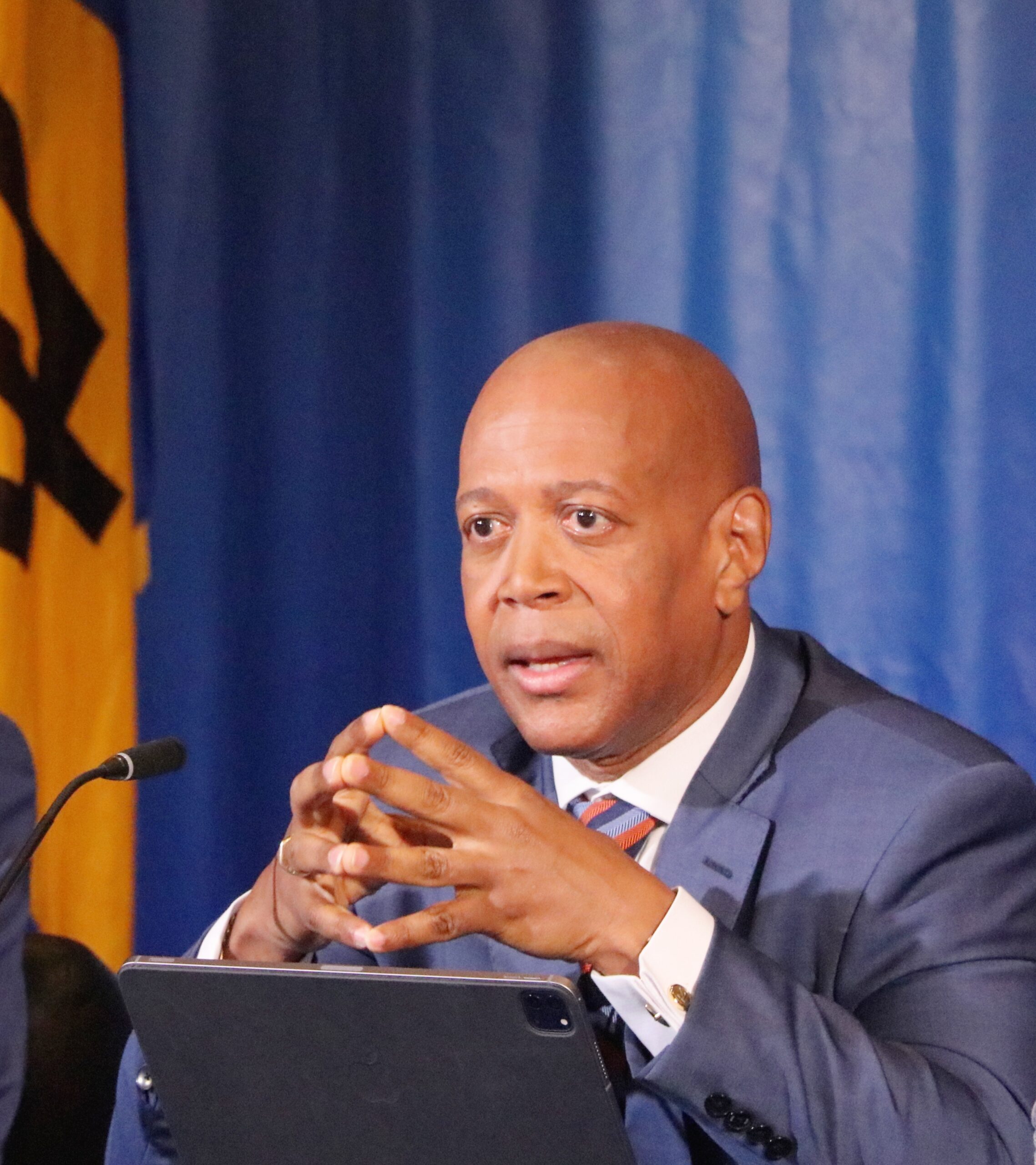
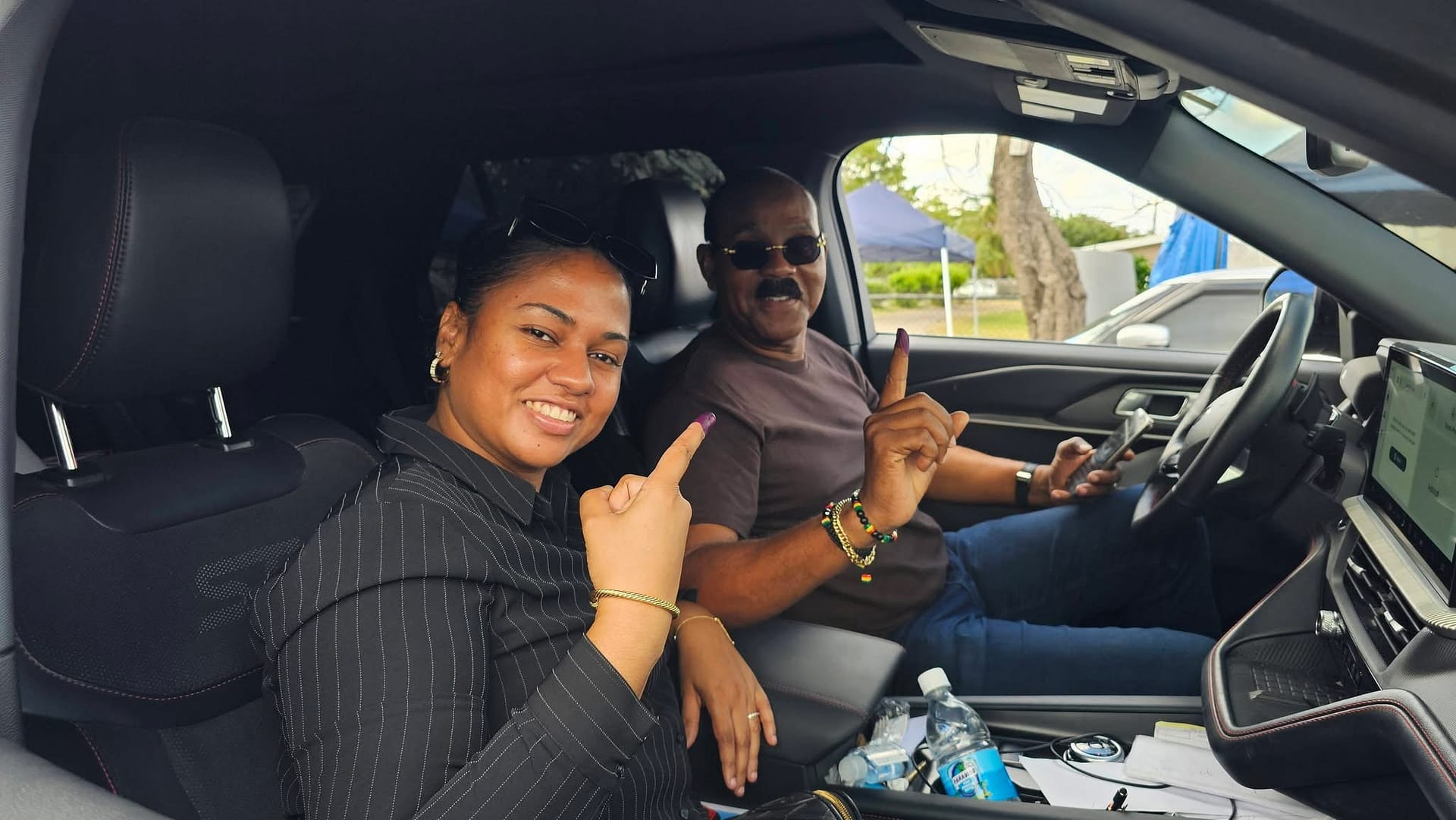
    On a busy polling day that marked a key milestone in the country’s democratic process, Prime Minister [Name] Browne and his wife Maria Browne joined thousands of eligible voters across the nation to cast their official ballots. The couple arrived at their assigned local polling station in the early morning, where they were greeted by election officials before moving through the standard voting procedures established by the country’s electoral commission.

    As sitting head of government, Prime Minister Browne’s participation in the vote underscores the foundational role of democratic participation in the nation’s political system. Speaking briefly to reporters after casting his ballot, Browne urged all registered citizens to make their voices heard by participating in the election, emphasizing that every vote carries equal weight in shaping the country’s next chapter of governance. The election, which is being contested by multiple political parties vying for control of parliament and the executive branch, has drawn widespread attention from both domestic observers and international monitoring groups focused on ensuring a free and fair electoral process.

    Maria Browne echoed her husband’s call for voter turnout, noting that civic participation is a shared responsibility for all eligible citizens that helps sustain the country’s democratic institutions. The couple’s appearance at the polls follows a weeks-long campaign season that saw candidates travel across the country debating policy priorities ranging from economic recovery and healthcare reform to climate action and education investment. With polling stations set to close later in the evening, vote counting is scheduled to begin immediately after, with preliminary results expected to start trickling in by midnight local time.

  • Over 900 candidates to sit Caribbean Examinations Council exams this year, says CXC Registrar.

    Over 900 candidates to sit Caribbean Examinations Council exams this year, says CXC Registrar.

    The annual Caribbean Examinations Council (CXC) testing window has officially kicked off across the region, with local examination officials confirming that more than 1,700 total candidates are registered to sit for this year’s battery of secondary and post-secondary assessments. Local Registrar Magalie Celestine shared details of the exam timeline and new testing initiatives, noting that the 2026 season got an early start on April 13 with music practical examinations, which have already wrapped up successfully.

    Currently, the next wave of practical and oral assessments is in progress: Physical Education and Sports practical tests, along with French and Spanish oral examinations, are being administered through April 30, according to Celestine. The main written exam portion of the season is scheduled to launch on May 4, falling this year on the May Day public holiday, and will follow a staggered end date. For students pursuing the Caribbean Secondary Education Certificate (CSEC), written exams will conclude on June 9, while candidates sitting for the Caribbean Advanced Proficiency Examination (CAPE) and the Caribbean Certificate of Secondary Level Competence (CCSLC) will continue their assessments through June 16, bringing the full six-week exam season to a close.

    Celestine reported that preparations have proceeded smoothly so far, with all 70 trained invigilators in place and 17 testing centers activated across the island to accommodate all registered candidates. Breakdowns of candidate numbers show 965 registered for CSEC, split between 743 school-based candidates and 222 private candidates. An additional 119 candidates are registered for CAPE, 641 for CCSLC, and all testing centers will also host GCE A-Level Cambridge Exams alongside CXC assessments, Celestine confirmed.

    The most notable addition to this year’s exam calendar is the launch of a first-of-its-kind pilot program for the Caribbean Targeted Education Certificate (CTEC), a new modular alternative to the traditional linear assessment model used for CSEC. Unlike the standard full-length linear exams, CTEC breaks subject syllabi into smaller, focused modules that reduce testing time per sitting.

    To illustrate the new structure, Celestine used the example of the CTEC Mathematics assessment: the full CSEC syllabus is split into three separate modules, and candidates sit a shortened version of each exam paper alongside traditional CSEC test-takers. Where standard CSEC Mathematics Paper 1 requires 60 multiple-choice questions completed over 90 minutes, CTEC candidates answer 20 questions in 30 minutes. Similarly, CTEC Paper 2 is trimmed to four structured questions to be completed in 50 minutes, compared to the longer traditional version.

    Fifty private candidates are registered for this inaugural CTEC pilot, marking the first time the modular assessment program has been rolled out anywhere in the Caribbean. Celestine noted that the pilot is the first step in a broader long-term plan to convert all 33 existing CSEC subjects to a modular format, which will eventually give all students the flexibility to choose between the traditional linear assessment pathway and the new modular CTEC option that better fits their learning pace and needs.

  • Central Bank outlines financing safety net for shocks, hurricanes

    Central Bank outlines financing safety net for shocks, hurricanes

    Barbados is gearing up to launch negotiations with the International Monetary Fund in the coming weeks on a new standby arrangement, a pre-approved financial buffer designed to deliver immediate access to funding when unexpected economic or climate shocks hit, the island nation’s central bank governor Dr. Kevin Greenidge has confirmed.

    This new step comes roughly one year after the Mia Mottley-led administration wrapped up its previous two IMF programs: the Extended Fund Facility (EFF) focused on medium-term economic structural reform and the Resilience and Sustainability Facility (RSF) aimed at long-term climate adaptation. After completing those initiatives last June, the government has repeatedly stated its goal of keeping the IMF “on speed dial” for rapid emergency support, a promise that is now moving into active negotiation.

    Speaking exclusively to local media outlet Barbados TODAY, Greenidge outlined that the formal discussions are scheduled to kick off between next week and the following week, with the parties set to hash out the specific parameters of the new agreement. Unlike the traditional, rigorous program structures of past IMF arrangements such as the EFF, this standby arrangement is framed as a proactive insurance policy rather than a bailout for existing economic instability, Greenidge explained.

    The core advantage of the pre-negotiated setup is the drastically reduced waiting period for accessing funds, he noted. In the event of an unexpected crisis such as a major hurricane – a constant risk for small Caribbean island states – a pre-approved arrangement would allow Barbados to access financing in days rather than the three to four months required for a new, from-scratch program. The framework will involve ongoing policy dialogue between Barbadian authorities and IMF teams, with minor self-set targets that, when met, earmark funds for the country to draw on immediately if a shock occurs.

    “This is part of a layered emergency funding strategy,” Greenidge emphasized, pointing to the multiple complementary buffers Barbados has built to respond to crises. In addition to the proposed IMF standby arrangement, the country can access rapid payouts from the Regional Catastrophe Fund, pre-allocated emergency bonds from the World Bank, and built-in deferral clauses in its climate debt agreements that allow the government to pause debt payments for one to two years to free up critical funding during emergencies. The overarching goal of the strategy is to secure immediate access to capital while minimizing outgoing government spending in the immediate aftermath of a crisis, so response and recovery efforts can launch without delay.

    The previous IMF programs, wrapped up in June 2023, concluded with the disbursement of a final $116 million loan tranche, marking the successful completion of Barbados’ Building Economic Resilience Transformation (BERT) 2.0 reform program. The prime first announced the “speed dial” plan for ongoing IMF engagement back in May 2023, ahead of the conclusion of BERT 2.0, saying that structural reform efforts would continue regardless of the end of the previous lending arrangements.

    Prime Minister Mottley has framed the next phase of national economic development, labeled BERT 3.0, around two core priorities: upgrading the country’s skills base and modernizing national governance structures. Addressing the skills gap, Mottley noted that while the government prioritizes hiring Barbadian nationals for all open positions, the country has repeatedly been forced to recruit skilled workers from overseas due to shortages in critical fields. This makes expanded skills development a central pillar of long-term economic growth, she said.

    Alongside the ongoing economic resilience work the standby arrangement supports, governance modernization will also be a core focus of the BERT 3.0 agenda, as Barbados works to become more agile, competitive and adaptable for the challenges of the 21st century, Mottley added. The central bank also confirmed that the country has recorded 20 consecutive quarters of economic expansion, with continued growth recorded in the first quarter of this year, demonstrating the success of past reform efforts and creating space to proactively build future shock buffers.

  • Moringa Seeds Found to Remove Up to 98.5% of Microplastics from Drinking Water, Study Shows

    Moringa Seeds Found to Remove Up to 98.5% of Microplastics from Drinking Water, Study Shows

    For thousands of years, the fast-growing moringa tree — widely nicknamed the “miracle tree” for its dense nutritional profile and long-documented healing properties — has been used across civilizations to clean contaminated water. Now, a new joint study by researchers from Brazil and the United Kingdom has uncovered another groundbreaking application: extracts from the tree’s seeds can filter out nearly 99% of harmful PVC microplastics from tap water, matching the efficiency of traditional chemical water treatment methods while offering far more sustainable benefits.

    Published in April, the research builds on a decade of work led by Adriano Gonçalves dos Reis, a professor at São Paulo State University’s Institute of Science and Technology. Historical records show ancient Greek, Roman, and Egyptian societies already used moringa to purify water, but Gonçalves dos Reis and his team set out to test whether the plant’s natural coagulant properties — which cause small suspended particles to clump together for easy filtering — could work on microplastics, one of the modern era’s most pressing environmental contaminants.

    Microplastics, defined as plastic fragments smaller than 1 micrometer (roughly 1/25,000 of an inch), have permeated every corner of the global environment, from the deepest ocean trenches to the highest mountain peaks. A 2024 analysis found microplastics in 83% of tested tap water supplies worldwide, and the tiny particles have already been detected in human organs including the brain, reproductive systems, and cardiovascular tissue. While researchers are still working to map the full health impacts of microplastic exposure on humans, animal studies have linked the particles to reproductive damage and hormonal disruption.

    For their experiment, the research team focused on PVC microplastics — one of the most common and hazardous types of microplastic found in drinking water — with an average size of 18.8 micrometers, about one-quarter the thickness of a human hair. When moringa seed extract was added to standard filtration systems, the researchers measured a 98.5% removal rate of PVC microplastics from tap water.

    This efficiency is on par with aluminum sulfate (commonly called alum), the conventional chemical coagulant widely used in municipal water treatment facilities. Strikingly, the team also found moringa seed extract outperformed alum in more alkaline water conditions, a common trait of many natural water sources.

    Beyond comparable effectiveness, moringa offers major advantages over traditional chemical treatments. Unlike alum, which relies on aluminum (a metal linked to neurodegenerative disease when present in high concentrations and requires environmentally destructive mining to produce), moringa seeds are a renewable, fully biodegradable resource. They also produce far less toxic sludge waste and carry minimal toxicity risks for human consumption.

    Matthew Campen, a distinguished professor of pharmaceutical sciences at the University of New Mexico Health Sciences Center who was not involved in the study, called the finding a promising step forward. “Using a natural product to replace an aluminum-based filtration system may offer a cheaper and more sustainable solution to removal of PVC microplastics,” he explained, noting that the approach would also eliminate the environmental harm tied to aluminum mining.

    Still, the method has important limitations that require further research. The study found one moringa seed can treat approximately 10 liters of water, meaning large urban water treatment facilities processing millions of liters daily would require massive quantities of seeds to adopt the technique. Additionally, increased use of organic seed extract could leave higher levels of organic residue in treated water, which would require additional processing to remove.

    Gonçalves dos Reis noted that the technique is already well-suited for small rural communities or remote regions where access to chemical coagulants like alum is limited. For wider use, however, more research is needed to answer key questions: how moringa seed extract breaks down after use, what becomes of the captured microplastics, how scalable the method is for large operations, and whether it remains cost-effective at scale.

    Campen added that future tests will also need to confirm whether moringa can effectively remove other types of microplastics, as well as nanoplastics — the even smaller particles, roughly 1/1000 the width of a human hair, that are most likely to penetrate human organs and bloodstream.

    Gonçalves dos Reis says his team is already moving forward with this research, and he is confident moringa seeds will prove effective across a wide range of plastic contaminants. For experts like Campen, developing scalable solutions for microplastic contamination could not come soon enough: global microplastic and nanoplastic exposure levels continue to rise, a trend that experts expect will persist for decades to come.

  • Guyana slips further on global press freedom ranking; situation remains “problematic”

    Guyana slips further on global press freedom ranking; situation remains “problematic”

    On 30 April 2026, global press freedom advocacy group Reporters Without Borders (RSF) released its annual World Press Freedom Index, marking a historic low for open journalism worldwide and recording a slight but concerning decline for Guyana’s press freedom standing.

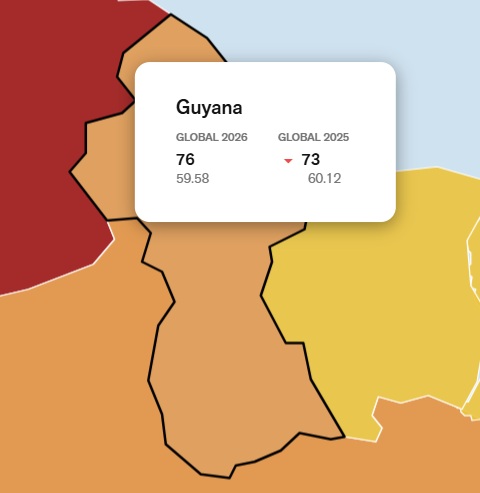
    In this year’s evaluation of 180 countries and territories, Guyana fell three spots to 76th place, down from 73rd in the 2025 ranking. Its overall press freedom score also dipped from 60.12 out of 100 last year to 59.58 this year, placing the South American nation firmly in RSF’s “problematic” press freedom category.

    While RSF acknowledged that Guyana’s legal framework formally protects free speech and the public’s right to information, the organization outlined a series of growing barriers to independent journalism in the country. The report noted that media outlets critical of the ruling administration face routine targeted intimidation, and the financial sustainability of independent outlets is undermined by the deliberate withdrawal of state advertising for political reasons. Presidential press conferences are extremely rare and heavily curated, and early this year, Guyana’s National Assembly implemented controversial new access restrictions that ban news cameras from the chamber, limiting press coverage of legislative proceedings.

    Notably, the RSF report omitted several key concerns repeatedly raised by the Guyana Press Association (GPA), the country’s leading representative body for journalists. These gaps include a near-total shutdown of routine public information access: only one ministerial press conference has been held in 2026 to date, convened solely by the Home Affairs Minister to address a gas station bombing. Requests for information from the Office of the Commissioner of Information are almost universally denied, and the Guyana Police Force consistently fails to respond to basic media queries, a issue that top government officials including the president, home affairs minister and attorney general have been aware of for months. In place of open press engagements, the president and a small circle of senior ministers now rely exclusively on one-way information dissemination via social media, eliminating the longstanding practice of answering journalist questions on behalf of the public. The RSF report also made no mention of the fact that parliamentary committees, which are meant to provide transparent oversight of government action, have yet to convene public sessions accessible to media and citizens.

    RSF’s assessment included the contradictory observation that Guyanese journalists are generally permitted to work freely and independently, despite widespread documentation of harm. Local journalists have repeatedly documented verbal harassment and aggressive intimidation from sitting politicians — including the president and vice president — and their political supporters. The organization also confirmed structural threats to media independence: all members of Guyana’s media regulatory body are directly appointed by the president, giving the executive branch unilateral power to revoke operating licenses for critical outlets, creating a chilling effect on independent reporting.

    On the safety front, RSF found that physical violence against journalists remains rare in Guyana, but media professionals face growing non-physical threats: routine online harassment from political actors and anonymous accounts, legal intimidation, and arbitrary temporary suspensions of press access. To date, no perpetrators have been prosecuted for these online and off-line attacks on journalists, creating a culture of impunity.

    Beyond Guyana’s specific situation, the 2026 World Press Freedom Index delivered a grim global assessment: for the first time in the 25-year history of the ranking, more than half of all assessed countries fall into RSF’s “difficult” or “very serious” categories for press freedom. The global average press freedom score across 180 nations hit its lowest point since the index launched in 2001.

    RSF attributed the steady global decline to the expansion of restrictive legal frameworks, particularly measures tied to national security policies that have steadily eroded the public’s right to information — even in longstanding democratic nations. The index’s legal freedom indicator recorded the largest single-year drop in the past year, a clear signal that journalism is increasingly being criminalized across the globe. In the Americas region specifically, the report noted significant deterioration: the United States fell seven places in the 2026 ranking, and multiple Latin American countries have continued to slide deeper into cycles of violence and political repression against independent media.

  • Vehicle Crashes Through Preschool Fence Behind Greenbay School

    Vehicle Crashes Through Preschool Fence Behind Greenbay School

    A startling incident has unfolded at a preschool situated adjacent to Greenbay School, after a motor vehicle careened off course and crashed through the site’s perimeter barrier. Photographic evidence captured at the scene shows the car remains wedged deep within the crumpled, damaged fencing that borders the early childhood education facility. As of the latest update, local authorities have not yet released any official details confirming whether anyone sustained injuries in the crash, nor have they shared information on the potential causes that led the vehicle to end up on the preschool grounds. Parents of children attending the facility have not yet received formal notifications about any risks to student safety, leaving community members waiting for further clarification on the situation.

  • Dominica strengthens cruise industry ties at Seatrade Cruise Global 2026

    Dominica strengthens cruise industry ties at Seatrade Cruise Global 2026

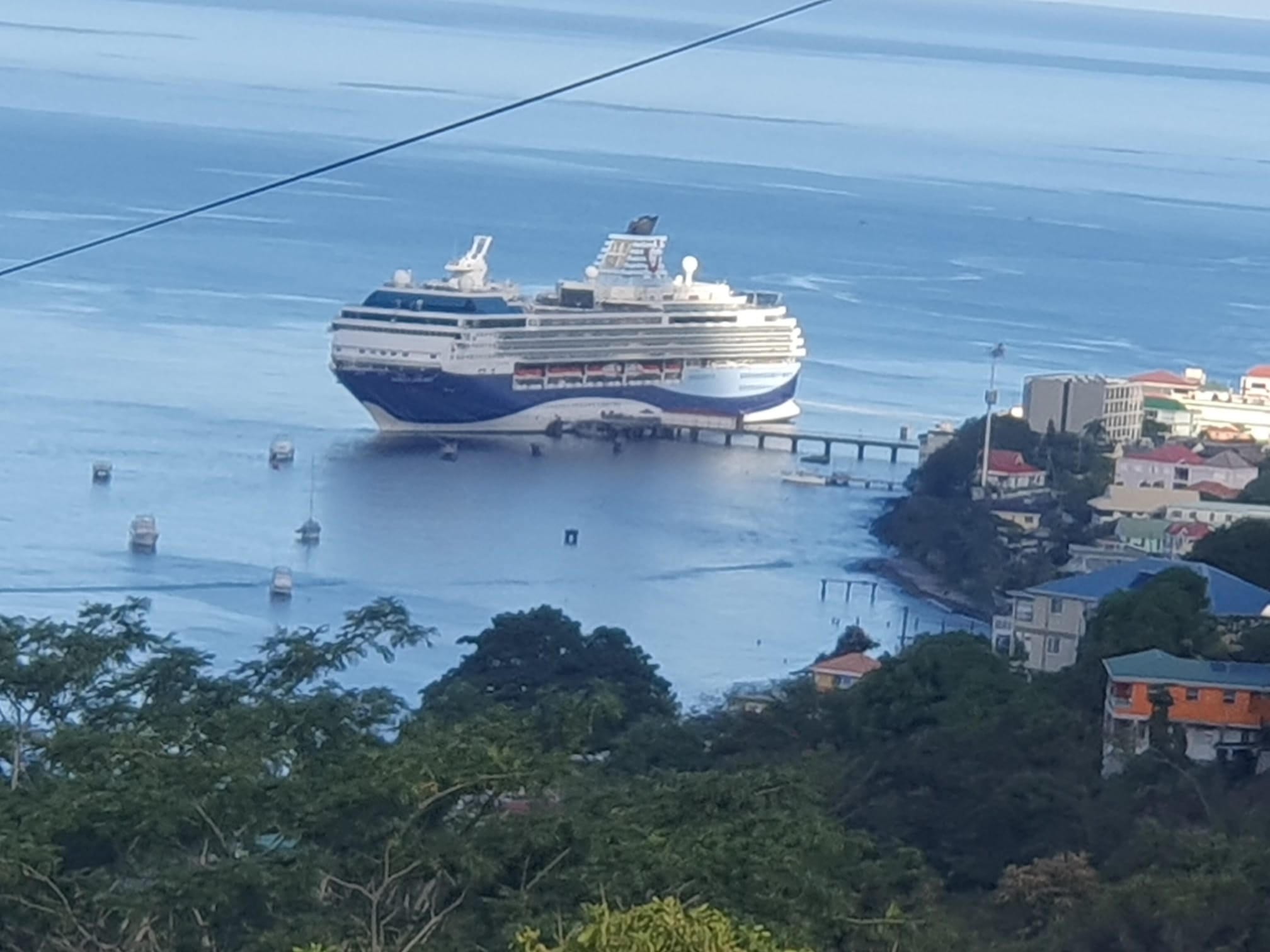
    Against the backdrop of a recovering global cruise sector, the Caribbean island nation of Dominica has cemented its expanding position in the international cruise industry after high-stake strategic engagements at this year’s Seatrade Cruise Global, one of the cruise sector’s most influential annual trade events, which ran from April 13 to 17 in Miami.

    Leading the Dominican delegation was Benoit Bardouille, Chairman of the Discover Dominica Authority, the country’s official tourism promotion body. The delegation also included senior tourism officials Odile Jno Baptiste, Product Promotions Manager, and Daphne Vidal, Projects Manager, alongside business representatives from three of the island’s top local tour operators: Hibiscus Eco Tours, Whitchurch Tours, and Fun Sun Inc. This cross-selection of government and private sector participants signals a unified, whole-nation commitment to growing Dominica’s cruise tourism footprint, rather than a standalone government effort.

    During the event, the delegation held targeted closed-door one-on-one negotiations with leaders from five of the world’s largest and most prominent cruise brands: Carnival Corporation, Virgin Voyages, MSC Cruises, Disney Cruise Line, and The Ritz-Carlton Yacht Collection. Core discussion topics centered on three key priorities: increasing the number of scheduled cruise ship stops at Dominica’s ports, upgrading the quality and diversity of the island’s onshore tourism offerings, and advancing critical infrastructure projects that will improve port capacity and visitor experience. Two flagship projects highlighted in the talks were the island’s new Cable Car Project and the Bayfront Pier Expansion, both of which are designed to streamline port operations and accommodate larger modern cruise vessels.

    In a post-event statement, Bardouille emphasized the dual purpose of Dominica’s participation in the trade show. “Our presence at Seatrade was about maintaining the strong relationships we’ve already built, while also unlocking new opportunities for the island,” he explained. “We left Miami with clear signals of strong interest from major cruise lines in adding Dominica to their itineraries, and our team is now fully focused on turning that interest into tangible results: more cruise calls and greater economic benefits for local communities.”

    New industry data from the Discover Dominica Authority confirms that the country’s cruise sector is already experiencing far outpacing growth compared to pre-pandemic levels. In the seven-month period from October 2025 to April 2026 alone, Dominica recorded 244 cruise ship calls and welcomed roughly 395,950 cruise passengers. That marks a 42% year-over-year increase from the 2024/25 season, and an 81% jump compared to the same period in the 2019/20 season, the last full season before the COVID-19 pandemic shut down global cruise operations.

    Beyond business negotiations, the delegation also secured valuable international media attention during the event, sitting down for interviews with major global travel and business outlets including Condé Nast Traveler, The Wall Street Journal, and Marketplace Excellence. This coverage has helped elevate Dominica’s profile as a desirable, up-and-coming cruise destination among both cruise industry decision-makers and prospective travelers.

    Cruise tourism is a core economic pillar for Dominica, supporting more than 3,000 direct and indirect jobs across the island. When combined with the broader leisure tourism sector, the industry contributes approximately one-third of the country’s total gross domestic product. To continue this upward trajectory, the Government of Dominica has made growing the cruise sector a top policy priority, continuing to invest in infrastructure improvements and pursue strategic global partnerships to boost the island’s competitiveness and expand its share of the fast-growing global cruise market.

    For additional information about cruising to Dominica, interested parties can contact the Discover Dominica Authority at +1 767 448 2045, or visit the official tourism website at www.discoverdominica.com. Travelers and industry partners can also follow the destination on Facebook and Instagram, and view official destination content on the Discover Dominica YouTube channel.

  • Crabbs Water Line Break Causes Service Disruptions in Several Communities

    Crabbs Water Line Break Causes Service Disruptions in Several Communities

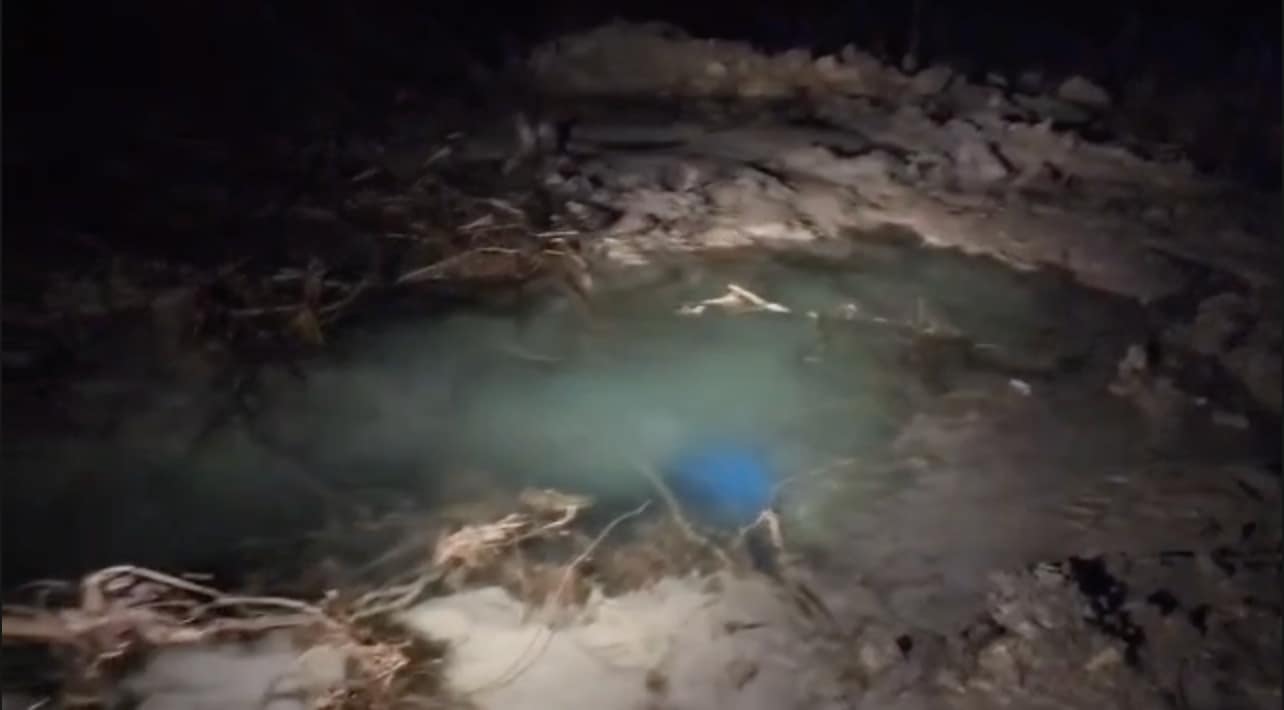
    The Water Business Unit of the Antigua Public Utilities Authority (APUA) has issued an urgent public announcement confirming that a critical 20-inch water transmission line in the Crabbs region has suffered a complete break. Utility crews moved swiftly to isolate the damaged segment of the pipeline immediately after the incident was reported, clearing the way for emergency repair work to begin without delay.

    To minimize widespread disruption to residential and commercial consumers, system operators have reconfigured the local water distribution network to reroute supply through a standby 16-inch transmission line that was not in active regular use. While this temporary workaround is currently keeping the network operational, utility officials have warned that the smaller alternate line lacks the full capacity of the damaged 20-inch infrastructure.

    This capacity shortfall means the network cannot guarantee sufficient water delivery to all end customers that are normally served by the Parham Booster Station. As repair efforts continue over the coming hours and days, residents and businesses across several nearby communities should prepare for inconsistent water service, including periods of reduced water pressure and unplanned temporary outages. These service impacts will persist until crews fully repair the broken main line and restore the network to its normal operating configuration.

    APUA’s repair team has mobilized all available resources to accelerate the project, with field technicians working around the clock to complete fixes as quickly as safety standards allow. In a public statement accompanying the service alert, the authority extended a sincere apology to all customers affected by the unplanned outage and associated disruptions, and expressed gratitude for the public’s patience and understanding as crews work to resolve the issue.

  • Unite, unions urged, as CTUSAB warns of weakened labour voice

    Unite, unions urged, as CTUSAB warns of weakened labour voice

    As Barbados grapples with escalating economic headwinds that put worker livelihoods at growing risk, the island nation’s peak labor coordinating body has issued an urgent appeal for greater unity across the country’s trade union movement, warning that ongoing fragmentation threatens both worker bargaining power and long-term national development.

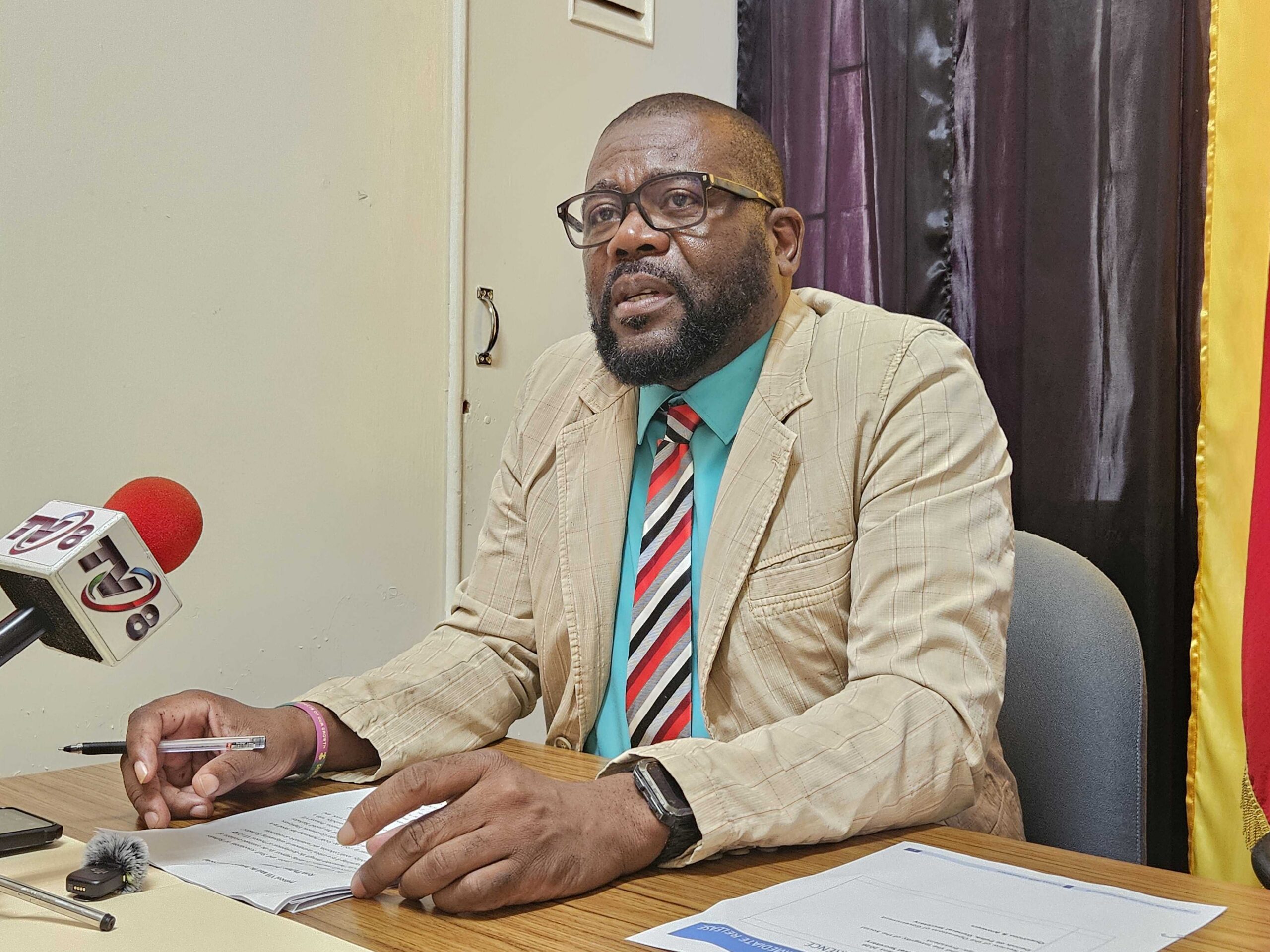
    Speaking at a Wednesday press conference held at CTUSAB (Congress of Trade Unions and Staff Associations of Barbados) headquarters in the Garrison, St. Michael, CTUSAB president Ryan Phillips emphasized that cross-union cohesion is non-negotiable in today’s climate of mounting economic and industrial uncertainty. “If we are to properly represent labor as a collective, we must speak with one voice,” Phillips told reporters. “We have repeatedly called on all union groups to come to the table. Even with existing differences between organizations, there are pressing national-interest issues that demand collaborative conversation to advance the wellbeing of every worker.”

    Phillips warned that internal division within the broader labor movement erodes its collective influence, most acutely on high-stakes issues including wage negotiations and national economic policy formation. “We must gather around the table to speak with a unified voice to guarantee that no worker is disadvantaged in any process, especially salary reviews. That is just one of the critical issues at stake here,” he said.

    CTUSAB publicly acknowledged that three of Barbados’ largest and most influential worker organizations — the Barbados Workers Union, the Barbados Secondary Teachers’ Union, and the Association of Principals of Public Primary Schools — are currently not part of its membership, a gap that directly undermines the goal of a single, representative national labor voice. “CTUSAB laments the fact that these groups, which were once part of the national trade union center, currently remain outside our membership fold,” the organization said in a statement during the conference.

    Despite this rift, the peak body made clear it remains fully open to repairing divisions and rebuilding broad-based unity. “The congress welcomes these organizations, as well as any other recognized trade unions and staff associations, to join our membership, provided they meet the established criteria for membership,” CTUSAB stated.

    Phillips added that the push for a unified umbrella labor body aligns with global best practices and international labor standards set by the International Labour Organisation (ILO), and it is an especially critical priority for small island states navigating complex, shifting global economic conditions. “Creating an umbrella body that brings all worker representatives together in solidarity to speak with one voice makes clear strategic sense,” Phillips noted. “This structure is explicitly recognized within the ILO’s framework. As a small country, it makes good sense to pursue approaches that help us grow and develop with all stakeholders aligned behind a common voice.”

    The CTUSAB president acknowledged that minor disagreements between independent unions are inevitable, but argued such differences do not need to escalate into permanent, damaging division. “Differences will emerge in any organization, but that does not mean we have to be divided,” he said. “It does not mean we have to undermine one another’s rights to achieve our goals.”

    Beyond strengthening worker representation and bargaining power, CTUSAB argues that a unified labor movement improves national governance overall, by creating a clear, reliable channel for worker input into national policy discussions. The organization stressed that workers do not only advocate for their own rights and benefits — they also have a direct, vested stake in inclusive, sustainable national development that benefits all Barbadians.

    With Barbados’ annual Labor Day celebrations approaching, CTUSAB says its call for unity is rooted in both historical lessons from the global labor movement and current on-the-ground realities, as Barbadian workers adapt to persistent economic pressures and ongoing structural shifts in the local labor market.

  • Reminder: No Sale of Alcohol Permitted During Polling Hours

    Reminder: No Sale of Alcohol Permitted During Polling Hours

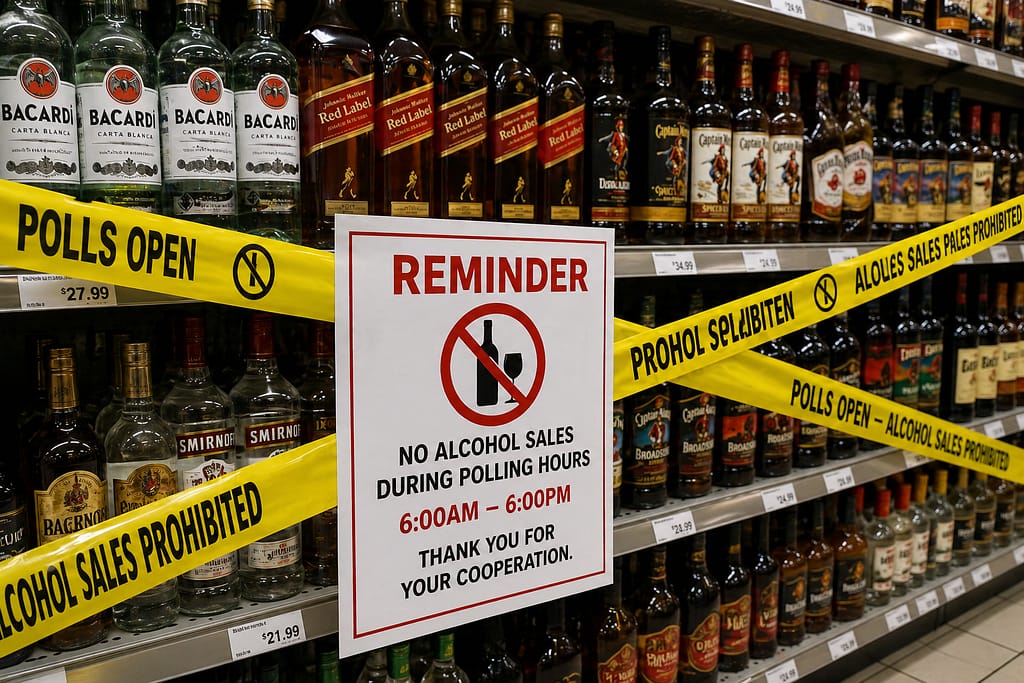
    As Antigua and Barbuda prepares for its upcoming national election, the country’s independent Electoral Commission has issued a formal public reminder of a long-standing legal restriction that will be strictly enforced on polling day: no alcohol can be sold, offered, or distributed to any person while voting stations are open.

    This prohibition is not an emergency ad-hoc measure; it is rooted in the island nation’s Representation of the People Act, which codifies rules to safeguard the integrity of electoral processes. The ban applies uniformly to all alcohol-licensed business establishments located within every voting constituency across the country, and it remains in effect for the full 12 hours that polls are open, from 6 a.m. when voting begins to 6 p.m. when stations close.

    The Electoral Commission has underlined that violations of this electoral law carry serious legal consequences. Any individual or business found to be breaking the ban may be prosecuted, with penalties including fines reaching as high as $3,000 or a custodial sentence of up to 12 months, or both, depending on the circumstances of the violation.

    Officials note that this alcohol restriction is one of a suite of proactive regulations designed to foster a calm, orderly, and fully lawful voting environment for all eligible citizens across Antigua and Barbuda. By limiting alcohol access during polling hours, authorities aim to prevent disorderly conduct, intimidation of voters, and other disruptions that could undermine the fairness of the electoral process. As election day approaches, the Commission is calling on all licensed alcohol vendors, business owners, and members of the general public to adhere fully to this regulation to support a smooth, credible election.