博客

  • Child mortality trends show progress but concerns remain – CMO

    Child mortality trends show progress but concerns remain – CMO

    Barbados has made decades of steady progress cutting child and maternal mortality rates, but growing vaccine hesitancy among the public puts these hard-won public health gains at risk, the island nation’s top public health advisor has warned in an exclusive interview with Barbados TODAY.

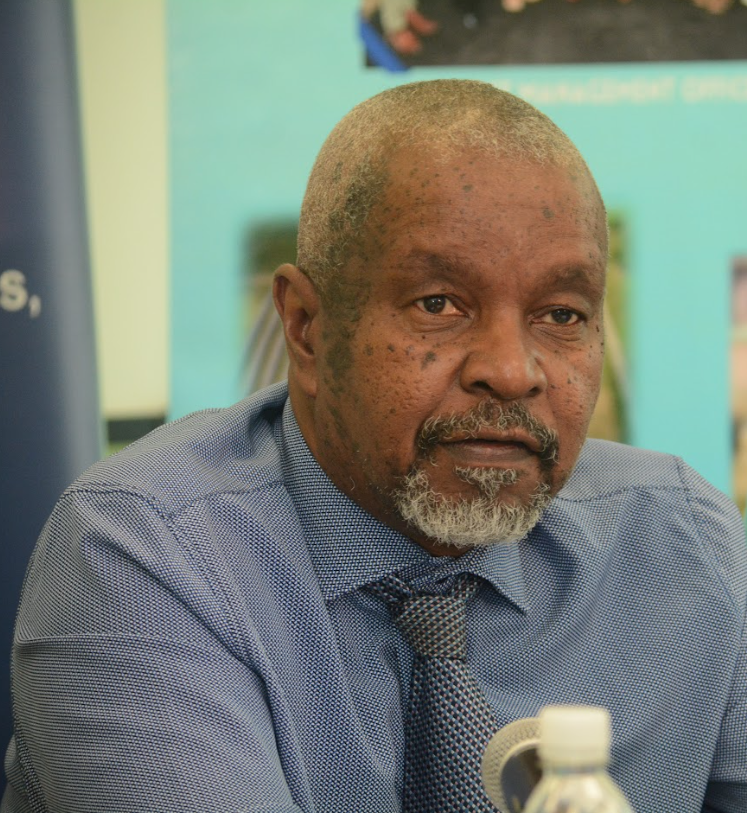
    Chief Medical Officer Dr. Kenneth George shared his assessment Tuesday of a new comprehensive country health profile for Barbados published recently by Our World in Data (OWID), a respected international online scientific publication that tracks global public health, social and environmental challenges. The in-depth OWID report compiles a wide range of health metrics for Barbados, covering everything from child and maternal mortality rates to malnutrition indicators, leading causes of death for children and birthing people, skilled birth attendance, life expectancy and childhood stunting.

    Per the 2023 data included in the report, Barbados’ youth mortality rate – the share of newborns that die before reaching age 15 – stands at 1.2%, down significantly from 2.2% recorded in 1990. The report also tracks the under-five child mortality rate, one of the most widely used global benchmarks of population-level child health, which fell to 1% in 2023 from 1.8% in 1990. OWID data shows 66% of under-five child deaths in Barbados are caused by birth disorders, while another 20% stem from non-communicable conditions including neonatal asphyxia, trauma, respiratory disease, cardiovascular disease, genetic blood disorders and COVID-19.

    Dr. George confirmed the island’s performance on key child mortality metrics is a major public health success, noting that all categories of early childhood death – neonatal, infant and under-five – have dropped sharply over the past 50 years.

    “With respect to the indices of child mortality, we are doing well,” Dr. George told reporters. “Barbados is holding its own. If you look at the figures, there has been a significant decrease over the last five decades with respect to child mortality in Barbados. Of course, we realize that every death of a child is a concern. Although we are doing well, there is always room for improvement.”

    He explained that most neonatal deaths – deaths occurring within the first 28 days of life – are tied to prematurity, congenital abnormalities and infectious complications, a trend that matches global patterns. While preterm births inherently carry higher risk of poor outcomes, Dr. George said local health authorities continue working to improve survival rates for vulnerable newborns.

    The chief medical officer offered broad praise for the OWID report, calling it “fairly decent” and generally aligned with local health data, but pushed back on the report’s finding that 5.8% of Barbadian children experienced stunting – a marker of chronic malnutrition tied to long-term developmental harm – in 2024. Dr. George emphasized that malnutrition-related stunting is not a public health issue in modern Barbados, where the dominant pediatric nutritional challenge is childhood overweight and obesity.

    “With respect to stunting, that is the issue I have here. We in Barbados do not have a problem with stunting; we have a problem with children being overweight or obese. So, I can’t support the report of widespread malnourishment in Barbados,” Dr. George said. “We would have one or two cases where a child is failing to thrive because of some chronic medical issue. But let me make it clear that Barbados has moved over the decades away from malnutrition, one in which our major problem is obesity.”

    On the maternal health front, Dr. George said the report’s findings on falling maternal mortality are encouraging. OWID data puts Barbados’ maternal mortality ratio at 39.1 deaths per 100,000 live births in 2023, down from 48.4 per 100,000 in 2000. Dr. George noted that Barbados requires full, rigorous investigations of every maternal death to identify gaps in care and prevent future fatalities, a policy that has supported the steady downward trend.

    He also highlighted that nearly 100% of all births in Barbados are now attended by skilled healthcare workers, a critical public health win that enables early intervention for life-threatening complications during labor and delivery. Dr. George urged all expectant mothers to complete routine screening for HIV, hepatitis and other infectious risk factors during prenatal care to help clinicians identify and support high-risk pregnancies early.

    Closing out his assessment, Dr. George reaffirmed that Barbados’ core family public health system remains strong, but issued a stark warning about an emerging threat to child survival gains. “I must add that our child mortality rate may be at threat because of vaccine hesitancy,” he said. “We encourage the public to understand that vaccination is the most significant public health achievement globally over the last century. So, I am happy that Barbados controls its situation, but that we are always looking for ways to improve. Ideally we would like some of these numbers to be zero; and that’s our ultimate goal.”

  • Education chief defends teachers amid extra lessons criticism

    Education chief defends teachers amid extra lessons criticism

    As anxiety over widespread private tutoring ahead of Barbados’ high-stakes 11-Plus entrance examination continues to build, the island nation’s top education official has pushed back against widespread criticism that classroom teachers lack commitment, instead laying the blame for over-reliance on extra tutoring on parental pressure for access to elite public schools.

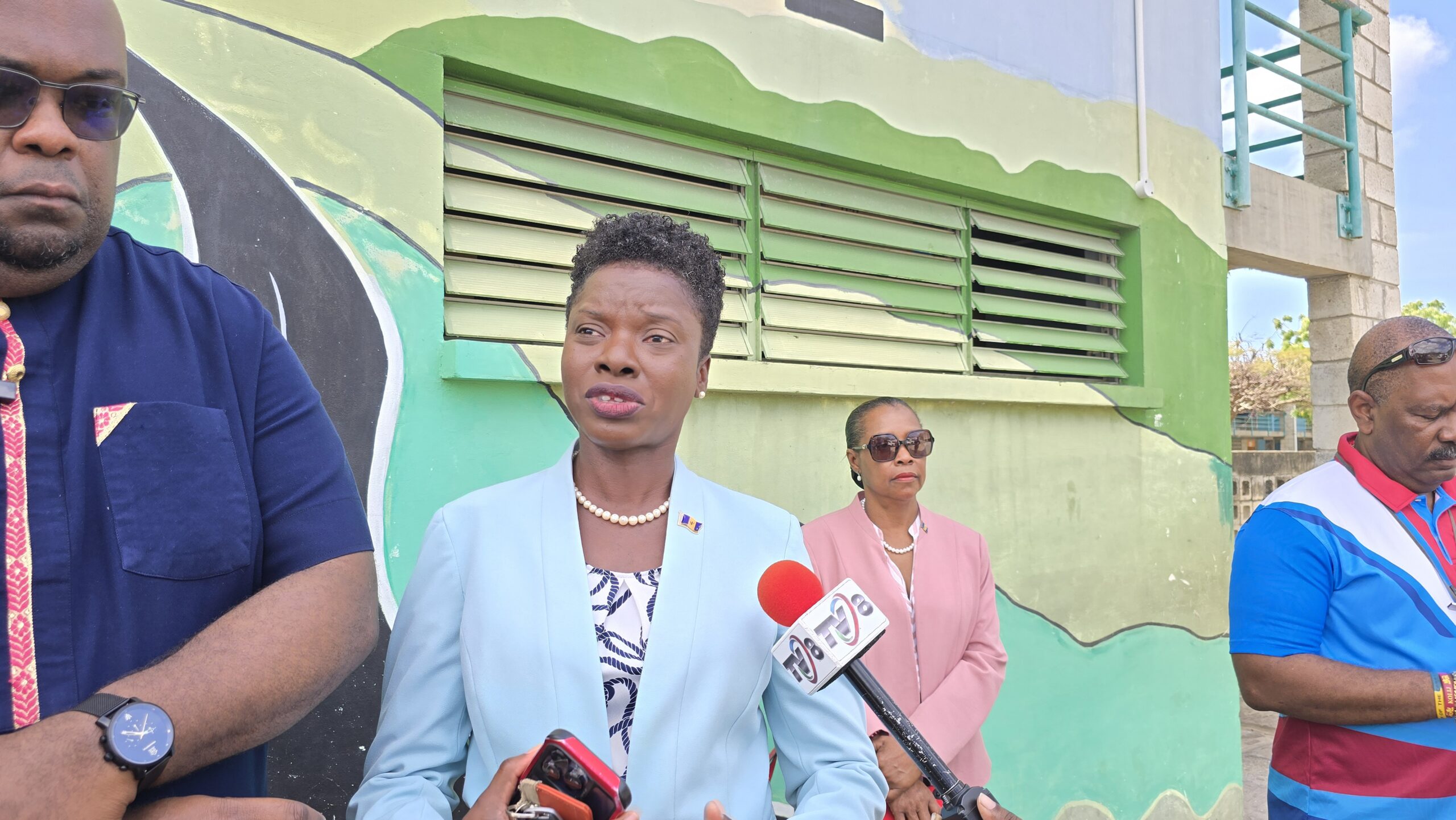
    Dr. Ramona Archer-Bradshaw, Barbados’ Chief Education Officer, delivered a robust defense of the country’s teaching workforce in comments to reporters this week, rejecting the broad claim that most educators are underperforming in their core roles. She argued that sweeping criticism of the profession is unfair and inaccurate, noting that the vast majority of Barbadian educators go far beyond their contractual obligations to support student success, particularly ahead of the high-stakes 11-Plus exam that determines secondary school placement.

    “What I do know is that because some parents place a premium on certain schools in Barbados, they go all out to make sure that their children can have access to certain schools, and that is the reason why some of our parents will seek lessons for their children,” Archer-Bradshaw said. “I will not stand here and say that all of our teachers across the system are not teaching as they should. That would be very disingenuous of me.”

    The education chief emphasized that the island’s teaching community consistently demonstrates extraordinary dedication to their students. “I can tell you that the teachers across Barbados generally give 110 per cent. They’re committed to the children of Barbados,” she said. Beyond delivering required academic content, Archer-Bradshaw noted that many teachers prioritize building critical life skills and positive social attitudes in young learners, devoting uncompensated extra time to reinforce concepts before the 11-Plus. Teachers across all primary grade levels – from Classes One through Four – often volunteer extra hours on weekends and during the Easter vacation to help students consolidate their knowledge, she added.

    Archer-Bradshaw did not shy away from acknowledging performance gaps within the teaching workforce, however. She confirmed that a small share of teachers do not currently operate at their full potential, but stressed that most underperformance stems from a lack of targeted support rather than intentional neglect of duties. To address this gap, the ministry already deploys a team of education officers, master teachers, and instructional coaches to work directly with underperforming educators in schools, helping them build their skills and reach their full potential for the benefit of students.

    Looking ahead, the ministry is moving forward with sweeping education transformation initiatives designed to elevate the island’s education system to global top rankings within six years. A key pillar of this agenda is a new national quality assurance framework, expected to launch within the next 12 to 24 months, which will establish clear, standardized benchmarks for effective teaching, school leadership, and high-performing school institutions. “When this quality assurance framework comes into play… this will indeed help us to move on to the trajectory of being the number one education system in the world,” Archer-Bradshaw said.

    Another controversial reform currently moving forward is mandatory teacher licensing, a policy Archer-Bradshaw defended as a global standard for professional accountability and continuous improvement. She argued that licensing ensures all educators maintain up-to-date, cutting-edge teaching practices, a non-negotiable requirement if the country is to hit its goal of becoming a global leader in education.

    Recognizing ongoing pushback from teaching unions, Archer-Bradshaw confirmed the administration remains committed to open, constructive dialogue with the Barbados Union of Teachers and other relevant labor groups. “We have regular meetings with the Barbados Union of Teachers as well as other unions. Of course, I will wait until we have that meeting and we will have a robust discussion as to the benefits of licensing, the disadvantages, and see where we can meet each other halfway or whole way,” she said.

  • Waarom Iran de controle over Hormuz niet kan opgeven

    Waarom Iran de controle over Hormuz niet kan opgeven

    The Strait of Hormuz, the narrow waterway that carries roughly one-quarter of the world’s seaborne oil trade and massive volumes of liquefied natural gas (LNG) and fertilizer, has once again become the epicenter of a sharpening standoff between Iran and the United States, with regional security and global energy markets hanging in the balance. In the latest escalation, Iran’s Islamic Revolutionary Guard Corps (IRGC) released a new maritime map on Monday, May 4, 2026, marking out an expanded claimed control zone that extends far beyond the Strait of Hormuz and covers large sections of the United Arab Emirates (UAE) coastline.

    The map draws two key boundary lines: the western line stretches from Iran’s westernmost point on Qeshm Island to the UAE emirate of Umm al Quwain, while the eastern line connects Iran’s Mount Mobarak to the UAE’s Fujairah emirate, laying formal claim to navigation authority over the entire enclosed maritime area. This provocative move comes directly on the heels of a new U.S. initiative led by President Donald Trump, dubbed “Project Freedom,” which has deployed U.S. Navy escorts to help stranded tankers transit the strait— a waterway that has remained effectively closed since the U.S.-Israel war against Iran began on February 28.

    Hours after the map’s release, the UAE announced it had suffered a wave of drone and rocket attacks, with one strike igniting a major fire at a critical energy facility in Fujairah. The assault marked the first such attack on a Gulf Arab state since the fragile ceasefire between the U.S. and Iran went into effect on April 8. While the UAE swiftly blamed Iran for the strikes, Tehran initially withheld official confirmation before implicitly accepting responsibility on Tuesday, while shifting blame back to the U.S. for its aggressive military actions in the region.

    In a show of defiance, Iranian Parliament Speaker Mohammad Bagher Ghalibaf wrote on social media Tuesday that “the continuation of the current situation is unbearable for the United States, and we have not even started yet.” But behind this public display of confidence, analysts warn that Iran is increasingly leaning on its control over the Strait of Hormuz as its core bargaining chip in the ongoing conflict, which remains formally paused only by the shaky ceasefire—and Iran cannot afford to give up this leverage.

    Experts describe Iran’s control over the strait as a “strategic equalizer” that allows the country to offset U.S. military superiority. Iran cannot match the U.S. Navy and Air Force in a symmetric confrontation, but it leverages the strait’s unique geography: the narrow, heavily trafficked, economically critical waterway allows Iran to impose massive global costs without waging all-out war. Even without a full closure, tactics including mine-laying, drone and rocket strikes, fast patrol boat harassment, and electronic disruption are enough to make transit too risky for commercial shippers.

    Since the conflict began, tanker traffic through the strait has plummeted from an average of 129 transits per day in February to a near-complete standstill, sending ripples through global energy markets, supply chains, and shipping industries. “Iran doesn’t need to defeat the U.S. Navy to reshape the economic consequences of this conflict,” explained Mohammad Reza Farzanegan, a professor of Middle Eastern economics at Marburg University. “It only needs to make clear to insurers, shipowners, and energy traders that military pressure on Iran comes with costs for the entire global market. That uncertainty alone is enough to push up oil and LNG prices, raise transportation costs, and transmit the conflict to global inflation, food security, and financial markets.”

    Over the course of the conflict, Iran has demonstrated it possesses an advanced arsenal of attack drones, anti-ship missile-equipped fast attack craft, coastal rocket launchers, and precision-guided weapons, many deployable from underground coastal facilities, giving it ample capability to threaten commercial shipping through the waterway.

    Yet Iran also pays a steep price for its use of this leverage. Since April 13, the U.S. has enforced a full maritime blockade of all Iranian ports and shipping, cutting off Iran’s oil exports, blocking imports of essential goods, and halting inflows of foreign currency. The blockade has sent domestic prices soaring, eliminated or put on hold millions of Iranian jobs, and been compounded by a near-total internet blackout across Tehran.

    “Hormuz is probably Iran’s most important leverage point right now, even though it is a dangerous weapon,” Farzanegan noted. “It gives Iran negotiating power because full use of it would harm everyone.”

    The fragile April ceasefire has already come under severe new strain following the Fujairah attack. The Fujairah refinery exports more than 1.7 million barrels of crude oil and refined fuels daily, equal to roughly 1.7% of total global daily demand. The strike came just after U.S. officials announced that two U.S. commercial vessels, escorted by U.S. guided-missile destroyers, had successfully transited the strait. Shipping giant Maersk confirmed that the U.S.-flagged Alliance Fairfax exited the Persian Gulf with U.S. military escort, but Iran has denied it allowed any vessels to pass through the waterway. The U.S. military also reported it destroyed six small Iranian patrol boats, a claim Iran denies; Tehran says U.S. strikes killed five Iranian civilians in the confrontation.

    Muhanad Seloom, an instructor of international politics and security at the Doha Institute for Graduate Studies, argues that the attack on Fujairah reveals a deliberate Iranian strategy: Iran does not need to target U.S. commercial vessels directly in the Strait of Hormuz to keep economic pressure high on global markets—it can instead strike Gulf Arab states to send a warning. “Iran is trying to warn Gulf states that if they allow the U.S. to use their territory to attack Iran, Iran will destroy their infrastructure and trigger an economic collapse,” Seloom explained.

    The warning is directed at the six member states of the Gulf Cooperation Council (GCC): Saudi Arabia, the UAE, Qatar, Kuwait, Oman, and Bahrain. Of these, the UAE has drawn particular Iranian ire: Abu Dhabi has deepened its strategic partnership with Israel, a U.S. ally in the war against Iran, since normalizing ties through the 2020 Abraham Accords. Just last month, the UAE also withdrew from OPEC and OPEC+, the production-cutting bloc led de facto by Saudi Arabia, shifting the regional energy and political dynamic.

    Since the start of the conflict, Iran has launched at least 6,413 rockets and drone strikes targeting seven Arab states in the region, with the majority hitting the UAE. Seloom says Iran is deliberately capitalizing on this shifting regional landscape, leaving a critical open question for regional stability: “The big question now is what this means for GCC countries and how long they will maintain their strategic patience. At some point, they could begin to see this as an existential threat.”

  • L&R United defeat Ivy Rovers in Division 2 clash

    L&R United defeat Ivy Rovers in Division 2 clash

    A thrilling matchday of the Barbados Football Association’s Division Two league delivered end-to-end action and a flurry of goals across all zones over the weekend, with title races tightening across multiple groups.

    The headline clash of the round came in Zone D, where the league’s top two sides squared off in a high-stakes encounter that lived up to its pre-match hype. First-placed L&R United claimed a hard-fought 3-2 victory against second-ranked Ivy Rovers to extend their advantage at the top of the group table. The three points pushed L&R United’s total to 19 for the season, leaving Rovers three points adrift in second place on 16 points.

    Elsewhere in Zone D, third-placed Eastern United kept their faint title hopes alive with a comfortable 3-0 shutout win against bottom-half side Kings Park Rangers, retaining their 10-point total in the table. The zone’s final fixture delivered even more goals, as Red Hill outscored Central League Spartans 5-3 in an open, high-octane contest that saw both sides create constant attacking chances.

    In Zone A, the race for the top spot took an unexpected turn when league leaders Atlas were unable to capitalize on a chance to extend their lead at the summit. They were held to a dramatic 2-2 draw by third-ranked Martindales Road, leaving them with 15 points at the top of the group, while Martindales Road remained in third on 11 points.

    The stalemate opened the door for Chickmount to climb into second place in Zone A, which they capitalized on with a narrow 2-1 victory against last-placed Maxwell. The result lifted Chickmount to 13 points, putting them just two points behind leaders Atlas.

    In other Zone A fixtures, fourth-ranked Glebe and fifth-placed Lodge Road played out a evenly matched 2-2 draw, splitting points between the two mid-table sides. Sixth-placed United Stars Alliance picked up a solid three points with a 2-0 shutout win against seventh-ranked Hothersal, keeping their position in the middle of the group. The league competition will continue in the coming weeks as teams battle for promotion and playoff spots across both zones.

  • Dominica’s health ministry joins with the metereological service to launch new health bulletin

    Dominica’s health ministry joins with the metereological service to launch new health bulletin

    In a proactive step to bridge climate monitoring and public health protection, Dominica’s Ministry of Health, Wellness and Social Services has partnered with the Dominica Meteorological Service to roll out a groundbreaking Health-Climatic Bulletin covering the March–April–May period. The product of months of collaborative development, this new initiative functions as a targeted early warning system, designed to equip both the general public and critical sector stakeholders with actionable insights to pre-empt and prepare for climate-linked health hazards. Unlike traditional weather or health reports that operate in isolation, the bulletin integrates granular climate data with longitudinal public health trend analysis to draw connections between shifting weather patterns and population health outcomes. It opens with a comprehensive retrospective analysis of climatic and health conditions recorded across the December to February quarter, exploring how recent weather shifts drove strains and emerging challenges within the island’s healthcare system. The second half of the bulletin turns to the coming three months, leveraging meteorological forecasts to outline projected climate conditions and their plausible health impacts, with targeted focus on three high-priority priority areas: vector-borne disease control, management of non-communicable diseases amid changing weather, and population mental health and well-being. The full bulletin is available for public download as a 4.64MB PDF document.

  • Calm before challenge as pupils sit 11-plus exam

    Calm before challenge as pupils sit 11-plus exam

    On a bright Tuesday morning, hundreds of young test-takers across Barbados stepped through the gates of examination centers, carrying a unique blend of jittery nerves and quiet determination to tackle one of the most high-stakes milestones of their early academic careers: the Barbados Secondary School Entrance Examination (BSSEE), more widely known locally as the common entrance exam.

    At one key testing site, Frederick Smith Secondary School located in the parish of St James, 124 pupils drawn from four local primary schools – St Silas Primary, St Albans Primary, Good Shepherd Primary and St James Primary – gathered alongside their families ahead of the opening bell. What stood out most among the gathered parents was a widespread, deliberate shift in priorities: for the vast majority, supporting their child’s emotional wellbeing took clear precedence over chasing a top exam score.

    For Alinka Simon and her 11-year-old son Ronaldo, a student from St Albans Primary, the morning unfolded with the quiet rhythm of a normal school day. Simon remained steady and unflappable as she waited with her son, emphasizing that she had placed no extreme performance pressure on him. “He was calm and he was just ready for whatever comes,” Simon shared. “I don’t have any expectations. Whatever he does, that’s it.” For his part, Ronaldo was open about the weight of the moment, admitting a small dose of pre-test anxiety. “I’m feeling a little bit nervous. Last night, I was just trying to sleep… just trying to get the adequate sleep I needed,” he explained.

    Claire Gittens, a Year 6 student from St Silas Primary, described her lead-up to the exam as an emotional rollercoaster. Speaking to reporters from Barbados TODAY, she recalled, “Yesterday I was almost going to cry, but I went by my auntie and I cooled off. I’m feeling nervous this morning.” Her mother Gina was quick to reinforce her message of unconditional support, saying, “Whatever she does is good with me, but you know she is going to do well.”

    Consistent, low-pressure preparation was the approach taken by many parents of students from Good Shepherd Primary. Iyoka Lewis, mother of candidate Ariel Daniel, explained that she had supported her daughter’s study routine steadily in the lead-up to test day, but shared the same no-expectation mindset as other parents. “I went over her lessons about five days a week,” Lewis said. “Honestly, I really don’t have any expectations. I just want her to go in there and give her best. Whatever she does is well done.” Like many of her peers, Ariel described her pre-exam mood simply as “anxious.” For fellow candidate Rynisha Gilkes, the plan was to push past her fear and give the test her all. “I’m feeling kind of nervous and I’m scared to do the exam, but I’m going to go in there and try my best,” Gilkes said.

    Beyond the support from parents, waiting teachers also played a key role in calming students’ nerves on the morning of the exam. Standing proudly with her group of students from St James Primary, educator Katrina Beresford projected a calm confidence that she hoped would settle her students’ nerves ahead of the test. “I feel calm and confident they will do their best,” Beresford said. “A lot of work went into preparing for today. They worked hard, they’re dedicated, they’re committed, and I believe that they will come out even better than I even expect.”

    As the morning bell rang across the testing center, students slowly filed into their assigned classrooms to begin the exam. Outside the gates, parents lingered, some in quiet prayer for their children, others engaging in soft conversation with fellow parents, all waiting patiently for their children to complete this defining early academic milestone. Images captured ahead of the bell captured the outpouring of support across the site: a jubilant group of Good Shepherd Primary students laughing together ahead of their test, a candidate pulled into a warm, reassuring embrace from her mother, a teacher offering words of encouragement to a nervous pupil, and one student securing goodbye hugs from both parents before stepping into the testing hall.

  • CDB unveils “Impact Room” to showcase transformational investments at 56th annual meeting

    CDB unveils “Impact Room” to showcase transformational investments at 56th annual meeting

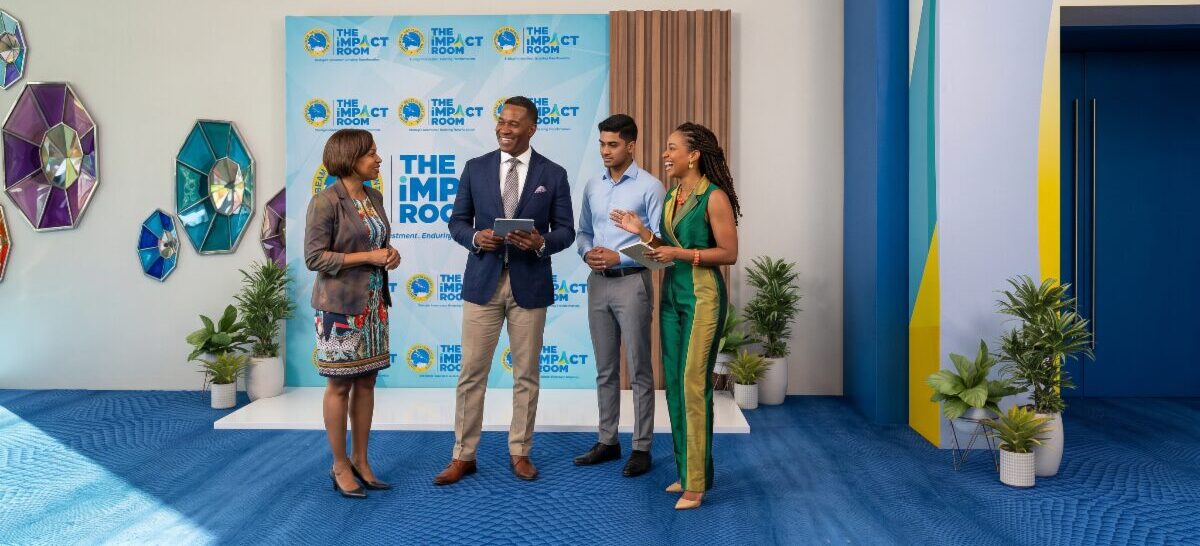
    The 56th Annual Meeting of the Caribbean Development Bank (CDB) Board of Governors, set to take place June 1–5, 2026 at Nassau, The Bahamas’ Baha Mar Convention Centre, will introduce a groundbreaking new addition to its agenda: the immersive “Impact Room”, an interactive feature designed to demystify the real-world impact of the multilateral bank’s development investments across the Caribbean region.

    Conceived and developed by CDB’s Private Sector Development Division, the Impact Room will run as a core component of the event’s private sector showcase across June 3 and 4. Aligned with the showcase’s overarching theme “Strategic Investment. Enduring Transformation,” the dedicated space will bring to life the outcomes of five of CDB’s flagship development programs: the institution’s core Lending and Investment programme, the Cultural and Creative Industries Innovation Fund, SheTrades Caribbean, the EU Standby Facility, and Caribbean Technological Consultancy Services.

    Unlike traditional annual meeting sessions, which typically center on high-level strategy discussions, performance reviews and policy debates, the Impact Room is built to fill a longstanding gap in stakeholder engagement: making the bank’s financing work tangible for attendees. It will welcome governors, institutional investors, development partners and regional stakeholders to explore firsthand how CDB-backed initiatives have reshaped local livelihoods and grown enterprises across member states. The interactive space will highlight projects spanning a broad range of priority sectors, from climate resilience and renewable energy to infrastructure, technology, affordable housing, agriculture, education, and the fast-growing creative economy. It will also place specific focus on CDB’s work to expand private sector participation, empower marginalized groups including women and youth, and advance regional economic integration—all core to the bank’s mission of building a more stable, prosperous Caribbean.

    Lisa Harding, CDB’s Division Chief for Private Sector, emphasized the critical context driving the new initiative. “The Caribbean stands at a pivotal juncture,” Harding noted in an official press release announcing the feature. “We must harness our collective strengths to build resilient economies and societies that can withstand climate volatility, geopolitical shifts, and technological disruption. At CDB, we are committed to delivering transformative solutions that improve lives, expand opportunities for all and unlock private capital for sustainable development.”

    Harding framed the Impact Room as a major evolution in how CDB connects with its shareholders and partner stakeholders. “We are creating a meaningful, interactive space where stakeholders and investors can directly see the impact of our work, understand our priorities, and identify clear pathways for collaboration,” she explained. Attendees will be able to dive into granular, data-backed impact stories, exploring total investment volumes, business growth trajectories, rates of technology adoption, and program reach across every CDB member state. Published metrics will detail the number of supported enterprises, including women-led and youth-owned businesses, alongside sector-specific results and total capital mobilized for sustainable development projects.

    In addition to featuring CDB’s in-house programs, the Impact Room will include participation from five regional partner organizations: Compete Caribbean, the Small Business Development Centre Bahamas, the Bahamas Development Bank, the Bahamas Chamber of Commerce and Employers’ Confederation, and the Bahamas Trade Commission. Each of these partners contributes to advancing private sector growth, strengthening regional business ecosystems, and mobilizing development capital across the Caribbean.

    To foster new collaboration, the Impact Room will also host a dedicated business-to-business networking zone, where attendees can connect with peers, project leaders and institutional partners to explore co-investment and development opportunities. Across the two-day showcase, a roster of expert industry and policy speakers will lead targeted discussions on pressing development priorities, including innovative financing mechanisms, expanded regional trade, improved market access for small and medium enterprises, climate resilience building, and unlocking economic value in the Caribbean’s creative economy.

  • BREAKING: Former Senator and ABLP General Secretary Mary-Clare Hurst Dies

    BREAKING: Former Senator and ABLP General Secretary Mary-Clare Hurst Dies

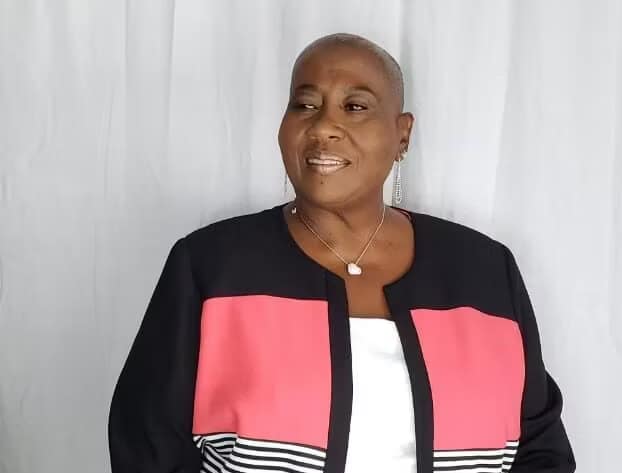
    A moment of unexpected sorrow interrupted a key moment of political transition in Antigua and Barbuda on Wednesday, as Prime Minister Gaston Browne interrupted his new Cabinet’s swearing-in ceremony to share the devastating news of the passing of Mary-Clare Hurst, the Antigua and Barbuda Labour Party’s trailblazing former General Secretary.

    Browne told the assembled gathering of politicians, dignitaries, and guests that he had received word of Hurst’s death only moments before taking the stage to lead the ceremony. Grieving alongside the party and the nation, he described Hurst as not just a trusted colleague, but a dear personal friend whose decades of dedication shaped the modern ABLP. Calling her sudden passing an utter shock to all who knew her, Browne extended his deepest condolences to Hurst’s family, friends, and loved ones, and pledged that the entire party would stand with them through this period of profound loss.

    A trailblazer for women in Antigua and Barbuda’s political landscape, Hurst made history as the first woman to hold the post of ABLP General Secretary, a role that placed her at the very center of the party’s operations and strategy for years. Beyond her work within the party, she held multiple senior public offices across her decades of public service: she served as a Senator, Leader of Government Business, and Minister of State for Tourism and Investment, and also chaired the Board of the Antigua and Barbuda Port Authority, a critical role for the island nation’s trade-focused economy.

    Born in Antigua’s Villa neighborhood on November 6, 1962, Hurst was embedded in community life from childhood. Long before her rise to political prominence, she was a standout national athlete, competing for Antigua and Barbuda in national basketball, and later parlayed her love of the sport into administrative leadership, holding key governance roles within the Antigua and Barbuda Basketball Association.

    Hurst brought both academic training and global experience to her public service roles. She earned a Bachelor of Arts in Management and Administration from the City University of New York, followed by a Master of Science in Public Administration from Pacific Western University. Early in her career, she also served on the staff of Antigua and Barbuda’s Mission to the United Nations in New York, giving her invaluable insight into global diplomacy and governance that she brought to her work back home.

    Within the ABLP, Hurst worked her way up through the party’s ranks, cutting her political teeth leading the party’s youth wing before growing into one of its most respected senior leaders. She played an integral behind-the-scenes role in election campaigns and national governance after the ABLP returned to power in the 2014 general election, shaping the party’s agenda and policy direction for years.

    After sharing the news, the Prime Minister led a moment of quiet remembrance, offering a prayer that Hurst would “rest in peace and rise in glory”, before resuming the official swearing-in ceremony. Additional biographical reporting for this story was provided by Petra from The Spectator, with extended coverage of Hurst’s life and legacy available separately.

  • Griffith leads Golden Boot race in Premier League

    Griffith leads Golden Boot race in Premier League

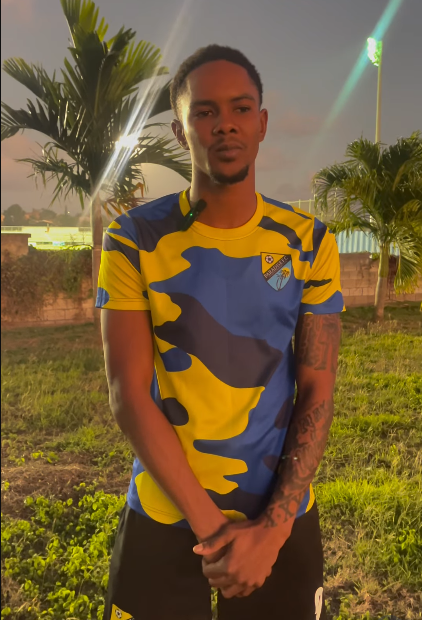
    As the Barbados Football Association (BFA) Premier League enters its final three matchweeks, one of the Caribbean’s most exciting domestic title races has also produced a tightly contested battle for the league’s most deadly striker, with Paradise FC forward Kamol Griffith holding a narrow advantage at the top of the goal-scoring charts.

    The Vincentian international has put together a consistent, clinical campaign so far, notching his 13th goal in 13 appearances during Saturday’s clash against Wotton to extend his lead over his closest chasers. That one-goal advantage puts Griffith ahead of a trio of tied contenders: his own Paradise teammate Sheran Hoyte, Ellerton FC captain Shakille Belle, and Bagatelle FC standout Torian Joseph, all of whom have found the back of the net 12 times this season.

    What makes the top of the golden boot standings even more striking is the heavy representation from Griffith’s own Dover-based club. Six of the 12 players tied or ranked in the top goal-scoring positions this season pull on the Paradise jersey, a statistic that reflects the club’s dominant attacking form across the campaign. Heading into the final three rounds, Paradise sits just one point behind defending league champions Weymouth Wales in the overall table, but has already outperformed every other club in front of goal: the side has racked up a league-leading 53 goals, more than double the 31 goals scored by second-place Weymouth Wales in that category.

    Further down the rankings, Brittons Hill duo Kirtney Franklin and T’Shane Lorde sit at nine and six goals respectively. They are joined on six goals by Gall Hill FC attacking talisman Shakarie Mottley and Paradise’s Shamari Harewood. Four more players round out the top 12, all tied on five goals for the season: Paradise’s Jaron Oughterson and Tyrel Rayside Demendonca, Kickstart Rush’s Liam Luke, and Brittons Hill’s Steven Pierre.

    With only three matches left to climb the rankings, every goal will count for the contenders chasing Griffith, who will look to extend his lead and help his side chase down both the golden boot and the overall Premier League title.

  • Residents, PTA condemn brazen attack near children, urge crackdown

    Residents, PTA condemn brazen attack near children, urge crackdown

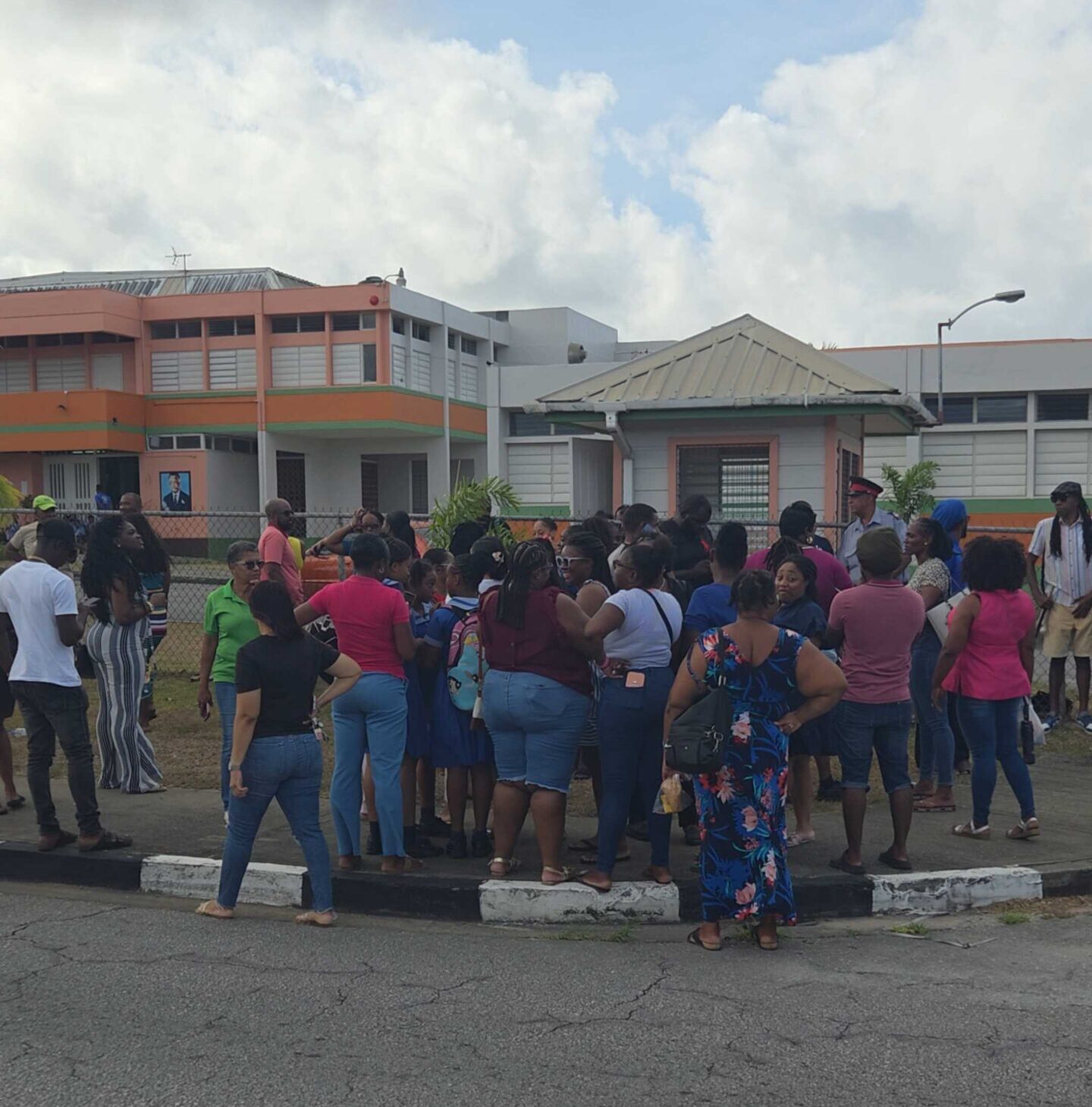
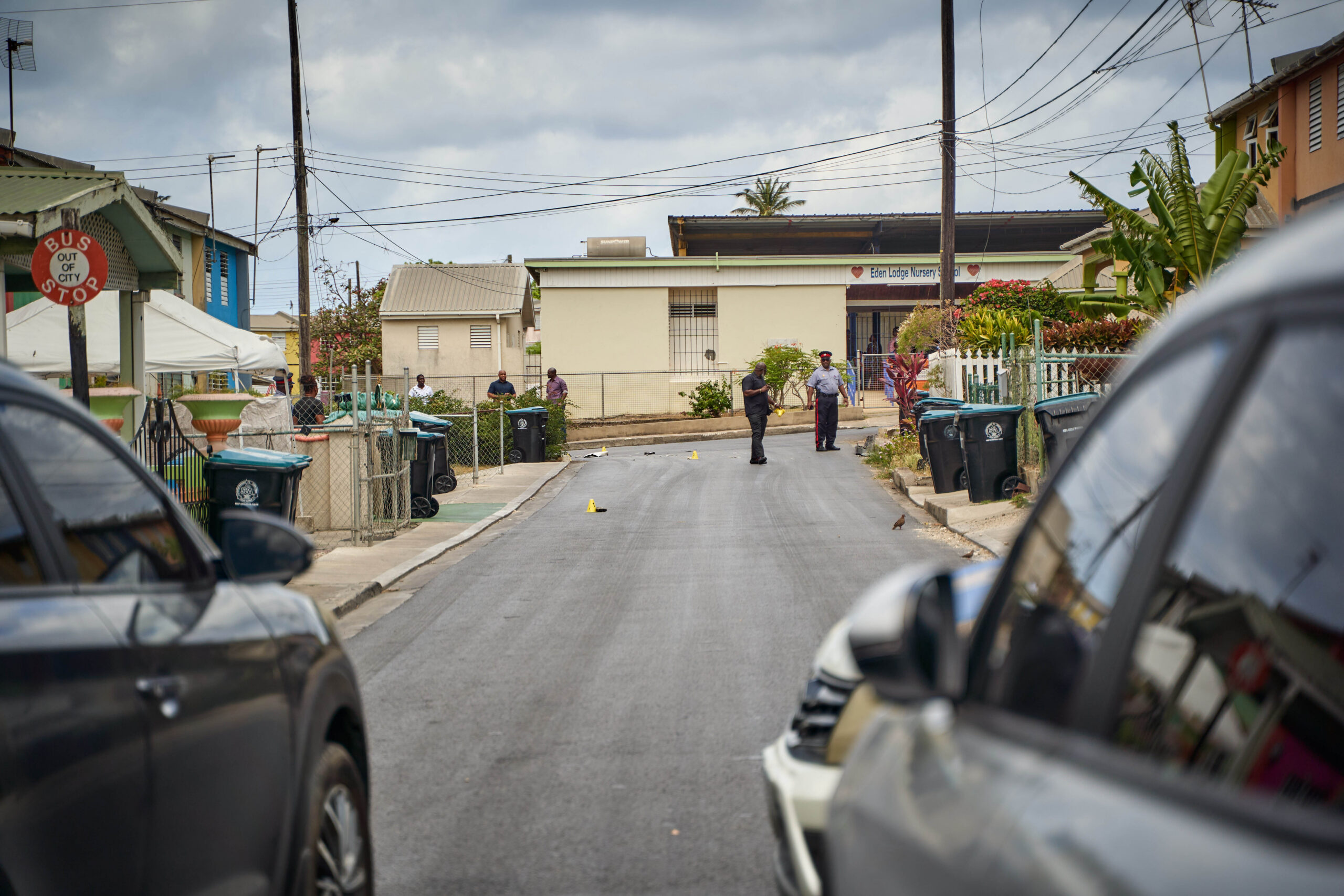
    On a Tuesday morning, as parents dropped off their children for classes and primary school students across the island sat for high-stakes common entrance examinations, a brazen act of violence unfolded just meters from Eden Lodge Nursery School on Sorrel Lane, sending shockwaves through the tight-knit Barbadian community. The incident, which unfolded around 8:25 a.m., saw a lone gunman approach an intended target and open fire with multiple rounds. Remarkably, the man targeted in the attack managed to flee the gunfire unharmed, and no children or bystanders were injured or killed in the shooting. Still, the proximity of the violence to a campus full of young children, timed exactly at the start of the school day, has triggered widespread panic among parents and deep anger across a neighborhood already stretched thin by a recent surge in violent crime.

    Local law enforcement at Barbados’ District ‘A’ Police Station immediately launched a full investigation into the attack, cordoning off the shooting scene to process evidence. Photos from the scene captured a damaged vehicle left by the gunfire and anxious parents gathering outside the school to retrieve their children, images that have underscored the disruption to the community’s daily routine.

    For long-time residents of Eden Lodge, the shooting represents a painful break from the area’s decades-long reputation as a quiet, family-friendly neighborhood. Many expressed utter disbelief that such a reckless act could be carried out so close to vulnerable young children. One distraught grandmother, whose grandson attends the nursery’s Year Two class, spoke for many in the community when she condemned the shooters’ blatant disregard for innocent life. “The shooter, whoever they are, they don’t care about man, woman, or child,” she said. “I loss for words because these children were in the nursery. To know I have my grandson in Year Two there, this is nonsense. It is unacceptable. Words cannot say how I feel about these people.” She joined other residents in a direct appeal to Prime Minister Mia Amor Mottley, urging urgent, aggressive action to curb the island’s rising crime wave.

    Another resident, who was resting in his home when the gunshots rang out, described the sudden shattering of the neighborhood’s long-held peace. “I hear shots while resting on my bed, and I just tell the madam: ‘Get down.’ That was about it,” he recalled. “This area was quiet for years, and all of a sudden this new generation is bringing different things. The fact that it happened in front of a school is so painful. To know little innocent children would be at high risk while parents are at work… it is sad.” Like many community members, he called for a full, sustained crackdown on criminal activity in the area to restore a sense of safety for local families. “This area needs a cleaning—a healthy cleaning. I pray to God and hope that the culprits are found,” he added.

    The Barbados National Council of Parent-Teacher Associations (BNCPTA), led by president Nicole Brathwaite, issued a scathing condemnation of the attack, framing it as a fundamental violation of the safe space that schools are obligated to provide for children. “The BNCPTA condemned this shooting in the strongest terms,” Brathwaite said in an official statement. “This is not just unfortunate; this is unacceptable.”

    As word of the shooting spread quickly across social media and local gossip networks, dozens of anxious parents rushed to the scene to reach their children, prompting the BNCPTA to issue an urgent appeal for calm to allow law enforcement and emergency responders to secure the campus and account for all students. The organization emphasized that following official police protocols was the fastest and safest way to reunite families. “We urge parents to stay as calm as possible and follow The Barbados Police Service’s protocols as they reunite with their children,” Brathwaite said. “Your cooperation helps keep everyone safe.”

    Beyond the immediate response to Tuesday’s incident, the BNCPTA used the shooting to call for broader, nationwide action to address root causes of violent crime and protect children’s safe spaces. The organization urged all Barbadians to move past shock and outrage toward collective action, pushing for sustained efforts to eliminate violence from communities and schools. “We call on all parents and citizens to stay vigilant and join us in demanding safer communities,” the statement concluded. “Our children deserve nothing less.”

    As of late Tuesday evening, when investigative efforts were still ongoing, law enforcement had not made any arrests in connection with the shooting, and had not yet confirmed a definitive motive for the attack. Police are asking any member of the public with information related to the incident, no matter how small it may seem, to contact District ‘A’ Police Station or their nearest local precinct to assist with the investigation.