博客

  • Dockyard Day 2026 Draws Strong Community Turnout at Nelson’s Dockyard National Park

    Dockyard Day 2026 Draws Strong Community Turnout at Nelson’s Dockyard National Park

    On Saturday, May 2, the historic shores of Nelson’s Dockyard National Park in Antigua and Barbuda came alive with color, sound, and joyful energy as the Antigua and Barbuda National Parks Authority (ABNPA) successfully concluded Dockyard Day 2026, one of the island nation’s most anticipated annual community gatherings. The all-day festival drew a diverse crowd of local residents and international tourists, turning the UNESCO-recognized heritage site into a bustling hub of cultural celebration, competitive sport, and family-focused fun for attendees of all generations.

    From the opening notes of local musical performances to the final cheers of the closing tug of war match, the event maintained a warm, festive atmosphere that wove together the island’s rich cultural heritage with accessible, engaging entertainment. For younger attendees, dedicated playground zones, toy vendors, and age-appropriate games kept little ones entertained throughout the day, while adult guests sampled a wide spread of authentic local cuisine and handcrafted beverages from local food vendors. Every corner of the dockyard offered something new, from interactive cultural experiences to informal meetups with community groups that bind Antigua and Barbuda’s social fabric together.

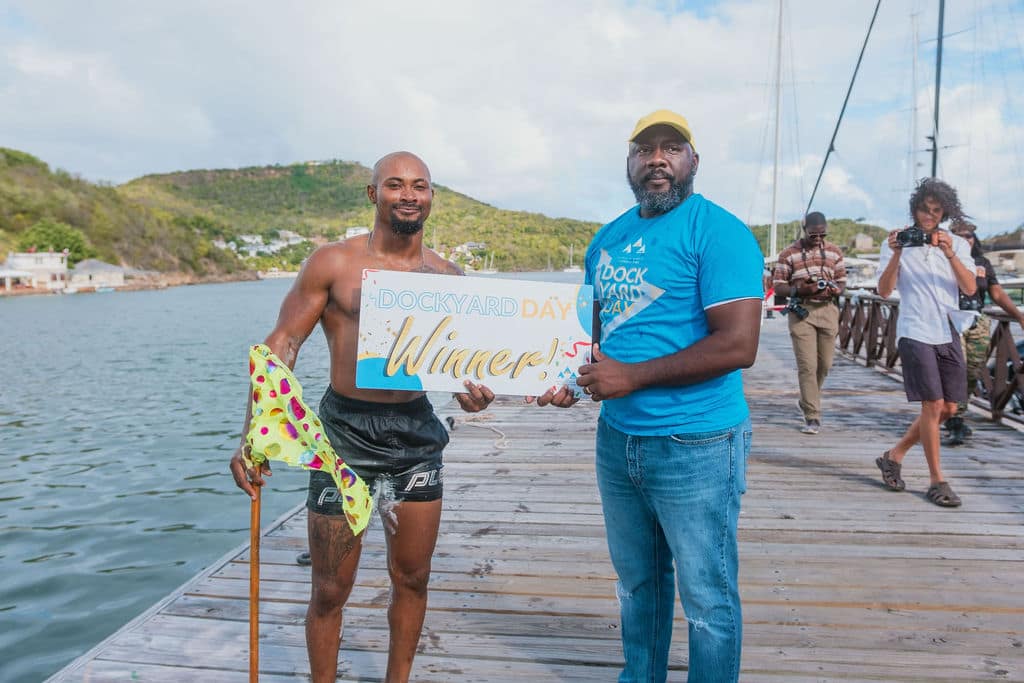
    The day’s most anticipated segment was its diverse lineup of competitive events, which drew hundreds of participants and roaring crowd support across every category. In the flagship Five-A-Side Steelband Competition, a staple of Caribbean cultural competition, Princess Margaret Secondary School took home the first place prize of $5,000, followed by All Saints Secondary School at second place ($2,500) and Clare Hall Secondary School at third ($1,000). In individual and small-group competitions, Demarley Davis claimed the $800 top prize in the popular Greasy Pole challenge, while Shanoy Malone crossed the finish line first in the open Kayak Race to take $300. Cleyon Thompson won the Bun Eating Competition with a $200 purse, Danielle Grey took adult Sack Race honors, and Kaedya King claimed the child division Sack Race title. Chalyse Ambrose led the field in the child’s Hula Hoop Competition, with Isaiah Tonge and Ashley Bersma sharing the adult division top prize. Bobby won the beer Drinking Competition, taking home $300 plus a full case of beer, while the Model Boat Regatta saw entries Numbers, Quarantine, and Semper Fi take the top three spots in order. Closing out the competitive lineup, the Antigua & Barbuda Defense Force claimed the $2,500 first place prize in the crowd-favorite Tug of War competition.

    Beyond the competitive matches, the event featured a deeply meaningful ceremonial highlight: the traditional Beating of the Retreat performed by the Royal Police Force of Antigua and Barbuda, which honored the island’s long history and military heritage to the delight of gathered attendees.

    In a post-event statement, Ann Marie Martin, Parks Commissioner for ABNPA, emphasized the enduring importance of Dockyard Day to the island’s community and heritage mission. “Dockyard Day continues to be one of our most important community events, bringing together heritage, culture, and entertainment in a way that engages both residents and visitors,” Martin said. “We are proud to see the level of participation and support this year, and we thank everyone who contributed to its success. We can’t wait to welcome you again bigger and better next year.”

    For ABNPA, Dockyard Day serves more than just a recreational purpose: it advances the organization’s core mission of preserving Nelson’s Dockyard’s unique cultural and historical significance, while fostering lasting connections between local community members. The event also delivers tangible economic benefits to Antigua and Barbuda’s local sector, supporting independent vendors, performing artists, and small businesses that rely on tourism and community events for revenue.

    ABNPA, the governing body responsible for the preservation, management, and sustainable development of Nelson’s Dockyard National Park, its associated archaeological sites, and surrounding natural areas, closed out the event by extending sincere gratitude to all participants, event sponsors, volunteer organizers, and attendees who made the 2026 iteration a success. The organization is already planning for next year’s event, which is set to build on 2026’s momentum with expanded programming and greater community access.

    ABNPA’s core mandate balances protection of the park’s irreplaceable cultural heritage, natural ecosystems, and archaeological resources with support for sustainable tourism, public education, and ongoing community engagement that makes the historic site accessible to all.
  • IMF team in Barbados meeting with government officials

    IMF team in Barbados meeting with government officials

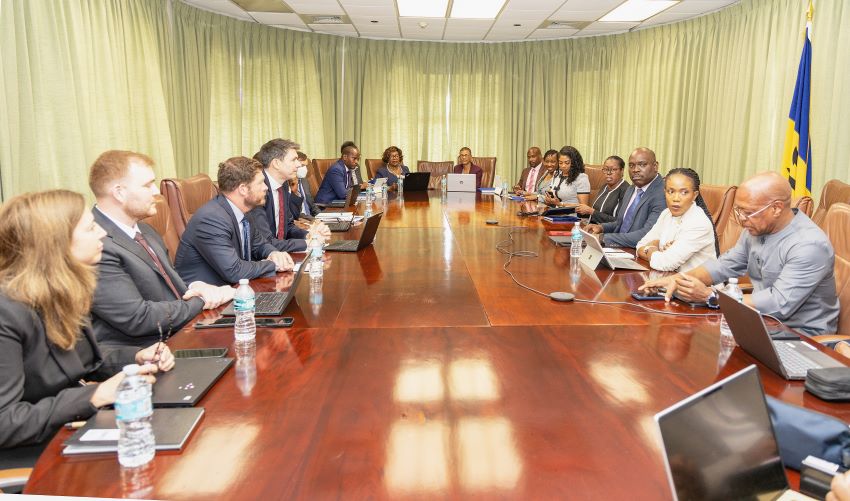
    A high-level team from the International Monetary Fund (IMF) has landed in Bridgetown this week for a working visit that combines the institution’s routine Article IV economic consultations and exploratory discussions on a new bilateral framework with Barbados, one year after the Caribbean nation wrapped up its formal IMF-backed economic program.

    Led by senior IMF official Michael Perks, the delegation is scheduled to hold a series of high-stakes meetings with top Barbadian leadership, including Prime Minister Mia Mottley, Finance Minister Ryan Straughn, and Minister of Economic Affairs and Planning Marsha Caddle. Additional talks are also planned with technical officials from the Ministry of Finance, Economic Affairs and Investment, as well as leaders from the Central Bank of Barbados. The entire mission kicked off with an opening working session on Monday morning, where Caddle joined the Barbadian delegation to align expectations for future collaboration between the country and the global lender.

    Barbados officially exited its twin lending arrangements – the Extended Fund Facility (EFF) and the Resilience and Sustainability Facility (RSF) – in June 2024, after successfully delivering on the commitments laid out in its home-grown economic strategy: the Barbados Economic Recovery and Transformation (BERT) Plan. At the time of the program’s conclusion, both Barbadian authorities and the IMF confirmed that all core objectives of the arrangements had been met. The IMF highlighted that Barbados had successfully reestablished macroeconomic stability, implemented landmark reforms to strengthen long-term fiscal sustainability, accelerate inclusive growth, and build systemic economic resilience. The institution also noted that Barbados’ economic performance remained strong post-reform, with robust output expansion, moderating inflation, improved fiscal and external balances, and a steady decline in the public debt-to-GDP ratio.

    Speaking after Monday’s opening session, Caddle reflected on Barbados’ economic journey since 2018, which has progressed from urgent macroeconomic stabilization to sustained growth and now deep structural transformation. As a small island developing state, proactive risk management has to remain a core pillar of the country’s economic governance framework, she emphasized.

    “Preparing for scenarios where we may need rapid access to emergency liquidity will always be a critical priority for us,” Caddle explained. “We already have several risk-mitigation tools in place, including a Contingent Credit Facility with the Inter-American Development Bank, natural debt clause disaster provisions, and other similar risk instruments. But climate and environmental shocks are not the only threats we face. The COVID-19 pandemic showed us that global health crises can upend our economy, and ongoing geopolitical conflicts around the world continue to disrupt our access to essential commodities. This is why our institutional partnerships with global financial institutions remain so vital.”

    Caddle went on to outline the unfinished agenda for Barbados’ economic transformation under the updated BERT 3.0 strategy, which is being led by her ministry. Key priorities include scaling up infrastructure investment to match the economy’s growth trajectory and the aspirations of the Barbadian people, restructuring state-owned enterprises to put them on a financially sustainable footing, addressing persistent skills gaps across both the public and private sectors, and securing long-term sustainability for public investments in health, education, and water access. “As we push forward with this transformation, our top priority is making sure that no future crisis can erode the hard-won gains we have already achieved,” she added.

    Beyond official government meetings, the IMF mission is also scheduled to hold discussions with a broad range of non-governmental stakeholders during its visit, including representatives from the private sector, civil society organizations, and labor groups, to gather diverse perspectives on the country’s economic outlook.

  • Cinco de Mayo: More Than Tacos and Margaritas

    Cinco de Mayo: More Than Tacos and Margaritas

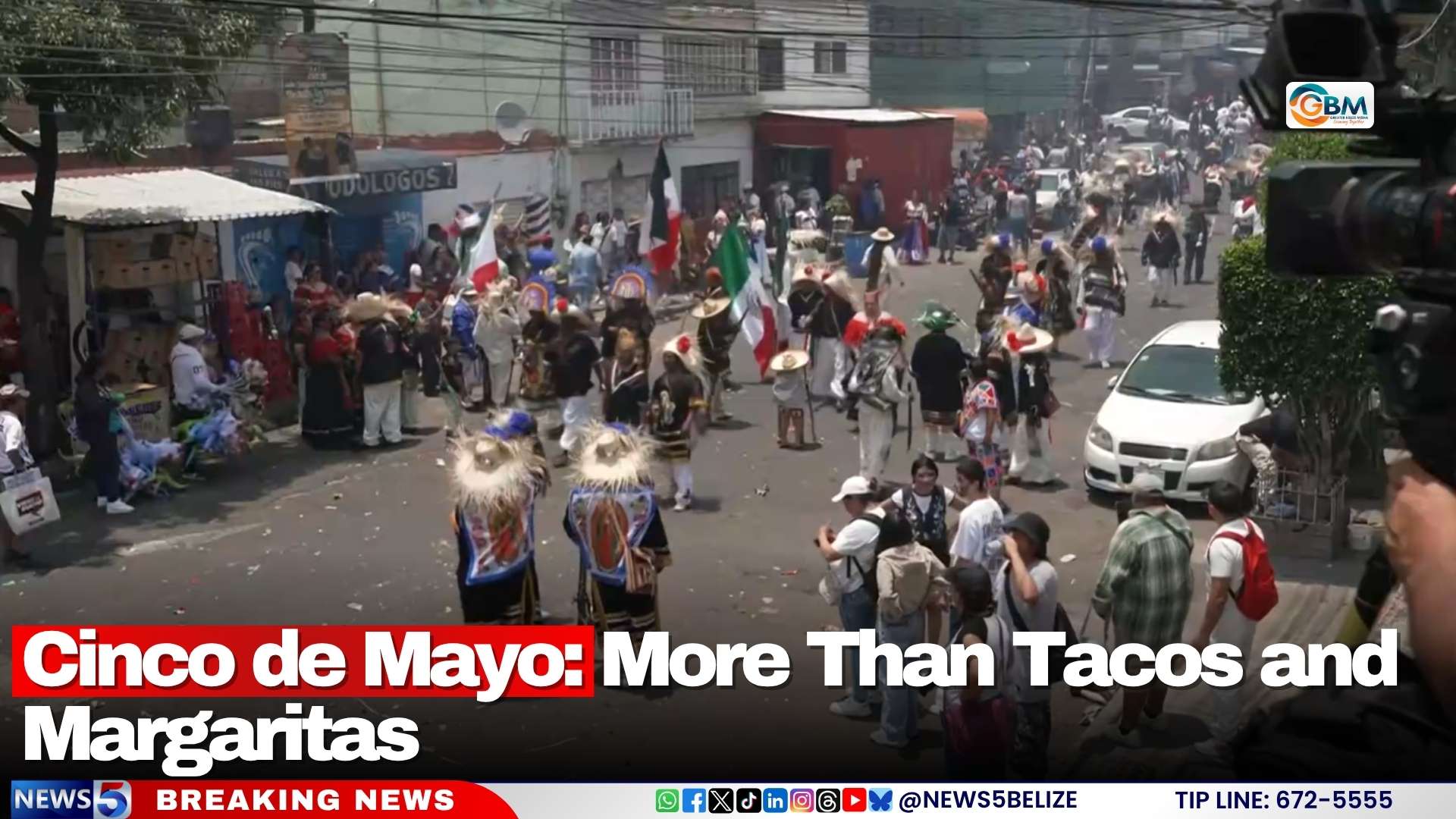
    Every year on May 5, people across North America gather for street parties, plates of savory tacos, and icy margaritas to mark Cinco de Mayo — but for many celebrants, the deep historical meaning behind the date remains widely misunderstood. A common misconception frames the holiday as Mexico’s celebration of independence from Spanish rule, but the actual historical event it honors is far more specific, and far more remarkable: the 1862 Battle of Puebla, where an outnumbered Mexican force pulled off an upset victory against one of Europe’s most powerful armies.

    Leading the ragtag Mexican militia was General Ignacio Zaragoza, who commanded a force of roughly 4,000 poorly supplied troops that stood against more than 6,000 well-trained, well-equipped French soldiers. At the time, France had invaded Mexico with plans to seize control of Mexican territory and install a European-backed puppet regime. Against all military expectations, Zaragoza’s troops defeated the French invasion force at Puebla, a major victory that became a enduring symbol of Mexican national resilience and resistance to foreign aggression.

    Today, the holiday is observed with far less fanfare across most of Mexico, with large-scale celebrations concentrated almost exclusively in the city of Puebla where the battle took place. But across the border in the United States, Cinco de Mayo has grown into one of the most widely celebrated cultural holidays honoring Mexican-American heritage, transforming over more than 150 years into a vibrant showcase of Mexican art, music, food, and community identity.

    Historical records show the earliest Cinco de Mayo celebrations in the U.S. date all the way back to the 1860s, just months after the Battle of Puebla. During the height of the American Civil War, Mexican communities living in California held organized gatherings to mark the victory, as both the U.S. and Mexico opposed French intervention in North America. Over the following decades, the holiday spread across the country, boosted in part by marketing efforts from food and beverage companies that turned it into a mainstream cultural event.

    While modern celebrations are often centered around food and drink, historians and community leaders emphasize that the core meaning of Cinco de Mayo endures: it is a reminder of what marginalized, outnumbered communities can achieve when they stand together in defense of their sovereignty and identity, a legacy that still resonates with Mexican and Mexican-American communities today.

  • Nominations (Grenada) for King’s Honours List 2027

    Nominations (Grenada) for King’s Honours List 2027

    The Government of Grenada has officially launched the call for public nominations for the 2027 King’s New Year’s and Birthday Honours List, inviting community members and residents to put forward exceptional individuals whose contributions deserve national recognition.

    Established to honor outstanding service and transformative achievement across all sectors of Grenadian life, the honours system includes multiple categories and ranks of orders, with distinctions awarded based on the scope of a nominee’s influence and the long-term significance of their impact. Unlike one-off accomplishments, the awards are designed to shine a public spotlight on sustained, dedicated work that has lifted communities, advanced sectors, and elevated Grenada’s global reputation.

    Eligibility is open to any individual, regardless of background or profession, but only candidates with truly exceptional contributions are selected for the final honours list. The independent honours committee prioritizes nominees who have delivered measurable, meaningful impact in their field or community, with eligible sectors ranging from voluntary and community service, public service, business and healthcare, to education, religion, sports, science and technology, agriculture and fisheries, the arts, and media.

    Before submitting a nomination, proponents are encouraged to evaluate their candidate against a set of established criteria to ensure alignment with the honour’s purpose. Key evaluation questions include: Has the nominee made a significant, lasting impact on their community or professional field? Have their efforts brought distinction to Grenadian life and strengthened the nation’s reputation? Do they exemplify long-term, selfless voluntary service? Have they demonstrated innovation, entrepreneurial vision, or moral courage in advancing difficult, impactful initiatives? Do they command broad respect from their peers, and have they delivered tangible, positive change for marginalized or vulnerable groups who are less able to advocate for themselves?

    Once nominations are submitted, they are reviewed by a Cabinet-appointed honours committee, which develops a final list of recommendations that are passed to the Governor-General via the Prime Minister for formal approval.

    All complete submissions must be received no later than 4:00 pm local time on June 15, 2026. To complete a nomination, applicants must submit a filled-out nomination form along with two signed letters of support. Submissions can be sent via email to [email protected], or delivered in person to the Cabinet Office, located on the 6th Floor of the Ministerial Complex at the Sir Eric Gairy Botanical Gardens in St George’s. Only nominees who are shortlisted and selected for an award will be contacted by the committee following the review process.

    This announcement was released by the Government Information Service (GIS) of Grenada.

  • Buried Without Answers, What Happened to Jericho Humes?

    Buried Without Answers, What Happened to Jericho Humes?

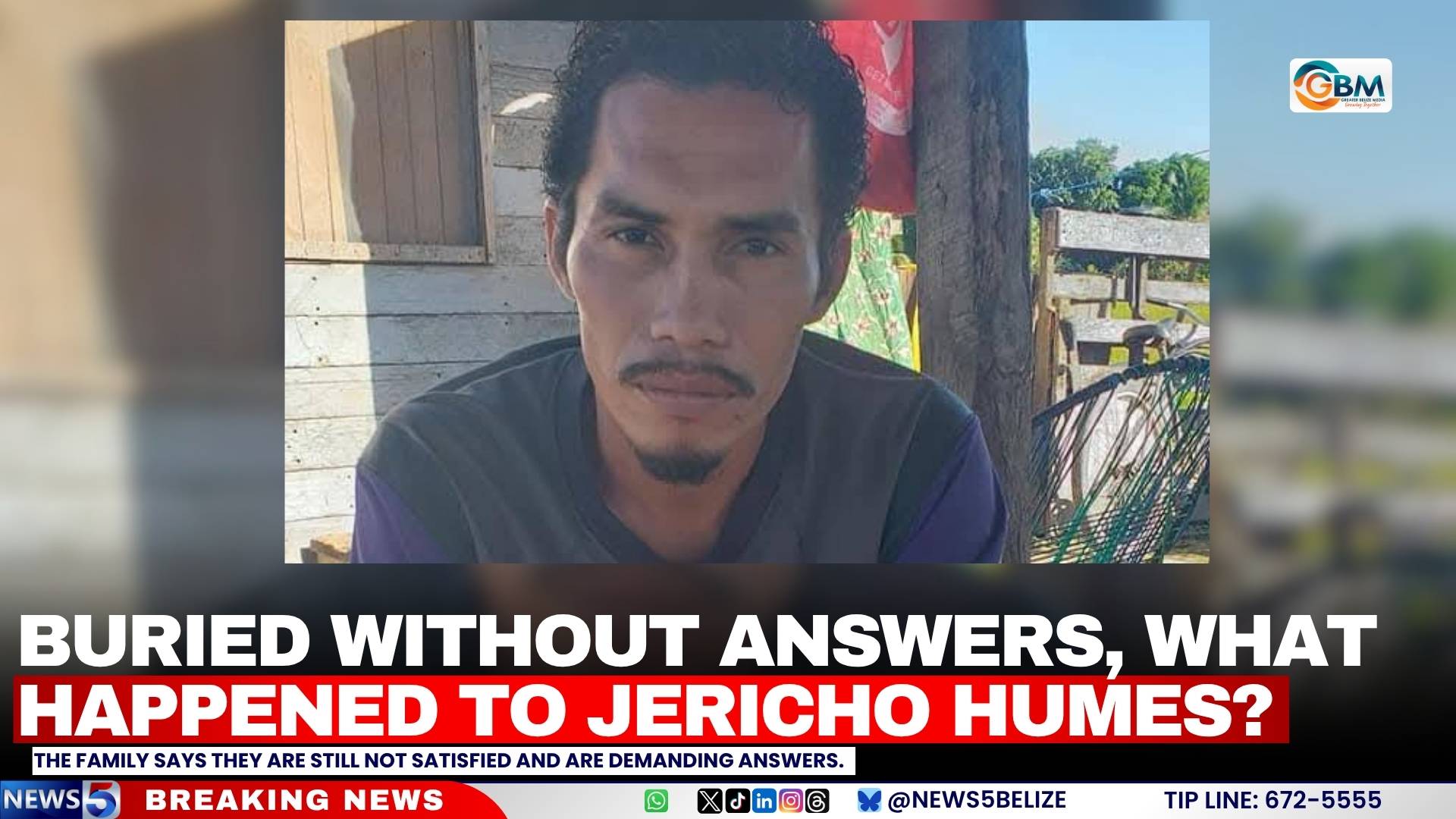
    It has now been two weeks since Jericho Humes, a 39-year-old father of three from Dangriga, was laid to rest — but his grieving family has not been able to find closure, as key details surrounding his April 2026 disappearance and death remain locked behind official silence.

    Humes was last seen by his loved ones on April 1, 2026, before he vanished without warning. Weeks later, local police recovered a heavily decomposed body in an undisclosed location, and DNA testing confirmed the remains belonged to the missing man, Humes’ older sister Arsenia Humes told local reporters in an interview this week.

    After months of waiting for news of their missing family member, the Humes family finally received Jericho’s remains and held a private burial service roughly 14 days ago. But the resolution the family had hoped for never materialized, Arsenia explained, because authorities have refused to share basic information about the case and denied the family’s request for an independent autopsy.

    “His whole death just feels wrong, it feels off,” Arsenia said of her brother. “I formally requested a full autopsy to find out how he died, but I was told it could not be done. When police released his body to us, they told us nothing — no cause of death, no where they found him, no details about what condition he was in when he was found.”

    Arsenia described her brother as a well-known member of their small Dangriga community who struggled with alcohol abuse but was never a violent or confrontational person. She said the complete lack of a formal investigation into his death is deeply alarming, not just for her family, but for other residents of the area.

    “He drank often, that’s true, but he was always calm,” she emphasized. “I don’t understand why there hasn’t been any investigation into what happened to him. Police need to do this work, they can’t just leave this case open and unanswered. If they let this go, what’s to stop this from happening to someone else here?”

    Troubling evidence collected by the family in the early days of Humes’ disappearance raises even more questions about the case. Shortly after Humes went missing, family members went to check his home and found it had been ransacked: windows were smashed, the front door had been forced open, and a partially burned cap was left inside the property.

    A week after Humes vanished, one of his family members also received a ransom call from a phone number registered in Mexico. The caller demanded a $10,000 payment for Humes’ safe release, and accompanied the demand with a photo showing a knife pressed to Humes’ neck, as well as audio recordings of the kidnapping. The family turned over all of this evidence to police immediately, Arsenia confirmed, but has not gotten any update on what investigators have done with the materials.

    Nearly two months after Humes’ disappearance and two weeks after his burial, the Humes family says they will not stop pushing for transparency and a full investigation into Jericho’s death. They have called on local law enforcement to release all public details of the case and answer the basic questions that have left them grieving without closure.

  • St John’s Premier League: Beginning of great things

    St John’s Premier League: Beginning of great things

    What was once at risk of being canceled has become a celebrated celebration of local sportsmanship and community unity in St John parish, after a last-minute intervention from a local attorney and former government minister turned a tentative plan into a fully realized, successful football competition.

    Organizers from Sweataz United Inc. had spent weeks trying to secure backing for the inaugural St John’s Premier League, but hit a wall when no corporate or community sponsor stepped forward to fund the tournament. For a period, it seemed the nine registered teams would never get to step onto the pitch at Cuthbert Peters Park, the planned host venue for the competition.

    That changed when Arley Gill, a St John-born attorney and former Grenadian Minister of Culture who currently serves as Deputy Leader of the Democratic People’s Movement (DPM), stepped in to cover the required costs. With his sponsorship secured, the tournament went ahead as scheduled, and recently wrapped its season with a formal awards ceremony distributing trophies, medals, and cash prizes to top-performing teams and players.

    Nine local squads competed across the tournament under the event’s core promotional slogan “One League, One City, One Champion”: Ballers FC, Barbados, SJC U19, Herb Roots, D Lance, Mil, Grand Roy, Dougaldston, and Pasture Boys. After weeks of competitive play, the team Barbados claimed the championship title with a total of 22 points, edging out second-place finisher Mil who finished just two points behind with 20 points. Pasture Boys secured the third spot on the leaderboard with 14 points.

    In individual awards, three players tied for the top goal scorer honor: Akimo Sampson, Dwight Joseph, and Rivaldo Smith each netted 11 goals over the course of the tournament, sharing the individual prize.

    Speaking at the closing ceremony, Gill framed his sponsorship as more than just a financial contribution to a local event, but an investment in the parish’s youth and the revival of local community sports. “This is just the beginning of great things to come. We need to reinvigorate sports in St John’s,” he said, adding that he saw the opportunity as a critical way to give young people a positive, engaging outlet that encourages healthy competition and participation.

    Organizers echoed that sentiment, calling the first St John’s Premier League a resounding success that exceeded all expectations. They extended official congratulations to the championship-winning Barbados side for their standout performance, and also praised the eight other competing teams and the broader St John community for turning out to support the event.

    “What started as an idea turned into an unforgettable competition filled with energy, passion and true community spirit. From the first whistle to the final match, this tournament delivered excitement every step of the way,” said Sweataz United Inc. representatives in a post-tournament statement. The organizers emphasized that Gill’s backing was the make-or-break factor for the event, noting “Special thanks to our main sponsor, Arley Gill, for his significant contribution and belief in this vision. Your support played a major role in making this tournament a success.”

  • Belize, Cuba Team Up to Boost Disaster Readiness

    Belize, Cuba Team Up to Boost Disaster Readiness

    In a collaborative step to address growing climate and natural hazard risks across Central America and the Caribbean, Belize has launched a new bilateral cooperation agreement with Cuba focused on elevating national disaster readiness capabilities, with Cuban expertise set to drive capacity building across multiple key areas of risk management.

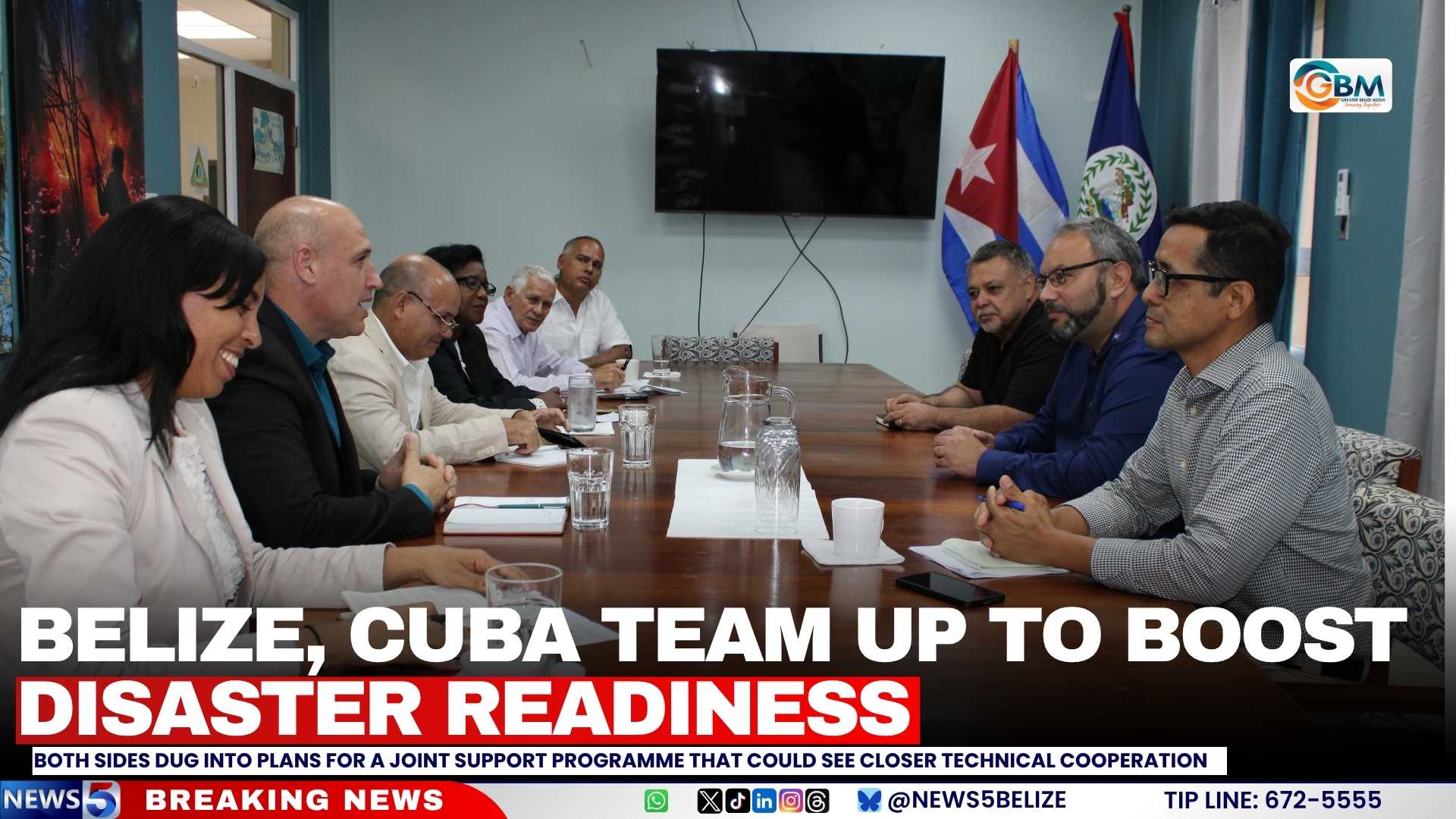
    The formal agreement to expand cooperation took shape during a high-level working meeting between Belize’s Minister of Disaster Risk Management Henry Charles Usher and a senior delegation from Cuba’s Ministry of Science, Technology, and Environment (CITMA), led by First Deputy Minister Rudy Montero Mata. Discussions centered on designing a structured joint support program that will deepen technical ties between the two nations, with tangible initiatives already on the negotiating table.

    Under the proposed framework, the partnership will prioritize three core objectives: upgrading Belize’s existing early warning systems, enhancing nationwide hazard monitoring infrastructure, and standardizing community-level risk assessment protocols. In practical terms, these changes will deliver more accurate hazard data, faster public alerts for impending disasters, and more targeted, evidence-based emergency planning at the local level.

    To bring these goals to life, both sides have proposed a range of cooperative activities, including cross-border expert exchanges, specialized training programs for Belizean emergency management personnel, and an upcoming study visit by Belizean officials to Cuba to observe the country’s disaster management systems in action. The Cuban delegation also floated the possibility of permanently deploying specialized technical experts to Belize, where they would provide hands-on training, help build local institutional capacity, and share decades of on-the-ground experience in hazard response.

    Cuba has earned longstanding regional recognition for its robust, community-centered disaster response framework, particularly for its proven track record of mitigating damage from Atlantic hurricanes—one of the most consistent and deadly climate threats facing Caribbean and Central American nations. For Belize, which faces repeated exposure to tropical storms, flooding, and coastal erosion tied to climate change, tapping into this established expertise offers a accelerated path to strengthening its own disaster resilience.

    Officials from both sides emphasized that the partnership builds on a foundation of existing regional cooperation on climate action, and that the next step will be formalizing the joint program details to launch initiatives in the near term. The agreement comes as small island and coastal developing nations across the Caribbean increasingly turn to regional knowledge sharing to address the accelerating impacts of climate change, which have pushed disaster risk management to the top of national policy agendas across the region.

  • GTA expands UK footprint with targeted sales mission

    GTA expands UK footprint with targeted sales mission

    The Grenada Tourism Authority (GTA) has recently concluded a multi-faceted sales and outreach mission to the United Kingdom, a core international market for the island nation’s tourism sector, aimed at deepening existing connections and unlocking new growth opportunities for future visitor arrivals. Led by GTA Chief Executive Officer Stacey Liburd, the delegation centered its work on two key priorities: high-impact trade engagement with UK travel industry leaders and collaborative community building with Grenada’s UK-based diaspora, with the ultimate goal of driving sustained visitor demand and strengthening long-term market performance.

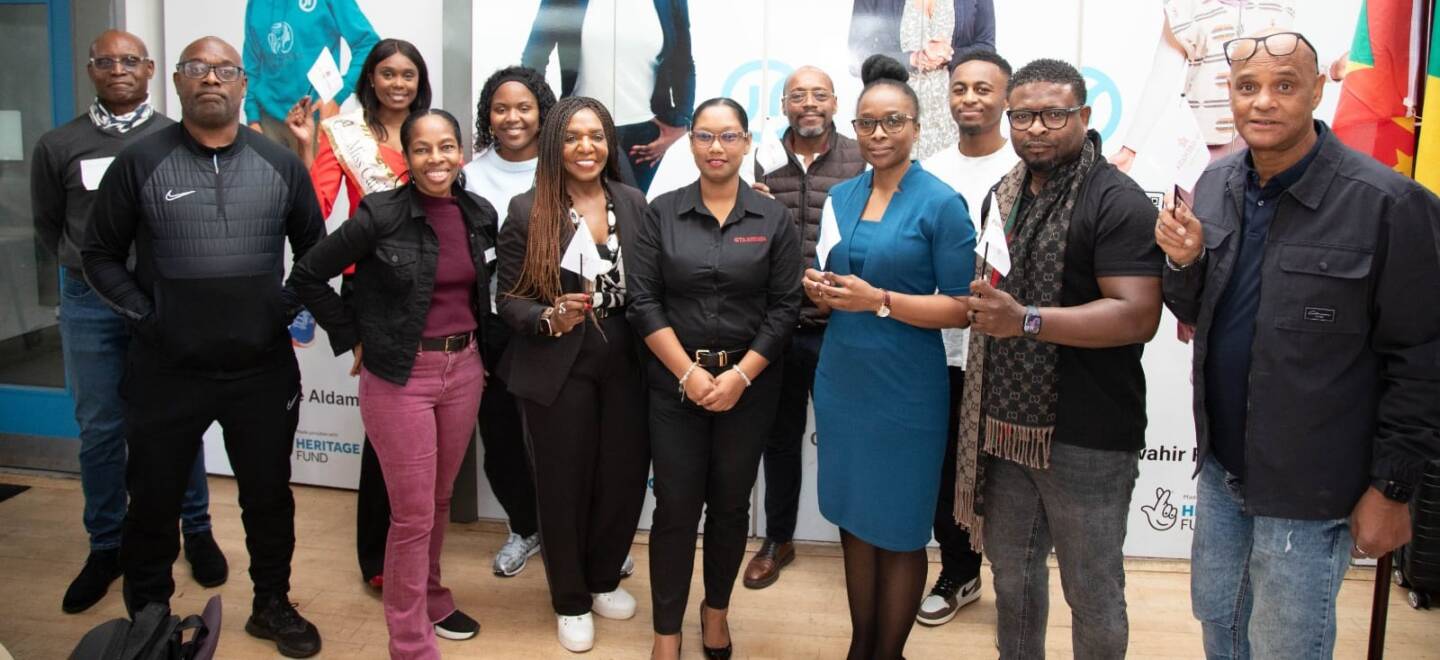
    The mission kicked off with a two-day diaspora outreach initiative organized by Melinda Telesford, a Marketing Executive at the GTA. Blending in-person discussions and virtual participation to maximize accessibility, the sessions moved far beyond routine destination updates to frame the UK Grenadian community as a strategic driving force for the island’s tourism development. Attendees joined collaborative conversations focused on how community members can leverage their personal networks, professional expertise, and grassroots influence to boost advocacy for Grenada as a travel destination and encourage more travelers to visit the self-styled Spice Isle.

    A highlight of the mission was GTA’s invitation to participate in the exclusive Virtuoso On Tour UK & Ireland event. During the industry gathering, the delegation held direct one-on-one and small-group discussions with 30 elite travel advisors, successfully reinforcing Grenada’s position as a top competitive option in the global premium travel segment. The luxury travel market is a critical pillar of Grenada’s strategy for sustainable, long-term tourism growth, making this engagement particularly impactful.

    In comments following the conclusion of the mission, CEO Liburd emphasized the United Kingdom’s enduring strategic importance to Grenada’s tourism sector. “This mission gave us an invaluable chance to strengthen and deepen our relationships across all our key market segments,” Liburd noted. “Our conversations with both the diaspora community and trade partners reaffirmed that interest in Grenada’s unique tourism offering is strong and growing. We leave the UK energized by the level of enthusiasm we encountered, and confident in the momentum we have built heading into the upcoming travel seasons.”

    Beyond diaspora outreach, Liburd led a full schedule of media and trade partnership meetings designed to align in-market UK stakeholders with the GTA’s 2026 strategic growth roadmap. These targeted engagements were crafted to turn existing global interest in Grenada as a travel destination into consistent, sustained visitor arrivals, keeping the island’s UK market performance on a steady high-growth trajectory.

    Telesford, who led the diaspora portion of the mission, shared her own takeaways from the community sessions: “The conversations we had with our UK diaspora community were both encouraging and eye-opening. There is such a vast pool of existing networks and professional expertise within this community that we can collaborate with, and the willingness of members to contribute to Grenada’s continued growth was unmistakable. This outreach is just the starting point for what we fully expect to be a powerful, long-term partnership between the GTA and the UK diaspora.”

    Overall, the UK mission exemplifies the GTA’s holistic, multi-pronged approach to global tourism market development, which integrates trade relationship building, strategic destination positioning, and community-led advocacy into cohesive targeted initiatives. The authority continues to roll out these focused activations to diversify and scale Grenada’s profile as a leading global travel destination.

  • Brent Kirby Wins First Chromebook in Flow’s ‘Riddim and Rewards’ Weekly Promotion

    Brent Kirby Wins First Chromebook in Flow’s ‘Riddim and Rewards’ Weekly Promotion

    A lucky customer has walked away with the first major hardware prize from Caribbean telecommunications provider Flow’s new consumer promotion, mixing musical fun with exciting giveaways for loyal users. Brent Kirby is the name making headlines this week as the inaugural winner of a Chromebook in the company’s ongoing ‘Riddim and Rewards’ weekly promotion, a campaign designed to engage customers through interactive riddle challenges and weekly prize draws.

    Launched to reward ongoing customer loyalty and boost audience engagement across Flow’s digital and retail touchpoints, the ‘Riddim and Rewards’ initiative runs weekly, giving participants multiple opportunities to win a range of prizes, with high-demand tech devices like Chromebooks headlining the offerings. Each week, the promotion shares a new riddim (rhythm)-themed riddle, inviting customers to enter their answers for a chance to be drawn as the weekly winner.

    Kirby’s win marks the first of multiple Chromebook giveaways planned throughout the promotion’s run, setting an exciting tone for future participants who still have opportunities to claim their own tech prizes. Flow has confirmed that the weekly promotion will continue on schedule, with new riddles released each week and new draws held to select the next batch of lucky winners. The campaign has already drawn significant attention from customers across the region, who have been quick to participate in the interactive challenges in hopes of taking home similar rewards.

  • CDB advances Grenada’s geothermal programme to critical decision phase

    CDB advances Grenada’s geothermal programme to critical decision phase

    The Caribbean Development Bank (CDB) has kicked off a high-stakes expanded drilling campaign at Mount St Catherine, located in northern Grenada, marking a major milestone in the island nation’s quest to develop commercially viable geothermal power. This latest phase moves the Grenada Geothermal Energy Programme from preliminary planning into a decisive testing stage that will shape the future of the country’s energy landscape.