博客

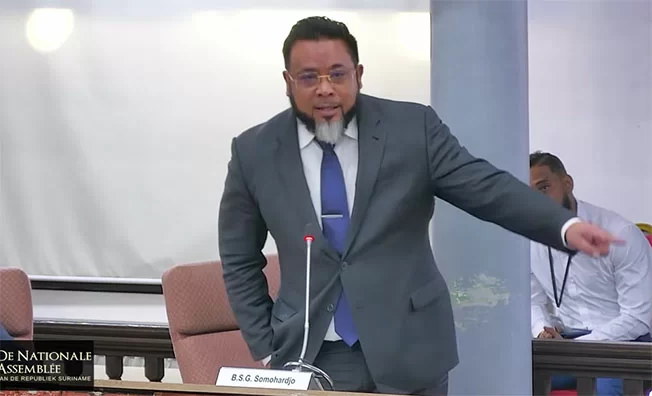
  • Somohardjo na goedkeuring vordering: Ik ben op alles voorbereid

    Somohardjo na goedkeuring vordering: Ik ben op alles voorbereid

    On June 5, a key political and legal development unfolded in Suriname, where the country’s national legislature, De Nationale Assemblee (DNA), voted to greenlight prosecution requests from the nation’s prosecutor-general against three former cabinet ministers — a move that clears the way for formal criminal proceedings to move forward under the nation’s law for prosecuting political officeholders.

    Among those facing prosecution is Bronto Somohardjo, a former government minister who currently leads the Pertjajah Luhur (PL) political party. In an extraordinary turn of proceedings, Somohardjo cast his own vote in support of the prosecution request filed against him, a choice he says aligns with his long-held stance rejecting political immunity from legal process.

    In comments to local outlet Starnieuws following the vote, Somohardjo made clear he is fully prepared for the next phase of legal process. “I am ready for any outcome,” he stated. The party leader explained that his vote was a natural extension of his public commitment that he would never seek political protection from investigation or prosecution. “Let no one ever claim that Bronto Somohardjo sought protection or ran from this process. I have shown up, and I am ready to accept whatever consequences come,” he added.

    Somohardjo emphasized that parliamentary approval of the prosecution request does not mark the end of the matter for him. He argued that in a functioning democratic constitutional state, accountability must be required not only of individual politicians, but also of state institutions. He reaffirmed his commitment to continuing advocacy for equal legal protection, government transparency, equal treatment under the law, and universal accountability for all public actors.

    Alongside Somohardjo, DNA approved prosecution requests against two other former ministers: Riad Nurmohamed and Gillmore Hoefdraad. The parliamentary approval meets all requirements laid out in Suriname’s Wet In Staat van Beschuldigingstelling Politieke Ambtsdragers (WIPA), the law governing prosecution of sitting and former political officeholders, and now allows the Public Prosecution Service to move forward with formal criminal procedures.

    DNA Speaker Ashwin Adhin confirmed to Starnieuws that legislative staff are already preparing formal notification of the parliamentary approval to the Public Prosecution Service. Once that notification is received, the prosecution service can advance the process according to statutory guidelines.

    An unusual procedural detail marked Thursday’s vote: the presiding role was not filled by Speaker Adhin, but by assembly member Ivanildo Plein, the first alternate deputy speaker. Adhin had previously announced he would abstain from the vote and leave the chamber ahead of voting. Since DNA rules require all participating members to cast either a yes or no vote with no option to abstain while retaining the chair, Adhin transferred presiding duties to Plein.

    Plein, who also served on the special parliamentary committee that reviewed the prosecution requests, chose to forgo his scheduled speaking slot before the vote. He explained this decision was necessary to keep the proceeding on schedule. If he had taken the floor to speak after Adhin left the chamber, he would have been unable to continue presiding, forcing a delay to the entire vote. Second alternate deputy speaker Rossellie Cotino was absent from the session, while ABOP party faction leader and current Deputy Speaker Ronnie Brunswijk delivered the faction’s address on behalf of his group instead.

    In a formal statement released after the vote, the Public Prosecution Service stressed that parliamentary approval of the prosecution request does not equate to a finding of guilt. Final judgment on the facts of each case and any determination of criminal liability remains the exclusive responsibility of the judiciary. Once ongoing investigations are completed, the cases will be submitted to the Court of Justice in accordance with all applicable legal procedures.

  • Breakthrough in Belmopan Doctor’s Murder: Two Charged in Bonilla Killing

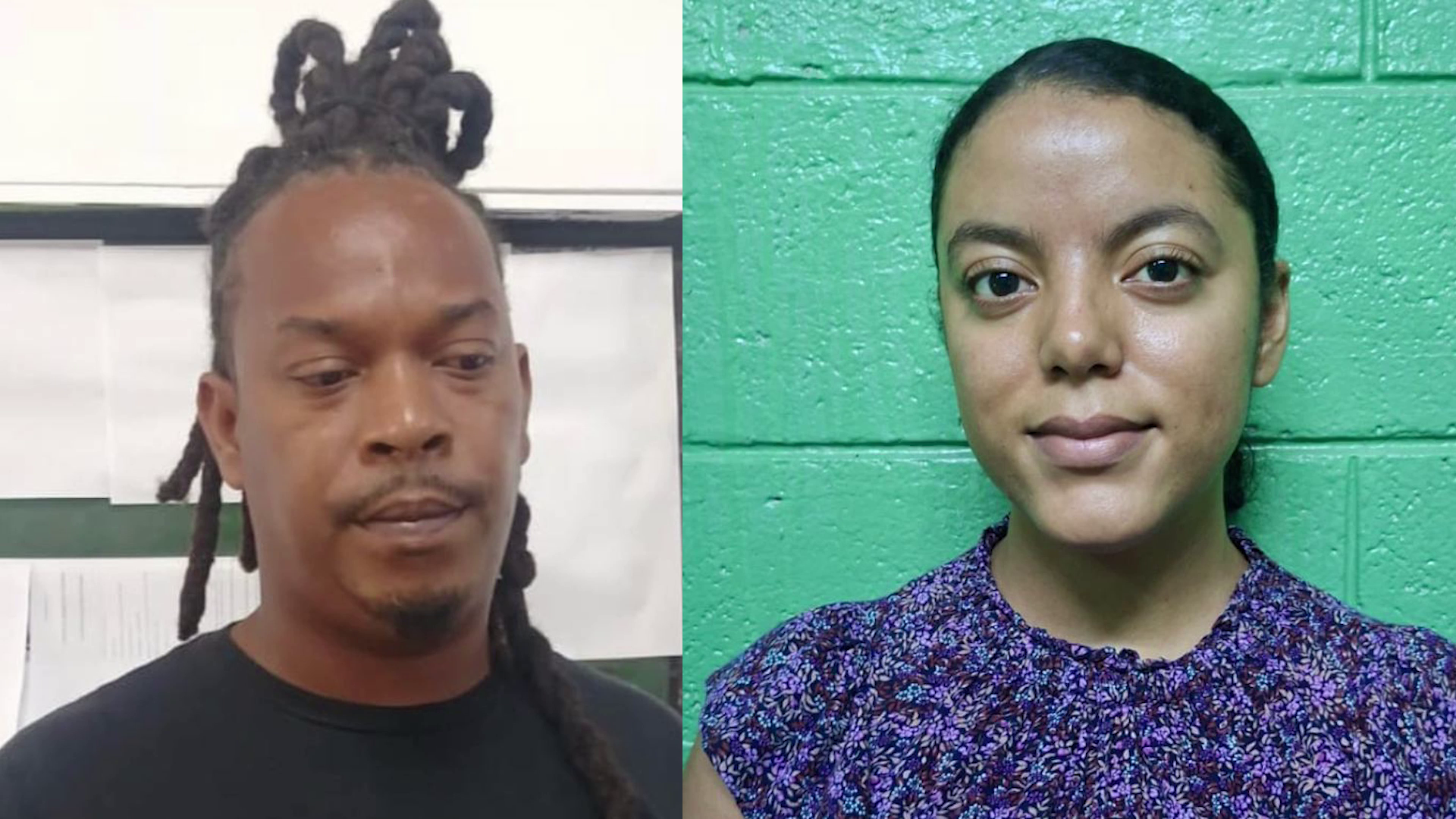
    Breakthrough in Belmopan Doctor’s Murder: Two Charged in Bonilla Killing

    Six days after beloved Belmopan physician Naun Ulices Bonilla was gunned down in a public shooting that sent shockwaves through the Central American community, law enforcement officials have announced a landmark breakthrough in the investigation: two individuals have been arrested and formally charged with his murder.

    The accused are 26-year-old Hannah Rebekah Foreman, a trained laboratory scientist who once worked alongside Bonilla, and 37-year-old Edwin Albert Bethran Junior, a local electrician. Both face joint murder charges for the fatal shooting that took place on May 29, 2026, in Belmopan’s quiet Las Flores neighborhood.

    New court documents and law enforcement sources have painted a clearer picture of the alleged conflict that preceded the killing. Court records show Foreman and Bonilla built a professional partnership starting in November 2023, launching two joint medical ventures: Insights Medical Clinic and Belmopan Medical Laboratory Services. The 50-50 partnership was on track for major growth when the pair secured a lucrative, multi-year National Health Insurance laboratory services contract in January 2026. That success quickly turned bitter, as competing claims over control and financial mismanagement split the business partners.

    According to filings submitted before Bonilla’s death, Foreman alleged the doctor had effectively pushed her out of the company: he locked her out of the clinic facility, revoked her access to core administrative systems, and placed her on an unauthorized administrative suspension. For his part, Bonilla accused Foreman of severe financial misconduct, claiming she had diverted thousands in patient payments to her personal bank accounts, destroyed official company records, and attempted to transfer full ownership of the business to her name using a forged version of his signature. The dispute had already escalated to the country’s court system, with a full civil trial pending when Bonilla was killed.

    Sources close to the investigation have told reporters that less than 24 hours before the shooting, two unidentified men on motorcycles arrived at the company’s office asking specifically for Bonilla. The doctor was not on site at the time, but just hours later he was shot and killed in public. Law enforcement officials confirmed Wednesday that they took Foreman into custody shortly after the shooting, and have developed evidence suggesting she contracted Bethran to carry out the fatal attack. While investigators have not publicly revealed an official confirmed motive, multiple sources familiar with the case say the ongoing business dispute is the central line of inquiry.

    The killing of Bonilla, a well-respected local doctor, shook Belmopan, with community members calling for swift justice in the case from the earliest days of the investigation. Wednesday’s announcement of formal charges marks the most significant progress to date, but investigators emphasize that key questions remain unanswered. Law enforcement teams are still working to map the full sequence of events, confirm all potential connections to the crime, and build a complete case for prosecution. As the legal process moves forward, reporters will continue to track new developments and provide updates to the public.

  • Pomona Community Urged to Support Shooting Victim’s Recovery

    Pomona Community Urged to Support Shooting Victim’s Recovery

    On a quiet Tuesday evening in Belize’s Pomona Village, what began as an ordinary night shattered into chaos in mere seconds, leaving a promising young athlete clinging to life and his family begging for public support to save his future.

    Just after 6:30 p.m., two gunmen riding motorcycles pulled up to a local business in the tight-knit community and opened fire. The bullets struck two people: 25-year-old Orlando Acosta, a star football player with the local Pomona Impact team, and a 16-year-old boy. Before bystanders could react, the attackers fled the scene, leaving the injured behind.

    For Acosta, the violence has cut short a career on the rise. Outside of competitive football, the young man was an avid outdoor enthusiast who worked for Logan’s Ultimate Adventure Sea Tours, where he spent his free time kayaking and leading excursions for visitors. Today, he remains hospitalized at Belize’s Southern Regional Hospital in stable condition, but the damage from the shooting is severe: he has suffered fractures to his spine and pelvis, injuries that local surgeons say they do not have the specialized capacity to treat properly.

    “We got the call out of nowhere that he had been shot, and we rushed him straight to the hospital,” Karen Westby, Acosta’s sister, explained in an interview with News Five reporter Britney Gordon. “Right now he’s stable, but the doctors here have told us they can’t give him the care he needs. We have to get him out of the country to get treatment.”

    The family confirms Acosta was an innocent bystander caught in the crossfire. Authorities have stated they do not believe either Acosta or the 16-year-old victim were the intended targets of the attack, a conclusion the Acosta family echoes.

    “Orlando is known by everyone in this village – everyone is friends or teammates here,” said Errol Acosta, Orlando’s brother. “He had no enemies, no trouble with anyone. This was just wrong place, wrong time. No one can make sense of it.”

    Even as the family counts their blessings that Orlando survived the attack, they face a devastating financial barrier to saving his ability to walk and return to the life he loves. Local medical costs have already piled up, and the specialized surgical and rehabilitative care he needs will require travel to either Guatemala or Mexico – an expense the working-class family cannot cover on their own.

    “Right now, our only priority is raising enough money to get Orlando overseas to get the help he needs,” Errol Acosta said. “We’re watching him fight, and we just need the community to stand with us.”

    The tight-knit Pomona community has already begun rallying around the Acosta family, and the family has issued a public plea for any and all support from those willing to help. Members of the public who wish to contribute to Orlando’s medical fund can reach the family directly at 626-3280.

  • LIU Program Paused; Mahler Agrees Funds Should Be Redirected

    LIU Program Paused; Mahler Agrees Funds Should Be Redirected

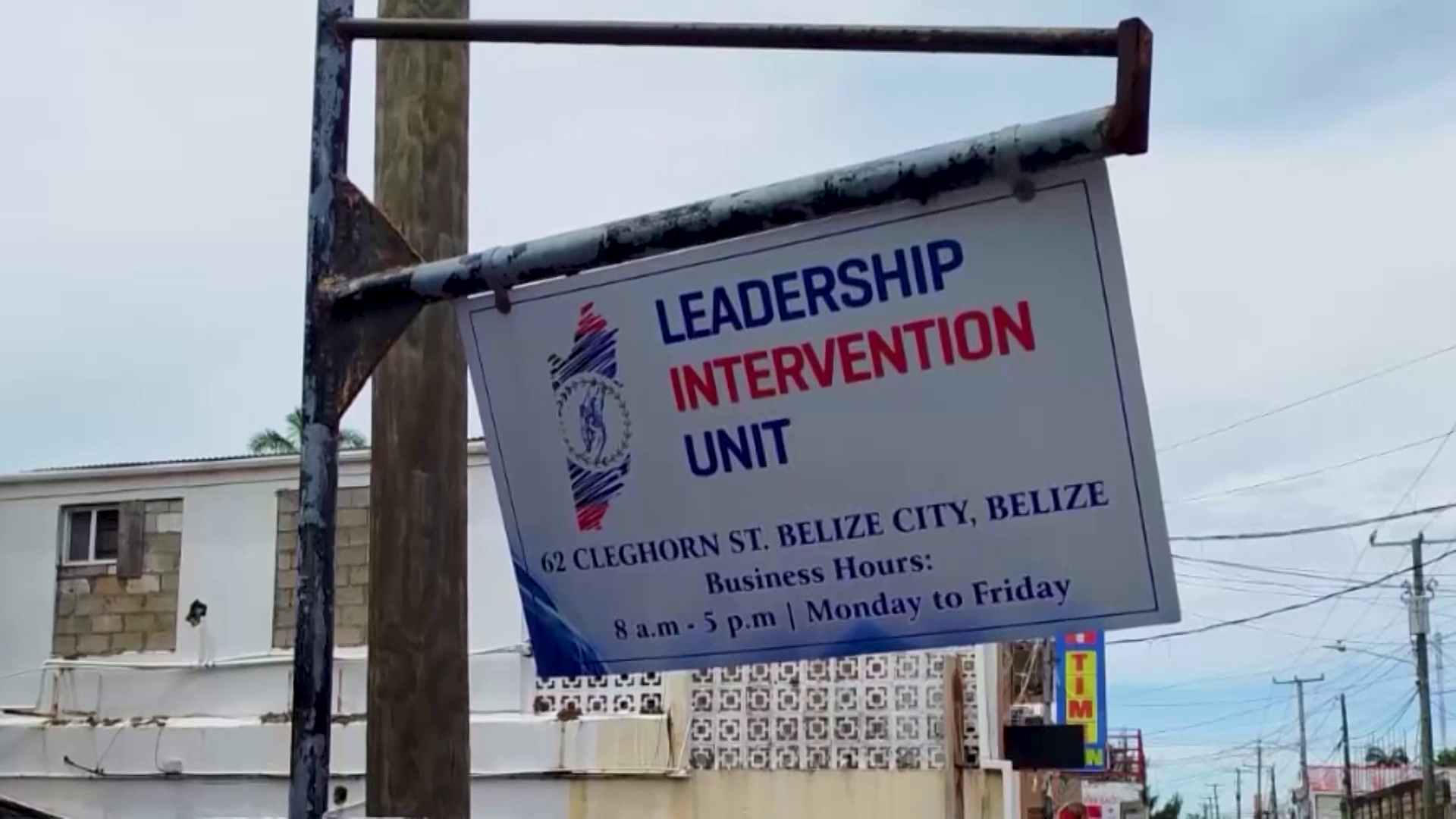
    In a decision that has sparked debate across Belize’s political landscape, the country’s LIU Employment Program has been temporarily halted, with top government officials backing the move to reallocate millions in spending to broader youth-focused initiatives.

    Pickstock Area Representative Anthony Mahler, who also serves as Belize’s Minister of Youth, has emerged as a key supporter of the pause, arguing that the current program’s resource allocation fails to match the country’s most pressing youth development needs. Mahler explained that taking a temporary break from the initiative creates a critical opportunity for a full cabinet-level review to assess whether the program is delivering meaningful public value.

    Mahler highlighted the stark mismatch in current youth spending to make his case: the government allocates $6 million annually to the LIU program to support just 583 participants, yet the entire national youth budget hovers only between $2.7 million and $3 million. With nearly 70% of Belize’s population under the age of 29, he argued that this lopsided spending leaves millions of talented, ambitious young people across the country without access to the resources they need to succeed.

    Instead of maintaining the current LIU program structure, Mahler is pushing to redirect freed-up funds toward expanded social safety nets for youth and increased access to free education. His priority is extending free public education through secondary school and into sixth form, allowing more young Belizeans to enroll in advanced coursework and build the skills needed for long-term economic mobility.

    Mahler emphasized that he does not oppose the core idea of an LIU program, but said cabinet will need to collaborate on a full reevaluation to reshape the initiative to better serve national youth goals. Prime Minister John Briceño has publicly echoed these sentiments, throwing the weight of the national government behind the pause and planned funding reallocation.

    This report is a transcript of an evening television broadcast from an unspecified Belizean media outlet, covering the latest government action on youth policy programming.

  • Addressing Violence Against Children in Belize

    Addressing Violence Against Children in Belize

    On June 4, 2026, as Belize joins the global community in observing the International Day of Innocent Children Victims of Aggression, the small Central American nation is grappling with an urgent national crisis: a sharp rise in brutal violence targeting minors that has left communities outraged and leaders pushing for systemic change. Just days before the annual observance, two separate shooting incidents across the country left two underage victims wounded, and 15-year-old Rackeem Armstrong fatally killed. Armstrong’s death has ignited nationwide public anger, amplifying long-simmering concerns over the persistent threat of violence and abuse against Belize’s children.

    As the nation calls for accountability and protection, UNICEF Belize has added its voice to the urgent push for collective action, emphasizing that this international day of remembrance offers a critical moment to confront all forms of harm to children, not just those caught in cross-border or armed conflict. Michelle Segura-McGann, Child Protection Officer with UNICEF Belize, explained that the day’s original mandate focused on child victims of war, but it has evolved to serve as a global reminder that children everywhere face ongoing harm from abuse, exploitation, neglect, and violence in all its forms – including the community-level gun violence that has recently shaken Belize.

    In response to mounting public pressure and rising alarm over recent high-profile cases of child assault and abuse, Belize’s government has advanced a series of targeted policy reforms to better protect young victims and prevent future harm. Two key changes currently moving forward are the establishment of a searchable public sex offender registry and the formal approval of closed-door, in-camera testimony for child survivors of abuse. Caribbean Shores Area Representative Kareem Musa told the nation’s Cabinet that these reforms align with international human rights standards for child protection. Musa noted that both the UN Convention on the Rights of the Child and UN guidelines for justice involving child victims require that the privacy of underage survivors and witnesses be prioritized during legal proceedings, a protection that closed-door testimony is designed to deliver. For the public registry, Musa acknowledged the policy has sparked public debate, but argued that giving families access to information about registered sex offenders will only strengthen community-level safety for children.

    These new policy steps build on a national commitment Belize made back in 2024 to prioritize prevention of violence against children, with technical and programmatic support from UNICEF and Belize’s Department of Human Services. The resulting national action plan takes a holistic, inter-agency approach to the crisis, requiring coordinated collaboration across the Department of Human Services, public education system, and national health service to address violence from multiple angles. Segura-McGann emphasized that a unified cross-sector response is the only effective path to reducing harm long-term, as violence against children touches every part of a child’s life and requires engagement across all public systems that serve young people.

    Earlier in 2026, UNICEF launched the Blue Teddy Bear initiative in Belize, a targeted training program designed to help frontline workers and community members identify early warning signs of abuse and report suspected cases more efficiently. The program is one of several local interventions aimed at strengthening safeguarding for the nation’s most vulnerable citizens.

    Despite these incremental advances, data from UNICEF makes clear that massive gaps remain in protecting Belize’s children. The organization reports that violent discipline remains pervasive across the country, affecting 63% of Belizean children as of 2026 – only a marginal drop from 65% in 2015. UNICEF officials stress that government policy and institutional action alone cannot solve the crisis, and are urging all Belizean communities, families, and individuals to stay vigilant, speak out when they spot signs of abuse, and intervene to protect at-risk children. At its core, they say, protecting children from violence is a shared responsibility that requires action from every member of society.

  • Belize’s Sex Offender List to Go Public Under New Proposal

    Belize’s Sex Offender List to Go Public Under New Proposal

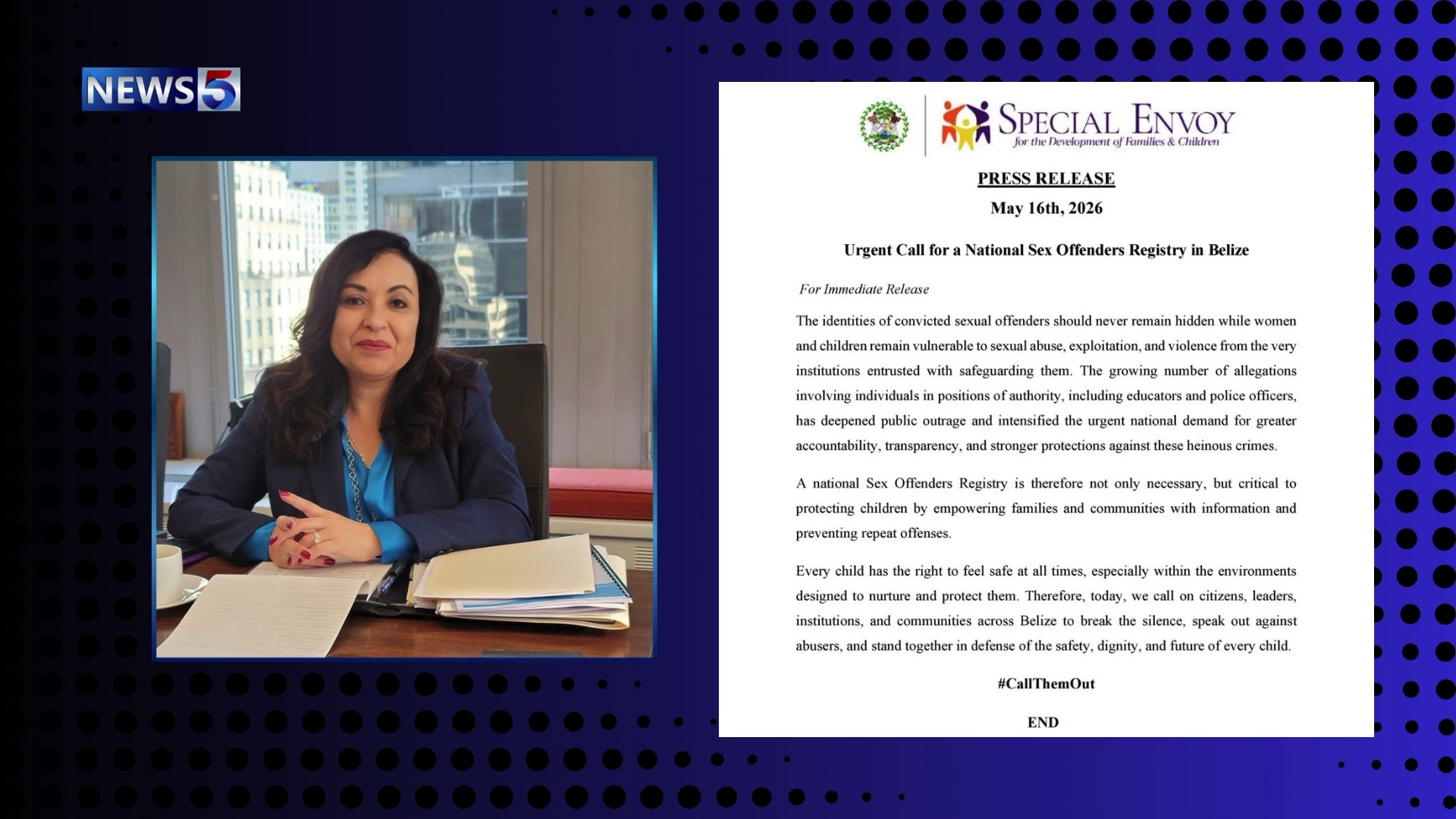
    In a swift response to recent public calls for stronger protections against sexual violence, the government of Belize has tabled legislative amendments that would open the country’s existing confidential National Sex Offenders Database to public access. This policy push comes just weeks after Special Envoy Rossana Briceño first formally called for the establishment of a national public sex offender registry, marking a major shift in how the country manages and shares information on convicted sexual offenders.

    Kareem Musa, the Minister of Immigration, Governance and Labor, laid out the full details of the proposed changes to Belize’s Criminal Code in a public briefing. Under the new plan, the amendments would overhaul Section 65 of the existing legislation to add new mandatory requirements for courts and offenders alike. When handing down sentences for convicted sexual offenders, courts will now be legally required to order additional offender support and monitoring measures: court-mandated counseling, medical care, and psychiatric treatment, all designed to reduce recidivism rates and address root causes of reoffending.

    Beyond treatment mandates, the proposal introduces strict residency reporting rules for all registered sexual offenders. Offenders will be prohibited from changing their place of residence without giving advance formal notification to both the Commissioner of Police and the Director of Human Development. They will also be required to comply with any additional public safety conditions the police commissioner deems necessary to protect local communities.

    A core new requirement added under the amended legislation creates a formal mandatory notification system for all convicted sexual offenders. Offenders must submit core identifying and location information to their local district police station, including their full name and residential address. If an offender moves, they are required to file their updated address with authorities within 14 days of leaving their previous residence.

    Under the proposed framework, an offender’s information will remain listed on the public registry for a period of 10 years following conviction. The Briceño administration’s move to advance this proposal so quickly after Briceño’s initial call reflects growing public pressure to improve transparency around sexual offender management and enhance community safety across the country.

    This report is adapted from a transcribed evening television news broadcast from Belize.

  • Thousands of Students Sit Math Exam in Nationwide Education Pilot

    Thousands of Students Sit Math Exam in Nationwide Education Pilot

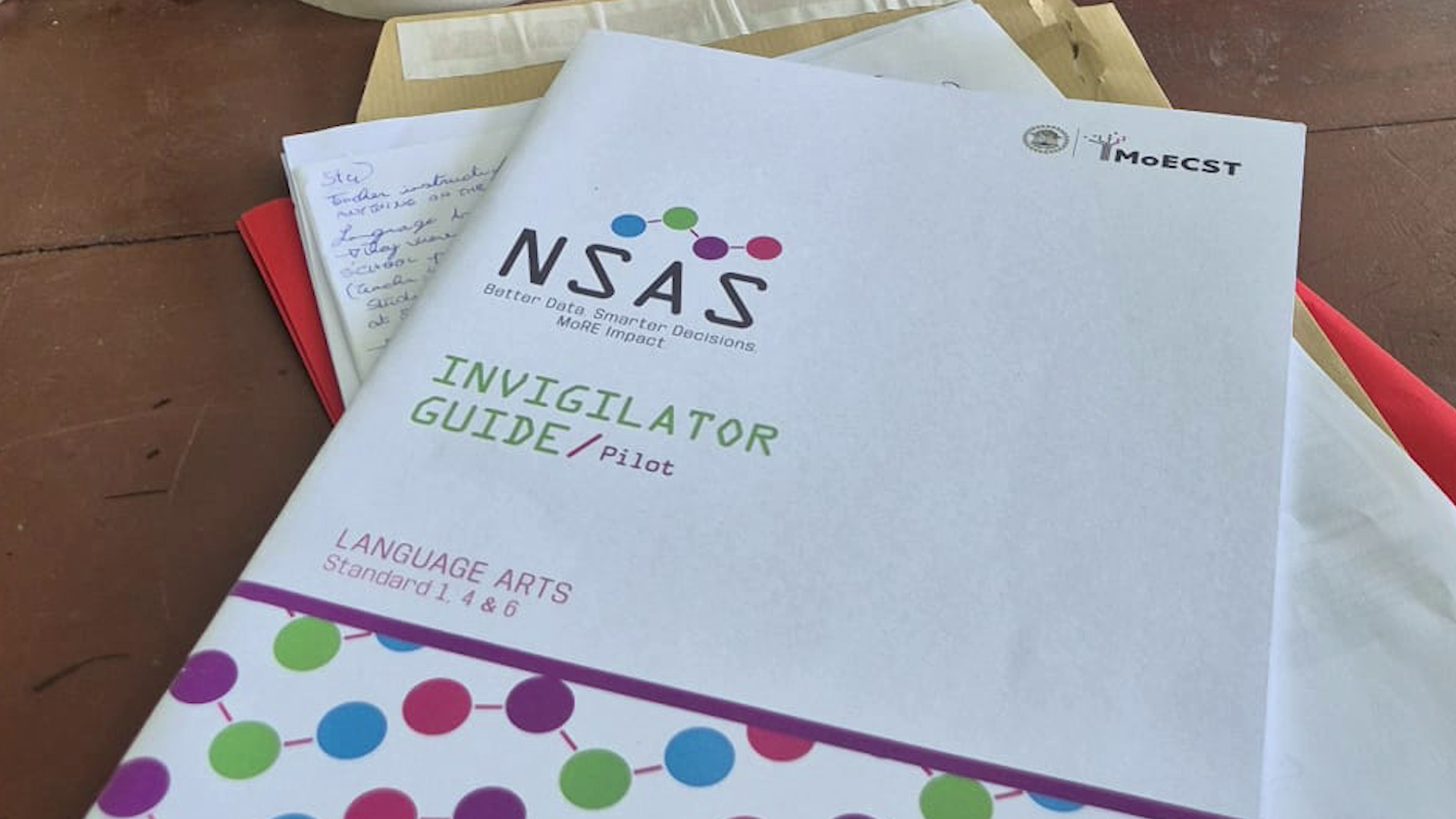
    On June 4, 2026, a landmark nationwide education pilot moved into its next phase across Belize, as thousands of primary school students from coastal towns to remote inland villages sat for the mathematics section of the new National Schools Assessment System. This testing round follows the English language exam administered just days earlier, rolling out across 287 participating schools to evaluate the new framework before its full implementation.

    Even extreme weather could not derail the rollout: in flood-prone regions of southern Belize, where rising waters turned rural roads into rushing streams, exam invigilators navigated hazardous conditions to reach testing sites and ensure every registered student could participate. In total, 20,965 students across three grade levels — Standards One, Four and Six — are taking part in the pilot program.

    For Belize’s Ministry of Education, the pilot represents the most ambitious step in recent years to map student learning outcomes across the country’s diverse education system. Dian Maheia, Chief Executive Officer of the Ministry of Education, explained that the assessment is designed as a diagnostic tool, not a high-stakes evaluation. “It will give the ministry, individual schools and teachers clear insight into where students currently stand in their learning progress,” Maheia noted. “Once we understand gaps in knowledge and areas of strength, we can better target instruction, highlight successful practices, and address weaknesses across the system.”

    Education leaders across the country have broadly welcomed the initiative, praising its potential to drive systemic improvement. Keisha Garbutt, principal of St. John’s Anglican School, called the program one of the most impactful education reforms the ministry has launched in recent years. “Aggregated national data on student performance will give us a clear benchmark to measure progress, and it strengthens accountability across all levels of schooling,” Garbutt explained. She added that the standardized assessment will also push parents to take a more active role in their children’s learning, filling a gap created by the absence of consistent nationwide testing in recent years. “Too many parents have become complacent when there is no formal, consistent measure of how their children are progressing,” she said. “This assessment will encourage families to engage more actively with student progress.”

    At All Saints Primary School, principal Colin Estrada reported that many students found the math assessment challenging, but framed that difficulty as a useful outcome. “That challenge shows us exactly where we need to adjust our curriculum and teaching practices to meet national standards,” Estrada said. He added that the data collected from the pilot will be critical to updating school improvement plans, allowing institutions to direct limited resources to the subject areas and student groups that need the most support. “Data is the only way we can clearly identify our strengths and our gaps,” Estrada noted. “This assessment gives us that consistent, comparable data we’ve been missing.”

    Ministry officials have emphasized that the assessment is explicitly structured as a low-stakes exercise, designed to avoid penalizing students or schools during the pilot phase. “This test will not affect student report cards, it will not determine promotion to the next grade, and it will not be used to rank or stigmatize schools or communities,” Maheia clarified. “It is solely a tool to improve the entire education system, not to judge individual students.”

    Looking ahead, the Ministry of Education plans to expand the assessment framework to include science and Belizean studies by 2027, with a future expansion to secondary schools already in early planning stages. The pilot data will be analyzed over the coming months to adjust the assessment structure and address any implementation gaps ahead of full national rollout.

  • $47M for Early Childhood and Women’s Empowerment, But Is There a Plan?

    $47M for Early Childhood and Women’s Empowerment, But Is There a Plan?

    A proposed $47 million investment aimed at shaping Belize’s social and economic future is set for a vote in the country’s House of Representatives, and it has already ignited heated debate over transparency and implementation strategy. The Briceño administration has applied for approval to secure the financing package from the World Bank’s International Development Association, with two core policy priorities at the initiative’s center: expanding access to high-quality early childhood development and boosting economic empowerment opportunities for women across the country.

    Under the outlined plan, the funding will be allocated to multiple key initiatives: constructing new preschool facilities to address gaps in early education access, upgrading and strengthening existing early childhood support services, and fostering collaborative partnerships with the private sector to create more accessible, high-quality employment opportunities for women. Government leaders frame the investment as a far-reaching, generational investment in Belize’s human capital, arguing that improving early education and closing gender employment gaps will lay the foundation for long-term inclusive economic growth.

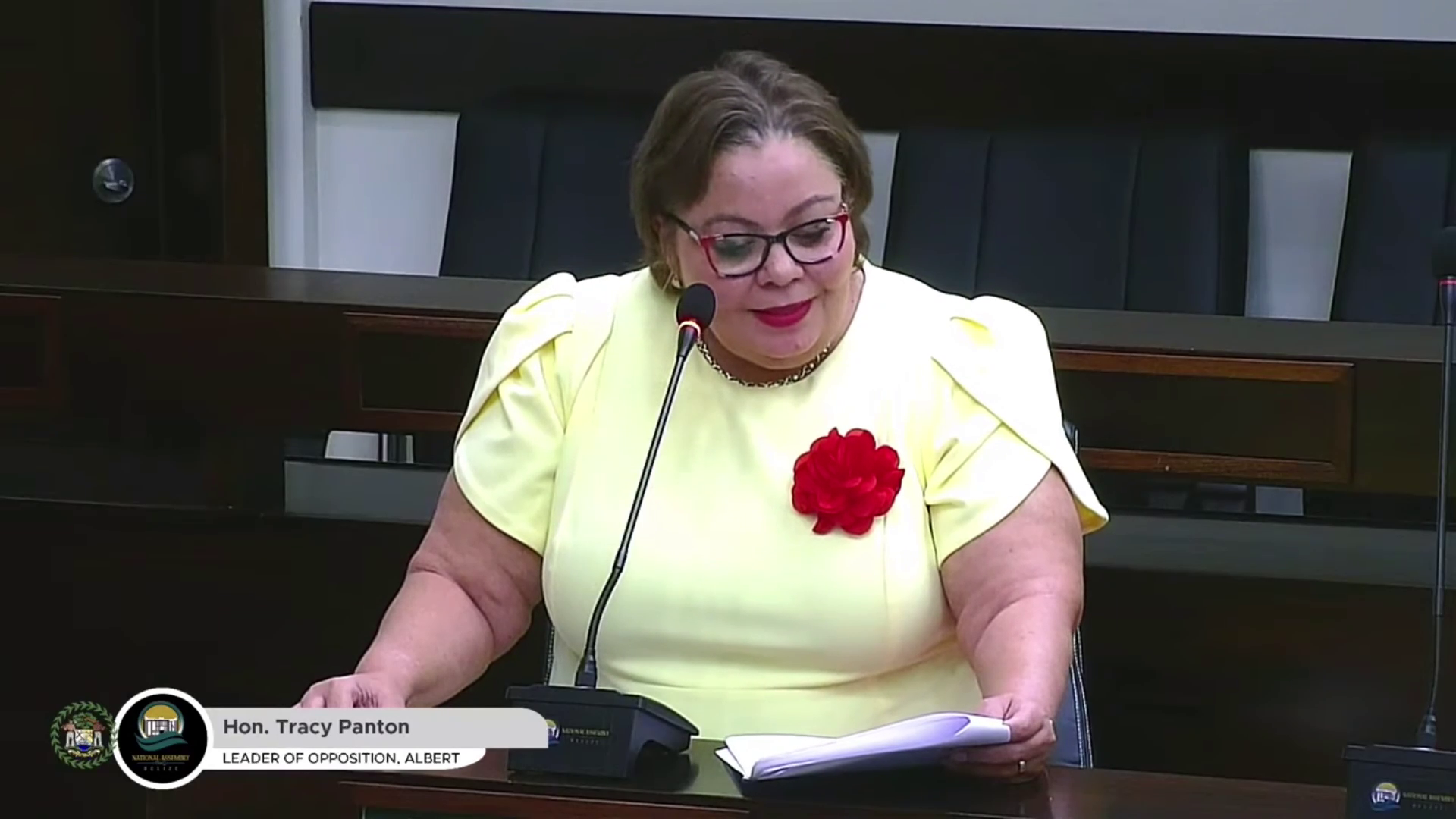
    However, opposition leaders are raising sharp questions about the absence of a clear, detailed implementation roadmap, casting doubt on whether the funding will deliver the lasting, transformative impact the administration has promised. Tracy Panton, leader of Belize’s opposition United Democratic Party (UDP), outlined the core critiques of the proposal ahead of the House vote.

    Panton emphasized that the funding commitment — equivalent to $23.5 million U.S. dollars — represents a substantial expenditure for Belize’s national budget, making transparency around allocation particularly critical. While the proposal references project operations in “targeted areas”, Panton pointed out that the legislation put before lawmakers fails to name specific districts, communities, or regions that will benefit from new preschool classroom construction. Lawmakers are being asked to approve the multi-million dollar allocation with no public information about where funds will be directed or what criteria will be used to prioritize target communities, Panton argued. She specifically noted that she hopes the coastal community of Punta Negra, associated with local advocate Maud McSweeny Taeger, will be included as a beneficiary if the proposal moves forward.

    Panton also drew a contrast with the previous UDP administration’s approach to educational infrastructure investment, noting that the UDP arranged for a comprehensive national educational needs assessment financed by the Caribbean Development Bank (CDB) to ensure all funding allocation decisions were rooted in data and focused on maximum public impact. Despite these concerns, the opposition has confirmed it supports the overall goals of the initiative, and will back the bill in the House vote. In addition to the core IDA financing, the project has already secured an additional $1.2 million U.S. dollars in grant funding to support its implementation.

  • Geneva : Speech by Haitian Minister Nelson at the 114th International Labour Conference (video)

    Geneva : Speech by Haitian Minister Nelson at the 114th International Labour Conference (video)

    GENEVA — On June 4, 2026, Marc-Elie Nelson, Haiti’s Minister of Social Affairs and Labor, delivered a landmark address to delegates gathered at the 114th International Labour Conference, hosted by the International Labour Organization (ILO) in Geneva. During his speech, Nelson laid out a clear vision for deepened collaboration between Haiti and the global labor body, framing targeted cooperation as a critical catalyst to renew systems that deliver inclusive growth, open constructive social dialogue, and expand access to dignified work across the Caribbean nation.

    A central priority of Nelson’s address was a formal call for a strengthened ILO footprint within Haiti, anchored by the establishment of a permanent ILO representative office in the country. He emphasized that the ILO’s decades of specialized global expertise would be transformative for Haiti’s ongoing efforts to update its national labor framework, bringing local legislation into full alignment with internationally recognized labor standards and adapting rules to match the shifting demands of the modern global workforce.

    Nelson also used the platform to highlight the Haitian government’s ongoing domestic progress on worker welfare, specifically pointing to recent policy efforts to raise the national minimum wage and expand social safety net coverage for Haitian working people. These steps, he argued, reflect the administration’s commitment to centering worker well-being in national policy priorities.

    In addition to bilateral cooperation priorities, Nelson offered public praise for ILO Director-General’s recently released report, *A moment of choice: Harnessing artificial intelligence for decent work*. He noted that the report makes a substantial and timely contribution to global conversations about the future of work, and underscored the meaningful opportunities that AI can bring to expanding labor access and improving working conditions when governed responsibly.

    Closing his address, Nelson offered a reflection on what defines a successful nation: “Nations are not measured solely by the size of their economies or the strength of their institutions. They are also measured by how they treat those whose work builds their future.” He concluded by reaffirming that, regardless of political or economic differences between nations, global leaders share a universal core responsibility: to “enable every woman and man to live from their work with dignity, justice, and hope.”

  • Disgruntled Former BEL Workers Take Fight to National Assembly

    Disgruntled Former BEL Workers Take Fight to National Assembly

    After months of unaddressed grievances and stalled negotiations, a group of disgruntled former employees of Belize Electricity Limited (BEL) has escalated its campaign for owed severance pay by demonstrating on the steps of Belize’s National Assembly. Organized under the banner Belize Energy Workers for Justice, the group says it has exhausted all lower-level avenues to resolve the dispute—holding public protests, meeting with government officials, staging press conferences, and protesting directly at BEL headquarters—yet has been met with continued inaction.

    The core of the workers’ demand is straightforward: they are seeking the same severance compensation that was awarded to former employees of Belize Telemedia Limited (BTL) following a binding court ruling. According to the group, BEL has rejected this comparison, arguing that the BTL ruling does not apply to its former workers, and is now preparing to bring the dispute before the High Court to seek declaratory confirmation of its position.

    In addition to demanding immediate payment of their owed severance, the workers are calling for leadership changes at the top of BEL, specifically the removal of newly appointed company chairman Lynn Young.

    Dorla Staine, a representative of Belize Energy Workers for Justice, spoke on behalf of the group during the National Assembly demonstration, outlining the urgency of the workers’ situation. “We have already exhausted every channel,” Staine explained. “We met with the responsible minister, who publicly expressed support and promised to bring our case before Cabinet and the Attorney General for review. But even as we wait, BEL is moving forward with new court action over a matter that has already been ruled on. We came here today to appeal directly to the Prime Minister, as the nation’s top leader, to intervene on behalf of elderly workers who gave decades of service to Belize.”

    Staine pushed back against BEL’s claim that the BTL severance precedent does not apply, noting that unlike BTL workers, the former BEL employees’ severance pay is not already incorporated into their existing pension benefits—a key distinction BEL has refused to acknowledge. She also emphasized that the years-long legal process has already taken a devastating toll on the group of mostly elderly former workers. “This legal battle already dragged on for five years: the Marin Group first filed the case in 2020, and the ruling was only issued in 2025,” Staine said. “Many of our members do not have five more years to wait. We have already lost colleagues to death, others are hospitalized, and many more are struggling with poor health just to get by each day.”

    As the dispute heads toward a new round of High Court litigation, the former workers warn that time is running out for many of their members, and are pressing elected and corporate leaders to intervene before more workers pass away without ever receiving the compensation they are owed.