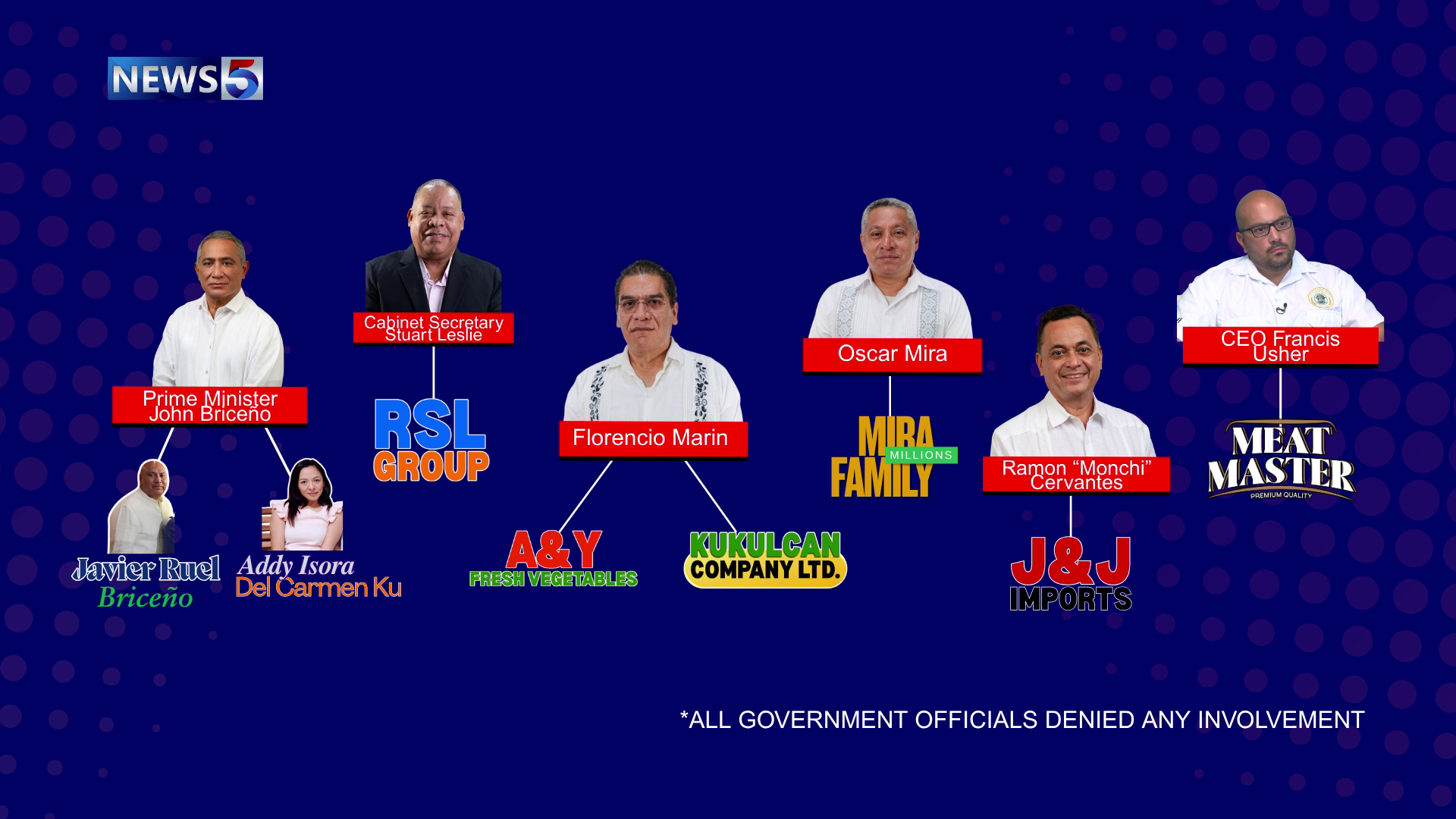
As investigations into a major Ministry of Defense procurement scandal widen in Belize, a critical gap in governmental accountability has been thrust into the national spotlight: the intentional secrecy surrounding the true ownership of companies awarded millions in taxpayer-funded public contracts. The unfolding controversy, dubbed the “Mira Millions” scandal, has linked multiple private firms to questionable defense procurement deals, but efforts by journalists and members of the public to trace the ultimate beneficiaries of public spending have hit a deliberate wall erected by the country’s revised corporate registry system.
A hands-on investigation by Belize-based outlet News Five confirms that even for companies at the center of the high-profile public corruption inquiry, the Belize Companies and Corporate Affairs Registry (BCCAR) only publishes bare-bones registration data online, with no access to core details including beneficial owners, company directors, or shareholder rosters. To demonstrate this lack of transparency, reporter Paul Lopez walked through a public search for RSL Group Limited, one of the companies most recently linked to the defense scandal. The BCCAR website only confirms the firm was registered as an active private company in October 2025, with zero additional ownership information available for public viewing. A parallel search for Kukulcan Company Limited, another firm connected to the broader inquiry registered in 2021, yielded the same result: only basic registration data, with no actionable insight into who actually owns or controls the business.
When Lopez contacted a BCCAR representative to ask how members of the public can access ownership information online, the representative confirmed that no public online access is permitted. Instead, requesters must submit a formal email inquiry to the registry, which will then decide whether to release the requested information, or direct the requester to another process for access. This system stands in stark contrast to the transparency rules that existed prior to 2022, when the Belizean government merged the domestic companies registry and the international business companies registry into the unified BCCAR system.
While the 2022 merger moved all company records to an online platform, it also stripped public and media access to critical corporate ownership data. Journalists across Belize raised urgent red flags about the policy change immediately after it was implemented. Krem News Director Marisol Amaya, one of the first critics to speak out against the reform in December 2022, explained that prior to the merger, accessing full corporate records was a simple, free process: reporters could walk into the Belmopan registry office, view full company folders for any registered business, and access complete records of directorship changes and shareholder information that is vital for holding public contractors accountable. Now, that open access no longer exists.
Three years later, Amaya’s warnings have been validated by the ongoing defense scandal. With no official public access to ownership records, investigators, journalists and concerned citizens are forced to rely exclusively on leaked documents to piece together connections between scandal-tied public contractors and their hidden owners. Critics warn that the opaque registry system does not just fail to promote accountability for public spending – it actively undermines it, creating an environment ripe for corruption by shielding the beneficiaries of public contracts from public scrutiny. As the defense procurement investigation continues, pressure is growing on Belize’s government to reverse the 2022 policy change and restore full public access to beneficial ownership information for all companies holding public contracts.