Belize’s criminal justice system is on the brink of significant disruption starting August 1, after the country’s Association of Defense Attorneys (ADA) announced a widespread suspension of court-appointed criminal case work. The industrial action comes after years of waiting for the Belizean government to fulfill a long-standing pledge to increase outdated legal aid stipends that attorneys argue have become financially unsustainable.
Currently, court-appointed defense attorneys receive just $2,000 Belize dollars for each assigned serious criminal case, including high-stakes murder trials. In stark contrast, the same legal representation would cost a private client a minimum of $15,000 Belize dollars — nearly eight times the current legal aid rate. Attorneys note that this gap does not even account for additional out-of-pocket expenses, such as travel to distant court districts like Toledo and overnight accommodation, which eat further into the already inadequate fixed payment.
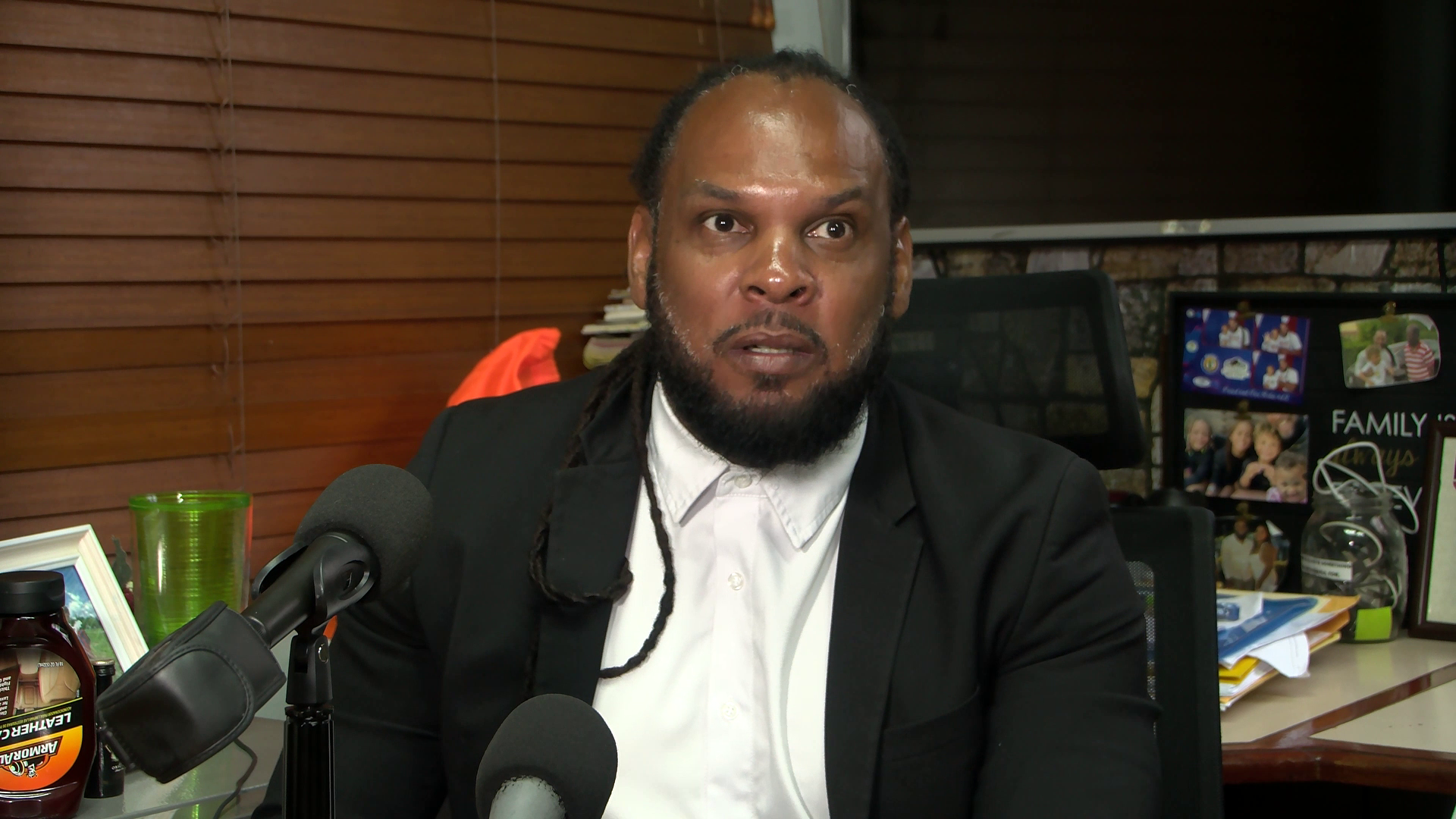
ADA member and practicing attorney Orson Elrington explained that the difficult decision to suspend case intake was not taken lightly, nor is it intended to block low-income defendants from access to justice. “This isn’t an attempt to cripple the judiciary or cut off justice for people who can’t afford private representation,” Elrington clarified in comments to local media. “This is about holding the government to a commitment they already made, after years of our members absorbing the personal and financial cost of representing indigent defendants.”
Elrington added that the ADA and government had previously reached a tentative compromise to raise stipends to $7,500 Belize dollars, a middle ground that would cover basic operational costs and provide fair compensation for attorneys’ time. But that agreement has yet to be implemented, leaving defense attorneys with no other option but to take collective action.
The announcement also raises serious concerns about the quality of representation facing defendants if the walkout proceeds. Elrington pointed out that most court-appointed serious criminal cases — as much as 95% of all murder and other indictable matters — are currently handled by experienced ADA members. If ADA members step back, courts will be forced to assign these complex cases to attorneys with little to no experience trying serious indictable offenses, let alone capital murder cases. This lack of experience, Elrington argued, puts defendants’ right to a fair trial at immediate risk, with predictable negative outcomes for unrepresented defendants.
As of July 20, the government has not issued a formal response to the ADA’s deadline, leaving the country’s criminal justice system bracing for a shutdown of court-appointed defense work in less than two weeks.