博客

  • Commonwealth Observers Praise Election Administration While Urging Reforms

    Commonwealth Observers Praise Election Administration While Urging Reforms

    Following the April 30, 2026 general election in Antigua and Barbuda, the Commonwealth Observer Group has released its final assessment, delivering a largely positive verdict on the vote while laying out a roadmap for targeted electoral reform. The international monitoring team has given high marks to the Antigua and Barbuda Electoral Commission (ABEC) and on-the-ground election workers for organizing a vote that unfolded in a peaceful, orderly, and transparent manner.

    In its official findings, the observer group confirmed that election officials broadly adhered to established procedural rules, executing their duties with consistent professionalism across the voting process. Beyond the electoral commission, the report extended praise to a range of stakeholders: polling station staff, national security personnel, participating political parties, and the voting public all played key roles in facilitating a smooth electoral process. Special note was taken of two progressive measures implemented for this cycle: the deployment of dedicated information clerks to assist voters, and the public release of detailed voter data, including clear polling station location information and aggregated voter statistics.

    “Our overall assessment is that the electoral process was peaceful and transparent,” the report emphasized. It added that the broader political and social environment surrounding the vote largely upheld fundamental democratic freedoms, including the rights to association, peaceful assembly, free expression, and unimpeded movement across the country.

    Even as the group commended the successful execution of the election, it outlined persistent gaps that require targeted action to reinforce the integrity of Antigua and Barbuda’s electoral system. The list of core recommendations includes enshrining ABEC’s institutional independence in the national constitution, overhauling the country’s campaign finance rules, conducting a comprehensive review of parliamentary constituency boundaries, upgrading polling site accessibility for voters living with disabilities, and rolling out targeted measures to boost political participation among women and young people.

    Notably, concerns over transparency and accountability in campaign financing, an issue flagged by previous Commonwealth observer missions to the country, were repeated in the 2026 final report. The group called on national authorities to tighten regulatory frameworks and mandatory disclosure requirements, aligning national rules with widely accepted international best practices for campaign finance.

    Another key challenge highlighted by the observers is growing political polarization within Antigua and Barbuda’s media sector. To address this, the report recommended implementing targeted policy steps to promote fair coverage of political actors, protect editorial independence for media outlets, and establish stronger, more effective oversight mechanisms for the industry.

    In closing, the report acknowledged that Antigua and Barbuda’s existing legal and regulatory framework already provides a solid foundation for holding competitive democratic elections. However, it stressed that incremental, sustained reforms remain critical to boosting public trust in electoral processes and further entrenching the country’s democratic institutions for future cycles.


  • Antigua and Barbuda Considers Wage Deductions for Child Support Defaulters

    Antigua and Barbuda Considers Wage Deductions for Child Support Defaulters

    Efforts to crack down on persistent non-compliance with court-ordered child support obligations have pushed the government of Antigua and Barbuda to explore a sweeping set of reforms, including the option of automatic direct deductions of child maintenance from non-payers’ paychecks. The policy conversation unfolded during a recent Cabinet meeting focused on the upcoming launch of MainCollect, a cutting-edge digital payment platform designed to modernize how the nation tracks and collects child maintenance payments.

    Government representatives told Cabinet that chronic non-payment continues to stand as one of the most intractable challenges in the child support system, leaving thousands of children without the financial support they are legally guaranteed. To address this gap, senior officials have advanced a slate of stricter enforcement measures, with legislative changes to permit mandatory employer-led wage deductions at the top of the discussion list. This mechanism would only apply to parents who have repeatedly ignored court orders to meet their maintenance obligations.

    Beyond automatic wage deductions, Cabinet also weighed additional intervention strategies: harsher legal penalties for persistent defaulters, and the creation of a centralized public register that would name parents who fall behind on their required payments. Maurice Merchant, Director General of Communications, clarified that any policy requiring formal employer involvement in the deduction process would need new legislative approval, and that negotiations on the framework are still ongoing between government leadership and the Antigua and Barbuda Family Court.

    Officials also highlighted a key persistent hurdle that even new policies may struggle to address: a large share of delinquent child support comes from parents who receive all their income in cash, making it far harder for regulators to track earnings and guarantee consistent monthly payments. The policy discussions are happening alongside preparations for the rollout of the MainCollect digital platform, which will enable fully electronic maintenance payments while giving both the Family Court and custodial parents real-time access to payment records, transaction history, and up-to-date information on outstanding balances.

    As of the latest Cabinet briefing, no final decisions have been reached on any of the proposed enforcement measures. Government leaders confirmed that deliberations will continue as they work to build a more effective, accountable system that guarantees children across the country receive the financial support they are entitled to.

  • Antigua and Barbuda Continues Fuel Subsidies Despite Sharp Rise in APUA Fuel Costs

    Antigua and Barbuda Continues Fuel Subsidies Despite Sharp Rise in APUA Fuel Costs

    In the wake of a dramatic near-doubling of fuel procurement costs for the Antigua Public Utilities Authority (APUA), the Antigua and Barbuda government has formally committed to sustaining its existing fuel subsidy program, a decision confirmed during Friday’s post-Cabinet press briefing.

    Maurice Merchant, Director General of Communications, outlined the stark scale of the price increase to journalists: earlier this year in January, APUA paid roughly $460,000 per day to purchase fuel from the West Indies Oil Company. That daily expense has now jumped to approximately $886,000, a surge of more than 90% that has put unprecedented financial pressure on both the national utility and public coffers.

    Following a full review of the issue at Thursday’s weekly Cabinet meeting, where officials assessed the broader ripple effects of volatile global economic conditions on Antigua and Barbuda, the administration reaffirmed its core policy goal: protecting domestic consumers from the full brunt of skyrocketing international fuel prices. Merchant emphasized that ongoing geopolitical and market shifts across the globe have pushed energy costs to multi-year highs, creating cascading financial strain for utility providers and national governments across every region.

    Rather than passing the entirety of this cost increase on to households and businesses through higher utility bills, the Antigua and Barbuda government has chosen to absorb the majority of the expanded fuel expense via its subsidy program. While the administration has not yet specified an end date for the policy, it made clear that its efforts to insulate consumers from growing energy costs will remain in place for the foreseeable future as global market conditions continue to evolve.

  • $30K up for grabs as Marcus Garvey entrepreneurship competition opens

    $30K up for grabs as Marcus Garvey entrepreneurship competition opens

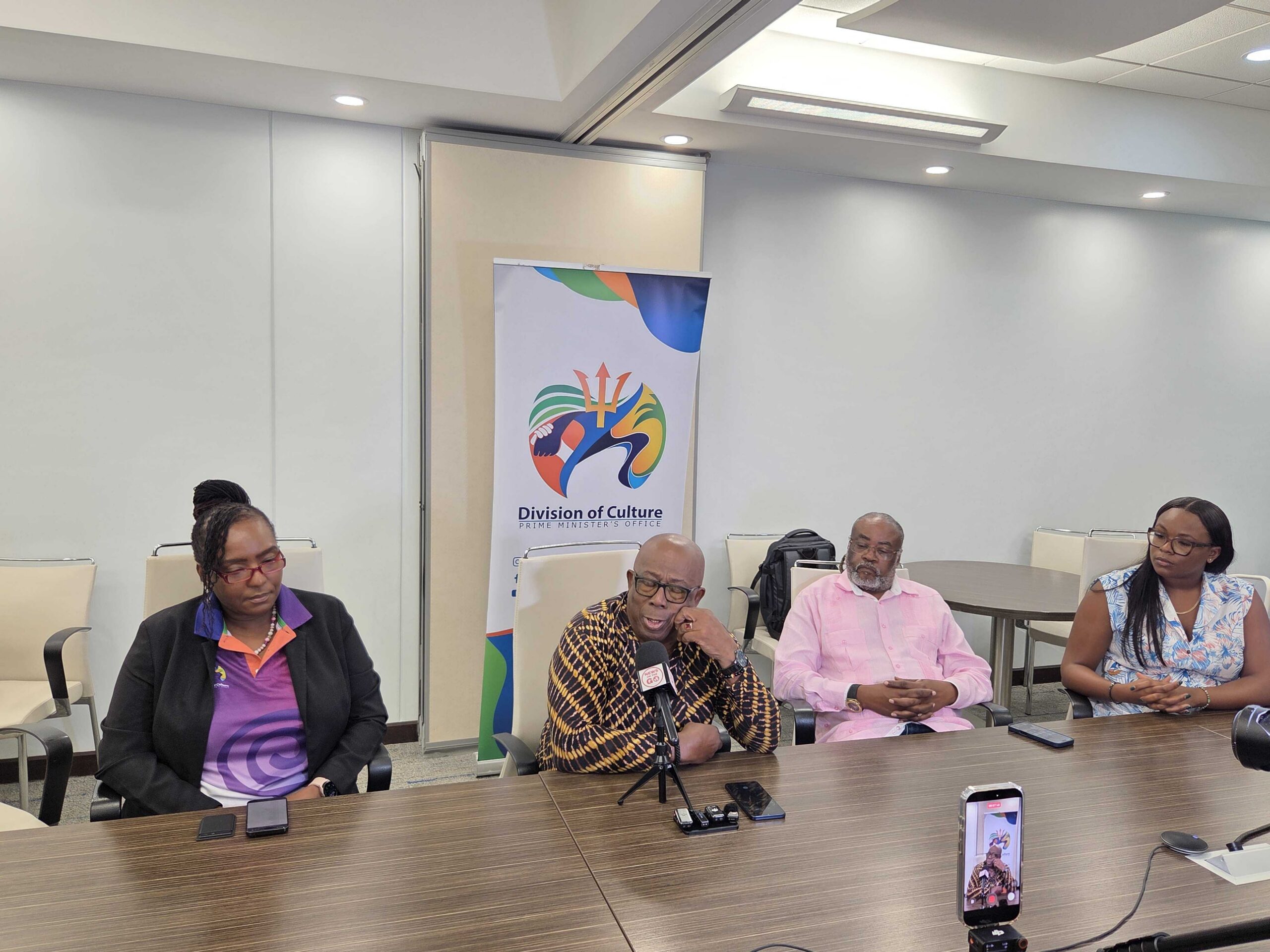
    Barbados’ creative and entrepreneurial communities have been called to step forward as the fourth annual Marcus Garvey Entrepreneurship Pitch Competition officially opened its application window on Friday, offering a total of $30 000 in cash prizes to emerging innovators looking to turn cultural talent into scalable commercial ventures. Jointly organized by the island’s Division of Culture and the Office of Pan-African Affairs and Heritage, the competition aims to boost business development across Barbados’ cultural industries while growing its participant base for the fourth consecutive year. Applications from eligible creators will remain open until midnight on July 31.

    Organizers have set an ambitious target to double entry numbers this year, building on the rapid growth the competition has seen since its launch. Entries jumped from just 15 in 2023 to more than 60 in 2024, a trajectory event leaders hope to continue as they raise awareness of the opportunity across the island’s creative community. The core mission of the event remains bridging the long-standing gap between raw creative talent and sustainable, revenue-generating commercial enterprise, a gap that has limited growth for many cultural workers across the Caribbean.

    Program advisor Rodney Grant from the Division of Culture framed the current moment of global economic uncertainty as a unique catalyst for innovation, drawing on decades of observation of creative activity across the Caribbean region. “When societies face particular challenges is when you see innovation at its best,” Grant explained. “I spent a lot of time in Trinidad in the 1980s, and I saw firsthand that when Trinidad and other Caribbean societies went through their most difficult economic periods, that was exactly when we saw the most creativity from ordinary people. This contemporary global economic climate creates the right opportunity for innovation and creativity to flourish.”

    Grant made a specific appeal to young Barbadians to take ownership of the future of the island’s cultural sector, noting that young creators are already leading shifting trends in global cultural industries. “We’re specifically encouraging young people to take part. This is your time. This is the moment for the cultural and creative sectors to thrive, and young people are the ones who have their fingers on the pulse of what audiences want right now,” he said.

    The competition’s prize structure rewards top performers with substantial seed funding to grow their ideas: first place takes home $20 000, second place receives $7 000, and third place is awarded $3 000, making the total available cash pool $30 000. In a change to the 2025 format, the event will move away from its previous public final round. Instead, applicants will go through a private preliminary elimination round, after which five shortlisted finalists will deliver closed pitch sessions to a panel of industry specialists.

    A key theme emphasized at the competition’s launch was the need for Barbadian creative founders to scale their concepts beyond the island’s small domestic market to reach global audiences. Minister of Pan-African Affairs and Heritage Trevor Prescod highlighted the untapped global demand for Barbadian cultural products, ranging from fine art to traditional culinary goods. He pointed to the example of a Barbadian expatriate who was able to pay for property in New York entirely through revenue from sales of her traditional Barbadian sweet bread, proving the global market potential of even the most traditional cultural offerings.

    To ease anxiety among prospective applicants who may worry their business ideas are not fully developed, Grant sought to reassure potential participants that incomplete business plans are no barrier to entering. “We don’t expect that you’re gonna have every T crossed, every I dotted,” he said. “If you wait for perfection, we will never start or we will never do anything. Nothing in this world requires perfection, but it requires you to start and to have a clear vision of what you want to achieve. Our panel meets every entrant where they are, and we will work to understand what you are trying to pitch and accomplish.”

    Prescod positioned the competition within the wider framework of Barbados’ annual Season of Emancipation, challenging long-held harmful stereotypes about entrepreneurship in Caribbean society. “We have internalized the myth that an entrepreneur is someone born with special, almost divine endowments, that only a tiny handful of us have what it takes to build a business,” Prescod said. “If you look back at our history before slavery, you would know that is not true. We successfully built many empires, many businesses, and there is endless creativity within our people.”

    Drawing on the legacy of the competition’s namesake, Marcus Garvey, Prescod recalled that the iconic Jamaican Pan-African leader built international shipping lines, printing houses, and global publications in the 1920s without any formal advanced academic training. “He didn’t say you had to be an economist, he didn’t say you had to study law,” Prescod noted. “What Garvey taught us is that the most important things are discipline and a commitment to seeking knowledge. A person with those qualities can achieve anything they set out to do by exploring the world of knowledge.”

    The minister also tied the competition to a broader national goal of economic transformation and Black economic enfranchisement, arguing that widespread business ownership is a core tool for addressing systemic inequality. “I don’t want to hide the core of what this is about: Black economic empowerment,” he said. “We live in a country where over 96 percent of the population is of African descent, and yet we are still struggling just to gain control of our own Black businesses — and worst of all, we only have small Black businesses. I want to see all of our creators excel to the greatest heights, competing on the global stage.”

    To support potential applicants in understanding what kinds of projects qualify, the Division of Culture is publishing a detailed outline of the cultural and creative sectors, encouraging entrants to think beyond traditional definitions of creative work and submit a wide range of concepts. Applications can be submitted either individually or as a team via the official Google Sheet link posted to the social media channels of the Division of Culture and the Barbados Government Information Service. Applicants facing digital access barriers can request alternative submission arrangements by emailing culture.coe@barbados.gov.bb before the July 31 deadline.

  • Parliament to Debate New Powers Over Derelict Buildings

    Parliament to Debate New Powers Over Derelict Buildings

    A critical piece of legislation that would grant the Antigua and Barbuda government expanded authority to tackle derelict and dangerous buildings across the twin islands is scheduled for parliamentary consideration when lawmakers convene on June 16. Details of the planned regulatory changes were first brought to public attention during a post-Cabinet press briefing held this Friday, where Director General of Communications Maurice Merchant outlined the administration’s broader objectives behind the proposed bill.

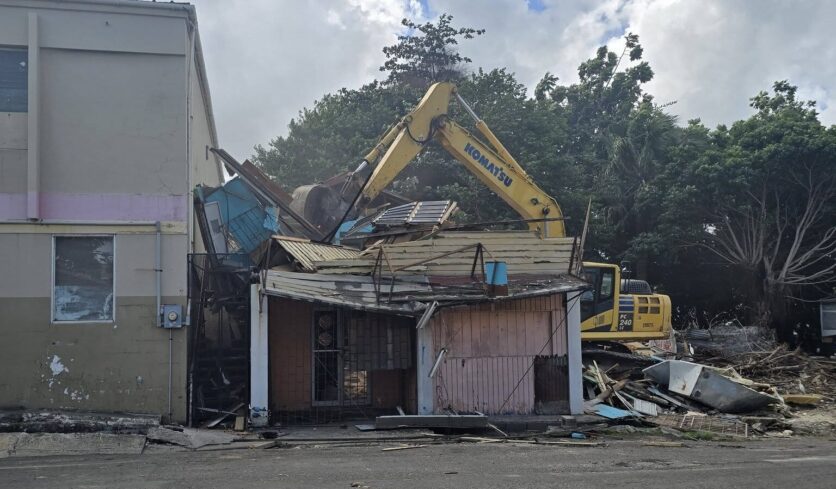
    Merchant explained that the government has already been carrying out targeted removal operations for abandoned residential and commercial properties that have created tangible safety and security threats for local communities across the country. “The government has been clearing certain areas from derelict homes and houses,” he told reporters during the briefing.

    The upcoming legislative debate will formalize new rules designed to strengthen the executive branch’s ability to intervene on properties that have been deemed harmful to surrounding neighborhoods. Merchant emphasized that the proposed adjustments to existing law are crafted to streamline and speed up the process of demolishing and removing structures that have been classified as safety hazards or public security risks.

    While the harmful property bill is the key focus of the government’s current efforts to address community safety, it will only be one item on a packed legislative agenda when Parliament convenes next month. Multiple other policy measures are also lined up for debate and discussion during the same sitting. As of the Friday briefing, full granular details of the proposed legal changes have not yet been made available to the public or media outlets.

  • Commonwealth Observers Recommend Vote Counting at Polling Stations In Final Report

    Commonwealth Observers Recommend Vote Counting at Polling Stations In Final Report

    Following its assessment of the 2026 general election held in Antigua and Barbuda on April 30, the Commonwealth Observer Group has released a final set of recommendations aimed at refining the Caribbean nation’s electoral system, with on-site immediate vote counting at polling stations standing as its centerpiece proposal.

    The independent observer mission argues that shifting the current vote tabulation process — which currently moves ballots from polling places to a separate central location for counting — to counting directly at polling stations would bring sweeping improvements to the transparency of election results. By conducting the count in the same location where voters cast their ballots, party agents, local election officials and independent monitors would be able to directly observe every step of the process, eliminating risks of tampering or irregularity that can arise during the transport of ballots, the report explains.

    This headline reform is just one element of a broader package of changes the group has put forward to strengthen voting processes, vote counting workflows and overall results management. Additional proposals in the report include expanding specialized training programs for all election personnel to standardize practices across the country, and creating new positions for assistant returning officers. These new appointees would support lead election staff during the counting phase and formalize legal authorization for all individuals involved in tabulating results, the report notes.

    While the observer group’s final report highlights areas for improvement, it also delivered a largely positive assessment of the 2026 general election itself. The mission concluded that the vote was carried out in a peaceful, orderly and broadly transparent environment, that standard polling procedures were followed by and large across all voting locations, and that election staff carried out their mandated duties with consistent professionalism.

    Even with that positive overall evaluation, observers stress that targeted reforms like the shift to on-site vote counting would remove existing gaps in the process and build higher levels of public confidence in future electoral outcomes for Antigua and Barbuda.

  • Antigua Awaits U.S. Response on Third-Country Nationals Proposal

    Antigua Awaits U.S. Response on Third-Country Nationals Proposal

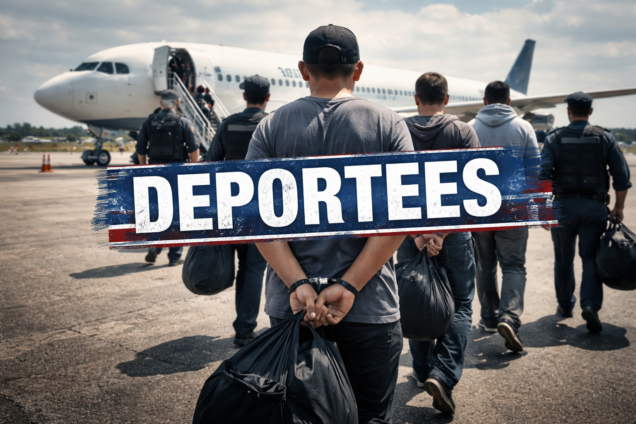
    Diplomatic negotiations between Antigua and Barbuda and the United States over the relocation of third-country national deportees have entered a new phase, with the Caribbean nation formally submitting a revised offer and now holding out for a response from U.S. authorities, a top government official confirmed last Friday.

    Following Thursday’s weekly Cabinet meeting, Director General of Communications Maurice Merchant spoke to reporters, sharing that Prime Minister Gaston Browne had updated the country’s senior governing body on the months-long discussions with Washington. According to Merchant, the prime minister made clear that the Antigua and Barbuda government has already formally transmitted its official position to U.S. officials via the country’s ambassador based in Washington D.C.

    A central sticking point in the talks is the cap on the number of deportees Antigua and Barbuda is willing to accept. U.S. negotiators initially proposed that the Caribbean country take in up to 120 third-country nationals, but Browne’s administration has rejected that threshold as too high, Merchant said.

    “The Prime Minister would have made mention of his government’s desire not to have over 120 individuals from third-party countries accepted into Antigua and Barbuda,” Merchant told reporters.

    Instead of agreeing to the U.S. proposal, Antigua and Barbuda has drafted and submitted its own counteroffer, though Merchant declined to share specific details of the revised proposal during the post-Cabinet briefing. He confirmed that talks are still active, and that all parties are waiting for the U.S. side to review the new proposal and issue a formal reply.

    “Antigua and Barbuda is awaiting responses on our proposal to the United States government, where acceptance of these third-country individuals is concerned,” Merchant added.

    The deportee relocation talks are part of a broader push by the Biden administration to secure cooperation from Caribbean governments on managing migration flows. As the U.S. works through backlogs of deportation cases for people who are not citizens of the United States and come from third countries, Washington has sought to arrange temporary or permanent relocation for some of these individuals in partner nations across the Caribbean. Multiple regional governments have been engaged in similar discussions with U.S. officials in recent months.

    The deportation negotiation was just one of multiple policy topics addressed by the Antigua and Barbuda Cabinet during its Thursday session.

  • Antigua and Other Destinations Urged to Embrace and Regulate Short-Term Rentals

    Antigua and Other Destinations Urged to Embrace and Regulate Short-Term Rentals

    Against a backdrop of skyrocketing consumer demand, short-term rentals (STRs) have cemented their position as a permanent, transformative pillar of the Caribbean tourism economy. New industry data projects that in one major Caribbean travel hub, the number of STR visitor nights will surge 118% between 2019 and 2025, with these properties accounting for 39% of all available visitor accommodation by the first quarter of 2026.

    Rather than opposing this seismic shift in travel preferences, the Caribbean Hotel and Tourism Association (CHTA), the region’s leading tourism industry body, has proactively developed a practical, evidence-based resource to help local governments leverage this trend for responsible, inclusive economic growth. Earlier this month, CHTA launched its landmark Comprehensive STR Framework, a product of years of cross-industry research and collaborative consultation with 14 national hotel and tourism associations across the region. The framework is designed to equip destination leaders with the tools to map the evolving STR market, strengthen regulatory oversight, and weave short-term rentals into long-term national tourism strategic plans.

    “Short-term rentals bring significant economic opportunity, and they demand thoughtful, intentional regulation,” noted Sanovnik Destang, President of CHTA, in a statement accompanying the framework’s release. “Our work is rooted in the reality that STRs are here to stay – and that this trend is a net positive for local small business owners, destination product diversity, and expanded choice for travelers. This framework is focused on balanced, sustainable growth, not blanket restriction.”

    The framework outlines clear, tangible benefits of integrating STRs into formal tourism economies. For local property owners, short-term rentals create a low-barrier pathway to participate in the $30 billion Caribbean tourism industry, while expanding the region’s total accommodation capacity to meet growing demand. STRs also cater to underserved traveler segments that traditional hotels often serve less effectively: multi-generational families seeking full kitchens and extra space, long-stay digital nomads, and travelers prioritizing immersive, local neighborhood experiences over resort-centric stays.

    Conversely, unregulated, opaque STR markets carry steep costs for regional governments and industry stakeholders alike. Without formal, transparent oversight, governments miss out on hundreds of millions in critical annual tax revenue: the Dominican Republic alone estimates its annual uncollected accommodation tax from unregistered STRs hits $170 million. Incomplete STR market data also leads airlines to underestimate overall destination capacity, resulting in under-scheduled flight routes, limited travel access, and widespread visitor dissatisfaction.

    “Destinations that implement open registration systems and fair, proportional regulation will unlock the full economic potential of the STR boom,” said Vanessa Ledesma, Chief Executive Officer of CHTA. “These policies don’t just boost tax revenue – they strengthen destination brand reputation, guarantee baseline safety standards for visitors, and protect the long-term viability of Caribbean tourism as a whole.”

    Unlike one-size-fits-all regulatory proposals, the CHTA framework centers three proven, contextually adapted regulatory models already delivering results across the Caribbean. In the Turks and Caicos Islands, mandatory government registration enforced directly through online booking platforms has driven near-universal compliance without resource-heavy, punitive enforcement. Saint Lucia has taken an incentive-focused approach, tying compliance certification to tax breaks and preferential algorithm placement on major booking sites, turning registration into an economic benefit for hosts; to date, nearly 600 STR properties across the island have completed the certification process. Bonaire, meanwhile, has streamlined tax collection with a low-administration flat per-visitor entry fee collected upon arrival, cutting bureaucratic costs for both hosts and government.

    Data from all three models shows that when regulatory systems are transparent and aligned with host economic incentives, compliance rates reach 85% to 90% within 18 to 24 months of implementation. This track record confirms that balanced, growth-focused STR regulation is not just theoretically sound – it is achievable and already delivering results for Caribbean communities.

    The CHTA framework includes actionable tools across six core areas: accessible host registration methodologies, adaptable tax collection systems, baseline visitor safety standards, targeted host support and outreach programs, cross-stakeholder data transparency protocols, and flexible ongoing monitoring mechanisms that can be adjusted as markets evolve.

    Founded more than 60 years ago, CHTA remains the primary advocacy and resource organization for the Caribbean hospitality and tourism sector. The association counts 32 national hotel associations and more than 1,000 members across the region, including hotels, resorts, tourism service providers, and allied industry partners. Through ongoing advocacy, professional development, data-driven industry insights, and market intelligence, CHTA supports its members to compete and grow in the fast-changing global travel landscape.

  • Health Authorities call for preparedness despite forecasts of a below-normal 2026 Atlantic hurricane season

    Health Authorities call for preparedness despite forecasts of a below-normal 2026 Atlantic hurricane season

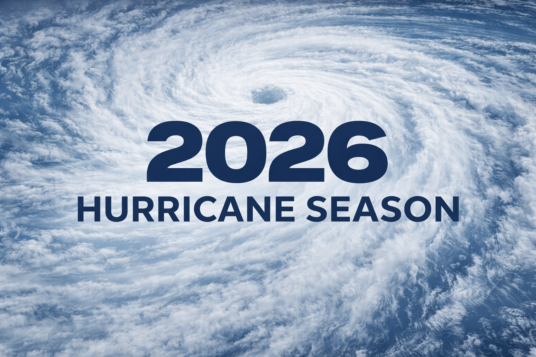
    As the 2026 Atlantic hurricane season gets underway, the Pan American Health Organization (PAHO) has issued an urgent call to governments across the Americas to revisit their disaster contingency frameworks and ramp up readiness measures. The goal is to shield regional health systems from cascading harms triggered by hurricanes, flash floods, landslides and other extreme weather events that routinely hit the hemisphere.

    Current long-range forecasts suggest the 2026 storm season will be less active than the unusually intense periods recorded in recent years, but PAHO has stressed that this milder projection does not eliminate risk. Even one single powerful hurricane, the organization notes, can upend routine health care delivery and create severe, widespread threats to public health that outlast the storm itself.

    “Extreme hydrometeorological events remain a constant threat across the Americas,” stated Leonardo Hernández, director of PAHO’s Emergency Operations Unit. “Preparing health systems before an emergency strikes is non-negotiable if we want to save lives, keep critical care accessible to all those who need it, and cut down on the disproportionate harm these events inflict on the most vulnerable populations.”

    Beyond the immediate destruction of critical health infrastructure and the interruption of essential services like vaccinations and chronic disease management, hurricanes and subsequent flooding create a cascade of secondary public health risks. These include elevated rates of waterborne illnesses such as cholera and typhoid, increased transmission of vector-borne diseases spread by mosquitoes, higher rates of respiratory infections from damp, crowded post-storm living conditions, a surge in storm-related injuries, and long-term negative mental health outcomes for affected communities. The public health emergencies sparked by extreme weather also add unplanned, overwhelming strain to health systems that are already operating at or beyond capacity in many parts of the region.

    To address these risks, PAHO is urging all at-risk countries to verify that every level of their health system has up-to-date contingency plans, fully trained emergency response personnel, and clear cross-agency coordination mechanisms in place. These systems are critical to ensuring essential health services can continue operating during a storm and recover quickly in its aftermath. The organization also recommends expanding disease surveillance infrastructure and community-based monitoring networks, which enable early detection and rapid response to the unique public health risks that follow extreme weather events.

    According to forecast data from the U.S. National Oceanic and Atmospheric Administration (NOAA), the 2026 Atlantic hurricane season is projected to see below-normal activity, largely driven by the formation of El Niño conditions in the Pacific. El Niño, defined by above-average sea surface temperatures across the central and eastern Pacific, typically creates wind patterns that suppress the formation of tropical cyclones in the Atlantic basin. However, PAHO points out that El Niño also reshapes rainfall and temperature trends across the Americas, increasing the chance of extreme events including droughts, intense downpours, flooding and landslides across different subregions of the hemisphere, even when hurricane activity is low.

    Preparedness takes on added urgency in 2026 due to the region’s ongoing epidemiological context, PAHO says. Countries across the Americas are already responding to ongoing outbreaks of measles and yellow fever, and must maintain readiness for other emerging and re-emerging public health threats. When a climate emergency overlaps with existing infectious disease outbreaks, health systems are quickly stretched beyond their breaking point, crippling their ability to meet the sudden surge in demand for care during and after an extreme weather event.

    To support national governments in their preparedness work, PAHO will host a virtual regional readiness meeting on June 11, bringing together representatives from health ministries and national disaster risk management agencies from every country in the Americas. The gathering will focus on updating and strengthening protocols for health service management, epidemiological surveillance, and emergency operations, while integrating key lessons identified during previous extreme weather and public health events.

    The meeting will also advance the implementation of the World Health Organization’s 2025 National Health Emergency Preparedness, Alert and Response Framework. This global framework promotes a multi-hazard approach to emergency readiness built around five core functional systems: collaborative cross-agency surveillance, community-centered protection, safe and scalable acute care, equitable access to medical countermeasures, and integrated emergency coordination.

    Looking beyond the June meeting, PAHO says it will continue its long-term work with member states to strengthen national emergency preparedness plans and intersectoral coordination mechanisms at both the national and local levels. This ongoing support is designed to ensure that countries can launch timely, effective responses when extreme weather events or other public health emergencies strike, ultimately saving lives and reducing harm to vulnerable communities.

  • Sports Minister, ABFA Hold Talks on Football Development

    Sports Minister, ABFA Hold Talks on Football Development

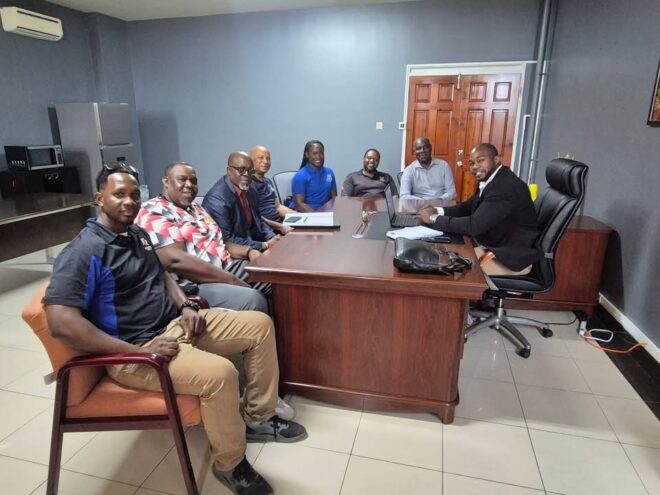
    A pivotal meeting focused on elevating Antigua and Barbuda’s domestic football landscape has brought together Sports Minister Dwayne George and senior leadership from the Antigua and Barbuda Football Association (ABFA). The high-stakes discussion, centered on crafting actionable strategies to expand the sport’s reach and impact across both islands, also delved into opportunities to strengthen cross-sector collaboration between the national government and the country’s governing football body.

    Throughout the talks, both sides emphasized that deeper, more coordinated cooperation between public institutions and the ABFA will be critical to laying a robust, long-lasting foundation that supports football at every level – from grassroots youth programs to the national men’s and women’s senior teams. Minister George used the gathering to publicly reaffirm the government’s unwavering commitment to backing the development of football, noting that strategic public-private partnerships will be a core pillar of the administration’s approach to growing the sport. He added that unlocking football’s full potential in Antigua and Barbuda requires aligned priorities and consistent investment from both government and the sport’s governing body, outcomes the meeting is expected to advance in the coming months.