博客

  • New book by Dominican author on Caribbean WWII history donated to secondary schools in Dominica

    New book by Dominican author on Caribbean WWII history donated to secondary schools in Dominica

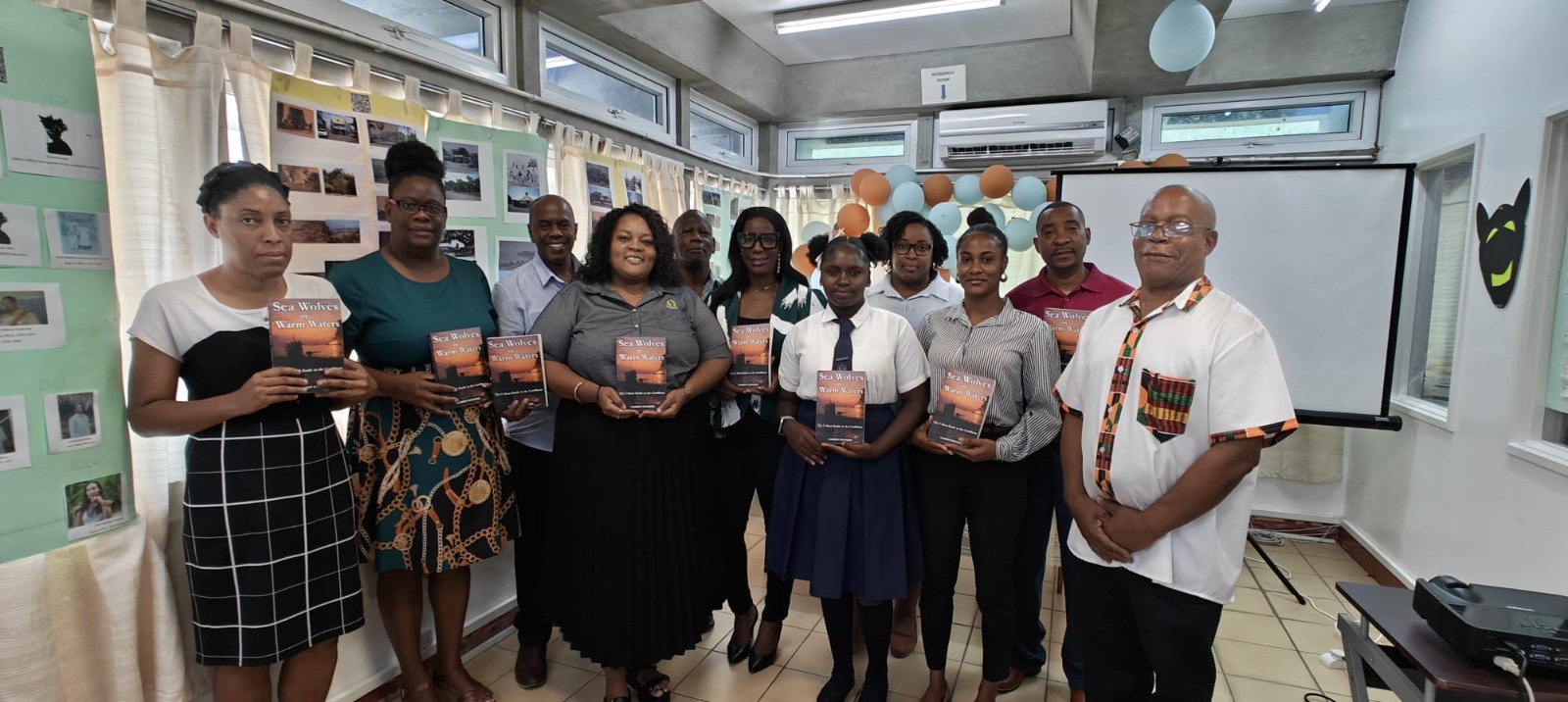
    A meaningful initiative to expand local access to regionally focused historical literature has brought 11 complimentary copies of *Sea Wolves in Warm Waters: The U-Boat Battle in the Caribbean* to secondary schools and the state college across Dominica. Written by Dominican author Clement Richards, the new book sheds light on a largely forgotten chapter of World War II history that unfolded in Caribbean waters, and the donation was organized through a cross-border partnership between the U.S.-based Law Offices of Gabriel J. Christian & Associates LLC and the non-profit Rebuild Dominica Organization.

    This educational collaboration is rooted in a clear core mission: to strengthen public historical awareness across the island, boost support for local and regional literary creators, and encourage more students and residents to engage with works written by authors from the Caribbean. For Richards, who made his literary debut last year with the novel *Indian Warner: Son of Two Worlds*, the latest release is far more than a new publication—it is a deliberate effort to pull overlooked history back into public view. During the event, Richards emphasized that German U-boat operations in the Caribbean during World War II represent a critical, yet commonly ignored, segment of the region’s modern history. His work is designed to inform readers both in the Caribbean and across the globe about the lasting importance of this understudied period.

    The official handover ceremony was hosted at the Archives Unit on Kennedy Avenue in Roseau, Dominica’s capital. The event drew representatives from all recipient institutions, local educational leaders, and community members. In addition to opening and closing remarks from Richards and Prince St Jean, Officer-in-Charge of the Dominica Library and Information Service, the ceremony featured interactive elements that brought the book’s content to life: Yoland Blaize, a student from St. Martin Secondary School, shared a dramatic reading of a key excerpt from the text, while Brenda Barzey of Pierre Charles Secondary School delivered a formal acceptance speech on behalf of all 11 participating schools and colleges.

    The full list of recipient institutions includes 10 secondary schools and Dominica State College: Castle Bruce Secondary, Dominica Grammar School, North East Comprehensive, Pierre Charles Secondary, Convent High, St. Martin Secondary, St. Mary’s Academy, Wesley High, Portsmouth Secondary, and Isaiah Thomas Secondary.

    Organizers of the donation project have articulated long-term hopes for the initiative. Beyond simply placing new books on school library shelves, they expect the donation to expand student access to historically relevant works rooted in local and regional context, and spark deeper curiosity about Dominica’s place in both Caribbean history and broader global historical events. The project also underscores a growing movement across Caribbean education systems to center more works by local and regional authors in curricula and library collections, ensuring that young people can develop a more nuanced, comprehensive understanding of their own cultural heritage and shared history.
  • Death toll climbs to 3 in Malick

    Death toll climbs to 3 in Malick

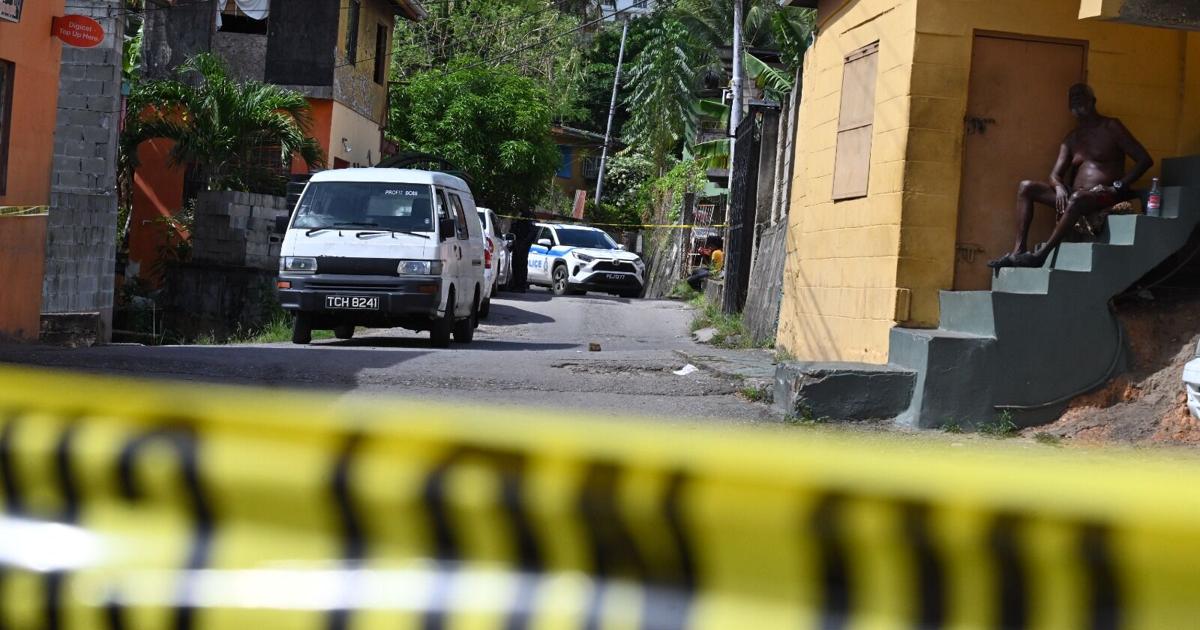
    A brutal midday attack in the Trinidad and Tobago community of Malick has left three men dead and three other people wounded, triggering an extensive homicide investigation from local law enforcement. The targeted shooting unfolded just after 1 p.m. on Friday along Upper Seventh Avenue, catching residents off guard and plunging the quiet neighborhood into chaos. According to official police accounts, a group of people had gathered casually in a residential yard when a white sport utility vehicle pulled up to the area. Three masked, armed suspects stepped out of the vehicle and immediately opened fire on the group, unleashing volleys of bullets from high-powered military-style rifles. Panic erupted as dozens of shots echoed through residential streets, forcing nearby residents to scramble for shelter behind walls and inside their homes to avoid stray gunfire.

    When the gunmen fled the scene and gunfire stopped, first responders arrived to find five people with life-altering gunshot wounds. Oren Danglade, 38, who was also known by the street name “Grimey”, had sustained multiple gunshot injuries and was pronounced dead directly at the attack site. Akins Phillip, Keron Paul, and two other unidentified men were rushed to local medical facilities for emergency care, while a third injured victim—who had been left in critical condition—was transported by police personnel directly to the Eric Williams Medical Sciences Complex in Mt Hope. Tragically, Phillip did not survive his injuries, passing away while undergoing emergency intervention at Port of Spain General Hospital. Shortly after, Paul also succumbed to his wounds at the Eric Williams Medical Sciences Complex, bringing the total number of fatalities from the attack to three.

    As of late Friday evening, the two surviving male gunshot victims remained hospitalized in stable condition for ongoing care. A woman who suffered a grazing wound from a stray bullet also received outpatient medical treatment for her minor injury and has since been released. Local residents told responding investigators that they recognized the rapid, deafening barrage of gunfire shortly after 1 p.m. Once the shooting stopped, they ventured out to check the area and found the victims clustered near a pink-painted house along the main roadway. Detectives from the Trinidad and Tobago Police Service’s Northern Division and specialized homicide unit have already processed the crime scene, collecting bullet casings, witness statements, and forensic evidence as they work to unpack the possible motive for the public attack.

    This triple killing has pushed the national murder toll for Trinidad and Tobago in 2026 to 162. For comparison, the country recorded 168 homicide deaths over the same period last year, marking a slight downward trend in overall murders, but reigniting longstanding public conversations about violent gun crime plaguing residential communities across the twin-island nation.

  • Dominica launches 2026 Tourism Awareness Program with focus on wellness

    Dominica launches 2026 Tourism Awareness Program with focus on wellness

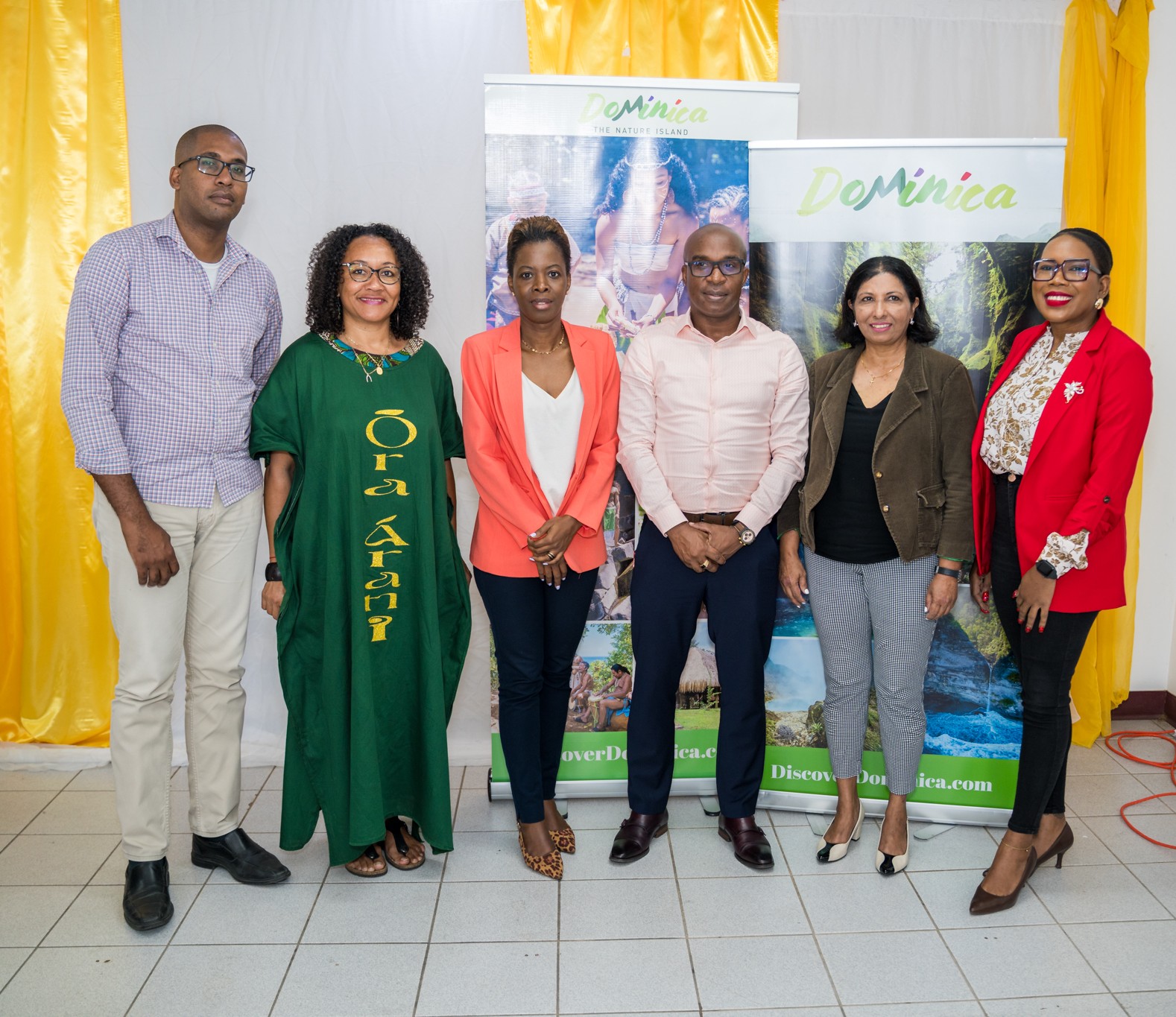
    The Caribbean island of Dominica has officially kicked off its 2026 Tourism Awareness Program, a strategic initiative designed to leverage wellness tourism as a core engine for accelerating destination growth and boosting competitive advantage in the global travel market.

    Organized under the overarching theme “Positioning Dominica through Wellness Tourism” with a public engagement slogan “Be Well in Nature,” the program prioritizes inclusive local community participation, environmentally sustainable development, and centering the island’s one-of-a-kind natural assets. A full slate of events and outreach activities will run through the end of July, engaging stakeholders across every level of Dominican society.

    Claudius Lestrade, Permanent Secretary at the Ministry of Tourism, emphasized that wellness tourism is a natural strategic fit for Dominica, which boasts abundant untapped geothermal reserves, pristine rivers and ancient rainforests, generations-old agricultural traditions, and rich, living cultural heritage. He pointed to the massive scale of the global wellness tourism market—valued at $814 billion in 2022—as a transformative opportunity for the island to carve out a reputation as the Caribbean’s leading wellness destination.

    Lestrade also underlined that coordinated collaboration between local communities, private tourism businesses, and government agencies is critical to delivering high-quality, authentic experiences for visitors while protecting Dominica’s fragile natural and cultural resources for future generations.

    Recent industry data confirms that Dominica’s tourism sector is already on a strong upward trajectory. In 2025, total visitor arrivals grew 15% year-over-year to hit 496,635. Overnight stayover arrivals rose an even faster 19% to reach 99,846, while cruise ship passenger arrivals increased 14% to 382,923. These solid gains reflect the momentum building as the island shifts its tourism focus toward wellness-centered offerings.

    Odile Jno Baptiste, Product Promotions Manager for the Discover Dominica Authority (DDA), detailed the wide range of program activities crafted to engage secondary school students, local wellness practitioners, small business entrepreneurs, and the general public. She emphasized that growing the wellness tourism sector delivers tangible benefits directly to local residents, supporting small business owners, family farmers, and community groups, while also encouraging healthier lifestyles and greater environmental stewardship across the island.

    Wendy Lake, Destination Marketing Manager, who delivered her first public address after taking up the new role on June 1, noted that wellness tourism in Dominica extends far beyond luxury spas and isolated retreats. Instead, the initiative focuses on creating accessible, welcoming spaces that allow visitors to step away from the stress of daily life, recharge, and reconnect with nature and local culture. Every stakeholder, she said, from frontline hotel staff to local taxi drivers, has a part to play in creating a memorable, authentic wellness experience for visitors.

    The 2026 Tourism Awareness Program features a packed schedule of public and industry events:
    – June 10: Poetry Competition open to secondary school students aged 14 to 16, focused on themes of nature and wellness
    – June 11: Stakeholder Panel Discussion titled “Wellness Tourism in Dominica: A Destination That Benefits Everyone,” hosted at Jungle Bay Resort and Spa
    – July 4: Public Wellness Fair held at the UWI Global Campus, offering free health screenings, wellness consultations, and interactive nature-focused experiences
    – July 19: Local Mocktail Challenge, showcasing indigenous Dominican ingredients and culinary creativity
    – July 28: Annual Tourism Service Excellence Awards, honoring outstanding contributions to the tourism industry across all sectors

    Additional programming includes a multi-day Hike Fest, official celebrations for Global Wellness Day, hosted wellness retreats, and a range of community-led initiatives that connect visitors directly to local life.

    Ultimately, the program seeks to deepen public understanding of tourism’s economic and social role across Dominica, while strengthening the island’s global brand as the “Nature Island of the Caribbean.” By centering visitor experiences rooted in wellness, natural connection, and community engagement, the initiative advances long-term sustainable growth and cements Dominica’s position as a top destination for travelers looking to disconnect, recharge, and reconnect with the natural world.

    Updates on the 2026 Tourism Awareness Program will be posted regularly to the Dominica Tourism Updates Facebook page and the Discover Dominica Authority LinkedIn page.

  • St George Sec student tops national letter writing contest

    St George Sec student tops national letter writing contest

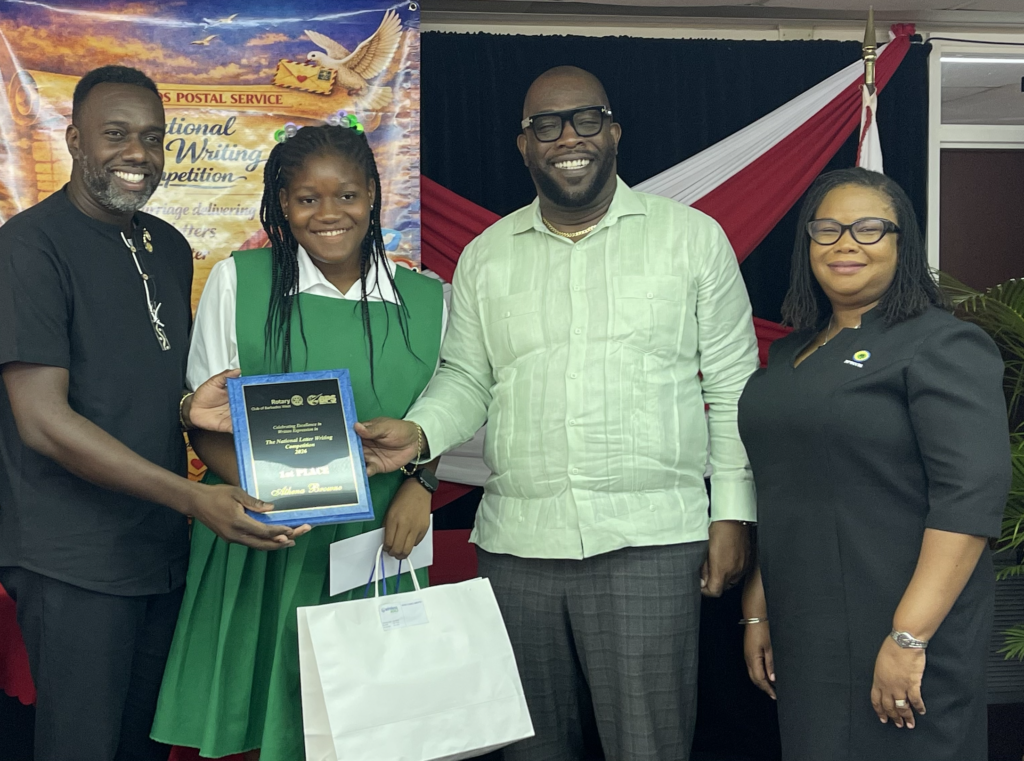
    On a celebratory Friday held at Bridgetown’s Cheapside General Post Office, 16-year-old Athena Browne, a second-form student from St George Secondary School, walked away with the top prize at the annual Barbados Postal Service National Letter Writing Competition. Her thoughtful entry, which explored the enduring value of in-person human connection amid an increasingly digitized communication landscape, captured the full attention of judging panel and secured her first place. Following Browne in the rankings were Knela Walcott of Harrison College, who took second place, and Olivia Dean of The Alleyne School, who claimed third. A special honor was also extended to 9-year-old Xachary Haywood of St Mark’s Primary School, recognized as the competition’s youngest participating competitor. In post-award remarks, Browne shared that joining the contest was a deliberate step to hone her written communication skills, marking not her first attempt at competitive writing. When describing the creative spark behind her winning work, she explained that she framed her letter as a casual conversation with a close friend who had relocated abroad, centering the narrative on how digital tools can complement, rather than replace, genuine human connection. Browne went on to encourage other young Barbadians to lean into writing-based activities, noting that strong writing proficiency opens doors to a wide range of creative and professional career paths from poetry to narrative storytelling. Addressing the gathered attendees, Minister of Home Affairs and Information Gregory Nicholls emphasized that the annual competition extends far beyond simply distributing awards to top performers. “Today we are not just handing out trophies—we are lifting up the voices, celebrating the intellect, imagination, ambition, vision and untapped potential of Barbados’ next generation,” Nicholls told the crowd. He stressed that this year’s theme, “Why Human Connection Matters in a Digital Age,” struck a particularly resonant chord at a moment when technology has become the default mode for most daily communication. Unlike quick digital messages, Nicholls noted, traditional letter writing demands intentional thought, genuine empathy, sincere expression and quiet self-reflection, making it one of the most meaningful forms of communication ever created. “Your words matter, your ideas matter, and your contribution to building the future of Barbados matters most of all,” he said, urging all participants to continue nurturing their writing talents. Barbados Postmaster General Joann Busby added context to the long-running competition, revealing that the Barbados Postal Service has partnered with the Universal Postal Union (UPU) to bring the international contest’s national round to the island’s youth for nearly 20 consecutive years. “This year’s call for young writers to explore the importance of human connection in a digital world could not have been timelier,” Busby said. While she acknowledged that modern technology has revolutionized communication by allowing instant contact across long distances, she stressed that digital platforms are unable to fully replicate the empathy, understanding, warmth and depth of in-person interaction built around shared experience. “A handwritten or carefully crafted letter demands intentionality, effort and unique personal expression that cannot be replicated by a 280-character tweet or a quick text message,” she added. For the competition’s youngest honoree, 9-year-old Haywood, the draw of the event was simple: writing is fun, and participation brings its own rewards. When asked what inspired his entry, he shared that his work also centered on the value of human connection, and he joined simply because he was excited to test his skills. His advice to other young prospective writers is straightforward: “Writing is fun and you will win a prize for writing.” Haywood’s mother Natasha shared that her son had been thrilled from the day his school told him about the competition. He poured hours of work into his letter, with extra support from his teachers, and could hardly contain his excitement, jumping for joy, when he learned he would receive special recognition at the ceremony. Natasha Haywood urged fellow parents to prioritize their children’s creative growth, saying “The best thing we can do is encourage our kids to keep reading, keep writing, and stand by them every step of the way.” Organized annually by the Barbados Postal Service in partnership with the Universal Postal Union, the competition was created to foster core skills among the nation’s youth: literacy, creative thinking, independent research and intentional communication that connects people across divides. Now in its 20th year, the event continues to draw hundreds of young participants from across the country’s primary and secondary schools.

  • El Niño Has Arrived, Official Declaration May Be Imminent

    El Niño Has Arrived, Official Declaration May Be Imminent

    After weeks of monitoring rising ocean temperatures across the tropical Pacific, AccuWeather’s team of expert meteorologists has officially confirmed that El Niño conditions have fully taken hold in the region, with major implications for global weather patterns and the upcoming 2026 Atlantic hurricane season.

    Paul Pastelok, AccuWeather’s senior long-range meteorologist, explained that the key threshold for declaring El Niño has already been crossed. The benchmark measurement for the climate phenomenon is average sea surface temperature anomalies across the central-eastern equatorial Pacific, and the latest weekly readings show temperatures are running just over 0.5 degrees Celsius above the long-term historical average. This 0.5 degree threshold is the widely accepted primary criteria for confirming an El Niño event.

    Pastelok added that while most El Niño and La Niña events typically initiate during the Northern Hemisphere fall, this event is developing earlier than the historical average, and is on track to strengthen rapidly in the coming months.

    The establishment of El Niño will bring a cascade of climate impacts across the United States in the coming seasons. One of the most significant effects is increased wind shear across the entire Atlantic Basin, a meteorological condition that disrupts the formation and organization of tropical cyclones. That said, even with fewer projected storms, the risk of catastrophic damage does not disappear.

    For the western and southwestern United States, including California, elevated Pacific sea surface temperatures tied to El Niño will increase the likelihood of intense, heavy rainfall events that can trigger flooding and mudslides. On the flip side, many parts of the U.S. already grappling with severe long-term drought can expect even drier than average conditions through the duration of the event, exacerbating existing water scarcity challenges.

    Alex DaSilva, AccuWeather’s lead hurricane expert, noted that the early arrival of El Niño directly ahead of the Atlantic hurricane season has led forecasters to revise their 2026 seasonal outlook downward. Initially, the team projected 11 to 16 named storms for the season, but the early arrival of a strengthening El Niño pushes the forecast toward the lower end of that range, with around 11 named storms now seen as the most likely outcome. By contrast, El Niño will fuel increased tropical storm activity across the eastern and central Pacific, raising storm risk for Pacific coastal regions.

    DaSilva stressed that even with a lower overall number of named storms, the threat of a devastating hurricane remains very real. During El Niño years, hurricanes that form close to the U.S. mainland coastline are far more common, and these “homegrown” systems give residents and emergency managers far less time to prepare for landfall. History has repeatedly shown that a single powerful hurricane is enough to cause catastrophic damage and loss of life, regardless of how quiet the overall season is.

    Looking ahead, AccuWeather forecasters estimate there is a 30 to 40 percent chance this event will strengthen into a rare “Super El Niño”, a classification reserved for the strongest events on record. A Super El Niño would make it far more likely that El Niño conditions persist through all of 2026 and extend into early 2027, bringing prolonged climate impacts across the globe.

    Jonathan Porter, AccuWeather’s chief meteorologist, said that based on the latest data, the U.S. National Oceanic and Atmospheric Administration’s Climate Prediction Center is expected to formally confirm El Niño’s arrival imminently, most likely during its scheduled monthly climate update set for Thursday, June 11.

  • Three Acres of Reclaimed Land Planned for Fort James Project

    Three Acres of Reclaimed Land Planned for Fort James Project

    A major redevelopment initiative to revitalize Antigua’s historic Fort James Beach is moving forward after the national Cabinet gave formal approval to a 3-acre coastal land reclamation plan that will lay the groundwork for a new expanded leisure and entertainment hub. The approval was announced during a post-Cabinet press briefing held on Friday by Director General of Communications Maurice Merchant, who framed the expansion as a core pillar of the government’s long-term vision for the iconic coastal site.

    Under the approved plans, the reclaimed land will be developed into a mixed-use recreational district, combining purpose-built entertainment venues, upgraded public gathering spaces, and new visitor amenities tailored to both local residents and growing tourism numbers. The project’s blueprints include a purpose-built amphitheater and flexible event space designed to host a wide range of programming, from large-scale cultural performances and community festivals to tourism-focused special events. To preserve public access to the coastline, the development will also integrate carefully designed landscaped green areas and public park space that will remain open to all visitors.

    In a departure from many coastal reclamation projects that overlook environmental risks, the government has paired the expansion work with a comprehensive suite of shoreline protection interventions designed to tackle longstanding local concerns about coastal erosion. These measures include the construction of groins to trap sediment and reduce sand loss, targeted beach replenishment projects to restore damaged shoreline sections, and retaining walls in vulnerable areas to stabilize coastal terrain.

    Merchant confirmed that preliminary environmental surveys and detailed design planning are already in progress, with government officials set to release additional technical details, construction timelines, and stakeholder engagement plans to the public over the coming weeks. The overall redevelopment project seeks to balance preservation of Fort James’ historic character with economic development focused on growing the coastal tourism sector while improving public recreational infrastructure for local communities.

  • Antigua and Barbuda Promotes Culture, Heritage and Carnival During TV Appearance at Caribbean Week in New York

    Antigua and Barbuda Promotes Culture, Heritage and Carnival During TV Appearance at Caribbean Week in New York

    Against the backdrop of New York’s annual Caribbean Week, the twin-island nation of Antigua and Barbuda took center stage in a televised feature to highlight its rich cultural legacy, centuries-old heritage, and world-famous annual carnival celebration. As a key tourism and cultural outreach event held in one of the world’s most diverse global media hubs, Caribbean Week brings together Caribbean nations to showcase their unique identities to North American audiences, travel industry stakeholders, and cultural enthusiasts alike.

    During the televised appearance, representatives from Antigua and Barbuda’s cultural and tourism departments delved into the layered history that shapes the nation’s identity, from the indigenous Arawak and Kalinago peoples who first inhabited the islands to the diverse cultural influences of African, European, and Caribbean communities that have shaped its traditions over centuries. Officials emphasized that preserving and promoting this shared heritage is a core priority for the government, as culture serves as both a foundational part of national identity and a key driver of sustainable tourism development.

    The focal point of the presentation was the nation’s iconic annual Carnival, a vibrant weeks-long celebration that blends calypso music, vibrant costume parades, street parties, and traditional storytelling. Unlike many other regional carnivals, Antigua and Barbuda’s Carnival retains deep roots in community storytelling and emancipation commemoration, tracing its origins to celebrations of freedom from enslavement that date back to the 19th century. Representatives shared details of the 2024 event’s key highlights, including the annual Panorama steelpan competition, the eagerly anticipated Queen of Carnival pageant, and the closing Parade of Bands that draws thousands of participants and spectators each year.

    In addition to cultural programming, representatives also used the platform to invite international visitors to experience the nation’s natural attractions alongside its cultural offerings, from Antigua’s 365 pristine white-sand beaches to Barbuda’s untouched coral reefs and low-density eco-tourism experiences. The TV appearance reached an estimated audience of more than 1.2 million viewers across the United States and Canada, providing widespread exposure that organizers say will help boost cultural exchange and drive visitor arrivals to the islands in the coming months. Local cultural leaders praised the initiative, noting that global showcases like Caribbean Week help challenge one-dimensional narratives about small island nations and highlight the depth and diversity of their creative and cultural contributions to the world.

    Organizers of Caribbean Week New York noted that Antigua and Barbuda’s presentation was one of the most well-received features of this year’s program, with multiple travel trade outlets and cultural organizations already following up to plan collaborative programming around the nation’s heritage in 2024 and 2025.

  • Heritage minister: Writing surge would close cultural, educational gaps

    Heritage minister: Writing surge would close cultural, educational gaps

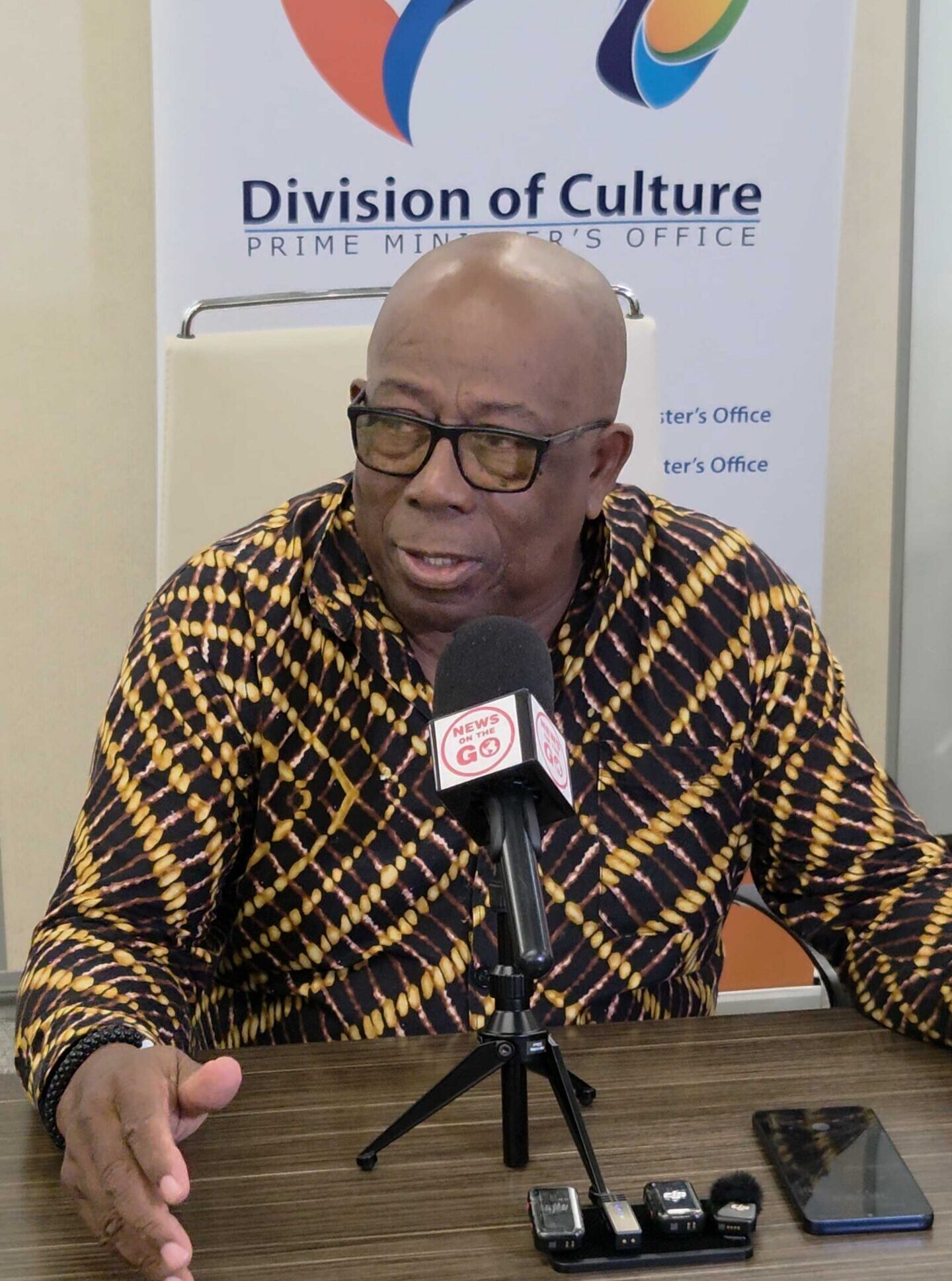
    At the launch of a new writing competition tied to Barbados’ annual Season of Emancipation, the country’s Minister of Pan-African Affairs and Heritage Trevor Prescod has issued a pressing call to action, warning that the nation faces a critical shortage of homegrown writers whose work is essential to protecting Barbados’ unique cultural identity and driving inclusive national development. Prescod framed the literary sector as a dangerously underrepresented pillar in the ongoing regional movement to preserve indigenous Caribbean heritage, noting that the current gap in locally produced content threatens to erode connection to national history among younger generations.

    Highlighting that the dearth of Barbadian literature stretches across educational and popular spaces, Prescod appealed to both aspiring and established writers to reimagine their craft not just as a creative passion, but as a legitimate cultural responsibility and scalable economic enterprise. “What this country needs is writers,” he emphasized during the event. “Not just occasional articles or hobbyist work — we need original, Barbadian-centered content built as a sustainable business. That requires the same entrepreneurial drive and strategic skill that any other industry demands.”

    The writing contest, organized to address this gap, offers a top prize of $20,000, with submissions open to interested creators through the end of July. This year’s competition centers on the legacy of iconic pan-Africanist leader Marcus Garvey, a trailblazer in Black self-determination who established his own newspapers in the 1920s despite never completing formal secondary or university education. Prescod pointed to Garvey’s legacy of self-publishing and independent media ownership as a critical historical example for contemporary Barbadian creators, arguing that modern writers must channel Garvey’s same initiative to package, publish, and distribute their work to global audiences.

    Prescod made clear that the demand for local content extends far beyond general literature: educational spaces across the nation’s primary and secondary schools currently rely heavily on imported texts, which leave many young learners disconnected from their own heritage. He shared startling observations from conversations with library officials, noting that too many Barbadian children cannot name the country’s national heroes, nor do they have familiar, accessible cultural references that reflect their own lived experiences. “Even some children do not even know who our national heroes are. They don’t have a mental construct of what they look like,” Prescod said. “Our primary and secondary education systems need books created for our students, by people who share our context.”

    He challenged local authors to develop and commercialize accessible educational and historical works rooted in Caribbean and Barbadian realities. Such content, he argued, would do more than fill a gap in curricula: it would foster strong cultural identity and inspire ambition among young readers, who would see themselves and their potential reflected in local stories. “I don’t see why some of us cannot prepare small books so that our children can see examples of our own talent, mirror the content they read every day, and be able to say, ‘I want to be like A, B, or C’ — a Caribbean, Barbadian figure,” he explained. “Society is starving for that kind of representation.”

    Prescod confirmed that the Barbadian government, through the Office of Pan-African Affairs and Heritage, is prepared to support writers and cultural creators as they work to turn their intellectual property into long-term, sustainable businesses, framing investment in local literature as an investment in the nation’s future.

  • Antigua and Barbuda Backs Effort to Secure Long-Term Funding for CDEMA

    Antigua and Barbuda Backs Effort to Secure Long-Term Funding for CDEMA

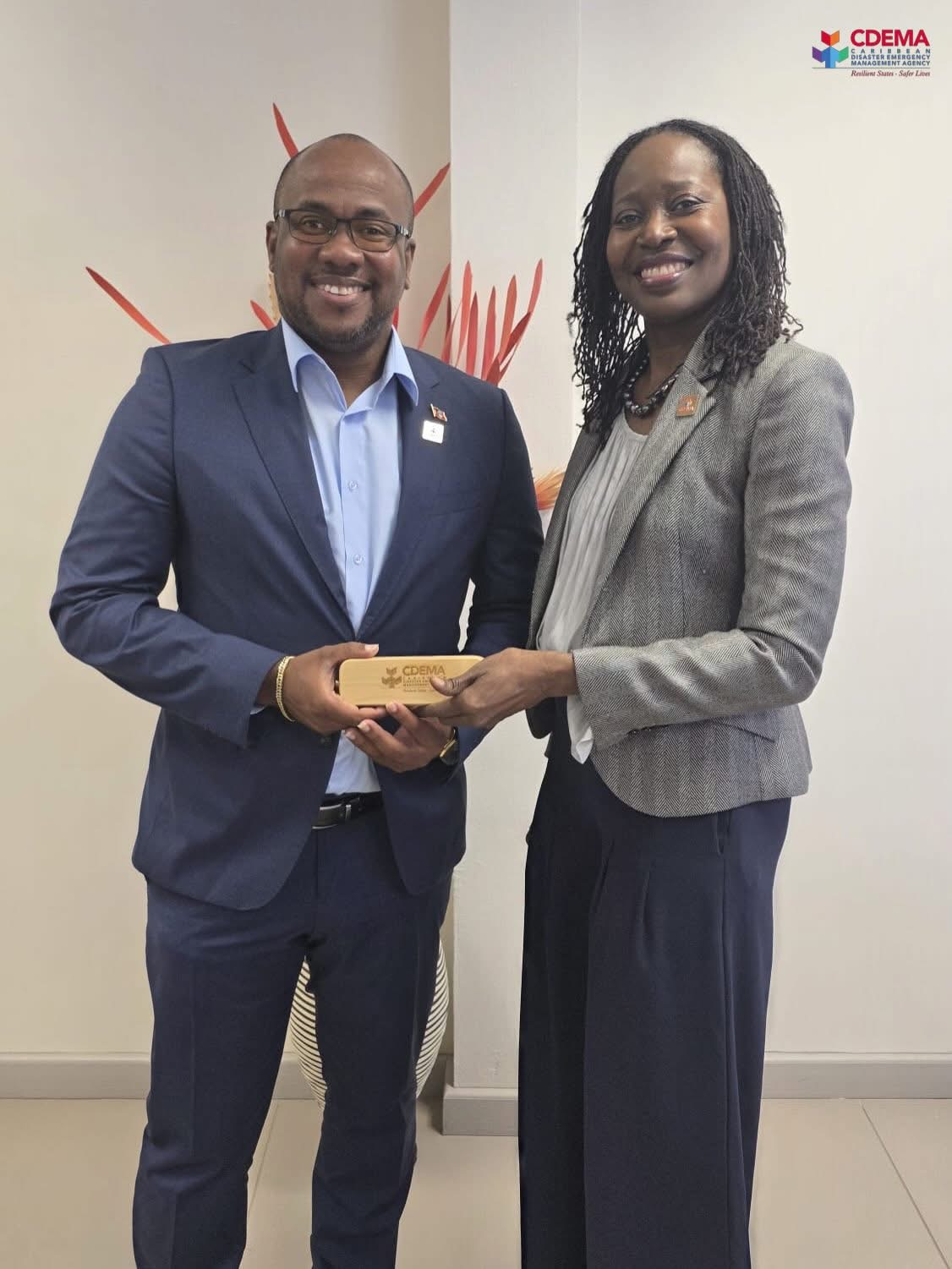
    The Cabinet of Antigua and Barbuda recently hosted a high-stakes briefing from the Executive Director of the Caribbean Disaster Emergency Management Agency (CDEMA) during an official working visit focused on climate resilience and regional disaster preparedness. The executive leader’s trip to the twin-island nation included two core priorities: joining official ceremonies to open newly modernized hurricane shelters, and holding strategic discussions with top government officials about coordinated regional efforts to mitigate disaster risk.

    During her presentation to the Cabinet, the Executive Director opened with a stark assessment of the shifting risk landscape that defines the modern Caribbean. Climate-fueled extreme weather events, she noted, are growing more frequent, more intense, and more economically devastating with each passing year, placing unprecedented strain on local and regional response frameworks. Beyond coordinating urgent emergency relief operations when disasters strike, she emphasized that regional disaster management bodies now must also take the lead on long-term resilience-building and post-disaster recovery efforts across all participating Caribbean states.

    The briefing outlined CDEMA’s enduring, irreplaceable role in the region: the agency remains the central coordinating body for cross-border disaster response, and delivers critical support to member states through specialized technical guidance, hands-on training for emergency personnel, and on-the-ground operational assistance during crises. However, the presentation also laid bare the growing challenges the organization currently confronts: as global development priorities shift, traditional streams of international donor funding have become far less predictable, creating mounting financial and operational pressures that threaten CDEMA’s ability to deliver on its mandate.

    In response to these pressures, the Executive Director outlined the agency’s ongoing strategic overhaul to shore up its long-term capacity. These changes include internal institutional restructuring to boost efficiency, investments in cutting-edge technical expertise, and work to build new, more sustainable financing models that reduce reliance on volatile donor funding. A key takeaway from the presentation was the urgent call for all participating member states to ramp up their own investments in regional preparedness infrastructure, to guarantee that life-saving response resources are pre-positioned and ready to deploy the moment a disaster hits.

    Cabinet members used the briefing to reflect on Antigua and Barbuda’s decades-long partnership with CDEMA, noting that the country has reaped substantial benefits from the relationship. Official Cabinet records confirm that between 2019 and 2025 alone, the nation received more than $100 million in combined technical and financial support through the regional body, including emergency response assistance for past storm events, specialized training for local emergency teams, and expanded access to a growing network of regional and international disaster risk partners.

    The Executive Director also highlighted Antigua and Barbuda’s unique leadership role within the regional disaster management system: the country has served as a designated Sub-Regional Focal Point for the network for more than 30 years, a strategic position that allows it to coordinate response efforts for neighboring jurisdictions and share local expertise across the Caribbean. Cabinet members acknowledged that this leadership role not only strengthens Antigua and Barbuda’s own national preparedness, but also lifts collective resilience across all Caribbean small island developing states, boosting the regional collective security that all nations depend on.

    Following the conclusion of the presentation, the Antigua and Barbuda Cabinet issued a formal reaffirmation of its unwavering support for CDEMA’s work across the region. Cabinet members recognized that the organization plays an indispensable role in protecting lives, protecting private and public property, and safeguarding the Caribbean’s critical tourism-driven economic activity in an era of growing climate risk.

    Ministers also agreed that strengthening national and regional disaster preparedness and response systems will remain a top national policy priority for Antigua and Barbuda, particularly as the region confronts increasingly complex climate and environmental challenges that show no sign of abating. The Cabinet further expressed its full backing for CDEMA’s efforts to secure long-term financial and operational sustainability, and welcomed ongoing discussions about deepening regional cooperation, expanding capacity-building initiatives, and reforming financing arrangements that will boost overall disaster resilience across the entire Caribbean.

    In closing, the Government of Antigua and Barbuda reaffirmed its long-term commitment to working hand-in-hand with CDEMA and other regional partners to build safer, more climate-resilient communities across the nation, and to ensure that the country remains fully prepared to respond effectively to future emergencies and natural disasters.

  • Early intervention key to tackling gang crime, Lashley says

    Early intervention key to tackling gang crime, Lashley says

    Barbados is pushing forward with sweeping new anti-crime legislation aimed at curbing a recent surge in gang-related violence, youth offending, and firearm-related crime, with the country’s top legal affairs official emphasizing that early, broad-based social support must be at the heart of long-term crime prevention efforts.

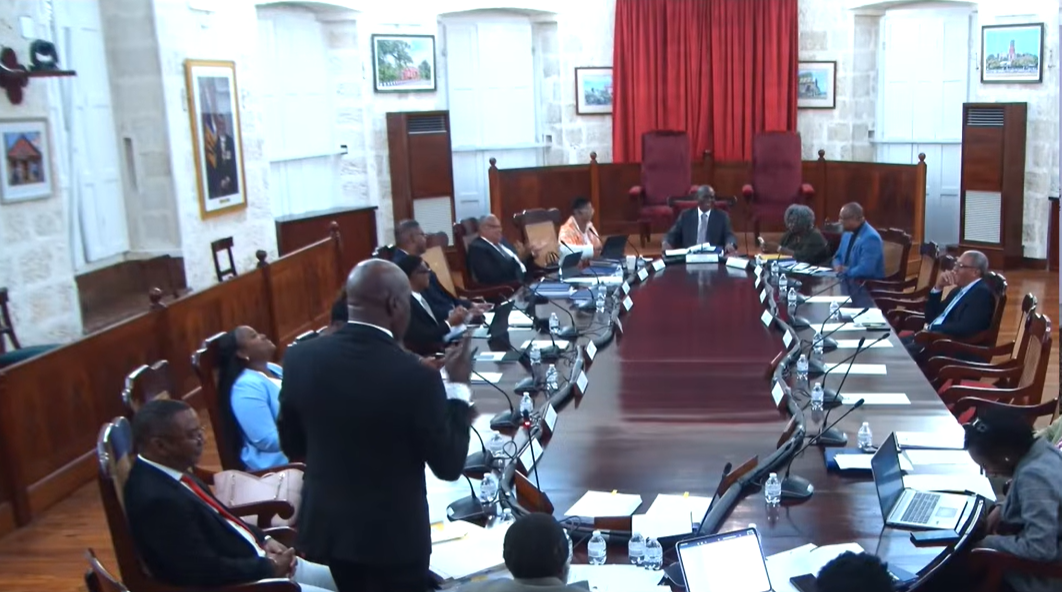
    Minister of Legal Affairs and Criminal Justice Michael Lashley presented the Criminal Gangs (Prevention and Control) Bill to the Senate on Friday, marking a historic first under recently revised constitutional rules: Lashley, a member of the lower House of Parliament, became the first minister to appear before the upper legislative chamber to steer major legislation through the cross-chamber process. In his opening address, Lashley framed the bill as a long-overdue landmark that addresses a critical gap in the Caribbean nation’s criminal justice system.

    “There is nothing on our current statute books that specifically addresses gang activity,” Lashley told lawmakers. “No existing criminal legislation in Barbados directly targets criminal gang operations, which is why this bill is so necessary.” The proposed legislation, he explained, will equip law enforcement agencies and public prosecutors with a targeted new legal framework to tackle the growing wave of gang-linked violence, illegal weapons possession, and violent offending that has impacted communities across the country.

    Development of the bill was rooted in extensive public engagement, Lashley noted, with input gathered from a broad range of stakeholders including legal professionals, labor union leaders, and ordinary Barbadian citizens to ensure the legislation balances public safety needs with civil liberties.

    Even as he defended the urgent need for stronger enforcement tools, Lashley – a veteran criminal barrister with decades of experience in the justice system – stressed that new laws alone cannot reverse Barbados’ rising crime trends. Drawing on pre-sentencing reports prepared under the country’s existing Penal System Reform Act, he highlighted a consistent pattern of unaddressed behavioral and social issues that emerge long before young people enter the criminal justice system.

    “Time and again, these reports lay out a clear trail of warning signs dating back to adolescence: 13-year-olds getting into repeated trouble at school, 14-year-olds assaulting educators, 15-year-olds struggling with marijuana dependency, 16-year-olds expelled from the education system entirely,” Lashley said. “What these reports almost never show is any targeted social intervention to step in and help that young person turn their life around.” He added that most files also document deep-seated family instability and other overlapping social disadvantages, making the case for systemic early intervention to divert at-risk youth away from criminal activity before they offend.

    “We have to redesign our crime prevention strategy to center early social intervention as a core pillar,” Lashley argued. “That is the only way we can save young people from becoming entangled in the criminal justice system permanently.”

    Beyond early intervention and new anti-gang legislation, Lashley reiterated his longstanding support for reintroducing a dedicated drug court to Barbados’ justice system, noting that substance abuse is a leading contributing factor to a large share of the country’s offending. “I am a strong advocate for bringing back the drug court, because so many crimes are directly tied to drug dependency,” he said. “Specialized, treatment-focused programs like this deliver meaningful positive outcomes for both offenders and communities.”

    The minister also called for a more holistic approach to social intervention that extends beyond offenders to include crime victims and their families. Unaddressed trauma and unresolved anger from victimization, he warned, can create cycles of retaliation and push more people toward criminal activity. “Social intervention has to be all-encompassing – it must support not just people convicted of crimes, but the families and individuals impacted by harm,” he said.

    Lashley additionally pushed for improved monitoring of offenders who have been released on bail, noting that a small share of individuals reoffend while awaiting trial. He confirmed that the government is moving forward with plans to roll out upgraded monitoring systems in the near future to reduce recidivism risk and protect public safety.

    Friday’s first cross-chamber ministerial appearance follows constitutional amendments approved last December, which eliminated the longstanding rule that restricted ministers to participating in debates only in their home legislative chamber. The change is designed to streamline the legislative process and improve government accountability across both houses of parliament.