博客

  • Take precautions: Here are some ailments Saharan dust can cause.

    Take precautions: Here are some ailments Saharan dust can cause.

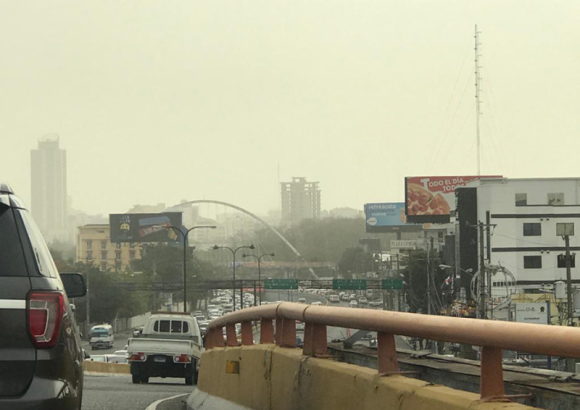
    As the annual wave of Saharan dust descends on the Caribbean nation alongside early hurricane season heatwaves, the country’s Ministry of Health has rolled out a series of urgent public health guidelines to protect vulnerable populations from avoidable respiratory and heat-related complications.

    This recurring atmospheric event, which originates from wind-eroded particles in the Sahara Desert, follows consistent seasonal patterns, arriving in the Caribbean between May and August each year and overlapping with the start of Atlantic hurricane season. While intensity fluctuates annually, the current surge in dust concentrations paired with unseasonably high temperatures has prompted health officials to step up public outreach.

    Saharan dust particles suspended in the air pose the greatest risk to people with preexisting respiratory conditions, including asthma, allergies, chronic obstructive pulmonary disease (COPD), pulmonary fibrosis, and pneumonia. The tiny irritants can easily aggravate underlying symptoms, trigger sudden flare-ups, and even lead to severe complications that require medical intervention for at-risk groups. In addition to respiratory impacts, the dust also frequently causes temporary eye irritation, and can amplify regional temperatures by trapping heat in the lower atmosphere, worsening heat-related health risks.

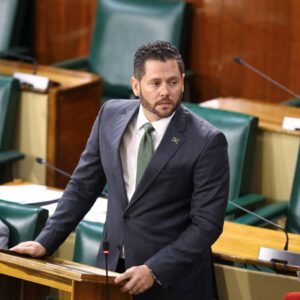
    Addressing the public this week, Health Minister Victor Atallah emphasized the importance of proactive prevention, particularly for high-vulnerability demographics. “Right now, we are navigating a period of elevated temperatures and unusually high Saharan dust concentrations, both of which put respiratory health at risk,” Atallah stated. “We urge all residents to take simple precautions, stay properly hydrated, and limit unnecessary sun exposure—this advice is especially critical for anyone living with chronic respiratory conditions.”

    The Ministry of Health has identified five key vulnerable groups that require extra monitoring and precaution: older adults, young children, pregnant and postpartum people, immunocompromised patients, and individuals living with any chronic long-term health condition.

    To address both dust and heat risks, health officials have outlined a clear set of actionable recommendations for the public. For respiratory protection, people with preexisting conditions are instructed to strictly adhere to their prescribed treatment plans and intensify protective measures to avoid exposure. For eye health, officials advise avoiding rubbing irritated eyes and maintaining consistent hand and eye hygiene to reduce irritation and prevent secondary infection.

    To combat rising temperatures, the Ministry recommends drinking sufficient water throughout the day to stay hydrated, wearing loose, light-colored lightweight clothing that reflects heat, and limiting extended outdoor activity between 10 a.m. and 4 p.m., when temperatures and UV exposure are at their peak. The guidance also encourages eating a balanced diet low in excess fat, salt, and sugar to support overall health during extreme heat, and regularly wiping down indoor surfaces with damp cloths to reduce accumulated dust particles inside homes and public spaces.

    Officials note that while Saharan dust intrusions are a normal seasonal occurrence in the Caribbean, the combination of high dust concentrations and heat can create significant public health risks when communities fail to take basic precautions. The Ministry is urging all residents to monitor official public health updates for changing conditions and follow all guidance from local health authorities to protect themselves and their families.
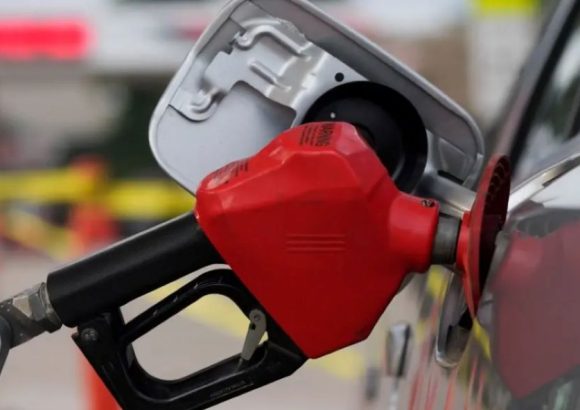

  • Six price hikes bring gasoline prices to almost RD$400.00 per gallon

    Six price hikes bring gasoline prices to almost RD$400.00 per gallon

    After a streak of six consecutive price hikes over three months that pushed the country’s most consumed fuels near the RD$400 per gallon threshold, the Dominican Republic has put a temporary stop to rising gasoline costs as of the first week of June.

    To start 2026, Premium gasoline was priced at RD$290.10 per gallon, while Regular gasoline retailed for RD$272.50. Prices held steady through January and February, supported by a RD$71.9 million government subsidy that carried over 2025’s closing rates into the new year. That stability ended in March, when shifting global crude oil market conditions forced regulators to pass international cost increases onto domestic consumers.

    The first wave of increases hit in the second week of March, when the Ministry of Industry, Commerce, and MSMEs (MICM) implemented a RD$5 per gallon rise for both fuel grades. A second RD$10 per gallon hike followed just one week later, bringing total March increases to RD$15 for both Premium and Regular gasoline.

    In April, regulators approved one additional adjustment: a RD$9 per gallon rise for Premium and a RD$7 per gallon rise for Regular. After this increase, Premium climbed to RD$314.10 per gallon, while Regular reached RD$294.50.

    May brought the steepest monthly gains, even as public outcry grew over the spillover effects of rising fuel costs on transportation, food prices, and other core consumer sectors. Over the course of the month, MICM ordered three separate hikes, adding a cumulative RD$21 per gallon to Premium and RD$13 per gallon to Regular. The step-by-step increases broke down to RD$9, RD$8, and RD$4 for Premium, and RD$7, RD$4, and RD$2 for Regular. By the end of May, cumulative increases from March had reached RD$45 per gallon for Premium and RD$35 per gallon for Regular, putting both grades on a clear trajectory toward the RD$400 per gallon mark.

    When the new pricing round took effect this week, the government announced an unexpected pause: Premium and Regular gasoline will remain frozen at RD$335.10 and RD$307.50 per gallon, respectively. The price freeze also extends to other common fuels, including premium and regular diesel, liquefied petroleum gas (LPG), and natural gas, all of which will hold at their late May rates. LPG will continue to retail for RD$137.20 per gallon.

    Alongside the gasoline price freeze, MICM ordered targeted price cuts for four lesser-used fuel products: aviation fuel (Aatur), kerosene, fuel oil, and 1% sulfur fuel oil. Starting June 2, aviation fuel will drop by RD$5.90 to a new price of RD$271.12 per gallon, while kerosene will decrease by RD$6.40 to RD$308.30 per gallon.

  • Citizen security Homicide rate falls to 7.16, marking one of its lowest levels in decades

    Citizen security Homicide rate falls to 7.16, marking one of its lowest levels in decades

    A multi-agency national citizen security initiative has delivered landmark progress in curbing violent crime across the country, with official data confirming the lowest cumulative homicide rate in decades by the end of May 2026. The National Police has confirmed that coordinated prevention, prosecution, and intelligence-driven strategies rolled out by the national Joint Task Force continue to drive consistent improvements in nationwide citizen security metrics.

    As of May 29, 2026, the country’s accumulated homicide rate stands at 7.16 per 100,000 inhabitants, extending a years-long sustained downward trend for lethal violent crime. The latest 150th edition of the institution’s weekly crime statistics report notes that the homicide rate for the month of May alone hit 6.43 per 100,000, bringing the year-to-date cumulative figure to 7.16 — one of the lowest recorded national homicide rates in more than 30 years.

    A breakdown of regional data underscores the broad-based nature of this progress. Out of the 34 national territories included in the analysis, 27 now maintain single-digit homicide rates, with one jurisdiction recording zero homicides so far this year. Only seven regions across the country still report double-digit homicide rates, meaning nearly 80% (79.4%, to be precise) of all national territories now hold a rate of 9.99 homicides per 100,000 inhabitants or lower.

    Historical comparative data confirms that this decline is neither accidental nor temporary: it reflects a consistent, progressive reduction in homicidal violence stretching back several years. Three years ago, in May 2023, the year-to-date cumulative homicide rate was 12.77 per 100,000. That figure fell to 10.05 in 2024, dropped further to 8.40 in 2025, and has now fallen again to 7.16 in 2026. Compared to the same period in 2025, this represents a 14.76% year-over-year reduction. Over the full three-year period from 2023 to 2026, the cumulative homicide rate has plummeted by 43.93% overall.

    National security officials attribute this sweeping reduction in violent crime to the integrated, coordinated comprehensive actions of the Joint Task Force, which operates under the joint direction of all state security institutions. The results stem from a layered strategy that combines expanded preventive patrol operations, strengthened intelligence gathering and analysis, targeted prosecution of high-priority criminal groups, and close inter-institutional coordination. Partners in the strategy include the National Police, the national Armed Forces, the Public Prosecutor’s Office, and multiple additional state and local agencies, all aligned to advance the national citizen security agenda.

  • More traffic, but halved profits for airlines in 2026 — Industry forecast

    More traffic, but halved profits for airlines in 2026 — Industry forecast

    RIO DE JANEIRO, Brazil — New projections released Sunday by the International Air Transport Association (IATA) paint a mixed picture for the global airline industry in 2026, with resilient travel demand driving a modest uptick in passenger volumes, but soaring fuel costs and regional geopolitical disruption set to cut industry profits in half compared to 2025.

    IATA, which represents 370 airlines that collectively handle 85% of the world’s total air traffic, forecasts that member carriers will welcome 5.1 billion passengers this year. That marks a 2.4% increase from 2025’s estimated 4.98 billion passengers, a milestone that continues a steady post-pandemic expansion: the industry first crossed the 4 billion annual passenger threshold back in 2023.

    When asked to compare the economic fallout of the ongoing Middle East conflict to the devastating collapse of air travel during the 2020–2021 COVID-19 pandemic, IATA Director General Willie Walsh downplayed the current crisis’s systemic impact. “I don’t see this as a crisis,” Walsh told reporters. “You’re looking at an industry that is forecasting growth. If you extract the impact of the Middle East, we’re looking at growth of 3.5%.”

    Even as overall demand holds steady, the combination of war-related regional disruptions and spiking fuel prices has dragged down the industry’s profit outlook sharply. IATA projects total net industry profits will drop from $45 billion in 2025 to just $23 billion this year, pushing net margins down from 4.2% to 2% across the sector. That works out to an average net profit of just $4.50 per passenger — exactly half the per-passenger profit recorded in 2025.

    Walsh noted that the slim profit margin demonstrates unexpected resilience amid ongoing headwinds, but it leaves the industry with almost no room to absorb additional cost increases. “Under the circumstances, that shows resilience. But it won’t even buy you a hot dog at most of the FIFA World Cup venues, and it does not leave much of a buffer should other costs or taxes start rising,” he said.

    Fuel costs have climbed significantly in recent months, and while carriers have passed a portion of that increase to consumers via higher ticket prices, airlines are still absorbing much of the shock to protect demand. Even with partial price hikes, IATA expects total industry revenue to grow 9% year-over-year to hit $1.165 trillion in 2026. “Airlines are bearing the brunt of the fuel price shock. While air fares are rising, airlines are still absorbing part of the hike in their bottom lines,” the organization explained.

    Profitability will vary dramatically across global regions, IATA’s projection shows. Middle Eastern carriers, which have long benefited from access to low-cost local fuel supplies, are expected to face the hardest hit, with projections showing their net margins turning negative for the year. For major regional carriers including Emirates and Qatar Airways, IATA says recovery will depend more on strategic pricing adjustments than a quick rebound in passenger travel volumes: “the immediate recovery path is likely to be driven more by pricing than by a rapid return of volumes.”

    Other regions are set to far outperform the Middle East. European carriers are projected to post the strongest net margins at 3.1%, followed by North American airlines at 2.5% and Asia-Pacific carriers at 2.1%.

    Despite persistent geopolitical uncertainty and unpredictable timelines for the resolution of the Middle East conflict, IATA remains confident in underlying travel demand. The organization pointed to a long-term trend of falling air fares to support this outlook, noting that average ticket prices have dropped 26% over the past decade even as costs have risen.

  • ‘Don’t make it permanent’ cautions Tavares-Finson while backing Govt’s decision to withdraw funds from NHT

    ‘Don’t make it permanent’ cautions Tavares-Finson while backing Govt’s decision to withdraw funds from NHT

    KINGSTON, Jamaica – A first-term Jamaican government senator has publicly backed the administration’s controversial plan to siphon billions of dollars from the country’s National Housing Trust (NHT) for general budget support, while issuing a clear warning that the practice must not become a permanent fixture of national fiscal policy.

    Senator Christian Tavares-Finson, son of the Senate President, laid out his nuanced position during Friday’s upper house debate on the National Housing Trust (Amendment) (Special Provisions) Bill, 2026. The legislation, which already cleared the House of Representatives, ultimately passed the Senate without changes, greenlighting the government to withdraw a total of JMD 11.4 billion from the NHT over the coming five years.

    Opening his argument for the measure, Tavares-Finson stressed that policymakers must approach the question with unflinching honesty and a grounded understanding of real-world constraints. “Governments do not operate in ideal circumstances,” he told fellow lawmakers, noting that leaders of developing nations must constantly navigate competing public priorities, tight fiscal limits, sudden economic shocks, and unending demands across critical sectors from infrastructure and public health to education and national security.

    He acknowledged that the decision to draw on NHT funds is not an easy one, but argued that maintaining broad economic stability and sustaining core national programs sometimes requires hard trade-offs. “The reality before us today is that the government has determined that a drawdown from the National Housing Trust is necessary at this particular moment,” Tavares-Finson said. “Whether one agrees fully with that decision or not, we must acknowledge the broader fiscal context in which it has been made. Responsible governance requires balancing immediate national needs with long-term institutional objectives.”

    The senator emphasized that accepting the temporary need for the withdrawals does not mean abandoning core principles surrounding the NHT’s mandate. “While the government may find it necessary to utilise NHT resources at this time, it must simultaneously commit itself to ensuring that such draw downs do not become a permanent feature of public finance management,” he said.

    Tavares-Finson reminded the chamber that the NHT was never created to act as a steady source of general government revenue. “Its principal purpose is housing. Its mandate is housing. Its contributors expect it to focus on housing,” he said. When working Jamaicans make their monthly NHT contributions, he added, they do so with the expectation that those funds will go toward expanding their ability to own, renovate, or finance a home. Any diversion of those contributions must therefore be treated as a rare exception, not a new normal.

    Framing the debate correctly, Tavares-Finson argued, the question before the Senate was not whether the NHT matters — it was whether a responsible government should be permitted to deploy a portion of its national resources to protect overall economic stability and advance the well-being of all Jamaicans in extraordinary times. To that question, he said, the answer is unequivocally yes.

    The senator pushed back against critics by pointing out that the NHT operates within the broader framework of national development, and a healthy housing sector cannot exist in a failing economy. “Housing cannot flourish in an economy that is unstable. Housing cannot flourish where inflation is uncontrolled. Housing cannot flourish where government finances are weakened and where essential public services are threatened,” he explained.

    He added that this is not a new practice unique to the current administration, noting that Prime Minister Andrew Holness has previously documented that past governments also tapped NHT funds to advance cross-cutting national goals, including education reform and fiscal stabilization efforts.

    Addressing opponents of the drawdown, Tavares-Finson challenged them to answer a question few have addressed: if the government does not use these available NHT resources, where else will it find the revenue needed to fund critical national priorities? He laid out the stark alternatives: raising income taxes on working Jamaicans, increasing the General Consumption Tax, hiking payroll deductions, or piling new costs onto businesses already grappling with global economic volatility.

    Tavares-Finson recalled that Jamaican voters elected the current government on a platform of fiscal responsibility, economic prudence, and a promise not to impose unnecessary new tax burdens on citizens. That commitment, he said, remains the core of the administration’s economic approach.

    “The choice, therefore, is not between drawing down NHT funds and doing nothing. The real choice is between utilising available national resources responsibly, or imposing additional taxes on workers, homeowners, small businesses, and consumers,” he said. In this context, the NHT drawdown is a far less harmful option than broad tax increases that would hit every Jamaican household directly, he argued.

    The senator also pushed back against claims that the government has abandoned its commitment to housing in order to fund other priorities. The NHT, he confirmed, continues to deliver on its core mandate: it still issues mortgages, provides grants, delivers new housing solutions, and offers financing support to contributors. Loan limits have been raised, benefits expanded, and existing programs strengthened to help more contributors access affordable housing, leaving the institution fully operational, financially solvent, and able to meet its core obligations.

    In closing, Tavares-Finson noted that broad economic stability ultimately benefits NHT contributors themselves. When interest rates hold steady, housing becomes more affordable; when employment grows, more Jamaicans qualify for home loans; when public finances are strong, the government can invest in the infrastructure, roads, water systems and public services that support new housing development. Preserved economic stability delivers benefits to all Jamaicans, not just as NHT contributors, but as workers, business owners, taxpayers, and citizens.

  • Man arrested following Manchester gun seizure

    Man arrested following Manchester gun seizure

    MANCHESTER, JAMAICA – Law enforcement officials have taken a local man into custody and confiscated an unregistered firearm following a targeted early-morning search operation conducted Sunday at a private residence in the Plowden community of south Manchester.

    According to a senior police spokesperson familiar with the operation, the tactical search team moved on the property just after 5:00 a.m., acting on specific actionable intelligence gathered by investigators prior to the raid. When officers completed their systematic search of the home, they uncovered a loaded 9mm pistol alongside 19 live 9mm ammunition cartridges, which were seized as evidence.

    The male occupant of the property, who was present during the execution of the search warrant, was immediately taken into police custody for further questioning. No additional details regarding the suspect’s identity, potential charges, or connections to other criminal activity have been released to the public as of Sunday evening. The operation remains ongoing as investigators continue to review the seized weapon and build their case against the detainee.

    Reporting by Kasey Williams

  • New aid shipment from Mexico arrives in Cuba

    New aid shipment from Mexico arrives in Cuba

    HAVANA, CUBA — A fresh convoy of life-saving humanitarian assistance from Mexico has reached Cuban shores Sunday, landing at the capital’s port as the island nation grapples with a rapidly worsening emergency triggered by a US blockade of critical oil imports. AFP correspondents on the ground confirmed the arrival of the shipment, marking the sixth delivery of aid that Mexico has sent to Cuba since the start of this year.

  • Experts warn of a lack of awareness about lightning safety

    Experts warn of a lack of awareness about lightning safety

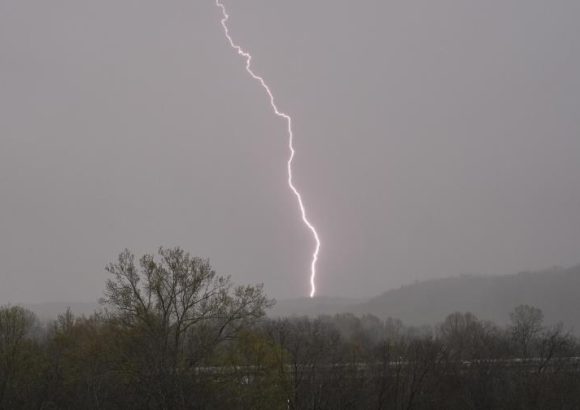
    Each year across the globe, thunderstorms claim human lives, destroy residential properties, disrupt critical public services and trigger billions in cumulative economic losses. Yet according to regional lightning protection specialists, the vast majority of these tragedies and damages are entirely preventable – if communities prioritize public education, enforce internationally recognized safety standards and close gaps in systemic preparedness. At a recent international seminar focused on lightning protection best practices, three electrical engineers affiliated with the US-based Latin American Association for Lightning Protection Education sounded the alarm on systemic underpreparation, particularly in the Dominican Republic, where the threat of lightning remains widely underestimated by the public and regulatory bodies alike.

    Speaking to attendees at the “Theoretical and practical foundations of lightning protection” event, José González, Lizardo López and Jorge Noé outlined the key gaps that put Dominican residents at unnecessary risk. First, they noted, a large share of public and private buildings across the country lack properly engineered lightning protection systems that meet global safety benchmarks. Even when protection systems are installed, many fail to meet standards because they are designed and fitted by workers without sufficient technical training, who often use unregulated commercial devices with no proven effectiveness. The experts explicitly debunked widespread marketing claims for products advertised as being able to “dissipate” or “cancel” lightning strikes, emphasizing no existing technology can eliminate the natural risk, only mitigate its impact.

    International standards such as the U.S. NFPA 780, IEC 62305, and LPI 175 already outline clear, tested criteria for the design, placement and specifications of effective protection systems, the specialists noted, but these rules are rarely enforced consistently across the Dominican Republic. López, one of the association’s members, explained that being outdoors during an active thunderstorm is the deadliest behavior, as risk does not only come from a direct strike. The phenomenon of step voltage, he noted, can create lethal high voltage waves in the ground even from a lightning strike that lands a full kilometer away. Contrary to another common misconception, Jorge Noé added, damage and risk extend far beyond the direct point of impact, with dangerous surges capable of affecting any location within a five-kilometer radius of a strike – a fact that most of the public and many regional authorities do not understand.

    When thunderstorms do form, the core protective action is simple: seek shelter in a solid enclosed building immediately, and avoid the dangerous habit of lingering outdoors to watch or photograph lightning storms. Even a building without a dedicated protection system dramatically reduces risk of lethal injury, the experts confirmed – while infrastructure may suffer damage, people inside are far more likely to survive without severe harm. For those trapped outdoors with no access to a safe building, specialists advise closing legs tightly together, minimizing contact with the ground, and avoiding elevated open areas to reduce the risk of fatal voltage differences.

    Beyond public behavior gaps, the Dominican Republic also lacks a nationally implemented early warning system for thunderstorms, a tool that González calls essential to reducing population risk. While large-scale mining operations in the country currently use either satellite or local detection systems, and existing regional infrastructure can monitor atmospheric electrical activity, no widespread public alert framework is in place. Early warning systems, already successfully deployed in Colombia and Germany, give communities critical time to activate safety protocols and move to shelter before a storm hits. Past fatalities recorded at tourist beaches and outdoor recreation areas in Brazil and Peru could have been avoided, Noé noted, if adequate warnings had been issued and heeded.

    The rapid growth of solar energy installations across Latin America has also created new, underaddressed risks, the specialists warned. Solar panels, mounted as elevated metal structures on rooftops, act as natural lightning rods, and unprotected installations face a far higher risk of strikes. In addition to damaging the panels themselves, lightning strikes generate destructive power surges that can destroy expensive inverters and other electronic components tied to photovoltaic systems. All new and existing solar installations, the experts recommend, should be assessed by qualified specialists and fitted with code-compliant surge protection devices.

    Moving forward, the group called on Dominican authorities to prioritize lightning protection for high-occupancy sensitive infrastructure, including hospitals, schools, and churches, particularly in regions with frequent thunderstorm activity. Any protection project should begin with a evidence-based scientific risk assessment aligned with international standards, they emphasized, rather than installing one-size-fits-all systems without prior analysis. Beyond infrastructure upgrades, the specialists called for expanded technical training for professionals working on protection systems, and widespread public education campaigns to correct common misconceptions and teach life-saving safety protocols.

    Contrary to popular belief, the experts emphasized, the leading cause of lightning-related deaths and accidents is not a lack of available technology, but unnecessary human exposure during storms. “Everyone is responsible for their own safety,” Noé reminded, stressing that the ultimate goal of all prevention infrastructure and policy is to protect the most valuable asset: human life.

  • Verstappen out of Monaco Grand Prix on opening lap

    Verstappen out of Monaco Grand Prix on opening lap

    On the sun-drenched streets of Monte Carlo, one of Formula 1’s most anticipated opening laps ended in dramatic disappointment for four-time world champion Max Verstappen on Sunday. The Red Bull driver, who had lined up on the front row of the grid for the prestigious Monaco Grand Prix, suffered a crippling technical issue that left him stationary as the starting lights went out, ending his race barely moments after it began.

    Monaco’s tight, unforgiving street circuit is famous for making overtaking all but impossible, meaning a strong starting launch is the single most critical factor for any driver gunning for victory. Verstappen had gone into the race poised to capitalize on his front-row starting spot, aiming to surge past the pole sitter into the first turn and seize the unchallenged lead that would all but guarantee a win. Instead, a failing power unit left him stuck on the grid as the rest of the field streamed past.

    Speaking over team radio immediately after the incident, the Dutch driver, widely known by his nickname “Mad Max”, expressed shock and frustration over the unexpected failure. He noted that abnormal engine behavior had already emerged during the pre-race warm-up lap, and the issue spiraled out of control entirely while he waited on the grid for the race to start. “The engine was bizarre, even on the warm up lap. And then I could see on the grid the engine going crazy. The race was destroyed,” Verstappen told his team.

    Showing quick, sportsmanlike reflexes, Verstappen was able to steer his disabled car left across the grid, clearing a path for oncoming drivers and avoiding a high-speed multi-car pileup at the opening turn. That quick action allowed Ferrari’s Charles Leclerc, a native Monegasque who entered the weekend to massive home crowd support, to sweep around Verstappen safely without incident.

    At the head of the field, Mercedes’ young Italian driver Kimi Antonelli, who entered the weekend as the current Formula 1 Drivers’ Championship leader, held onto the lead he earned by claiming pole position on Saturday. Holding off all challengers through the first chicane, Antonelli emerged from the opening lap in first place, putting him in the perfect position to claim a historic fifth consecutive Grand Prix victory if he can maintain his pace through the 78-lap race.

  • Man dies in three-vehicle St Elizabeth crash

    Man dies in three-vehicle St Elizabeth crash

    ST ELIZABETH, Jamaica – A 59-year-old man has died from catastrophic injuries sustained in a multi-vehicle crash that unfolded along Jamaica’s Content Main Road Saturday night, marking the second deadly traffic incident to hit the parish in less than a single day, local law enforcement confirmed.

    The victim has been formally identified as Llewlyn Johnson, a resident of Prospect district in New Baalbec, Manchester Parish, according to official police statements.

    The collision involved three vehicles: a privately owned Toyota Corolla sedan, a large King Long passenger coach bus, and a Toyota Tundra pickup truck. Investigative accounts from the Jamaica Constabulary Force outline that the crash occurred at approximately 9:00 p.m., when two of the vehicles—the King Long bus and Toyota Tundra—were moving westbound along the thoroughfare. Johnson, operating the Toyota Corolla, was traveling east in the opposing lane of traffic when the incident was triggered.

    Police reports confirm that the driver of the Toyota Tundra attempted to overtake the slower-moving King Long bus by veering onto the opposing side of the road. The maneuver placed the pickup truck directly in the path of Johnson’s oncoming Corolla, resulting in an initial head-on impact between the two vehicles.

    Following the first collision, Johnson lost full control of his sedan, which swerved sharply to its right and crashed into the front-right portion of the westbound King Long bus. Emergency responders who arrived at the scene found Johnson had been ejected from his vehicle during the sequence of impacts. He was rushed to a local hospital for urgent medical intervention, where he was later pronounced dead by attending medical staff.

    Tragically, this fatal crash comes less than 24 hours after another deadly traffic incident claimed the life of a toddler along a nearby stretch of roadway in the same parish. Local authorities have not released additional information about the condition of any other passengers or drivers involved in Saturday night’s collision as of press time, and an official investigation into the crash remains ongoing.