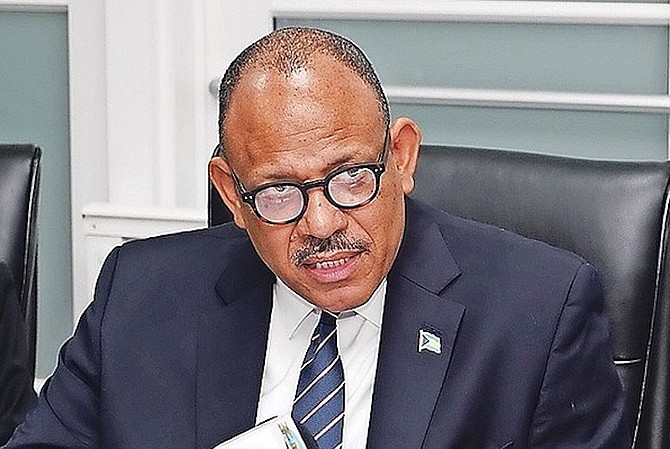
As global popularity of GLP-1 weight loss and diabetes medications surges, The Bahamas is grappling with a growing unregulated black market trade that has prompted sharp warnings from top health officials over severe public safety risks. Former Health Minister Dr. Duane Sands has issued a stark rebuke of consumers who purchase discounted GLP-1 injections from unlicensed vendors, describing the risky practice as reckless and warning that it could lead to life-threatening health complications.
Dr. Sands, a practicing cardiovascular surgeon who regularly prescribes GLP-1 treatments to his patients, told local outlet The Tribune that any person who obtains prescription medications of any kind — including GLP-1 drugs, erectile dysfunction treatments, antibiotics or acne medication — from unqualified, unlicensed sellers is taking an unnecessary and foolish risk. His comments come amid a booming unregulated trade in the country, where social media influencers have popularized GLP-1 medications for cosmetic weight loss, and unlicensed distributors undercut legitimate medical channels by selling the prescription-only drugs at discounted prices.
GLP-1 receptor agonists are clinically approved prescription medications originally developed to manage type 2 diabetes, and later authorized for chronic weight management. The drugs work by regulating blood sugar levels and reducing appetite, leading to gradual, sustained weight loss. Popular brand-name versions include Ozempic, Wegovy, Trulicity, and Victoza, while the newer Mounjaro, a dual GIP/GLP-1 agonist, produces similar therapeutic effects. The treatment has become a global cultural phenomenon in recent years, with social media platforms like TikTok flooded with personal weight loss journey content from users, many of whom openly admit to purchasing generic, unregulated doses from unofficial sellers in The Bahamas.
Dr. Sands emphasized that most black market GLP-1 sellers have no legal authority to prescribe or administer prescription medications, and are driven solely by profit, with no accountability if patients experience adverse reactions. “When something bad happens then they scurry for the hills,” he said. “Because these are drugs, and you need to know what the heck you’re doing.” He also extended the criticism to unlicensed aesthetic providers operating illegally in the country, noting that many unqualified practitioners already offer unregulated cosmetic injections without proper medical credentials, all to earn a quick profit.
While most GLP-1 products are designed for at-home self-administration with proper training, Dr. Sands stressed that the medications should only ever be used after a thorough evaluation and formal prescription from a licensed, qualified healthcare provider. He warned that cutting corners to save money by purchasing from unlicensed sellers can lead to devastating, even fatal, health outcomes. “For many of these people, the cost-benefit analysis on the surface looks good, but the dumbest thing that you can do is to go to somebody who doesn’t know what the hell they’re doing because you think you can save $10 or $50,” he said.
Dr. Sands also detailed a common scam used by black market sellers to maximize profits: vendors buy higher-concentration formulations of GLP-1, dilute the drug to create multiple smaller doses, and sell the cut product to unsuspecting consumers at discounted prices. This unregulated practice leaves patients vulnerable to incorrect dosing, contamination, and other unexpected complications.
GLP-1 medications have been available in The Bahamas for just over three years, and Dr. Sands noted that they fill a critical public health need in a country that faces disproportionately high rates of obesity, type 2 diabetes, and hypertension. Far from being just a cosmetic weight loss tool, he said the medications can be life-changing for patients with underlying chronic conditions. As a cardiovascular surgeon, he has witnessed firsthand the transformative benefits of appropriate GLP-1 use: he shared that some patients who were once “cardiac crippled” from severe heart disease have lost nearly 100 pounds with clinically supervised treatment and now enjoy full, active lives.
To expand safe, legitimate access to the medications, Dr. Sands has called on the Bahamian government to add GLP-1 treatments to the National Health Insurance (NHI) funded formulary, pointing out that the current retail cost of $600 to $1,000 per month puts the treatment out of reach for many uninsured and low-income patients.
Current Health and Wellness Minister Dr. Michael Darville has confirmed that the ruling Davis administration remains committed to fulfilling its campaign pledge to expand NHI coverage to include GLP-1 medications for eligible patients with chronic conditions including obesity and type 2 diabetes. The commitment was originally outlined in the Progressive Liberal Party’s “Blueprint for Change” campaign platform. Darville confirmed that health officials have already finalized a new national formulary that includes GLP-1 treatments, and the administration continues to advance the policy initiative during its current term, though he could not provide an exact timeline for when coverage will launch.
Darville acknowledged that expanding public coverage for GLP-1 medications will increase government healthcare spending, but argued that the long-term public health benefits — including reduced complications from untreated obesity and diabetes — justify the upfront investment. He also added that medication alone cannot solve The Bahamas’ ongoing obesity crisis, emphasizing that consistent healthy eating habits and broader preventive wellness practices remain essential to improving population health outcomes.