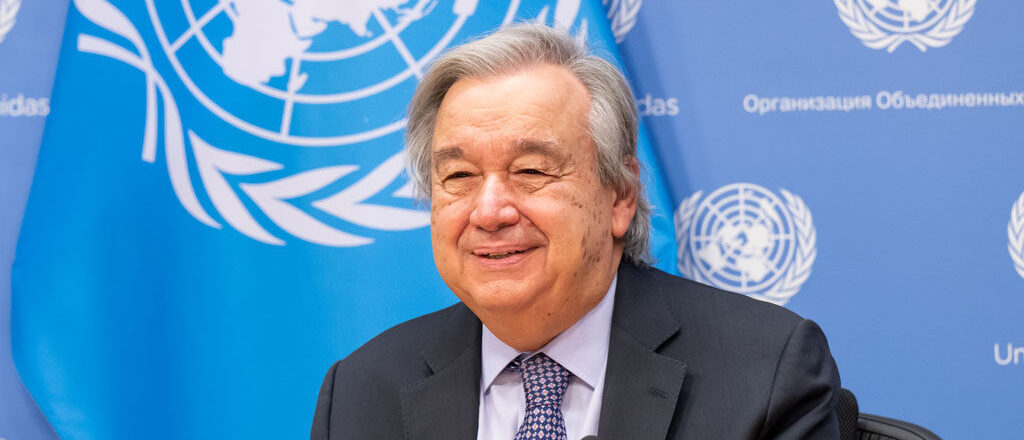
At a landmark open debate of the United Nations Security Council held in New York on Tuesday, UN Secretary-General António Guterres delivered a stark wake-up call to the global community, demanding sweeping improvements to international natural resource governance amid a growing tide of conflict and humanitarian catastrophe driven by illegal mineral exploitation. The high-level debate, themed “Natural Resource Governance: The Foundation of Peace, Security and Prosperity”, provided a critical platform to address one of the most underrecognized drivers of global instability at a time of surging demand for critical raw materials. Guterres opened his address by acknowledging the dual nature of the global rush for minerals critical to the clean energy transition: lithium, cobalt, nickel, and rare earth elements hold unprecedented potential to drive economic growth and sustainable development in resource-rich nations, but their rising value has also amplified geopolitical tensions and created new incentives for violent competition over resource reserves. The Secretary-General pointed to urgent, on-the-ground examples of the damage caused by unregulated and illegal resource extraction. In the eastern region of the Democratic Republic of the Congo, he noted, non-state armed groups continue to generate massive profits from unlicensed mining operations and cross-border smuggling of valuable minerals, fueling years of persistent conflict that has destabilized the entire Great Lakes region. In Sudan, competition over gold reserves and gum arabic production has emerged as a core flashpoint for the ongoing civil conflict that has displaced millions of people and triggered one of the world’s worst humanitarian crises. “The greatest burden falls on the least powerful: women and children, and communities displaced from the land that holds the wealth,” Guterres emphasized, highlighting how local communities rarely share in the economic benefits of the resources extracted from their territory. Guterres recalled that the Security Council has long acknowledged the link between illicit natural resource exploitation and the financing of armed groups, pointing to existing tools the body has deployed to counter the problem: targeted sanctions, mandated peacekeeping operations that monitor resource flows, and expert panels tasked with tracing supply chains and financial networks that sustain conflict. But these existing measures are no longer sufficient to address the growing scale of the challenge, he argued, before outlining four core priorities for collective global action: advancing economic justice for producing nations, preventing conflict before it breaks out, resolving resource disputes through peaceful diplomacy, and integrating climate change into resource governance strategies. On the issue of justice, Guterres pushed for a fundamental restructuring of global resource economics, arguing that resource-rich countries – particularly across Africa, where centuries of colonial exploitation and ongoing governance gaps have left producing nations capturing just a small fraction of their resource wealth – must be guaranteed a far larger share of the economic benefits from their own natural assets. “Countries and communities must benefit – first and most – from the resources in their own backyard,” he stated. He also called for coordinated global action to strengthen oversight of transnational mineral supply chains, improve transparency around ownership and trade flows, and deepen cooperation between resource-producing, transit, and consumer nations to crack down on illicit trade and block conflict-linked minerals from entering legitimate commercial markets. Turning to conflict prevention, Guterres urged national governments to prioritize diplomatic negotiation and third-party mediation to resolve disputes over resource access, revenue sharing, and territorial control before tensions escalate into large-scale violence. He also placed particular emphasis on the intersection between climate change and resource conflict, warning that increasing frequency of extreme weather events including droughts and floods, paired with widespread environmental degradation, is intensifying competition over already strained supplies of land, fresh water, and mineral reserves. This means climate adaptation and mitigation must be core components of any effective resource governance and conflict prevention strategy, he argued. Closing his address, Guterres called for a fundamental systemic shift in how the world extracts, processes, and markets natural resources, a shift that would ensure producing countries and the local communities most affected by extraction retain a far greater share of the value generated by their resources. “No more exploitation. No more plundering,” he declared, adding a stark warning of the consequences of inaction: without bold reform, illegal resource exploitation will continue to widen global inequality, fuel widespread instability, and sustain cycles of violence that harm vulnerable communities most. He concluded by urging all Security Council members to commit to governing natural resources in a way that advances inclusive sustainable development, strengthens national and regional institutions, and builds the foundation for lasting peace. “Ultimately, this is a political choice. And I urge you, as members of this Council, to choose peace,” he said.
博客
-

Ruleta Camacho-Thomas Appointed Acting Director of Environment
Antigua and Barbuda’s environment ministry has confirmed a key leadership transition within its environmental governance structure, naming long-standing climate action leader Ruleta Camacho-Thomas as Acting Director of the country’s Department of Environment. The change officially takes effect on July 20, and comes as outgoing director Ambassador Diann Black Layne steps into pre-retirement leave ahead of her full departure from the role.
Beyond her new acting appointment, Camacho-Thomas already holds the position of Antigua and Barbuda’s National Climate Ambassador, bringing decades of frontline experience in environmental advocacy to the top leadership post. Over the course of her professional career, she has been a consistent and vocal representative for the twin-island nation at major regional and global environmental forums, where she has centered the needs and concerns of small island developing states (SIDS) in worldwide climate policy negotiations.
A leading voice for global climate justice, Camacho-Thomas has worked for years to amplify awareness of the unequal burden of climate change carried by low-lying and vulnerable island nations. She has repeatedly drawn international attention to the existential threats these countries face from accelerating sea-level rise, growing intensity of extreme weather events, and a cascade of other climate-driven hazards that disproportionately impact SIDS despite their minimal contribution to global greenhouse gas emissions.
In her new capacity as Acting Director, Camacho-Thomas will take on oversight of all existing programs run by the Department of Environment. She will also maintain her ongoing work advancing Antigua and Barbuda’s core environmental and climate action priorities, working to deliver progress both at the domestic policy level and on the international climate advocacy stage.
-
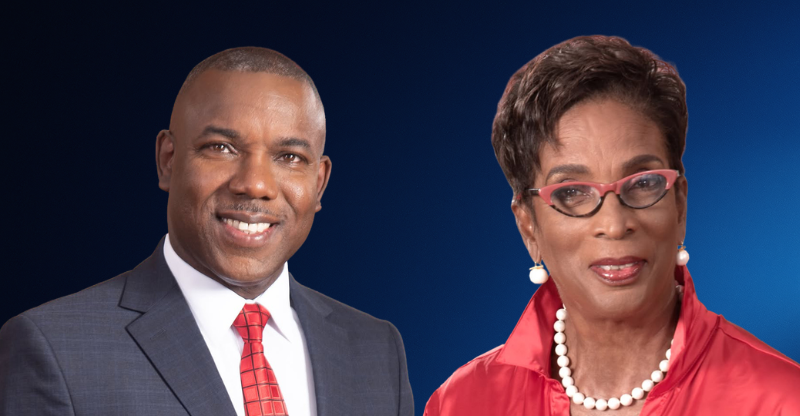
Ministers: Protection of Wages Bill will shield workers from unpaid wages
On Tuesday, two senior Barbadian ministers threw their full support behind the landmark Protection of Wages Bill during a debate in the country’s House of Assembly, introducing sweeping new safeguards for workers facing unlawful wage withholding by employers. First tabled before legislators on June 29, the proposed legislation represents a full overhaul of existing wage protection regulations, replacing the outdated original Protection of Wages Act with updated provisions aligned to 21st-century employment practices. It also expands the enforcement authority of the Chief Labour Officer, empowering the office to resolve unpaid wage claims more efficiently and effectively.
Dr. Romel Springer, Minister of State in the Ministry of Transport and Works, framed the bill as a continuation of Barbados’ decades-long fight to entrench fair treatment for working people across the island. “Every generation has fought to lock in protections for workers’ rights,” Springer noted. “What we are advancing today is simply carrying forward that legacy built by those who came before us.”
The legislation updates regulatory frameworks around how wages are disbursed, while enshrining legal protections for workers against employers that unlawfully withhold or misappropriate earned earnings. Springer called out unethical business practices by bad-faith employers, highlighting cases where workers complete a full week of labour only to be told their pay will be delayed indefinitely. “These actions are wrong, they are unfair, and they are immoral,” he emphasized. Under the new bill, this behaviour will not just be unethical—it will be formally classified as illegal, with clear consequences for violators.
Employers found guilty of unlawful wage deductions, failure to remit legally required deductions from employee pay, or other breaches of the legislation will face penalties ranging from substantial fines to potential imprisonment. Springer also highlighted two key targeted provisions: one requiring employers to provide advance formal notice before changing an employee’s method of pay, and another banning wage disbursement in high-risk locations such as bars and gambling establishments, designed to protect vulnerable workers from financial exploitation. “This bill recognizes that specific groups in our community need extra protection,” Springer said. “Justice demands we put an end to the unfair treatment of workers in this country.”
Sandra Husbands, Barbados’ Minister of Technological and Vocational Training, offered a deeply personal framing of the bill’s significance, noting that wages represent far more than just compensation for labour. “A wage is more than a payment for work done. It is dignity, it is security, it is hope for workers and their entire families,” Husbands explained. She positioned the legislation as a transformative step to protect workers from exploitation, particularly in cases where employers become insolvent— a longstanding gap in old regulations that has repeatedly left workers with no recourse for unpaid earnings when businesses fold. “Throughout our history, when companies have gone insolvent, workers have been left holding the bag,” Husbands said. “Today marks the end of that era, and the start of true protection for the people of Barbados.”
Husbands stressed that robust wage protection must go hand in hand with policies that support sustainable business growth and a more productive national workforce. “We can legislate protections for workers, but if we do not create conditions for enterprises to grow, expand productivity and increase profitability, there will be fewer wages to protect in the first place,” she argued. She called for a collaborative relationship between labour and management, rejecting the framing of workers and employers as opposing sides. “Workers must be protected from exploitation, but employers must also be shielded from unproductive practices that drag down entire businesses,” she noted.
Boosting worker productivity, expanding access to continuous skills training, and strengthening cooperation between labour and management will ultimately translate to higher wages and more opportunities for Barbadian workers, Husbands added. She also made the case for expanding financial literacy education for workers, arguing that higher earnings alone are not enough to improve long-term well-being. “It does not matter how much you raise a wage if workers cannot manage that money to the benefit of themselves and their families—it is all for nothing,” she said.
Husbands called for a collective effort across government agencies, financial institutions, employers, and trade unions to equip workers with the skills to manage their earnings, build savings, invest, and grow intergenerational wealth. “A protected wage that is managed wisely can be a pathway to home ownership, starting your own business, advancing your education, and building lasting wealth that passes to future generations,” she said.
She added that modern labour advocacy must evolve beyond just negotiating higher wages, noting that it should also focus on creating the conditions for broader business profitability across the economy. “It is not just about claiming a larger share of existing profits—it is about helping build the conditions for larger profits to exist in the first place,” Husbands said, closing by noting that strong worker protections, responsible employers, and productive workers are all three foundational to building a prosperous future for Barbados.
-
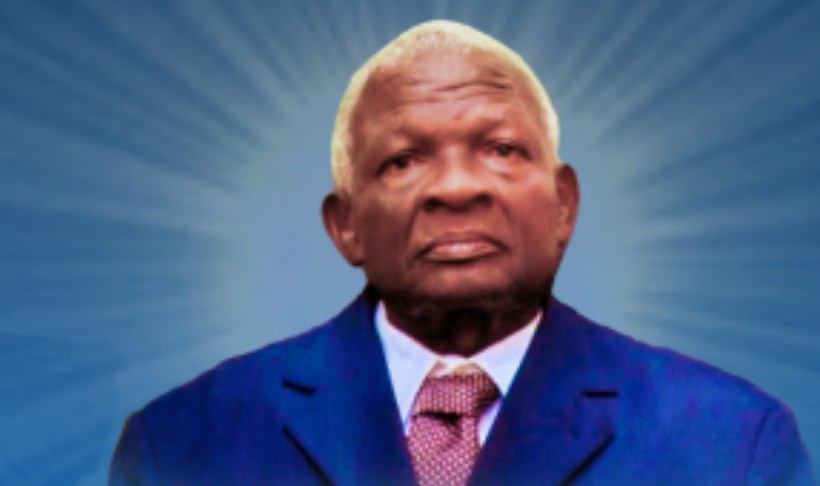
WIOC pays tribute to longtime dealer McMillan Jno-Baptiste following his passing
The West Indies Oil Company Limited (WIOC) is mourning the loss of one of its most storied partners, veteran Dominican entrepreneur McMillan Jno-Baptiste, who passed away recently, leaving behind a decades-long legacy of dedicated service to the people of Dominica.
As the owner of two McMillan Service Stations across the island nation, Jno-Baptiste held the distinction of operating the longest-standing active dealership in WIOC’s entire retail network, which spans both Antigua and Barbuda and the Commonwealth of Dominica. His professional ties to the regional energy firm date back to 1972, marking a partnership that stretched across more than 50 years of consistent, community-focused operation.
In an official statement released Wednesday, WIOC extended its deepest condolences to Jno-Baptiste’s family, friends and loved ones on behalf of the company’s board of directors, executive leadership and all staff. Over the course of his half-century career, Jno-Baptiste built a reputation for unwavering commitment to customer care that earned him widespread admiration across multiple generations of Dominicans, turning his name into a household staple across the country. “Quite simply, Mr. Mac put the service in his service stations,” the company’s tribute reads.
WIOC Chief Executive Officer Gregory F. Georges expanded on Jno-Baptiste’s impact, noting that his legacy reaches far beyond the boundaries of the petroleum retail sector. Georges described the late businessman as a man defined by core values of unshakable integrity, quiet resilience, genuine humility and consistent generosity, emphasizing that the thriving business he built, the local community he lifted up, and the countless lives he touched will ensure his memory endures for decades to come.
Georges also shared a personal reflection on a meeting he held with Jno-Baptiste just five weeks before the entrepreneur’s death. The pair spent their time swapping stories about Jno-Baptiste’s childhood in the capital city of Roseau, and his school years at the Roseau Boys School, where he attended classes alongside Georges’ own father and uncle. Georges recalled the conversation as a warm, joyful exchange filled with enthusiasm, laughter and cherished shared memories that he will hold close.
Closing the tribute, Georges offered heartfelt sympathies on behalf of the entire WIOC community, saying that the company is holding Jno-Baptiste’s family in prayer as they navigate this period of grief, asking for strength and peace to comfort them in their loss.
-
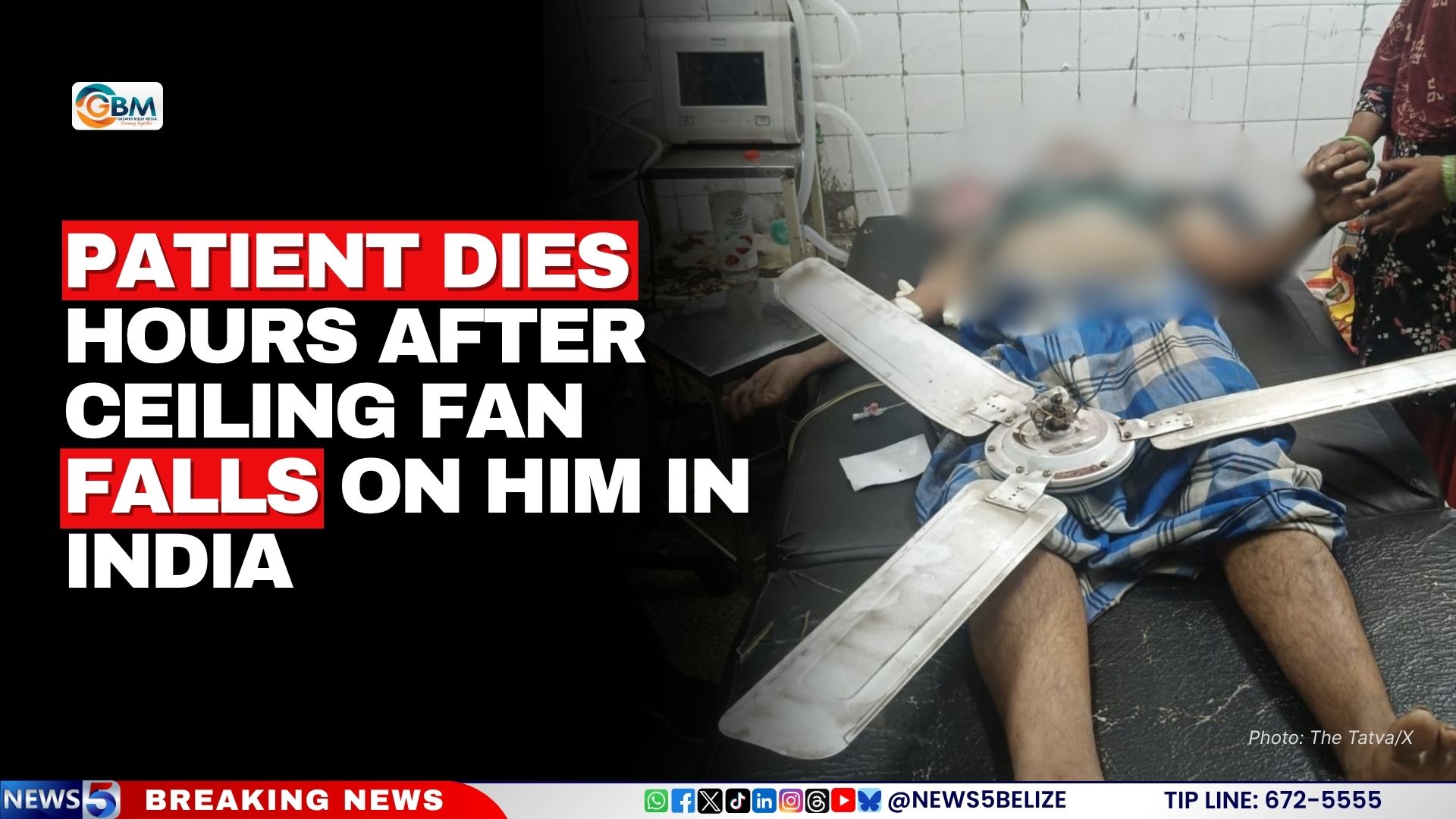
Patient Dies Hours After Ceiling Fan Falls on Him in India
In a tragic incident that has raised serious questions about infrastructure safety at Indian public health facilities, a 42-year-old patient has died less than three hours after an unsecured ceiling fan plummeted onto his hospital bed in New Delhi, India. The fatal event unfolded on Saturday evening at Guru Teg Bahadur Hospital, one of the capital’s largest public medical centers, where the patient, identified as Mohammad Akbar, was undergoing treatment for multiple pre-existing serious health conditions.
Local law enforcement officials confirmed that the collapse occurred at approximately 9:30 p.m. inside the hospital’s emergency ward, where Akbar was being cared for hypertension, meningoencephalitis, and aspiration pneumonia. Eyewitness accounts from other patients and medical staff on the ward describe a sudden, unexpected failure: the ceiling fan abruptly tore free from its mounting and crashed directly onto Akbar’s bed. A nursing officer who was attending to Akbar at the time of the collapse also sustained minor injuries in the accident.
Official hospital records list Akbar’s time of death at 12:16 a.m. on Sunday, just under three hours after the fan fell. Notably, the hospital’s issued death certificate cites Akbar’s underlying pre-existing illnesses as the official cause of death. A senior hospital administration official acknowledged that the ceiling fan collapse did occur, but pushed back against claims that the incident contributed to the patient’s death. The official added that Akbar was already admitted with severe respiratory complications when he arrived at the facility, and maintained that his passing was solely the result of his underlying poor health.
However, Akbar’s family has rejected the hospital’s account, arguing that the preventable accident exposes systemic safety and maintenance failures at the public facility. They are now calling for a transparent, independent investigation to determine whether institutional negligence contributed to the death, and are demanding accountability for what they call an avoidable tragedy.
-
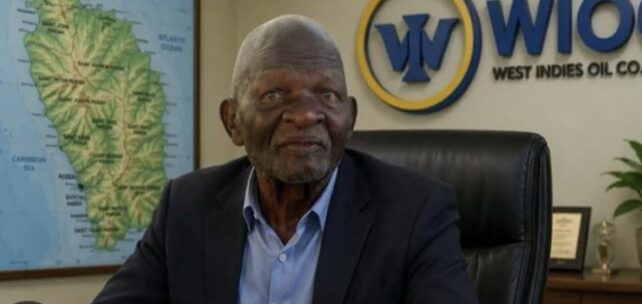
WIOC CEO Pays Tribute to Longtime Dealer McMillan Jno-Baptiste
ST. JOHN’S, ANTIGUA — The West Indies Oil Company (WIOC) is mourning the loss of one of its most enduring and beloved industry partners, veteran Dominican businessman McMillan Jno-Baptiste, who died after more than five decades of continuous partnership with the regional energy firm.
Widely known affectionately to peers, customers and community members as “McMillan” or simply “Mr. Mac,” Jno-Baptiste first joined the WIOC network of retail dealers back in 1972, marking the start of a 51-year association that stands unmatched across the company’s operations spanning Antigua and Barbuda and the Commonwealth of Dominica. His retail outlet holds the distinction of being the longest continuously operating dealership in WIOC’s entire retail network.
In an official memorial statement released this week, WIOC officials emphasized that Jno-Baptiste grew to become a household name across Dominica, where his consistent dedication to prioritizing customer needs built him a reputation that earned respect across multiple generations of local residents.
“Mr. Jno-Baptiste will be remembered as an exemplary businessman whose unwavering commitment to serving the people of Dominica earned him the admiration and respect of generations. Quite simply, Mr. Mac put the service in his service stations,” the company’s statement reads.
WIOC Chief Executive Officer Gregory F. Georges expanded on the far-reaching impact of Jno-Baptiste’s life and career, noting that his legacy extends far beyond the bounds of the petroleum sector. “As I reflect on his remarkable life, we honor not only his outstanding contributions to the petroleum industry but also the integrity, resilience, humility, and generosity that defined his character,” Georges explained. “His legacy will continue to live on through the business he built, the community he served, and the many lives he touched throughout his extraordinary journey.”
Georges also shared a personal, heartfelt memory of his last interaction with Jno-Baptiste, which took place just five weeks before the businessman’s passing at his private residence. During the meeting, the pair reflected on Jno-Baptiste’s childhood in Dominica’s capital Roseau, where he attended the Roseau Boys’ School alongside Georges’ own father and uncle. Georges recalled that the conversation was steeped in joy and nostalgia, with Jno-Baptiste speaking with characteristic enthusiasm about the decades-long friendship he shared with Georges’ family members.
“He spoke with such enthusiasm, reflecting fondly on the lifelong friendship they shared. It was a conversation filled with warmth, laughter, and treasured memories,” Georges said.
Closing the statement, Georges extended formal condolences from the entire WIOC team to Jno-Baptiste’s surviving family and close loved ones, offering prayers for comfort and resilience as they navigate their period of grief.
-

Contour Airlines announces new direct flights between Dominica and Trinidad
Regional air carrier Contour Airlines has unveiled a major expansion of its Caribbean route network, with plans to launch a new twice-weekly non-stop air service linking Douglas-Charles Airport in Dominica and Piarco International Airport in Port of Spain, the capital of Trinidad and Tobago. According to an official company press statement, the new route is scheduled to commence operations on October 5, 2026, filling a gap in direct air connectivity between two popular Eastern Caribbean travel and commerce hubs.
Beyond the core non-stop service, Contour Airlines will also add one-stop same-plane connections between Port of Spain and two major Caribbean transit points: Luis Muñoz Marín International Airport in San Juan, Puerto Rico, and Cyril E. King Airport in St. Thomas, U.S. Virgin Islands. This expanded linking structure is designed to open up more flexible travel options for passengers coming from North America and other regional points, creating a more interconnected travel ecosystem across the Eastern Caribbean.
Ben Munson, President of Contour Airlines, emphasized the strategic logic behind the network expansion in his comments on the announcement. “We are excited to continue growing our presence in the Caribbean with this new non-stop link between Dominica and Trinidad & Tobago,” Munson stated. “This route strengthens cross-regional connectivity by cutting travel time and simplifying trips for local residents, business operators, and international visitors alike. No matter if passengers are traveling for professional meetings, family visits, or a leisure getaway, they will get access to a fast, comfortable, and dependable travel option that helps build closer economic and tourism ties between these two dynamic island destinations.”
The announcement has received widespread endorsement from government officials in Dominica, who frame the new route as a significant win for the island nation’s tourism sector. Denise Charles-Pemberton, Dominica’s Minister of Tourism, called the new service a transformative upgrade for travelers moving between the two island markets. “This direct jet service to Trinidad elevates the entire visitor experience by delivering greater comfort, faster travel times, and more reliable schedules compared to previous connecting options,” Charles-Pemberton explained.
She further noted that Trinidad and Tobago stands as one of the most important source markets for Dominica’s tourism industry, highlighting that the new route will unlock new visitor segments including nature adventure seekers and cultural festival attendees. The minister pointed out that Trinidadian travelers will now have far easier access to Dominica’s world-renowned natural attractions, including its ancient rainforests, premier birdwatching sites, mountain hiking trails, pristine dive spots, and growing wellness tourism offerings. Additionally, Charles-Pemberton emphasized that the service will restore convenient transfer connections through Piarco International Airport, giving travelers from Dominica access to a wider range of onward international routes.
All flights on the new route will be operated using Contour Airlines’ fleet of modern 30-seat regional jets, which the carrier has outfitted with passenger-focused amenities including extra legroom for all seats, complimentary onboard snack service, and full inflight customer care to ensure a comfortable travel experience for all passengers.
-
Government invests $18 million in cost-of-living relief measures
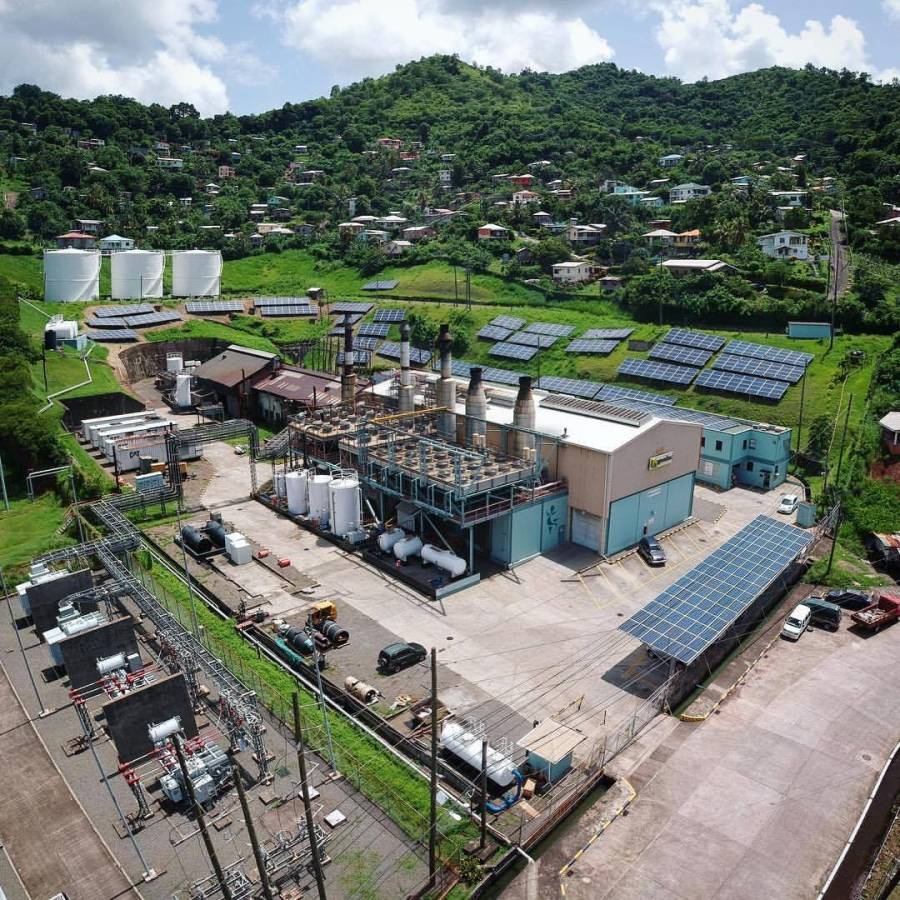
The Caribbean nation of Grenada has launched a targeted, multi-faceted Cost of Living Assistance Programme to shield local households, small businesses, and the broader national economy from the sharp upward swing in global food and energy prices that has strained budgets across the world in recent months.
This wide-ranging relief initiative is crafted specifically to counteract international inflationary pressures that have spilled over into Grenada’s domestic market: these include heightened fuel tariffs, bloated global shipping costs, and persistent supply chain disruptions that have been worsened by ongoing geopolitical tensions in the Middle East.
While unveiling the programme, Minister of Finance Dennis Cornwall stressed that the inflation driving cost increases across the country is not homegrown, but imported from global markets. “While we cannot control international markets, we can act responsibly to help reduce the impact on our people,” Cornwall explained during the official announcement.
The initiative is projected to deliver direct support to more than 38,000 households spread across Grenada, Carriacou and Petite Martinique. It is structured to deliver immediate targeted relief while upholding the government’s longstanding pledge to maintain fiscal stability, with the total cost of the programme estimated at roughly 18 million Eastern Caribbean dollars.
Among the core, long-term measures is the extension of existing price caps on four key energy products: gasoline, diesel, kerosene, and liquefied petroleum gas cylinders. These price ceilings will remain in place through December 2026 to prevent sudden cost spikes for consumers. Additional key relief provisions include:
1. Full VAT elimination on electricity bills for all consumer categories, running from August 2025 through December 2026
2. A full waiver of customs service charges on diesel imported for power generation, a move designed to cut wholesale production costs that translate to lower electricity bills for end users
3. An increase to direct monthly electricity subsidies, raising the maximum payment from EC$10 to EC$50, alongside a major expansion of eligibility to cover households that use up to 200 kilowatt-hours per month, up from the previous threshold of 99 kilowatt-hours
4. Two VAT-free shopping days per month from August through October 2026, covering essential goods including groceries, school supplies, hardware, and home appliancesCornwall emphasized that the government’s ability to roll out this substantial relief package stems from years of disciplined fiscal management. “We can provide meaningful relief today because of prudent fiscal stewardship over recent years. We are taking care of our people today while preserving the country’s long-term sustainability. That is responsible governance,” he said.
In closing, the government of Grenada reaffirmed its commitment to upholding the principles of good governance, fiscal responsibility, and economic stability to protect the livelihoods of all citizens across all three of the nation’s main islands.
-
First Responders Strengthen Skills in Mental Health Crisis Management
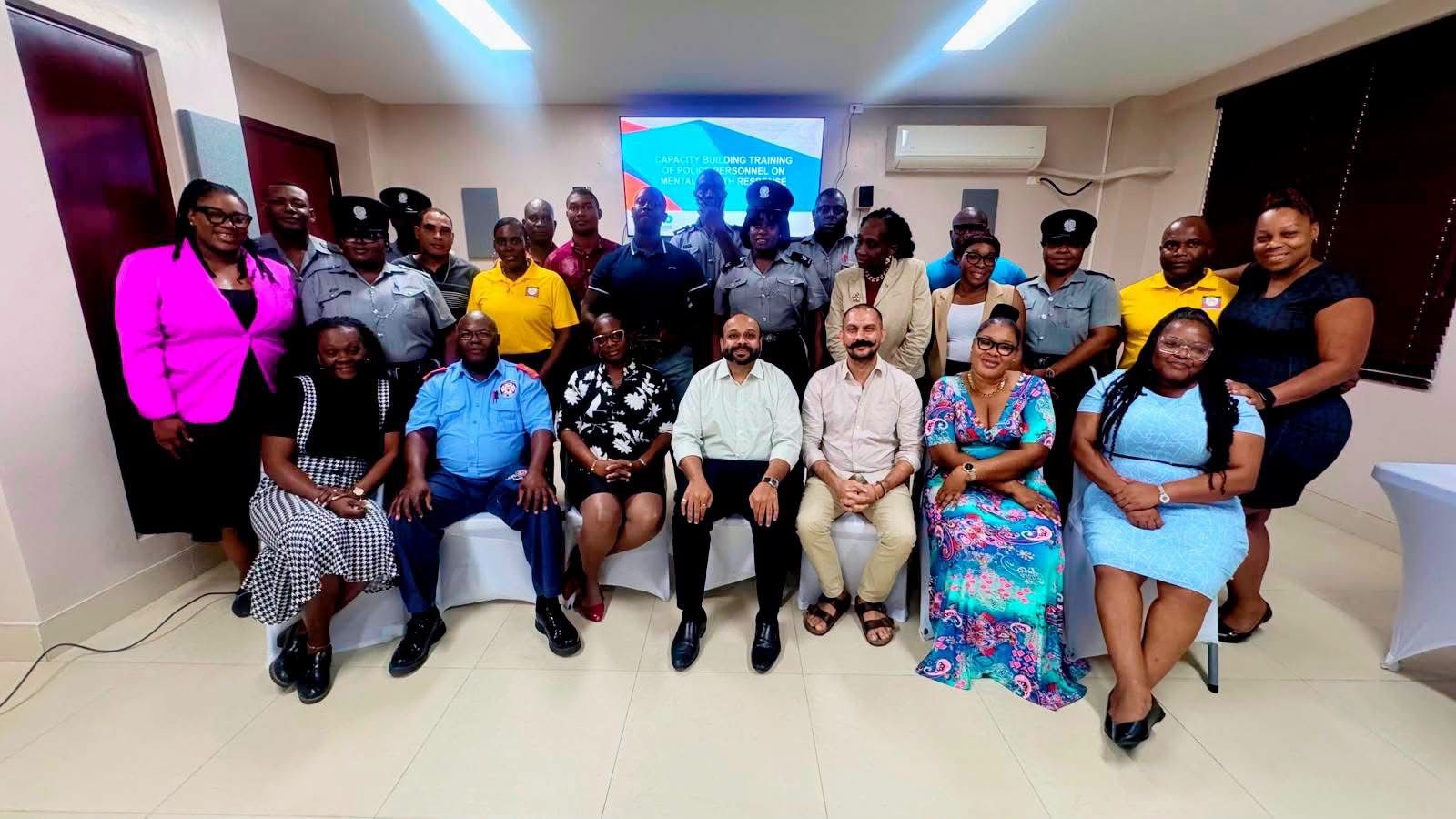
Frontline public safety and emergency responders in Antigua and Barbuda have completed a targeted four-day training program focused on crisis management and de-escalation for mental health emergencies, a joint initiative between the country’s Ministry of Health, Wellness, Environment and Civil Service Affairs and the Pan American Health Organization (PAHO).
Held between July 14 and 17, 2026, at the Antigua and Barbuda Port Authority Conference Room, the training gathered participants from across six key first responder and public safety agencies. Trainees included representatives from the Antigua and Barbuda Police Force, Antigua and Barbuda Defence Force, His Majesty’s Prison, the National Office of Disaster Services (NODS), the Office of National Drug and Money Laundering Control Policy (ONDCP), and the Antigua and Barbuda Fire Service.
Unlike generic emergency response training, the program centered on delivering evidence-based, practical skills tailored specifically to interactions with people experiencing acute mental health crises. Trainees learned evidence-based frameworks to conduct safe on-site assessments, communicate effectively with individuals in distress, and de-escalate tense situations before they escalate to harm. The curriculum also addressed critical systemic and social barriers to quality mental health response, including sessions on reducing widespread stigma around mental illness, upholding the human rights of people living with mental health conditions, and building stronger cross-agency coordination for emergency responses. As the most frequent first point of contact for mental health crises, these frontline teams are now better positioned to deliver appropriate, compassionate support.
This initiative is part of the Antigua and Barbuda government’s longstanding, ongoing commitment to upgrading the country’s national mental health care system. Leadership from the Ministry emphasized that training first responders fills a critical gap in local emergency infrastructure: equipping frontline staff to handle mental health crises effectively not only improves outcomes for people in distress, but also protects the safety of both responders and the broader community.
Through targeted investments in upskilling frontline emergency personnel, Antigua and Barbuda is continuing to strengthen its national mental health response framework and improve long-term outcomes for the thousands of residents living with mental health conditions across the twin islands.
In closing statements following the training, the Ministry of Health, Wellness, Environment and Civil Service Affairs publicly thanked PAHO for its sustained partnership and technical expertise in advancing local mental health initiatives. The Ministry also extended gratitude to all participating agencies and individual trainees for dedicating time and effort to building their capacity in this high-priority, life-saving area of public safety.
-

CDB approves US$232,000 grant to boost financing capacity across Caribbean
The Caribbean Development Bank (CDB) has greenlit a $232,000 grant allocation through its 11th Special Development Fund (SDF) programme, as confirmed in an official press release from the institution. The funding is designated to reinforce Development Finance Institutions (DFIs) operating across CDB’s Borrowing Member Countries, backing a targeted technical assistance project focused on expanding regional DFIs’ capacity to fund high-priority sustainable development initiatives, ranging from small and medium-sized enterprises (SMEs) and renewable energy infrastructure to climate resilience projects.
Under this initiative, participating DFIs will gain access to four specialized professional training modules, alongside a cloud-based digital platform built to streamline and standardize SME credit scoring and risk rating evaluations. The training curriculum covers core priority areas: SME credit risk management, agricultural and renewable energy project financing, Environmental, Social and Governance (ESG) compliance and standards, and climate and sustainability-focused finance. The digital tool, called the eSMART credit assessment platform, is designed to help institutions make more informed, consistent lending decisions.
CDB leadership emphasized that infusing capital into regional economies alone is not sufficient to drive long-term, inclusive growth. Strong, capable local institutions are a foundational requirement to ensure financing reaches the businesses and sectors that deliver the most meaningful developmental impact. “Lending capital alone is not enough to transform economies,” noted Dr. Isaac Solomon, CDB Vice President of Operations. “Strong institutions are essential to ensuring that finance reaches the businesses and sectors that will have the greatest development impact. This initiative will equip Development Finance Institutions with the technical expertise and digital tools needed to strengthen lending decisions, support innovation, and expand financing for enterprises that contribute to resilient and inclusive growth across the Caribbean.”
The project addresses a well-documented gap in Caribbean economic ecosystems: DFIs are uniquely positioned to serve SMEs and emerging priority sectors that traditional commercial banks often overlook, due to perceived higher risk or smaller return on investment. By upgrading DFIs’ technical and digital capacity, the initiative will improve participating institutions’ ability to evaluate credit risk, structure feasible financing packages for climate and renewable energy projects, embed ESG criteria into core lending practices, and mobilize greater volumes of capital for sustainable development across the region.
The programme will be executed in collaboration with Caribbean Information and Credit Rating Services Limited (CariCRIS), blending local regional expertise with guidance from globally recognized training providers to deliver instruction tailored specifically to the unique economic and social context of Caribbean nations. Lisa Harding, CDB Division Chief for the Private Sector, echoed the bank’s commitment to inclusive growth, noting that “The Caribbean’s economic transformation will be driven by entrepreneurs, but enabled by strong institutions. Development Finance Institutions play a pivotal role in unlocking investment for businesses that generate jobs, foster innovation, and build resilience. By strengthening their capacity, CDB is helping to create a more dynamic, inclusive, and sustainable private sector across the Region.”
Per the CDB’s press release, the programme is projected to benefit a minimum of 11 regional DFIs, and will deliver specialized training to more than 300 finance professionals via a multi-session online course format. Beyond its immediate capacity-building goals, the initiative aligns with the core objectives of CDB’s 2026-2035 Strategic Plan, which prioritizes institutional strengthening, accelerated climate action, regional digital transformation, and improved economic and environmental resilience across all Caribbean member states.