博客

  • Leon Hess Comprehensive wins inaugural schools panorama competition

    Leon Hess Comprehensive wins inaugural schools panorama competition

    On June 6, 2026, Saint Lucia wrote a new chapter in its cultural music history, as Leon Hess Comprehensive Secondary School claimed the title of the first-ever National Schools Panorama Competition. Held at Castries’ iconic Mindoo Phillip Park, the competition was a centerpiece event of the island’s annual Junior Lucian Carnival, bringing together the most promising young steel pan players from across the nation for a celebration of local cultural heritage.

    Seven competing bands, drawn from a collective of 10 different schools across Saint Lucia, gathered to compete for the historic inaugural title. Conceived as a long-term investment in the island’s beloved steel pan tradition, the competition was created to nurture new generational interest in the art form, ensuring this core pillar of Saint Lucian culture continues to thrive for decades to come.

    For the winning team from Leon Hess Comprehensive Secondary, the path to victory was not without its hurdles. Jonathan Howell, a key core member of the school’s competing band, opened up about the group’s months-long journey to the top spot.

    “It felt absolutely amazing; I had utmost faith in my teammates from the very start,” Howell shared in remarks after the win. “I always knew we had what it took to pull this off.”
    Howell explained that the group faced unique challenges throughout their preparation process, most notably the fact that a number of band members were participating in a large-scale steel pan competition for the first time. “It was difficult, because some players were new; it was their first time actually preparing for something like this,” he said.

    Rather than letting these setbacks slow them down, the team leaned on collective commitment and mutual support to work through every obstacle. “Although it was difficult, we pulled through, and we got the win,” Howell stated. Already looking ahead to future competitions, the young musician made clear the team’s ambition has not waned: “For the road ahead, [the aim] is to get first place again.”

    Sir Ira Simmons Secondary School claimed second place, delivering a standout performance that earned widespread acclaim from judges and audience members alike. Corinth Secondary School took home third place, while the fourth spot went to a collaborative combined band representing Canaries Primary School and Soufrière Secondary School.

    Rounding out the field of competitors were bands from Vieux Fort Comprehensive Secondary School, Laborie Boys and Girls Primary School, and a combined group from Dennery Primary and Secondary Schools. Every participating band brought energy, creativity, and disciplined musicianship to the stage, turning the event into a vibrant showcase of the incredible depth of young musical talent spread across Saint Lucia. The inaugural competition’s success has laid a strong foundation for what organizers hope will become a beloved annual tradition, cementing the role of youth in carrying forward the island’s iconic steel pan culture.
  • Kinderen leren over de gevolgen van illegale visserij

    Kinderen leren over de gevolgen van illegale visserij

    On the occasion of the International Day Against Illegal Fishing, Suriname’s fisheries authorities have launched a unique outreach initiative that targets young learners, aiming to build early awareness of the threats of unregulated fishing and the critical need for sustainable practices to protect local marine resources. The core message of the activity is that introducing children to the harms of illegal fishing from an early age creates a foundation for long-term stewardship of Suriname’s aquatic ecosystems and the future of the national fishing sector.

    Illegal fishing, which includes fishing without valid permits, operating in restricted protected waters, and using banned gear that damages marine habitats, is a leading driver of overfishing and severe declines in wild fish populations. To keep fish stocks viable for decades to come, sustainable, rule-compliant fishing is non-negotiable. When fishermen adhere to established regulations and permit requirements, fish populations have adequate time and space to reproduce and replenish, ensuring that future generations can continue to benefit from the rich marine resources found in Suriname’s waters.

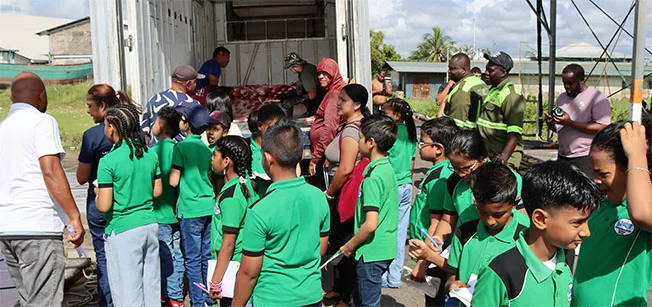
    This public education message was delivered to students from Sharroyschool by Ranjit Soekhradj, a representative from the Fisheries Directorate of Suriname’s Ministry of Agriculture, Livestock and Fisheries (LVV). On Friday, the group of schoolchildren visited the Central Fishermen’s Harbors of Suriname (Cevihas) as part of the International Day commemoration. Staff from both LVV and Cevihas collaborated closely to host the students, leading guided tours of the facility and walking young attendees through the far-reaching consequences of unregulated fishing.

    During the educational excursion, students gained hands-on insight into multiple facets of Suriname’s fishing industry. They received detailed explanations of daily operations at the fishing harbor, vessel maintenance protocols, post-catch fish processing procedures, and the significant role the sector plays in driving Suriname’s national economy. Beyond classroom-style explanations, the students got an up-close look at large commercial fishing vessels, learned how fresh catches are unloaded and stored, had the opportunity to ask industry experts pressing questions about fisheries management, and toured the local Small Scale Fisheries Center to learn about small-scale artisanal fishing operations.

    For Larissa Kodjama, a teacher at Sharroyschool, the off-site excursion was an invaluable complement to standard geography lessons taught in the classroom. After the tour, students were assigned to compile their observations and takeaways into formal written reports and class presentations. Kodjama emphasized that hands-on, practical learning helps students absorb and retain information far more effectively than learning exclusively from textbooks.

    Through this youth-focused activity, LVV and Cevihas have marked the International Day Against Illegal Fishing in a meaningful, long-term oriented way. By investing in youth awareness and education, the organizations have drawn national attention to the urgency of sustainable fishing practices and the ongoing work needed to protect and preserve Suriname’s valuable wild fish stocks for current and future communities.

  • Area folk rejoice over heritage sites for cricket legends Sobers, Worrell homes

    Area folk rejoice over heritage sites for cricket legends Sobers, Worrell homes

    For decades, the quiet residential neighborhoods of Bay Land and Bank Hall in St Michael, Barbados, have held a special place in the island nation’s sporting and cultural history: they are the childhood stomping grounds of two of cricket’s most iconic figures, national heroes Sir Garfield “Gary” Sobers and Sir Frank Worrell. On Friday, longtime local residents reacted with overwhelming joy and pride to a formal government announcement that will turn these unassuming historic properties into permanent, state-protected heritage landmarks, honoring two men who put Barbadian cricket on the global map.

    The groundbreaking initiative was first unveiled last Saturday by Minister of Pan-African Affairs and Heritage Trevor Prescod, during the official launch of Heritage Month at the Cricket Legends Museum. Prescod used the occasion to outline the government’s new approach to preserving national history, emphasizing that this project moves far beyond fleeting, temporary tributes to safeguard irreplaceable pieces of Barbadian cultural identity. The state-led preservation effort will kick off first in Bay Land, centered on the childhood home of Sobers – a living national hero universally hailed as the greatest all-rounder in the history of international cricket.

    In his remarks, Prescod stressed that the state has a responsibility to act proactively to honor national heroes while they are still alive to experience the nation’s gratitude. “We can’t have a national hero like Gary Sobers still very much alive… and the state not contributing to having that home that he grew up in symbolically as a representation of his greatness,” Prescod told attendees. “We want to change that… trust me, we’re gonna make sure we do that.”

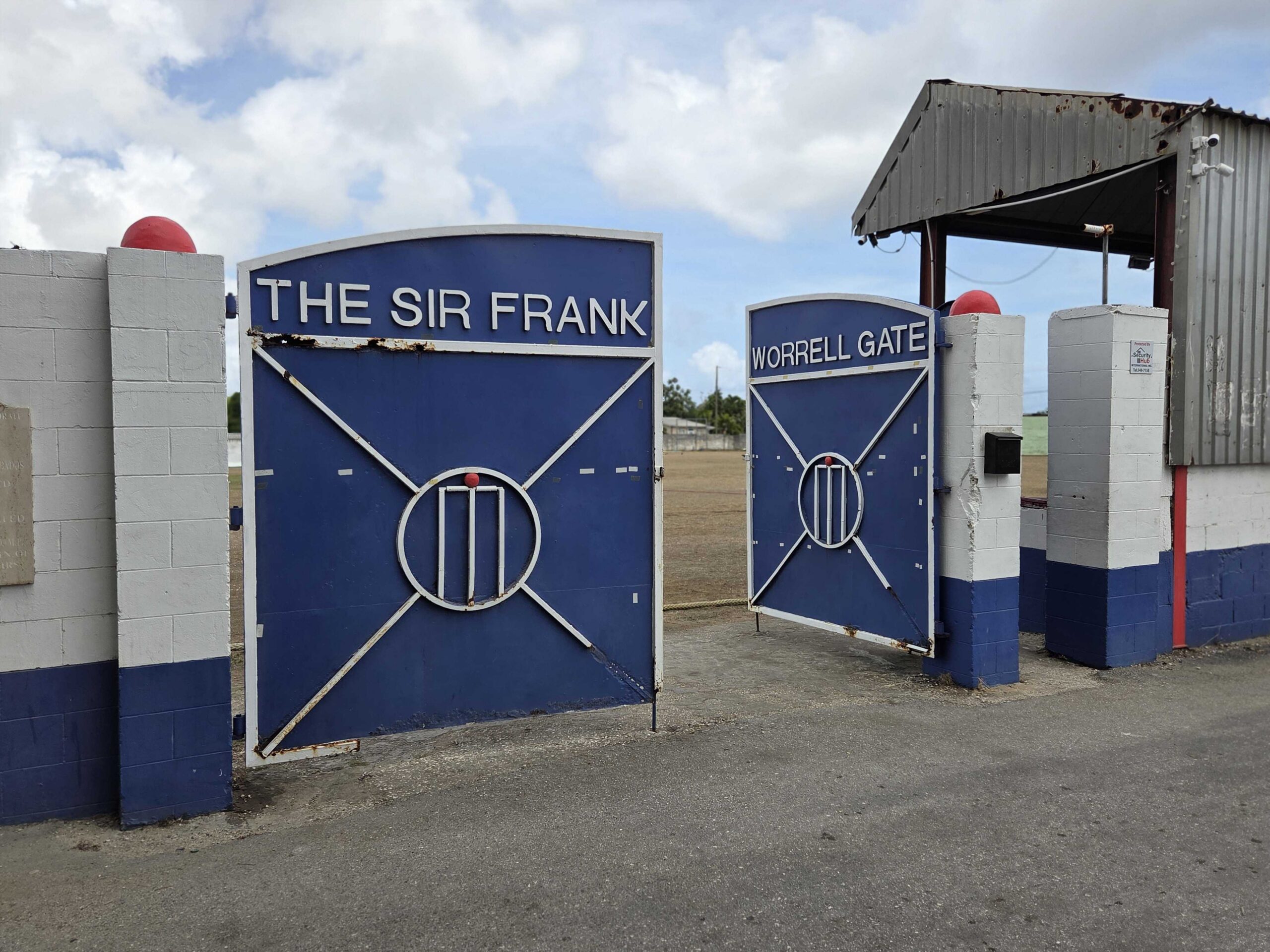
    From Bay Land, the project will expand to the eastern edge of the Empire Cricket Club ground, where the former family home of Sir Frank Worrell stands. Worrell made history as the first Black man to serve as full-time captain of the West Indies cricket team, cementing his legacy as a trailblazer both in sport and in breaking racial barriers in international athletics. To deliver a restoration that honors both properties’ history and structural integrity, the Ministry will partner closely with the Barbados National Trust, ensuring the landmarks are protected for future generations of Barbadians and cricket fans worldwide.

    For locals who have grown up alongside these historic sites and shared neighborhoods with the legends before they rose to global fame, the government’s plan is a long-overdue recognition of the community’s deep connection to Sobers and Worrell. Eudine Miller, who lived next door to Sobers as a child, said she could not be happier with the designation, arguing the honor should have been granted decades ago. “They should have done this ever since,” Miller said, reflecting on her childhood memories of the young cricket prodigy. “Fun, loving, loving family, yeah, kind. That’s how I remember him: playing cricket, a lot of cricket. He was a friendly guy.” Miller added that she hopes the heritage designation will pave the way for local authorities to rename the street where Sobers grew up in his honor, a change many local residents have long supported.

    Michael Welch, a lifelong resident of Walcott Avenue, framed the initiative as more than just a preservation project – he called it a critical investment in inspiring Barbados’ next generation. By making Sobers’ childhood home a public landmark, Welch argued, young people will have a tangible, accessible example of how talent and hard work from a small Barbadian neighborhood can change global sport. “I feel that’s a good movement, that’s a good movement because he is a big builder for a lot of people to follow him in cricket and stuff,” Welch explained. “Not only cricket, but sports. It gives the youngsters something to do instead of just being on the block and stuff like that. It was using him with encouragement. A lot of people love him; he was a well-loved person.”

    The plan to preserve Worrell’s former home has also earned strong support from the property’s current caretaker, even as formal planning details remain in early stages. For years, the home – which once had an official commemorative plaque that has since fallen off – has been an unassuming draw for cricket tourism from across the globe. Even locals who do not follow cricket closely acknowledge the undeniable impact of Worrell’s legacy. “I ain’t really a cricket fan, but the contribution—he deserves it. So that’s as far as I could go with that,” local resident Gregory said of the late legend.

    Rodney Bushell, a member of the Belle family who currently maintains the property and has historical ties to the Worrell estate, moved into the home after it sat vacant for years following renovations ahead of the 2007 Cricket World Cup. Bushell noted that formal discussions with the Barbados Cricket Association and housing authorities have moved slowly, but he welcomes the prospect of protecting the site for future generations. While he clarified that all formal decisions about the property’s future must be approved by his cousin, who manages the Worrell estate, Bushell said he is fully open to opening the home to cricket fans to experience its unique history.

  • Een verdiende herwaardering van Ramsewak Shankar

    Een verdiende herwaardering van Ramsewak Shankar

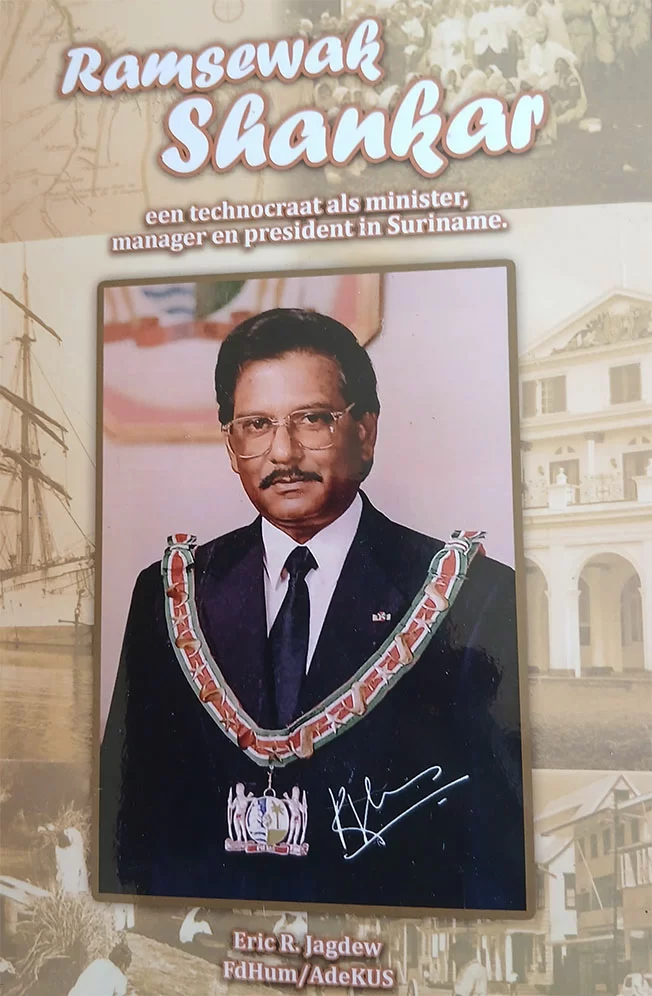
    A recently published biography of Ramsewak Shankar, Suriname’s former president, has emerged as a landmark contribution to the documentation of Suriname’s modern national history, written by historian Eric Jagdew. Titled *Ramsewak Shankar: een technocraat als minister, manager en president in Suriname* (Ramsewak Shankar: A Technocrat as Minister, Manager and President in Suriname) and carrying the International Standard Book Number 978-99914-2-032-5, the work does far more than chronicle the public and private life of one of Suriname’s most underrecognized leaders. It also contextualizes Shankar’s policy decisions and leadership within the tangled political and social upheaval that defined 1980s and early 1990s Suriname.

    Reviewer Asha Remesan notes that Jagdew has crafted a nuanced, balanced portrait of a leader widely remembered for his unwavering integrity, humble demeanor, and deep sense of public duty. What makes this biography particularly vital, Remesan argues, is its focus on a historical period and a head of state that have long received insufficient acknowledgment in official and popular Surinamese national history. Shankar assumed office at an exceptionally fragile moment for Suriname’s young democracy, stepping in to steer a nation still recovering from years of crippling political instability. Unlike many leaders motivated by personal ambition or the pursuit of public fame, Shankar’s tenure was rooted in a profound sense of accountability to the Surinamese people and the future of his country.

    Jagdew avoids the common biographical pitfall of framing his subject as an infallible icon. Instead, he presents Shankar as a fallible, ordinary person forced to make high-stakes choices under extraordinarily difficult circumstances – a choice that only adds to the book’s credibility, according to the review. Drawing on years of extensive original research, the text offers readers rare, valuable insight into the root causes and context of many defining events in modern Surinamese history.

    Perhaps the biography’s greatest strength, Remesan observes, is its depiction of Shankar’s enduring humility despite holding the nation’s highest office. In an era where political leaders are often judged on their public image and self-promotion, Shankar’s life story serves as a timely reminder that solid governance, integrity, and selfless public service remain irreplaceable leadership qualities.

    This publication deserves a wide readership, Remesan concludes. It stands both as a fitting tribute to Ramsewak Shankar’s legacy and a testament to Eric Jagdew’s meticulous work to preserve a critical, long-overlooked chapter of Suriname’s national history. Ultimately, it is a valuable and much-needed volume that advances a more balanced, fair assessment of both Shankar the man and his enduring impact on Suriname.

  • No Parking Ordered on Section of High Street as Performing Arts Centre Construction Continues

    No Parking Ordered on Section of High Street as Performing Arts Centre Construction Continues

    As the development of the long-awaited new Performing Arts Centre enters a critical, more labor-intensive construction phase, local authorities have rolled out an immediate permanent parking ban along a designated stretch of High Street. The regulation, which took effect as soon as it was announced, covers the portion of High Street stretching between Cross Street and Temple Street, according to Maurice Merchant, Director General of Communications.

    Merchant made the announcement public during the post-Cabinet media briefing held this past Friday, outlining the core rationale behind the new restriction. The primary goal of the parking prohibition is to streamline access for heavy construction vehicles deployed for the project and cut down on chronic traffic bottlenecks that have slowed work progress in the recent weeks. He explained that construction teams have repeatedly faced logistical challenges when navigating large trucks and oversized equipment through the corridor, as parked passenger vehicles have often narrowed the usable roadway to an unsafe, impractical width.

    The zone affected by the ban encompasses the entire perimeter of the Performing Arts Centre construction site and extends close to a cluster of local retail and service businesses. Merchant noted that cement mixers, heavy haulers and other large work trucks enter and exit the site on an almost constant basis to keep the build on schedule. This high volume of heavy traffic creates an urgent need to keep the entire stretch of roadway clear of parked vehicles at all times.

    The new parking rule was finalized after coordinated discussions between project leaders and the local Traffic Department, timed to align with the ramping up of construction activity on the facility. Government officials have issued a public advisory urging all motorists who plan to visit the area for work, shopping or personal business to plan ahead and secure alternative parking arrangements off the affected stretch of High Street.

    Currently, the Performing Arts Centre stands as one of the government’s highest-profile major infrastructure projects underway in St. John’s, expected to deliver a new state-of-the-art venue for cultural and artistic events once completed.

  • Antigua and Barbuda to Expand Preschool Access With Two New Centres

    Antigua and Barbuda to Expand Preschool Access With Two New Centres

    The government of Antigua and Barbuda is moving forward with a broad push to expand accessible preschool services across the twin-island nation, with a plan to develop two brand-new early childhood education centres at key locations. Details of the initiative were shared publicly following Friday’s weekly post-Cabinet media briefing, where officials outlined that Education Minister Daryll Matthew had presented the proposal to the Cabinet prior to its approval. The two new facilities are earmarked for the Judges Hill/New Winthorpes region and the Jennings community, respectively, filling gaps in local access to early learning opportunities. Alongside greenlighting the new construction projects, Cabinet also approved a move to bring the Sir Luther Winter Preschool under full government operation. Established more than five decades ago by the late Dame Idris Bird, the institution has been a cornerstone of local early childhood education for generations, and the transition is expected to secure its long-term stability and service to the community. Government spokespeople emphasized that the addition of the two new centres will reinforce the nation’s existing early childhood education network, creating more supportive, safe learning spaces for children during their critical developmental years. Collectively, these initiatives are framed as a reflection of the current administration’s sustained commitment to investing in education at all levels, with a particular focus on expanding equitable access to high-quality preschool services for families across every part of Antigua and Barbuda. At the time of the briefing, officials did not release a concrete timeline for the construction of the new centres or their expected opening dates, leaving communities to await further updates on the rollout of the expansion plan.

  • LETTER: Where is the Antigua Girls’ High School Graduation Money Going?

    LETTER: Where is the Antigua Girls’ High School Graduation Money Going?

    In a public letter that has sparked community discussion, an concerned stakeholder has put forward pressing questions about the fate of allocated graduation funds earmarked for Antigua Girls’ High School’s upcoming commencement ceremony.

    The correspondence, which began circulating among parents, alumni, and local education circles in recent days, highlights a lack of public transparency around how the money collected and budgeted for this annual milestone event is being managed. No official breakdown of expenses — from venue rental and ceremonial materials to student refreshments and commemorative items — has been released to the school community ahead of this year’s graduation, prompting growing uncertainty and calls for accountability.

    Graduation ceremonies hold deep cultural and personal significance for the students of Antigua Girls’ High School, marking the culmination of years of hard work for graduating cohorts and their families. Many community members note that the funds in question are often raised through a combination of student contributions, school budget allocations, and small community donations, meaning the money is ultimately intended to serve the graduating class directly.

    As of the publication of this letter, school administrators have not yet issued an official response addressing the questions raised about the fund tracking, expenditure reporting, or current status of the graduation budget. The letter’s sender has reiterated that their goal is not to cast blame, but to push for clearer financial oversight that aligns with public expectations for educational institutions that manage community and student funds. Local parents and alumni organizations are now awaiting a formal statement from the school’s leadership to clarify the situation.

  • APUA Fuel Charge Rises to 80 Cents per kWh in June

    APUA Fuel Charge Rises to 80 Cents per kWh in June

    Residential and commercial electricity customers across Antigua will face higher monthly bills starting in June, following a recent rate adjustment announced by the Antigua Public Utilities Authority (APUA). The region’s top public utility regulator has lifted the fuel variation charge from 70 cents to 80 cents per kilowatt-hour, marking a 10-cent uptick from the rate applied in May.

    Official data published by APUA outlines the recent trajectory of this variable charge: for both March and April, the rate held steady at 55 cents per kilowatt-hour, before the first 15-cent increase in May that preceded this latest adjustment. Unlike fixed components of electricity pricing, the fuel variation charge is a pass-through cost that fluctuates in line with shifting global market conditions, APUA explained. This specific rate directly tracks the international market price of the fuel used to power Antigua’s electricity generation facilities, so any global volatility in fuel costs is reflected in adjusted monthly rates.

    To help customers mitigate the impact of higher rates on their monthly budgets, the authority has issued a public call for increased energy consciousness. APUA is encouraging all users to closely track their household and workplace energy consumption, and adopt consistent energy-efficient habits to bring down overall usage and keep monthly bills more manageable.

    As a core line item included in every customer’s electricity statement, the fuel variation charge is structured to pass changes in power generation fuel costs directly to end users, rather than being absorbed by the utility. This pricing model ensures that the actual cost of producing power is aligned with what customers pay, adjusting automatically as global energy markets shift.

  • Francis Hadeed Says Uncle’s Legacy Will Live On Through Family and Business

    Francis Hadeed Says Uncle’s Legacy Will Live On Through Family and Business

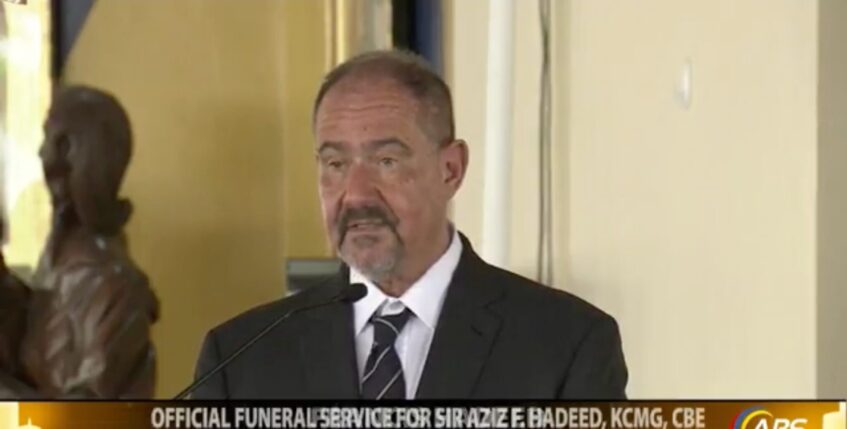
    On the day of Sir Aziz Hadeed’s official funeral, family and community gathered at Holy Family Cathedral to lay to rest one of Antigua and Barbuda’s most respected figures, who passed away on May 23. Speaking on behalf of the entire Hadeed family, Francis Hadeed delivered a moving tribute that painted a portrait of the late leader far beyond his well-documented business successes.

    For Francis and his brother Andrew, Sir Aziz was never just an uncle. Decades of working side-by-side alongside him turned him into a father figure, a lifelong mentor, a trusted guide, and a close personal friend. The lessons he imparted during those years remain rooted in the Hadeed family’s values, and will continue to shape generations to come.

    One of Sir Aziz’s core business principles, Francis recalled, was that every customer deserves equal care and respect, no matter their social background or economic standing. He also believed firmly that any family member joining the business must earn their position through hard work, rather than expecting preferential treatment simply because of their last name. “When Andrew and I joined the business, we did not get any special privileges,” Francis shared. “We both started on the showroom floor learning the business from the ground up.”

    Beyond boardrooms and showroom floors, Sir Aziz leaves a legacy of quiet generosity. Francis noted that throughout his lifetime, his uncle supported hundreds of individuals and families across the country, never seeking public recognition or praise for his good deeds. The overwhelming wave of public sympathy and support that has poured in since his death, Francis argued, is a testament to the deep respect and admiration Sir Aziz earned across every corner of Antigua and Barbuda.

    Reflecting on his decades-long personal relationship with his uncle, Francis called Sir Aziz one of the greatest men he has ever had the honor of knowing. He credited Sir Aziz’s mentorship, steady guidance, and loyal friendship for shaping both his personal life and professional career into what they are today.

    In closing his tribute, Francis pledged that the entire Hadeed family would continue to uphold the core values and principles that guided Sir Aziz through his entire life. “We will carry forward the lessons you taught us, uphold the standards you set and ensure future generations understand and appreciate the foundation you worked so hard to build,” he said. Following the funeral service at the cathedral, Sir Aziz was laid to rest, with family members affirming that his legacy will live on through the businesses he built, the institutions he supported, and the countless lives he touched over his lifetime.

  • Sir Rodney Williams Hails Sir Aziz Hadeed as Patriot, Business Leader and Trusted Friend

    Sir Rodney Williams Hails Sir Aziz Hadeed as Patriot, Business Leader and Trusted Friend

    On a solemn Saturday in Antigua and Barbuda, the nation gathered at Holy Family Cathedral to bid farewell to one of its most revered citizens, Sir Aziz Hadeed, with Governor General Sir Rodney Williams delivering a moving eulogy that celebrated the late icon’s extraordinary life, far-reaching impact, and enduring legacy.

    Sir Rodney opened the service by acknowledging the collective grief of attendees, while calling for gratitude for the decades of contribution Sir Aziz gave to his adopted homeland. The Governor General, who shared a decades-long close personal bond with Sir Aziz, called him not just a leading public figure, but a brother and trusted friend, noting that rarely more than three days passed without the pair connecting by phone. “His advice was always practical, his judgment was sound and his humor was refreshing,” Sir Rodney shared of their long relationship.

    Born in Syria, Sir Aziz moved to Antigua and Barbuda as a child alongside his family, and went on to build one of the Caribbean nation’s most successful commercial business groups. Sir Rodney emphasized that the core values of relentless hard work, unwavering perseverance, and radical loyalty were the foundation of every success Sir Aziz achieved throughout his lifetime and career.

    Beyond his achievements in the private sector, Sir Aziz compiled an extraordinary record of public service to Antigua and Barbuda. He served the nation as a senator, a minister of state, and Antigua and Barbuda’s ambassador to Bahrain. He also made indelible marks on national education as the inaugural chairman of the University of the West Indies Five Islands Campus Council, laying the groundwork for expanded access to world-class higher education for Antiguan and Barbudan students.

    One of Sir Aziz’s most consequential contributions to the national economy came through behind-the-scenes negotiations that ultimately secured full forgiveness for roughly EC$500 million in sovereign debt Antigua and Barbuda owed to Italy. Sir Rodney highlighted that this single achievement reshaped the country’s economic trajectory, noting that few private citizens have ever delivered such a direct, measurable benefit to the nation’s long-term financial health.

    Despite his numerous high-impact accomplishments, Sir Rodney emphasized that Sir Aziz never sought public acclaim for his work. For the late icon, public service was a fundamental duty to his country, not a chance to earn personal praise or recognition. He was also deeply devoted to his family, serving as a loving father figure to many of his nieces and nephews and a consistent, reliable support system for everyone in his inner circle.

    Sir Aziz passed away on May 23 in Chicago, just months after he received one of the highest honors of his career: he was knighted by Prince William at Windsor Castle in October 2025, recognizing his decades of service to business, education, philanthropy, and national development in Antigua and Barbuda.

    In closing his eulogy, Sir Rodney reflected that Antigua and Barbuda was saying goodbye to “one of its most distinguished sons,” whose legacy would live on long after his passing. That legacy, he noted, endures in the strong public and private institutions Sir Aziz helped build, the countless emerging leaders he mentored over decades, and every life he touched through his generosity and service. Following additional tributes from family members, senior government officials, and close personal friends, the official funeral service concluded, and Sir Aziz was laid to rest at St. John’s Cemetery.