博客

  • President Díaz-Canel reaffirms Cuba’s commitment to the promotion and protection of human rights

    President Díaz-Canel reaffirms Cuba’s commitment to the promotion and protection of human rights

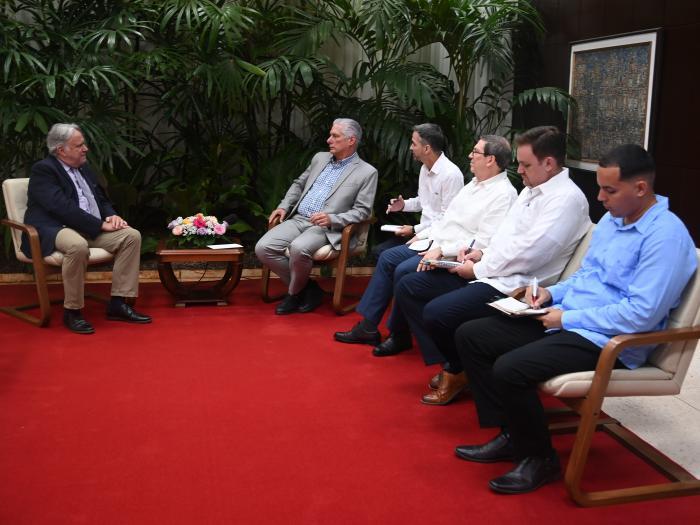
    On Wednesday, July 23, 2026, Miguel Díaz-Canel Bermúdez, First Secretary of the Central Committee of the Communist Party of Cuba and President of the Republic of Cuba, welcomed United Nations Human Rights Council Independent Expert George Katrougalos for a high-level meeting at Havana’s Palace of the Revolution. Katrougalos, who is in Cuba for an academic working visit, was joined at the talks by Cuban Foreign Minister and Political Bureau member Bruno Rodríguez Parrilla.

    Opening the discussion, Díaz-Canel expressed gratitude for Katrougalos’ visit at what he described as a uniquely challenging global moment, and reflected on their productive exchange at the International Conference for the Balance of the World held in January 2025. The Cuban leader reaffirmed his nation’s unwavering commitment to advancing and protecting human rights, emphasizing that Cuba will maintain open collaboration with all relevant United Nations mechanisms on the issue.

    Díaz-Canel used the meeting to outline the devastating, long-standing harm Cuba has endured from the United States’ more than 60-year economic, financial, commercial, and recently expanded energy blockade against the island. He stressed that the most damaging dimension of the policy is its unprecedented longevity, calling it “the longest-lasting blockade in the history of humanity” imposed by the world’s most powerful nation. Despite the ongoing pressure, Díaz-Canel made clear that Cuba’s position is not one of surrender: instead, the country remains committed to resisting adversity and advancing development through the dedication, effort, and ingenuity of its own people.

    In response, Katrougalos thanked Cuban authorities for the warm welcome and cooperation that has made his academic visit a productive success. He turned discussion to the growing threats facing multilateralism and the United Nations system in the current global context, marked by widespread violations of foundational international law. The independent expert highlighted multiple formal pronouncements within the Human Rights Council that have condemned the illegality of both the U.S. blockade and energy embargo against Cuba, noting that the international community is increasingly recognizing the severe harm these policies inflict on the everyday lives of the Cuban people. He also acknowledged Cuba’s long-standing tradition of open cooperation with United Nations human rights frameworks.

    Beyond his meeting with the Cuban president, Katrougalos’ schedule has included a series of engagements across academic, civil society, and diplomatic sectors. He delivered a keynote address at an academic conference on the future of the international order, co-hosted by the Union of Jurists of Cuba, the University of Havana, and the university’s Faculty of International Relations. He also held in-depth discussions with Ministry of Foreign Affairs officials, ICAP President Fernando González Llort, representatives of Cuban civil society, and United Nations delegation members based in Havana.

    As part of his tour of Cuban institutions advancing social welfare and global public good, Katrougalos visited two landmark facilities: the Latin American School of Medicine, which has trained more than 31,000 medical professionals from 122 countries around the world, many from low-income and marginalized communities, and the Quisicuaba Assisted Living Center, which offers housing, care, and social reintegration support for vulnerable Cubans.

    In an official statement released following the meeting, Cuba’s Ministry of Foreign Affairs emphasized that Katrougalos’ visit underscores Cuba’s consistent commitment to cooperation with the United Nations’ universal, non-discriminatory human rights mechanisms, aligned with the country’s long-standing support for respectful multilateral dialogue and a more equitable global order.


  • Inflatie in jaartijd 10,5%; vooral groente, fruit en vlees werden duurder

    Inflatie in jaartijd 10,5%; vooral groente, fruit en vlees werden duurder

    New preliminary inflation data released by Suriname’s General Bureau of Statistics (ABS) has confirmed that consumer prices continued their upward trend in June, pushing the country’s 12-month average inflation rate to 10.5%. Month-over-month, overall inflation hit 1.2% in June, with food products emerging as the single largest driver of rising living costs across the nation.

    Fresh produce recorded the most dramatic price surge among all food categories. Between May and June, the price of fruits and vegetables jumped 7.8%, and compared to June 2025, these staple goods are now 32.5% more expensive for consumers.

    Meat and meat products also saw significant price growth, with a 4.9% month-over-month increase and a 16.6% year-over-year rise. Bread and cereal products followed close behind, posting a 4.7% monthly price hike and a 6.5% annual increase. Additional price increases were recorded across other food and beverage segments: other food and non-alcoholic drinks rose 1.6% month-over-month, out-of-home beverages increased 1.2%, and out-of-home meals went up 0.5% in June.

    Sugar and sugar products stood as the only food category that became cheaper in June. Prices fell 0.7% compared to May, and are also slightly lower than they were one year prior.

    Across the 12 main categories that make up the consumer price index, food and non-alcoholic beverages recorded the strongest overall price growth. This was followed by alcoholic beverages and tobacco, household goods, and out-of-home dining. Two categories, healthcare and transportation, remained largely price-stable through June.

    ABS officials noted that the headline 10.5% annual inflation rate is an average calculated across a basket of 316 different goods and services, and substantial variation exists across individual products. Price changes for specific items ranged from a 39% decrease to a 600% increase compared to previous periods. It should also be noted that ABS does not conduct consumer price measurements in the inland districts of Marowijne, Brokopondo and Sipaliwini, where consumer prices are known to be many times higher than measured averages in other regions.

  • Rotaract Club of St. Kitts Signals Bold Return with Cockleshell Bay Clean-up

    Rotaract Club of St. Kitts Signals Bold Return with Cockleshell Bay Clean-up

    BASSETERRE, ST. KITTS – July 22, 2026 – After a period of reorganization, the Rotaract Club of St. Kitts has officially kicked off the 2026-27 Rotary service year with a bold new chapter, launching its tenure with a community-focused environmental initiative: a comprehensive clean-up of Cockleshell Bay held on Saturday, July 18.

    Dozens of club members and local volunteers turned out for the event, spending hours traversing the bay’s shoreline and adjacent coastal areas to clear away improperly discarded trash and debris. By the end of the day, the team had collected a total of 17 full bags of waste, dominated by single-use plastics, paper products, and other non-biodegradable materials that pose severe risks to marine ecosystems and coastal biodiversity.

    Beyond the immediate tangible improvement to the bay’s landscape, the clean-up initiative served a larger purpose: it drew public attention to the persistent, growing challenge of coastal pollution across St. Kitts, while underscoring the critical role that ordinary individuals and local community groups play in safeguarding the island nation’s iconic natural environments. For the newly relaunched Rotaract Club of St. Kitts, this opening action aligns directly with both its core mission of grassroots community service and one of Rotary International’s key global priority areas: environmental stewardship.

    Club leaders emphasized that hands-on initiatives like coastal clean-ups are designed to do more than just remove existing waste; they aim to shift public behavior and build broader environmental awareness across the island. “When we see the volume and variety of trash we pulled from just one stretch of beach, it’s clear that environmental protection cannot fall solely to government agencies,” a club spokesperson noted in remarks following the event. “Every single person has a responsibility to dispose of waste properly and commit to caring for our beaches and coastal spaces that draw visitors and sustain local life.”

    The club is calling on both St. Kitts residents and the thousands of tourists who visit the island’s world-famous beaches annually to be more intentional about preserving coastal cleanliness, and to consider the far-reaching damage that littering and improper waste disposal cause to native wildlife, marine habitats, and local community well-being. “Our beaches, coastlines, and marine resources are among the most valuable assets we have as a nation,” the spokesperson added. “Protecting them cannot be achieved with one single clean-up event. It requires a full mindset shift around who owns our natural spaces and who is responsible for protecting them.”

    The organization also highlighted that healthy coastal environments are deeply tied to St. Kitts’ economic health, which relies heavily on nature-driven tourism and sustainable fishing. For that reason, the club has committed to hosting regular quarterly beach clean-ups across the island throughout the 2026-27 service year. To expand the scale and impact of its environmental programming, the Rotaract Club of St. Kitts is actively seeking partnerships with other local community groups, primary and secondary schools, non-governmental environmental organizations, and private sector businesses that share its commitment to protecting St. Kitts’ natural heritage.

  • SSB richt commissie op voor ontwikkeling regionale voedselveiligheidsnormen

    SSB richt commissie op voor ontwikkeling regionale voedselveiligheidsnormen

    In a key step to strengthen regional food safety coordination and boost domestic public health protection, Suriname’s Surinaams Standaarden Bureau (SSB) has formally installed a new National Mirror Committee for Food Safety, tasked with representing the South American country in Caribbean regional food safety standard-setting processes. The newly formed body will take on the core responsibility of drafting Suriname’s national positions ahead of negotiations for new regional food safety frameworks under the Caribbean Community (CARICOM).

    The creation of the committee marks a strategic shift for Suriname, moving the nation toward more active participation in shaping regional rules that govern safe food production and processing. Per the SSB, the updated regional standards that the committee will help develop are designed to deliver three core public and economic benefits: enhanced public health safeguards across the food supply, higher overall quality of food products available to consumers, and more streamlined, robust trade across the Caribbean region.

    During the official installation ceremony, acting SSB director Tanwir Hassankhan emphasized that inclusive cross-sector collaboration is non-negotiable to develop standards that enjoy broad buy‑in across Suriname. He noted that only through unified national input from all relevant stakeholders can Suriname claim a strong, influential voice in regional decision-making processes that will shape the country’s food sector for years to come.

    In its initial work plan, the committee will prioritize developing national positions for two upcoming CARICOM food safety standards: a set of overarching food safety and hygiene regulations, and a region-wide mandate to implement the Hazard Analysis and Critical Control Point (HACCP) system for hazard management across the entire food supply chain. These standards are being developed under the oversight of the CARICOM Regional Organisation for Standards and Quality, and once approved by the Council for Trade and Economic Development (COTED), they will be adopted as national standards for use across Suriname.

    The 21-member committee draws technical expertise from 16 different public and private sector organizations across Suriname, ensuring a diverse range of perspectives from regulators, industry operators, and technical specialists. In addition to selecting core governing members, the committee has named six delegates to represent Suriname on the regional technical committee that oversees the ongoing development of food safety standards. Claude Vinisie of Stichting Samaria Tour was elected committee chair, Jaleesa Tomoredjo of the Stichting Viskeuringsinstituut will serve as deputy chair, and Videsha Munusami will act as Technical Secretary for the body, representing the SSB in all administrative and technical functions.

    Per the SSB’s official mandate, the ultimate goals of the new committee are to build a safer, more transparent national food supply chain and solidify the competitive position of Surinamese food producers and exporters in the fast-integrating Caribbean regional market.

  • BRH : Analysis of the macroeconomic and financial situation and outlook for monetary policy (video)

    BRH : Analysis of the macroeconomic and financial situation and outlook for monetary policy (video)

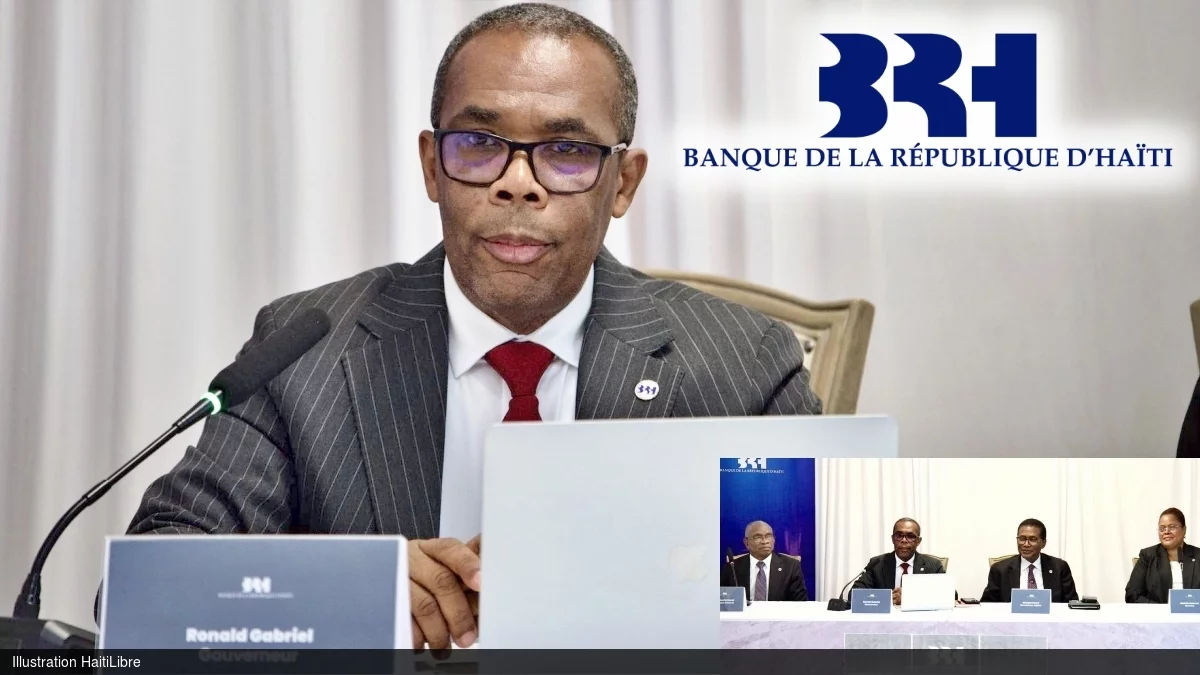
    On July 21, 2026, Ronald Gabriel, the Governor of the Bank of the Republic of Haiti (BRH), hosted a public press conference to deliver a comprehensive assessment of the country’s current macroeconomic and financial landscape, while outlining the central bank’s upcoming monetary policy direction.

    During the briefing, Gabriel outlined a series of key positive gains that the Haitian financial sector has achieved in recent years. Most notably, the country has sustained a steady disinflation trend that has eased cost pressures for households and businesses. In addition, the national exchange rate has held nearly three years of consistent stability, a rare and critical achievement for a small developing economy facing ongoing structural challenges. The central bank has also built up stronger international reserve buffers to shield against external economic shocks, while the domestic banking system has demonstrated unexpected resilience through periods of uncertainty.

    Beyond reviewing current economic conditions, the BRH governing board also walked through the central bank’s ongoing priority projects. These include a sweeping initiative to modernize Haiti’s outdated national payment system, upgrades to banking regulatory frameworks to improve oversight and risk management, and targeted structural reforms to crack down on money laundering and terrorist financing. The central bank has also prioritized expanding access to financial services for unbanked communities and boosting access to affordable capital for small and medium-sized enterprises (SMEs), which form the backbone of Haiti’s informal and formal economy.

    A key topic of discussion during the conference was the progress Haiti has made on its action plan to exit the Financial Action Task Force (FATF) grey list, a designation that has restricted the country’s access to global financial markets in recent years. The governing board noted that ongoing reforms have put the country on track to meet FATF’s requirements, though work remains to solidify those gains.

    Looking ahead, the BRH leadership emphasized that long-term economic growth and stability remain tightly tied to improvements in Haiti’s fragile security situation. Despite ongoing headwinds, Gabriel reaffirmed the central bank’s unwavering commitment to maintaining a prudent monetary policy framework, continuing to advance macroeconomic stability, and rebuilding public and investor confidence in Haiti’s domestic financial system.

  • Antigua and Barbuda backs new global AI governance framework

    Antigua and Barbuda backs new global AI governance framework

    Against a backdrop of growing global debate over how to manage the rapid advancement of artificial intelligence, the small island developing nation of Antigua and Barbuda has publicly praised the signing of a historic international accord that establishes the World Artificial Intelligence Cooperation Organization (WAICO), framing the agreement as a critical leap forward in building a more unified, inclusive framework for global AI governance.

    The landmark signing ceremony took place in Shanghai, China, alongside the 2026 World AI Conference and High-Level Meeting on Global AI Governance, a gathering that brought together senior government representatives, leading technology industry figures, and heads of major international organizations to align on strategies for cross-border collaboration on emerging AI technologies. Representing Antigua and Barbuda at the event was Andrea Jacobs, the country’s National AI Focal Point and Crown Counsel, who delivered the nation’s official stance on responsible AI development and global cooperation.

    In her address, Jacobs outlined that Antigua and Barbuda stands firmly behind WAICO’s core structure, which is anchored to the United Nations Charter and prioritizes a human-centered approach to AI innovation and regulation. For developing economies like hers, open, collaborative multilateral platforms such as WAICO are not just advantageous—they are essential, she explained, to ensure small nations can play an active role in shaping the trajectory of AI, rather than being forced to adapt to systems designed without their input.

    Jacobs shared that Antigua and Barbuda has already taken initial steps to build a foundation for responsible AI adoption at home, including completing UNESCO’s AI Readiness Assessment and launching collaborative research initiatives with the University of the West Indies. Even with these domestic efforts underway, she stressed that no single country, particularly a small developing state, can tackle the complex cross-border challenges posed by accelerating AI progress on its own. “We need meaningful international partnerships,” Jacobs stated, reaffirming Antigua and Barbuda’s backing for a UN-led global AI governance process and a multilateral, science-driven regulatory framework.

    The nation also expressed support for the preliminary report released by the UN Independent International Scientific Panel on AI, noting that the panel’s evidence-based analysis gives member states a solid foundation to build effective national AI safeguards while contributing to the development of globally accepted standards.

    Jacobs issued a stark warning about the risks of a fragmented global AI ecosystem: without a cohesive global governance system, smaller, more vulnerable nations face major threats including digital exclusion, systemic algorithmic bias, and unregulated access to AI technologies that they lack the institutional and technical capacity to manage safely. For small island developing states, she emphasized, effective AI governance is far more than a procedural bureaucratic task—it is a critical economic and strategic priority that shapes long-term national resilience.

    AI carries transformative potential for Caribbean nations like Antigua and Barbuda, Jacobs explained, noting the technology can boost disaster preparedness, streamline public administration, expand equitable access to healthcare, and strengthen climate resilience—all priorities for a region on the front lines of climate change and rising sea levels. But these transformative benefits will remain out of reach for most developing countries if the global AI landscape continues to be divided along unequal lines, she cautioned.

    The 2026 Shanghai conference marked a key milestone in global talks, uniting diverse stakeholders to chart a shared path forward for AI governance that accommodates the needs and priorities of all nations, from the largest economies to the smallest developing states.

  • Troubling Images Put BDF Field Conditions in the Spotlight

    Troubling Images Put BDF Field Conditions in the Spotlight

    In the summer of 2026, newly circulated photos have thrown Belize’s national military force, the Belize Defense Force (BDF), into the center of a growing public debate over the allocation of national defense funding. At a moment when policymakers and the public alike are increasingly scrutinizing the millions of dollars allocated annually to national defense spending, the viral images highlight a stark, troubling gap between official government expenditure and the day-to-day realities of frontline service members.

    The photos, which have not been independently verified by BDF leadership, document a series of inadequate living and working conditions for lower-ranking BDF personnel. Observers can clearly see living quarters with severely damaged roofs that offer little protection from the elements, overcrowded sleeping spaces that force troops to share cramped, unsanitary accommodations, heavily worn and deteriorated combat boots that have not been replaced despite being unusable, and low-quality meal rations that multiple service members have described as nutritionally inadequate for active duty.

    These images have transformed an abstract policy debate about defense budget transparency into a public discussion with clear human stakes. Critics of current defense spending management have pointed to the conditions captured in the photos to back up longstanding claims that allocated funds are not reaching the service members who need support most. The revelations deepen broader questions about fiscal accountability and resource prioritization within the country’s Ministry of Defense.

    In line with standard journalistic practice, the local media outlet News Five reached out to BDF Commander Brigadier General Anthony Velasquez to request an official comment on the circulating images and the reported conditions. As of the publication of this breaking report, the commander has not issued any response to address the allegations. The public continues to await clarification from defense leadership on how the service will address the reported conditions and answer lingering questions about defense budget allocation.

  • Why Are Foreigners Filling Posts Qualified Belizeans Want?

    Why Are Foreigners Filling Posts Qualified Belizeans Want?

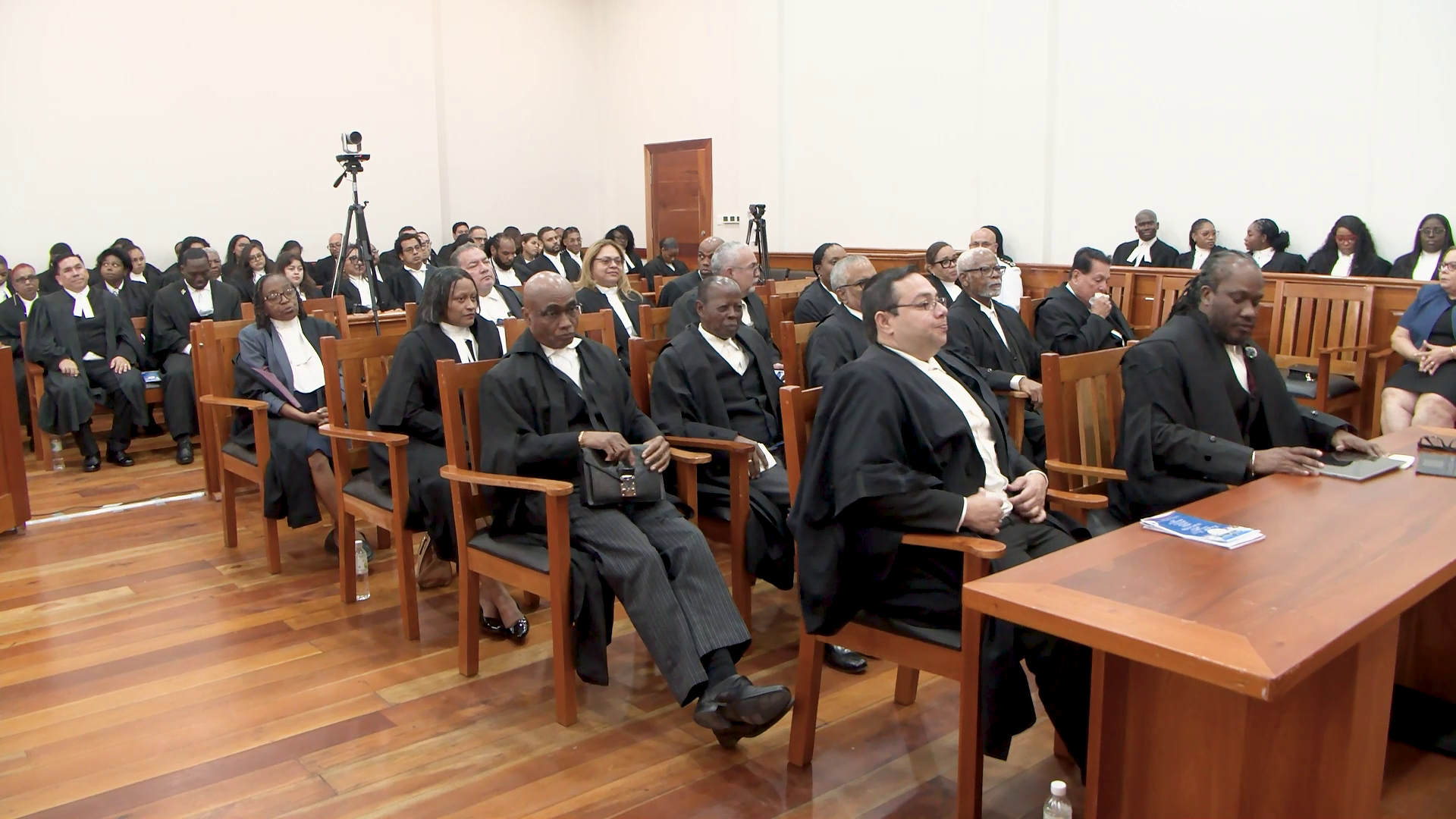
    A heated debate over judicial hiring practices in Belize has reignited after the country’s Association of Defense Attorneys publicly questioned why a string of recent judicial appointments have gone to foreign recruits while qualified, experienced local candidates are being passed over.

    The controversy centers on multiple open magistrate posts across the country, from Toledo District and Belmopan to Independence, San Ignacio, northern Belize, and Belize City. Association president Richard “Dickie” Bradley confirmed that all of these recently filled positions went to foreign applicants, despite the fact that dozens of eligible Belizean lawyers formally applied for the roles.

    Bradley pushed back against common arguments that local legal professionals lack the experience or qualifications to serve on the bench, noting that many domestic candidates are just as — if not more — experienced and credentialed than the foreign judges already appointed to senior judicial roles across the country. He pointed out that many Belizean lawyers attended the same legal institutions as the foreign judges currently sitting on the country’s highest courts, undermining claims that local candidates are unfit for service.

    Beyond questions of fair hiring, Bradley emphasized the unique role of the judiciary as one of the three core branches of Belizean government. He argued that foreign appointees may lack inherent familiarity with the country’s long-standing legal traditions, cultural norms, and local context that shape how justice is administered on the ground. Echoing a widely recognized ideological framing, Bradley noted that no individual operating within a national judicial system is fully disconnected from the cultural and social landscape around them — a factor that makes local experience an unreplaceable asset for judicial service.

    Importantly, the Association is not challenging the professional performance or inherent qualifications of the foreign magistrates already appointed. Instead, the organization’s core demand centers on increasing transparency around the national judicial hiring process, calling for clear, publicly defensible criteria that prioritizes qualified Belizean candidates for open domestic posts. As the conversation unfolds, pressure is building on the Belizean government to address concerns about equitable access to judicial roles for local legal professionals.

  • FLASH : The US Senate rejects the Democrat Bill to extend TPS

    FLASH : The US Senate rejects the Democrat Bill to extend TPS

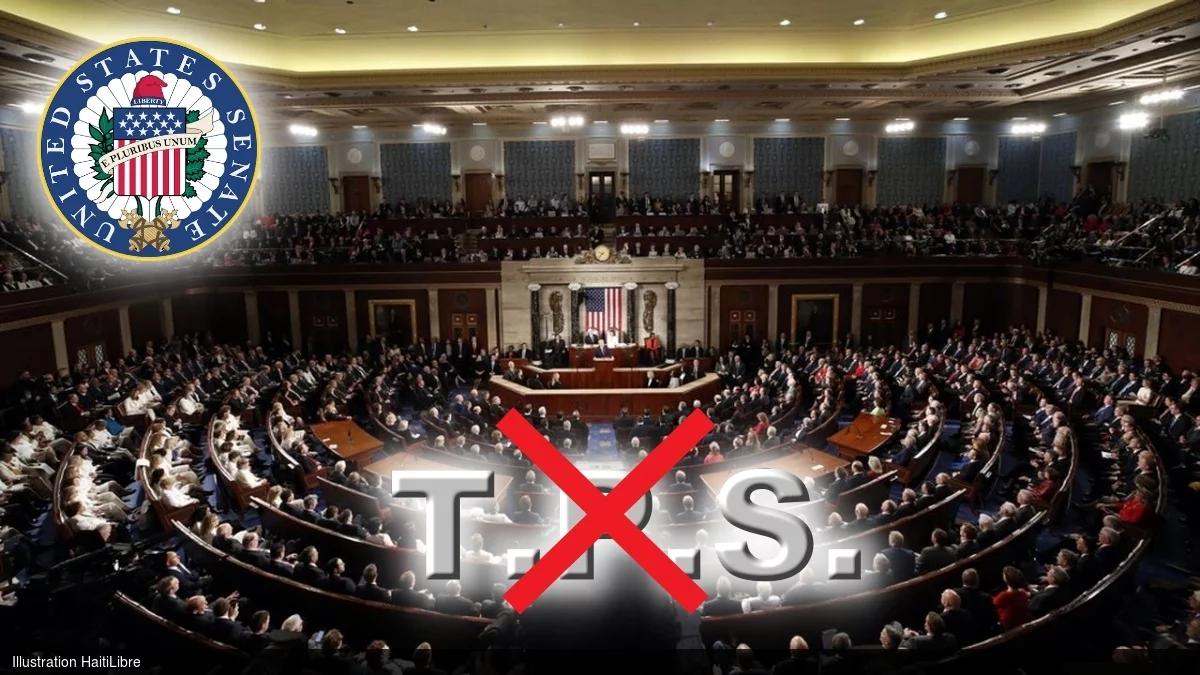
    In a high-stakes vote that has upended the fate of more than 300,000 Haitian residents in the United States, Senate Republicans blocked a bipartisan Democratic-backed bill on July 22, 2026, that would have extended Temporary Protected Status (TPS) for Haitian beneficiaries for an additional three years.

    The legislation, which had already cleared the U.S. House of Representatives earlier this year through a bipartisan process, was brought to the Senate floor by Democratic Senators Ed Markey of Massachusetts and Lisa Blunt Rochester, who requested unanimous consent to advance the bill. The attempt failed after Missouri’s radical right Republican Senator Eric Schmitt placed a block on the measure, just two days before TPS protections for current Haitian enrollees were set to expire on July 24, 2026.

    Schmitt defended his opposition in hardline remarks, arguing that the U.S. cannot function as an open-ended refugee camp and that what he framed as unauthorized residency requires immediate enforcement to remove individuals who have overstayed their permission to live in the country. This rejection marks a major setback for immigrant advocacy groups, which had pushed for the extension as Haiti continues to grapple with widespread political instability, gang violence, and natural disasters that make safe return impossible for most of the TPS holders.

    The bill’s path to the Senate followed a bipartisan vote in the House of Representatives back in April 2026, when House Democrats joined with a handful of House Republicans to advance the same extension proposal. That bipartisan momentum failed to translate to Senate approval, however, as partisan divisions over immigration policy derailed the legislation.

    Hours after the Senate’s rejection, the Federal Court of Appeals based in Washington stepped in to grant a temporary reprieve for the Haitian TPS holders facing imminent loss of their protections and work authorization. The court’s ruling ordered that all existing TPS protections for Haitian beneficiaries cannot be revoked before July 27, 2026, extending the status just long enough to align with the scheduled expiration of current work permits.

    The legal intervention offers only a short-term reprieve, leaving long-term uncertainty for the more than 300,000 Haitian residents who have relied on TPS to live and work legally in the U.S. for years. The outcome also adds to a years-long legal and political battle over TPS, which stretches back to a 2020 Supreme Court ruling that allowed the former Trump administration to move forward with revoking the protected status for Haitian enrollees.

  • Alex Noralez Stays Remains in Prison After Failed Stay Application

    Alex Noralez Stays Remains in Prison After Failed Stay Application

    A San Pedro educator convicted of sexual assault against underage students earlier this year will continue serving his prison sentence after a Belize court rejected his request to pause his sentence during the appeal process.

    Forty-seven-year-old Alex Jason Noralez, a resident of Barracuda Street in Boca del Rio, was handed an 18-month prison term in January following a guilty verdict on two out of three sexual offense charges brought against him. He was acquitted on the third count, and the judge ordered his two 18-month sentences to run concurrently, resulting in a total 18-month term of incarceration. Noralez has consistently maintained his innocence throughout the legal process, denying all allegations of wrongdoing.

    To secure release on bail while his appeal moved forward, Noralez filed an application for a stay of execution with the court as part of his initial appeal proceedings. That first request was denied on February 27, 2026, leaving Noralez in custody at Belize Central Prison where he has remained since his conviction.

    The appeal was scheduled for a hearing before Justice Candace Nanton on July 22, 2026, but the proceeding could not move forward as planned. Attorney Leeroy Banner appeared for Noralez, substituting for his original counsel Richard “Dickie” Bradley. Following the adjournment, the court set new deadlines for both legal teams to submit required court documents. Noralez’s legal team must file his formal grounds of appeal no later than August 14, 2026, and the respondent’s legal team has until August 28, 2026, to file their reply. The next hearing in the appeal has been rescheduled for September 25, 2026. Until that hearing, Noralez will remain in remand at Belize Central Prison.