博客

  • Caribbean AI Forum opens with focus on cegional Cooperation and responsible AI development

    Caribbean AI Forum opens with focus on cegional Cooperation and responsible AI development

    On July 23, 2026, the first-ever Caribbean Artificial Intelligence Forum (CAIF 2026) kicked off in Trinidad and Tobago, launched in a collaborative effort by the Caribbean Telecommunications Union (CTU), The University of the West Indies (UWI) St. Augustine Campus and the campus’ Artificial Intelligence Innovation Centre (AIIC). Drawing hundreds of cross-sector stakeholders from across the region and around the world—including senior diplomats, government policymakers, academic leaders, tech innovators, development agency representatives, youth delegates and private sector leaders—the two-day gathering convenes under the central theme “AI for Caribbean Transformation: Governance, Innovation and Resilience for a Shared Digital Future.”

    Regional leaders have framed the forum as a defining milestone in the Caribbean’s ongoing digital transition, creating a dedicated space for coordinated dialogue, cross-stakeholder partnership and actionable planning to shape the responsible growth of artificial intelligence across the bloc. A flagship highlight of the inaugural event is the official launch of the long-awaited Caribbean AI Task Force Report, a landmark document packed with evidence-based recommendations designed to guide uniform regional AI policy framing and on-the-ground implementation across Caribbean small island developing states. Beyond the report launch, the forum’s agenda covers a broad spectrum of pressing AI-related topics, from regulatory governance and cybersecurity frameworks to data sovereignty, workforce upskilling, ethical AI development, climate resilience applications and inclusive economic growth.

    In opening remarks to delegates, Jaya Ramoutar, Executive Portfolio Manager in Trinidad and Tobago’s Ministry of Public Administration and Artificial Intelligence, spoke on behalf of CTU President and Trinidad and Tobago’s Minister of Public Administration and Artificial Intelligence Senator Dominic Smith. Ramoutar emphasized that regional cooperation has always been the cornerstone of collective progress for Caribbean nations, a principle that must extend to AI strategy. “The Caribbean has never succeeded by acting alone. Our greatest advances have always been achieved through regional cooperation,” Ramoutar noted. “Across generations, Caribbean nations have advanced through collaboration, shared institutions, common advocacy, and a deep understanding that small states can exercise meaningful influence when we coordinate our efforts. That same spirit must now guide our approach to AI and digital transformation.”

    Nigel Cassimire, CTU Deputy Secretary-General and Head of Regional Policy Development, expanded on this vision, noting that a structured, regionally aligned approach is critical to ensuring AI advances Caribbean national priorities. “AI must be harnessed to reduce our vulnerabilities and amplify our strengths. That requires a forum that sets the pace and the structure for action: standards that fit our scale, governance that protects our citizens, capacity development pathways that keep talent in the region, and financing models that help make pilot projects sustainable and scalable,” Cassimire explained.

    Professor Rose-Marie Belle Antoine, Campus Principal of UWI St. Augustine, highlighted the institution’s decades-long legacy of AI leadership in the region, a history that predates the current global AI boom. Long before AI became a mainstream global policy topic, the campus’ Faculty of Engineering hosted the Caribbean’s first ever AI conference back in 1989, laying the groundwork for the innovation and research ecosystem that exists today. “As a regional university, we have always been committed to advancing knowledge in service of society,” Professor Antoine said. “Long before the global surge in interest in AI, the Faculty of Engineering hosted the Caribbean’s first AI conference in 1989, establishing a foundation for innovation and scholarship that continues to this day.”

    Dr. Craig Ramlal, who serves both as Executive Director of UWI’s AIIC and Chair of the CTU Caribbean AI Task Force, stressed that the Caribbean cannot afford to be left behind in the global AI revolution, even as individual Caribbean states have small domestic markets. “The Caribbean cannot afford to remain on the sidelines of the AI revolution. Our markets may be small individually, but together we have the scale to develop harmonised AI policies, strengthen regional innovation, protect our data sovereignty and build an AI ecosystem that reflects Caribbean priorities,” Dr. Ramlal said. “The work of the Caribbean AI Task Force demonstrates that regional cooperation is not simply desirable—it is essential if the Caribbean is to compete and thrive in the global digital economy.”

    Over the course of the two-day forum, delegates will dive into targeted discussions on a range of priority topics, including AI governance frameworks tailored to small states, national AI strategy development, intellectual property rules for AI innovation, cybersecurity for AI systems, ethical AI guidelines, increasing gender diversity in AI fields, AI literacy for the general public, workforce development, AI applications for climate resilience, and AI-driven economic transformation. Organizers say the end goal of CAIF 2026 is to produce concrete, actionable recommendations that will boost cross-regional policy coordination, spur homegrown innovation, strengthen regional AI capacity, and position the Caribbean as a global leader in responsible, inclusive artificial intelligence development that centers the needs of small island developing states.
  • Region joins forces to prepare agriculture sector for possible El Niño impacts

    Region joins forces to prepare agriculture sector for possible El Niño impacts

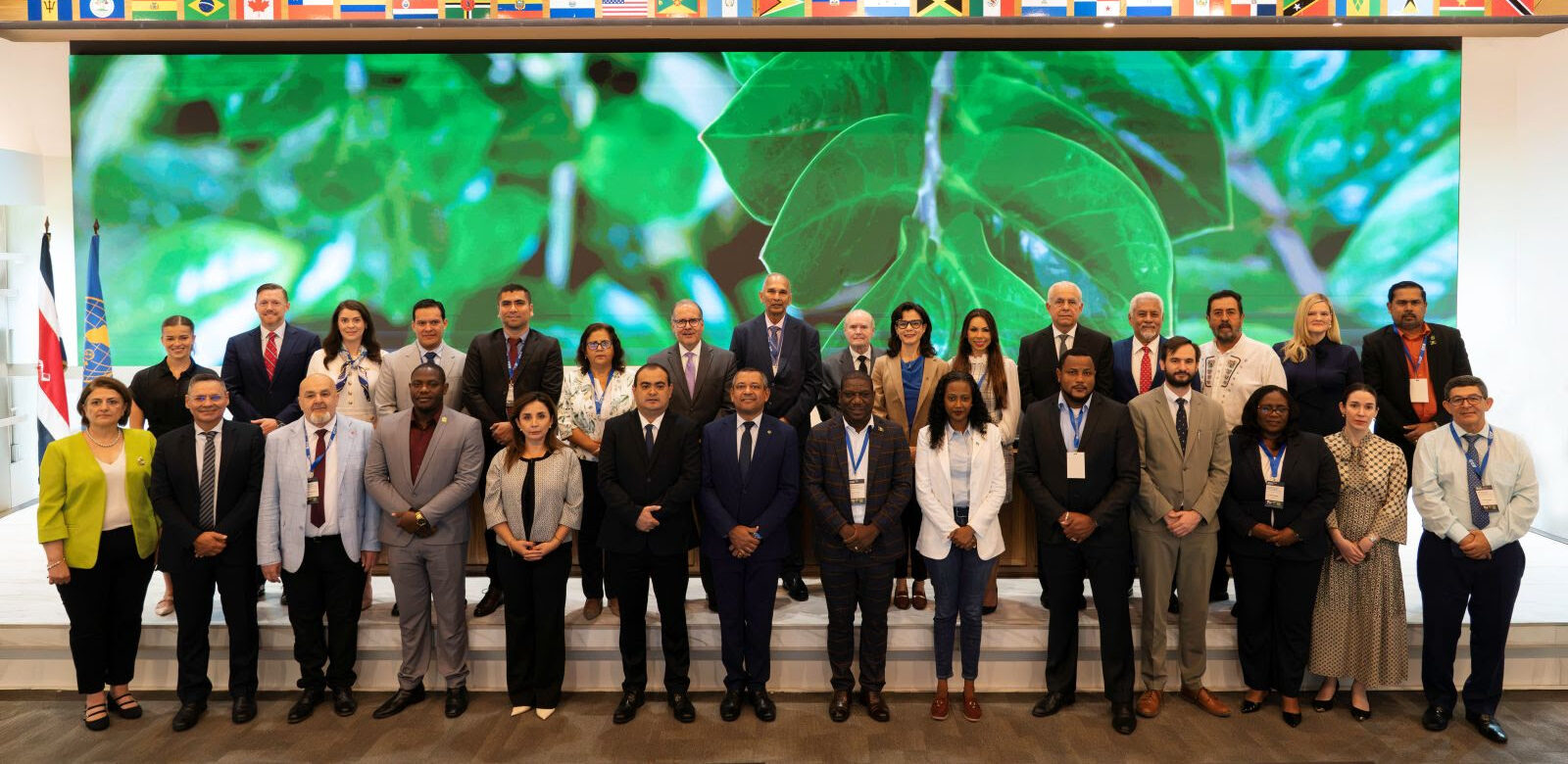
    As the El Niño climate phenomenon looms over the Americas, agricultural leaders from across the hemisphere have gathered in San José to launch a coordinated regional preparedness initiative, aimed at shielding the continent’s agriculture and food systems from potential climate disruptions.

    The gathering, held at the Inter-American Institute for Cooperation on Agriculture (IICA) Executive Committee meeting, brought together cabinet ministers, deputy ministers and senior agricultural officials from across the region. Attendees used the forum to exchange on-the-ground lessons from past climate events, outline each nation’s unique preparedness priorities, and map out collaborative pathways to reinforce the agricultural sector’s ability to withstand climate shocks.

    While individual nations will retain ownership of their domestic preparedness and response frameworks, IICA has committed to delivering tailored support aligned with each country’s specific needs. A formal resolution adopted at the meeting tasks the institute with coordinating cross-national efforts: this includes updating collective action plans, scaling up the spread of proven successful strategies, expanding public access to real-time risk data and available resource inventories, and fostering South-South cooperation between regional partners.

    The resolution also opens the door for broader global collaboration, inviting international development organizations, multilateral financial institutions, development cooperation agencies, private sector actors and academic research institutions to contribute both technical expertise and critical financial backing to the initiative.

    Curt Delice, IICA’s Director of Operations and Regional Integration, emphasized that proactive, early action is the single most critical factor in reducing El Niño’s damage to the agricultural sector. “The response to El Niño must precede the emergency,” Delice explained. “We need to turn climate alerts and scientific data into concrete policy decisions, targeted investments and on-the-ground actions that protect farm output, producer incomes and rural livelihoods. Timely intervention cuts down on both losses and overall response costs. To scale this work effectively, we have to integrate cutting-edge science, innovative technologies, modern risk management frameworks, social protection systems and sustainable financing. No single country can tackle this challenge alone. We need a shared strategic roadmap, expanded cross-sector alliances, and sufficient resourcing to meet this threat head-on.”

    IICA reports that its national field offices have already begun engaging with local agricultural stakeholders to map priority needs and identify gaps that require additional external support. To date, almost 30 percent of member states have formally submitted specific technical cooperation requests tied directly to El Niño preparedness, and institute projections indicate that roughly 80 percent of all member countries will submit additional needs over the coming six months.

    Cross-national collaboration will center on three core priority areas: upgrading regional risk monitoring and early warning systems to provide more timely and accurate alerts, supporting on-farm adaptation measures and post-event recovery planning, and strengthening water management infrastructure and strategy through investments in efficient irrigation systems and comprehensive water security planning.

    IICA has stressed that El Niño’s impacts will not be uniform across the region, with different geographic zones facing distinct climate hazards. For example, countries in the eastern Caribbean are projected to face prolonged higher-than-average temperatures, erratic rainfall patterns and severe water shortages, while other parts of the hemisphere may confront extreme rainfall events, widespread flooding and dangerous landslides.

    Hugo Chavarría, Manager of IICA’s Innovation and Bioeconomy Program, noted that the detailed needs assessment data collected from individual member states will allow the institute to develop far more targeted, context-appropriate solutions to protect agricultural production, rural incomes and vulnerable farming communities across the region.

    Despite the challenge ahead, IICA highlighted that the region already has a strong existing foundation of climate resilience work to build on. A recent regional inventory identified 88 ongoing initiatives focused on climate resilience, climate risk management and agricultural adaptation, 25 of which are already directly aligned with El Niño preparedness and response efforts.

  • Prison Changes Water Use After Contamination Findings

    Prison Changes Water Use After Contamination Findings

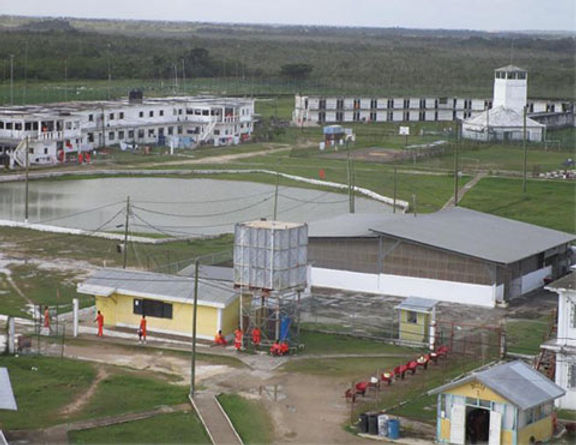
    A 2025 inspection conducted by Belize’s Ministry of Health and Wellness has uncovered dangerous water mismanagement at the Kolbe Foundation Central Prison, where well water contaminated with fecal bacteria and excess chemicals was being used for food preparation and inmate bathing, prompting immediate facility-wide changes once the findings were delivered. The inspection, carried out in mid-September 2025, tested three separate water sources across the prison compound, with only one supply meeting national safety standards: water distributed by the national utility Belize Water Services (BWS).

    Routine testing of the prison’s independent well water confirmed the presence of fecal coliform bacteria, a definitive marker of fecal contamination that poses serious gastrointestinal and infectious disease risks. Beyond bacterial contamination, lab analysis also showed multiple chemical parameters exceeded the World Health Organization and Belizean public health acceptable limits, ruling out the water for both drinking and food preparation entirely. Even for its originally intended use – non-consumption hygienic activities including toilet flushing, bathing and general washing – the Ministry could not approve the well water, noting elevated chemical concentrations could trigger persistent skin irritation and long-term dermatological issues with regular exposure.

    Prior to the inspection, prison administration had allowed well water to be used beyond its designated non-contact hygienic role: Ivan Bodden, a prison spokesperson, confirmed that well water was being used to pre-wash raw vegetables and meat before cooking, putting inmates and staff at direct risk of ingesting contaminants. The Ministry’s final recommendations were clear: all drinking, cooking, and personal care use for inmates, employees, and the on-site prison hospital must switch exclusively to the tested, safe BWS supply.

    Francis Woods, Acting Chief Executive Officer of the prison, confirmed that facility leadership implemented every one of the Ministry’s recommendations immediately upon receiving the official inspection report. To accommodate the shift in water sourcing, the prison increased allocated BWS water to five gallons per person daily, covering drinking, laundry, and bathing needs for the entire prison population.

    Though the inspection was completed in September 2025, the findings have only just been made public, reigniting longstanding public debate over the adequacy of living conditions for Belize’s prison population and the state’s responsibility to guarantee access to safe, clean water for all incarcerated people. The timing of the disclosure, coming on the heels of the recent dismissal of the prison’s chief executive officer, has drawn increased public scrutiny of the facility, though official investigations have not found any connection between the contaminated water discovery and the leadership change.

    The Ministry’s report confirms the contamination was identified, formal public health guidance was issued, and the prison has reported full compliance with corrective actions. Moving forward, whether the facility maintains consistent safe water practices to protect the health of inmates and staff will remain a high-priority issue for public oversight in Belize.

  • Oil Prices Top $100 as Middle East Conflict Escalates

    Oil Prices Top $100 as Middle East Conflict Escalates

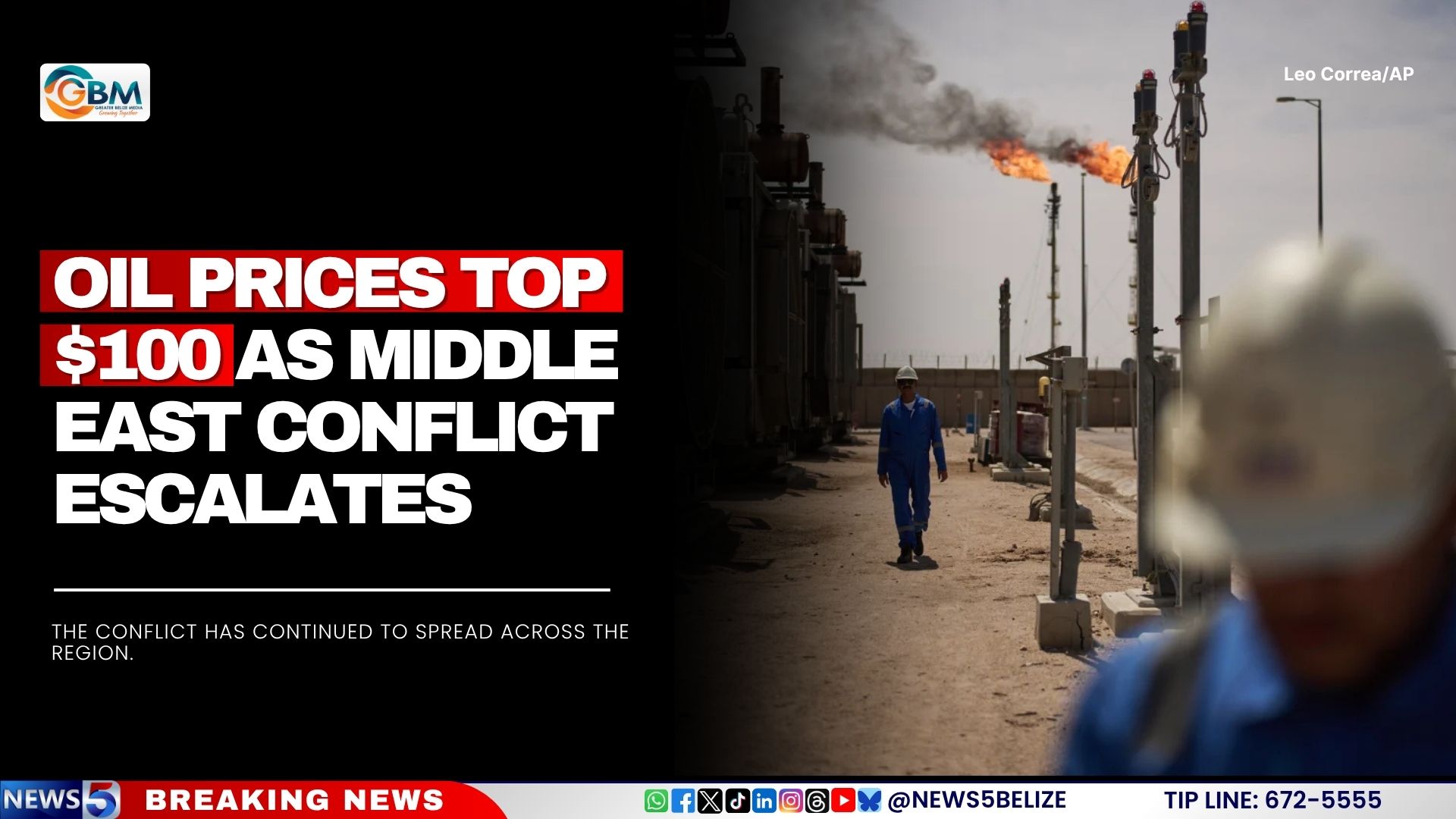
    On July 23, 2026, a sharp escalation of hostilities across the Middle East has driven international oil prices to cross the $100 per barrel threshold for the first time in two months, sending shockwaves through global energy and financial markets.

    The latest surge in pricing was triggered by a targeted attack on Saudi oil tankers transiting the Red Sea carried out by Yemen’s Houthi rebels. The assault put one of the world’s most critical crude export chokepoints at risk, raising widespread alarm over potential disruptions to the steady flow of global oil shipments through the Red Sea and adjacent strategic maritime corridors that carry roughly 10 percent of the world’s traded oil daily.

    Tensions have continued to mount across the region, with conflict spreading beyond traditional flashpoints. Reports emerged of Iranian drone strikes targeting sites in Kuwait, while Jordan also confirmed it had come under offensive attack. Along the shared border between Iraq and Iran, Iranian state media confirmed that two people were killed in recent U.S. airstrikes. Amid the expanding violence, former U.S. President Donald Trump issued a stark statement ruling out any imminent ceasefire with Iran, noting that Tehran would “need more of the same” after multiple consecutive days of American airstrikes targeting Iranian-aligned assets in the region.

    The widening geopolitical instability has sent global commodity and financial markets into a state of turmoil. Brent crude, the global benchmark for oil pricing, closed the trading session at $100.69 per barrel, marking a roughly 7 percent single-day jump. Meanwhile, the United States’ domestic benchmark, West Texas Intermediate, settled at $92.19 per barrel.

    For American consumers, the run-up in oil prices has already pushed the national average price for regular gasoline above the $4 per gallon mark. The sudden spike in fuel costs has also reignited global concerns that sustained higher energy prices will filter through to broader consumer pricing, putting upward pressure on inflation worldwide and complicating monetary policy efforts for central banks already grappling with post-pandemic price stability.

  • Skerrit says August budget will focus on cost of living, tax reform and economic challenges

    Skerrit says August budget will focus on cost of living, tax reform and economic challenges

    As the Caribbean nation of Dominica prepares for its annual budget presentation scheduled for August 4, Prime Minister Roosevelt Skerrit has publicly committed that addressing the rising cost of living will be the centerpiece of the 2026-2027 national budget, delivered against a backdrop of widespread global economic instability.

    In pre-budget remarks to the public, Skerrit stressed that the current cost pressures facing Dominican households are not unique to the small island nation. He traced the root of inflationary pressures to a series of uncontrollable external shocks rippling through the global economy, from heightened geopolitical tensions across the globe to the ongoing conflict in the Middle East. These disruptions have strained global supply chains, driving up freight costs and insurance premiums for international shipping lines — increases that are ultimately passed directly to end consumers, pushing up prices for everyday goods on store shelves nationwide.

    Skerrit recalled that his administration has already worked to offset growing living costs for citizens by implementing favorable tax policies designed to leave more disposable income in workers’ paychecks and household budgets. However, he acknowledged that many of these existing relief measures have flown under the radar for most Dominican people.

    Looking ahead to the upcoming budget announcement, the prime minister teased sweeping, progressive policy changes that will deliver tangible reductions in the price of consumer goods and other daily expenses. He confirmed that the reforms will include a dramatic restructuring of Dominica’s national tax system, designed to ease financial burdens for ordinary citizens.

    Beyond cost-of-living relief, Skerrit noted that the budget address will also provide updates on ongoing public infrastructure and development projects across the country, outlining their long-term benefits for Dominica’s economic future. A key additional focus of the presentation will be a transparent, public accounting of the country’s popular Citizenship By Investment (CBI) program, which has long been a core pillar of Dominica’s economic strategy.

    The pre-budget announcement comes as governments around the world continue to grapple with persistent post-pandemic inflation and external economic disruptions that have eroded household purchasing power, making cost-of-living relief a top political and policy priority for national leaders across the globe.

  • ‘We Found Our Purpose Through Pain’: British Twins Find Healing in Belize’s Crocodiles

    ‘We Found Our Purpose Through Pain’: British Twins Find Healing in Belize’s Crocodiles

    Five years after a crocodile attack in Mexico nearly took Melissa Laurie’s life, the 33-year-old British woman and her twin sister Georgia are marking the somber anniversary in an unexpected place: the heart of Belize’s crocodile habitat, where they have spent two months working alongside conservation scientists to protect the very species that forever altered their lives.

    It was June 6, 2021, when Melissa was dragged underwater by a crocodile while swimming in Mexico’s Manialtepec Lagoon, near Puerto Escondido. In a split-second act of courage, Georgia, who was with her that day, repeatedly punched the reptile until it released her sister. Melissa developed sepsis after her wounds became infected and spent months recovering, while Georgia’s quick thinking and bravery was later recognized with a Civilian Gallantry Medal from King Charles III in December 2024, placing her among the first recipients of the honor under the new monarch.

    Rather than letting fear and trauma define their relationship with crocodiles, the sisters from Sandhurst, Berkshire, made the deliberate choice to channel their experience into action. For the fifth anniversary of the attack, they joined a two-month conservation fellowship with the Crocodile Research Coalition (CRC), a Belize-based organization dedicated to protecting crocodile populations and their coastal ecosystems.

    Under the guidance of CRC founder and lead crocodile researcher Dr. Marisa Tellez, the twins took on hands-on work ranging from community outreach to critical field research. They conducted nocturnal “eye-shine” surveys to count wild crocodile populations around Placencia Lagoon, monitored crocodile nesting sites, helped restore degraded mangrove habitats critical to the species’ survival, and assisted with research sampling: taking body measurements and collecting stool samples to test for mercury contamination, a key indicator of broader water ecosystem health.

    For Melissa, the most profound moment came on the exact five-year anniversary of the attack, when she stepped into the field to work alongside the research team. “All of a sudden, I just had this wave of emotion hit me because the scenery was so similar to that day,” she recalled. “I was thinking, five years ago, this was the worst day of my life, and now I feel the safest I have ever felt. It almost healed a part of me I didn’t know needed healing.”

    In one iconic moment that encapsulates their journey, Melissa caught a young juvenile crocodile from the side of a research boat—with Tellez holding her legs to keep her secure—and named it Mani, after the lagoon where her attack occurred. It is a far cry from the terror of that day five years ago, a symbol of how the twins have reframed their trauma.

    The sisters do not hold anger toward the crocodile that attacked Melissa. Both agree the animal was acting on instinct, protecting its nest and offspring just as Georgia protected Melissa that day. “It was protecting its babies,” Georgia explained. “Like I was protecting Mel; it was protecting his babies.”

    Their work has also opened a new platform to speak about the long-term impacts of trauma, PTSD, and the unexpected strength that can emerge from crisis. “The trauma of the crocodile attack comes into play for me raising awareness about mental health and trauma and PTSD,” Georgia said. “We’ve had some moments where it’s taken us back to that day. Yeah. But it just takes time to process.”

    She added that the experience revealed a depth of human resilience most people never discover in daily life. “With your fight or flight response, people say, like, ‘Oh, I don’t think I could do that,’ but you have this deep reservoir of strength within you that never comes out in your day-to-day nine-to-five life. It’s a very visceral reaction, like we will do anything to survive and to protect people that we love, and in that moment, love overwhelmed fear. That was the strongest thing.”

    Dr. Tellez noted that the Laurie sisters’ journey aligns with a pattern she has observed among other wild animal attack survivors, particularly shark attack survivors, who often become some of the most passionate advocates for the species that harmed them. She added that crocodiles have long been revered rather than feared across much of human history, a cultural context that is often lost in sensationalized headlines about attacks.

    As the twins prepare to wrap up their program and leave Belize on Monday, they carry with them new purpose, even despite a minor injury (Georgia broke her hand in an unrelated accident during the trip). Moving forward, they plan to continue their advocacy work, combining education about respectful coexistence with wildlife and open conversation about trauma healing. For them, the crisis that nearly broke Melissa has given their lives new meaning.

    “We found our purpose through pain, and it’s like in a way this was meant to happen because we feel like we are strong voices for crocodiles,” Melissa said.

  • Wanted Immigration Cashier Believed to Be in the U.S.

    Wanted Immigration Cashier Believed to Be in the U.S.

    In a developing case of public fund embezzlement out of Belize, law enforcement has issued a national wanted poster for Jason Flowers, a former cashier at the country’s Immigration Department. Authorities allege that Flowers stole more than $160,000 in public money before fleeing the country, with current intelligence placing him in the United States.

    The fraudulent scheme is alleged to have been carried out at the Belize City Immigration office, according to official reports. Investigators say Flowers systematically canceled a series of customer payment receipts, then pocketed the cash instead of depositing the funds into government accounts. The scam went undetected internally until a routine review uncovered discrepancies in the department’s financial records.

    Immigration Minister Kareem Musa has confirmed that the Belizean government has formally requested the Office of the Auditor General to launch a comprehensive full-scale audit of the department’s finances. The audit aims to pinpoint the exact total amount of missing public funds, as initial assessments suggest the $160,000 figure could be a partial count of the stolen money.

    Minister Musa noted that the immigration ministry’s internal preliminary investigation has already been completed. As part of that probe, the ministry’s chief finance officer submitted a formal statement to local police, which provided sufficient evidence to justify the issuance of the wanted poster for Flowers. The former cashier has already been officially terminated from his position at the Immigration Department in the wake of the allegations.

    Musa emphasized that investigators have already gathered enough evidence to file criminal charges for the portion of fraudulent canceled and reversed invoices that have been documented so far. However, government officials have opted to delay formal prosecution to wait for the full audit results, choosing to map out the complete scope of the fraud rather than proceed with partial, piecemeal charges. The Auditor General’s team is now working to trace all financial irregularities to build a complete case against Flowers before extradition proceedings are initiated with U.S. authorities.

  • Police seek public’s help to locate man wanted in connection with serious offence

    Police seek public’s help to locate man wanted in connection with serious offence

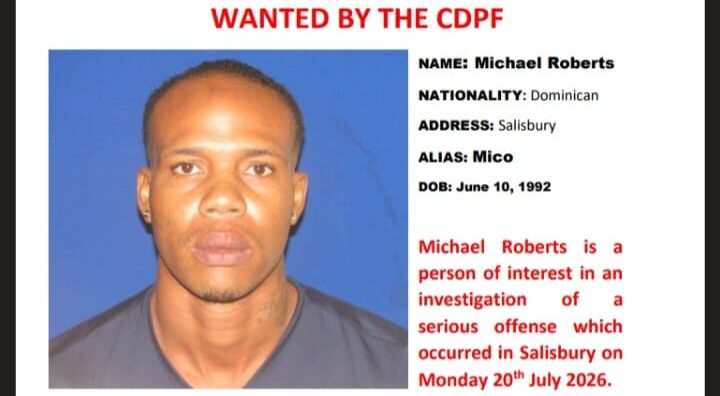
    Law enforcement authorities in the Commonwealth of Dominica have issued a public appeal for assistance in locating a man identified as Michael Roberts, who also goes by the street name “Mico”. Roberts is currently a person of interest wanted in connection with a severe criminal incident that investigators say took place in the rural village of Salisbury on July 20, 2026.

    Officials from the Commonwealth of Dominica Police Force confirmed that the investigation into the alleged offence remains active and ongoing, and that community cooperation is critical to moving the case forward. Investigators note that even small pieces of information from residents who were in the area around the time of the incident could provide key leads that help them track down the wanted individual quickly.

    For anyone with any knowledge of Roberts’ current location, or who has spotted him in recent days, police have outlined multiple clear contact pathways to share details. Tipsters can reach out immediately via the national emergency line 911, or they can contact the local Salisbury Police Station directly at the working numbers 266 4425 or 266 4660. All information provided to police will be treated confidentially, authorities added.

  • Dominica sends 74-member team to 2026 Windward Islands School Games in St. Lucia

    Dominica sends 74-member team to 2026 Windward Islands School Games in St. Lucia

    One of the Caribbean’s longest-running regional youth sporting events is set to kick off next week, and the Commonwealth of Dominica has finalized its contingent for the 2026 edition of the Windward Islands School Games, an annual competition with a documented history stretching back more than a century.

    Dominica’s Ministry of Culture, Youth, Sports and Community Development, via its dedicated Sports Division, officially confirmed the details of the delegation and the upcoming event in a recent public announcement. This year’s 104-year-old tournament will be hosted by the government and people of neighboring St. Lucia, running from July 25 through August 1, 2026. To prepare for timely arrival at the host venues, Team Dominica will split its departure schedule, with the first group leaving Dominica on July 23 and the second following the next day on July 24.

    In total, the Dominican delegation counts 74 people, with 62 spots filled by talented student-athletes. Of these competitors, 34 are young male athletes and 28 are young female athletes, who will go head-to-head against top youth talent from across the Windward Islands region. The contingent also includes 12 experienced coaches and support officials to guide the team throughout the tournament.

    The student-athletes will compete across five distinct sports, spanning seven separate competitive categories: track and field, boys’ basketball, girls’ basketball, boys’ volleyball, girls’ volleyball, open men’s football, and women’s netball. The full list of support staff includes team manager Yehudi John, technical director Don Leogal, head coaches for each sport — Nabi Wallace for athletics, David Toussaint for volleyball, Ellington Sabin for football, Yannik Regis for basketball, and Jennifer Nanton for netball — plus assistant coaches Reginald Thomas (athletics and volleyball) and Adenuar Douglas (basketball). The delegation also includes a safeguarding officer Melissa Alfred, team medic Clevon Vidal, and media officer and chaperone Judy Larocque to oversee all off-field needs.

    In its official statement, the Ministry emphasized that consistent participation in the Windward Islands School Games plays a foundational role in the long-term athletic and personal development of Dominica’s emerging young sports talent. Beyond the pursuit of medals and competitive victory, the Ministry noted that the multi-nation event creates valuable space for young athletes to build cross-border friendships with peers from neighboring island states, while fostering core life values such as self-discipline, collaborative teamwork, and strong national pride.

    For local sports fans eager to follow the team’s progress throughout the week of competition, the Ministry is encouraging members of the Dominican public to follow its official social media channels, which will post regular updates, live highlights, and full competition results during the tournament.

  • Pawiroredjo wil luxe-uitgaven bij staatsbedrijven bevriezen

    Pawiroredjo wil luxe-uitgaven bij staatsbedrijven bevriezen

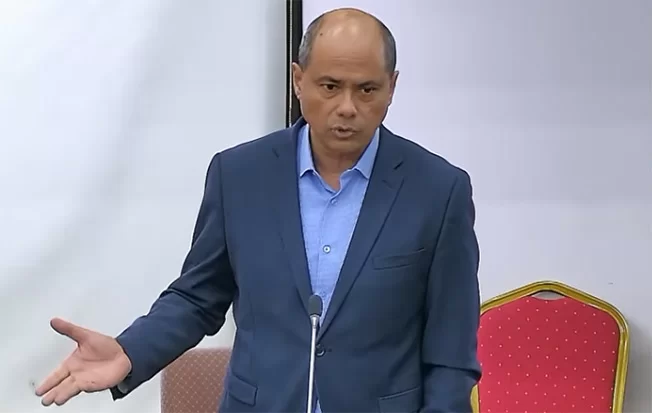
    During a plenary session of the National Assembly on July 23, the leader of the Surinamese National Party (NPS) parliamentary faction, Jerrel Pawiroredjo, delivered a urgent call to the national government, demanding an immediate temporary freeze on all special benefits and allowances allocated to executive teams and boards of commissioners at state-owned enterprises. The request comes after repeated public reports of unjustified extravagant spending within state-controlled and government-linked institutions, most notably the acquisition of luxury official vehicles priced at over $100,000 each.

    Opening his address during the routine current affairs segment at the start of the assembly meeting, Pawiroredjo emphasized that newly uncovered information confirms irresponsible, unregulated practices continue to take place across state-owned entities. He told lawmakers he has received credible intelligence indicating that multiple senior executives have moved forward with purchasing high-end vehicles without first securing required approval from their organizations’ boards of commissioners. In other state-owned firms, leadership are actively planning to acquire new luxury vehicles for top management, adding to the mounting unnecessary public expenditure, he added.

    Against this backdrop, the NPS faction leader argued that senior leadership at state-backed companies are obligated to demonstrate fiscal discipline and restraint, particularly at a time when the nation faces broader economic and social challenges. He reiterated that the temporary freeze on all executive benefits and amenities should remain in place until comprehensive oversight reforms can be implemented to curb wasteful spending of public funds.

    Pawiroredjo began his address with notes of measured praise for two separate government initiatives and actions. First, he commended the authorities’ ongoing work to address the issue of homelessness, highlighting recent reports that the national Vagrant Brigade has successfully taken nearly 60 unhoused people off the street. That said, he emphasized that policy efforts in this area should shift focus from simply removing unhoused people from public view to providing sustained social care, mental health support, and long-term reintegration guidance to help individuals rebuild stable lives.

    He also extended praise to the country’s top two elected officials — President Jennifer Simons and Vice President Gregory Rusland — for their modest approach to official travel and security. Pawiroredjo noted that the pair do not rely on large, resource-heavy motorcades for daily travel, setting a positive example of public restraint that should be replicated across all levels of government. He called on all cabinet ministers to follow the president and vice president’s lead, adopting more moderate practices when it comes to their own use of official vehicles and security convoys to reduce unnecessary public spending.