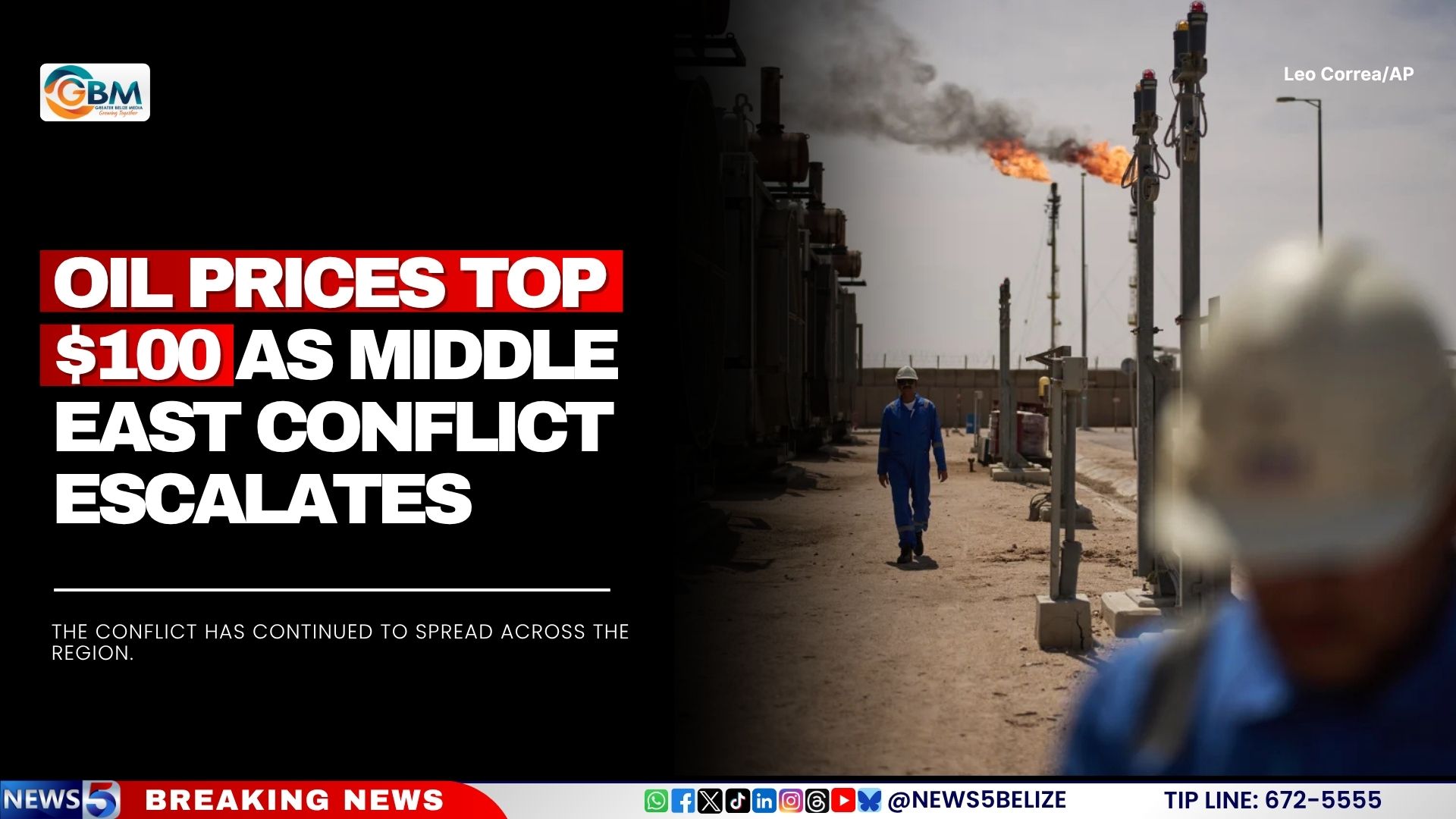
On July 23, 2026, a sharp escalation of hostilities across the Middle East has driven international oil prices to cross the $100 per barrel threshold for the first time in two months, sending shockwaves through global energy and financial markets.
The latest surge in pricing was triggered by a targeted attack on Saudi oil tankers transiting the Red Sea carried out by Yemen’s Houthi rebels. The assault put one of the world’s most critical crude export chokepoints at risk, raising widespread alarm over potential disruptions to the steady flow of global oil shipments through the Red Sea and adjacent strategic maritime corridors that carry roughly 10 percent of the world’s traded oil daily.
Tensions have continued to mount across the region, with conflict spreading beyond traditional flashpoints. Reports emerged of Iranian drone strikes targeting sites in Kuwait, while Jordan also confirmed it had come under offensive attack. Along the shared border between Iraq and Iran, Iranian state media confirmed that two people were killed in recent U.S. airstrikes. Amid the expanding violence, former U.S. President Donald Trump issued a stark statement ruling out any imminent ceasefire with Iran, noting that Tehran would “need more of the same” after multiple consecutive days of American airstrikes targeting Iranian-aligned assets in the region.
The widening geopolitical instability has sent global commodity and financial markets into a state of turmoil. Brent crude, the global benchmark for oil pricing, closed the trading session at $100.69 per barrel, marking a roughly 7 percent single-day jump. Meanwhile, the United States’ domestic benchmark, West Texas Intermediate, settled at $92.19 per barrel.
For American consumers, the run-up in oil prices has already pushed the national average price for regular gasoline above the $4 per gallon mark. The sudden spike in fuel costs has also reignited global concerns that sustained higher energy prices will filter through to broader consumer pricing, putting upward pressure on inflation worldwide and complicating monetary policy efforts for central banks already grappling with post-pandemic price stability.