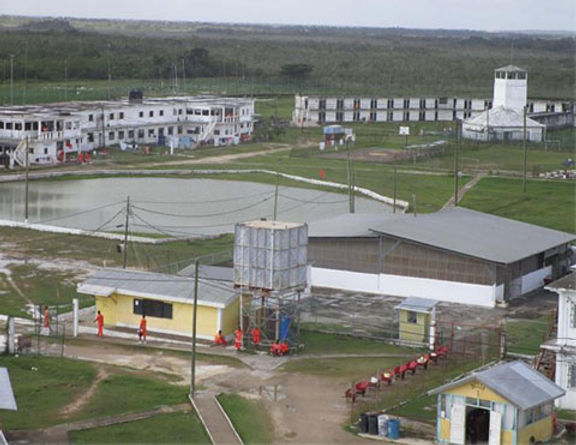
A 2025 inspection conducted by Belize’s Ministry of Health and Wellness has uncovered dangerous water mismanagement at the Kolbe Foundation Central Prison, where well water contaminated with fecal bacteria and excess chemicals was being used for food preparation and inmate bathing, prompting immediate facility-wide changes once the findings were delivered. The inspection, carried out in mid-September 2025, tested three separate water sources across the prison compound, with only one supply meeting national safety standards: water distributed by the national utility Belize Water Services (BWS).
Routine testing of the prison’s independent well water confirmed the presence of fecal coliform bacteria, a definitive marker of fecal contamination that poses serious gastrointestinal and infectious disease risks. Beyond bacterial contamination, lab analysis also showed multiple chemical parameters exceeded the World Health Organization and Belizean public health acceptable limits, ruling out the water for both drinking and food preparation entirely. Even for its originally intended use – non-consumption hygienic activities including toilet flushing, bathing and general washing – the Ministry could not approve the well water, noting elevated chemical concentrations could trigger persistent skin irritation and long-term dermatological issues with regular exposure.
Prior to the inspection, prison administration had allowed well water to be used beyond its designated non-contact hygienic role: Ivan Bodden, a prison spokesperson, confirmed that well water was being used to pre-wash raw vegetables and meat before cooking, putting inmates and staff at direct risk of ingesting contaminants. The Ministry’s final recommendations were clear: all drinking, cooking, and personal care use for inmates, employees, and the on-site prison hospital must switch exclusively to the tested, safe BWS supply.
Francis Woods, Acting Chief Executive Officer of the prison, confirmed that facility leadership implemented every one of the Ministry’s recommendations immediately upon receiving the official inspection report. To accommodate the shift in water sourcing, the prison increased allocated BWS water to five gallons per person daily, covering drinking, laundry, and bathing needs for the entire prison population.
Though the inspection was completed in September 2025, the findings have only just been made public, reigniting longstanding public debate over the adequacy of living conditions for Belize’s prison population and the state’s responsibility to guarantee access to safe, clean water for all incarcerated people. The timing of the disclosure, coming on the heels of the recent dismissal of the prison’s chief executive officer, has drawn increased public scrutiny of the facility, though official investigations have not found any connection between the contaminated water discovery and the leadership change.
The Ministry’s report confirms the contamination was identified, formal public health guidance was issued, and the prison has reported full compliance with corrective actions. Moving forward, whether the facility maintains consistent safe water practices to protect the health of inmates and staff will remain a high-priority issue for public oversight in Belize.