Barbados is moving forward with ambitious regulatory reforms to protect and strengthen its reputation as a trusted global financial and international business hub, launching a large-scale training initiative to prepare the domestic financial sector for sweeping new beneficial ownership regulations.
Hosted by the country’s International Business Unit (IBU) this Thursday, the specialized workshop drew more than 200 industry representatives from 112 licensed corporate and trust service providers (CTSPs), bringing together key players across the island’s regulatory ecosystem: the Financial Intelligence Unit (FIU), national anti-corruption agencies, and local law enforcement all participated in the collaborative capacity-building event.
The overarching goal of the training push is to prepare local industry stakeholders for the full implementation of new beneficial ownership legislation and the launch of the country’s first private central beneficial ownership register. The registry system is specifically designed to identify and document the natural persons who exercise ultimate ownership and control over companies registered in Barbados, cutting through opaque legal structures to reveal the decision-makers behind business entities.
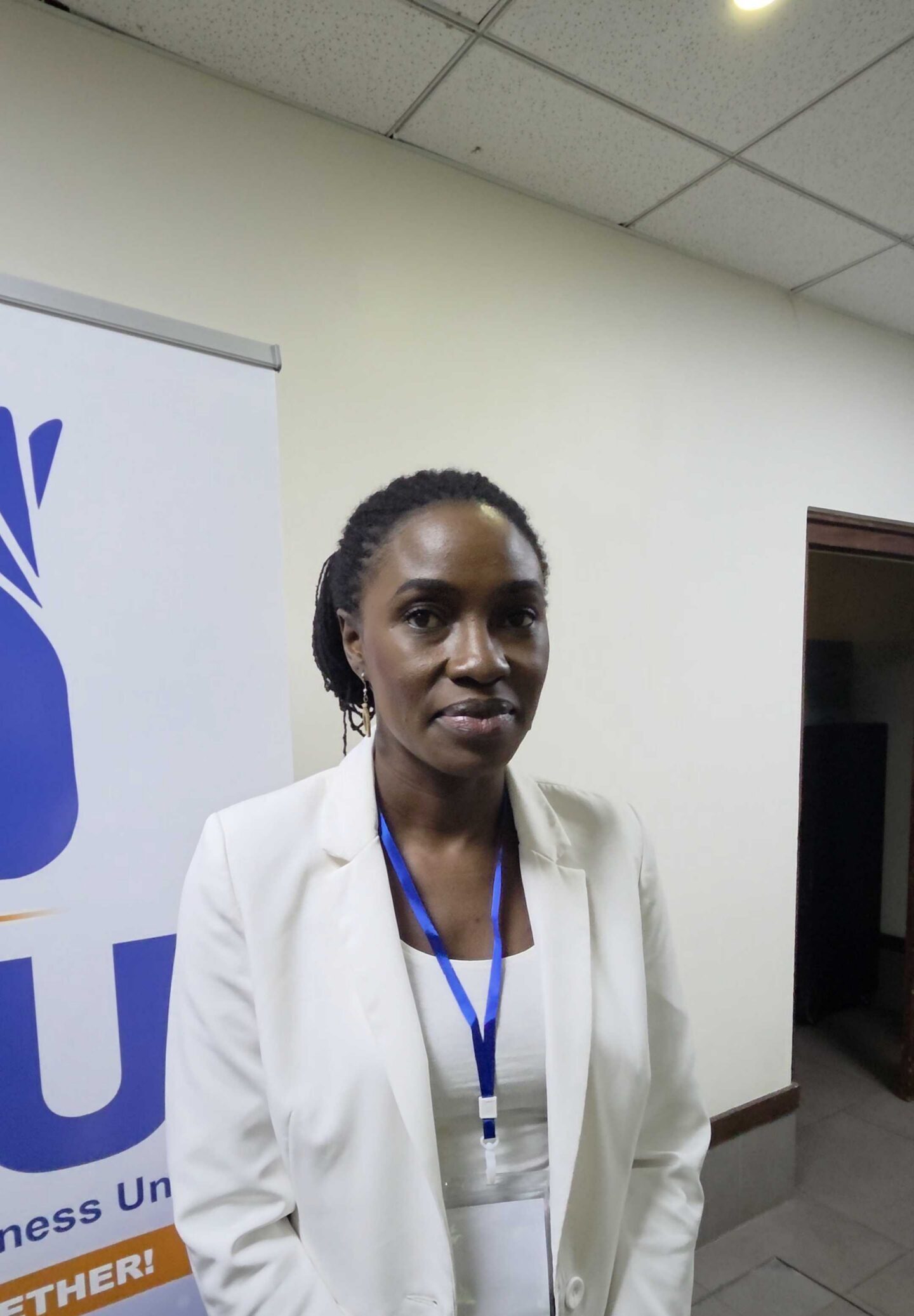
Sangene Watkins-Diagne, the acting director of the IBU, framed strict adherence to standards set by the Financial Action Task Force (FATF) as a core driver of Barbados’s economic competitiveness. “When Barbados is recognized as a fully compliant jurisdiction, we become far more attractive for cross-border business. As a compliant hub, we are a credible destination that investors can trust, which draws greater foreign investment. We need to reach the point where compliance is understood as a core component of our competitive edge,” she explained during the workshop.
While Watkins-Diagne acknowledged that Barbados’s local service providers have a long-standing track record of upholding required regulatory standards, she noted the new training effort was a direct response to evolving global anti-money laundering and counter-terrorist financing requirements. “Following the FATF’s fifth round of mutual evaluations for the region, the global rules have shifted. This session is intended to make sure our entire sector understands these updates and is fully prepared to adapt,” she added.
Watkins-Diagne also clarified that the new central register is far more than a routine data collection project, but an active operational tool for law enforcement and regulatory compliance. “This information needs to be accessible and ready for use by police and regulatory bodies when they conduct investigations into illicit activity,” she said.
Technical sessions at the workshop were led by Paul Inniss, a regional expert with experience as an assessor for the Caribbean Financial Action Task Force (CFATF), who has previously supported neighboring jurisdictions including the Cayman Islands and Jamaica to strengthen their own beneficial ownership frameworks. Inniss urged attendees to move beyond surface-level reviews of legal corporate structures and focus on identifying the ultimate controllers of business entities.
Inniss stressed that small international finance hubs like Barbados face very real risks from illicit finance flows, and getting beneficial ownership regulation right is critical to protecting the country’s financial services sector. “If we build a strong, effective fundamental framework for beneficial ownership transparency, I firmly believe we can substantially mitigate the risks that we face as a jurisdiction,” he said.
He added that updated FATF-driven international standards increasingly prioritize improving global asset recovery efforts and clarifying who actually controls corporate entities, noting that beneficial ownership is not just about listing named shareholders on official documents. “I’m talking about actual control. I’m talking about the individuals who truly own, control, and manage these entities, who make the key decisions for the business. If you can correctly identify the individuals that own and control legal persons and business arrangements, tracing illicit finance becomes a far less challenging task than it is today,” Inniss explained.
Closing the workshop, the IBU thanked private sector stakeholders for their ongoing cooperation, reaffirming that collaborative public-private work on regulatory reform is essential to preserving Barbados’s long-standing reputation as a transparent, well-governed, and credible international business jurisdiction.